
Kampala City Tour – A Complete Guide to Exploring Uganda’s Vibrant Capital
A safari holiday in Uganda is often associated with thrilling gorilla trekking in Bwindi, chimpanzee tracking in Kibale, or wildlife safaris in Murchison Falls and Queen Elizabeth National Parks. Yet, many travelers overlook the dynamic experience of exploring Kampala, the bustling capital city and cultural heart of Uganda. A Kampala City Tour is the perfect complement to a gorilla trekking safari, big game adventure, or cultural expedition. It gives visitors a chance to discover the country’s heritage, architecture, cuisine, spirituality, and day-to-day life in ways no wilderness park can reveal.
Kampala sits gracefully on a series of hills overlooking Lake Victoria, offering a blend of tradition and modernity. The city thrives as Uganda’s political, commercial, and cultural hub while maintaining strong ties to its kingdoms, heritage sites, and spiritual institutions. A guided Kampala City Tour opens a gateway into Uganda’s past and present, from pre-colonial Buganda Kingdom history to vibrant modern markets, historic cathedrals, imposing mosques, and lively art scenes. Whether before or after your wildlife safari, exploring Kampala enriches your journey and helps you connect more deeply with the soul of Uganda. This tour is not just about sightseeing; it is about feeling the rhythm of the city, interacting with its warm people, and appreciating the country’s diversity in one compact setting.
Discover Uganda’s Heritage at the Uganda Museum
No Kampala City Tour is complete without visiting the Uganda Museum, the nation’s oldest museum and the custodian of priceless cultural heritage. Established in 1908 and currently located on Kiira Road, the museum is famed for housing the largest collection of ethnographic and historical artifacts in Africa. This makes it a must-visit destination for travelers seeking to understand Uganda beyond wildlife safaris.
The museum is organized into several galleries that collectively capture the cultural and natural history of Uganda. The Ethnography Gallery highlights the diverse traditions of more than 50 ethnic groups in Uganda, showcasing tools, household items, clothing, and musical instruments used in daily life. Visitors are often fascinated by the displays of traditional huts, weapons, and agricultural implements that reveal how different communities lived, worked, and celebrated. Another fascinating section is the Natural History Gallery, which explores Uganda’s rich biodiversity, including taxidermy specimens of wildlife from savannas, forests, and wetlands. The Musicology Department adds vibrancy, featuring traditional instruments such as drums, xylophones, harps, and flutes, which visitors can play to experience Uganda’s rhythm.
Equally captivating is the Archaeology and Stone Age Gallery, which takes guests back thousands of years to the earliest human settlements in the region. Fossils, stone tools, and ancient pottery pieces trace Uganda’s prehistoric journey. Touring this museum typically requires at least three hours, but it is time well spent. The museum not only provides context for cultural tourism but also connects seamlessly with the country’s modern identity. For history lovers, tracing the museum’s relocation from Old Kampala to Makerere University and finally to Kiira Road enriches the journey even further.
The Buganda Cultural Trail – Exploring Uganda’s Monarchical Heritage
Uganda is home to several traditional kingdoms, but the Buganda Kingdom remains the most vibrant and influential. A Kampala City Tour that follows the Buganda Cultural Trail reveals fascinating insights into Uganda’s monarchical heritage and cultural pride.
The trail begins at Lubiri Palace, the ceremonial home of the Kabaka (King) of Buganda. The palace is a symbol of authority, history, and resilience, offering visitors an in-depth understanding of Buganda traditions. Guided tours of the palace grounds explore historical events, including the role the palace played during Uganda’s political struggles. Nearby lies Kabaka’s Lake, the largest man-made lake in Uganda. Constructed in the late 19th century under the instructions of King Mwanga II, the lake was initially intended to connect to Lake Victoria. Today, it serves as both a cultural landmark and a sanctuary for birdlife, offering scenic views and tranquil walks.
From the palace, the trail leads to Mengo, the seat of the Buganda Parliament, where traditional governance remains an integral part of the kingdom’s operations. A short distance away is Kasubi Tombs, a UNESCO World Heritage Site and the official burial ground of Buganda kings. Although partially damaged by fire in 2010, the tombs are undergoing restoration and remain one of the most spiritually significant sites in Uganda. For visitors with additional time, Wamala Tombs and Nagalabi Coronation Grounds in Buddo complete the Buganda story. Nagalabi is particularly significant as the coronation site where each new Kabaka is enthroned, a ceremony steeped in centuries-old rituals.
The Buganda Cultural Trail is more than sightseeing; it is an immersion into traditions that continue to influence Uganda today. It brings culture to life and strengthens understanding of Uganda’s rich heritage.
Kampala’s Vibrant Markets – A Journey into Everyday Life
While heritage sites and palaces speak of Uganda’s past, Kampala’s bustling markets reveal its present-day vibrancy. A Kampala City Tour that includes markets such as Owino (St. Balikuddembe), Nakasero, and Kalerwe provides an authentic glimpse into daily life. These markets are a riot of color, noise, and activity, offering visitors a sensory experience unmatched by conventional attractions.
Nakasero Market, perched on Nakasero Hill, is best known for fresh fruits, vegetables, spices, and local foodstuffs. Walking through its narrow alleys allows travelers to witness Uganda’s agricultural abundance, from tropical pineapples and bananas to spices like vanilla and cardamom. The hospitality of vendors adds warmth to the experience, with many eager to explain how different ingredients are used in Ugandan cuisine.
For those seeking a more energetic encounter, Owino Market is one of the largest second-hand clothing markets in East Africa. The sheer scale of activity here is astonishing, with thousands of traders selling everything from shoes and apparel to household items. Bargaining is part of the adventure, and visitors quickly realize why Owino is regarded as Kampala’s heartbeat. Beyond trade, these markets highlight the resilience, creativity, and entrepreneurial spirit of Ugandans.
Exploring Kampala’s markets is not just shopping; it is storytelling. Every product has a history, every vendor has an experience, and every interaction enriches the traveler’s journey. This makes market tours one of the most engaging parts of a Kampala exploration.
Religious Landmarks – Faith and Spiritual Diversity in Kampala
Uganda’s religious landscape is diverse, and Kampala reflects this multiplicity through its iconic churches, mosques, and temples. A city tour that includes these sacred landmarks provides a deeper appreciation of the role religion plays in Ugandan society.
On the city’s rolling hills stand Namirembe Cathedral and Rubaga Cathedral, the oldest Anglican and Catholic cathedrals in Uganda respectively. Their architectural grandeur, stained glass windows, and panoramic city views make them must-visit sites. Nsambya Cathedral adds another dimension to the Catholic presence in Kampala, with its unique design and rich history.
Islamic heritage shines at Old Kampala Mosque, also known as the Gaddafi National Mosque. Towering over Kampala Hill, this grand mosque accommodates over 15,000 worshippers and offers sweeping views of the city from its minaret. Another important mosque is Kibuli Mosque, which serves as a symbol of Uganda’s Islamic leadership and heritage.
Kampala also houses the Baha’i Temple, one of only seven Baha’i temples in the world and the only one on the African continent. Perched on Kikaya Hill, the temple’s serene gardens and striking dome make it a place of peace and reflection. These religious landmarks not only highlight Uganda’s spiritual diversity but also represent unity, resilience, and faith in everyday life.
Shopping, Entertainment, and Modern Kampala
A Kampala City Tour extends beyond history and culture to embrace modern attractions. Shopping enthusiasts will find numerous malls such as Acacia Mall, Lugogo Mall, and Arena Mall, which offer a mix of international brands, local boutiques, and vibrant dining experiences. For art lovers, galleries such as Afriart Gallery and Nommo Gallery showcase contemporary Ugandan creativity, from paintings to sculptures.
Kampala’s nightlife is another highlight, with lively bars, restaurants, and entertainment centers offering a blend of local music and international beats. From traditional Ugandan dishes to global cuisines, the city’s culinary scene is rich and diverse. Street food vendors serving “rolex” (a popular Ugandan snack of eggs and chapati) add to the excitement, ensuring that food is an essential part of the Kampala experience.
This side of Kampala reflects Uganda’s youthful energy, innovation, and cosmopolitan identity. It connects seamlessly with the city’s cultural heritage, presenting a destination that honors its past while embracing its future.
Why a Kampala City Tour Completes Your Ugandan Safari
A Kampala City Tour is more than a quick stopover; it is an essential part of understanding Uganda in its entirety. From exploring the Buganda Kingdom’s heritage sites and marveling at the Uganda Museum’s collections to immersing yourself in vibrant markets and admiring religious landmarks, Kampala offers a rich, multi-layered experience. The city blends history, culture, faith, and modernity into one compelling narrative that complements any gorilla trekking safari or wildlife adventure.
Visiting Kampala allows travelers to engage directly with Ugandans, discover their hospitality, and appreciate the diversity that defines the country. Whether you are interested in history, culture, food, spirituality, or shopping, Kampala delivers a memorable experience. Choosing a guided city tour ensures that you not only see the highlights but also understand their deeper significance.
By including Kampala in your Ugandan itinerary, you transform your safari into a holistic journey that celebrates both wilderness and city life. In doing so, you gain a complete perspective of Uganda its people, traditions, and aspirations. Kampala is not just a capital; it is the heartbeat of the Pearl of Africa.
Popular Safari Packages for Kampala Uganda
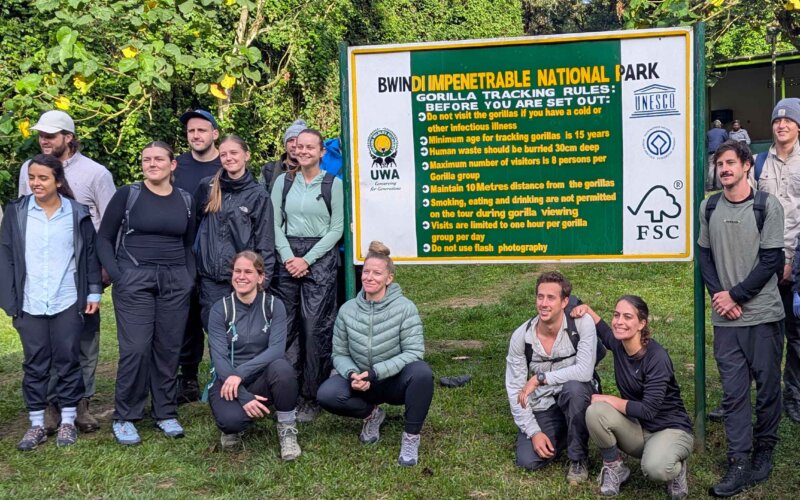
14 days primates & wildlife tour
This 14-Days Uganda Gorilla Chimpanzees and Wildlife Safari in Uganda to Murchison Falls national park where you expect a boat trip..
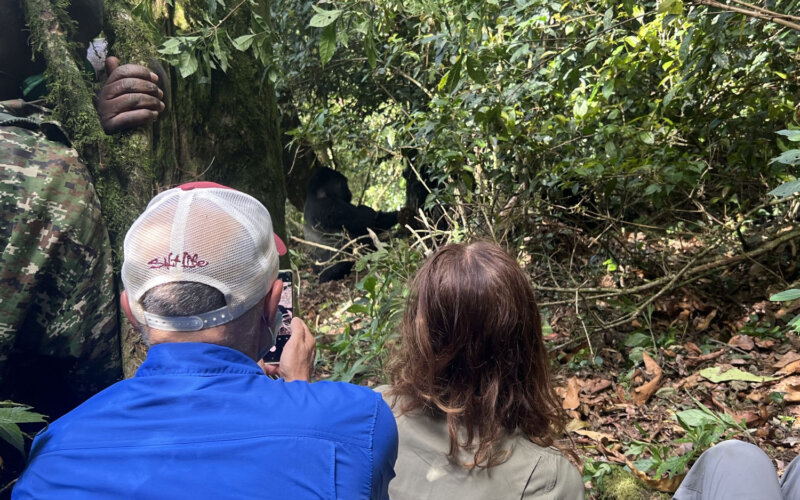
10 Days Best of Uganda Safari
This 10 Days Uganda Primates and Game Safari will give you an opportunity to visit five of the Uganda national Parks which include: Murchison Falls national Park.
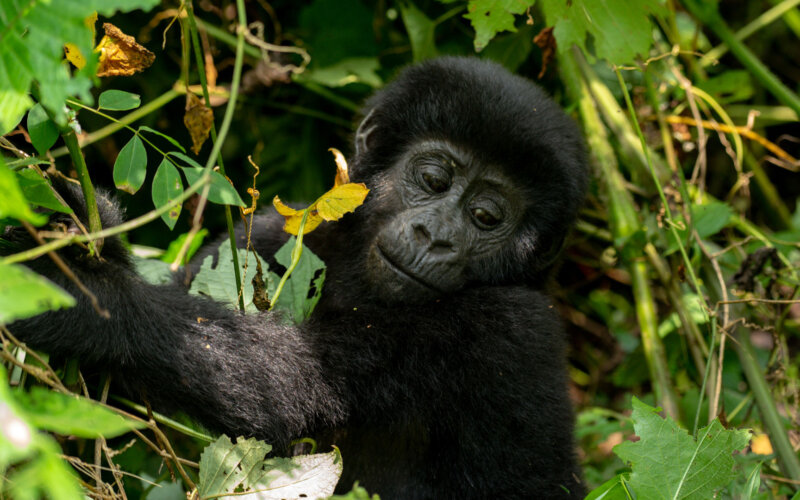
12 Days Gorilla & wildlife Safari
This 12 Days gorillas and chimps wildlife safari will give you a chance to visit top national parks in Uganda. You will visit Murchison falls national park to experience the big five.
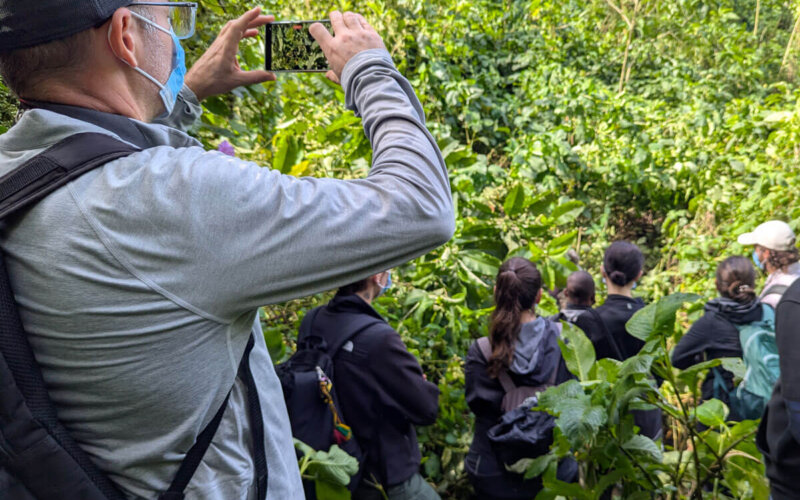
3-Day Uganda Gorilla Safari
Our 3 Day Bwindi Gorilla Trekking Safari and Lake Bunyonyi Tour offers an immersive encounter with mountain gorillas in the heart of Uganda’s Bwindi Impenetrable National Park.
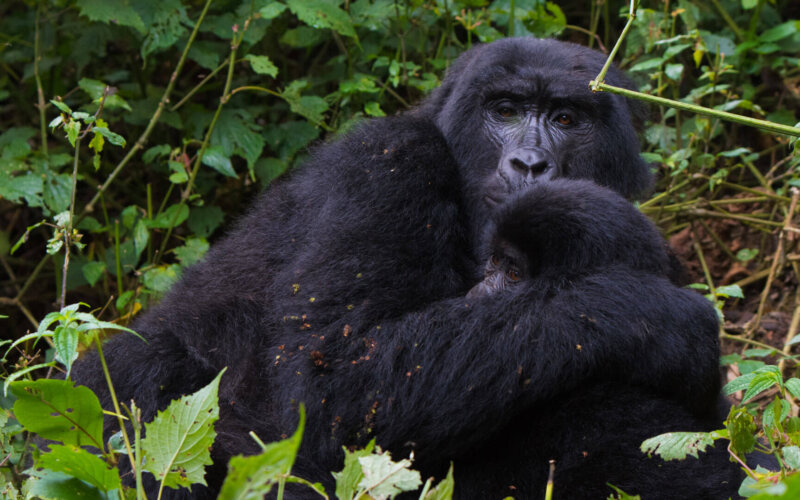
4-Day Gorilla & Wildlife Safari
Experience an unforgettable 4 day journey that combines thrilling gorilla trekking tour with a unique night safari adventure. This carefully crafted itinerary takes you from the scenic.
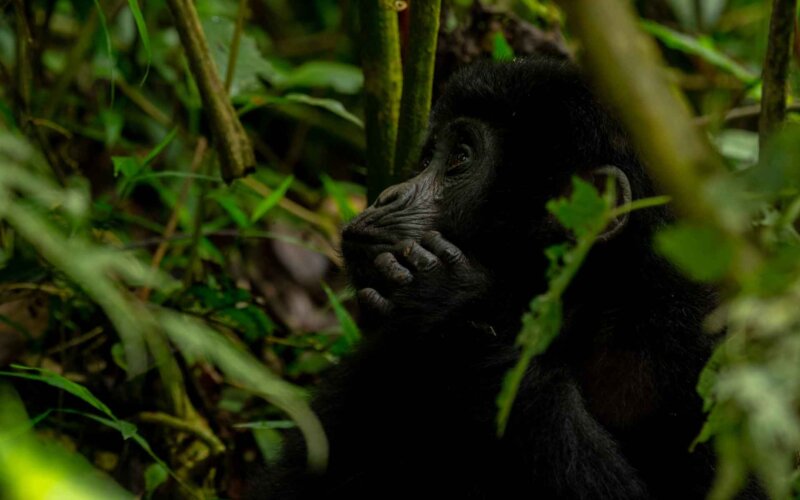
11 Days Gorilla & Wildlife Tour
This safari takes you from the majestic Murchison Falls to the lush Kibale Forest for chimps tracking, the expansive Queen Elizabeth National Park, and finally, the verdant Bwindi..
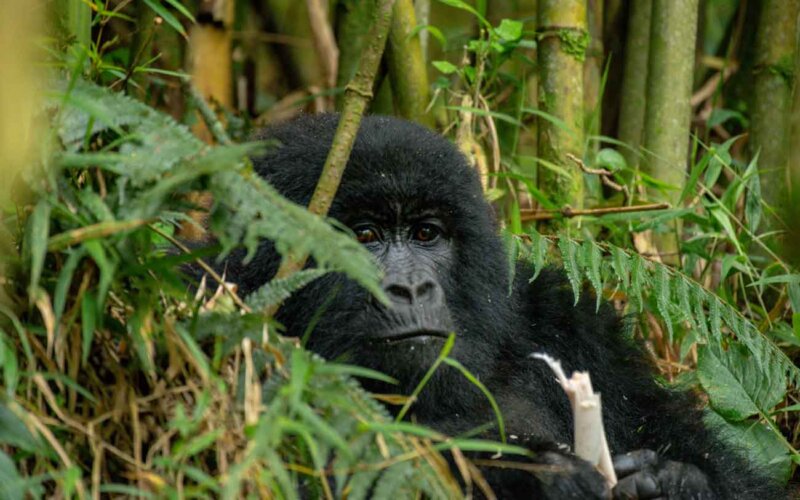
5 Days Uganda Gorilla Safari
This 5 days Gorillas and Chimpanzee tracking safari will take you to Kibale national park for chimpanzee tracking, proceed to Queen Elizabeth national park through ishasha sector
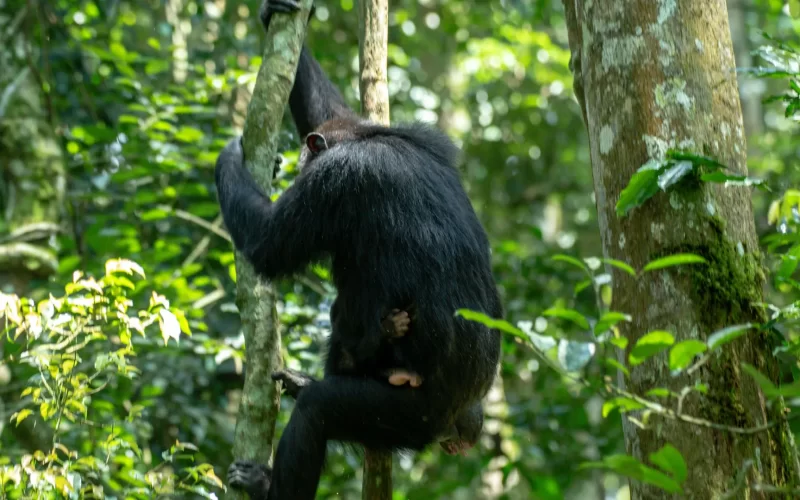
6 Days Gorillas & Chimps Safari
This 6 days Gorillas and Chimpanzee trekking safari will take you to Kibale national park for chimpanzee tracking and Bwindi Impenetrable National Park for gorilla trekking.
7 Days Wildlife & Primates
This 7 days Uganda Wildlife and Primates Safari will start by picking you up from Entebbe Airport or your hotel. Then you’ll travel to Kibale National Park to see chimpanzees.