Tailor Made Burundi Safaris
October 15, 2026
Burundi Wildlife Safaris
October 15, 2026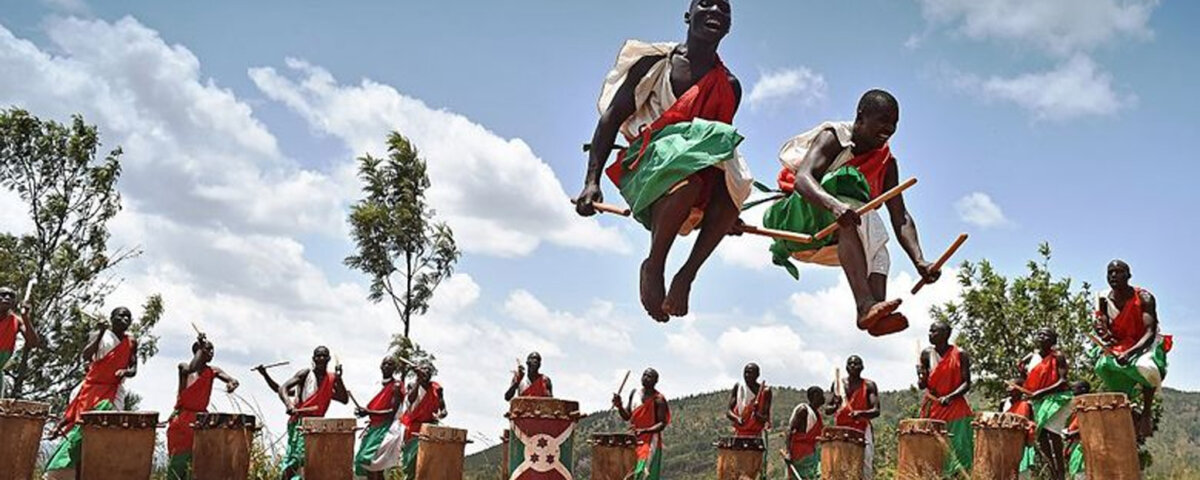
Burundi Cultural Tours
Burundi Cultural Tours offer travelers an opportunity to discover the traditions, history, music, dance, food, and everyday life of one of East Africa’s most culturally distinctive countries. From the energetic rhythms of the Royal Drummers of Burundi to traditional rural communities, local markets, lakeside fishing traditions, and the welcoming spirit of Burundian families, cultural travel reveals a deeper side of the country beyond its beautiful landscapes. Located in the heart of East Africa, Burundi offers visitors meaningful opportunities to explore its cultural identity, understand its history, and connect with local communities through respectful travel experiences.
Moreover, the country’s small size makes it possible to combine several cultural activities within one carefully planned itinerary. Whether you enjoy traditional performances, historical exploration, local cuisine, handicrafts, or village visits, Burundi Cultural Tours can introduce you to the stories, skills, and customs that shape Burundian life. At Giant Holiday Safaris, we believe that understanding a destination’s people and heritage makes every journey more rewarding. Therefore, we encourage travelers to explore Burundi with curiosity, respect, and an open mind while supporting local guides, cultural practitioners, and community businesses.
Understanding the Cultural Heritage of Burundi
Burundi has a rich cultural heritage shaped by centuries of community life, traditional leadership, agriculture, storytelling, music, and social customs. Although the country occupies a relatively small area, its cultural traditions offer travelers many ways to understand how people build relationships, preserve identity, and pass knowledge from one generation to another. For visitors, cultural exploration begins with recognizing that Burundi is more than a destination for scenic drives and lakeside relaxation. It is a country with living traditions that continue to influence family life, celebrations, artistic expression, and community relationships.
Kirundi, the national language, plays an important role in daily communication and cultural identity. French and English also appear in different educational, business, and tourism settings, although the languages visitors encounter can vary by location. Learning a few polite Kirundi expressions can make conversations more welcoming and help travelers show appreciation for local customs. Furthermore, listening to local guides explain traditions provides context that visitors might otherwise miss.
Burundian culture includes music, dance, oral storytelling, traditional ceremonies, farming practices, food preparation, and craftsmanship. These traditions do not remain frozen in the past. Instead, families, artists, and community groups continue to adapt them to modern life while maintaining important elements of their heritage. Consequently, visitors should approach cultural experiences as opportunities to learn about both historical customs and contemporary Burundian society.
A well planned cultural tour can introduce travelers to local communities, artistic performances, traditional foods, and places of historical importance. However, each experience should reflect the interests and wishes of the people who host it. By choosing knowledgeable local guides and responsible cultural activities, visitors can develop a more accurate understanding of Burundi while helping communities benefit from tourism.
The Royal Drummers of Burundi and Traditional Music
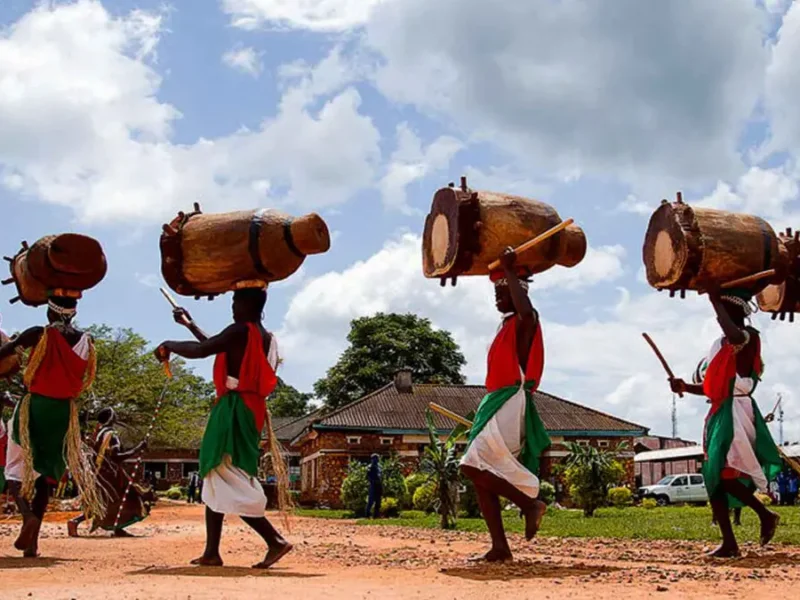
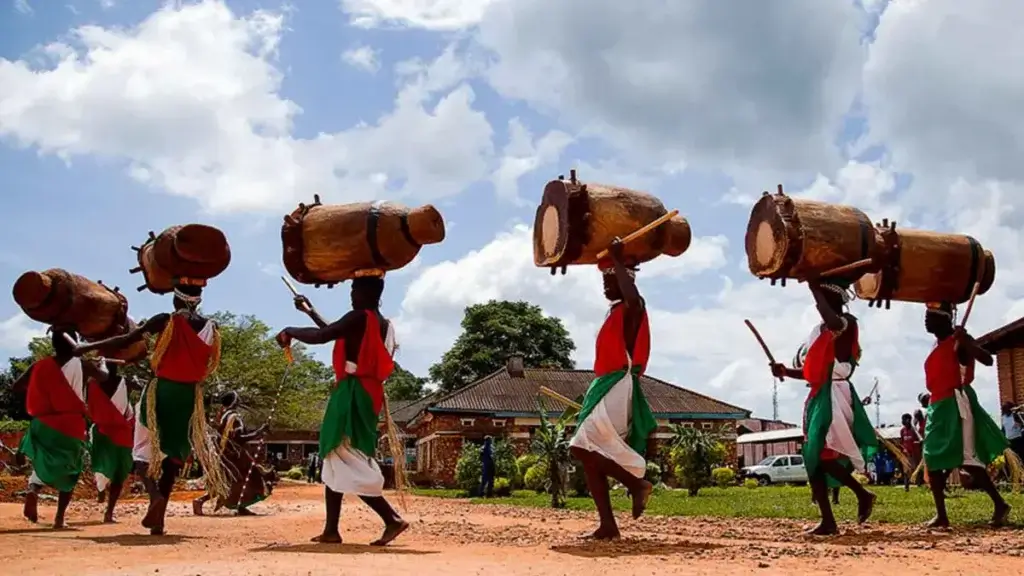
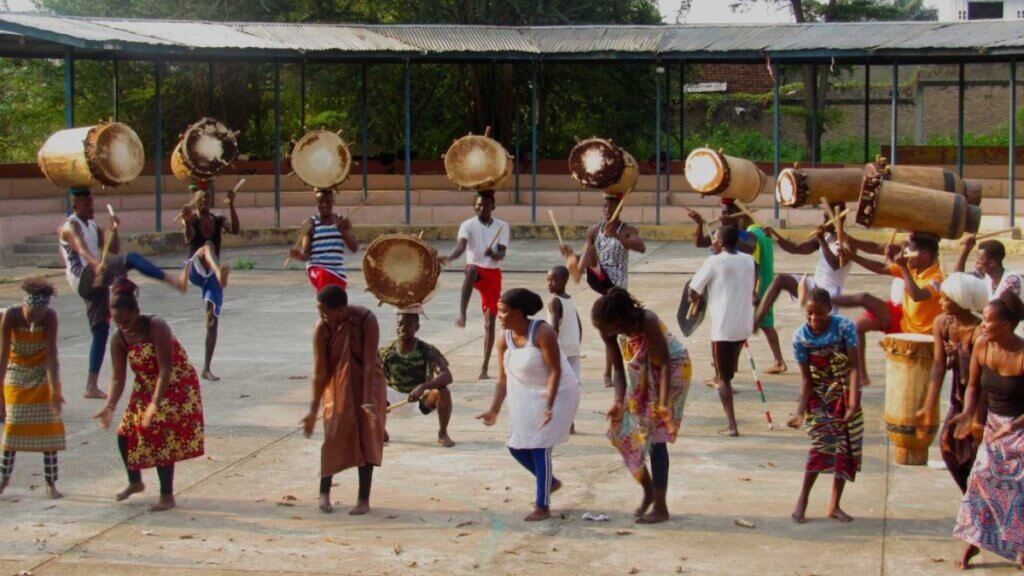
Traditional Burundian drumming is one of the country’s most recognizable cultural expressions. The Royal Drummers of Burundi have introduced the country’s distinctive rhythms to audiences around the world, making drumming an important attraction for travelers interested in African music and performance traditions. Their performances combine powerful percussion, coordinated movement, and carefully organized rhythms to create an energetic experience that celebrates Burundian cultural identity.
The traditional drums, often associated with the term ingoma, hold an important place in Burundian heritage. Historically, royal drumming connected with ceremonies, leadership, community celebrations, and important public occasions. Today, traditional drumming groups continue to preserve and perform these artistic traditions in cultural presentations, festivals, and other settings. Nevertheless, not every performance follows the same format, so travelers should ask their tour operator about the nature of the experience available during their visit.
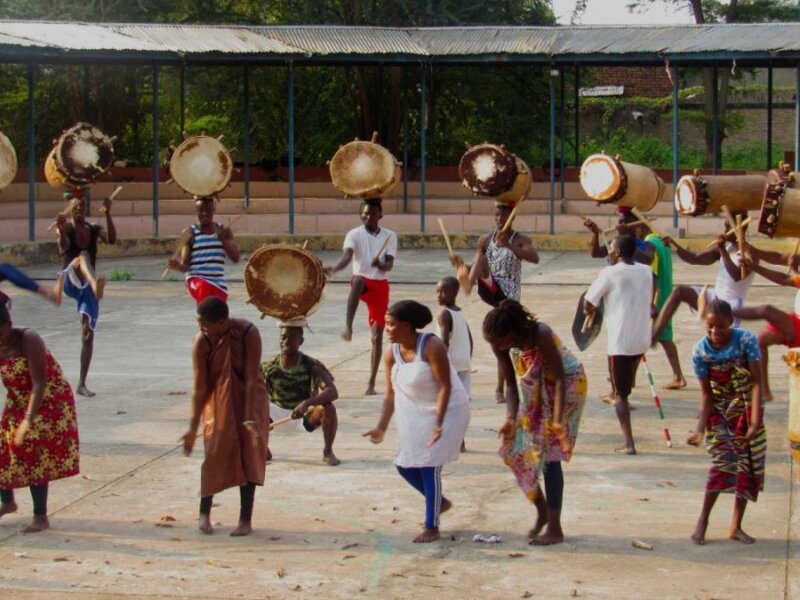
During a cultural tour, visitors may have the opportunity to watch drummers perform together, observe their coordinated movements, and learn about the meaning of rhythm within Burundian society. Depending on the program, local performers may also explain how they prepare their instruments, learn traditional patterns, and pass their skills to younger members. Such explanations help travelers appreciate the discipline and knowledge behind each performance.
In addition, music provides a natural way for people from different backgrounds to connect. Even visitors who do not speak Kirundi can appreciate the rhythm, movement, and shared energy of a performance. However, travelers should ask before photographing performers or recording a presentation, particularly when the event includes ceremonial or private elements.
For anyone planning Burundi Cultural Tours, traditional drumming deserves a place near the top of the cultural itinerary. It offers an engaging introduction to the country’s artistic heritage while highlighting the work of performers who keep important traditions alive.
Traditional Dance and Burundian Performing Arts
Traditional dance offers another valuable way to explore Burundi’s cultural identity. Across the country, dance can accompany celebrations, community gatherings, cultural presentations, and important social occasions. Through coordinated movements, rhythm, posture, and group participation, performers express artistic skill and preserve traditions that connect communities with their history.
Burundian dance often appears alongside drumming and singing, creating a lively combination of movement and sound. Some performances emphasize strong, controlled movements, while others focus on group coordination and the relationship between dancers and musicians. The meaning of each dance depends on its context, the community presenting it, and the occasion for which it was developed. Therefore, visitors should allow local performers or guides to explain the particular tradition they are watching rather than assuming that every dance has the same purpose.
A cultural tour may include a scheduled dance presentation or a community based performance arranged with local organizers. Such activities allow travelers to observe traditional clothing, performance techniques, musical rhythms, and the preparation that takes place before a show. In some settings, performers may invite visitors to participate in a simple dance lesson. When this happens, joining respectfully can create a memorable shared experience.
Moreover, performing arts provide opportunities for cultural education across generations. Experienced performers can teach younger participants the movements, songs, and rhythms associated with their traditions. In this way, cultural performances help maintain skills and strengthen community connections.
Travelers should remember that cultural artists contribute time, training, and expertise to every performance. Booking through responsible operators, paying agreed fees, and following photography rules help support their work. Consequently, visitors can enjoy Burundian dance while contributing to the continuation of local artistic traditions.
Exploring Gitega, Burundi’s Cultural Heart
Gitega, Burundi’s political capital, offers travelers an important starting point for exploring the country’s cultural heritage. The city and its surrounding areas provide opportunities to learn about Burundian history, traditional leadership, artistic expression, and changing patterns of everyday life. For visitors who want more than a short sightseeing stop, Gitega can serve as a useful base for cultural activities and regional exploration.
One of the city’s key attractions is the National Museum of Gitega, which presents aspects of Burundi’s history and cultural heritage. Museum visits can help travelers understand traditional objects, historical practices, and elements of community life. However, exhibitions and opening arrangements may change, so visitors should confirm access before including a museum visit in their schedule. A knowledgeable guide can also help explain the significance of displayed objects and place them within a wider historical context.
Beyond museum visits, travelers can explore the town’s streets, local businesses, markets, and surrounding communities. These everyday settings reveal how people combine traditional values with modern education, commerce, transport, and family responsibilities. Rather than treating the city as a collection of attractions, visitors can use their time in Gitega to observe how cultural identity continues to shape daily experiences.
Gitega also provides a useful opportunity to discuss Burundi’s royal history and traditional institutions. Local guides can explain how leadership, ceremonies, and community structures developed over time, while helping visitors distinguish historical practices from present day realities.
When planning a visit, travelers should allow enough time for conversations, museum exploration, and local experiences instead of rushing between stops. By approaching Gitega with curiosity, visitors can develop a stronger understanding of Burundi’s heritage and gain context for the cultural traditions they encounter elsewhere in the country.
Discovering Burundi’s Royal History and Traditional Institutions
Burundi’s royal history forms an important part of its national heritage. Before the establishment of the modern republic, the Kingdom of Burundi developed political institutions, customs, ceremonies, and systems of leadership that influenced community life for generations. Exploring this history helps visitors understand the relationship between cultural traditions, social organization, and the country’s development over time.
Traditional monarchy played a significant role in Burundian history, and royal symbols continue to hold cultural importance. Drumming traditions, historical accounts, and ceremonial practices offer valuable ways to explore this heritage. Nevertheless, visitors should distinguish between historical institutions and modern political structures. Contemporary Burundi is a republic, and cultural tourism should present royal history within the correct historical context.
A well organized cultural itinerary may include a museum visit, a guided historical discussion, or a performance connected to traditional royal drumming. Each activity can help explain how leadership, community relationships, and artistic traditions influenced one another. Furthermore, local guides can introduce historical details that make monuments, museum collections, and cultural presentations easier to understand.
Travelers should also recognize that history includes different experiences and interpretations. Burundi’s past contains periods of cultural continuity as well as political change and difficult chapters. A responsible cultural tour approaches these subjects carefully, avoids reducing the country’s identity to conflict, and recognizes the resilience and diversity of its people.
For travelers interested in African history, Burundi offers an opportunity to examine a kingdom whose cultural legacy remains visible in music, language, social customs, and national identity. Taking time to understand this heritage makes a visit more meaningful and encourages a balanced appreciation of the country’s past and present.
Visiting Local Communities and Experiencing Everyday Burundian Life
Community visits can make Burundi Cultural Tours especially rewarding because they introduce travelers to the routines, relationships, and skills that shape everyday life. While major attractions provide useful historical information, conversations with local residents can reveal how traditions continue through family activities, farming, cooking, crafts, and community events. These experiences allow visitors to appreciate Burundi as a living society rather than simply a destination to observe.
Depending on the location and arrangements, a community visit may include meeting local hosts, learning about household activities, exploring a market, observing traditional food preparation, or discovering local crafts. In rural areas, agriculture plays an important role in many households, and visitors may learn about crops, seasonal work, and the relationship between farming and family life. However, activities differ from one community to another, so tour operators should arrange experiences according to local interests and availability.
Responsible community tourism begins with permission and clear communication. Visitors should understand who will host the activity, what the visit includes, and whether any payment supports the participating household or community organization. A good tour operator explains these arrangements before the visit rather than treating access to local life as something travelers automatically receive.
Furthermore, travelers should respect privacy. A family home is not a public attraction, and a community visit should never become an excuse to photograph people without consent. Ask questions politely, follow the host’s guidance, and accept any limits on what visitors may see or do.
When organized respectfully, community visits can create opportunities for cultural exchange and local income. They also encourage travelers to appreciate the knowledge, work, and hospitality that sustain Burundian communities. Above all, the most meaningful encounters often come from listening carefully and approaching people as hosts and individuals rather than as tourist attractions.
Traditional Burundian Food and Culinary Experiences
Food provides an inviting introduction to Burundian culture because meals connect agriculture, family traditions, hospitality, and local identity. Traditional dishes often use familiar ingredients such as beans, bananas, cassava, sweet potatoes, maize, vegetables, and other locally available produce. The precise ingredients and preparation methods vary by household and region, allowing travelers to discover different flavors throughout their journey.
Beans and plantains feature in many meals, while cassava can appear in several forms, including cooked roots and flour based preparations. Sweet potatoes and maize also contribute to everyday diets. Rice, meat, fish, and vegetables may appear depending on local availability, household preferences, and the occasion. Consequently, a culinary tour should focus on the variety of Burundian food rather than suggesting that one meal represents the entire country.
Travelers may enjoy a meal at a local restaurant, visit a market with a guide, or arrange a cooking demonstration where hosts welcome visitors. These activities can explain how families select ingredients, prepare dishes, and combine foods for different meals. In addition, a guide can help visitors understand the role of seasonal produce and local farming in shaping everyday cuisine.
Burundi’s location beside Lake Tanganyika also makes fish an important culinary subject in lakeside communities. Travelers may encounter fish dishes in restaurants and local markets, although the available varieties and preparation methods differ. Visitors should ask about ingredients and preparation if they have allergies or dietary requirements.
Food experiences should always respect local hygiene standards and household customs. Choose clean, well managed establishments, confirm any dietary needs in advance, and ask permission before photographing people cooking or eating. Through thoughtful culinary exploration, visitors can discover how food expresses hospitality and connects Burundian families with the land around them.
Lake Tanganyika and the Cultural Traditions of Fishing Communities
Lake Tanganyika offers more than beautiful scenery. It also supports livelihoods, food traditions, transport, and social relationships in the communities along Burundi’s western shoreline. As one of Africa’s great lakes, it forms an important part of the country’s natural and cultural landscape. Visitors who combine lakeside exploration with cultural activities can learn how people depend on the lake and adapt their daily routines to its opportunities and challenges.
In lakeside communities, fishing contributes to local economies and provides food for households and markets. Early morning activity may include preparing fishing equipment, organizing boats, handling catches, and bringing fish to market. The exact routines vary according to location, weather, fishing methods, and local conditions. With advance arrangements, travelers may have opportunities to learn about these activities from local guides or fishing community representatives.
Markets near the lake can offer a useful introduction to the relationship between fishing, trade, food preparation, and household income. Visitors may observe how sellers organize fresh produce and fish, while guides explain the importance of the lake to surrounding communities. However, travelers should not assume that every market or fishing activity welcomes visitors. Some work areas may be private, crowded, or unsuitable for tourism, so local guidance remains essential.
Lake Tanganyika also supports recreation and relaxation. A carefully planned visit may combine a lakeside walk, a meal featuring locally prepared fish, and a conversation about fishing traditions. If a boat trip forms part of the itinerary, travelers should confirm safety arrangements, life jacket availability, weather conditions, and any applicable fees.
By exploring the lake through a cultural lens, visitors gain a better understanding of how the environment shapes everyday life. This approach also encourages respect for the knowledge of fishing communities and the importance of protecting the lake’s resources for future generations.
Traditional Handicrafts, Basketry, and Local Markets
Traditional crafts provide another way to discover Burundi’s cultural identity while supporting local creativity and small businesses. Craft makers use practical skills, local materials, and artistic knowledge to create objects for household use, decoration, personal expression, and sale. Depending on the community, travelers may encounter basketry, woven items, pottery, woodwork, textiles, and other handmade products.
Basketry offers an especially interesting subject because it can combine practical function with careful design. Makers select suitable materials, prepare fibers, and use established techniques to produce baskets and other woven objects. The patterns, colors, shapes, and uses can vary between individual craftspeople and communities. A demonstration can help visitors appreciate the patience and experience required to produce an item that might otherwise appear simple.
Local markets provide opportunities to explore crafts alongside food, clothing, household goods, and other everyday products. With a knowledgeable guide, visitors can learn how market sellers organize their goods, discuss prices respectfully, and understand the role of small trade in community life. Markets also offer a chance to observe contemporary Burundian society beyond formal cultural performances.
When purchasing handicrafts, travelers should ask about the materials, production process, and maker whenever possible. Buying directly from craftspeople or reputable community enterprises can help more of the purchase price reach the people responsible for the work. However, visitors should avoid assuming that every item has a particular traditional meaning simply because it looks handmade.
Responsible shopping also means checking the quality, durability, and transport requirements of an item before buying it. Some materials may face restrictions when crossing international borders, so travelers should check relevant customs rules. By choosing thoughtfully, visitors can take home a meaningful reminder of Burundi while supporting the skills and livelihoods of local artisans.
Kirundi Language, Greetings, and Cultural Etiquette
Language and etiquette play an important role in creating positive experiences during Burundi Cultural Tours. Kirundi is the national language and serves as a major part of everyday communication and cultural identity. Although visitors can often arrange tourism services in other languages, learning a few simple Kirundi expressions shows respect and can make interactions with local residents more comfortable.
Greetings matter in many social settings, and taking time to acknowledge someone before beginning a conversation can create a warmer exchange. Travelers should allow local hosts or guides to demonstrate suitable greetings and explain how formality changes according to age, relationship, and setting. A friendly attitude, patient listening, and respectful language often matter more than speaking perfectly.
Visitors should also understand that customs vary between families, communities, and social situations. In some settings, hosts may offer food or drink as a gesture of welcome. Travelers can respond politely while explaining dietary needs or personal limits when necessary. Similarly, it is helpful to ask before entering a home, photographing a person, or joining an activity that appears private.
Dress should suit the location and activity. Comfortable clothing works well for walking tours, while modest and respectful clothing may be appropriate when visiting religious sites, homes, or formal community gatherings. Travelers should follow local guidance rather than assume that the same expectations apply everywhere.
In addition, visitors should avoid treating language differences as a barrier to meaningful interaction. A guide can translate questions, explain expressions, and help prevent misunderstandings. Simple efforts such as greeting people, thanking hosts, listening carefully, and showing appreciation can improve cultural exchanges.
Ultimately, cultural etiquette is not about memorizing a long list of rules. It is about paying attention, recognizing local expectations, and responding with consideration. These habits help visitors build trust and enjoy more rewarding experiences throughout Burundi.
Religious Traditions and Community Celebrations in Burundi
Religion forms an important part of life for many people in Burundi, and visitors may encounter Christian worship, Muslim communities, and other expressions of belief. Religious traditions can influence weekly routines, family gatherings, celebrations, music, and community support. Exploring this aspect of Burundian life can help travelers understand how faith interacts with cultural identity and everyday relationships.
Churches and other places of worship may hold historical, architectural, or community significance. Depending on the itinerary and local arrangements, visitors may have an opportunity to learn about a religious site’s history or observe aspects of community life around it. However, worship services and religious ceremonies are not performances designed for tourists. Travelers should seek permission before attending, photographing, or recording any religious activity.
Community celebrations also provide opportunities to discover music, food, dress, and shared traditions. Weddings, family gatherings, festivals, and other occasions can bring relatives and neighbors together, although these events vary in purpose and form. Some celebrations are private, while others welcome invited visitors or members of the wider community. A responsible tour operator should arrange participation only when hosts have clearly agreed.
Burundi’s religious landscape also reflects changing social experiences and the diversity of individual beliefs. Therefore, travelers should avoid assuming that everyone follows the same customs or practices. Respectful questions can help visitors understand local traditions without placing pressure on people to explain private beliefs.
When a cultural tour includes a religious site, visitors should follow instructions about clothing, behavior, footwear, photography, and access to particular areas. Speaking quietly and allowing worshippers to continue their activities without interruption shows consideration.
By approaching religious and community traditions with sensitivity, travelers can gain a fuller picture of Burundian society. Such experiences remind visitors that culture includes not only music and dance but also the values, relationships, and beliefs that influence people’s daily lives.
Burundi’s Oral Traditions, Storytelling, and Cultural Knowledge
Oral storytelling has long helped communities preserve knowledge, explain values, and pass important experiences between generations. In Burundi, spoken traditions can offer insight into family relationships, community expectations, historical memories, and ideas about responsible behavior. Through stories, songs, proverbs, and personal accounts, people can share lessons that connect the past with present day life.
For travelers, storytelling can add depth to a cultural itinerary. A local guide may explain a historical event, describe the significance of a traditional practice, or introduce a proverb that reflects a widely understood value. Depending on the community and the people involved, visitors may also have opportunities to hear stories from local cultural practitioners or elders who choose to share their knowledge.
These conversations are valuable because cultural traditions often carry meanings that are not immediately clear to outsiders. A song, a gesture, or a particular form of greeting may reflect relationships and experiences that require explanation. Rather than guessing, visitors should listen to the people who understand the tradition and ask questions politely when appropriate.
It is equally important to recognize that oral history can include different versions of an event or tradition. Memories and interpretations may vary between individuals and generations. A responsible guide can explain these differences without presenting every personal account as a universally accepted historical fact.
Storytelling experiences should also respect the rights of the people sharing their knowledge. Visitors should ask permission before recording stories or publishing photographs and quotations. Some information may be private, sacred, or intended only for particular audiences.
By including oral traditions in Burundi Cultural Tours, travelers can appreciate the importance of language, memory, and shared knowledge. These experiences also highlight the work of people who preserve cultural understanding through conversation and storytelling rather than written records alone.
Rural Burundi, Agriculture, and Traditional Ways of Life
Rural communities offer visitors a useful perspective on the relationship between culture, agriculture, family responsibilities, and the natural environment. Farming supports many households in Burundi, and local agricultural practices influence food choices, seasonal routines, market activity, and community cooperation. A rural cultural visit can therefore reveal how daily work connects with wider traditions and social relationships.
Depending on the region and season, visitors may learn about crops such as beans, bananas, cassava, maize, sweet potatoes, and other locally grown produce. A local host or guide can explain how households prepare land, manage crops, harvest food, and organize agricultural work. The exact practices vary according to soil conditions, available resources, household needs, and local knowledge.
Agriculture also connects directly with Burundian cuisine. Many familiar dishes depend on crops grown by local farmers, while markets help producers exchange food and earn income. By understanding this relationship, travelers can appreciate the effort that supports everyday meals and the importance of farming to rural livelihoods.
A community visit might include a guided walk through an agricultural area, a conversation with a farmer, or an introduction to food preparation. However, visitors should not enter farmland or interrupt work without permission. Farming is a livelihood, not a tourist display, and hosts should determine which activities they feel comfortable sharing.
Rural life also includes education, small businesses, transport, family events, and modern technology. Travelers should avoid portraying villages as places untouched by change. Instead, they can explore how households combine established knowledge with new tools, changing markets, and evolving opportunities.
When planned respectfully, rural cultural experiences help visitors understand the connection between people and their environment. They can also create opportunities for local guides, farmers, and community hosts to earn income from sharing their knowledge.
The Best Places to Include on a Burundi Cultural Tour
Burundi’s cultural attractions can fit into different itineraries depending on the traveler’s interests, available time, road conditions, and preferred pace. Bujumbura, Gitega, and communities around Lake Tanganyika provide different experiences, while other destinations may introduce travelers to historical sites, rural life, and regional traditions. Selecting the right combination helps visitors gain a balanced understanding of the country.
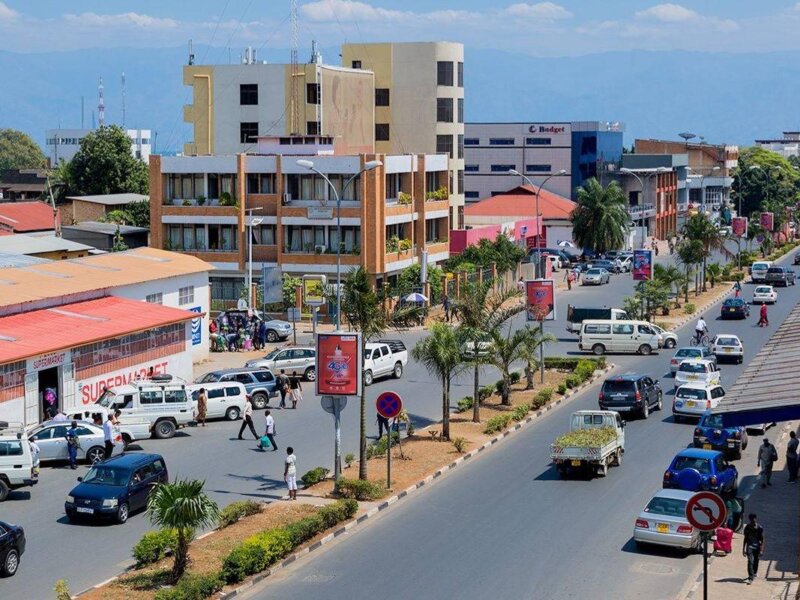
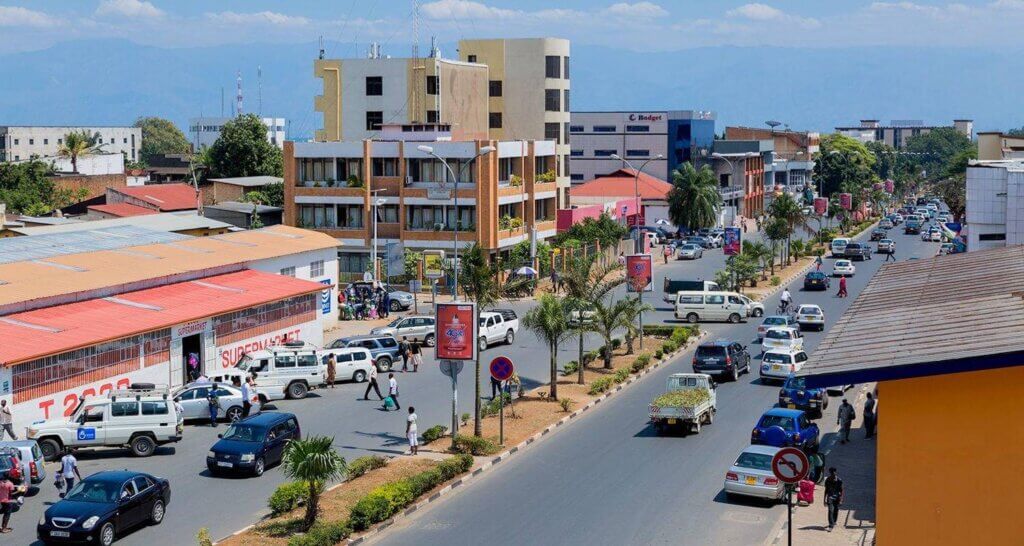
Bujumbura, the country’s largest city and a major commercial center, offers a starting point for exploring urban life, markets, local food, and the lakeside environment. Travelers can learn how modern commerce and everyday traditions interact in a city that connects Burundi with the wider region. Local guides can help identify appropriate markets and cultural stops according to the day’s arrangements.
Gitega offers a different perspective through its historical significance and the National Museum of Gitega. Visitors interested in royal history, cultural objects, and traditional institutions can use the city to explore Burundi’s heritage in greater depth. A guide can also help connect museum information with living traditions such as drumming and storytelling.
Lake Tanganyika introduces a combination of natural beauty and cultural activity. Lakeside communities, fishing traditions, local food, and waterfront life can form part of a broader itinerary. However, visitors should confirm access to specific activities rather than assume that every fishing site or community is open to tourism.
Depending on current access and travel arrangements, other rural areas may provide opportunities to learn about crafts, farming, and local celebrations. These activities require advance planning and should involve hosts who welcome visitors.
The best itinerary does not simply include the largest number of stops. Instead, it balances travel time with meaningful experiences and allows enough space for conversation and learning. By selecting destinations carefully, visitors can explore Burundi’s cultural diversity without turning the journey into a rushed checklist.
Planning a Burundi Cultural Tour Itinerary
A successful Burundi Cultural Tour begins with a clear idea of what you want to learn and experience. Some visitors prefer music, dance, and historical sites, while others enjoy food, markets, crafts, and community encounters. Defining these interests helps a tour operator develop an itinerary that suits your schedule and avoids unnecessary travel.
A short cultural visit can focus on Bujumbura, a local market, Burundian cuisine, and a lakeside experience. If you have more time, adding Gitega can introduce historical collections and opportunities to explore the country’s royal heritage. A longer itinerary may also include rural community activities or locally arranged craft experiences, depending on availability and road conditions.
Travel times require careful planning. Although Burundi is geographically compact, road journeys can take longer than expected because of terrain, traffic, weather, and road conditions. Travelers should avoid packing too many activities into one day. Allowing time for meals, rest, conversations, and unexpected delays often produces a more enjoyable experience.
Accommodation should also match the itinerary. Visitors may choose from hotels and guesthouses in major towns, with the exact options depending on their preferred comfort level and budget. Before confirming a booking, review the location, included meals, transport arrangements, and any services that matter to your trip.
A reliable operator should explain what the package includes, such as private transport, a driver guide, cultural activity fees, accommodation, meals, and airport transfers. The itinerary should also identify optional activities and any extra costs. Clear communication reduces misunderstandings and helps travelers make informed decisions.
At Giant Holiday Safaris, we recommend building cultural itineraries around meaningful experiences rather than simply counting attractions. By matching activities to your interests, confirming arrangements in advance, and allowing a flexible pace, you can discover Burundi with greater comfort and understanding.
The Best Time to Experience Burundi’s Cultural Attractions
Burundi welcomes cultural travelers throughout much of the year, but seasonal weather can influence road journeys, outdoor activities, and the comfort of exploring local communities. The best time for your trip therefore depends on the activities you want to enjoy, the locations you plan to visit, and your flexibility with travel dates.
Burundi generally experiences wetter and drier periods, although the timing and intensity of rainfall can vary. The main rainy period often extends from around February to May, while a shorter rainy period commonly occurs around September to November. Drier conditions often occur from June to August and during parts of December and January. These patterns provide a general guide rather than a guarantee, so travelers should check current conditions before departure.
For cultural tours, drier periods can make road travel and outdoor exploration easier. Visitors may find it more convenient to combine city walks, market visits, historical stops, and lakeside activities during periods with less rainfall. Nevertheless, cultural activities take place throughout the year, and rainy season travel can still be rewarding with suitable planning.
The timing of festivals, public celebrations, and special performances also matters. Not every traditional event follows a fixed tourism calendar, and some ceremonies take place privately. Travelers interested in a particular performance should ask their operator to confirm dates, availability, and any booking requirements before making final arrangements.
Clothing should suit both the weather and the planned activities. Comfortable walking shoes, light layers, and rain protection can help visitors adjust to changing conditions. Travelers should also allow flexibility for weather related delays, especially when the itinerary includes longer road journeys.
Ultimately, the best time for Burundi Cultural Tours is the period that fits your priorities and allows enough time for meaningful exploration. With realistic expectations and current local advice, you can enjoy cultural activities across different seasons.
Responsible and Sustainable Cultural Tourism in Burundi
Responsible tourism helps ensure that cultural experiences benefit local communities while respecting their dignity, traditions, and daily lives. In Burundi, visitors can contribute by choosing local guides, supporting community enterprises, buying genuine crafts, and participating only in activities that hosts have agreed to share. These choices can make cultural travel more valuable for both visitors and the people they meet.
The first principle is consent. A traveler should ask before photographing people, entering private spaces, recording a performance, or joining a community activity. Hosts must be free to decline without pressure. Similarly, visitors should respect rules around sacred places, family gatherings, and ceremonies that do not welcome outside participation.
Fair payment is equally important. Cultural performers, guides, craft makers, and community hosts contribute skills and time. Tour operators should communicate fees clearly and pay agreed amounts. Travelers can also support local livelihoods by purchasing products directly from makers or choosing restaurants and accommodation that employ local residents.
Environmental responsibility matters as well. Visitors should dispose of waste properly, reduce unnecessary plastic use, and avoid activities that damage natural areas. When visiting Lake Tanganyika or rural landscapes, travelers should follow local guidance and respect the needs of residents who depend on those environments.
Cultural respect also requires honest representation. Burundi should not be presented through stereotypes or reduced to a single historical narrative. A balanced tour recognizes the country’s artistic achievements, everyday life, social diversity, historical experiences, and contemporary aspirations.
At Giant Holiday Safaris, we believe responsible tourism begins with thoughtful planning and continues through every interaction. By working with reputable local partners, respecting community choices, and supporting local businesses, travelers can help create cultural experiences that are meaningful, fair, and sustainable.
What to Know Before Booking Burundi Cultural Tours
Before booking Burundi Cultural Tours, travelers should confirm practical arrangements and understand what their chosen package includes. Clear preparation helps prevent confusion and allows more time to enjoy the cultural experiences themselves. Start by identifying your travel dates, preferred destinations, group size, accommodation needs, and main interests.
Entry requirements should be checked using current official guidance for your nationality and travel circumstances. Passport validity, visa rules, and any required supporting documents can differ between travelers. Visitors should also review relevant travel advisories and confirm border or airport arrangements before departure. Requirements can change, so avoid relying solely on information from an older itinerary.
Discuss transport arrangements with your operator, especially if your trip includes several destinations. Ask whether the package provides a private vehicle, driver guide, fuel, airport transfers, and transport between activities. It is also helpful to understand expected journey times and whether the itinerary allows for rest stops.
Cultural activities should receive the same attention as accommodation and transport. Confirm which performances, museum visits, community encounters, or craft demonstrations the operator has arranged. Ask whether fees are included, whether bookings depend on availability, and what happens if an activity cannot take place. Responsible operators explain limitations honestly rather than promising access they cannot guarantee.
Travelers should share important dietary needs, mobility considerations, and other practical requirements before the tour begins. They should also carry suitable clothing, personal medication where applicable, and any necessary travel documents. For photography, remember that permission may be required in markets, museums, religious settings, or community spaces.
Finally, review the payment schedule, cancellation terms, and any extra charges before confirming your booking. A transparent quotation makes it easier to compare options fairly and plan your budget. With the right preparation, you can focus on discovering Burundi’s traditions, meeting local people respectfully, and enjoying a well organized cultural journey.
Why Choose Giant Holiday Safaris for Burundi Cultural Tours?
Choosing the right tour operator can make a major difference to your cultural travel experience. Burundi offers many opportunities to discover traditional music, historical heritage, local cuisine, markets, and community life. However, travelers benefit from an operator who understands regional travel, values local knowledge, and takes time to organize activities that match each visitor’s interests. Giant Holiday Safaris aims to help travelers explore East Africa through well planned journeys that combine cultural discovery, local experiences, and practical travel arrangements.
Our approach focuses on understanding what each traveler hopes to gain from a visit. Some guests want to explore Burundian history and traditional institutions, while others prefer cultural performances, food experiences, craft markets, or relaxed exploration around Lake Tanganyika. By discussing these interests before departure, we can help develop an itinerary that balances meaningful activities with suitable transport, accommodation, and time for relaxation.
Furthermore, cultural tourism works best when visitors engage respectfully with local people. We encourage travelers to value the knowledge of local guides, support community businesses, and approach cultural encounters with curiosity. Where an activity depends on local permission or availability, we recommend confirming the arrangements in advance rather than making assumptions.
Travelers can also consider combining Burundi with other East African destinations when their schedules and border arrangements allow. A wider regional journey may include Uganda, Rwanda, Kenya, or Tanzania, creating opportunities to experience different landscapes, wildlife destinations, cuisines, and cultural traditions. Such combinations require careful planning to account for travel distances, entry requirements, and available transport.
Our goal is to help travelers experience Africa beyond its famous attractions. Through thoughtful planning and respectful cultural exploration, Burundi Cultural Tours can introduce visitors to the country’s living heritage, creative traditions, and everyday life while creating opportunities to support the communities that make each experience meaningful.
Frequently Asked Questions About Burundi Cultural Tours
What can I experience on Burundi Cultural Tours?
Burundi Cultural Tours can include traditional drumming, dance performances, museum visits, historical exploration, local cuisine, craft markets, rural community experiences, and visits to communities around Lake Tanganyika. The activities depend on your interests, travel dates, location, and the availability of local hosts. Some travelers prefer a short introduction to Burundian culture, while others choose a longer itinerary that explores several destinations. Before booking, discuss your priorities with your tour operator so the itinerary reflects the experiences you value most.
How many days do I need for a Burundi cultural holiday?
A short visit of two or three days can introduce you to selected cultural attractions in and around Bujumbura. A four to six day itinerary can allow more time for Gitega, historical exploration, local food, traditional performances, and lakeside experiences. Longer trips provide additional opportunities to explore rural communities and combine cultural activities with nature based experiences. These are planning suggestions rather than fixed requirements. Your ideal duration depends on your interests, transport arrangements, accommodation preferences, and whether you plan to visit other East African countries.
Is Burundi suitable for first time visitors to Africa?
Burundi can offer a rewarding cultural introduction to East Africa for travelers who prepare carefully and respect local customs. First time visitors may benefit from private transport, an experienced local guide, prearranged accommodation, and a clear itinerary. These arrangements can make communication and movement between destinations easier. Travelers should also review current official travel advice, entry requirements, local transport conditions, and health recommendations before departure. With appropriate preparation, visitors can explore the country’s cultural heritage while gaining a broader understanding of life in East Africa.
Can I combine Burundi cultural experiences with wildlife safaris?
Yes. Depending on your available time and travel priorities, you can combine Burundi’s cultural attractions with wildlife experiences in other East African destinations. Uganda, Rwanda, Kenya, and Tanzania offer different combinations of national parks, wildlife viewing, scenic landscapes, and cultural activities. However, these journeys require careful coordination because border crossings, road distances, flights, and entry requirements can affect the itinerary. Travelers interested in a combined holiday should decide which experiences matter most and allow enough time to enjoy each destination without rushing.
Are traditional performances available throughout the year?
Traditional performances may be available through cultural groups, scheduled presentations, festivals, and special events. However, not every group performs daily, and some ceremonies take place privately. Availability can depend on the season, location, group schedules, and advance arrangements. Travelers who particularly want to experience the Royal Drummers of Burundi or a specific traditional dance should discuss this interest with their tour operator before booking. Confirming the performance details, location, duration, and fees helps create realistic expectations.
How can I support local communities during a cultural tour?
You can support local communities by booking knowledgeable local guides, purchasing crafts directly from makers where possible, eating at reputable local restaurants, and paying fair prices for cultural activities. You should also respect photography rules, follow local guidance, and ask permission before entering private spaces or recording people. When a tour includes a community visit, ask how the activity benefits its hosts and whether the fee goes directly to participating individuals or organizations. These simple choices encourage respectful exchanges and help local people benefit from tourism.
Conclusion: Discover Burundi Through Its Living Culture
Burundi Cultural Tours offer an enriching way to explore the traditions, history, music, food, craftsmanship, and everyday experiences that shape this East African country. From the powerful rhythms of traditional drumming to the historical heritage of Gitega, the lively markets of Bujumbura, and the fishing traditions around Lake Tanganyika, Burundi offers cultural experiences that reward curiosity and thoughtful preparation. Moreover, conversations with local guides, visits to craft makers, and respectful encounters with community hosts can help travelers understand the people behind the country’s cultural traditions.
The most rewarding journey goes beyond sightseeing by creating opportunities to learn, listen, and appreciate different ways of life. Therefore, travelers should choose responsible tour arrangements, respect local customs, and allow enough time to enjoy each experience without rushing. Giant Holiday Safaris encourages visitors to explore Burundi with an open mind and a genuine interest in its living heritage. Whether you are planning a short cultural escape or a wider East African adventure, Burundi Cultural Tours can introduce you to a distinctive blend of artistic expression, historical discovery, warm hospitality, and meaningful cultural exchange.