3 Days Burundi Cultural Tour
October 13, 2026
Tailor Made Burundi Safaris
October 15, 2026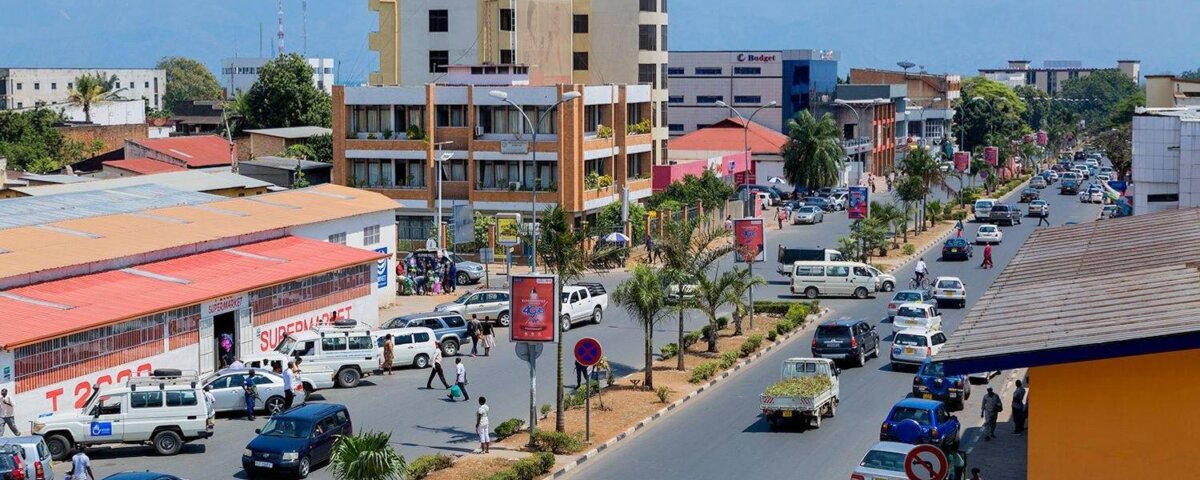
Small Group Burundi Tours
Small Group Burundi Tours offer travelers a wonderful way to discover Burundi’s beautiful landscapes, rich culture, welcoming communities, and peaceful natural attractions while enjoying personalized attention and meaningful experiences. By traveling with a small number of people, you can explore the country at a comfortable pace, connect more closely with local communities, and enjoy a flexible safari experience without the pressure of a large tour group. From the lively streets of Bujumbura to the shores of Lake Tanganyika, the green hills of the countryside, and the impressive Karera Waterfalls, Burundi offers rewarding experiences for curious travelers seeking something different in East Africa.
Moreover, Burundi provides an opportunity to experience a side of Africa that many international visitors have yet to explore. The country combines beautiful scenery, traditional music, local food, historical sites, and natural attractions within a relatively compact area. Consequently, travelers can discover several destinations during a carefully planned trip without spending every day on long journeys. Small group travel also makes it easier to share experiences, exchange ideas, and build friendships along the way.
At Giant Holiday Safaris, we understand that a memorable African holiday involves more than visiting famous attractions. It also requires thoughtful planning, knowledgeable local support, comfortable transport, suitable accommodation, and respect for the people and places that make each destination special. Therefore, our approach to small group Burundi tours focuses on creating balanced journeys that combine discovery, comfort, cultural understanding, and responsible travel.
Whether you are traveling with friends, joining a small organized group, exploring East Africa for the first time, or adding Burundi to a longer regional adventure, this guide will help you understand what to expect and how to plan a rewarding experience.
Why Choose Small Group Burundi Tours?
Small group Burundi tours provide an excellent balance between organized travel and personal freedom. Instead of moving through the country as part of a large crowd, you explore with a limited number of fellow travelers. This arrangement allows your guide to give more attention to individual questions, explain local traditions in greater detail, and help the group enjoy each destination without unnecessary pressure. Furthermore, a smaller group can make cultural visits feel more personal because travelers have more opportunities to interact respectfully with local residents.
Another advantage involves the pace of the journey. Large groups often need more time to organize departures, arrange meals, and move between attractions. However, smaller groups can usually coordinate these activities more easily. As a result, you may have more time to appreciate a beautiful landscape, take photographs, enjoy a local meal, or learn about a community’s daily activities.
Small group travel also encourages meaningful connections among participants. Travelers who share an interest in culture, nature, photography, or adventure can exchange experiences throughout the journey. At the same time, you still enjoy the support of an organized itinerary, professional guiding arrangements, and planned accommodation.
Additionally, smaller groups may offer greater flexibility when selecting activities, provided that the schedule, transport arrangements, attraction rules, and local conditions allow changes. Your tour operator can discuss suitable alternatives before the journey begins.
For international visitors, this style of travel can make Burundi easier to explore. You benefit from local knowledge while maintaining the opportunity to discover the country at your own pace. Ultimately, small group Burundi tours suit travelers who value personal attention, authentic experiences, thoughtful organization, and opportunities to understand a destination beyond its main attractions.
Discover Burundi, One Experience at a Time
Burundi is a compact country with a remarkable range of experiences. Its landscapes include rolling hills, fertile farmland, lakeside communities, forests, waterfalls, and the shores of Lake Tanganyika. Meanwhile, its cultural traditions provide opportunities to understand the importance of music, dance, family, food, and community life.
A well-planned small group itinerary can introduce you to several sides of the country without making the experience feel rushed. For example, you might begin with a city tour in Bujumbura, continue to a lakeside destination, explore rural landscapes, and finish with a cultural experience. Depending on your travel dates, interests, and available time, you can also consider destinations farther inland.
The country’s size makes it possible to combine different experiences within one trip. Nevertheless, road conditions, travel times, weather, and the distance between attractions still require careful planning. Therefore, a reliable itinerary should allow enough time for transfers, rest, meals, and unexpected delays.
Small group travel also gives you more opportunities to appreciate the details that make Burundi special. Instead of simply passing through a village, you may have time to learn about local farming, observe traditional crafts, or understand how people use the surrounding landscape. Likewise, a visit to a scenic viewpoint becomes more rewarding when your guide explains the area’s geography and cultural importance.
Burundi is not only a destination for sightseeing. It also offers opportunities for learning, reflection, and responsible cultural exchange. By combining natural attractions with community experiences, small group Burundi tours help travelers develop a broader understanding of the country while supporting local tourism businesses and service providers.
Explore Bujumbura and Its Local Attractions
Bujumbura provides a natural starting point for many Burundi tours because it offers access to accommodation, transport services, restaurants, markets, and important urban attractions. Located beside Lake Tanganyika, the city combines everyday urban life with attractive lakeside scenery. It also introduces visitors to the country’s modern history, local food, and cultural diversity.
A guided city tour can include selected public landmarks, markets, cultural stops, and other attractions according to the group’s interests and the day’s conditions. At local markets, travelers can observe the variety of goods people buy and sell, including fresh produce, household items, clothing, and regional products. These visits offer a useful glimpse into daily life, although visitors should always ask permission before photographing individuals or their goods.
The city also provides opportunities to sample Burundian cuisine. Depending on the restaurant and available ingredients, you may encounter dishes featuring beans, plantains, cassava, rice, vegetables, or grilled fish. Sharing a meal offers a relaxed way to learn about local food traditions while enjoying time with fellow travelers.
Furthermore, Bujumbura’s lakeside setting makes it a useful place to appreciate Lake Tanganyika. Visitors can enjoy suitable waterfront locations, relax after a journey, or arrange activities offered by established local operators. However, swimming, boating, and other water activities should depend on local safety guidance and current conditions.
A small group city tour allows your guide to adapt explanations to the group’s interests. History enthusiasts can ask questions about historical sites, while food lovers may prefer additional time for local cuisine. As a result, Bujumbura becomes more than a transit point. It becomes an important introduction to Burundi’s people, history, and everyday experiences.
Experience the Beauty of Lake Tanganyika
Lake Tanganyika is one of Burundi’s most important natural attractions and a highlight of many small group Burundi tours. The lake stretches across parts of East and Central Africa and supports diverse aquatic life, fishing communities, transport activities, and lakeside livelihoods. Its expansive waters and surrounding landscapes also create a relaxing setting for visitors who want to balance sightseeing with time outdoors.
Along Burundi’s shoreline, travelers can enjoy scenic views, observe local activities, and appreciate the relationship between the lake and nearby communities. Depending on the location, a visit may include time at a suitable beach area, a lakeside meal, or a guided activity arranged with an established operator. These experiences offer a welcome contrast to busy city streets and long road journeys.
Lake Tanganyika also provides opportunities to learn about fishing and the local economy. Fishing supports many households, while markets and restaurants connect the lake’s resources with daily life. A knowledgeable guide can explain these connections and help visitors understand why the lake matters beyond its beauty.
For photography enthusiasts, the lakeside offers opportunities to capture changing light, boats, landscapes, and everyday scenes. Nevertheless, travelers should respect privacy and ask permission before photographing people at work or within private spaces.
Water activities require particular care. Before arranging a boat trip or swimming session, confirm the operator’s safety procedures, available equipment, weather conditions, and any local restrictions. Never assume that a particular activity is suitable simply because the water appears calm.
Including Lake Tanganyika in a small group itinerary creates time for relaxation, nature appreciation, and cultural learning. Whether you spend an afternoon enjoying the views or arrange a guided lakeside experience, the destination adds a memorable dimension to your Burundi holiday.
Visit the Spectacular Karera Waterfalls
Karera Waterfalls rank among Burundi’s notable natural attractions and appeal to travelers who enjoy scenic landscapes and outdoor exploration. Located in southeastern Burundi, the waterfalls form part of a landscape known for flowing water, green surroundings, and rocky features. Their appearance can change with rainfall and seasonal conditions, making local guidance important when planning a visit.
A trip to Karera Waterfalls allows visitors to experience a different side of the country beyond its cities and lakeside areas. The journey introduces travelers to rural scenery, changing vegetation, and communities along the route. Depending on the itinerary, you may also encounter farmland and rolling hills that reveal how closely the countryside connects with local livelihoods.
Once at the site, visitors can appreciate the waterfalls from suitable viewpoints and follow designated access arrangements where available. A local guide can explain the area’s natural features and help the group understand the importance of respecting the environment. Travelers should remain on safe paths, follow instructions, and avoid climbing onto slippery rocks or entering restricted areas.
Small group tours can make the experience more enjoyable because participants can move at a manageable pace and take time to appreciate the surroundings. Photography enthusiasts may also value opportunities to capture the water and surrounding vegetation without feeling hurried by a large group.
However, the best experience depends on weather, access conditions, and the time available for the journey. Heavy rain may affect roads and walking conditions, while dry periods can change the appearance of the falls. Therefore, your itinerary should allow room for local advice and practical adjustments.
For travelers who appreciate natural beauty, Karera Waterfalls can become one of the most memorable stops on a Burundi tour. Combining this destination with cultural visits and lakeside experiences provides a broader understanding of the country’s natural diversity.
Discover the Source of the Nile Region
Burundi’s southern highlands contain landscapes associated with the southernmost source of the Nile River system. The area around Rutovu offers travelers an opportunity to explore the geographical traditions connected with the Nile and learn about the river’s wider importance across northeastern Africa.
A visit to the commonly identified southern source area can add an educational element to a small group Burundi tour. Travelers can explore the surrounding countryside, appreciate the green hills, and learn how rivers and streams form part of larger drainage systems. These landscapes also provide insight into the relationship between elevation, rainfall, agriculture, and settlement patterns.
For many international visitors, the Nile is associated with countries farther north, especially Uganda, South Sudan, Sudan, and Egypt. Exploring the southern source region in Burundi offers another perspective on this major river system and its geographical reach. However, it is important to distinguish between a traditional or commonly identified source location and the complex scientific question of tracing a river to its farthest headwater.
A guide can help explain the site’s history, local interpretation, and regional geography in clear terms. This makes the experience useful for travelers interested in African geography, history, and natural landscapes.
The journey also provides opportunities to appreciate rural Burundi. Depending on the route, visitors may see cultivated hillsides, small settlements, and everyday activities that differ from life in Bujumbura. These observations help place the destination within the wider story of the country’s people and environment.
Including the source of the Nile region in your itinerary works especially well for travelers who enjoy educational journeys and scenic drives. When combined with waterfalls, cultural attractions, and Lake Tanganyika, the visit adds another meaningful layer to small group Burundi tours.
Enjoy Authentic Burundian Cultural Experiences
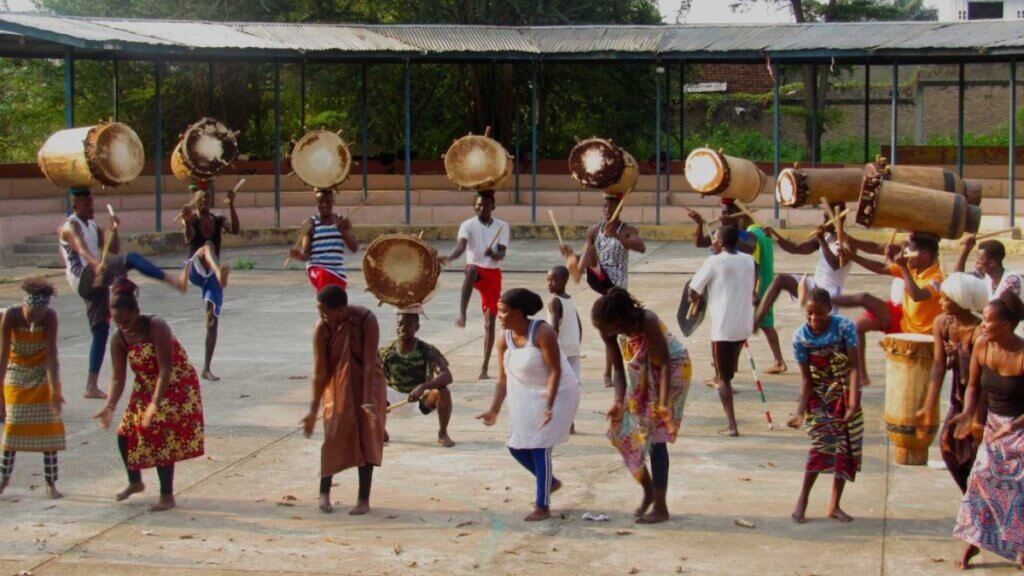
Culture is central to the appeal of Burundi, and small group tours provide valuable opportunities to understand its traditions in a respectful and engaging way. Burundian culture includes music, dance, storytelling, food, craftsmanship, family relationships, and community celebrations. These traditions continue to shape daily life and help communities maintain connections with their history.
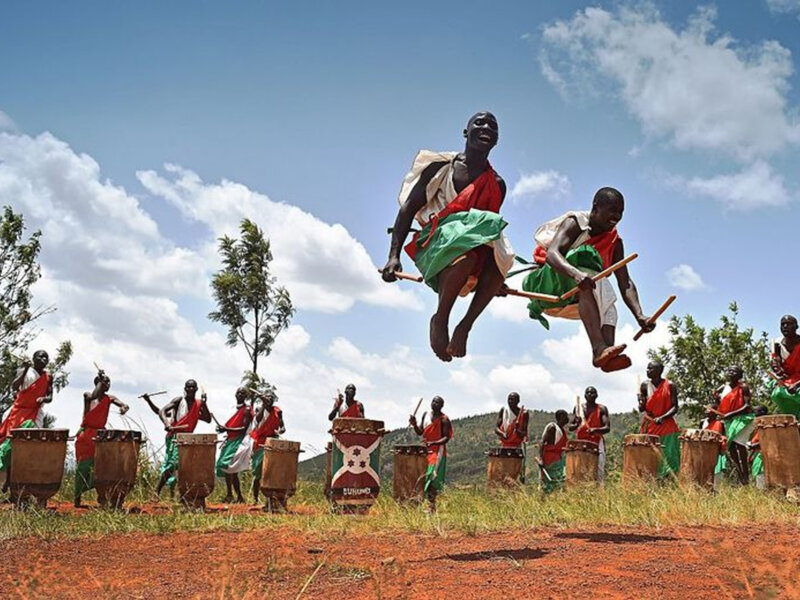
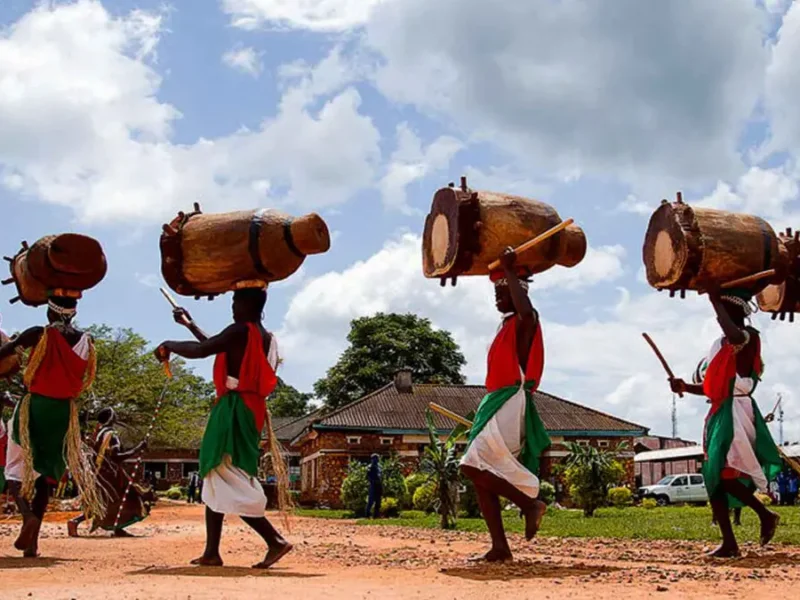
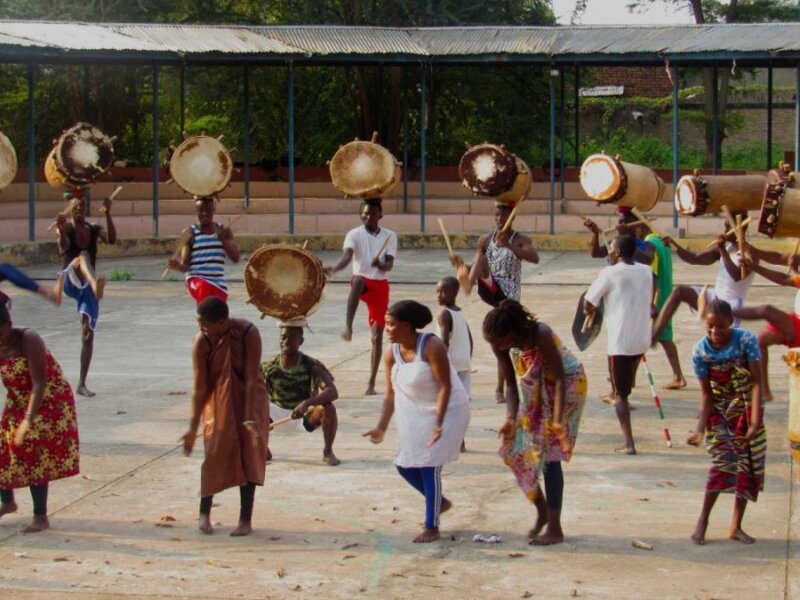
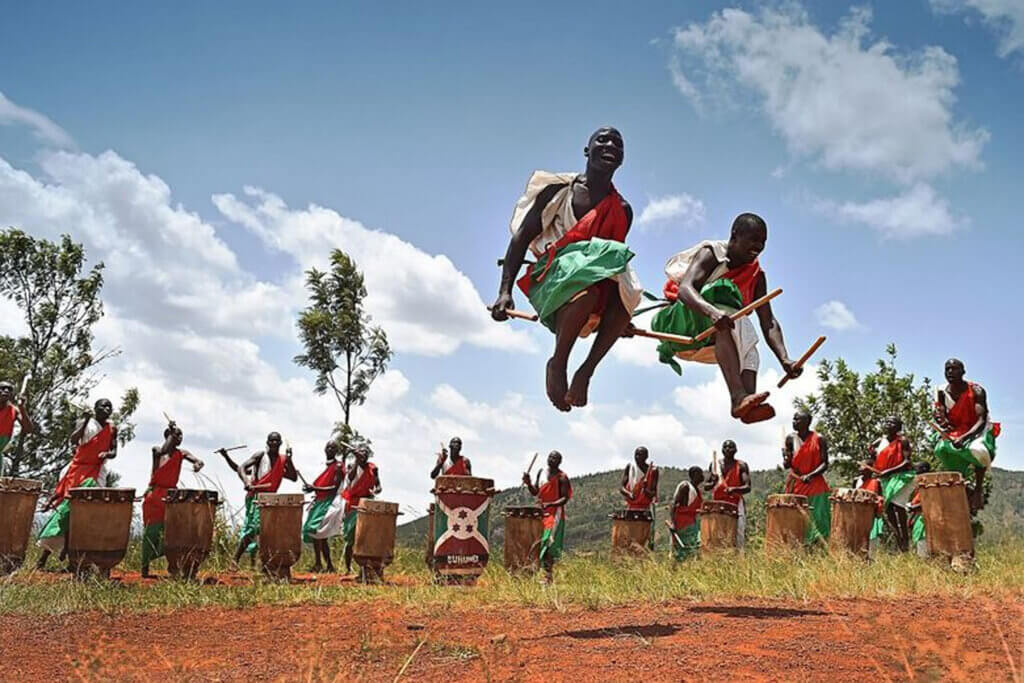
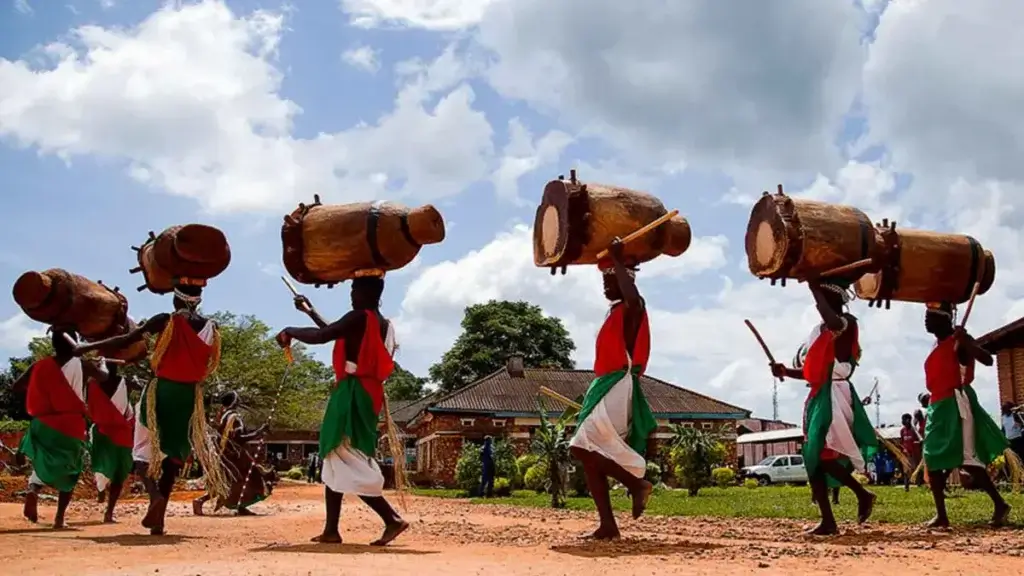
Traditional drumming holds a particularly important place in Burundi’s cultural identity. The Royal Drummers of Burundi have gained international recognition for their powerful performances, coordinated movements, and impressive rhythms. Where a suitable performance is available, travelers can experience the energy of this tradition and learn about its cultural significance.
However, cultural experiences should go beyond watching a performance. Travelers can also learn about local food preparation, traditional crafts, community activities, and the meaning of particular customs. Depending on local arrangements, a tour may include a cultural demonstration or a visit with a community host who welcomes questions from visitors.
Small group travel supports more comfortable interaction because participants have more opportunities to listen, ask questions, and understand explanations. Nevertheless, cultural visits should always respect the wishes of local hosts. A community is not simply a tourist attraction, and visitors should avoid treating people’s daily lives as entertainment.
Before taking photographs, recording music, or filming a performance, ask for permission and follow any restrictions. Likewise, dress appropriately for the setting and listen carefully when a guide explains local expectations.
A meaningful cultural experience allows both visitors and hosts to benefit from the exchange. Travelers gain a deeper understanding of Burundi, while communities may receive income through guiding, performances, food, crafts, or other agreed services. By approaching each encounter with curiosity and respect, small group Burundi tours can create memorable experiences that extend beyond sightseeing.
Discover Burundian Food and Local Flavors
Food offers a direct connection to the people, landscapes, and daily traditions of Burundi. During small group Burundi tours, travelers can explore local dishes, discover familiar ingredients prepared in new ways, and enjoy meals that reflect the country’s agricultural traditions.
Beans, cassava, plantains, sweet potatoes, maize, rice, and seasonal vegetables feature in many Burundian meals. Fish also plays an important role in communities around Lake Tanganyika. Depending on the restaurant, location, and season, visitors may find grilled fish served with plantains, rice, or vegetables. Other meals may include bean stews, cassava dishes, and locally prepared sauces.
Food traditions often reflect the ingredients that families can grow, obtain, or purchase in nearby markets. As a result, meals may vary between locations and seasons. This variety makes culinary exploration an enjoyable part of traveling through the country.
A small group tour can include meals at selected local restaurants, giving travelers a chance to sample regional flavors while supporting local businesses. Your guide can help explain unfamiliar dishes and identify suitable options based on dietary needs. If you have food allergies or specific requirements, communicate them before departure so that the operator can discuss available alternatives.
Travelers should also take ordinary food safety precautions. Choose reputable eating places, drink treated or sealed water where appropriate, and follow local advice about food preparation. Visitors who need vegetarian, vegan, or other specialized meals should confirm availability in advance rather than assume every restaurant can provide them.
Sharing meals can also strengthen connections within a group. Conversations naturally develop around favorite dishes, new ingredients, and personal experiences. Consequently, food becomes more than a practical part of the itinerary. It becomes an opportunity to learn, connect, and appreciate Burundi through its everyday traditions.
Explore Burundi’s Green Hills and Rural Landscapes
Burundi’s rolling hills give the country much of its distinctive character. Green slopes, cultivated fields, small settlements, and winding roads create attractive scenery for travelers who want to understand life beyond the main urban centers. These landscapes also reveal how agriculture shapes local livelihoods and influences the country’s food traditions.
A rural excursion can introduce visitors to farming practices, village life, and the changing scenery between destinations. Depending on local arrangements, travelers may observe the cultivation of crops such as beans, maize, cassava, bananas, or other produce suited to the area. A knowledgeable guide can explain how weather, soil, and seasonal patterns affect farming activities.
These visits can also help travelers understand the importance of land and community relationships. In many rural areas, farming remains closely connected to household income and food security. Observing these activities provides a useful perspective on daily life and the practical work behind the meals served in restaurants and lodges.
Small group tours are well suited to scenic drives and carefully arranged rural visits. Participants can ask questions, take photographs from appropriate locations, and enjoy stops when the road conditions and schedule permit. However, visitors should respect private property and avoid entering farms or homes without permission.
The countryside also offers opportunities for nature appreciation. Travelers may notice birds, butterflies, vegetation, and changing landscapes along the route. Sightings vary by location and season, so guides should avoid promising wildlife encounters that cannot be guaranteed.
A journey through Burundi’s hills creates a deeper connection with the country’s geography and people. When combined with cultural activities and natural attractions, rural exploration makes small group Burundi tours more varied, educational, and rewarding.
Wildlife and Nature Experiences in Burundi
Although Burundi may not receive the same level of safari attention as some neighboring countries, it offers nature experiences for travelers interested in forests, wetlands, birds, and protected landscapes. The country contains habitats that support different plant and animal species, making it an interesting destination for visitors who enjoy exploring the natural environment.
Kibira National Park is one of Burundi’s important forest areas. Its montane rainforest habitat supports biodiversity and provides opportunities for guided nature exploration where access and activities permit. Visitors may learn about forest ecology, native vegetation, birdlife, and the role protected areas play in conservation.
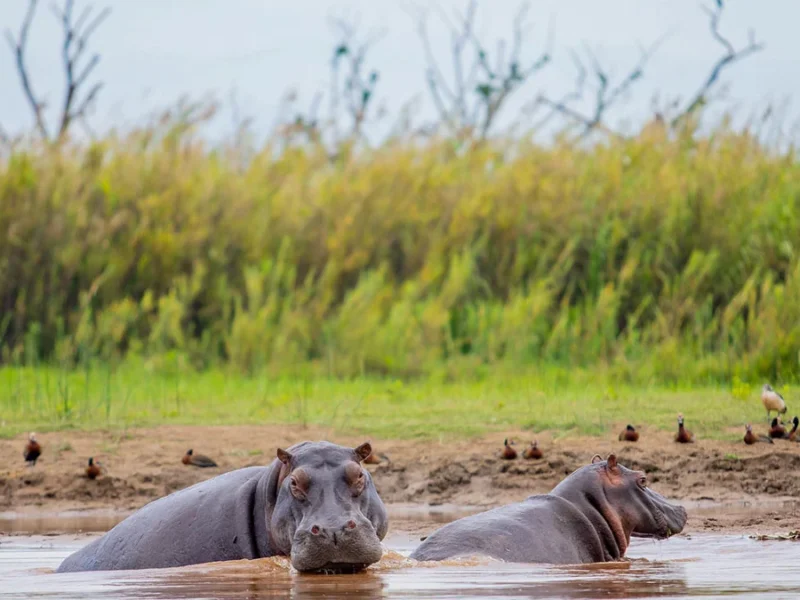
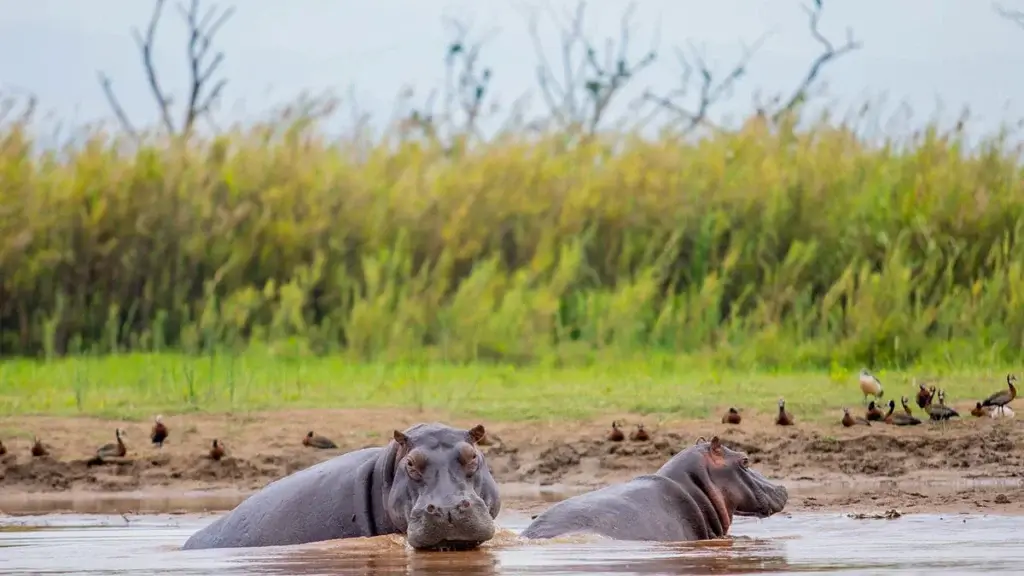
Ruvubu National Park offers another setting for travelers interested in Burundi’s natural landscapes. Its riverine environments, grasslands, and woodland habitats differ from the country’s highland forests. A visit can provide insight into the variety of ecosystems found within Burundi, although wildlife visibility depends on conditions, location, and season.
Birdwatching may appeal to travelers who prefer quieter outdoor activities. The country’s varied habitats provide opportunities to observe different bird species, particularly with a guide who understands local environments. However, specific sightings should never be guaranteed without reliable seasonal information.
Nature visits require responsible behavior. Travelers should follow park rules, use approved guides, avoid disturbing animals, and take all rubbish away. They should also respect restrictions on access and photography.
Before adding a national park to your itinerary, confirm opening arrangements, permits or fees, available activities, road access, and current local guidance. Not every protected area offers the same visitor facilities, and some locations may require additional travel time.
For visitors seeking an alternative to traditional big game safaris, Burundi’s forests, wetlands, and scenic landscapes offer worthwhile opportunities. A carefully planned small group tour can combine nature appreciation with cultural visits and lakeside relaxation for a balanced East African experience.
Small Group Burundi Tours for Different Types of Travelers
Small group Burundi tours can suit several types of travelers, provided that the itinerary matches their interests, comfort needs, and available time. Couples, friends, solo travelers, photographers, cultural enthusiasts, and nature lovers can all benefit from the personal attention and shared experiences that smaller groups encourage.
Solo travelers may appreciate joining an organized group because it creates opportunities to meet other visitors while benefiting from planned transport and guiding arrangements. However, travelers should confirm whether the tour has guaranteed departures, a minimum participant requirement, and any single room supplement. Joining a group does not automatically mean that a private room will be available at no extra cost.
Couples and friends can enjoy shared discovery without needing to organize every detail themselves. They may choose cultural activities, scenic drives, local food experiences, and time beside Lake Tanganyika. Meanwhile, photographers can discuss suitable stops and lighting conditions with the guide, although all changes must remain practical and respectful of local rules.
Families may also consider a small group tour when the itinerary suits the ages, interests, and needs of everyone traveling. Parents should check walking distances, road travel times, meal options, accommodation facilities, and the suitability of planned activities for children. Some experiences may require age restrictions or additional supervision.
Older travelers may prefer an itinerary with shorter driving days, comfortable accommodation, easy access to attractions, and enough time to rest. A small group format can help the operator consider these needs before confirming the arrangements.
Travelers with specific interests should explain their priorities during the planning stage. For example, a cultural enthusiast may want additional time for local traditions, while a nature lover may prefer forest walks and birdwatching. By matching the itinerary to the group, a tour operator can create a more enjoyable and realistic travel experience.
Private Tours Versus Small Group Burundi Tours
When planning a Burundi holiday, travelers often compare small group tours with private tours. Both options can provide rewarding experiences, but they suit different travel preferences and budgets. Understanding the differences will help you select an arrangement that matches your expectations.
Small group tours bring together travelers who share a planned itinerary. The operator organizes transport, accommodation arrangements, guiding services, and scheduled activities according to the package. Participants share the experience and may also share certain travel costs. This option can be appealing to solo travelers and visitors who enjoy meeting people from different backgrounds.
Private tours, on the other hand, arrange the journey for an individual, couple, family, or chosen travel party. Depending on the package, travelers may have greater control over departure times, stops, accommodation choices, and daily activities. However, private arrangements can cost more per person because fewer travelers share the transport and guiding expenses.
The actual price difference depends on several factors, including the number of participants, accommodation category, vehicle type, guide services, attraction fees, and season. Therefore, a small group tour is not always cheaper than every private option. Travelers should compare the full inclusions rather than judge a package by its headline price.
Another important difference concerns flexibility. A scheduled group tour must consider the needs of all participants, while a private tour can often accommodate individual preferences more easily. Nevertheless, both options remain subject to attraction opening times, road conditions, safety requirements, and local availability.
Before booking, ask whether the small group tour has a confirmed departure, how many people will participate, and what happens if the minimum group size is not reached. Also, confirm whether meals, entrance fees, airport transfers, and accommodation are included.
Ultimately, the right option depends on how you want to travel. Small group Burundi tours work well for people who value shared experiences and organized arrangements, while private tours suit travelers who prioritize a more personalized schedule.
How Much Do Small Group Burundi Tours Cost?
The cost of small group Burundi tours depends on the length of the trip, the number of participants, the accommodation standard, the destinations included, and the services provided. Consequently, travelers should request a detailed quotation rather than rely on a single advertised price that may not reflect their actual needs.
A short tour focusing on Bujumbura and Lake Tanganyika will usually require a different budget from a longer itinerary that includes Karera Waterfalls, the source of the Nile region, cultural experiences, and national parks. Longer journeys may involve more fuel, additional accommodation nights, higher guiding costs, and more meals or entrance fees.
Accommodation also affects the final price. Budget properties may offer simple rooms and basic facilities, while midrange hotels can provide more comfort and additional services. Higher category accommodation may include better facilities, larger rooms, or premium locations. Availability varies by destination, so travelers should confirm the exact properties before making payment.
Group size is another important factor. When more participants share certain fixed costs, the price per person may decrease. However, the operator must still provide suitable transport, sufficient seating, guiding support, and the services included in the agreement. A lower price should never come at the expense of safe transport or reliable arrangements.
International travelers should also budget for flights, visa requirements where applicable, travel insurance, personal purchases, tips, and any activities that the package excludes. Currency exchange rates and payment processing fees may affect the total amount.
When reviewing a quotation, check the number of nights, room arrangements, meals, transfers, attraction fees, guide services, and cancellation terms. Ask for clarification whenever an item appears unclear.
At Giant Holiday Safaris, we encourage travelers to communicate their preferred travel dates, group size, accommodation expectations, and main interests when requesting a Burundi tour quotation. This information makes it easier to prepare an itinerary that fits the available budget without overlooking important travel needs.
Best Time to Book Small Group Burundi Tours
Choosing suitable travel dates can improve your experience in Burundi. Weather, road conditions, landscape appearance, and the type of activities you prefer should all influence your planning. Although travelers can explore the country throughout the year, different seasons may offer different advantages and challenges.
Burundi generally experiences wetter periods and drier periods, with local variations across its hills and regions. Drier months can provide more convenient conditions for road journeys and outdoor sightseeing. However, rainfall patterns may vary, and visitors should not assume that every destination will have identical weather at the same time.
The wetter months can bring lush vegetation and attractive green landscapes. Waterfalls may also appear more powerful when rainfall increases water flow. Nevertheless, heavy rain can affect rural roads, walking trails, and travel schedules. Therefore, travelers planning visits to Karera Waterfalls or more remote areas should check conditions before departure.
Booking in advance is especially useful when your itinerary includes specific hotels, private transfers, or a fixed departure date. Early planning gives the operator more time to confirm accommodation, arrange qualified guides, coordinate transport, and check whether particular activities will be available.
Travelers combining Burundi with Uganda, Rwanda, Tanzania, or Kenya should also consider regional flight connections, border procedures, and the time needed for overland transfers. A realistic schedule helps prevent unnecessary rushing and allows enough time to enjoy each destination.
Before confirming your trip, discuss seasonal conditions with your tour operator and ask which activities are suitable for your travel dates. You should also confirm whether the itinerary includes alternative arrangements if weather affects an outdoor excursion.
Ultimately, the best time for small group Burundi tours depends on your personal priorities. Travelers who value convenient road conditions may prefer to consider drier periods, while those interested in greener landscapes may welcome the rainy season, provided they plan for possible changes.
How to Plan a Small Group Burundi Tour
Planning a successful Burundi tour begins with identifying your travel priorities. Decide how many days you can spend in the country, which attractions interest you most, and the level of comfort you expect. These choices will help determine the route, accommodation, transport arrangements, and overall budget.
First, select your preferred travel dates and confirm how you will arrive in Burundi. Depending on your departure country and travel plans, you may arrive through Melchior Ndadaye International Airport in Bujumbura or connect through another regional destination. Check current flight schedules before finalizing the itinerary.
Next, choose the destinations that matter most to you. A shorter trip may focus on Bujumbura, Lake Tanganyika, and nearby cultural attractions. A longer journey can include Karera Waterfalls, the southern source of the Nile region, and selected natural areas, subject to available time and road conditions.
You should also decide on your accommodation preference. Consider room comfort, location, meal arrangements, and access to the planned attractions. If you require a single room, family room, or specific facilities, communicate this during the booking process.
After that, request a detailed quotation from a tour operator. Review the inclusions, exclusions, payment schedule, cancellation policy, and minimum group size. Ask whether the departure is confirmed and what arrangements apply if other participants cancel or the group does not reach the required number.
Finally, prepare your travel documents and personal essentials. Check passport validity, entry requirements, vaccination recommendations, and any current public health guidance relevant to your nationality and route. Obtain suitable travel insurance and keep copies of important documents.
Good planning also requires flexibility. Roads, weather, and local arrangements can change, so a practical itinerary should allow reasonable time for adjustments. With clear communication and realistic expectations, small group Burundi tours can deliver an organized, comfortable, and memorable travel experience.
What to Pack for Small Group Burundi Tours
Packing for a Burundi tour requires a balance between comfort, practicality, and respect for local customs. The items you need will depend on your travel dates, destinations, planned activities, and accommodation arrangements. Nevertheless, a few essentials can make most journeys more comfortable.
Start with lightweight clothing that suits warm daytime conditions. Include comfortable walking shoes, a light jacket for cooler evenings or higher elevations, and rain protection if your trip falls during a wetter period. If your itinerary includes nature walks or visits to rural attractions, choose footwear that provides good grip and support.
Sun protection is important during outdoor activities. Consider bringing a hat, sunglasses, and suitable sunscreen. A reusable water bottle can also be useful when you have access to safe refill options. Follow your guide’s advice about drinking water, particularly during long road journeys.
A small daypack helps you carry personal items during sightseeing. Include essential medication prescribed for you, basic personal care supplies, and any items you need to manage your own health or comfort. If you have allergies or dietary requirements, carry the relevant information and communicate it to your tour operator in advance.
Travel documents deserve special attention. Keep your passport, entry documentation, insurance details, and booking information secure. It is also helpful to carry some suitable local currency and a backup payment method. Before departure, confirm which payment methods work reliably at your planned destinations.
For photography, bring the equipment you can comfortably carry and protect it against dust or rain. Ask permission before photographing individuals, religious settings, or private property. A power bank may also help during long days, although you should confirm charging options at your accommodation.
Finally, pack with respect for the places you visit. Avoid unnecessary single use plastics where practical, take your rubbish with you, and leave natural sites as you found them. Thoughtful packing supports a smoother journey and helps you travel responsibly.
Responsible Tourism and Supporting Local Communities
Responsible tourism should form an important part of every small group Burundi tour. Travel can create opportunities for local guides, drivers, accommodation providers, restaurant owners, craft workers, and other community businesses. However, these benefits depend on how tour operators organize their services and how visitors interact with the people and places they encounter.
One practical way to support local communities is to use reputable local service providers. Choosing locally owned restaurants, engaging qualified guides, and purchasing genuine crafts can help direct tourism spending toward people who live and work in the destination. Travelers should ask about prices respectfully and pay agreed amounts for services.
Cultural respect is equally important. Visitors should learn basic greetings where possible, dress appropriately for the setting, and follow the guidance of local hosts. Before taking photographs or recording a performance, ask permission. Some people may welcome photographs, while others may prefer privacy.
Environmental responsibility also matters. Carry reusable items where practical, dispose of rubbish properly, avoid disturbing wildlife, and follow all rules at natural attractions. At waterfalls, forests, and lakeside areas, stay within permitted visitor zones and avoid damaging vegetation or removing natural objects.
Responsible travel also means having realistic expectations. Communities have their own priorities, routines, and cultural practices. A village visit should take place through appropriate arrangements rather than an uninvited entry into private spaces. Likewise, cultural performances should respect the wishes and working conditions of the performers.
Tour operators can contribute by planning realistic itineraries, communicating fair expectations, working with qualified local partners, and explaining cultural and environmental guidelines before visits. Travelers can help by asking how activities are organized and whether the relevant communities participate willingly.
By including responsible practices throughout the journey, small group Burundi tours can provide more than enjoyable sightseeing. They can encourage cultural understanding, support local livelihoods, and help protect the natural and cultural resources that make Burundi worth exploring.
Safety and Practical Travel Advice for Burundi
Good preparation helps travelers enjoy Burundi with greater confidence. Before booking, review current official travel advice for your nationality and the specific regions you intend to visit. Conditions can change, so use recent information rather than relying entirely on older travel accounts or general descriptions.
Your tour operator should help you understand the planned route, transport arrangements, accommodation locations, and local procedures. Before departure, confirm how you will contact the guide, what to do if travel plans change, and which emergency contacts you should keep available. Share your itinerary with a trusted person at home when appropriate.
Road travel requires practical planning. Journeys through rural areas can take longer than expected because of road conditions, traffic, weather, or stops along the way. Always use a properly maintained vehicle with suitable seating and seat belts. Avoid itineraries that require excessive driving hours without adequate rest.
Travelers should also protect personal belongings and follow local advice about moving around towns, markets, and other public areas. Keep important documents secure, avoid displaying large amounts of cash, and use established transport providers. Your guide can explain any location specific precautions that apply during the trip.
Health preparation is another important step. Consult a qualified travel health professional before departure to discuss recommended vaccinations, malaria prevention where relevant, food and water precautions, and any medication you may need. Requirements can differ according to your nationality, travel history, and onward destinations. If you are continuing to another country, check its entry and health rules separately.
Entry requirements deserve equal attention. Confirm current visa procedures, passport validity rules, and any documentation required for your itinerary. Travelers crossing land borders should allow enough time for formalities and ensure that the route is appropriate for their nationality and travel documents.
Finally, choose an operator that communicates clearly about services, costs, safety arrangements, and changes. Reliable planning does not eliminate every uncertainty, but it helps you make informed decisions and respond more effectively when circumstances change.
Combine Burundi With Uganda and Other East African Destinations
Travelers who have more time can consider combining Burundi with other East African destinations. This approach creates an opportunity to experience different landscapes, cultures, wildlife habitats, and travel traditions within one regional holiday. However, a multi country itinerary requires careful coordination of transport, border formalities, accommodation, and available time.
Uganda can be a valuable addition for travelers interested in mountain gorillas, chimpanzees, savannah wildlife, lakes, and forest landscapes. Depending on permit availability and travel dates, a Uganda extension may include Bwindi Impenetrable National Park, Kibale National Park, Queen Elizabeth National Park, or Murchison Falls National Park. These destinations offer experiences that complement Burundi’s cultural attractions and lakeside scenery.
Rwanda provides another possible extension for visitors interested in Kigali, mountain gorilla trekking, scenic highlands, and cultural experiences. Tanzania and Kenya can suit travelers who want to add classic wildlife safaris, national parks, or coastal relaxation. Each country requires its own route planning and consideration of travel times.
Combining destinations can also increase the range of experiences available to a group. For example, travelers may spend several days discovering Burundi’s cultural heritage and landscapes before continuing to Uganda for a wildlife safari. Alternatively, a regional itinerary may begin in another East African country and include Burundi as part of a broader journey.
Nevertheless, additional countries increase the complexity of the arrangements. Flights may not operate every day, overland journeys can be lengthy, and entry rules may differ between nationalities. Some activities, including gorilla trekking, require advance permits and depend on availability.
Before booking a regional tour, confirm the total number of days, international and regional flights, border arrangements, accommodation, activity fees, and transfer costs. Make sure the itinerary allows enough time to enjoy each destination instead of spending most of the holiday in transit.
At Giant Holiday Safaris, we recognize the value of connecting destinations through thoughtful regional planning. A well designed Burundi and East Africa itinerary can combine cultural discovery, nature, and wildlife while maintaining a realistic pace.
Why Book Small Group Burundi Tours With Giant Holiday Safaris?
Choosing the right tour operator can make a significant difference to your Burundi holiday. A well organized journey requires more than a list of attractions. It needs realistic travel times, clear communication, suitable accommodation, reliable transport arrangements, and a good understanding of the experiences available at each destination.
Giant Holiday Safaris specializes in organizing African travel experiences, with a strong focus on Uganda and regional safari planning. We can help travelers explore options for Burundi and consider how the country may fit into a wider East African itinerary. Our planning approach focuses on understanding your interests, explaining the available choices, and developing arrangements that match your travel dates and budget.
For small group Burundi tours, the first step is to discuss your preferred destinations and the number of days available. You can explain whether you are most interested in cultural experiences, natural attractions, scenic drives, local cuisine, or a combination of different activities. This information helps shape an itinerary that reflects the group’s priorities.
We also encourage travelers to review the details before making a booking. Confirm the accommodation category, transport arrangements, meals, guiding services, included activities, and any additional fees. If the tour requires a minimum number of participants, ask how the operator handles departures that do not reach the required group size.
Clear communication is important throughout the planning process. Travelers should receive understandable information about payment schedules, cancellation terms, travel documents, and practical preparations. When an activity depends on weather or local availability, the operator should explain those limitations before the trip.
Because each group has different expectations, we avoid assuming that one itinerary will suit everyone. Some travelers prefer a short cultural holiday, while others want a longer journey that includes waterfalls, lakes, and regional destinations. A discussion about your priorities can help determine the most suitable arrangement.
Our goal is to help travelers approach Burundi with informed expectations and an appreciation of its people, landscapes, and cultural traditions. With careful planning and dependable local coordination, your journey can become a rewarding part of your wider African travel experience.
Frequently Asked Questions About Small Group Burundi Tours
How many days do I need for a Burundi tour?
The ideal duration depends on the places you want to visit. A short trip can focus on Bujumbura, Lake Tanganyika, and selected nearby attractions. A longer itinerary can include Karera Waterfalls, the southern source of the Nile region, cultural experiences, and selected natural areas. Travelers should also allow enough time for road transfers, meals, and rest. If you plan to combine Burundi with another East African country, consider the additional travel time and border procedures before choosing your dates.
Are small group Burundi tours suitable for solo travelers?
Yes, they can suit solo travelers who enjoy meeting other people and sharing organized experiences. However, you should confirm whether the departure is guaranteed, how many participants are expected, and whether a single room supplement applies. Ask about the group’s planned activities and the services included in the price. These details will help you understand what to expect before committing to the trip.
What is included in a small group Burundi tour package?
Inclusions vary by operator and itinerary. A package may cover accommodation, ground transport, guiding services, selected meals, and planned sightseeing activities. Some tours may also include airport transfers or entrance fees. International flights, visas, travel insurance, personal expenses, tips, and optional activities may remain separate. Always review the written quotation to understand exactly which services the operator will provide.
Is Burundi suitable for cultural tourism?
Burundi offers opportunities to explore traditional music, drumming, food, crafts, historical places, and everyday community life. Visitors can learn about cultural practices through guided visits and properly arranged experiences with local hosts. The quality of these encounters depends on local availability and the willingness of communities to participate. Travelers should approach cultural experiences with respect, ask permission before taking photographs, and follow their guide’s advice.
Can I visit Burundi’s waterfalls and lakes on the same tour?
Yes, a carefully planned itinerary can combine Lake Tanganyika with Karera Waterfalls. However, the journey requires attention to distances, road conditions, and the time available. Travelers should avoid scheduling too many distant attractions into a short trip. Your operator can help determine whether the proposed route allows sufficient time to enjoy each destination comfortably.
Are small group Burundi tours cheaper than private tours?
They can be more affordable per person when participants share certain fixed costs, such as transport and guiding services. However, the final price depends on the group size, accommodation category, itinerary, and included activities. A private tour may offer greater flexibility, while a group departure can provide opportunities to meet other travelers. Comparing complete quotations will help you understand the value of each option.
Can I combine Burundi with a Uganda gorilla trekking safari?
Yes, travelers can consider combining Burundi with a Uganda gorilla trekking safari. The itinerary must account for regional transport, border requirements, accommodation, and gorilla permit availability. Gorilla trekking permits require advance planning, particularly during busy travel periods. Travelers should confirm current permit costs, eligibility requirements, and available trekking dates before finalizing the regional journey.
What should I check before booking?
Confirm the travel dates, group size, minimum departure requirements, accommodation, transport, meals, guiding services, activity fees, payment terms, and cancellation policy. You should also review current entry requirements and official travel advice. Ask how the operator handles itinerary changes caused by weather, road conditions, or unavailable services. Clear answers will help you make an informed booking decision.
Start Planning Your Small Group Burundi Tour
Small group Burundi tours offer a rewarding way to discover a country filled with scenic landscapes, cultural traditions, lakeside experiences, and fascinating places to explore. From the streets of Bujumbura to the shores of Lake Tanganyika, the impressive Karera Waterfalls, and the green hills of the countryside, Burundi provides a varied travel experience for visitors who want to understand East Africa beyond its more familiar destinations. By traveling with a small group, you can enjoy shared experiences, personal attention, organized transport, and opportunities to connect more meaningfully with the places you visit.
Moreover, a carefully planned itinerary allows you to balance sightseeing with relaxation and cultural learning. You can discover local food, appreciate traditional music, explore natural attractions, and learn about the communities that shape Burundi’s identity. With suitable preparation, responsible travel choices, and realistic expectations, your holiday can offer lasting memories while supporting local tourism services.
At Giant Holiday Safaris, we believe that successful African travel begins with understanding what matters most to each traveler. Whether you prefer a short cultural escape, a longer nature focused journey, or a regional adventure that combines Burundi with Uganda and other East African destinations, thoughtful planning can help you make the most of your time.
If you are considering small group Burundi tours, begin by identifying your preferred travel dates, group size, budget, and main interests. Then review the available itinerary options, confirm the included services, and make sure the journey fits your expectations. With the right arrangements, Small Group Burundi Tours can introduce you to the country’s natural beauty, cultural richness, and welcoming communities through a memorable and well organized African travel experience.