Burundi Adventure Tours
October 20, 2026
Burundi Honeymoon Safaris
October 21, 2026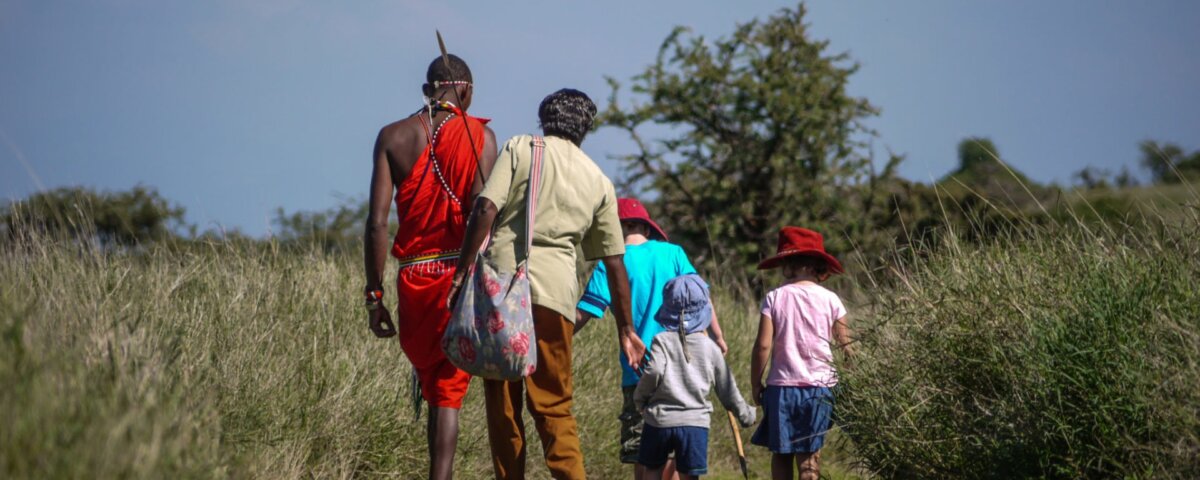
Burundi Family Safaris
Burundi Family Safaris offer families an exciting opportunity to explore Africa through beautiful landscapes, rich cultural traditions, peaceful lakes, forest adventures, and meaningful encounters with local communities. This small East African country welcomes families who want to enjoy a different kind of holiday, away from crowded tourist destinations and closer to the everyday life of Africa. From the shores of Lake Tanganyika to the green hills surrounding Bujumbura and the cultural attractions of Gitega, Burundi provides rewarding experiences for parents, children, and teenagers.
A family safari in Burundi combines discovery, relaxation, education, and adventure in one memorable journey. Children can learn about African wildlife, traditional music, local farming, and the importance of protecting nature. Meanwhile, parents can enjoy scenic drives, peaceful lakeside moments, historical attractions, and opportunities to connect with Burundi’s welcoming communities. Families can also discover beautiful waterfalls, rolling hills, traditional drumming performances, and colorful local markets.
Unlike a traditional wildlife safari focused mainly on large animals, Burundi Family Safaris offer a broader experience of African life. Families can enjoy outdoor activities, cultural visits, nature walks, and opportunities to understand the country’s history and traditions. With thoughtful planning, suitable accommodation, reliable transportation, and a flexible itinerary, families can explore Burundi at a comfortable pace while creating lasting memories together.
Giant Holiday Safaris can help families plan a personalized Burundi holiday that matches their interests, travel dates, children’s ages, comfort preferences, and budget. Whether you are planning your first African family adventure or adding Burundi to a wider East African holiday, this destination offers a wonderful opportunity to experience Africa through shared discovery.
Why Choose Burundi for a Family Safari?
Burundi is an appealing destination for families who want to experience African culture, nature, and everyday life in a less commercialized tourism setting. Its green hills, lakeside scenery, rural communities, and cultural traditions create many opportunities for families to learn and explore together. Moreover, the country’s relatively compact size makes it possible to combine several attractions in one holiday, although road conditions and travel times still require careful planning.
One of the main reasons to choose Burundi is the variety of experiences available. Families can spend time beside Lake Tanganyika, visit cultural sites around Gitega, explore the countryside, or enjoy a guided nature walk. Each activity introduces children to a different part of the country. For example, a visit to a local market can teach them about regional foods, while a traditional drumming performance can introduce them to the importance of music in Burundian culture.
Burundi also offers opportunities for families to slow down and enjoy time together. Instead of rushing between numerous attractions, parents can plan a balanced holiday with sightseeing, rest, outdoor activities, and cultural experiences. This approach helps children remain comfortable and engaged throughout the journey.
However, families should prepare carefully before travelling. They should check current travel advice, entry requirements, health recommendations, transport arrangements, and accommodation suitability. They should also confirm which attractions operate during their travel dates. With realistic expectations and suitable preparation, Burundi can provide a meaningful family adventure filled with learning, discovery, and shared experiences.
Best Places to Visit During Burundi Family Safaris
Burundi has several destinations that work well for family holidays, particularly when parents combine cultural attractions with nature, sightseeing, and time to relax. The best places to include depend on the children’s ages, the length of the trip, and how much time the family wants to spend travelling between locations.
Bujumbura makes a practical starting point for many journeys because it offers access to Lake Tanganyika, markets, restaurants, accommodation, and important transport services. Families can use the city to settle in after an international flight before continuing to other parts of the country.
Gitega, Burundi’s political capital, provides a different experience through its cultural heritage and national attractions. Families interested in history and traditional customs can explore selected cultural sites with a knowledgeable local guide. The journey through the countryside also introduces visitors to Burundi’s green hills and rural settlements.
Nature lovers may enjoy the Karera Waterfalls area, where flowing water and surrounding vegetation create opportunities to appreciate the country’s natural beauty. Families should choose suitable viewpoints and walking routes according to children’s ages and current site conditions. The Source of the Nile area near Rutovu can also interest older children who enjoy geography and learning about major African river systems.
For a successful family itinerary, avoid adding too many destinations simply to cover more ground. Instead, choose places that offer different experiences and allow enough time for meals, rest, and exploration. A well-paced route often creates better memories than a demanding schedule.
Family Adventures Around Lake Tanganyika
Lake Tanganyika is one of the most attractive places to include in Burundi Family Safaris. Its broad waters, scenic shoreline, and surrounding hills create a relaxing setting where families can enjoy nature without needing a demanding adventure. The lake provides an excellent opportunity for children to learn about freshwater ecosystems, local fishing traditions, and the importance of protecting natural resources.
Families can spend time enjoying suitable lakeside areas, watching fishing boats, taking photographs, and learning about the communities that depend on the lake. Parents can also use this time to introduce children to the relationship between people and the natural environment. A knowledgeable guide can explain the lake’s role in local livelihoods and its importance to the wider region.
Depending on the location, weather, available facilities, and local safety guidance, families may also enjoy supervised water based activities. However, parents should never assume that every part of the shoreline is suitable for swimming. Water conditions, currents, boat traffic, sanitation, and access to emergency assistance can vary. Always choose an appropriate location and follow local guidance.
Lake Tanganyika also offers an excellent opportunity to balance an active itinerary with quiet family time. Younger children can enjoy the scenery and simple nature observations, while older children may appreciate learning about the lake’s size, biodiversity, and place in African geography.
For the best experience, plan lakeside visits during suitable daylight hours and allow time for meals, hydration, and rest. By combining relaxation with educational activities, families can make Lake Tanganyika a memorable part of their Burundi safari.
Exploring Burundi’s Cultural Heritage with Children
Burundian culture adds depth and meaning to a family safari because it allows visitors to understand the traditions, values, and creativity that shape everyday life. Families can learn about traditional music, dance, crafts, food, community celebrations, and the history of the country. These experiences help children understand that travel involves more than visiting attractive places. It also involves respecting people and learning how different communities live.
Gitega is an important destination for families interested in Burundi’s cultural heritage. Depending on current opening arrangements, families can visit cultural attractions and learn about the country’s traditions with the help of a local guide. A carefully selected cultural visit can introduce children to traditional clothing, instruments, storytelling, and the role of music in community life.
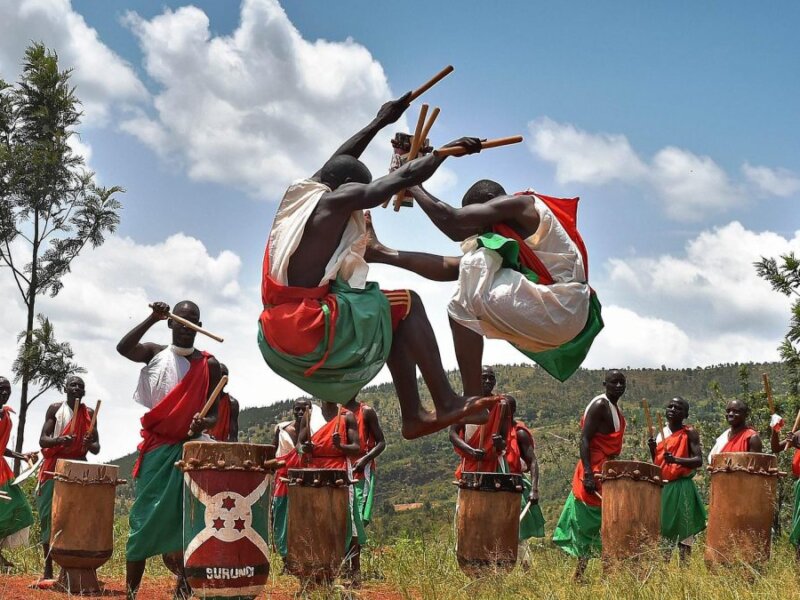
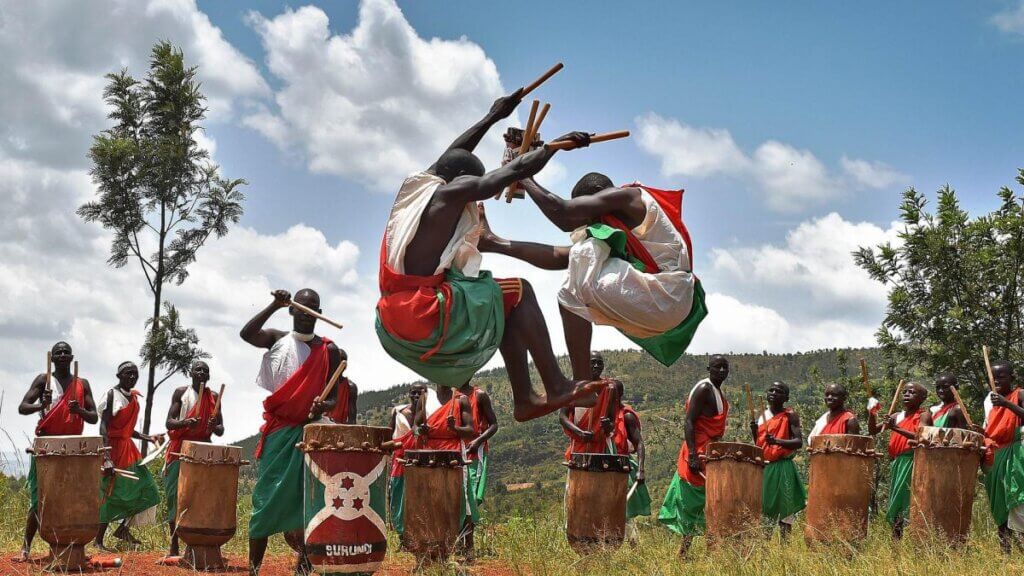
Traditional drumming is especially interesting for families. Burundi has a strong drumming tradition, and performances can provide an exciting introduction to rhythm, movement, teamwork, and cultural expression. Children can observe the performers, notice how the drums work together, and learn why communities preserve these traditions. Families should arrange performances through reputable local providers and follow guidance about photography, participation, and respectful behavior.
Local markets can also provide valuable learning opportunities. Children can observe fresh produce, handmade goods, everyday household items, and the different ways people trade. Parents can explain how local businesses support families and communities.
Whenever possible, choose cultural activities that involve local people in a respectful and fairly compensated way. Ask permission before taking photographs, avoid treating cultural traditions as entertainment without context, and encourage children to listen and ask polite questions. These simple practices help create a more thoughtful and rewarding Burundi family holiday.
Discovering the Karera Waterfalls on a Family Safari
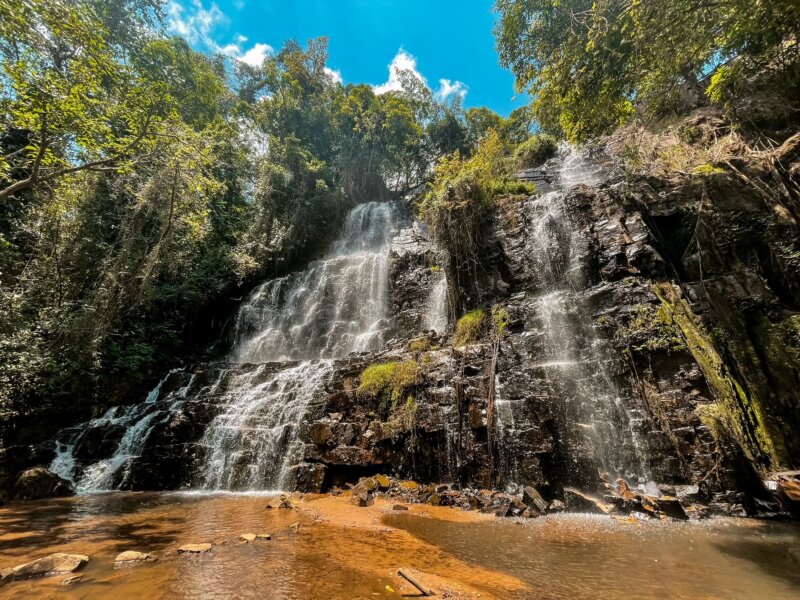
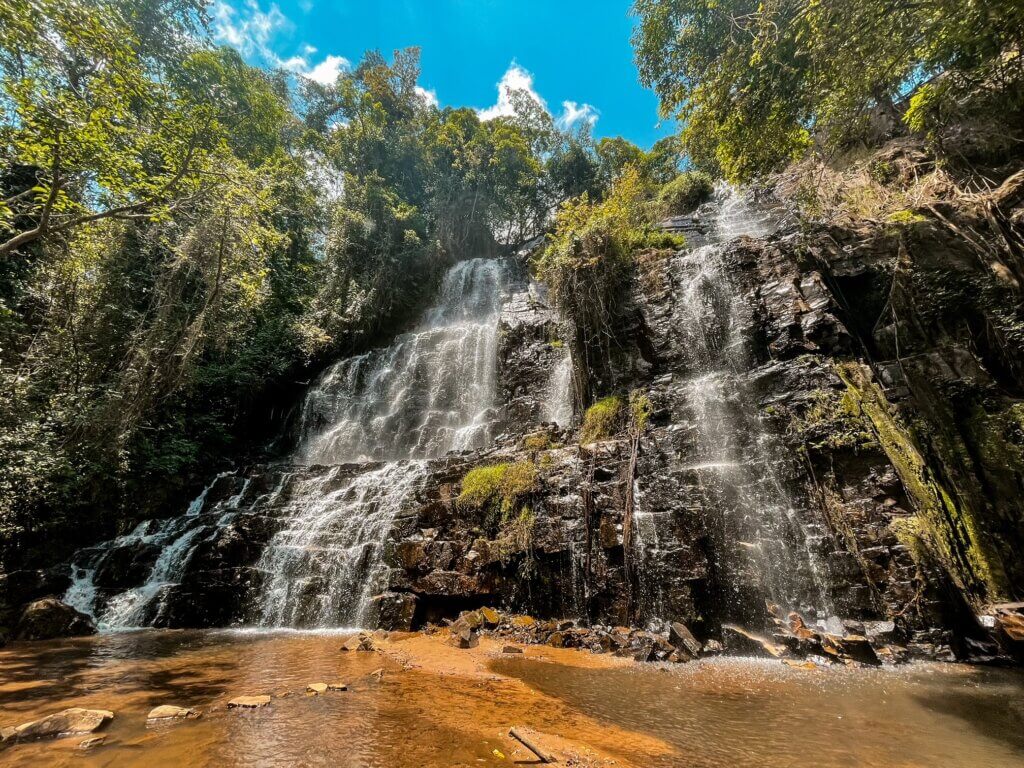
The Karera Waterfalls are a worthwhile consideration for families who enjoy natural scenery and outdoor exploration. Located in southeastern Burundi, the waterfalls offer an opportunity to experience flowing water, green surroundings, and the peaceful atmosphere of the countryside. A visit can add variety to a family itinerary that also includes cultural attractions and lakeside relaxation.
For children, a waterfall excursion can become an informal outdoor lesson. Parents can explain how water moves through the landscape, how rainfall supports rivers and vegetation, and why natural habitats deserve protection. A guide can also help families notice plants, insects, birds, and other features of the surrounding environment without disturbing them.
Before visiting, families should confirm local access arrangements, road conditions, site rules, and any applicable entry fees. The journey may take longer than expected, depending on the starting point and current road conditions. Therefore, parents should avoid planning too many additional activities on the same day.
Safety deserves particular attention around waterfalls. Wet surfaces can become slippery, and water levels may change with rainfall. Children should stay with their adults, follow marked routes where available, and keep away from unstable edges or unsafe water crossings. Families should never enter restricted areas for photographs.
Comfortable walking shoes, drinking water, sun protection, and weather appropriate clothing can make the outing more enjoyable. Younger children may need shorter walks and more frequent breaks, while older children may appreciate spending extra time observing the landscape.
When planned responsibly, a Karera Waterfalls excursion offers a refreshing break from city sightseeing. It also helps children appreciate Burundi’s natural beauty and understand why responsible tourism matters to the future of the country’s landscapes.
Visiting Gitega and Learning About Burundi’s History
Gitega offers families a valuable opportunity to explore Burundi beyond its natural attractions. As the country’s political capital, it provides a setting for learning about national history, cultural identity, and the development of modern Burundi. Families can include the city in a wider countryside itinerary, particularly when they want children to gain a better understanding of the destination they are visiting.
A guided visit can make history easier for children to understand. Rather than overwhelming them with dates and unfamiliar names, a good guide can explain important events through clear stories, local examples, and connections to everyday life. Parents can encourage children to compare what they learn with their own communities and ask questions about how traditions change over time.
Depending on current opening arrangements, families may consider cultural museums, heritage displays, and traditional performance venues. The National Museum of Gitega is a potential stop for visitors interested in learning about Burundi’s heritage. Confirm opening hours, current exhibitions, photography rules, and suitability for children before travelling.
Gitega also provides an opportunity to observe daily life in a smaller urban setting. Families can explore suitable public areas, enjoy local meals, and learn about regional produce and crafts. A relaxed schedule gives children time to absorb what they see rather than moving quickly from one attraction to another.
Parents should explain sensitive historical subjects in an age appropriate way. Burundi’s history includes difficult periods, so guides and parents should present these subjects accurately and respectfully without exposing younger children to unnecessary distressing detail.
By combining cultural learning with gentle sightseeing, families can make Gitega an important educational stop. The visit can help children develop curiosity, respect for other cultures, and a deeper understanding of Burundi’s place in East Africa.
Nature Walks and Outdoor Learning for Families
Nature walks can become some of the most rewarding activities on Burundi Family Safaris because they allow families to explore the countryside at a comfortable pace. Burundi’s rolling hills, cultivated fields, rivers, and patches of natural vegetation create opportunities to observe the environment and understand how people interact with it.
Families do not always need a demanding hike to enjoy the outdoors. A short guided walk near suitable accommodation or an approved natural attraction may provide enough time to notice plants, listen to birds, observe farming activities, and enjoy the landscape. Children can learn to recognize different leaf shapes, look for signs of insects, and notice how the weather affects the surroundings.
A local guide can explain the role of agriculture in rural life and describe how communities use the land. Such discussions can introduce children to soil conservation, water management, food production, and the importance of protecting natural habitats. Parents can turn these observations into simple learning activities without making the holiday feel like a classroom.
The choice of route should reflect the family’s abilities. Young children may need flat paths, short distances, and regular breaks. Older children may enjoy longer walks, provided the terrain, weather, and supervision remain suitable. Avoid steep or slippery trails when conditions increase the risk of falls.
Families should carry drinking water, wear appropriate shoes, use sun protection, and follow the guide’s instructions. They should also avoid touching unfamiliar plants, feeding wild animals, or leaving rubbish behind.
Most importantly, outdoor activities should leave room for curiosity. When children can stop to observe a bird, examine a plant, or ask questions about a farming landscape, they gain a more personal connection with Burundi’s natural environment.
Wildlife Experiences and Responsible Nature Tourism
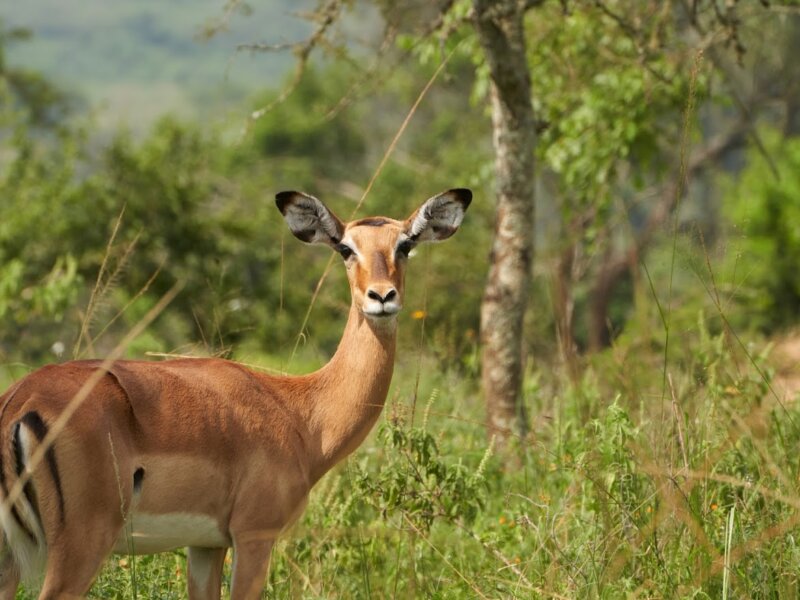
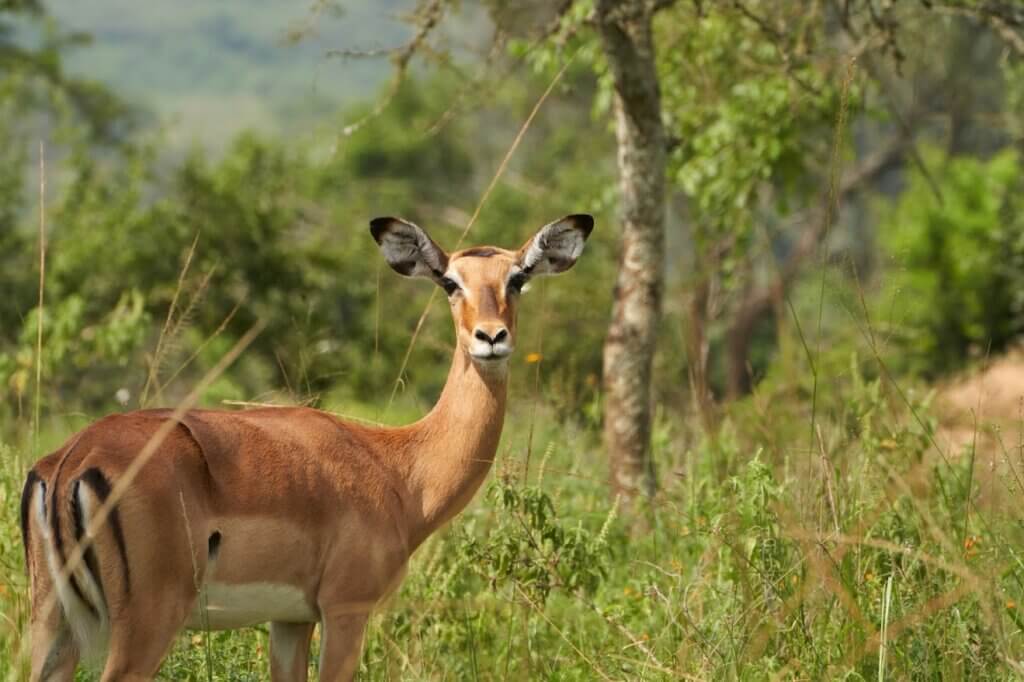
Wildlife can add another dimension to Burundi Family Safaris, although families should choose activities based on realistic expectations. Burundi is not primarily known for the large wildlife viewing opportunities associated with some of East Africa’s major safari destinations. Nevertheless, the country has natural areas and protected habitats that may interest families who enjoy birds, forest environments, and learning about conservation.
Depending on current access conditions and available guiding services, families may explore suitable protected areas or nature sites. Rusizi National Park, near Bujumbura, is one potential destination for visitors interested in wetland habitats and wildlife observation. Local guides can help families understand the area’s environment and the importance of conserving it.
Wildlife sightings depend on season, habitat, weather, and animal movement. Parents should prepare children for this uncertainty rather than promising particular sightings. Even when large animals do not appear, observing birds, plants, insects, and the surrounding landscape can provide a rewarding experience.
Responsible wildlife tourism means keeping a safe distance from animals, following guide instructions, avoiding feeding or touching wildlife, and respecting restricted areas. Children should remain under adult supervision throughout excursions. Families should also check whether an activity is suitable for their children’s ages and whether the provider follows recognized safety and conservation practices.
If your family hopes to see a wide range of large mammals, you may want to combine Burundi with another East African destination, subject to travel logistics and current entry requirements. Uganda, Kenya, and Tanzania offer different wildlife safari experiences that can complement a Burundi cultural and nature holiday.
By approaching wildlife viewing with patience and respect, families can help children understand that conservation is about protecting entire ecosystems, not simply finding animals for photographs.
Burundi Family Safaris with Local Community Experiences
Meeting local communities can make a family safari more meaningful because it gives parents and children an opportunity to learn about everyday life in Burundi. Families may discover traditional foods, farming practices, local crafts, music, and the ways people maintain community connections. These experiences can encourage children to appreciate different ways of living and understand the value of cultural diversity.
Community experiences work best when families arrange them through responsible local guides or established tourism providers. A suitable visit may include a guided walk through a community setting, a demonstration of traditional crafts, or an introduction to local food preparation. The exact activities depend on what residents choose to share and what providers can arrange during the family’s visit.
Parents should explain that a community is a place where people live, work, study, and raise families. Visitors should behave respectfully, ask permission before taking photographs, and avoid entering private spaces without an invitation. Children should learn to greet people politely and listen when someone explains a local tradition.
Families can also support local livelihoods by purchasing genuine locally made crafts, eating at suitable local restaurants, or using reputable local guides. Before buying anything, ask about the item and its origin. This can help children understand how local skills and small businesses contribute to the economy.
A responsible community visit should benefit residents as well as visitors. Avoid experiences that pressure people to perform, expose children to uncomfortable situations, or promise access to private lives. Choose activities that respect local preferences and protect the dignity of everyone involved.
When approached thoughtfully, community tourism can turn an ordinary sightseeing day into a valuable cultural exchange. Children return home with a broader understanding of the world, while families contribute to tourism that recognizes local knowledge and community participation.
Best Time to Plan Burundi Family Safaris
Choosing the right time for Burundi Family Safaris can help families enjoy outdoor activities, scenic drives, cultural visits, and lakeside relaxation. Burundi has a tropical climate influenced by elevation, rainfall, and local geography. Conditions can vary across the country, so families should consider the destinations they plan to visit rather than relying on one national weather pattern.
The generally drier periods, particularly around June to September and December to February, often provide useful opportunities for sightseeing and outdoor activities. However, rainfall patterns can vary from year to year, and some locations may experience different conditions. Families should check a reliable forecast before travelling and confirm local road conditions when planning excursions to waterfalls, rural communities, or nature areas.
The wetter periods can also offer rewarding experiences. The countryside may appear greener, and the changing landscape can create beautiful opportunities for photography. Nevertheless, rain can affect road travel, walking conditions, and the timing of outdoor activities. Families travelling with young children should build flexibility into their schedules and avoid planning long excursions that depend on perfect weather.
School holidays may influence travel dates, particularly for families travelling internationally. Booking suitable accommodation and private transport early can help secure arrangements that match the family’s needs. However, families should also consider local public holidays, attraction opening times, and the availability of guides.
Ultimately, the best time for your family depends on your priorities. If you prefer outdoor sightseeing and countryside excursions, a generally drier period may suit your plans. If you value flexible travel and enjoy lush scenery, other months may also work well. Giant Holiday Safaris can help you choose suitable dates based on your itinerary, preferred activities, and comfort requirements.
How to Plan a Family Friendly Burundi Safari Itinerary
A successful Burundi family safari starts with a realistic itinerary that balances sightseeing, outdoor activities, cultural experiences, and relaxation. Children often enjoy holidays more when they have time to explore each destination instead of spending long hours travelling between attractions every day. Parents should therefore focus on a few meaningful experiences rather than trying to visit every major site during one trip.
Begin by deciding how many days your family can spend in Burundi. A shorter holiday may focus on Bujumbura, Lake Tanganyika, and one or two nearby attractions. A longer journey could include Gitega, selected countryside destinations, Karera Waterfalls, and other suitable cultural or nature experiences. The final route should reflect road conditions, available transport, opening hours, and the ages of the children.
Next, organize activities according to the family’s energy levels. Schedule longer drives earlier in the day when practical, allow breaks for meals and refreshments, and avoid placing several demanding excursions on consecutive days. Younger children may benefit from afternoon rest periods, while teenagers may appreciate more time for photography, nature observation, or cultural exploration.
Parents should also consider travel arrangements before confirming the schedule. Check airport transfers, accommodation locations, meal availability, vehicle space, and the suitability of each activity. If the family includes a baby or toddler, arrange appropriate child seating and confirm whether the accommodation can provide a cot or other necessary facilities.
Finally, keep the itinerary flexible. Rain, traffic, road conditions, or unexpected changes in opening times may affect plans. A well-designed family safari includes alternative activities and enough time to adjust without creating unnecessary stress.
With careful planning, Burundi Family Safaris can provide a comfortable rhythm of discovery and rest, allowing every family member to enjoy the experience.
Suggested Five Day Burundi Family Safari
A five day itinerary can provide a useful introduction to Burundi’s scenery, culture, and lakeside atmosphere. Families can adjust the route according to their arrival time, children’s ages, travel preferences, and the availability of local services. The following outline offers a practical starting point rather than a fixed schedule.
Day one: Arrival in Bujumbura. Meet your driver, transfer to suitable accommodation, and allow everyone time to settle in after the journey. If arrival arrangements permit, enjoy a relaxed introduction to the city or a suitable lakeside area. Keep the first day light, particularly when travelling with young children.
Day two: Lake Tanganyika and Bujumbura sightseeing. Explore selected city attractions and spend time near the lake. Depending on local conditions, the family may enjoy a guided nature experience, learn about fishing traditions, or visit an appropriate cultural site. Leave enough time for lunch and rest.
Day three: Travel to Gitega. Enjoy a scenic drive through the countryside, allowing for appropriate breaks. In Gitega, visit a suitable cultural attraction, such as the National Museum, subject to opening arrangements. The guide can introduce the family to Burundi’s history and cultural traditions.
Day four: Countryside and cultural experiences. Arrange a responsible community visit or traditional drumming experience through a reputable provider. Depending on road conditions and travel times, the family may include another suitable attraction. Avoid adding distant destinations that would make the day exhausting.
Day five: Return to Bujumbura and departure. Travel back according to the departure schedule. If time permits, enjoy a final meal or a short visit to a convenient attraction before the airport transfer.
This five day plan combines cultural discovery, nature, and relaxation without requiring the family to change accommodation every night. Confirm driving times and attraction access before booking, and extend the trip if you want to include more distant destinations comfortably.
Accommodation Options for Families Visiting Burundi
Choosing the right accommodation is an important part of planning Burundi Family Safaris. A comfortable place to stay can help parents manage meals, sleeping routines, rest periods, and the practical needs of children. The best property depends on the family’s budget, preferred location, group size, and desired level of service.
In Bujumbura, families can consider hotels, guesthouses, and other suitable accommodation near their planned activities. Staying in a convenient area may reduce unnecessary driving and make it easier to access restaurants, transport services, and city attractions. Families who want time beside Lake Tanganyika should check the property’s actual location and whether it offers suitable access to the shoreline.
In Gitega and other parts of the countryside, accommodation options may differ in size, facilities, and service levels. Parents should confirm room arrangements, bathroom facilities, meal options, electricity availability, and access to transport before making a reservation. Do not assume that every property offers adjoining rooms, family suites, children’s menus, or childcare services.
Safety and comfort deserve particular attention. Ask about secure entrances, window and balcony safety, emergency procedures, and the availability of suitable beds for children. If a family member has mobility needs, confirm the presence of accessible rooms, suitable paths, and other required facilities directly with the property.
Families should also consider the location of accommodation in relation to their daily activities. A lower room rate may not provide the best overall value if it requires long transfers or limits access to meals and other essential services.
Giant Holiday Safaris can help families compare accommodation options based on their itinerary and preferences. The aim is to find a suitable balance between comfort, convenience, safety, and cost, while making sure the property meets the family’s actual needs.
Food and Dining During Burundi Family Safaris
Food can become an enjoyable part of a family holiday because it introduces children to local ingredients, cooking traditions, and the daily life of the destination. Burundi’s cuisine includes foods such as beans, rice, plantains, cassava, sweet potatoes, maize, vegetables, and fish. The availability of particular dishes varies by location and establishment, but families can often find familiar staples alongside opportunities to try something new.
Parents can encourage children to explore local food gradually. Start with simple dishes that match their tastes, then introduce new ingredients when everyone feels comfortable. Meals based on rice, potatoes, beans, or other familiar staples can provide a useful starting point. Older children may enjoy learning how local dishes differ from meals at home.
Food safety matters throughout the journey. Choose clean, reputable restaurants and accommodation providers that handle food appropriately. Drink treated or sealed water from a reliable source, and ask about the safety of ice and fresh juices when necessary. Families should be cautious with raw foods and ensure that meat, fish, and eggs receive proper cooking.
If a child has a food allergy, dietary restriction, or specific nutritional need, communicate this clearly to accommodation providers and restaurants before ordering. Carry suitable backup snacks, particularly during longer drives when food options may be limited. Parents travelling with babies should plan for formula, feeding equipment, and safe food preparation according to their child’s needs.
Mealtimes can also become opportunities for cultural learning. A guide can explain the ingredients in a local dish, while parents can encourage children to ask respectful questions about how people prepare and share meals.
By combining food safety with an open mind, families can enjoy the culinary side of Burundi without adding unnecessary pressure to their holiday.
Transportation and Getting Around Burundi with Children
Reliable transportation can make a major difference to the comfort of Burundi Family Safaris. Families often need airport transfers, city transport, and private journeys between destinations. Choosing suitable transport helps parents manage luggage, travel times, rest stops, and the changing needs of children.
Private transport with an experienced driver can be useful for families who want to explore several destinations. It offers more flexibility than relying on separate public transport connections and allows the family to stop for refreshments or short breaks when appropriate. However, the suitability of a vehicle depends on the group size, luggage, road conditions, and the length of each journey.
Before confirming transport, ask about vehicle condition, seat belts, luggage capacity, air conditioning, and the availability of appropriate child seats. Families should not assume that every vehicle provider can supply legally suitable seats for infants or young children. Confirm these arrangements in advance and make alternative plans if necessary.
Road journeys can take longer than expected because of traffic, road surfaces, weather, and stops along the way. Build reasonable travel time into the itinerary, especially when connecting to an international flight. Avoid scheduling a long excursion immediately before a flight unless the route and timing allow a comfortable margin.
Parents should also carry essentials in an accessible day bag. These may include drinking water, snacks, tissues, sun protection, necessary medicines, a change of clothes for younger children, and activities to keep children occupied during longer drives.
For longer countryside routes, ask the local operator about current road conditions and whether a particular destination requires additional planning. A knowledgeable driver can help families make sensible adjustments when conditions change.
With reliable transport and realistic travel times, families can spend more energy enjoying Burundi’s landscapes and cultural attractions rather than worrying about the journey between them.
Health, Safety, and Travel Preparation for Families
Preparing for health and safety needs is essential when planning Burundi Family Safaris. Families should review official travel advice and consult a qualified healthcare professional before departure, particularly when travelling with babies, young children, older relatives, or anyone with specific medical needs. Early preparation gives parents time to understand recommended vaccinations, malaria prevention, food safety, and other health precautions relevant to their itinerary.
Travel health recommendations depend on the family’s travel history, medical circumstances, and planned activities. Ask a healthcare professional about routine vaccinations, destination specific recommendations, insect bite prevention, and whether any additional precautions apply. Check current entry requirements through official authorities, including any applicable yellow fever certificate requirements based on your itinerary and travel history.
Pack a suitable family travel health kit with commonly needed supplies and any prescribed medicines. Keep essential medicines in their original packaging, carry prescriptions where appropriate, and confirm that supplies will last throughout the trip. Families should also identify suitable medical facilities near their accommodation and understand how to access emergency assistance.
During the safari, encourage children to wash their hands before eating, drink safe water, use insect repellent appropriate for their age, and wear suitable clothing outdoors. Parents should supervise children around lakes, rivers, waterfalls, roads, and unfamiliar animals. They should also check playgrounds, balconies, swimming areas, and other facilities before allowing children to use them.
Travel insurance is another important consideration. Choose a policy that covers the family’s planned activities, medical expenses, and emergency evacuation where available and appropriate. Review exclusions and coverage limits rather than assuming every situation qualifies for assistance.
Finally, check current security conditions and local guidance before travelling to different parts of Burundi. Conditions can change, so rely on recent official information rather than old travel accounts. Careful preparation helps families make informed decisions and enjoy their holiday with greater confidence.
Packing Essentials for a Burundi Family Safari
Packing thoughtfully helps families remain comfortable throughout Burundi Family Safaris. The aim is to prepare for changing weather, outdoor activities, cultural visits, and everyday family needs without carrying unnecessary luggage. A well organized packing plan also makes it easier to find essential items during transfers and day trips.
Lightweight clothing generally works well for warm conditions, while a light jacket or warmer layer can be useful during cooler mornings, evenings, and visits to higher areas. Comfortable walking shoes are important for nature walks and sightseeing. Sandals may suit some casual settings, but they should not replace proper footwear on uneven or slippery ground.
Sun protection is particularly important for outdoor excursions. Pack suitable sunscreen, hats, sunglasses, and reusable water bottles that you can refill with safe drinking water. Insect repellent appropriate for each family member can help reduce insect bites. A lightweight rain jacket may also prove useful, especially when visiting the countryside during wetter periods.
Families travelling with babies or toddlers should bring the supplies they depend on most, including nappies, wipes, feeding equipment, familiar snacks, and any necessary comfort items. Confirm in advance whether accommodation providers can supply baby cots, high chairs, or other requested facilities.
Older children may enjoy carrying a small notebook, binoculars suitable for their age, or a camera for documenting their discoveries. These items can encourage observation and make nature walks more engaging. However, children should remain attentive to their surroundings rather than focusing entirely on screens or photographs.
Keep passports, travel documents, insurance details, important contact information, and essential medicines secure and accessible. Before departure, check luggage allowances for international flights and any domestic transport arrangements.
A practical packing list should reflect the family’s itinerary, the season, and the children’s ages. Packing for actual activities rather than every possible situation makes the journey easier and more enjoyable.
Burundi Family Safaris on Different Budgets
Burundi Family Safaris can suit different travel budgets when families choose accommodation, transportation, and activities carefully. The total cost depends on the number of travellers, length of stay, accommodation standards, meals, guide services, transport arrangements, entrance fees, and any additional experiences included in the itinerary.
Families seeking a more affordable holiday can consider comfortable guesthouses, practical hotels, and a focused itinerary with fewer long distance transfers. Choosing accommodation in convenient locations may reduce transport expenses. Families can also compare suitable local restaurants and select activities that provide educational and cultural value without requiring expensive arrangements.
Midrange travel can offer a balance between comfort and flexibility. Parents may choose established hotels, private transportation, guided sightseeing, and a combination of cultural visits and nature excursions. This approach can simplify logistics while allowing the family to explore several parts of Burundi.
Families who prefer a higher level of comfort may request premium accommodation, more personalized transport, flexible departure times, and carefully arranged private experiences. However, luxury standards and facilities vary between properties, so parents should confirm the exact services offered before booking.
To estimate the total safari cost, consider the full journey rather than the accommodation rate alone. Include international flights, airport transfers, meals, attraction fees, guide services, travel insurance, tips where appropriate, and a reasonable allowance for unexpected expenses. If the trip crosses international borders, also account for applicable visas, transport connections, and additional travel requirements.
Request an itemized quotation so that you can see what the price includes and excludes. Confirm cancellation policies, payment schedules, child pricing, and any additional charges before making a commitment.
Giant Holiday Safaris can help families develop a personalized Burundi itinerary around their available budget. The objective is to provide a rewarding experience without unnecessary expenses, while maintaining suitable comfort, reliable logistics, and responsible tourism practices.
Combining Burundi Family Safaris with Other East African Destinations
Families with additional holiday time may consider combining Burundi with another East African destination. A multi country itinerary can introduce children to different landscapes, wildlife habitats, cultures, and travel experiences within one wider African journey. However, the route requires careful planning because border crossings, flight schedules, road conditions, and entry requirements can affect the overall experience.
Uganda is one possible addition for families interested in combining Burundi’s cultural experiences with wildlife viewing and nature tourism. Depending on the children’s ages and current access conditions, a Uganda itinerary may include selected national parks, boat trips, guided nature walks, or other suitable family activities. Gorilla trekking requires particular attention because the minimum age for standard gorilla trekking in Uganda is 15 years, and families must meet the applicable permit and park requirements.
Rwanda may appeal to families interested in scenic landscapes, cultural attractions, and carefully planned nature experiences. Kenya and Tanzania offer further opportunities for wildlife safaris, depending on the family’s interests, budget, and available travel time.
Before choosing a multi country journey, consider how much time children will spend travelling. Adding another country can enrich the holiday, but it can also introduce extra transfers, border formalities, and accommodation changes. A well designed itinerary should provide enough time to enjoy each destination rather than treating every stop as a brief photo opportunity.
Check passport validity, visa requirements, vaccination documentation, insurance coverage, and the current travel advice for every country on the route. Confirm cross border vehicle permissions and transport arrangements with the operator before booking.
Giant Holiday Safaris can help families explore suitable combinations of Burundi and other East African destinations. By balancing cultural discovery, wildlife experiences, relaxation, and realistic travel times, families can create a memorable regional adventure that suits their needs.
Responsible Tourism and Environmental Conservation in Burundi
Responsible tourism should form an important part of every Burundi family safari. When families travel thoughtfully, they can support local livelihoods, respect cultural traditions, and help protect the natural environments that make the destination special. Parents can also use the journey to teach children that tourism brings responsibilities as well as opportunities.
One simple way to travel responsibly is to support local businesses. Families can hire qualified local guides, choose reputable accommodation providers, purchase genuine local crafts, and enjoy meals at suitable local restaurants. These choices help tourism spending reach people who live and work in the destination.
Environmental responsibility matters just as much. Families should carry their rubbish until they can dispose of it properly, avoid disturbing wildlife, and follow guidance in protected areas. Children can learn to appreciate nature without collecting plants, damaging vegetation, feeding animals, or leaving marked trails where these are provided.
Cultural respect also deserves attention. Ask permission before photographing people, follow local customs, and listen to guides when they explain appropriate behavior at cultural or historical sites. Families should avoid activities that exploit children, pressure residents, or treat local traditions without dignity.
Parents can encourage children to reflect on what they learn during each visit. For example, they can discuss how clean water supports communities, why forests provide important habitats, or how local crafts preserve traditional skills. These conversations can help children connect the holiday with wider questions about conservation and community wellbeing.
Responsible tourism does not require complicated actions. It begins with simple choices, respectful behavior, and a willingness to learn. By making these principles part of the itinerary, families can enjoy Burundi while helping preserve its cultural and natural heritage for future generations.
Why Choose Giant Holiday Safaris for Burundi Family Safaris?
Planning an international family holiday involves many details, from choosing destinations and accommodation to arranging transport, guides, meals, and suitable activities. Giant Holiday Safaris helps travellers organize East African journeys with attention to their interests, comfort preferences, travel schedules, and budgets.
For families visiting Burundi, a personalized approach can make the planning process easier. Every family has different needs. Parents travelling with young children may prioritize shorter drives, convenient accommodation, and flexible meal times. Families with teenagers may prefer cultural exploration, outdoor activities, photography, and opportunities to learn about local history. A suitable itinerary should reflect these differences rather than follow a rigid schedule.
Giant Holiday Safaris can help coordinate the main elements of a family journey, including transport planning, accommodation selection, sightseeing, cultural experiences, and local guiding arrangements, subject to availability and confirmation. The planning process should also consider road conditions, attraction opening times, seasonal weather, and the practical needs of each traveller.
Clear communication is essential when arranging a family safari. Before confirming a booking, families should receive a written itinerary, an itemized quotation, clear payment terms, cancellation conditions, and information about the services included. Parents should also confirm child specific arrangements, such as suitable seating in vehicles, family room availability, dietary needs, and activity restrictions.
The best safari operator is one that sets realistic expectations and helps travellers make informed decisions. No responsible operator should guarantee wildlife sightings, perfect weather, or access to attractions without confirming the relevant conditions.
With careful planning and attention to detail, Giant Holiday Safaris aims to help families enjoy a rewarding African journey that combines discovery, comfort, cultural understanding, and responsible travel.
Frequently Asked Questions About Burundi Family Safaris
Is Burundi a good destination for a family holiday?
Burundi can be a rewarding destination for families interested in culture, scenery, local traditions, and gentle outdoor activities. Families should plan around their children’s ages, current travel advice, accommodation needs, and the practical requirements of each excursion. Those seeking extensive large mammal safaris may prefer to combine Burundi with another East African destination.
How many days do families need to explore Burundi?
Five to seven days can provide a useful starting point for exploring selected attractions around Bujumbura, Lake Tanganyika, Gitega, and the countryside. Families with more time can add other destinations, provided they allow enough time for road journeys and rest. The ideal duration depends on the family’s interests and travel arrangements.
What activities can children enjoy in Burundi?
Children may enjoy lakeside sightseeing, traditional drumming performances, cultural museums, guided nature walks, waterfall visits, local markets, and suitable community experiences. Parents should select activities according to age, physical ability, safety conditions, and local availability.
Can families enjoy wildlife viewing in Burundi?
Yes, families may be able to enjoy birdwatching, wetland habitats, and other nature experiences in suitable locations. However, wildlife sightings vary, and Burundi is not generally as well known for large mammal safaris as destinations such as Tanzania or Kenya. Families seeking a broader wildlife experience can consider a combined itinerary.
Is Burundi suitable for families travelling with young children?
It can be suitable with careful planning. Parents should prioritize appropriate accommodation, reliable transport, suitable child seats, access to meals, manageable driving times, and health precautions. Some rural excursions or outdoor attractions may be unsuitable for very young children, depending on current conditions.
What should families budget for a Burundi safari?
Costs vary according to travel dates, accommodation standards, group size, transport, meals, guides, and activities. An itemized quotation helps families compare options and understand the total cost. International flights and personal expenses should also form part of the overall budget.
Can Giant Holiday Safaris organize a customized Burundi family holiday?
Giant Holiday Safaris can help develop a tailored itinerary based on family size, children’s ages, travel dates, interests, and budget. Specific accommodation, transport, and activity arrangements depend on availability and confirmation.
Book Your Burundi Family Safaris with Giant Holiday Safaris
Burundi Family Safaris offer an opportunity to discover Africa through cultural encounters, beautiful landscapes, peaceful lakes, outdoor exploration, and meaningful time together. From the shores of Lake Tanganyika to the cultural heritage of Gitega, the scenic Karera Waterfalls, and the green countryside, Burundi provides families with many ways to learn, relax, and experience a different side of East Africa. Each destination offers something valuable, whether it is an introduction to traditional music, a conversation about conservation, or a quiet moment enjoying the scenery together.
A successful family holiday depends on thoughtful planning, realistic travel times, suitable accommodation, reliable transportation, and activities that match the needs of every traveller. Parents should also review current travel advice, health recommendations, and entry requirements before departure. By preparing carefully, families can reduce unnecessary stress and focus on the experiences that matter most.
Giant Holiday Safaris can help you plan personalized Burundi Family Safaris that balance comfort, discovery, cultural learning, and responsible tourism. Whether you want a short family break in Bujumbura, a five day cultural journey, a longer countryside adventure, or a wider East African holiday, your itinerary can reflect your family’s interests and available time.