Burundi Honeymoon Safaris
October 21, 2026
Burundi Day Tours and Excursions
October 21, 2026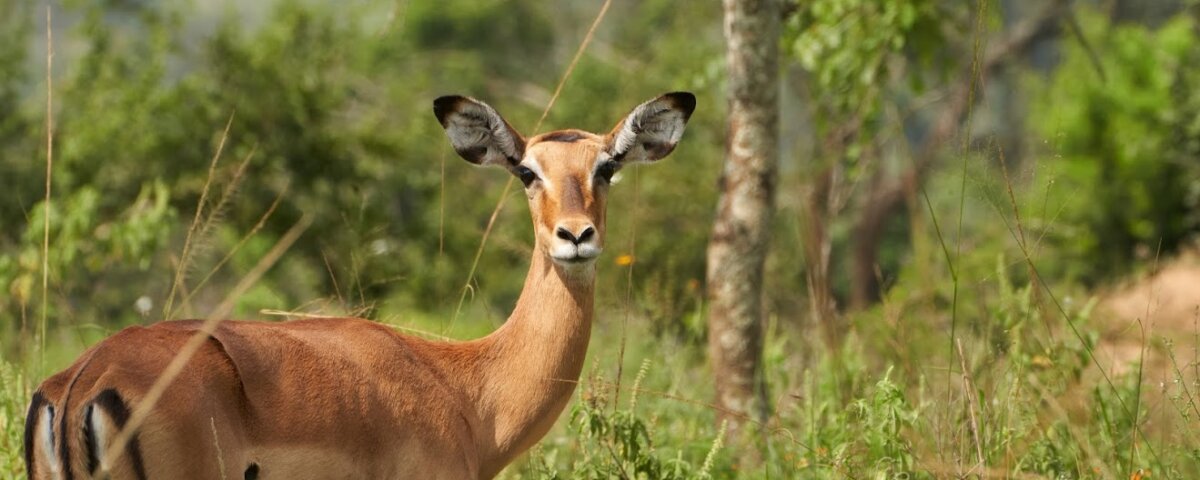
Burundi Photography Tours
Burundi Photography Tours offer travelers an exciting opportunity to capture beautiful landscapes, vibrant cultural traditions, colorful birdlife, peaceful lakeshores, and everyday life in one of East Africa’s most overlooked destinations. From the shores of Lake Tanganyika to the green hills surrounding Gitega and the lively streets of Bujumbura, Burundi provides photographers with a wide range of subjects. Whether you enjoy landscape photography, wildlife photography, bird photography, cultural portraits, or travel storytelling, this small East African country offers rewarding experiences for photographers of different skill levels.
Moreover, Burundi allows visitors to explore places where traditional ways of life, natural beauty, and modern African culture come together. With thoughtful planning, the right equipment, and a knowledgeable local guide, you can turn a photography holiday into a memorable journey filled with meaningful images. At Giant Holiday Safaris, we help travelers discover the beauty of East Africa through carefully planned safari experiences, cultural visits, and nature excursions. Our Burundi Photography Tours can help you explore the country at a comfortable pace while focusing on the locations, subjects, and moments that matter most to your photography goals.
Why Choose Burundi for Photography Tours?
Burundi is an excellent destination for photography because it combines varied scenery, rich cultural traditions, rural landscapes, and an authentic sense of daily life. Although many international travelers know Rwanda, Kenya, Tanzania, and Uganda, Burundi remains less familiar to the wider tourism market. As a result, photographers can discover a different side of East Africa while exploring places that receive less international attention than the region’s most famous safari destinations. The country’s rolling hills, fertile farmland, lakeside communities, and lively urban centers create a diverse collection of photographic opportunities.
Furthermore, Burundi offers subjects for photographers with different interests. Landscape photographers can capture green hills, mountain views, and changing light over Lake Tanganyika. Cultural photographers can explore traditional music, dance, local crafts, markets, and everyday activities with appropriate permission. Bird enthusiasts can look for colorful species in suitable habitats, while nature photographers can document the relationship between local communities and the surrounding environment. Each experience brings a different perspective on the country.
Another advantage is the opportunity to slow down and observe. Rather than rushing between famous attractions, photographers can spend more time studying the light, waiting for interesting moments, and building a deeper understanding of the places they visit. Consequently, a well-planned photography tour can produce more meaningful images than a hurried sightseeing trip.
At Giant Holiday Safaris, we recognize that photographers often need a different travel schedule from ordinary sightseeing visitors. We can help organize flexible itineraries that allow time for early starts, scenic stops, cultural encounters, and changing weather conditions. This approach helps visitors experience Burundi while giving their creative work the attention it deserves.
Best Places for Photography in Burundi
Burundi offers a variety of locations that suit landscape, cultural, street, nature, and documentary photography. The best places depend on your interests, travel dates, transport arrangements, and the amount of time available. Some photographers prefer lakeshores and open landscapes, while others enjoy busy markets, traditional performances, or quiet rural communities. Combining several settings creates a richer visual story of the country.
Bujumbura is a useful starting point because it brings together urban life, local commerce, waterfront scenery, and access to Lake Tanganyika. Photographers can explore public areas, observe daily activities, and capture the changing character of the city. However, they should always respect restrictions around government buildings, security installations, and other sensitive locations.
Gitega, Burundi’s political capital, offers opportunities to explore the country’s cultural identity, local neighborhoods, and surrounding countryside. The city also provides a useful base for travelers interested in traditional drumming and other cultural experiences. With suitable arrangements, photographers can document performances, instruments, costumes, and the energy of live cultural presentations.
The countryside surrounding these towns reveals another side of Burundi. Green hills, cultivated slopes, winding roads, rural settlements, and small farms can all provide interesting compositions. In addition, locations around Lake Tanganyika offer opportunities to photograph boats, lakeside activities, distant mountains, and reflections on calm water.
Photographers should not assume that every attractive location permits unrestricted photography. Before visiting cultural sites, markets, or private property, ask a local guide about access and permission. A responsible approach helps protect local privacy and supports positive relationships with the people who make the destination special.
Lake Tanganyika Photography Experiences
Lake Tanganyika is one of Burundi’s most attractive settings for landscape and travel photography. Its vast waters, changing colors, lakeside communities, and distant horizons create a sense of openness that contrasts beautifully with the country’s green hills. The lake also supports daily activities that can add a human dimension to landscape images, including fishing, boat preparation, and movement along the shore.
Early morning can offer particularly rewarding photographic conditions. When the weather is calm, the water may reflect the sky and surrounding landscape. Soft light can also reveal subtle colors without creating the strong contrast that often appears around midday. Photographers can use the shoreline, boats, trees, and distant landforms to build balanced compositions. Nevertheless, weather conditions vary, so flexibility remains important.
Late afternoon offers another opportunity to photograph the lake as the sunlight changes. Warm tones can bring depth to the water and surrounding scenery. If clouds develop, their shapes may add texture to the sky. However, photographers should avoid assuming that every evening will produce a dramatic sunset. Sometimes, the best photographs come from simple scenes, quiet colors, and small details.
Beyond landscape photography, Lake Tanganyika provides opportunities to document local livelihoods. With permission, visitors can photograph fishing equipment, boats, nets, and the activities that support lakeside communities. These images become more meaningful when photographers learn about the people and work behind each scene.
Safety should remain a priority throughout a lakeside photography excursion. Follow local guidance around boats, slippery shorelines, and swimming areas. Keep equipment secure, avoid blocking public paths, and respect people who do not wish to appear in photographs. With these precautions, Lake Tanganyika can become one of the highlights of a Burundi photography holiday.
Landscape Photography Across Burundi’s Green Hills
Burundi’s rolling hills are among its most distinctive visual features. The landscape includes cultivated slopes, winding roads, scattered settlements, valleys, and mountain views that change with the seasons. For landscape photographers, these elements create opportunities to explore patterns, scale, color, and depth. Even a simple hillside can become an interesting subject when the light, foreground, and background work together.
One of the most effective approaches is to photograph the landscape during the softer hours of the day. Early morning light can reveal the shapes of hills and create gentle shadows across fields. Late afternoon may bring warmer tones and stronger definition to the landscape. On cloudy days, softer light can help photographers capture details in vegetation without losing as much information in bright highlights.
Composition also matters. Instead of photographing every scene from eye level, consider how different viewpoints change the image. A nearby plant, footpath, fence, or cultivated field can provide a foreground that leads the viewer into the landscape. Meanwhile, distant hills can create layers that make the photograph feel deeper. A winding road can guide the eye through the frame, while repeated patterns in farmland can create visual rhythm.
Burundi’s rural landscapes also tell a story about agriculture and daily life. Photographers may encounter people tending crops, transporting goods, or walking along village paths. These moments can add context to a landscape collection, provided photographers approach people respectfully and request permission when appropriate.
Seasonal changes can influence the appearance of the countryside. Rain may intensify green colors, while drier periods can reveal different textures and earthy tones. Since conditions vary by location and year, travelers should discuss their preferred scenery with a local guide before finalizing their route. A flexible schedule will help you make the most of the available light and changing conditions.
Cultural Photography and Traditional Burundian Life
Cultural photography is an important part of Burundi Photography Tours because it allows visitors to explore the traditions, skills, and everyday experiences that shape the country’s identity. Burundi has a rich cultural heritage expressed through music, dance, drumming, crafts, food, family life, and community celebrations. Photographers can create meaningful collections by looking beyond famous attractions and learning about the people who maintain these traditions.
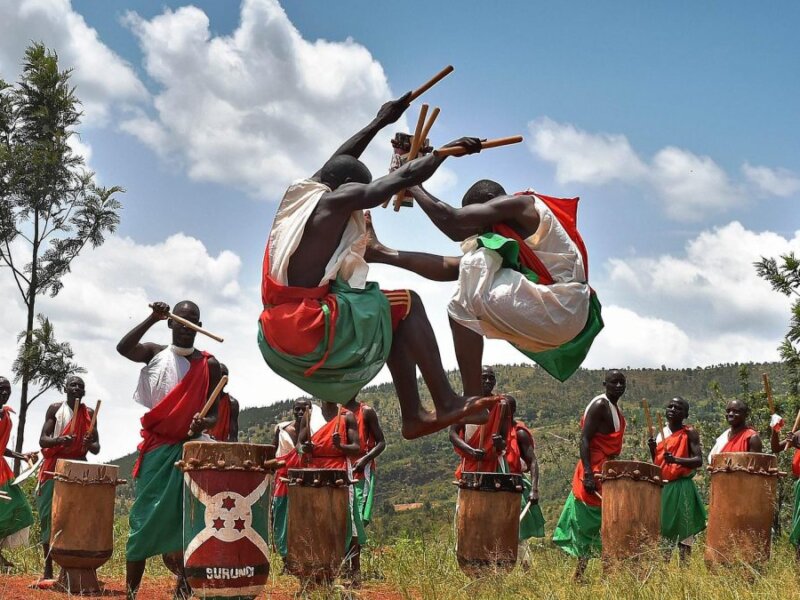
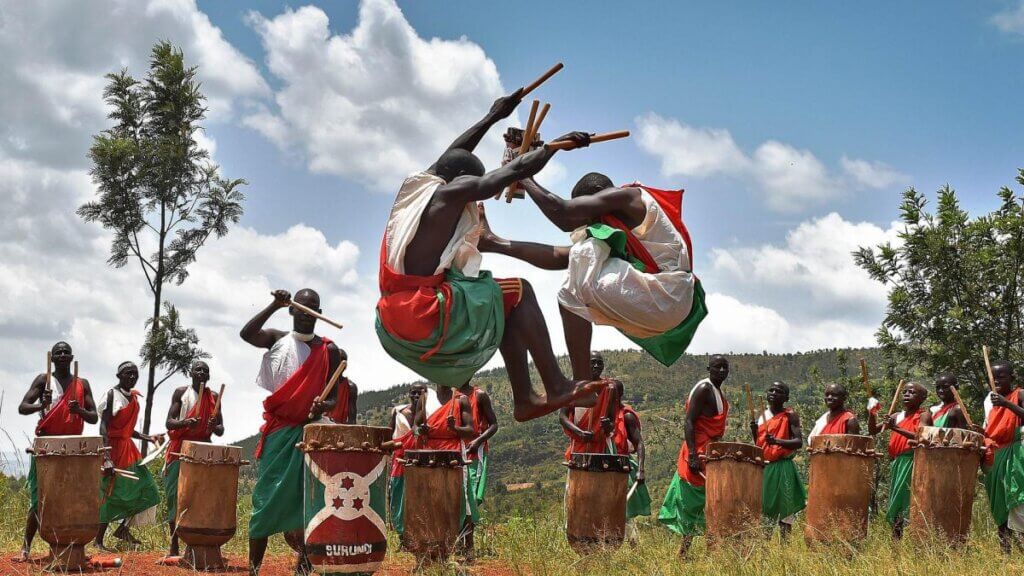
Traditional drumming is one of Burundi’s best-known cultural expressions. Performances can offer dynamic photographic opportunities through movement, coordinated rhythms, instruments, clothing, and group formations. The drummers’ movements create moments of energy, while quieter preparations before a performance may reveal details that are just as interesting. Travelers should arrange visits through suitable local contacts and confirm the rules for photography before the event begins.
Craft traditions can also provide compelling subjects. Handmade objects, weaving, pottery, and other local skills may reveal the connection between creativity, practical knowledge, and community life. Rather than photographing only the finished product, consider documenting the tools, materials, and working process when the craftsperson welcomes photography.
Everyday life provides another valuable perspective. Public markets, neighborhood streets, agricultural activities, and community gatherings can reveal how people work, socialize, and maintain local traditions. However, photographers must distinguish between observing public life and treating people as attractions. Always ask before taking close portraits, particularly when photographing children, private activities, or sensitive situations.
A respectful cultural photography experience should benefit both visitors and the people they meet. Where appropriate, hire local guides, support local craftspeople, and follow community rules. Learn a few polite greetings, show genuine interest, and give people the opportunity to decline photographs without pressure.
At Giant Holiday Safaris, we encourage cultural experiences that place respect and understanding at the center of travel. By approaching each encounter with patience and curiosity, photographers can create images that communicate the richness of Burundian culture without misrepresenting the people behind the photographs.
Photography Tours in Bujumbura
Bujumbura offers an engaging introduction to Burundi through its urban scenery, commercial activity, public spaces, and location beside Lake Tanganyika. The city provides photographers with opportunities to document the relationship between urban life and the natural environment. Depending on local conditions and access, visitors can photograph street scenes, waterfront views, public markets, architecture, transport, and the movement of daily commerce.
Street photography often works best when photographers observe patiently instead of rushing to capture every passing moment. Watch how people move through a space, how sunlight falls across a street, and how different activities interact within the same scene. A carefully composed image of an ordinary moment can communicate more about a city than a large collection of hurried photographs.
Markets may offer colorful arrangements of produce, household goods, textiles, and other items. However, market photography requires sensitivity because vendors and customers are working, shopping, and managing their daily responsibilities. Ask before photographing individuals or their stalls at close range. If someone declines, accept the answer and move on.
Architecture can provide another area of interest. Buildings, balconies, shopfronts, road patterns, and public spaces help explain the character of the city. Look for contrasts between older structures and newer development, but avoid assuming that one building represents the experience of the entire population. A balanced photographic story should include different aspects of urban life.
Bujumbura also allows visitors to combine city photography with lakeside landscapes. This contrast can add variety to a photography itinerary without requiring every day to involve long-distance travel. Still, photographers should confirm current access conditions, transport arrangements, and any restrictions before visiting specific locations.
A local guide can help identify suitable areas, explain local customs, and advise when photography may be inappropriate. With careful planning, Bujumbura can provide a rich collection of images that captures the movement, atmosphere, and changing character of Burundi’s largest city.
Gitega Photography Tours and Cultural Heritage
Gitega offers an important opportunity to explore Burundi’s cultural heritage and the character of its central highlands. As the country’s political capital, it provides a different atmosphere from the lakeside setting of Bujumbura. Photographers can explore urban scenes, surrounding hills, local commerce, cultural institutions, and arranged traditional performances, depending on access and opening arrangements.
The city is particularly relevant for travelers interested in traditional Burundian drumming. The performance tradition associated with the Royal Drummers of Burundi has strong cultural significance and offers a memorable subject for photography when visitors arrange an authorized experience. Drummers, instruments, costumes, formations, and the relationship between performers can all contribute to a visual narrative.
Rather than concentrating only on action shots, photographers should also look for the details that give a performance its character. The shape and texture of a drum, the arrangement of performers, or the quiet moments before the music begins may reveal a different side of the experience. A combination of wide photographs, medium compositions, and close details can help tell a complete story.
Beyond cultural performances, Gitega and its surroundings offer opportunities to photograph daily life and the landscapes of central Burundi. Rural roads, cultivated hills, local businesses, and public spaces may provide useful subjects. However, access to private land, cultural institutions, and certain public facilities should always be confirmed in advance.
Photographers should approach cultural heritage with care. Ask whether photography is allowed, follow instructions from organizers, and avoid interrupting ceremonies or performances to obtain a particular angle. If a guide explains that a moment is private or sacred, respect that boundary.
A visit to Gitega can add depth to a Burundi photography tour by connecting visual storytelling with cultural understanding. The result is a collection that represents more than attractive scenes. It also reflects the traditions, creativity, and everyday experiences that contribute to Burundi’s national identity.
Wildlife Photography in Burundi
Wildlife photography in Burundi can complement landscape and cultural photography, although visitors should plan their expectations carefully. The country contains natural habitats that support birds, small mammals, reptiles, and other wildlife. However, it does not offer the same established large mammal safari experience as some of the most famous national parks in Kenya, Tanzania, and Uganda. Photographers should therefore focus on realistic opportunities and choose locations based on their interests.
Kibira National Park is an important forest area in northwestern Burundi. Its forest habitats support a range of wildlife, including primates and birds. The dense vegetation can make wildlife photography challenging because animals may remain partly hidden, light levels can be low, and movement through the forest may be difficult. These conditions reward patience, careful observation, and suitable equipment.
Rusizi National Park, near the Lake Tanganyika region, offers another setting for nature photography. Its wetland and river habitats can provide opportunities to observe birds and other wildlife, subject to current access conditions and local guidance. The meeting of water, vegetation, and open ground can also create attractive compositions.
Photographers should understand that wild animals do not follow a schedule. A guide cannot guarantee sightings, and a quiet visit does not mean the experience has failed. Habitat details, tracks, feeding signs, and the wider environment can all contribute to a useful wildlife story when photographed responsibly.
Use a suitable lens, keep a respectful distance, and follow park rules. Never feed wildlife, approach animals too closely, or pressure a guide to disturb an animal for a better photograph. Flash photography may also be unsuitable in certain wildlife situations.
For travelers hoping to combine Burundi with a broader East African wildlife safari, Giant Holiday Safaris can help explore possible combinations with destinations in Uganda, Rwanda, Kenya, or Tanzania. Such an itinerary may provide greater variety while allowing Burundi to retain its own place in the overall photographic journey.
Bird Photography Tours in Burundi
Burundi offers opportunities for bird photography through its forest, wetland, grassland, agricultural, and lakeside habitats. For photographers who enjoy observing bird behavior, the country provides a chance to explore different environments and look for species that reflect the diversity of East African ecosystems. However, the number and type of birds encountered will depend on the location, season, weather, and amount of time spent in suitable habitats.
Kibira National Park is a useful destination for travelers interested in forest birds. The vegetation can be thick, and some species may remain difficult to see. A knowledgeable local guide can help identify calls, locate likely observation points, and explain which habitats offer the best opportunities. Good preparation is important because forest photography often involves lower light and limited visibility.
Wetland areas around Rusizi can provide a different experience. Waterbirds and species associated with river edges may be easier to observe in open settings when conditions are favorable. Photographers can also look for reflections, feeding behavior, birds in flight, and interactions between species. A longer lens helps capture distant subjects without disturbing them.
Bird photography requires patience and respect. Avoid approaching nests, disturbing feeding birds, or playing recorded calls in ways that may stress wildlife. Follow protected area rules and let animals continue their normal behavior. A photograph should never come at the expense of the subject’s welfare.
For better results, learn basic bird identification before the trip. Familiarity with common species, calls, habitats, and seasonal patterns can help you recognize interesting opportunities. Keep a field notebook to record locations, conditions, and observations that may improve later outings.
At Giant Holiday Safaris, we can help travelers plan nature excursions that suit their interests and available time. By combining bird photography with landscape and cultural experiences, visitors can build a more complete picture of Burundi’s natural environment and the communities living alongside it.
Best Time for Burundi Photography Tours
The best time for Burundi Photography Tours depends on the subjects you want to photograph, the type of scenery you prefer, and your tolerance for changing weather. Burundi has a tropical climate influenced by elevation, rainfall, and local geography. Consequently, conditions can vary between the lakeshore, central highlands, and forested areas. Travelers should consider these differences when planning a photography itinerary.
Burundi generally experiences a longer rainy period around February to May and a shorter rainy period around September to November, although the timing and intensity can vary from year to year. Drier periods often occur around June to August and December to January. These are broad seasonal patterns rather than guarantees, so visitors should check local forecasts before departure.
The wetter months can produce lush landscapes, fresh vegetation, dramatic clouds, and attractive contrasts across the hills. Photographers who enjoy rich green scenery may appreciate these conditions. However, rain can affect road travel, make walking trails muddy, and require additional protection for cameras and lenses. Cloud cover may also change the quality and direction of light throughout the day.
Drier periods may make road travel and outdoor activities easier in many areas. They can also offer clearer conditions for certain landscape views. Nevertheless, dust, haze, and strong midday sunlight may affect some photographs, so timing remains important.
For cultural photography, the best dates depend on the events and experiences available. Traditional performances, local markets, and community activities do not necessarily follow the same schedule as the weather. Travelers should arrange cultural visits in advance rather than assuming a performance will take place whenever they arrive.
At Giant Holiday Safaris, we recommend choosing travel dates according to your main photographic goals. If you prioritize birds, landscapes, cultural experiences, or a combination of subjects, we can help plan a route that balances weather, access, travel time, and opportunities for photography.
Sunrise and Sunset Photography in Burundi
Sunrise and sunset are valuable periods for photography because the changing light can transform familiar locations. In Burundi, these hours can offer beautiful conditions along Lake Tanganyika, across the rolling hills, and around rural landscapes. Soft light often reveals textures and shapes more clearly than strong midday sunshine, while longer shadows can add depth to a composition.
For sunrise photography, arrive early enough to prepare before the light changes. A lakeside location may offer reflections and open views, while a hillside viewpoint may provide layers of land and mist when conditions allow. The sky does not always produce dramatic colors, so look beyond the horizon. Boats, vegetation, footpaths, and silhouettes can create interesting photographs even when the sunrise is subtle.
Sunset photography offers a different atmosphere. Warm light can emphasize the colors of fields, buildings, and lakeside scenes. Clouds may add texture, while the fading light can encourage photographers to experiment with silhouettes. If you photograph people during this time, ask permission when appropriate and avoid using their presence merely as decoration without considering the context.
Composition remains important during both periods. Try placing the horizon at different levels, using foreground elements to create depth, and leaving space around your main subject. A tripod can help with low light when the location is safe and stable, but it is not always necessary.
Planning is especially important because the best viewpoint may require travel. Confirm access, transport, and return arrangements before leaving your accommodation. Avoid walking through unfamiliar areas in darkness without suitable guidance.
At Giant Holiday Safaris, we can help arrange photography stops that fit your itinerary and preferred pace. With suitable timing and realistic expectations, sunrise and sunset outings can become some of the most rewarding parts of a Burundi photography holiday.
Portrait Photography and Everyday Life in Burundi
Portrait photography can help visitors tell more personal stories about Burundi. While landscapes show the character of a place, portraits can communicate individual experiences, expressions, skills, and relationships. A carefully made portrait may capture a craftsperson at work, a musician preparing for a performance, or a willing participant in a cultural activity. The key is to build trust and treat each person with dignity.
Always ask permission before taking a close portrait. A friendly greeting and a simple explanation of your purpose can help establish a respectful interaction. If a person does not understand your language, a local guide may help explain the request. Never assume that someone agrees to be photographed simply because they are standing in a public area.
Lighting can improve a portrait without requiring complicated equipment. Soft natural light near a shaded outdoor area often works well because it reduces harsh shadows. A simple background can help the subject stand out, while a wider frame can show the surroundings and provide more context. Let the person choose a comfortable position whenever possible.
It is also important to think about how the finished photograph may be used. Sharing a portrait publicly, using it in commercial marketing, or including it in promotional material can raise different consent questions from taking a photograph for personal use. Obtain clear permission for the intended use, especially when working on commercial assignments or publishing identifiable images.
Photographers should take extra care when photographing children. Seek permission from a parent or responsible guardian and follow local rules. Avoid sharing identifying details or images that could expose a child to harm.
The most meaningful portraits often emerge from genuine interaction rather than staged situations. Listen, observe, and allow people to decline without pressure. By following these principles, Burundi photography tours can create honest images that celebrate individual stories while protecting personal privacy and dignity.
Equipment to Bring for Burundi Photography Tours
Choosing the right equipment can make your Burundi photography tour more comfortable and productive. However, you do not need the most expensive camera to capture meaningful images. A basic camera or a capable smartphone can produce excellent photographs when you understand light, composition, and timing. The best equipment is the equipment you can carry safely and use confidently.
A versatile zoom lens can be useful for landscape photography, architecture, street scenes, and everyday travel. If you enjoy bird or wildlife photography, a longer telephoto lens may help you photograph distant subjects without approaching them too closely. A wide angle lens can also be valuable for broad landscapes, interiors where photography is permitted, and scenes that include both people and their surroundings.
Bring spare batteries and memory cards because charging opportunities may vary during travel. A portable power bank can help keep compatible devices ready, while a secure camera bag protects equipment during road journeys and walks. A lightweight tripod may help with sunrise, sunset, and low light photography, but consider its weight and whether you will be able to use it safely at your planned locations.
Weather protection is equally important. A rain cover or waterproof bag can protect your camera when showers arrive. Keep a soft cleaning cloth available to remove dust, moisture, and fingerprints. Silica gel packs may also help manage moisture inside a closed equipment bag, although they do not replace proper drying and storage.
For wildlife and bird photography, learn how to adjust shutter speed, focus, and exposure before the trip. Fast movement may require a quicker shutter speed, while static landscapes allow more flexibility. Practice these settings at home so you spend less time navigating camera menus in the field.
Finally, keep your equipment secure and avoid displaying expensive gear unnecessarily in crowded areas. Carry only what you need for each outing. A thoughtful equipment plan helps you travel comfortably and focus on the photographic experience rather than the weight of your bag.
Photography Tips for Capturing Burundi’s Natural Beauty
Capturing Burundi’s natural beauty requires more than pointing a camera at an attractive view. The strongest photographs often come from careful observation, thoughtful composition, and an understanding of how light affects the scene. By taking time to study your surroundings, you can create images that communicate the atmosphere of a place instead of simply recording its appearance.
Start by identifying the main subject. It could be a distant hill, a tree standing alone in a field, a fishing boat on the lake, or a narrow path crossing cultivated land. Once you identify the subject, look for elements that support the composition. Foreground objects can add depth, while repeating patterns may create rhythm. A clear horizon can help organize a landscape, although placing it higher or lower may produce a more interesting result depending on the scene.
Pay attention to exposure. Bright skies and dark foregrounds can challenge a camera, particularly when the sun sits near the horizon. Review your images when possible and adjust exposure to preserve important details. If you photograph in a format that allows later editing, you may gain greater flexibility when balancing highlights and shadows.
Try photographing the same location from different angles. A small change in position can remove distracting objects, improve the background, or reveal a stronger relationship between elements. You can also vary the distance from your subject to create a collection that includes wide scenes, medium views, and close details.
Color deserves attention too. Burundi’s landscapes may include green vegetation, red or brown soil, blue water, and changing sky tones. Look for natural color relationships rather than increasing saturation excessively during editing. The aim is to represent the scene faithfully.
Most importantly, remain patient. Weather changes, people move, and wildlife appears unexpectedly. If a scene does not work immediately, wait or return later when conditions improve. A flexible approach helps you make better use of each photographic opportunity.
Responsible and Ethical Photography in Burundi
Responsible photography should guide every Burundi photography tour. Beautiful images can encourage people to appreciate a destination, but the way photographers create and share those images also matters. Ethical photography respects local customs, protects personal privacy, and avoids harming people, animals, or the environment for the sake of a picture.
Always seek permission before photographing identifiable people in close detail, particularly in private settings or during sensitive activities. Public visibility does not automatically mean that someone welcomes being photographed. If a person declines, accept the decision politely. Do not pressure people with repeated requests or use payment in a way that makes them feel they cannot refuse.
Cultural traditions require similar care. Some ceremonies, religious activities, and community events may have restrictions on photography. Ask organizers or your guide before taking pictures, and follow instructions throughout the visit. A photographer should never interrupt a performance or ceremony to obtain a better angle.
Wildlife photography also carries responsibilities. Maintain appropriate distances, stay on authorized paths, and never feed or chase animals. Avoid disturbing nests or using techniques that may cause unnecessary stress. In protected areas, follow park rules and accept the guidance of trained staff.
Environmental responsibility includes respecting farmland, avoiding damage to plants, and leaving natural locations as you found them. Do not enter private property without permission, and avoid leaving waste behind. If you use a drone, confirm the current legal requirements and obtain any required permissions before flying. Never assume that drone use is permitted near protected areas, airports, government facilities, or populated locations.
Responsible editing matters as well. Do not manipulate documentary photographs in ways that create a false account of cultural practices, wildlife behavior, or local conditions. Explain when an image is staged or heavily edited if that distinction affects how viewers understand it.
Giant Holiday Safaris encourages travelers to approach Burundi with respect and curiosity. Ethical photography protects the dignity of local communities and helps ensure that tourism contributes positively to the places and people who make each journey meaningful.
Working with Local Guides on Burundi Photography Tours
A knowledgeable local guide can greatly improve a photography tour by helping visitors understand the destination, navigate unfamiliar areas, and make realistic plans. Photography involves more than finding an attractive location. Travelers must also consider access, travel time, local customs, safety, weather, and the amount of time available at each stop. A guide can help balance these needs.
Local knowledge is especially useful for cultural photography. A guide may help arrange an appropriate visit to a traditional performance, explain local expectations, and introduce visitors to craftspeople or community members who welcome photography. These introductions can make the experience more respectful and help photographers understand the meaning behind the images they create.
Guides can also assist with nature excursions. In forested areas, they may help identify suitable trails and explain wildlife observation rules. Around wetlands and lakeshores, they can advise on access conditions and help visitors identify promising places for birdwatching. However, wildlife sightings and ideal lighting can never be guaranteed.
A photography focused itinerary should allow enough time for the work itself. Ordinary sightseeing schedules may move too quickly for photographers who want to wait for the right light, change lenses, or explore several compositions. Before booking, explain whether you mainly photograph landscapes, people, birds, wildlife, or a combination of subjects. This helps the tour organizer plan suitable stops.
It is also helpful to discuss expectations in advance. Clarify whether you need a vehicle for equipment, early departures, extra time at particular locations, or assistance arranging photography permissions. If you work professionally, explain whether you plan to publish or commercially use the photographs.
At Giant Holiday Safaris, we value thoughtful planning and local insight. Our goal is to help travelers enjoy authentic East African experiences while respecting the people, wildlife, and landscapes they encounter. By working with suitable local guides and partners, visitors can explore Burundi with greater confidence and make better use of their time in the field.
How to Plan a Burundi Photography Tour
Planning a successful Burundi photography tour begins with identifying your main interests. Some travelers want to photograph Lake Tanganyika and the rolling hills, while others prefer traditional culture, birdlife, or everyday urban scenes. Establishing these priorities helps determine the route, length of stay, transport arrangements, and equipment you need.
Start by choosing your preferred travel period. Consider seasonal rainfall, road conditions, daylight, and the availability of cultural experiences. If you want to photograph a specific performance or visit a protected area, confirm access and arrangements before booking your flights. Avoid building an itinerary around an event that has not been confirmed.
Next, decide how much time to allocate to each destination. A short visit might focus on Bujumbura, Lake Tanganyika, and selected cultural experiences. A longer journey could include Gitega, forest excursions, wetland photography, and additional rural landscapes. Allow enough time for travel between locations because road conditions and journey times can vary.
Transport planning matters because photographic equipment can be heavy and some locations may require additional walking. Choose arrangements that allow you to store equipment securely and make safe stops where permitted. Do not assume that a vehicle can stop anywhere along a busy road. Your driver or guide should identify suitable stopping points.
Accommodation also affects your schedule. Staying near your main photographic locations may help you reach sunrise viewpoints without long early morning transfers. However, confirm the location, facilities, meal arrangements, and access conditions before making a booking.
Prepare your travel documents well in advance. Check current entry requirements, passport validity, visa rules, and any health advice relevant to your nationality and itinerary. Confirm travel insurance coverage for your activities and photographic equipment.
Finally, maintain some flexibility. Rain, cloud cover, unexpected closures, and changing local circumstances can affect the plan. A good itinerary includes alternative activities so you can continue exploring when conditions change. Giant Holiday Safaris can help organize the practical details of your journey around your preferred photographic subjects, budget, and travel schedule.
Sample Seven Day Burundi Photography Tour Itinerary
A seven day Burundi photography tour can provide a balanced introduction to the country’s landscapes, cultural heritage, urban life, and natural habitats. The following sample itinerary offers a planning framework rather than a fixed schedule. Actual arrangements should depend on current access, travel conditions, available guides, and the photographic interests of each visitor.
Day One: Arrival in Bujumbura
Arrive in Bujumbura, transfer to your accommodation, and take time to settle in. Depending on your arrival time and local conditions, you may explore a suitable public area or enjoy a gentle lakeside visit. Use the first day to check your equipment, confirm arrangements, and discuss photography priorities with your guide.
Day Two: Lake Tanganyika and Urban Photography
Spend the morning photographing Lake Tanganyika, focusing on landscapes, boats, reflections, and lakeside activity where access permits. Later, explore selected parts of Bujumbura for architecture, public spaces, and everyday urban scenes. Request permission before taking close portraits, and follow local guidance about restricted areas.
Day Three: Rural Landscapes and Local Communities
Travel through selected rural areas where cultivated hills, winding roads, and village scenery provide opportunities for landscape photography. With suitable introductions, photograph everyday activities and traditional crafts when participants agree. Allow time for safe stops and avoid entering private property without permission.
Day Four: Travel to Gitega
Travel toward Gitega, observing how the landscape changes along the route. Make photography stops only where safe and permitted. After arrival, explore the town at a relaxed pace or prepare for a cultural experience arranged in advance.
Day Five: Cultural Photography in Gitega
Focus on Burundian cultural heritage through an authorized traditional drumming performance or another suitable cultural activity. Photograph the performers, instruments, and surrounding details according to the organizer’s rules. If time allows, explore selected public areas and local scenes.
Day Six: Nature and Bird Photography
Choose an appropriate nature excursion based on access and your interests. Kibira National Park may suit forest photography, while Rusizi National Park may offer opportunities associated with wetland habitats. Since these areas are in different parts of the country, select one according to your route rather than trying to visit both without sufficient travel time.
Day Seven: Final Photography and Departure
Depending on your departure arrangements, enjoy a final short photography session or return to Bujumbura. Check your equipment, back up important photographs, and leave enough time for airport procedures.
Giant Holiday Safaris can help adapt this sample itinerary to your travel dates, interests, and preferred pace. A customized plan makes it easier to balance photography with comfortable travel and meaningful cultural experiences.
Burundi Photography Tours for Beginners and Professional Photographers
Burundi photography tours can suit beginners, experienced hobbyists, and professional photographers, provided the itinerary matches their needs. Every traveler approaches photography differently. Beginners may want time to understand basic camera settings, while experienced photographers may prioritize unusual compositions, specific habitats, or controlled opportunities for documentary work. A well-designed trip can accommodate different levels of experience.
Beginners should focus on learning a few useful skills before departure. Understanding exposure, focus, composition, and basic camera handling will make it easier to work in changing conditions. You do not need to master every camera function. Instead, practice photographing landscapes, moving subjects, and portraits so you feel comfortable using your equipment.
Experienced hobbyists may enjoy a flexible schedule that allows them to experiment with different lenses, compositions, and lighting conditions. They can also use the trip to develop a consistent photographic theme, such as the relationship between people and landscapes or the importance of traditional music in Burundian culture.
Professional photographers may require additional planning. Commercial assignments, editorial work, and documentary projects can involve different permission requirements, equipment needs, deadlines, and publication standards. Before traveling, clarify the intended use of the photographs and obtain the necessary permissions from relevant people, organizers, or authorities.
Groups should also discuss their priorities before departure. A bird photographer may need longer periods in one habitat, while a cultural photographer may prefer several short visits throughout the day. Combining too many competing interests can create unnecessary travel and reduce the time available for each subject.
At Giant Holiday Safaris, we encourage travelers to share their experience level and goals before booking. This helps us explore suitable locations, guides, accommodation, and transport options. Regardless of experience, the most valuable photography tour is one that allows you to learn, observe, and create images at a pace that suits your interests.
Combining Burundi Photography Tours with Other East African Destinations
Travelers who have more time can combine Burundi Photography Tours with visits to other East African destinations. This approach creates a broader photographic journey that explores the different landscapes, wildlife habitats, and cultural traditions of the region. However, each country has its own entry requirements, travel distances, conservation rules, and practical considerations. A successful multi country itinerary needs careful planning rather than simply adding destinations together.
Uganda can complement Burundi through its mountain gorillas, forest wildlife, birdlife, lakes, and savannah landscapes. Travelers interested in wildlife photography may appreciate the contrast between Burundi’s cultural and lakeside settings and Uganda’s established national parks. Gorilla trekking and other protected area activities require advance planning, appropriate permits where applicable, and compliance with conservation rules.
Rwanda offers opportunities for photography around its green hills, cultural attractions, and protected natural areas. Travelers may combine selected cultural experiences with nature excursions, depending on their interests and available time. However, border crossings and driving times must fit comfortably within the schedule.
Kenya and Tanzania can expand a photography journey to include major savannah ecosystems and well known wildlife destinations. These countries may be particularly attractive to photographers interested in elephants, lions, giraffes, plains wildlife, and dramatic landscapes. Wildlife sightings depend on natural conditions, and park access, accommodation, and seasonal movement patterns should guide the route.
Combining destinations can also increase transport costs and require additional travel days. Travelers should review visa requirements, insurance, border arrangements, and the rules for transporting photographic equipment across borders. If the trip includes professional work, check whether permits or additional permissions apply.
Giant Holiday Safaris specializes in East African travel planning and can help travelers explore possible combinations involving Burundi, Uganda, Rwanda, Kenya, and Tanzania. A carefully balanced itinerary allows each destination to contribute something distinctive without making the journey unnecessarily rushed.
Accommodation and Transport for Burundi Photography Tours
Accommodation and transport play an important role in the success of a Burundi photography tour. Photographers often need to travel early, carry valuable equipment, and spend extra time at locations when light or weather conditions are favorable. Therefore, choosing suitable arrangements can improve comfort and make the schedule more practical.
When selecting accommodation, consider its location in relation to your main photographic interests. A property close to Lake Tanganyika may suit travelers who want to photograph the lakeshore early in the morning. Visitors focusing on cultural experiences in Gitega may prefer accommodation that reduces travel time to planned activities. Those visiting forest or wetland areas should confirm how long transfers will take and whether early departures are possible.
Facilities also matter. Reliable charging options, secure storage, suitable meals, and a comfortable place to organize equipment can make a difference during a multi day trip. However, services vary between properties, so confirm the facilities you need before booking rather than assuming they will be available.
Private transport may be helpful because it allows more flexibility than relying entirely on fixed public transport schedules. A dedicated vehicle can make it easier to carry camera bags, reach locations early, and adjust the itinerary when conditions change. Nevertheless, photography stops should always take place in safe and authorized areas.
Discuss your equipment requirements with the tour organizer. If you plan to carry several camera bodies, large lenses, tripods, or lighting equipment, explain this before departure so transport arrangements can accommodate your luggage. Keep valuable equipment secured and avoid leaving cameras visible inside an unattended vehicle.
Travel times can vary because of road conditions, weather, traffic, and local circumstances. Leave room in the schedule for delays and avoid planning important photography sessions immediately after a long transfer.
At Giant Holiday Safaris, we can help travelers explore suitable accommodation and transport options according to their budget and itinerary. Practical arrangements allow you to focus on photography while enjoying a smoother and more comfortable journey through Burundi.
Budgeting for Burundi Photography Tours
The cost of a Burundi photography tour depends on several factors, including trip length, accommodation level, transport, guide services, meals, park visits, cultural activities, and equipment needs. There is no single price that suits every traveler because a simple photography holiday and a specialized private assignment may require very different arrangements.
Accommodation is often one of the main budget considerations. Travelers can compare available properties according to comfort, location, services, and proximity to planned photography sites. Choosing a convenient location may reduce transport time, although the most suitable property will depend on availability and personal preferences.
Transport costs depend on the route, vehicle type, distance, and number of travelers. A private vehicle may provide useful flexibility for photographers, especially when the itinerary includes early starts and several scenic stops. However, travelers on a tighter budget may consider sharing suitable transport with companions, provided everyone has compatible interests and schedules.
Guide services and organized activities should also form part of the budget. A knowledgeable guide can help with local arrangements, cultural interpretation, and route planning. If you plan to photograph a performance, visit a protected area, or undertake commercial work, confirm all relevant fees and permission requirements in advance.
Do not overlook equipment and personal expenses. Travel insurance, camera protection, spare batteries, memory cards, data storage, laundry, meals outside the package, and emergency funds can add to the overall cost. International flights and visa fees may also fall outside a tour quotation, so check what the package includes.
For an accurate quotation, share your preferred travel dates, group size, accommodation expectations, main photographic interests, and approximate budget with Giant Holiday Safaris. We can then explore an itinerary that balances your priorities with realistic costs. Transparent planning helps you understand what you are paying for and reduces the risk of unexpected expenses during your journey.
Booking Burundi Photography Tours with Giant Holiday Safaris
Booking Burundi Photography Tours with Giant Holiday Safaris gives travelers the opportunity to plan a personalized journey through Burundi and, where suitable, other East African destinations. Our focus is on helping visitors organize practical travel arrangements while discovering the natural scenery, cultural heritage, and everyday experiences that make the region rewarding to explore.
Every photography traveler has different priorities. Some visitors want to spend more time beside Lake Tanganyika, while others prefer traditional drumming, rural landscapes, bird photography, or forest excursions. By discussing these interests before departure, we can help develop an itinerary that reflects the kind of photographs you hope to create.
The planning process should begin with your travel dates, group size, arrival and departure arrangements, and preferred destinations. We can then explore suitable accommodation, transport, guiding services, and activities according to availability and budget. If you need early morning starts or additional time at specific locations, explain these requirements before confirming your booking.
Photography tours also benefit from realistic expectations. Weather conditions can change, wildlife sightings cannot be guaranteed, and cultural activities may require advance confirmation. We aim to help travelers understand these practical factors so they can make informed decisions before traveling.
If you plan to use photographs for commercial purposes, please mention this during the planning stage. Commercial photography may involve additional permissions, restrictions, or arrangements beyond those required for ordinary tourism. It is important to confirm the relevant requirements before beginning the activity.
Giant Holiday Safaris values respectful tourism, thoughtful planning, and meaningful experiences. We encourage travelers to explore Burundi with curiosity while supporting local guides, businesses, and communities where appropriate. By coordinating the practical details and allowing room for photography, we help make the journey more comfortable and rewarding.
Whether you are planning a short photographic escape or a wider East African adventure, a personalized itinerary can help you discover Burundi at a pace that suits your interests.
Frequently Asked Questions About Burundi Photography Tours
Is Burundi a good destination for photography tours?
Yes. Burundi offers varied opportunities for landscape, cultural, street, bird, and nature photography. Lake Tanganyika, the hills around the central highlands, Bujumbura, Gitega, and suitable natural areas provide different subjects for photographers. The country is especially appealing to travelers who want to explore East Africa beyond its most famous tourism destinations. The best experience depends on your interests, travel dates, and the time available.
What can I photograph in Burundi?
You can photograph lakeside scenery, rolling hills, cultivated landscapes, traditional drumming, local crafts, public markets, architecture, and everyday life with appropriate permission. Nature enthusiasts can also explore suitable forest and wetland habitats for birds and other wildlife. Your exact opportunities will depend on access conditions, local rules, and the season.
When should I visit Burundi for photography?
Drier periods around June to August and December to January may offer convenient conditions for some outdoor activities, while wetter months can produce lush green landscapes and dramatic clouds. These are general seasonal patterns, not guarantees. Check local forecasts and consider the subjects you want to photograph before selecting your travel dates.
Do I need professional camera equipment?
No. A smartphone or basic camera can capture excellent travel photographs. More specialized equipment may help with birds, wildlife, or low light scenes, but it is not essential for every traveler. Choose equipment that suits your interests and that you can carry comfortably.
Can I photograph local people in Burundi?
You should ask permission before taking close portraits or photographing people in situations where privacy matters. Follow local customs and any restrictions at cultural events. If someone declines, respect the decision. For commercial or public use, confirm that you have appropriate consent for the intended purpose.
Are there opportunities for wildlife photography?
Yes. Burundi has forest, wetland, and other natural habitats that support birds and wildlife. Kibira National Park and Rusizi National Park may suit different nature photography interests, depending on access and conditions. However, Burundi is not primarily known for large mammal safaris on the scale of some regional destinations, so travelers should plan realistic expectations.
Can I combine Burundi with Uganda or Rwanda?
Yes. A multi country itinerary can combine Burundi’s lakeside scenery and cultural experiences with Uganda’s wildlife destinations or Rwanda’s cultural and natural attractions. The route should account for driving times, border requirements, entry rules, accommodation, and any permits needed for specific activities.
Are Burundi photography tours suitable for beginners?
Yes. Beginners can enjoy landscape, cultural, and travel photography without advanced equipment. A relaxed itinerary with guidance and enough time at each location can help new photographers practice composition, exposure, and observation. More experienced photographers can request specialized outings based on their interests.
How many days do I need for a Burundi photography tour?
A short trip can cover Bujumbura, Lake Tanganyika, and selected cultural experiences. Five to seven days may allow more time for Gitega, rural landscapes, and a suitable nature excursion. Longer journeys provide greater flexibility, particularly if you want to combine several photographic themes or visit another East African country.
How much do Burundi photography tours cost?
Prices vary according to trip duration, group size, accommodation, transport, guide services, activities, and travel dates. Specialized private tours may cost more than simpler arrangements. Request a quotation based on your preferred itinerary and confirm which services, entrance fees, meals, and transfers the price includes.
Can Giant Holiday Safaris customize my photography itinerary?
Yes. Giant Holiday Safaris can help explore a photography itinerary based on your interests, travel dates, budget, and preferred pace. Depending on availability and current access conditions, the plan may focus on landscapes, culture, birdlife, nature, or a combination of experiences. Travelers can also discuss possible extensions into other East African destinations.
Discover Burundi Through Photography Tours
Burundi Photography Tours offer a rewarding way to discover the landscapes, traditions, wildlife habitats, and everyday experiences of this remarkable East African country. From the open shores of Lake Tanganyika to the rolling hills of the countryside, the cultural energy of Gitega, and the busy streets of Bujumbura, Burundi provides a wide range of photographic subjects.
Each location offers a different perspective, allowing visitors to build a collection that combines natural beauty with meaningful human stories. Moreover, a carefully planned journey creates time to observe changing light, explore local traditions, and appreciate details that hurried travel often misses. Successful photography also requires respect, patience, and realistic expectations.
Ask permission before photographing people, follow local rules, protect wildlife, and prepare for changing weather and travel conditions. With suitable equipment and knowledgeable local support, beginners and experienced photographers alike can enjoy a memorable journey. Giant Holiday Safaris can help you organize Burundi Photography Tours according to your preferred destinations, photographic interests, accommodation needs, and budget. Whether you want a short photography holiday or a wider East African adventure, Burundi invites you to look beyond the familiar and capture the beauty, character, and spirit of the region through your own lens.