
Bujumbura City Tours
November 6, 2026
Cycling Tours in Burundi
November 7, 2026
Burundi Historical and Heritage Tours
Burundi Historical and Heritage Tours offer travelers an opportunity to explore the ancient kingdom, royal traditions, cultural landmarks, and remarkable stories that have shaped this beautiful East African country. From the historic royal grounds of Gishora to the National Museum of Gitega, Burundi provides a meaningful journey into Africa’s past. Moreover, its traditional drumming, sacred sites, local communities, and national monuments help visitors understand the country beyond its scenic hills and Lake Tanganyika. For travelers who value culture, history, and authentic experiences, Burundi offers a destination filled with discovery. Every heritage journey brings a closer connection to the people, traditions, and historical events that continue to shape Burundian identity. With Giant Holiday Safaris, visitors can explore these important places while learning about the kingdom, colonial history, independence, and cultural practices that remain part of everyday life.
Understanding the Historical Heritage of Burundi
Burundi has a long and fascinating history that reaches far beyond the colonial period. For centuries, the country developed around a traditional monarchy, with a king known as the Mwami at the center of political and cultural life. The kingdom developed its own leadership systems, customs, ceremonies, and social structures. In addition, oral traditions helped communities preserve their memories and pass important knowledge from one generation to another.
The history of Burundi reflects the strength of its cultural identity. Although German and Belgian colonial rule brought major political changes, many local traditions continued to influence daily life. The country gained independence on July 1, 1962, marking a new chapter in its national story. However, Burundi’s historical journey also includes periods of political tension and social hardship. Understanding these events allows travelers to approach the country with greater respect and awareness.
Today, historical tourism helps visitors explore Burundi through its monuments, museums, cultural performances, and traditional communities. Rather than viewing history as a collection of dates, travelers can experience it through places and people. For example, a visit to Gitega introduces the royal heritage of the country, while a journey to Bujumbura reveals important landmarks connected to independence and national memory.
Burundi’s heritage also includes shared cultural practices, especially the Kirundi language, music, dance, storytelling, and community values. These traditions connect people across different regions and backgrounds. Therefore, historical tours in Burundi offer more than sightseeing. They provide an opportunity to understand how the past continues to influence the present.
The Ancient Kingdom of Burundi and Its Royal Traditions
The ancient Kingdom of Burundi forms an important foundation of the country’s historical identity. Before colonial rule, the kingdom developed a system of leadership centered on the Mwami. The monarch held political authority and played an important role in ceremonies, social organization, and the unity of the kingdom. Royal traditions influenced the way communities understood leadership, responsibility, and their relationship with the land.
The monarchy developed over many generations. Kings expanded and strengthened the kingdom while maintaining relationships with local leaders and communities. Royal courts served as important centers of administration, ceremony, and cultural activity. In addition, traditional institutions helped preserve knowledge about royal succession, sacred places, and community responsibilities.
Visitors exploring Burundi’s historical heritage can learn about this royal system through sites such as Gishora, Rubumba, and the National Museum of Gitega. These places help explain the role of kings, royal ceremonies, and the traditions that shaped the kingdom. However, travelers should remember that many aspects of royal history survive through oral accounts rather than large stone monuments.
The kingdom’s cultural identity also developed through music, dance, poetry, and storytelling. Royal drumming, for example, played an important role during ceremonies and celebrations. These practices remain meaningful today, connecting modern Burundians with their ancestors and historical traditions.
A heritage tour through Burundi allows travelers to understand how the kingdom influenced national identity. It also offers a broader perspective on African history, showing how local political systems and cultural institutions developed long before European colonial rule. By exploring these traditions respectfully, visitors gain a deeper appreciation of Burundi’s historical importance.
Gishora Royal Drum Sanctuary: A Living Symbol of Burundian Heritage
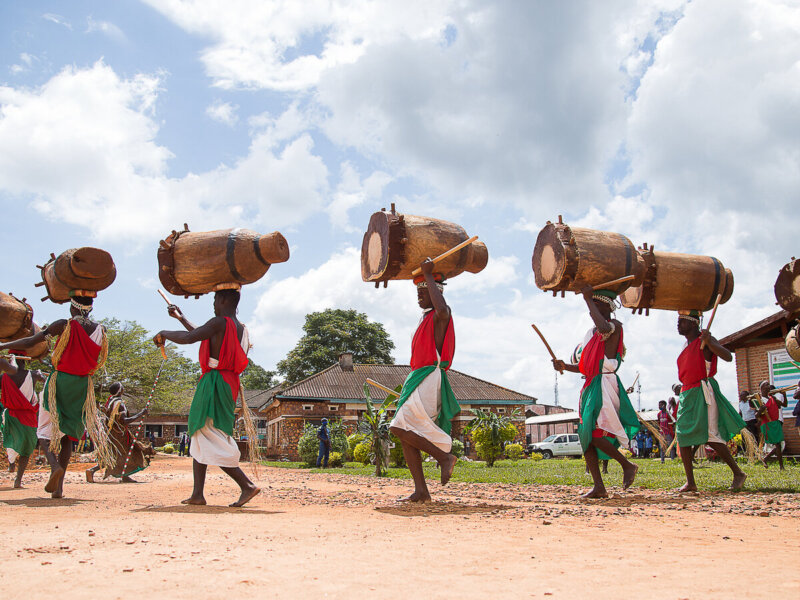
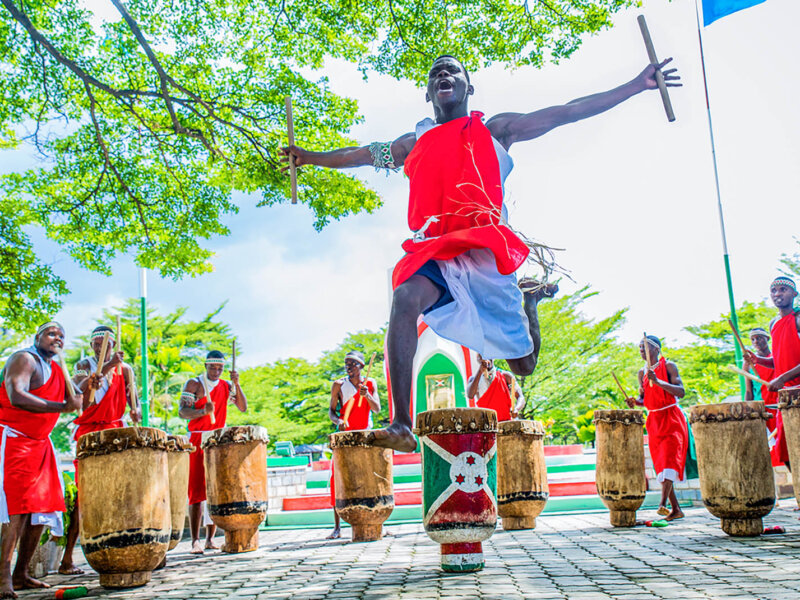
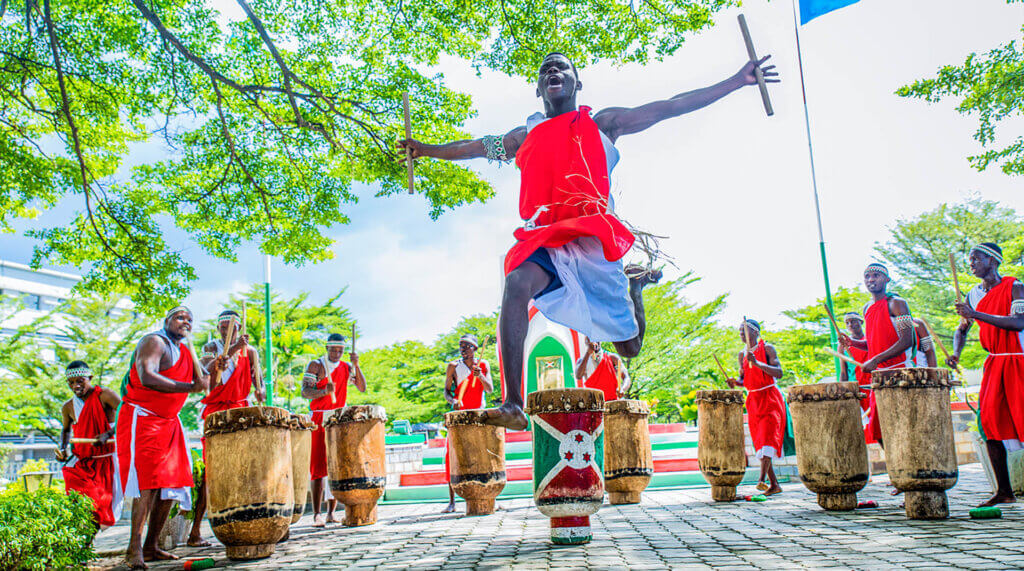
Gishora Royal Drum Sanctuary stands among the most important cultural heritage destinations in Burundi. Located near Gitega, the sanctuary preserves a tradition that connects music, royal history, ceremony, and national identity. The site is widely known for its sacred drums and traditional performances, which continue to attract cultural travelers from around the world.
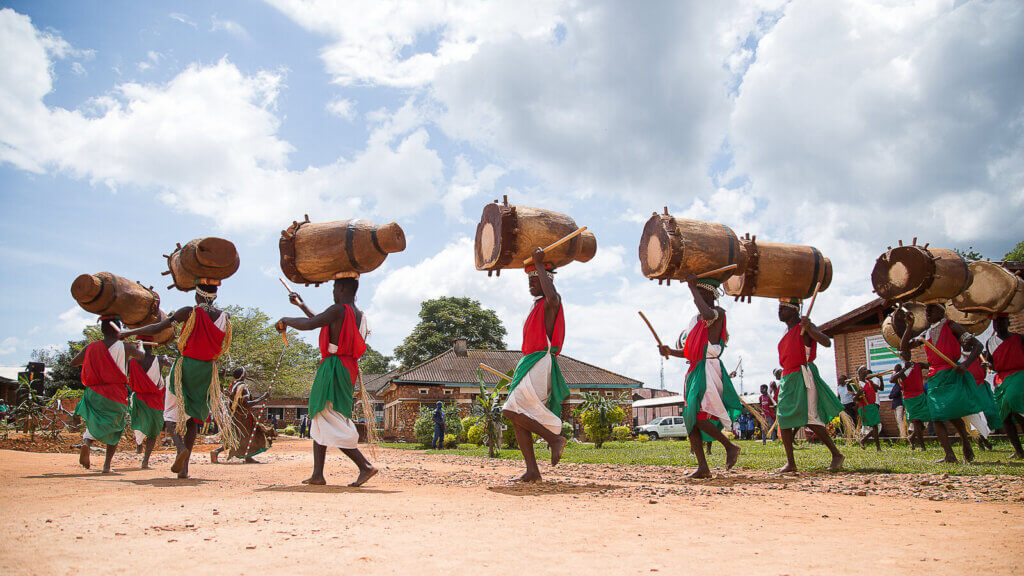
The royal drum holds a special place in Burundian society. It represents unity, authority, celebration, and the continuity of cultural traditions. During important events, skilled drummers perform together in a powerful display of rhythm and coordination. Their performance may include dance, heroic poetry, and traditional songs. Consequently, a visit to Gishora offers an experience that goes beyond entertainment.
The sanctuary also reflects the history of the monarchy. Its royal setting helps visitors understand the relationship between the drums and the traditional court. Gishora is associated with King Ntare Rugamba, who founded the royal residence during the first half of the nineteenth century. The site also played a role in the history of King Mwezi Gisabo during the period of German colonial expansion.
Travelers should approach Gishora as a place of cultural importance rather than simply a performance venue. Visitors can learn about the meaning of the drums, the role of the custodians, and the traditions that guide their use. In addition, they can observe how younger generations continue to learn this heritage.
The ritual dance of the royal drum gained international recognition when UNESCO added it to the Representative List of the Intangible Cultural Heritage of Humanity in 2014. This recognition highlights its importance to Burundi and the wider world. Gishora remains a valuable destination for anyone interested in Burundi Historical and Heritage Tours.
Gitega: The Cultural and Historical Heart of Burundi
Gitega offers one of the most rewarding destinations for travelers exploring Burundi’s history. The city has strong connections to the former monarchy and remains an important center of cultural heritage. As Burundi’s political capital, Gitega also provides a modern setting where visitors can explore the country’s past while observing contemporary life.
The surrounding region contains several important heritage attractions. The National Museum of Gitega introduces visitors to traditional objects, royal history, and the development of Burundian society. Nearby, Gishora Royal Drum Sanctuary offers a deeper understanding of traditional music and ceremonial culture. Together, these destinations create an excellent foundation for a historical tour.
Gitega also provides an opportunity to experience Burundi’s central highlands. The surrounding hills, agricultural communities, and rural landscapes offer a sense of the country’s traditional way of life. Visitors may encounter local markets, traditional crafts, and community activities that help connect historical knowledge with present-day experiences.
A guided visit can make the journey more meaningful. Local guides help explain the significance of cultural landmarks and provide context that travelers might otherwise miss. They can also help visitors understand the difference between historical records, oral traditions, and local interpretations.
Gitega works well as a destination for a full day of heritage exploration or as part of a longer Burundi itinerary. Travelers can combine the city with visits to royal sites, cultural villages, and nearby communities. For those interested in African history, Gitega offers a valuable opportunity to learn about a kingdom whose traditions continue to influence national identity.
The National Museum of Gitega and Burundi’s Historical Collections
The National Museum of Gitega plays an important role in preserving and presenting Burundi’s cultural heritage. Established during the colonial period, the museum contains ethnographic and archaeological collections that help visitors understand the country’s history. Its exhibits include traditional objects, photographs, cultural materials, and items connected to the former monarchy.
A museum visit provides a useful introduction before exploring historical sites across the country. Visitors can learn about traditional household objects, artistic practices, and the role of cultural institutions in Burundian society. Moreover, the collections offer a glimpse into how people lived, worked, celebrated, and organized their communities in earlier periods.
The museum also helps preserve the memory of Burundi’s royal history. Photographs and historical objects connect visitors with former kings and important figures. These materials provide a foundation for understanding the monarchy and the changes that took place during colonial rule and after independence.
Travelers should allow enough time to explore the museum carefully. A rushed visit may overlook the cultural value of its collections. When available, a knowledgeable guide can explain the meaning of individual objects and connect them to wider historical themes.
The museum has also faced heritage preservation challenges, which makes its role especially important. In September 2026, UNESCO and the International Alliance for the Protection of Heritage launched a project to rehabilitate and modernize the National Museum of Gitega. Travelers should therefore confirm current visitor arrangements before planning a visit.
For history enthusiasts, the museum provides a valuable starting point for understanding Burundi. It brings together material culture, royal memory, and historical interpretation in one place, helping visitors build a stronger appreciation of the country’s heritage.
The Treaty of Kiganda and Burundi’s Encounter with German Colonial Rule
The Treaty of Kiganda represents a major event in Burundi’s historical journey. It connects the traditional kingdom with the period of European colonial expansion in East Africa. The treaty involved King Mwezi Gisabo and German colonial authorities, following years of resistance and political pressure.
During the late nineteenth century, German forces expanded their presence in the Great Lakes region. However, their entry into Burundi faced resistance from the kingdom. King Mwezi Gisabo sought to protect his authority and the independence of his territory. The conflict continued until negotiations led to an agreement on June 6, 1903, at Kiganda.
The treaty did not simply mark a meeting between two political powers. It reflected the difficult conditions faced by the kingdom during colonial expansion. The agreement required the king to recognize German sovereignty while maintaining his royal position. It also included obligations and concessions that affected the kingdom’s political situation.
Kiganda offers an important opportunity for travelers to explore this period of history. A visit can help explain how local leadership responded to colonial pressure and how the kingdom attempted to preserve its institutions. The site also provides a way to understand the wider history of resistance and negotiation across Africa.
When exploring this historical chapter, visitors should avoid viewing colonial history as a simple story of conquest. Burundi’s experience involved political strategy, local alliances, resistance, and difficult decisions. The Treaty of Kiganda remains a meaningful subject for historical tours because it highlights the determination of the kingdom to maintain its identity during a period of major change.
Rubumba Cultural Village and the Sacred Royal Groves
Rubumba Cultural Village offers travelers another meaningful opportunity to explore the royal traditions of Burundi. The site connects visitors with the history of royal ceremonies, sacred groves, and the cultural practices that supported the monarchy. Its heritage is closely linked to the traditional process of royal succession and the ceremonies that accompanied the arrival of a new king.
In the traditional kingdom, the death of a monarch brought a period of mourning and preparation for the next ruler. Royal officials, princes, and other important figures took part in ceremonies that marked the transition. These events included music, poetry, dancing, and the planting of sacred trees. The trees represented continuity, memory, and the lasting importance of the monarchy.
The sacred groves associated with former kings provide an important part of this heritage. They connect the landscape with historical figures and traditional beliefs. Rather than viewing these places as ordinary forests, visitors should understand their cultural meaning. Their value comes from the memories, ceremonies, and traditions connected to them.
A guided visit to Rubumba can introduce travelers to the stories of royal succession and the importance of sacred places in Burundian society. It also offers a chance to learn how cultural heritage can survive through local knowledge and community practices.
Visitors should approach the village with respect. Some areas may hold spiritual importance, and local custodians may have specific expectations regarding behavior. Asking permission before taking photographs and following the guidance of local hosts helps protect the experience.
Rubumba adds depth to Burundi Historical and Heritage Tours by showing how royal traditions shaped the relationship between people, history, and the natural environment.
The Mausoleum of Prince Louis Rwagasore
The Mausoleum of Prince Louis Rwagasore stands as one of Burundi’s most important national monuments. Located on Mount Vugizo in Bujumbura, the mausoleum honors the national hero who played a central role in the country’s struggle for independence. His life and legacy remain important to Burundi’s national identity.
Prince Louis Rwagasore became a leading figure in the independence movement. He supported national unity and worked to end colonial rule. His political leadership helped mobilize people around the goal of independence. However, his life ended tragically when he was assassinated on October 13, 1961, shortly before Burundi gained independence.
The mausoleum provides visitors with a place to reflect on this important period of history. Its location on Mount Vugizo offers a meaningful setting for understanding the country’s journey toward self determination. The monument also includes inscriptions connected to Burundi’s national identity and historical administration.
A visit to the mausoleum can form part of a wider historical tour of Bujumbura. Travelers may combine it with other cultural landmarks, museums, and city experiences. A knowledgeable guide can explain the political events that led to independence and the role Rwagasore played in the movement.
Visitors should treat the site with respect because it serves as a national memorial. Quiet behavior and thoughtful photography help maintain its dignity. The monument is not simply a place for sightseeing. It represents the sacrifice, hopes, and aspirations associated with Burundi’s independence.
For travelers interested in African liberation history, the mausoleum offers a valuable opportunity to learn about a leader whose influence continues to shape the country’s national story.
Bujumbura Historical Tours and the Story of Burundi’s Former Capital
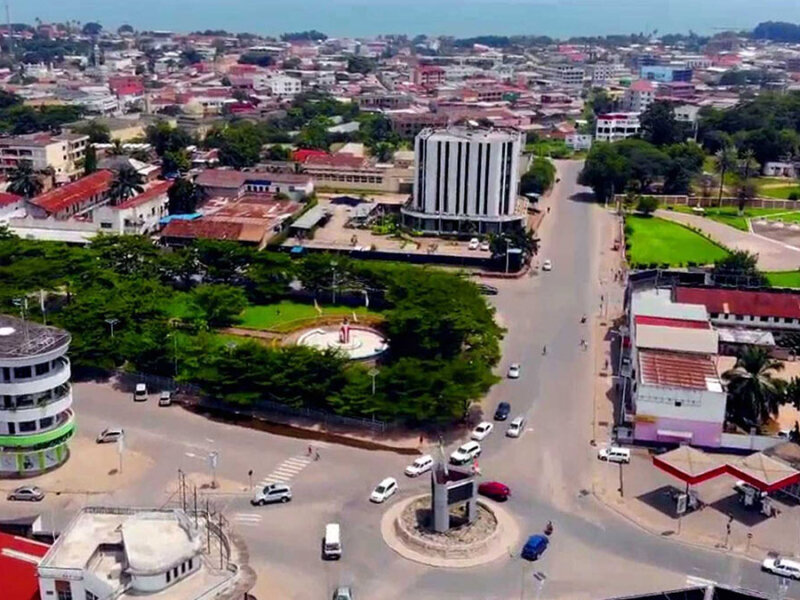
Bujumbura provides an important starting point for exploring Burundi’s modern history. Although Gitega serves as the political capital, Bujumbura remains the country’s largest city and a major center of commerce, culture, and daily life. Its historical landmarks help visitors understand the country’s colonial period, independence movement, and changing national identity.
A historical city tour can begin with important monuments connected to national leaders. The Mausoleum of Prince Louis Rwagasore is among the most significant places to visit. It offers insight into the independence struggle and the political changes that shaped modern Burundi.
The city also provides opportunities to explore cultural institutions and local neighborhoods. Visitors can learn about the role of Lake Tanganyika in trade, transport, and community life. The lake has long influenced the development of Bujumbura, connecting the city with other communities around the Great Lakes region.
In addition, local markets offer a glimpse into everyday life. Traditional foods, crafts, household items, and local products help travelers understand how culture continues through ordinary activities. A respectful guided walk can introduce visitors to these experiences without treating local communities as attractions.
Bujumbura’s historical story includes both achievement and hardship. Travelers should approach sensitive events with care and avoid reducing the country’s history to conflict alone. Burundi also has a strong story of cultural continuity, community life, creativity, and resilience.
A city tour can work well as a half day or full day experience, depending on the number of sites included. For visitors arriving in Burundi, it provides a useful introduction before traveling to Gitega and other heritage destinations.
Burundi’s Independence History and the Road to July 1, 1962
Burundi’s independence represents one of the most important milestones in its modern history. On July 1, 1962, the country became independent after a period of German and Belgian colonial rule. This event marked the beginning of a new chapter in national leadership and political development.
The path to independence involved political organization, public participation, and the work of national leaders. Prince Louis Rwagasore became a central figure in this movement. His leadership helped bring attention to the need for national unity and self government. However, his assassination in October 1961 created a painful moment in the country’s journey.
The independence period also brought major changes to Burundi’s institutions. The country initially continued as a monarchy, with the Mwami serving as head of state. In 1966, political developments ended the monarchy and established the republic. These changes reshaped the country’s leadership and political system.
Travelers exploring Burundi’s independence history can learn about these events through national monuments, museum collections, and guided historical discussions. The Mausoleum of Prince Louis Rwagasore offers a direct connection to the independence movement. The National Museum of Gitega provides a wider historical context for understanding the monarchy and the transition to modern government.
Burundi’s independence story also forms part of a larger African history. Across the continent, countries experienced different paths toward self rule. Burundi’s experience highlights the role of national leaders, political movements, and local communities.
A heritage tour that includes independence history offers travelers a more complete understanding of the country. It helps connect historical events with the national identity that continues to develop today.
Traditional Burundian Architecture and the Heritage of Rural Communities
Traditional architecture forms an important part of Burundi’s cultural heritage. Across the country, rural communities have developed building styles that reflect local materials, climate, family life, and cultural values. These structures provide insight into how people organized their homes and communities over generations.
Traditional houses often used locally available materials such as wood, grass, earth, and plant fibers. Their design reflected practical needs, including shelter, food storage, and family activities. In addition, the arrangement of homes and courtyards could reflect social relationships and community organization.
Some heritage sites recreate aspects of the traditional royal residence. These settings help visitors understand how royal households differed from ordinary community homes. They may include structures for living, storage, ceremonies, and other activities associated with court life.
Rural heritage tours can introduce travelers to traditional building methods and local knowledge. Visitors may learn how communities select materials, maintain homes, and adapt to the surrounding environment. These experiences provide a meaningful connection between history and daily life.
However, travelers should remember that traditional architecture is not simply a display from the past. Many communities continue to adapt their homes and lifestyles. Modern buildings, new materials, and changing family needs are part of contemporary Burundi.
A responsible heritage tour should recognize both tradition and change. Visitors can support local communities by purchasing crafts directly from artisans, respecting private homes, and asking permission before taking photographs.
Traditional architecture helps make Burundi Historical and Heritage Tours more complete. It shows how history can be found not only in monuments and museums but also in the living landscapes of rural communities.
Intore Dance and the Heritage of Royal Warriors
The Intore dance is a traditional performance connected to the history of Burundi’s royal warriors. In the former kingdom, warriors played an important role in protecting the monarch and the territory. Their return from military campaigns could include displays of bravery and skill before the king and the community.
Over time, elements of these traditions continued through dance and cultural performance. The Intore dance preserves movements and expressions associated with courage, discipline, and pride. It also reflects the importance of music and physical expression in Burundian cultural life.
The dance often includes energetic movements, coordinated steps, and traditional clothing. Performers may use gestures that represent strength and confidence. However, the performance is more than a visual display. It carries cultural meaning and connects contemporary dancers with earlier traditions.
Travelers may encounter Intore performances during cultural events or arranged heritage experiences. A local guide can explain the history behind the dance and the meaning of its movements. This context helps visitors appreciate the performance beyond its entertainment value.
The dance also provides an opportunity to learn about the role of cultural transmission. Many traditions survive because younger generations learn from experienced performers and community elders. Through practice, they preserve movements, songs, and the stories associated with them.
Visitors should respect performers and follow local guidance regarding photography, participation, and appropriate behavior. Supporting cultural groups through fair payment for arranged performances can also contribute to the continuation of these traditions.
The Intore dance adds a dynamic element to Burundi Historical and Heritage Tours. It brings history to life through movement and helps travelers understand how cultural heritage remains active within modern society.
Traditional Music, Inanga, and the Oral History of Burundi
Music plays an important role in Burundi’s cultural identity. Traditional songs and instruments accompany celebrations, community gatherings, ceremonies, and storytelling. Through music, people preserve memories, express emotions, and share knowledge across generations.
One important traditional instrument is the inanga, a string instrument associated with musical storytelling. Its sound can accompany songs that explore social life, relationships, history, and cultural values. Other traditional instruments include the ikembe, umuduri, and umwironge. Each instrument contributes to the rich variety of Burundian musical expression.
Oral history also remains an important part of the country’s heritage. Before written records became widespread, communities relied on stories, songs, poetry, and spoken accounts to preserve knowledge. These traditions helped pass down information about ancestors, leaders, customs, and significant events.
During a heritage tour, travelers may have opportunities to observe traditional music or meet cultural practitioners. Such encounters can offer insight into the relationship between music and community life. A knowledgeable guide can explain the meaning of particular songs and the occasions when people perform them.
Visitors should remember that not every traditional song or performance is intended for public viewing. Some cultural expressions may have ceremonial or private importance. Respecting the wishes of performers and local hosts is essential.
Traditional music adds an important dimension to Burundi Historical and Heritage Tours. It allows travelers to experience history through sound, rhythm, and storytelling while learning how cultural knowledge continues to move from one generation to another.
Burundi’s Cultural Crafts and Traditional Art
Burundi’s traditional crafts offer a valuable window into the country’s history, creativity, and community life. Artisans have developed skills in basket weaving, pottery, wood carving, beadwork, and other forms of artistic expression. These crafts often reflect local materials, cultural symbols, and knowledge passed down through generations.
Basketry holds a particularly important place in Burundian craftsmanship. Skilled artisans create baskets using plant fibers and traditional weaving methods. These items may serve practical purposes in homes and markets, while others feature decorative patterns that reflect artistic skill. Visitors can learn about the materials, techniques, and cultural meaning behind these crafts during community visits.
Pottery also contributes to Burundi’s artistic heritage. Traditional and contemporary pottery reflects the relationship between creativity and daily life. Artisans shape clay into useful household objects and decorative pieces. In addition, wood carving, masks, shields, and other crafts help preserve different forms of artistic knowledge.
A cultural tour can include visits to local craft workshops, where travelers may observe artisans at work. These encounters provide an opportunity to understand the time and skill required to produce handmade items. Visitors can also support local livelihoods by purchasing crafts directly from the people who make them.
However, travelers should avoid treating traditional crafts as simple souvenirs. Each item may represent a specific cultural practice, family skill, or local tradition. Asking questions and listening to artisans helps create a more meaningful experience.
Giant Holiday Safaris can include cultural craft experiences within a wider Burundi heritage itinerary. These visits allow travelers to connect with local creativity while supporting the continuation of traditional skills. Through crafts, visitors discover another important part of Burundi’s history and cultural identity.
Community Heritage Tours in the Burundian Highlands
Burundi’s highlands provide a rich setting for community heritage experiences. The country’s rolling hills, rural settlements, farms, and traditional homes reflect a way of life shaped by the land and local traditions. Travelers exploring these regions can learn about agriculture, family life, community relationships, and cultural practices.
Community heritage tours offer a different perspective from visits to museums and monuments. Instead of focusing only on historical objects, they introduce visitors to the people who continue to carry cultural knowledge. Travelers may learn about traditional food preparation, farming methods, household activities, storytelling, and local crafts.
The Kirundi language plays an important role in community life. It connects people across different parts of the country and supports the sharing of cultural traditions. Visitors who learn a few simple greetings can often create a warmer connection with local hosts. Even a small effort to understand local customs can make a cultural encounter more meaningful.
Rural communities also provide insight into how traditions change over time. While many cultural practices remain important, people adapt their lives to modern education, technology, economic opportunities, and changing family needs. Therefore, heritage tourism should present communities as living societies rather than as unchanged examples of the past.
Responsible community tourism requires respect. Visitors should ask permission before entering private homes or photographing people. They should also support local guides and artisans through fair payment for their services.
These experiences help travelers understand Burundi beyond its historical landmarks. They reveal the everyday cultural practices that continue to shape the country’s identity.
Burundi’s Sacred Landscapes and Historical Places of Memory
Burundi’s heritage includes sacred landscapes that hold cultural and historical meaning. These places may include hills, groves, royal grounds, and sites connected to traditional ceremonies. Their importance often comes from the stories, beliefs, and community memories associated with them.
Unlike some historical destinations, Burundi’s heritage does not always appear in the form of large stone buildings or monumental structures. Many important places exist within natural landscapes. A hill may connect to a former royal residence, while a grove may preserve memories of a king or traditional ceremony.
These locations provide a valuable opportunity to understand the relationship between history and the environment. In traditional Burundian society, land held practical, cultural, and spiritual significance. Communities developed customs that connected important places with their shared identity.
Travelers may explore selected sacred landscapes during guided heritage tours. However, some sites may have restrictions or require permission from local custodians. Visitors should respect these expectations and avoid entering areas that hosts consider private or sacred.
The preservation of these places also depends on community involvement. Local knowledge helps explain their meaning, while responsible tourism can support awareness and conservation. Visitors should avoid damaging vegetation, removing objects, or disturbing cultural features.
A heritage journey through Burundi becomes more meaningful when travelers recognize that history lives within the landscape. Sacred places connect the present with earlier generations and help explain how cultural identity developed over time.
The Role of Storytelling in Burundi Historical and Heritage Tours
Storytelling has played an important role in preserving Burundi’s history. For generations, people have shared knowledge through spoken accounts, songs, poetry, legends, and family memories. These traditions helped communities remember important events and pass cultural values to younger generations.
Oral history provides an important way to understand Burundi’s past. It can include stories about kings, community leaders, migration, traditional customs, and historical events. In many cases, these accounts preserve details that may not appear in written records.
However, oral traditions require careful interpretation. Different communities may remember an event in different ways, and some stories may include symbolic or legendary elements. A responsible historical guide should explain these differences rather than presenting every account as a confirmed fact.
Travelers can learn about storytelling through cultural visits and conversations with knowledgeable local guides. These encounters may introduce them to the meaning of traditional expressions, historical names, and community memories. Listening carefully also helps visitors appreciate how people preserve their heritage.
Storytelling remains relevant in modern Burundi. Families continue to share experiences, communities preserve cultural knowledge, and artists use traditional themes in contemporary creative work. Therefore, oral history is not simply a record of the past. It remains an active part of cultural life.
For visitors, storytelling offers a personal connection to Burundi’s history. It helps transform a journey through historical sites into a deeper understanding of the people and traditions behind them.
Best Time to Experience Burundi Historical and Heritage Tours
Burundi offers opportunities for historical and cultural travel throughout the year. However, weather conditions can influence road travel, walking experiences, and the comfort of visiting outdoor heritage sites. Travelers should consider seasonal conditions when planning their itinerary.
The country generally experiences wetter and drier periods. The longer rainy season often occurs from around February to May, while a shorter rainy period commonly occurs around September to November. Drier conditions often appear during June to August and December to January. However, local weather can vary, particularly in the highlands.
For travelers planning visits to Gishora, Rubumba, and rural cultural sites, drier periods may provide more comfortable road conditions. Nevertheless, cultural tours do not depend entirely on weather. Museums, city monuments, and indoor cultural experiences can remain suitable during rainy periods.
Visitors should also consider local cultural calendars. National celebrations, traditional performances, and community events may provide special opportunities to experience Burundi’s heritage. However, travelers should confirm dates and arrangements before planning around a specific event.
The best time to visit also depends on personal interests. History enthusiasts may prefer a carefully guided itinerary with enough time at museums and monuments. Travelers interested in community experiences may value a flexible schedule that allows for local interactions.
Giant Holiday Safaris can help travelers plan a heritage journey around their available dates, travel interests, and preferred pace. A well planned itinerary allows visitors to explore Burundi comfortably while gaining a deeper understanding of its historical and cultural heritage.
How to Plan a Burundi Historical and Heritage Tour
Planning a Burundi historical and heritage tour begins with identifying the places and experiences that matter most to the traveler. Some visitors may focus on royal history, while others may prefer cultural performances, museums, national monuments, or community experiences. A clear travel plan helps bring these interests together.
Gitega provides an excellent starting point for a royal heritage itinerary. Travelers can explore the National Museum of Gitega, visit Gishora Royal Drum Sanctuary, and learn about the history of the monarchy. Depending on local access and available time, the itinerary may also include Rubumba and other cultural sites.
Bujumbura offers a different historical experience. Visitors can explore the Mausoleum of Prince Louis Rwagasore and learn about the independence movement. The city also provides opportunities to understand the importance of Lake Tanganyika and the development of modern Burundi.
Travelers should allow enough time for road journeys. Distances between heritage destinations may appear short on a map, but road conditions and travel times can vary. A flexible itinerary helps prevent unnecessary pressure and allows visitors to enjoy each experience.
Before departure, travelers should confirm accommodation, transportation, entry arrangements, and local guide availability. They should also check current travel requirements and any site specific restrictions. Cultural visits may require advance arrangements, especially when a traditional performance or community activity forms part of the itinerary.
A knowledgeable local guide adds significant value. Guides can explain historical context, introduce cultural traditions, and help visitors interact respectfully with local communities.
Giant Holiday Safaris can organize Burundi Historical and Heritage Tours that combine meaningful cultural experiences with comfortable transportation and carefully planned activities. The goal is to create a journey that is informative, enjoyable, and respectful of the country’s heritage.
Responsible Tourism and the Preservation of Burundi Historical and Heritage Tours
Responsible tourism plays an important role in protecting Burundi’s historical and cultural heritage. Heritage sites, traditional performances, museums, and community practices require care and respect. Travelers can contribute to their preservation through thoughtful behavior and responsible choices.
One of the most important principles is respect for local customs. Visitors should follow the guidance of local hosts, especially when exploring sacred sites or attending cultural ceremonies. Some places may have rules regarding clothing, photography, or access. Asking before taking photographs helps protect the dignity and privacy of local people.
Travelers can also support heritage preservation by choosing local guides and community based tourism services. These services help keep tourism income within the destination and create opportunities for people who maintain cultural traditions.
Purchasing locally made crafts can provide another form of support. Visitors should seek authentic products and buy directly from artisans whenever possible. This approach helps sustain traditional skills and encourages the continuation of cultural practices.
Environmental care is equally important. Travelers should avoid littering, damaging vegetation, or removing objects from historical sites. Even small actions can affect the condition of heritage places over time.
Responsible tourism also requires honest historical interpretation. Guides and tourism providers should present history carefully, acknowledge different perspectives, and avoid exaggerating claims. Trustworthy information strengthens the visitor experience and supports the long term reputation of Burundi as a cultural destination.
Giant Holiday Safaris recognizes that meaningful tourism should benefit both travelers and local communities. By promoting respectful experiences, the company can help visitors appreciate Burundi while supporting the preservation of its unique heritage.
Why Choose Giant Holiday Safaris for Burundi Historical and Heritage Tours
Giant Holiday Safaris provides travelers with an opportunity to explore Burundi through carefully planned cultural and historical experiences. Our approach focuses on helping visitors understand the destination rather than simply moving between attractions. We aim to connect travelers with the stories, traditions, and communities that make Burundi special.
A well designed heritage tour can combine Gitega’s royal history, Gishora’s traditional drumming, Bujumbura’s national monuments, and community experiences in the surrounding countryside. These activities create a balanced journey that explores both historical landmarks and living culture.
We understand that international travelers have different interests and travel styles. Some visitors may prefer a short cultural excursion, while others may want a longer itinerary that includes several regions. A flexible approach allows travelers to explore at a comfortable pace while making the most of their time.
Local guides play an important role in cultural tourism. Their knowledge helps explain historical events, traditional customs, and the significance of heritage sites. In addition, they can support respectful interactions with communities and help visitors understand local expectations.
Giant Holiday Safaris also values responsible tourism. We encourage travelers to respect cultural traditions, support local businesses, and approach historical places with care. These principles help create positive experiences for visitors and host communities.
For travelers interested in Africa’s cultural diversity, Burundi offers a meaningful destination. Its royal history, traditional music, sacred places, and national monuments provide a rich foundation for exploration.
With Giant Holiday Safaris, Burundi Historical and Heritage Tours can become a memorable journey into the country’s history, culture, and enduring identity.
Conclusion: Discover the Burundi Historical and Heritage Tours
Burundi Historical and Heritage Tours offer travelers a meaningful way to explore the country’s royal traditions, cultural landmarks, national monuments, and historical stories. From the sacred drums of Gishora to the National Museum of Gitega and the Mausoleum of Prince Louis Rwagasore, Burundi provides a rich journey through the past. Moreover, its traditional music, crafts, storytelling, and community life reveal how cultural heritage continues to shape the present. For international travelers seeking an authentic African cultural experience, Burundi offers valuable opportunities for discovery, learning, and connection. Giant Holiday Safaris invites visitors to explore this remarkable destination with respect, curiosity, and an appreciation for its history. A carefully planned heritage journey helps travelers understand Burundi beyond its landscapes, creating lasting memories while supporting the preservation of its cultural identity.