Burundi Historical and Heritage Tours
November 7, 2026
Cycling Tours in Burundi
Cycling tours in Burundi offer an exciting way to explore the country’s beautiful landscapes, rich culture, welcoming communities, and peaceful countryside. From the shores of Lake Tanganyika to the green hills surrounding Gitega, Burundi provides rewarding experiences for travelers who enjoy outdoor adventures and meaningful cultural encounters. Moreover, cycling allows visitors to discover places that traditional road trips often miss. Travelers can ride through rural villages, meet local farmers, explore scenic highlands, and enjoy views of the country’s rolling landscapes at a comfortable pace.
Burundi is one of East Africa’s most fascinating destinations for travelers seeking something different. Although the country remains less explored than neighboring Uganda, Rwanda, Kenya, and Tanzania, it offers a remarkable mix of natural beauty and cultural heritage. Its compact size also makes it attractive for cycling holidays, especially for visitors who want to combine city exploration, countryside rides, lakeside relaxation, and cultural experiences within one trip.
Whether you are an experienced cyclist, a leisure traveler, a mountain biking enthusiast, or a visitor looking for an active African holiday, cycling tours in Burundi can create lasting memories. With proper planning, a knowledgeable local guide, suitable equipment, and a flexible itinerary, you can discover Burundi through its landscapes, people, traditions, and everyday life.
Understanding Cycling Tours in Burundi
Cycling in Burundi is more than a sporting activity. It is a way to understand the country through its landscapes, traditions, and daily life. However, travelers should plan routes carefully because road conditions, weather, and local travel guidance can change. A responsible cycling itinerary places safety, cultural respect, and realistic riding distances ahead of the number of kilometers covered.
Why Choose Burundi for a Cycling Holiday?
Burundi offers a special setting for travelers who want to explore Africa beyond its most familiar destinations. The country features rolling hills, fertile farmland, lively towns, and the impressive waters of Lake Tanganyika. As a result, cycling tours can offer a wide range of experiences within a relatively compact destination.
One of the strongest reasons to choose Burundi is the opportunity to connect with local life. As cyclists travel through the countryside, they may see farmers tending their fields, people carrying goods to markets, and families going about their daily routines. These everyday scenes help visitors understand the country beyond its major attractions. With a respectful local guide, travelers can also learn about traditional farming, local food, and community customs.
Furthermore, Burundi offers different cycling experiences for different interests. Some visitors prefer short rides around Bujumbura and the lakeshore. Others enjoy countryside routes with gradual climbs and scenic viewpoints. More experienced cyclists may seek longer rides that challenge their endurance. The best itinerary depends on fitness, available time, road conditions, and the traveler’s goals.
Burundi also suits visitors who enjoy combining cycling with cultural tourism. A journey can include traditional drumming, historical sites, local markets, and visits to communities. Therefore, cycling becomes part of a wider holiday rather than a single sporting activity.
For travelers who value meaningful experiences, Burundi can provide an engaging introduction to East Africa. Careful planning helps make the journey rewarding while respecting the needs of local communities and the environment.
The Natural Beauty of Burundi for Cyclists
Burundi’s natural beauty creates a memorable setting for cycling holidays. The country sits within the Great Lakes region of Africa and features a landscape shaped by hills, valleys, farmland, rivers, and lakes. These different environments give travelers a varied experience as they move between destinations.
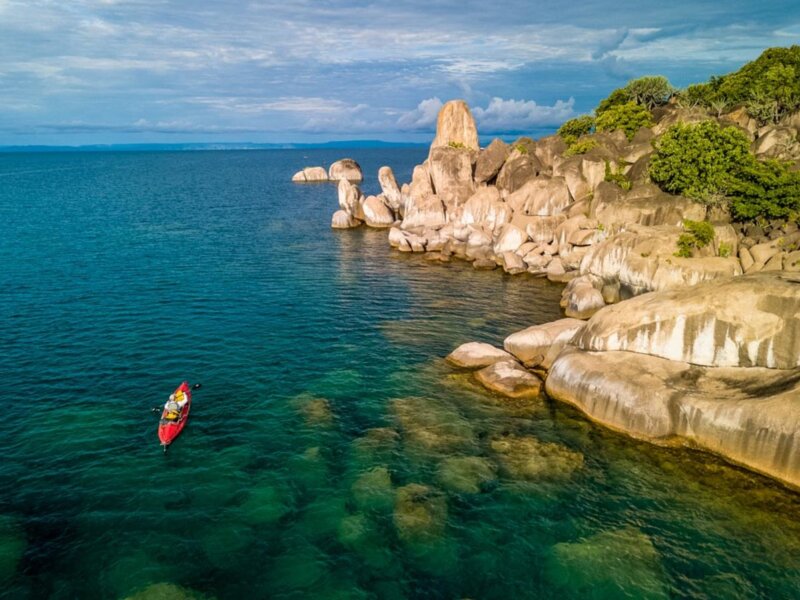
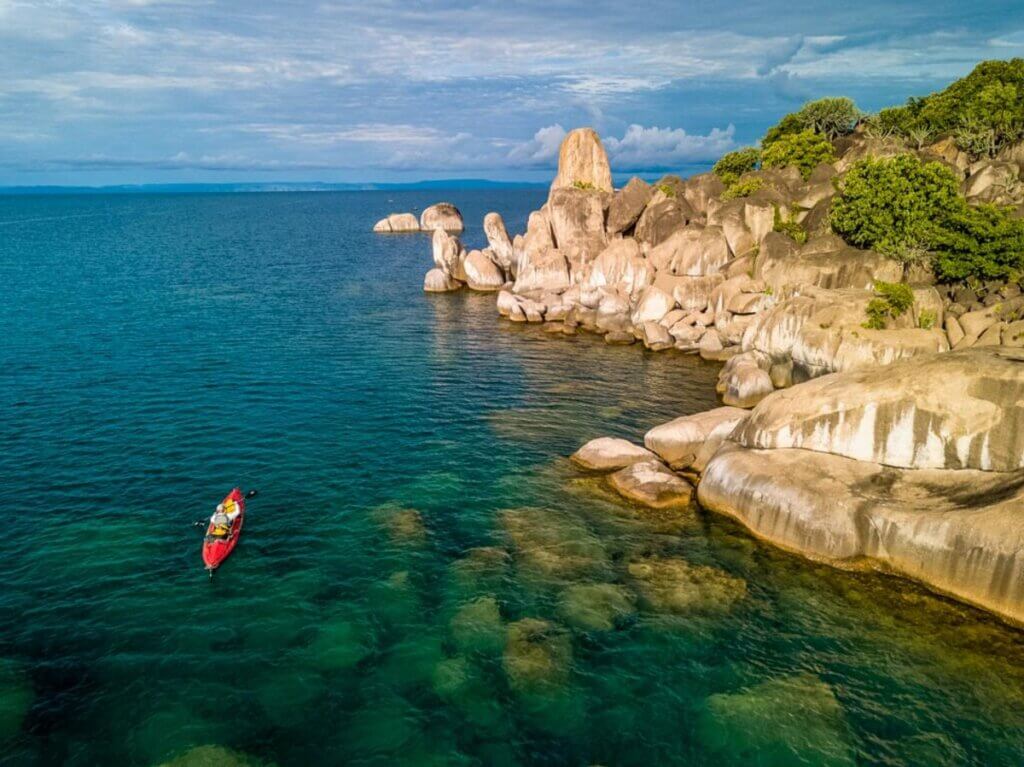
Lake Tanganyika is one of the country’s most striking natural features. Its long shoreline creates scenic views, especially around Bujumbura and nearby lakeside communities. Cyclists can enjoy the changing landscape as the road moves between settlements, open views, and areas with local activity. However, visitors should not assume every lakeside road is suitable for cycling. A local guide should check the route before the trip begins.
The countryside also provides a different kind of beauty. Green hills, cultivated fields, and small villages form a landscape that feels closely connected to everyday life. During a ride, travelers may see banana plants, coffee farms, and other crops that support local households. These scenes can make a cycling journey both scenic and educational.
Burundi’s highland areas offer impressive views, although steep climbs can make some routes demanding. Cyclists should allow enough time for breaks and should not underestimate the effort required to ride in hilly terrain.
Weather also affects the landscape. Rain can make hillsides greener, but it may also damage roads and create slippery conditions. Therefore, the best cycling experience comes from choosing routes that match the season and current conditions.
With a well-planned itinerary, cycling tours in Burundi can introduce visitors to the country’s natural diversity at a pace that allows them to appreciate each landscape.
Cycling Along Lake Tanganyika
Lake Tanganyika is one of the most appealing places to include in a Burundi cycling holiday. The lake forms part of the country’s western landscape and offers beautiful views, interesting communities, and a relaxed atmosphere. For many visitors, the lakeshore provides an excellent setting for a gentle cycling experience.
A lakeside ride can begin in or around Bujumbura, depending on the route and current conditions. Travelers may pass residential areas, local businesses, and communities whose daily lives connect closely with the lake. Fishing plays an important role in the region, and visitors may see boats, nets, and fish markets during suitable stops. These experiences offer insight into local livelihoods.
The scenery changes throughout the day. Early morning can bring cooler temperatures and a calm atmosphere, while later hours may feel warmer and busier. For this reason, a cycling guide should select a suitable departure time and plan regular water breaks.
Although Lake Tanganyika provides a beautiful setting, cyclists should treat the lakeshore as a place for sightseeing rather than assume it offers safe swimming opportunities. Water conditions and health risks require caution. Travelers should follow local guidance and choose appropriate places for any water-based activities.
A lakeside cycling experience can also include a relaxed lunch, a cultural stop, or a visit to a local viewpoint. Such additions help travelers enjoy the region without rushing.
For visitors seeking a balance between outdoor activity and relaxation, cycling around the Lake Tanganyika region can become a memorable part of a Burundi holiday.
Cycling Tours in Bujumbura
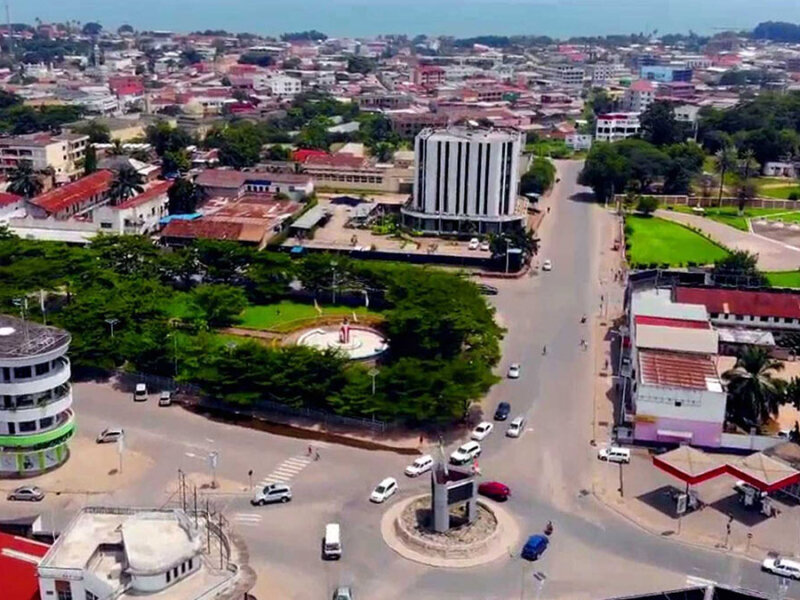
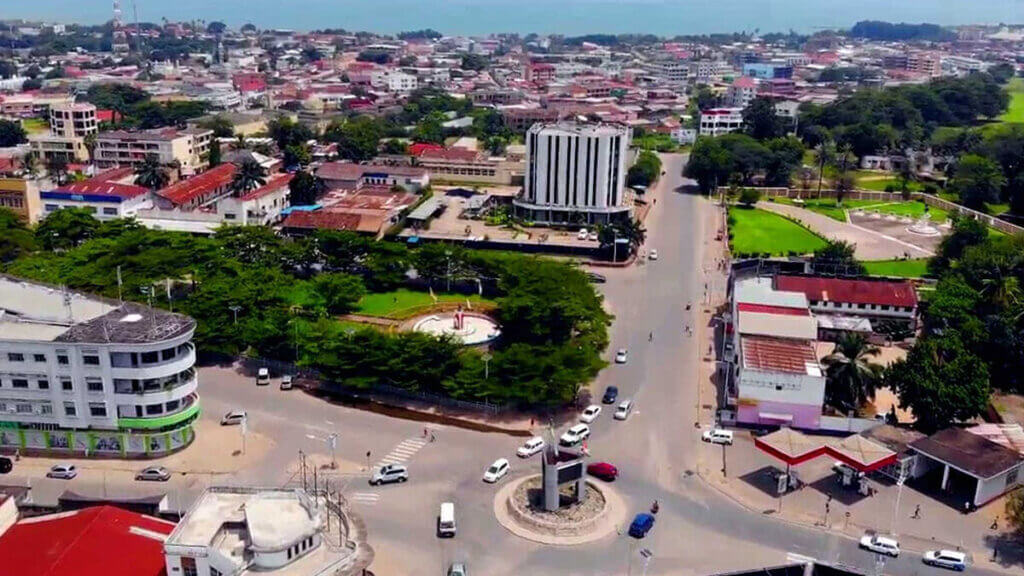
Bujumbura, Burundi’s largest city, offers a useful starting point for cycling experiences. The city sits near Lake Tanganyika and brings together urban life, local markets, cultural attractions, and lakeside scenery. A guided city ride can help visitors understand how the country’s modern life connects with its traditions.
Cycling in Bujumbura requires careful route planning. Traffic, road conditions, pedestrians, and other cyclists can make some streets unsuitable for visitors who are unfamiliar with the city. Therefore, a guide should choose quieter roads and avoid busy areas whenever possible. A cycling tour should also take place during daylight and should not depend on unfamiliar travelers navigating the city alone.
A city cycling experience may include selected neighborhoods, local markets, cultural stops, and scenic areas. Travelers can learn about local food, daily commerce, and the city’s role as an important center for business and transport. Depending on the itinerary, visitors may also explore the lakeshore or take a break at a suitable café or restaurant.
A guided ride offers a different perspective from a vehicle tour. Cyclists can notice details that might otherwise pass quickly, such as local architecture, small businesses, and everyday community activities. However, riders should always ask before taking photographs of people or private property.
Bujumbura also provides a practical base for arranging equipment, accommodation, and transport. Travelers should confirm these services before arrival rather than assume that specialist cycling facilities are widely available.
For a first visit to Burundi, a carefully organized Bujumbura cycling tour can provide a gentle introduction to the country’s culture and landscapes.
Cycling Through the Countryside of Burundi
The countryside offers some of the most rewarding experiences for travelers interested in cycling tours in Burundi. Away from the busy streets of Bujumbura, the landscape reveals a quieter side of the country. Rolling hills, cultivated fields, rural settlements, and open views create an inviting setting for guided cycling adventures.
Rural cycling allows visitors to experience the country at a slower pace. Instead of simply passing through a destination, travelers can observe how communities use the land, grow food, and organize their daily activities. Depending on the selected route, cyclists may encounter banana gardens, small farms, local trading centers, and traditional homes. These experiences help visitors develop a deeper appreciation for Burundi’s rural life.
However, countryside cycling requires careful preparation. Some roads have uneven surfaces, steep sections, and limited road shoulders. Rain can also affect the condition of rural roads. Therefore, a guide should assess the route and adjust the journey to match the group’s ability.
Travelers should also understand that rural communities are not tourist attractions alone. They are places where people live, work, and raise families. Visitors should respect local customs, ask permission before taking photographs, and avoid disturbing homes or farms.
A good countryside cycling tour includes time for rest, refreshments, and cultural interaction. The guide can explain the landscape and help travelers understand the importance of farming in local life.
For visitors seeking a genuine connection with Burundi, countryside cycling offers a valuable opportunity to experience the country beyond its cities and major attractions.
Cycling Tours Around Gitega
Gitega, Burundi’s political capital, offers an interesting destination for travelers who want to combine cycling with cultural discovery. Located in the country’s central highlands, the city provides access to a landscape of hills, rural communities, and agricultural areas. Its cultural importance also makes it a valuable stop on a wider Burundi tour.
Cycling around Gitega can introduce visitors to the character of central Burundi. The surrounding countryside features cultivated hills and settlements that reflect the country’s agricultural traditions. Travelers can enjoy scenic rides while learning about the region’s history, food, and community life.
A guided cycling experience may include a ride through selected areas around the city, followed by a cultural visit. The itinerary can also include time to explore Gitega’s museums or other historical attractions, depending on opening hours and current arrangements. These visits help travelers understand Burundi’s heritage and the importance of preserving its cultural identity.
The terrain around Gitega may include challenging climbs. Therefore, a cycling itinerary should not focus only on distance. Riders need enough time to manage the elevation, rest, and enjoy the scenery. Leisure cyclists can choose shorter routes, while experienced participants may prefer a more demanding day.
Gitega also works well as part of a multi-day cycling journey. Visitors can explore the city, enjoy countryside rides, and continue toward other destinations with suitable transport support.
For travelers interested in both culture and outdoor adventure, cycling tours around Gitega offer an engaging way to discover Burundi’s central region.
Cycling Through Burundi’s Green Hills
Burundi’s green hills form one of the most recognizable features of its landscape. These hills create scenic views, but they also shape the country’s cycling experiences. Riders can encounter gradual slopes, steep climbs, winding roads, and rewarding viewpoints along carefully selected routes.
Hill cycling requires a realistic understanding of fitness and terrain. A short route with several climbs can feel more demanding than a longer ride on flat ground. Therefore, tour planners should consider elevation, road surface, weather, and the group’s experience before setting a daily distance.
For experienced cyclists, the hills can provide a satisfying physical challenge. Riders may enjoy the effort of climbing while taking in views of farmland and distant settlements. Meanwhile, leisure travelers can choose shorter routes with regular breaks. A flexible itinerary allows everyone to appreciate the landscape without turning the holiday into a race.
The scenery also offers opportunities for photography. Travelers can capture broad views of the countryside, cultivated slopes, and changing light throughout the day. However, cyclists should stop in safe locations rather than take photographs while riding.
The hills also reflect the close relationship between people and the land. Many communities depend on farming, and visitors may see crops growing across different levels of the landscape. A knowledgeable guide can explain how local families use the land and adapt to seasonal conditions.
Although Burundi’s hills provide beautiful cycling opportunities, some routes become difficult during heavy rain. Riders should avoid slippery slopes and follow local advice about road conditions.
With suitable planning, hill cycling can become one of the most memorable parts of a Burundi adventure.
Cultural Experiences During Burundi Cycling Tours
Cycling tours in Burundi can offer more than scenic rides. They also create opportunities to understand the country’s rich cultural heritage. Burundi has a strong tradition of music, dance, storytelling, craftsmanship, and community life. Travelers who include cultural experiences in their cycling itineraries can gain a deeper understanding of the destination.
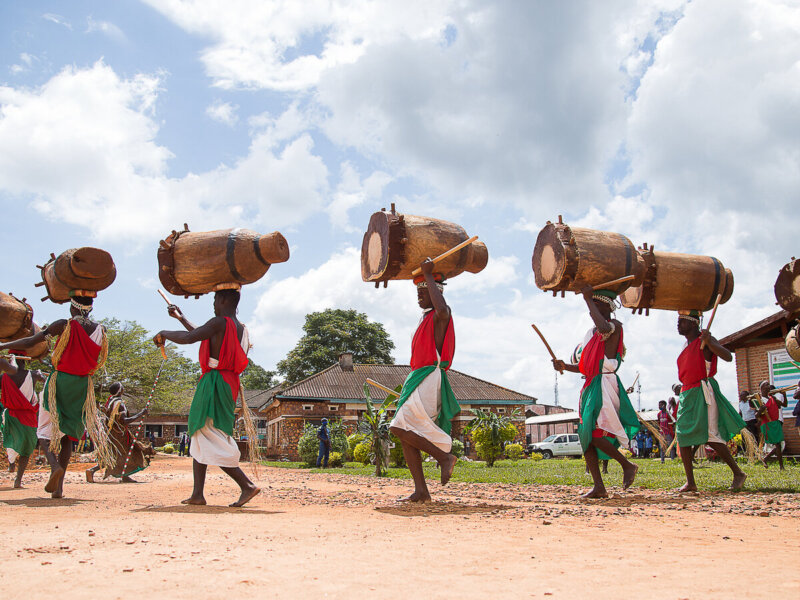
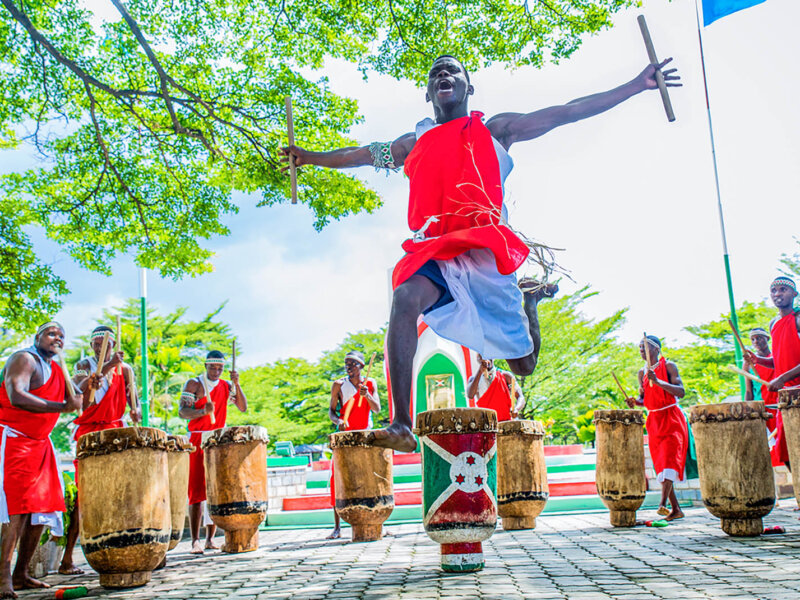
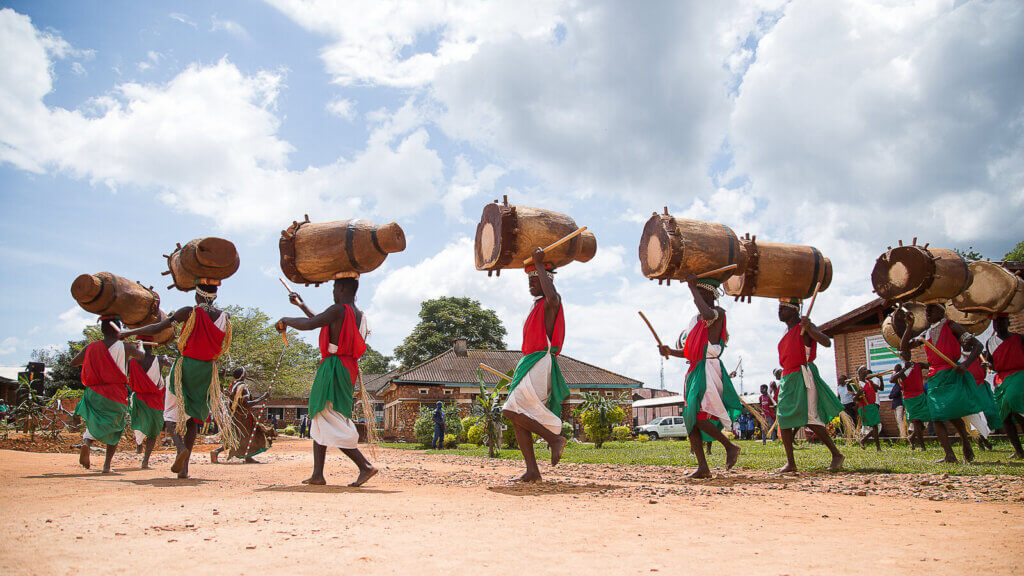
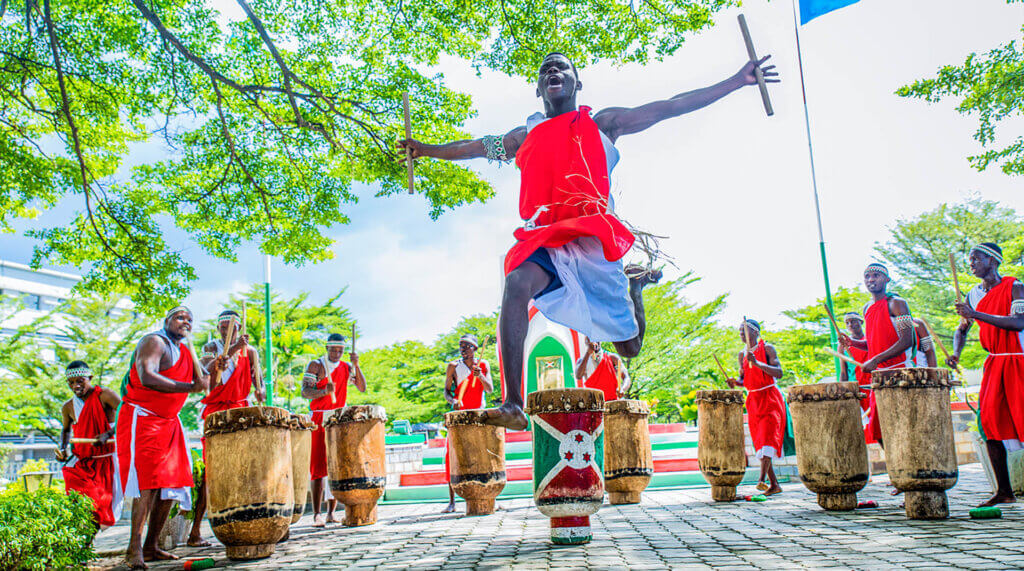
Traditional drumming is one of Burundi’s most recognized cultural expressions. The famous Royal Drummers of Burundi perform powerful rhythms that reflect the country’s musical heritage. A cultural visit may include a planned drumming performance, where visitors can learn about the instruments, movements, and meaning behind the tradition. Travelers should arrange performances through suitable local providers and respect the cultural setting.
Local markets can also provide interesting stops. Markets bring together farmers, traders, craftspeople, and families. Visitors may discover fresh produce, handmade items, and local foods. A guide can help explain the products and support respectful interaction with vendors.
Food offers another way to experience Burundi’s culture. Depending on the location, travelers may encounter dishes prepared with beans, bananas, cassava, sweet potatoes, or other local ingredients. A planned meal can introduce visitors to regional flavors while supporting local businesses.
Cultural experiences should always take place with the community’s agreement. Visitors should avoid treating traditions as performances that exist only for tourists. Instead, they should approach each encounter with curiosity and respect.
When cycling and cultural tourism work together, travelers can enjoy a more meaningful holiday. The journey becomes an opportunity to learn, appreciate local traditions, and support the people who make Burundi a special destination.
Cycling and Burundi’s Traditional Drumming Heritage
Burundi’s traditional drumming deserves special attention because it represents an important part of the country’s cultural identity. The Royal Drummers of Burundi have gained international recognition for their powerful performances, yet the tradition remains deeply connected to local heritage and community life.
A cycling holiday can include a planned visit to a drumming performance, especially when travelers explore Bujumbura, Gitega, or other cultural destinations. Such a visit offers a welcome break from physical activity and allows guests to experience a different part of Burundi’s heritage.
The performance often combines rhythm, movement, and teamwork. Large drums create a strong sound, while the performers use coordinated movements to bring the music to life. Visitors can learn about the cultural meaning of the drums and the role of traditional music in ceremonies and celebrations.
Travelers should arrange these visits with reputable cultural organizers. A good experience respects the performers, follows local guidance, and provides fair support to the people involved. Visitors should also ask before recording or photographing a performance.
Cycling and drumming create an interesting contrast. One experience explores the landscape through movement, while the other introduces visitors to the country’s cultural expression. Together, they help build a richer understanding of Burundi.
For travelers who want to experience more than scenery, including traditional drumming in a cycling itinerary can create a memorable cultural highlight.
Exploring Burundi’s Coffee Growing Regions by Bicycle
Coffee plays an important role in Burundi’s agricultural economy and provides an interesting subject for cultural and countryside tourism. The country’s highland areas support coffee growing, and visitors may learn about the crop through carefully arranged farm experiences.
Cycling through suitable agricultural areas can introduce travelers to the landscapes where coffee grows. Depending on the route, visitors may see small farms, cultivated hills, and rural communities connected to coffee production. A local guide can explain how farmers care for coffee plants and how the crop contributes to household income.
A farm visit can add educational value to a cycling tour. Travelers may learn about planting, harvesting, processing, and preparing coffee. The experience can also explain the challenges that small farmers face, including changing weather, market prices, and access to equipment.
However, visitors should not assume that every coffee farm welcomes unplanned guests. Tour operators should arrange visits in advance and ensure that the experience benefits the host community. Travelers should also avoid walking through crops or handling equipment without permission.
Coffee experiences work well as part of a relaxed cycling day. A ride through the countryside can lead to a planned farm visit, followed by a tasting or meal. This combination offers a balance between physical activity and cultural learning.
For international visitors, coffee tourism can reveal an important part of Burundi’s identity. It also provides an opportunity to appreciate the work behind a product that many people enjoy every day.
Cycling Tours for Different Types of Travelers
Burundi cycling tours can appeal to different travelers, but the itinerary should match each participant’s experience, fitness, and interests. A successful tour does not require every visitor to ride the same distance or tackle the same terrain.
Leisure Cyclists
Leisure cyclists often prefer shorter rides with frequent stops. They may enjoy scenic routes around suitable lakeside areas, quieter parts of Bujumbura, or selected countryside locations. The main goal is to explore the destination comfortably rather than achieve a demanding physical target.
A leisure cycling itinerary should include time for photographs, refreshments, and cultural visits. Travelers can also combine cycling with vehicle transfers to avoid long or difficult road sections.
Experienced Cyclists
Experienced cyclists may prefer longer rides and more challenging terrain. Burundi’s hills can provide demanding climbs, while countryside routes may offer a mix of road surfaces. However, the route should still depend on current road conditions and local security advice.
Experienced riders should not assume that a remote route is suitable simply because it appears challenging. A professional guide and support vehicle can improve the overall organization of the journey.
Cultural Travelers
Cultural travelers may enjoy cycling as a way to reach communities and local attractions. They can combine gentle rides with market visits, traditional drumming, historical sites, and local meals.
This style of cycling holiday focuses on understanding the destination rather than covering long distances. It can be particularly rewarding for visitors who enjoy learning about people, traditions, and everyday life.
Small Groups
Small groups can enjoy a flexible cycling experience. Guides can adjust the pace, plan suitable stops, and support participants with different abilities. A small group can also make cultural visits easier to organize.
Regardless of the travel style, a well-planned cycling tour should prioritize comfort, safety, and respect for local communities.
Best Time for Cycling Tours in Burundi
The best time for cycling tours in Burundi depends on the type of experience travelers want, the chosen route, and the local weather. Burundi has a tropical climate, but its elevation creates differences in temperature across the country. The hills can feel cooler than lower areas, while Bujumbura and the lakeshore can become warm during the day.
Many travelers prefer the relatively drier periods for outdoor activities. These periods often offer better conditions for countryside rides, although the weather can still change. The dry months do not guarantee perfect road conditions, so local advice remains important.
Burundi generally experiences two rainy periods, although the timing and intensity can vary. Rain can affect rural roads, create slippery surfaces, and increase the risk of flooding or landslides in some areas. Therefore, travelers should avoid planning demanding cycling routes without checking current conditions.
A cycling holiday should also consider daylight. Starting early can help travelers avoid the hottest hours and complete the ride before evening. This approach also allows time for rest stops and cultural visits.
The following table provides a general guide to seasonal planning.
| Period | General conditions | Cycling considerations |
|---|---|---|
| June to September | Often relatively drier | May suit selected countryside rides, subject to current conditions |
| December to February | Often includes a shorter drier period | Suitable for some routes, with weather checks |
| March to May | Commonly wetter | Rain can affect road surfaces and route access |
| October to November | Often includes increased rainfall | Flexible plans and local route checks are important |
These periods are general climate guidance, not a guarantee of conditions on a specific day. Travelers should confirm weather and road information before departure.
The best approach is to remain flexible. A responsible cycling operator can adjust the route, shorten the ride, or replace a cycling day with a cultural activity when weather conditions make riding unsuitable.
What to Expect on a Guided Cycling Tour in Burundi
A guided cycling tour in Burundi should provide a well-organized experience that balances outdoor adventure with local discovery. The exact program depends on the route, group size, and service level, but a professional tour should explain the day’s activities before departure.
A typical cycling day may begin with breakfast and a briefing. The guide can explain the route, estimated riding time, road conditions, planned stops, and safety arrangements. Participants should have an opportunity to ask questions and confirm that the route matches their ability.
The guide should also check the bicycles before the ride. Basic checks include the brakes, tires, gears, and general condition of the equipment. Travelers who bring their own bicycles should inspect them as well.
During the ride, the group may stop at scenic viewpoints, local communities, or cultural attractions. These breaks help participants enjoy the experience without focusing only on distance. A support vehicle can carry luggage, refreshments, spare equipment, and supplies where appropriate.
The pace should remain comfortable for the group. A guide should not pressure less experienced riders to continue when they need a break. Likewise, experienced cyclists should respect the group plan and avoid riding far ahead without permission.
At the end of the day, travelers can enjoy a meal, relax at their accommodation, and prepare for the next stage. A multi-day cycling holiday should include enough recovery time.
A well-organized guided tour makes cycling more enjoyable because travelers can focus on the scenery, culture, and experience rather than managing every detail themselves.
Planning a Multi Day Cycling Tour in Burundi
A multi-day cycling tour allows visitors to explore more of Burundi while enjoying a varied itinerary. Instead of spending the entire holiday in one place, travelers can combine selected cycling experiences with cultural visits and vehicle transfers.
The ideal length depends on the visitor’s interests and available time. A short cycling holiday may focus on Bujumbura and the Lake Tanganyika region. A longer journey can include Gitega and selected countryside destinations, provided that current road and security conditions support the route.
A multi-day itinerary should avoid excessive riding distances. Burundi’s hills can make some journeys more demanding than expected. Therefore, daily plans should consider elevation, road surfaces, weather, and the group’s fitness.
Travelers should also allow time for rest. Cycling every day without recovery can reduce enjoyment, especially for visitors who are not regular cyclists. A rest day can include a cultural visit, a guided city tour, or a relaxed activity.
Accommodation planning is another important part of the journey. Travelers should confirm whether their accommodation can store bicycles securely and whether it offers suitable facilities for washing clothes and recovering after a ride.
A support vehicle can make a multi-day tour more flexible. It allows participants to shorten a ride when needed and helps the group manage luggage and equipment.
A successful cycling itinerary does not need to cover every region of Burundi. Instead, it should focus on a few carefully selected destinations and provide enough time to appreciate each one.
Sample 5 Day Burundi Cycling Tour Itinerary
A five day cycling holiday can provide a balanced introduction to Burundi. The following itinerary is an example for planning purposes. It is not a confirmed operational route, and each cycling section requires a local assessment of road conditions, safety, and access before travel.
Day 1: Arrival in Bujumbura
Arrive in Bujumbura and transfer to your accommodation. After settling in, meet your local guide and discuss the cycling program. The guide can review your experience, explain the expected terrain, and check the equipment.
Depending on arrival time and current conditions, you may enjoy a short introductory ride in a suitable area. Keep the first day relaxed, especially after a long international journey.
In the evening, enjoy a meal and prepare for the next day’s activities.
Day 2: Bujumbura and Lake Tanganyika
Begin the day with a guided cycling experience around selected areas of Bujumbura and the Lake Tanganyika region. The route should use suitable roads and avoid busy traffic wherever possible.
Enjoy scenic views, learn about local life, and make planned stops along the way. Depending on the itinerary, the day may include a lakeside visit or a cultural experience.
Return to your accommodation before evening and enjoy time to relax.
Day 3: Countryside Cycling Experience
Travel to a suitable countryside area after checking the route and road conditions. Enjoy a guided ride through selected rural landscapes, with time for photographs and refreshments.
The guide can explain local farming practices and the importance of agriculture to the communities you visit. Keep the ride flexible because rural terrain may include hills and uneven surfaces.
Return to your accommodation or continue by vehicle to the next overnight destination, depending on the confirmed itinerary.
Day 4: Gitega Cultural Experience
Travel toward Gitega with a suitable vehicle transfer. Explore the city and enjoy a cultural visit, depending on opening hours and current arrangements.
A short cycling experience may be possible in an appropriate area, but the day can also focus on cultural discovery. Visit selected attractions and learn about Burundi’s history and traditions.
Enjoy an overnight stay in the Gitega area or return to another confirmed destination.
Day 5: Departure
Enjoy breakfast and prepare for departure. Depending on your flight time and current road conditions, the final day may include a short cycling experience or a relaxed cultural activity.
Transfer to the airport or continue with your wider Burundi tour.
This itinerary demonstrates how cycling can work alongside cultural experiences. The final program should always reflect the travelers’ abilities, interests, and current travel conditions.
What to Pack for Cycling Tours in Burundi
Packing carefully can improve comfort during a cycling holiday. Travelers should prepare for changing weather, different road surfaces, and limited access to specialist equipment outside major towns.
The most important items include comfortable clothing, suitable footwear, and personal cycling equipment. Travelers who bring their own bicycles should also carry essential spare parts that match their equipment.
A practical packing list includes:
Comfortable cycling clothing suitable for warm weather
A properly fitted cycling helmet
Closed cycling shoes or sturdy footwear
Lightweight rain protection
Sunglasses and sun protection
Reusable water bottles
Personal medication and basic first aid supplies
A small day bag
Phone and power bank
Passport and important travel documents
Basic bicycle repair items, where appropriate
Suitable clothing for cultural visits
Travelers should also pack a few casual clothes for evenings and non-cycling activities. Burundi’s cultural attractions and local communities may call for modest, respectful clothing.
A helmet is an important part of cycling safety. Visitors should not assume that a tour provider will have a suitable helmet available in their size. Confirm equipment arrangements before arrival.
For longer cycling holidays, luggage planning matters. A support vehicle can carry larger bags while cyclists keep only essential items with them during the ride.
Good preparation helps travelers enjoy the journey without carrying unnecessary weight. It also reduces the chance of having to search for specialist equipment after arrival.
Choosing a Cycling Tour Operator in Burundi
Choosing a reliable tour operator is one of the most important steps when planning cycling tours in Burundi. A professional operator should understand local conditions, arrange suitable guides, and provide clear information about the itinerary.
Travelers should look for an operator with experience in organizing outdoor activities and cultural visits. The company should explain the route, expected riding time, difficulty level, and services included in the package.
A responsible operator should also provide realistic information about road conditions. No company should promise that every route will remain open or that every cycling day will proceed exactly as planned. Weather and local conditions can change, so flexibility is essential.
Before booking, ask about the bicycles and equipment. Confirm whether the tour includes bicycle rental, helmets, repair support, refreshments, and a support vehicle. Travelers who prefer to use their own bicycles should confirm transport arrangements.
It is also useful to understand the guide’s role. A good guide should communicate clearly, respect local communities, and help participants enjoy the experience at a suitable pace.
Travelers should review the cancellation policy and understand how the operator handles changes caused by weather or other conditions. Clear terms help avoid confusion.
Finally, choose a company that values responsible tourism. The operator should respect local culture, support local businesses, and avoid activities that disturb communities or the environment.
A reliable cycling operator can make the difference between a stressful trip and a rewarding Burundi holiday.
Safety and Responsible Cycling in Burundi
Safety should remain a central part of every cycling holiday in Burundi. The country offers beautiful landscapes and cultural experiences, but travelers need to understand the local conditions before planning outdoor activities.
Road safety requires particular attention. Some roads have poor surfaces, limited shoulders, potholes, and unpredictable traffic. Pedestrians, bicycles, motorcycles, and vehicles may share the same road space. Therefore, visitors should not assume that a route is safe simply because it appears quiet.
Cycling should take place with a qualified local guide who understands the route and current conditions. Travelers should use appropriate safety equipment, follow the guide’s instructions, and avoid riding after dark. A support vehicle can provide additional flexibility, particularly on longer journeys.
Travelers should also review current official travel advice before booking. Conditions can change, and some areas may carry greater risks than others. As of November 2026, official travel advisories identify security concerns in parts of Burundi, particularly near the Democratic Republic of the Congo border. These warnings make it important to check the proposed itinerary carefully and avoid areas where authorities advise against travel.
Responsible cycling also means respecting local communities. Travelers should ask permission before taking photographs, avoid blocking roads, and respect private property. They should not leave litter or disturb wildlife.
Cyclists should carry enough drinking water and follow local guidance about food and health precautions. They should also ensure that their travel insurance covers cycling activities and the planned destinations.
A responsible cycling tour places safety and respect ahead of adventure. With proper planning, travelers can enjoy Burundi while making thoughtful decisions throughout the journey.
Sustainable Tourism and Cycling in Burundi
Sustainable tourism helps protect the places that travelers visit while supporting the communities that welcome them. Cycling can contribute to responsible tourism because it allows visitors to explore at a slower pace and connect with local businesses.
However, cycling alone does not make a trip sustainable. The way a tour operates matters. Tour providers should respect local communities, reduce waste, and avoid activities that damage the environment.
Travelers can support sustainable cycling tourism by choosing locally guided experiences. Local guides often provide valuable knowledge about the landscape, culture, and daily life. Their work also helps tourism income reach people within the destination.
Visitors can support local restaurants, accommodation providers, craft sellers, and cultural organizers. These choices can create a wider benefit beyond the cycling activity itself.
Environmental care also matters. Cyclists should carry reusable water bottles where practical, avoid littering, and stay on suitable routes. They should not ride through crops, damage vegetation, or disturb animals.
Cultural respect forms another part of sustainable tourism. Travelers should learn about local customs and follow guidance during community visits. They should also recognize that people have the right to decline photographs or participation in tourism activities.
Tour operators can strengthen sustainability by planning realistic routes, managing group sizes, and working with local partners. They should also provide honest information about the destination and avoid making promises that local conditions cannot support.
For international travelers, sustainable cycling offers a way to enjoy Burundi while contributing positively to its tourism sector. The best experiences create value for visitors and host communities alike.
Combining Cycling Tours in Burundi With Other East African Adventures
Burundi can form part of a wider East African journey. Travelers who have more time may combine cycling with cultural tours, nature experiences, and visits to other destinations in the region. However, each international connection requires careful planning.
Burundi shares borders with Tanzania, Rwanda, and the Democratic Republic of the Congo. Regional travel can provide opportunities to explore different landscapes and cultures, but border access and security conditions may change. Visitors should confirm entry requirements and current border operations before finalizing an itinerary.
A cycling holiday in Burundi can complement a wider cultural journey through East Africa. For example, travelers may explore Burundi’s lakeside landscapes and central highlands before continuing to another destination for wildlife viewing or additional cultural experiences.
Cycling can also fit into a broader itinerary that includes time for relaxation. A visitor may enjoy several cycling days, followed by a slower period at a suitable accommodation or cultural destination.
Travelers should avoid making regional plans based only on distance. Border formalities, road conditions, transport availability, and security considerations can affect travel times. A professional tour operator can help coordinate the different parts of the journey.
It is also important to understand that cycling across international borders may require special planning. Travelers should confirm whether bicycles can cross with them, whether transport support is available, and whether the route is suitable.
With careful organization, Burundi can become a meaningful part of an East African adventure. The country offers a different perspective on the region, especially for visitors who value culture, landscapes, and local experiences.
How Cycling Tours Support Local Communities in Burundi
Tourism can create opportunities for local communities when visitors choose responsible experiences. Cycling tours in Burundi can support local livelihoods through guiding, accommodation, food services, equipment arrangements, and cultural activities.
Local guides play an important role in creating a rewarding cycling experience. Their knowledge can help visitors understand the landscape, select suitable routes, and interact respectfully with communities. By working with local guides, travelers also help support tourism skills and employment.
Cycling tours can bring visitors to businesses that may receive less attention from traditional tourism routes. A planned stop at a local restaurant or market can provide income while introducing travelers to local products and food.
Cultural visits can also support artists, performers, and community organizers. When visitors arrange these experiences through responsible providers, they help ensure that cultural activities benefit the people who maintain them.
However, tourism should not create pressure on communities. Visitors should respect local privacy and avoid entering homes or farms without permission. Tour operators should arrange community visits in a way that respects the wishes of local residents.
Travelers can also support local businesses by purchasing suitable products and services at fair prices. They should avoid bargaining in ways that disrespect the work of local craftspeople.
The value of cycling tourism goes beyond the activity itself. It can create opportunities for cultural exchange, local employment, and greater appreciation of Burundi’s heritage.
Responsible travel recognizes that the people of Burundi are central to the country’s tourism experience. Their knowledge, traditions, and hospitality help make each journey meaningful.
Frequently Asked Questions About Cycling Tours in Burundi
Is Burundi a good destination for cycling tours?
Yes, Burundi can offer rewarding cycling experiences for travelers interested in landscapes, culture, and outdoor exploration. The country features hills, lakeside scenery, rural communities, and cultural attractions. However, cycling routes require careful planning because road conditions and local travel advice can vary.
What are the best places for cycling in Burundi?
Bujumbura, selected areas around Lake Tanganyika, the countryside, and the central highlands near Gitega can provide interesting cycling experiences. The best location depends on the traveler’s fitness, interests, and current route conditions.
Can beginners enjoy cycling tours in Burundi?
Beginners can enjoy suitable cycling experiences when the operator selects routes that match their ability. Shorter rides, gentle terrain, regular breaks, and a support vehicle can make the experience more comfortable. Beginners should avoid demanding routes without suitable preparation.
How many days do I need for a cycling holiday in Burundi?
A two or three day trip can provide an introduction to selected areas. A five day holiday allows more time for cycling, cultural visits, and relaxation. Longer trips can include additional destinations, provided that the itinerary remains realistic and suitable for current conditions.
Do cycling tours in Burundi include cultural experiences?
Many cycling itineraries can include cultural activities such as traditional drumming, local markets, historical visits, and community experiences. Travelers should arrange these activities through responsible local providers and respect community customs.
What type of bicycle is suitable for Burundi?
The best bicycle depends on the planned route. A suitable mountain bike or touring bicycle may work for selected countryside routes, while some paved sections may suit other bicycle types. Travelers should confirm the terrain and equipment requirements with the operator before departure.
Is cycling in Burundi suitable for families?
Family cycling requires careful planning. The route should match the age, experience, and ability of each participant. Families should choose suitable distances, use appropriate safety equipment, and arrange professional guidance. Children should never ride on demanding routes without proper assessment and supervision.
Can I combine cycling tours in Burundi with wildlife safaris?
Yes, travelers can combine cycling with other East African experiences, including wildlife safaris in neighboring countries. However, transport, border arrangements, and current travel conditions require careful planning. A regional itinerary should allow enough time for each destination.
Are cycling tours in Burundi available throughout the year?
Cycling can be planned at different times of the year, but weather affects route conditions. Rain may create slippery roads, flooding, or landslides. Travelers should choose their dates carefully and confirm local conditions before departure.
Why should I book a guided cycling tour in Burundi?
A guided tour can help travelers understand the destination, select suitable routes, and manage local arrangements. A professional guide can also provide cultural insight and help the group respond to changing conditions. Guided cycling is especially useful for visitors unfamiliar with Burundi.
Conclusion: Discover Burundi Through Cycling Tours
Cycling tours in Burundi offer a memorable way to explore the country’s beautiful landscapes, cultural heritage, and welcoming communities. From the shores of Lake Tanganyika to the green hills surrounding Gitega, Burundi provides a varied setting for travelers who want to experience East Africa beyond traditional sightseeing. Moreover, cycling allows visitors to appreciate the countryside at a slower pace while discovering the everyday life of local communities.
The best cycling holidays combine outdoor adventure with cultural understanding. Travelers can enjoy scenic rides, explore local markets, learn about traditional drumming, and discover the importance of agriculture in Burundi’s economy. These experiences create a deeper connection with the destination and make the journey more meaningful.
However, successful cycling tours require responsible planning. Visitors should choose suitable routes, work with knowledgeable local guides, check current travel advice, and respect the communities they visit. They should also prepare for changing weather and allow enough time for rest and cultural activities.
For international travelers seeking an authentic African experience, cycling tours in Burundi provide an exciting opportunity to discover a less explored destination. With careful organization and a respectful approach, Burundi can become a rewarding part of an East African holiday.
Ultimately, cycling tours in Burundi are about more than riding a bicycle. They are about discovering the country’s landscapes, understanding its people, appreciating its heritage, and creating lasting memories through responsible travel.