Burundi Safaris for Couples
November 25, 2026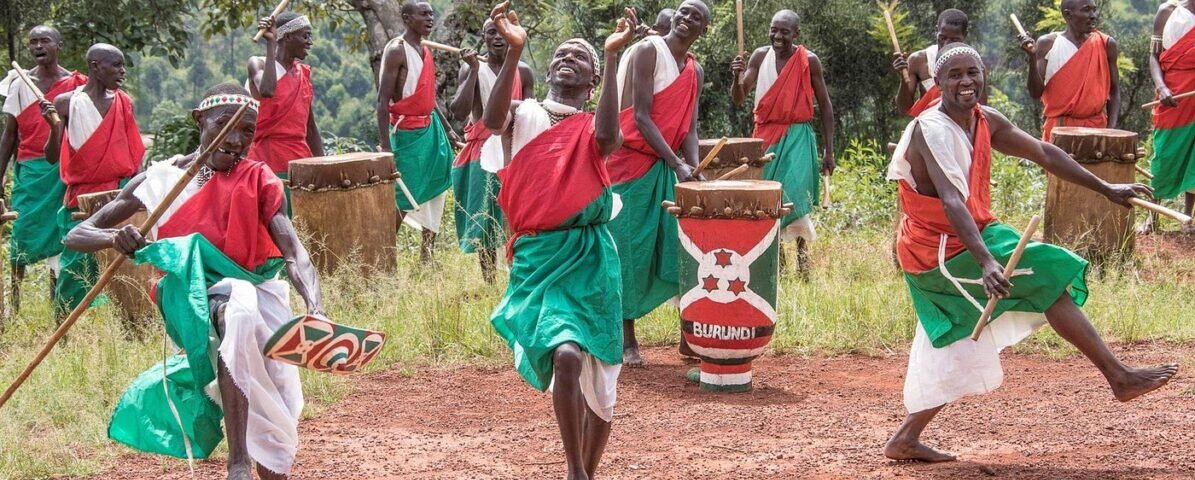
Burundi Safaris and Tours for Families
Burundi safaris and tours for families offer an exciting opportunity to explore one of East Africa’s most welcoming and culturally rich destinations while enjoying nature, wildlife, beautiful landscapes, and meaningful cultural experiences together. This small country offers much more than its size suggests. From the peaceful shores of Lake Tanganyika to the green hills surrounding Bujumbura, the impressive Karera Waterfalls, and the traditional drumming performances in Gitega, Burundi gives families many ways to enjoy an unforgettable African holiday. Moreover, its relaxed atmosphere, friendly communities, scenic countryside, and growing tourism experiences make it an interesting destination for parents travelling with children, teenagers, and other family members.
A family holiday in Burundi allows parents and children to discover Africa through experiences that combine adventure, education, relaxation, and cultural discovery. Children can learn about local traditions, observe different bird species, explore natural attractions, and enjoy outdoor activities. Meanwhile, parents can appreciate the country’s peaceful scenery, traditional cuisine, historical sites, and warm hospitality. Families can also combine Burundi with neighbouring Rwanda, Uganda, or Tanzania to create a wider East African adventure.
However, successful family travel requires good planning. Parents need to consider travel distances, accommodation standards, children’s ages, activity requirements, health precautions, and the interests of every family member. Therefore, choosing suitable destinations and working with a knowledgeable local tour operator can make a significant difference. This guide explores everything families need to know when planning Burundi safaris and tours for families, including the best places to visit, activities, accommodation, transportation, safety, costs, and practical travel advice.
Why Choose Burundi for a Family Safari Holiday?
Burundi offers families a different kind of African holiday. While many travellers associate African safaris with large wildlife parks and famous animal encounters, Burundi provides a wider combination of nature, culture, history, and lakeside experiences. Consequently, families can enjoy a holiday that introduces children to different parts of African life without following the usual safari route.
One of the country’s greatest attractions is its beautiful natural environment. Burundi features rolling green hills, freshwater lakes, forests, waterfalls, rivers, and open countryside. These landscapes create opportunities for families to enjoy nature walks, photography, sightseeing, and outdoor relaxation. Furthermore, Lake Tanganyika provides a wonderful setting for families who enjoy spending time near the water. Parents can relax along the shoreline while children enjoy suitable supervised activities at family friendly lakeside facilities.
Culture also plays an important role in Burundi’s tourism experience. Families can discover traditional drumming, local crafts, farming activities, food preparation, and community traditions. These experiences help children understand how different communities live and preserve their cultural identities.
Another advantage involves the country’s manageable geographical size. Families can explore several attractions without spending their entire holiday travelling between distant destinations. Nevertheless, some rural roads require additional travel time, so a well organised itinerary remains important.
Burundi also suits families seeking a destination that offers educational experiences alongside relaxation. Children can discover new environments, learn about conservation, understand traditional customs, and develop a greater appreciation for different cultures. Ultimately, Burundi gives families an opportunity to experience East Africa through meaningful activities rather than simply visiting tourist attractions.
Best Time for Burundi Safaris and Tours for Families
Choosing the right travel season is important when planning Burundi safaris and tours for families. Weather conditions influence road travel, outdoor activities, waterfall visits, nature walks, and the overall comfort of children. Fortunately, Burundi welcomes visitors throughout the year, although some months offer more favourable conditions for certain activities.
Burundi generally experiences two relatively dry periods. The first runs from June to September, while the second usually falls between December and February. These months often provide better conditions for sightseeing, countryside exploration, cultural visits, and outdoor family activities. Roads also tend to become easier to navigate during drier periods, especially when visiting attractions outside Bujumbura.
June, July, August, and September are particularly attractive months for families planning longer holidays. Parents can organise visits to Gitega, Karera Waterfalls, the southern countryside, and Lake Tanganyika with fewer interruptions from heavy rainfall. Additionally, families can enjoy outdoor photography and nature activities under generally favourable conditions.
December, January, and February also offer opportunities for family holidays. These months can work particularly well for families travelling during school holidays. However, parents should prepare for occasional rainfall because Burundi’s weather can change between regions.
March, April, and May generally bring heavier rainfall, although conditions vary across the country. November also experiences a shorter rainy period. Families travelling during these months should allow flexible schedules and avoid placing too many activities on one day.
The best travel period ultimately depends on family interests. For example, families interested in waterfalls may appreciate the surrounding greenery during wetter months, while those planning extensive road trips may prefer drier conditions. Parents should also consider school calendars, children’s comfort, and the activities included in their itinerary.
Best Destinations for Burundi Safaris and Tours for Families
Burundi has several attractions that appeal to families with different interests. Some destinations focus on nature, while others introduce visitors to traditional culture, history, and local lifestyles. Therefore, families should select places that provide a suitable balance of education, adventure, and relaxation.
Bujumbura makes a convenient starting point for many family holidays. The city offers access to Lake Tanganyika, local markets, cultural attractions, restaurants, and accommodation. Families can spend time discovering the city before continuing towards other parts of the country.
Gitega provides another interesting destination, particularly for families who want to understand Burundi’s cultural heritage. The city has historical importance and offers access to cultural attractions, including the famous Gishora Drum Sanctuary.
Karera Waterfalls in southeastern Burundi offer an enjoyable nature experience. The surrounding landscape, flowing water, vegetation, and natural scenery create excellent opportunities for sightseeing and photography. Parents should, however, supervise children carefully around slippery paths and water.
Lake Tanganyika remains one of the most attractive places for families who enjoy lakeside relaxation. Its beautiful shoreline offers opportunities to appreciate the natural environment, enjoy suitable recreational activities, and experience the atmosphere of one of Africa’s great lakes.
Families interested in nature and conservation can also consider Rusizi National Park. The park provides opportunities to discover wetland habitats, birds, and other wildlife within an accessible distance of Bujumbura.
For longer holidays, families can explore additional destinations in the countryside. These may include the green hills around Ijenda, the southern regions, and selected cultural communities. A good itinerary should avoid rushing between attractions and allow enough time for children to enjoy each destination.
Family Adventures at Lake Tanganyika
Lake Tanganyika is one of Burundi’s most important natural attractions and an excellent destination for families seeking a relaxing part of their holiday. The lake stretches across several countries in East and Central Africa, and Burundi enjoys access to its beautiful northern and northeastern shores.
For families, the lake provides an opportunity to enjoy a slower holiday experience after travelling through the countryside. Parents can appreciate the scenery, watch local fishing activities, and spend quality time with their children in a peaceful lakeside environment. Children can also learn about freshwater ecosystems, local fishing traditions, and the importance of protecting natural resources.
Depending on the accommodation and available facilities, families may enjoy supervised lakeside recreation, boat excursions, and other suitable activities. However, parents should always check swimming conditions and follow local safety guidance. Lake Tanganyika is very deep, and not every shoreline provides safe swimming conditions. Children should never enter the water without close adult supervision and appropriate safety arrangements.
Families interested in photography will also appreciate the lake’s beautiful surroundings. Sunrise and sunset create attractive opportunities to capture family memories against the water and distant landscapes.
Another interesting experience involves learning about the communities that depend on the lake. Local fishing activities provide an opportunity to introduce children to traditional livelihoods and the importance of freshwater resources.
Parents should choose accommodation with suitable family facilities, convenient access to the shoreline, and appropriate security arrangements. With proper planning, Lake Tanganyika can become one of the most memorable stops on Burundi safaris and tours for families.
Discover Burundi’s Traditional Culture with Your Family
Culture forms an important part of Burundi’s identity, and introducing children to local traditions can make a family holiday more meaningful. Rather than focusing only on sightseeing, families can participate in experiences that explain the country’s history, music, food, crafts, and community life.
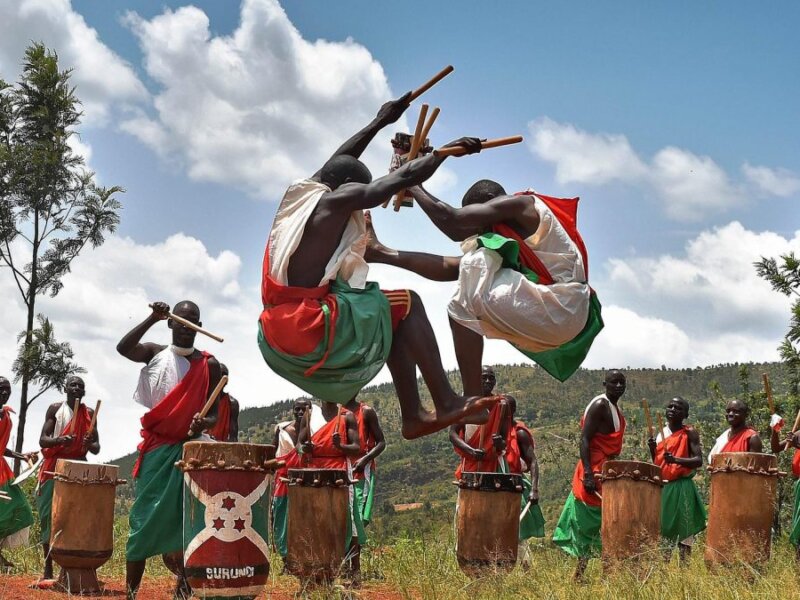
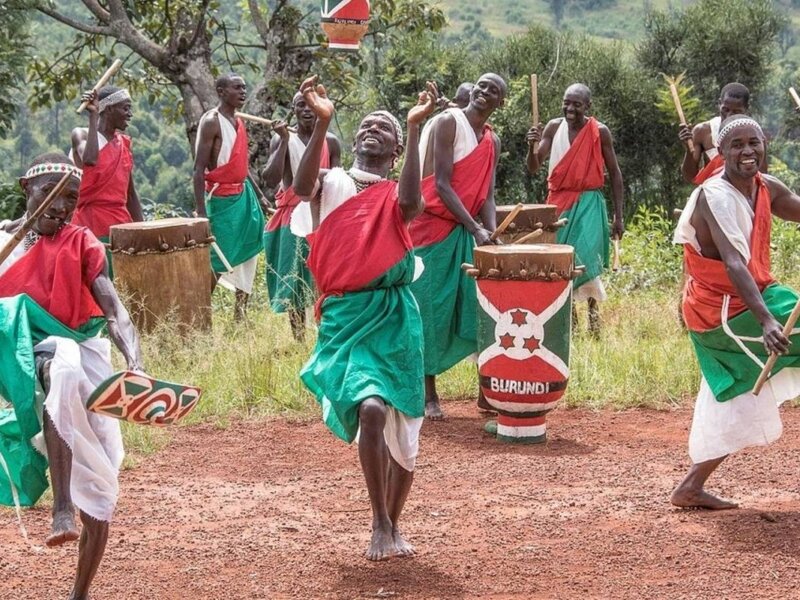
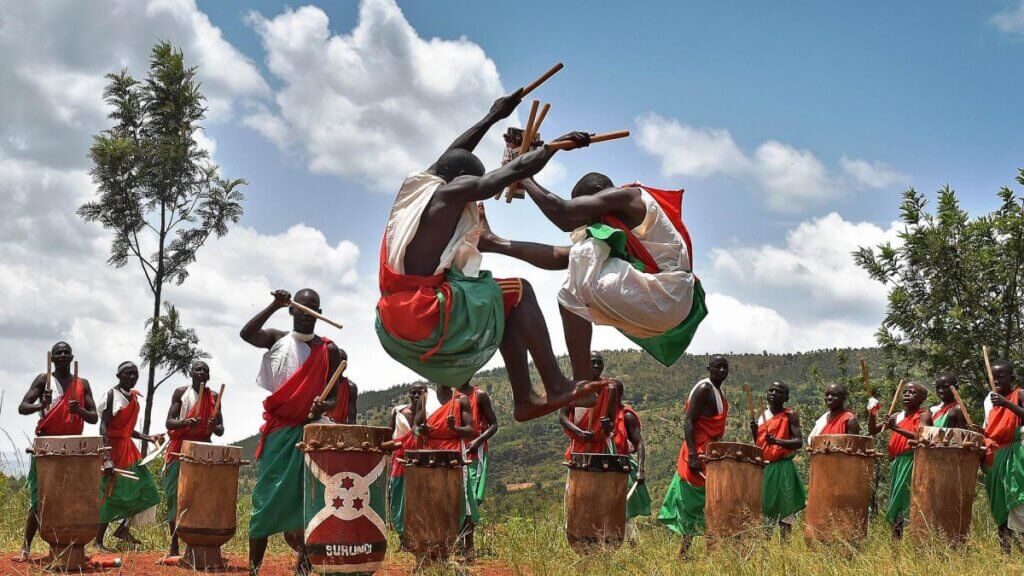
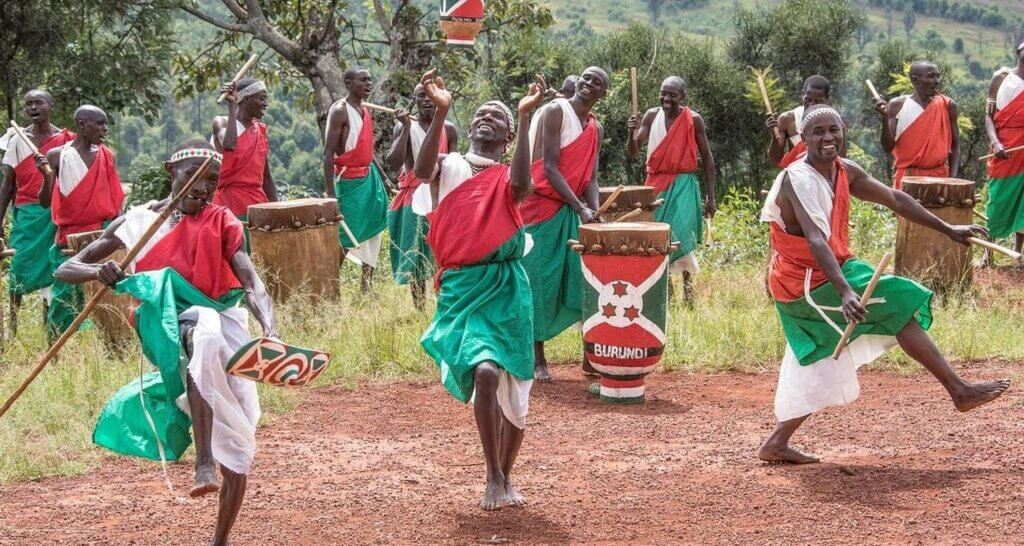
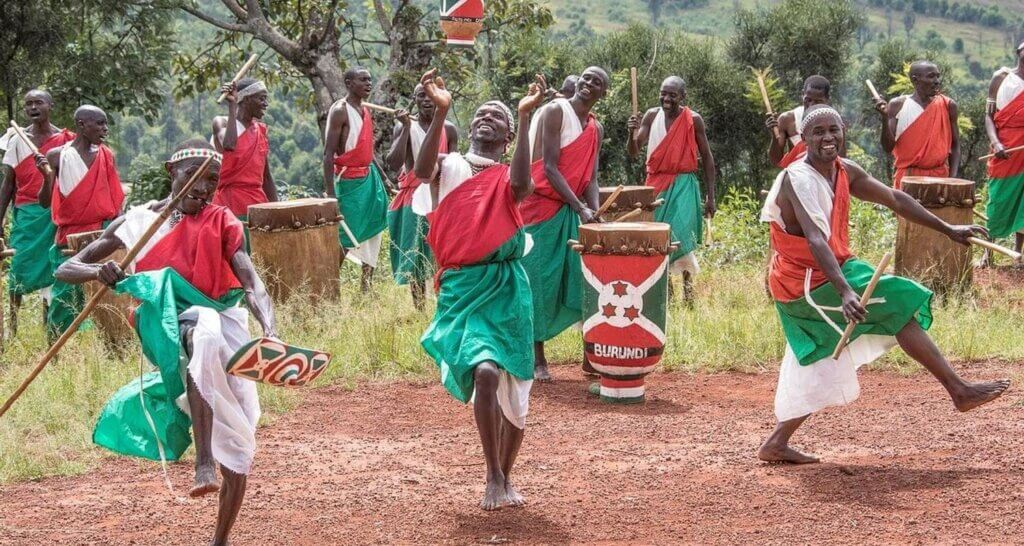
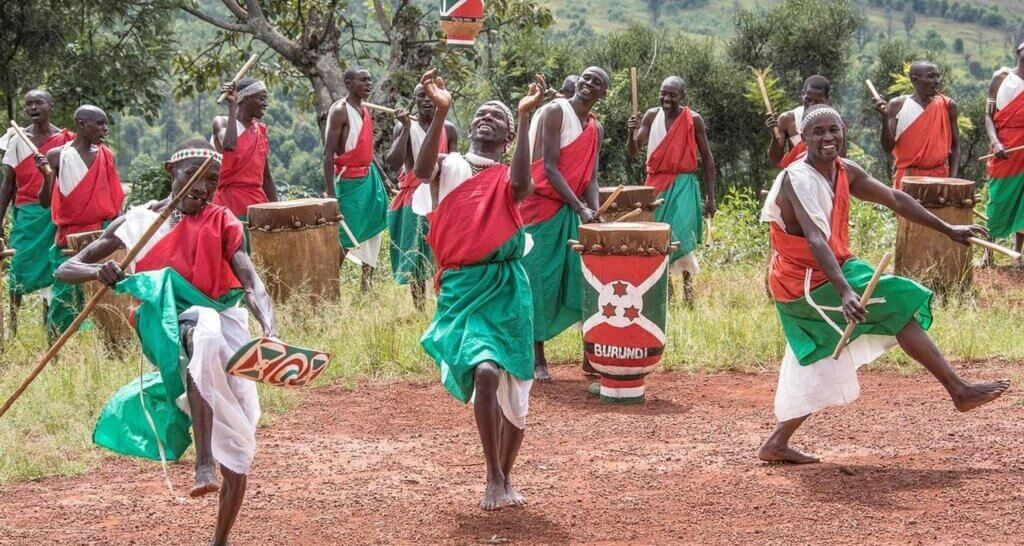
Traditional Burundian drumming stands out as one of the country’s most recognisable cultural experiences. The Royal Drummers of Burundi have helped introduce the country’s musical heritage to audiences around the world. Their performances feature powerful rhythms, coordinated movements, traditional instruments, and colourful cultural presentations.
Families can visit Gishora Drum Sanctuary near Gitega to discover the importance of traditional drumming. The sanctuary provides an opportunity to understand the historical and cultural role of drums in Burundi. Children often find the performances particularly interesting because music, movement, and rhythm create an engaging learning experience.
Parents can also introduce children to traditional crafts and local markets. These places provide opportunities to observe handmade products, baskets, fabrics, and other items that reflect local creativity. Where appropriate, families can interact with local artisans and learn how traditional products support household incomes.
Food also creates a wonderful cultural connection. Families can discover local dishes, taste familiar ingredients prepared differently, and learn about traditional cooking methods. However, parents should consider children’s food preferences, allergies, and tolerance for unfamiliar meals.
When arranging cultural visits, families should choose respectful experiences that support local communities. They should also ask permission before photographing people and follow guidance from local cultural representatives.
These activities help children understand that travel involves more than visiting beautiful places. It also involves appreciating people, traditions, and different ways of life.
Visiting Gishora Drum Sanctuary on Burundi Safaris and Tours for Families
Gishora Drum Sanctuary is an important cultural destination for families visiting Burundi. Located near Gitega, the sanctuary provides an opportunity to experience one of the country’s most celebrated traditional art forms.
The famous Burundian drummers perform coordinated routines that combine music, movement, and cultural expression. Their performances create an energetic atmosphere that appeals to visitors of different ages. Children can enjoy the powerful sounds while learning about the meaning of traditional drums within Burundian society.
Parents can use the visit as an educational experience. Before travelling, they can introduce children to the history of traditional African instruments and explain how music connects generations. During the visit, children can observe the different instruments, listen to the rhythms, and appreciate the coordination involved in a traditional performance.
The experience can also encourage children to explore music and cultural expression in their own communities. Furthermore, it gives families a chance to discuss the importance of protecting cultural heritage.
Families should arrange their visit in advance to confirm performance availability, entry arrangements, and any age related requirements. They should also consider the length of the performance when travelling with younger children.
Photography may be possible during some visits, but families should respect the sanctuary’s instructions and ask before photographing performers. Appropriate clothing and respectful behaviour also help create a positive cultural experience.
Gishora offers more than entertainment. It provides a valuable opportunity for children to understand Burundi’s cultural identity while enjoying an experience that the whole family can remember long after returning home.
Exploring Karera Waterfalls as a Family
Karera Waterfalls rank among Burundi’s most attractive natural attractions and provide an excellent addition to a family sightseeing itinerary. Located in the southeastern part of the country, these waterfalls feature several cascades surrounded by green vegetation and beautiful countryside.
Families visiting Karera can enjoy the scenery, take photographs, appreciate the sound of flowing water, and learn about the importance of protecting natural environments. The attraction also introduces children to the beauty of Burundi’s landscapes beyond the major towns and cities.
A visit to Karera Waterfalls can become an educational outdoor experience. Parents can explain how rainfall, rivers, vegetation, and changes in elevation contribute to waterfall formation. Children can also observe the surrounding plants and learn why natural habitats need protection.
However, parents should take safety seriously. Waterfall environments can contain slippery surfaces, steep sections, uneven ground, and strong water currents. Therefore, children should remain close to adults and follow the instructions of local guides. Families should avoid climbing on wet rocks or approaching unsafe edges for photographs.
Comfortable walking shoes, drinking water, sun protection, and suitable clothing can improve the experience. Parents travelling with younger children should assess the walking conditions before beginning the visit.
The best way to enjoy Karera is to allow enough time for sightseeing instead of treating it as a quick stop between destinations. Families can appreciate the scenery at a comfortable pace while learning about Burundi’s natural environment.
Wildlife and Nature Experiences for Burundi Safaris and Tours for Families
Although Burundi does not have the same extensive safari infrastructure as some neighbouring East African countries, it offers several interesting opportunities for families interested in nature and wildlife. These experiences can help children understand biodiversity, conservation, and the relationship between people and the natural environment.
Rusizi National Park, located near Bujumbura, is one of the most accessible nature destinations for families. The park protects wetland and river habitats where visitors can discover different bird species and observe the surrounding ecosystem. Depending on conditions and guided activities, visitors may also have opportunities to see hippos and other wildlife.
Birdwatching can be particularly enjoyable for families. Children can learn to identify birds by their colours, sounds, sizes, and feeding habits. Parents can make the experience more engaging by encouraging children to record their observations in a simple nature notebook.
The natural environment also creates opportunities to discuss conservation. Families can learn why wetlands matter, how animals depend on suitable habitats, and how pollution affects rivers and lakes.
Families should understand that wildlife sightings are never guaranteed. Animals move freely within their habitats, and every visit offers different possibilities. Therefore, the experience should focus on appreciating nature rather than expecting a specific animal encounter.
For families seeking larger wildlife safaris, combining Burundi with Uganda or Tanzania can create a more diverse experience. These countries offer established national parks with wider wildlife viewing opportunities. Such combinations allow children to experience different ecosystems while enjoying the cultural and natural attractions of Burundi.
Family Friendly Activities to Enjoy During a Burundi Holiday
A successful family holiday should include activities that appeal to different ages and interests. Burundi offers opportunities for sightseeing, cultural discovery, outdoor recreation, and relaxation. Parents should select experiences that allow everyone to participate comfortably.
Lakeside relaxation is one of the simplest activities families can enjoy. Lake Tanganyika provides attractive scenery and opportunities to spend time together. Depending on available facilities and safety conditions, families may also arrange suitable boat excursions and other supervised activities.
Cultural experiences provide another excellent option. Families can attend traditional drumming performances, explore local markets, discover traditional crafts, and learn about Burundian food. These activities help children understand the country’s identity while enjoying new experiences.
Nature walks can also become memorable family activities. Parents can arrange gentle walks around suitable locations, observe birds, appreciate vegetation, and take photographs. However, they should consider the children’s ages and physical abilities before choosing walking routes.
Families can also enjoy sightseeing around Bujumbura and Gitega. Visiting local attractions, discovering historical places, and learning about the country’s development provide useful educational opportunities.
Photography offers another way to involve children in the holiday. Parents can encourage them to photograph landscapes, traditional performances, plants, and other interesting features. This activity gives children a creative way to record their experiences.
For families with different interests, a balanced itinerary works best. Parents can alternate cultural visits with outdoor activities and relaxation. This approach prevents children from becoming tired and allows adults to enjoy the holiday without rushing.
Accommodation Options on Burundi Safaris and Tours for Families
Accommodation plays an important role in the success of Burundi safaris and tours for families. Parents need comfortable places where children can rest, enjoy meals, and prepare for the next day’s activities. Therefore, choosing the right accommodation deserves attention during the planning stage.
Bujumbura offers several accommodation options, including hotels, guesthouses, and lakeside properties. Families can choose establishments with spacious rooms, suitable meal arrangements, reliable transport access, and convenient locations. Properties near Lake Tanganyika can provide attractive surroundings for families who want to combine sightseeing with relaxation.
Gitega also offers accommodation options for travellers exploring the country’s cultural attractions. Staying in or near the city can reduce unnecessary driving when visiting Gishora Drum Sanctuary and other destinations in central Burundi.
For families visiting Karera Waterfalls, suitable accommodation can be arranged in the surrounding region or along the wider travel route. Parents should discuss the accommodation plan with their tour operator to ensure that daily driving distances remain manageable.
When comparing properties, families should look beyond room prices. Important considerations include room size, bed arrangements, bathroom facilities, food options, security, cleanliness, and access to medical assistance.
Parents travelling with young children should confirm whether accommodation providers offer family rooms or connecting rooms. They should also check whether the property has suitable outdoor spaces and whether children can safely move around the premises.
Food arrangements deserve attention as well. Families with young children may prefer properties that can prepare simple meals or accommodate dietary requirements.
A good accommodation plan should balance comfort, location, service quality, and budget. Most importantly, it should support the family’s travel schedule rather than create additional challenges.
Transportation and Getting Around Burundi with Children
Transportation requires careful planning when travelling with children in Burundi. Although the country is relatively small, road conditions, journey times, and distances between attractions can influence the overall family travel experience.
Private transportation offers one of the most convenient options for families. A private vehicle allows parents to travel according to their preferred schedule, stop for refreshments, and adjust the journey when children need breaks. It also provides more flexibility when visiting attractions outside Bujumbura.
A comfortable four wheel drive vehicle can prove useful when exploring rural areas and destinations with uneven road conditions. However, the appropriate vehicle depends on the route, number of passengers, luggage, and prevailing road conditions.
Parents should ensure that the vehicle provides enough space for everyone. Families travelling with younger children should arrange suitable child safety seats in advance. They should also confirm seatbelt availability and avoid overcrowding the vehicle.
Journey planning matters just as much as vehicle selection. Instead of scheduling several long drives on consecutive days, families should organise their itinerary around manageable travel periods. Longer journeys can include suitable rest stops, meals, and opportunities to enjoy the countryside.
Hiring a knowledgeable local driver or guide can also improve the experience. Local professionals understand the routes, can assist with communication, and provide useful information about destinations.
Families should avoid relying entirely on estimated driving times. Roadworks, weather, traffic, and road conditions can affect journeys. Therefore, allowing additional time creates a more comfortable and flexible travel experience for parents and children.
Combining Burundi with Uganda, Rwanda, or Tanzania
One of the greatest advantages of choosing Burundi for a family holiday is the opportunity to combine it with neighbouring East African destinations. Families with additional holiday time can create a multi-country itinerary that introduces children to different landscapes, cultures, wildlife habitats, and historical attractions.
Uganda provides an excellent extension for families interested in wildlife and nature. Its national parks offer opportunities to enjoy traditional game drives, boat safaris, birdwatching, and primate experiences. Families can explore destinations such as Queen Elizabeth National Park, Murchison Falls National Park, and Lake Bunyonyi.
However, families considering gorilla trekking in Uganda should understand the age restrictions. Gorilla trekking requires participants to meet the minimum age of 15 years. Consequently, younger children need alternative activities while eligible family members participate in trekking arrangements. Parents should confirm current park regulations before booking.
Rwanda offers another interesting addition. Families can explore Kigali, discover the country’s history, enjoy scenic countryside drives, and visit selected nature attractions. The country’s compact size can also support convenient travel between destinations.
Tanzania provides a different experience through its famous wildlife parks, including Serengeti National Park and Ngorongoro Conservation Area. Families interested in traditional African wildlife safaris can combine Burundi’s cultural and lakeside experiences with Tanzania’s established safari destinations.
Combining countries requires careful attention to border crossings, visas, vehicle arrangements, and travel distances. Families should also check entry requirements for every country before departure.
A well designed multi-country itinerary can turn a family holiday into an unforgettable East African adventure while giving Burundi an important place within the overall travel experience.
Suggested Burundi Family Safari Itinerary
A carefully planned itinerary helps families enjoy Burundi without rushing between destinations. A seven day holiday offers a good opportunity to combine cultural experiences, nature, sightseeing, and relaxation.
Day 1: Arrival in Bujumbura
Arrive in Bujumbura and transfer to your selected accommodation. Depending on arrival time, enjoy a relaxed introduction to the city or spend the afternoon resting after your international journey. Families can also enjoy a suitable lakeside dinner.
Day 2: Bujumbura City and Lake Tanganyika
Discover selected attractions around Bujumbura before enjoying time near Lake Tanganyika. Families can learn about the city’s history, explore local surroundings, and appreciate the lake’s beautiful scenery. Allow enough time for children to relax.
Day 3: Rusizi National Park
Visit Rusizi National Park for a guided nature experience. Discover wetland habitats, observe birds, and learn about the importance of conservation. Depending on conditions, families may also enjoy opportunities to observe wildlife.
Day 4: Journey to Gitega
Travel towards Gitega through Burundi’s beautiful countryside. Enjoy scenic stops along the way and introduce children to rural landscapes and local lifestyles. Spend the night in suitable accommodation in or near Gitega.
Day 5: Gishora Drum Sanctuary
Visit Gishora Drum Sanctuary and experience traditional Burundian drumming. Families can learn about the country’s cultural heritage and enjoy the traditional performance. Later, discover selected attractions around Gitega.
Day 6: Karera Waterfalls
Travel towards the southeastern part of Burundi to visit Karera Waterfalls. Enjoy the natural scenery, take family photographs, and learn about the surrounding environment. Arrange accommodation according to the onward travel route.
Day 7: Return to Bujumbura and Departure
Return to Bujumbura, allowing sufficient time for the journey and airport arrangements. Depending on the departure schedule, families may enjoy a final sightseeing opportunity before transferring to the airport.
This itinerary provides a starting point rather than a fixed programme. Families with younger children may prefer fewer destinations and longer stays. Meanwhile, families with older children can consider additional countryside experiences.
What Is the Cost of Burundi Safaris and Tours for Families?
The cost of Burundi safaris and tours for families depends on several factors, including the number of travellers, accommodation standards, transportation, activities, meals, and the length of the holiday. Therefore, families should request a detailed quotation based on their preferred travel arrangements.
Accommodation usually represents an important part of the overall budget. Budget guesthouses and standard hotels can help families control expenses, while comfortable midrange and luxury properties provide additional facilities and services. Family rooms may also offer better value than booking several separate rooms.
Transportation creates another significant expense. A private vehicle gives families greater flexibility, but the total cost depends on the number of travel days, route, vehicle category, fuel, and driver services.
Guide services and cultural experiences may also contribute to the package price. Families should confirm whether park entry fees, guided activities, cultural performances, and other attraction charges appear in the quotation.
Meals can influence the overall budget as well. Some accommodation providers include breakfast, while lunch and dinner may require separate arrangements. Families with specific dietary needs should communicate these requirements before confirming their holiday.
International flights, visas, travel insurance, personal purchases, and optional activities should also form part of the budget calculation.
To obtain the best value, families should avoid choosing a package based only on its advertised price. Instead, compare accommodation quality, transportation standards, included activities, and the experience of the tour operator.
A transparent quotation should clearly explain what the package includes and excludes. This approach helps parents understand the total expected cost and avoid unexpected expenses during their holiday.
Health and Safety Tips for Families Travelling to Burundi
Health and safety should remain important considerations when organising Burundi safaris and tours for families. Parents need to prepare carefully so that children can enjoy the holiday in a comfortable and responsible way.
Before departure, families should consult a qualified travel health professional for advice on recommended vaccinations, malaria prevention, and other health precautions. Requirements and recommendations may differ depending on the traveller’s country of origin, previous destinations, and individual health needs.
Yellow fever vaccination requirements deserve particular attention. Travellers arriving from countries with yellow fever transmission risk may need to present a valid vaccination certificate. Families should confirm the latest entry requirements before travelling.
Parents should also carry any essential personal medication and keep it in its original packaging. A basic travel first aid kit can help with minor issues during the holiday. Furthermore, families should identify suitable medical facilities in their planned destinations.
Food and drinking water require attention. Families should choose reputable restaurants and accommodation providers that maintain appropriate food hygiene standards. Drinking treated, boiled, or properly sealed bottled water can help reduce the risk of waterborne illness.
Road safety also matters. Parents should arrange reliable transportation, ensure everyone uses seatbelts, and request appropriate child safety seats where necessary.
Families visiting lakes, rivers, and waterfalls should follow local safety instructions. Children require close adult supervision around water, particularly in areas without designated swimming facilities.
Travel insurance provides another important layer of protection. Families should select a policy that covers medical emergencies, travel interruptions, and other relevant risks.
Finally, parents should check current government travel advisories and local conditions before departure. Good preparation helps families make informed decisions and enjoy a more comfortable holiday.
What Should Families Pack for a Burundi Safari?
Packing appropriately can make a major difference during a family holiday. Burundi’s climate, outdoor activities, cultural experiences, and road journeys require practical clothing and travel essentials.
Parents should begin with comfortable clothing suitable for warm weather. Lightweight shirts, trousers, dresses, and comfortable walking clothes work well for most sightseeing activities. However, families should also pack light jackets or sweaters for cooler mornings and evenings, especially when visiting higher altitude areas.
Comfortable walking shoes are essential for visiting waterfalls, countryside attractions, and natural environments. Children should have shoes that fit properly and provide good support on uneven surfaces.
Sun protection deserves attention throughout the holiday. Families should pack hats, sunglasses, and suitable sunscreen. These items help protect children during outdoor activities and long sightseeing days.
Insect repellent may also prove useful, particularly when visiting areas near wetlands, lakes, and vegetation. Parents should choose products appropriate for their children’s ages and follow the manufacturer’s instructions.
A small day bag can help families carry drinking water, snacks, tissues, hand sanitiser, and other essentials during excursions. Reusable water bottles can also make travel more convenient.
Other useful items include travel documents, copies of important reservations, personal medication, a basic first aid kit, phone chargers, power banks, and cameras.
Families planning cultural visits should pack respectful clothing suitable for local settings. Additionally, parents should prepare children for different food options and encourage them to try familiar and new dishes at a comfortable pace.
The most important packing principle is to prioritise comfort and practicality. Families do not need excessive luggage. Instead, they should bring items that support their planned activities and make daily travel easier.
Responsible and Sustainable Family Tourism in Burundi
Responsible tourism helps protect destinations while ensuring that local communities benefit from visitors. Families travelling in Burundi can make positive contributions through simple decisions that encourage environmental protection, cultural respect, and local economic development.
One important way to support responsible tourism involves choosing locally operated tourism services. Hiring qualified local guides, booking locally managed accommodation, and purchasing products from community artisans can help tourism income reach the people who live in the destination.
Families can also introduce children to responsible travel habits. For example, parents can encourage them to avoid littering, respect wildlife, conserve water, and use reusable items whenever possible. These small actions help children understand that every traveller has a responsibility towards the environment.
Wildlife protection should also remain a priority. Families visiting natural attractions should follow guide instructions, avoid disturbing animals, and respect designated observation areas. Children should never attempt to feed or approach wild animals.
Cultural respect matters equally. Parents should explain the importance of respecting local traditions, asking permission before taking photographs, and dressing appropriately when visiting cultural or religious sites.
Another useful practice involves choosing activities that support conservation and community development. Families can learn about local environmental challenges and understand how tourism can contribute to protecting natural resources.
Sustainable travel also involves reducing unnecessary journeys. A well planned itinerary can minimise excessive driving while allowing families to enjoy destinations at a comfortable pace.
By practising responsible tourism, parents teach children valuable lessons about global citizenship, environmental awareness, and cultural understanding. These lessons can remain meaningful long after the family returns home.
How to Choose the Best Burundi Tour Operator for Your Family
Choosing the right tour operator is one of the most important decisions when planning a family holiday in Burundi. A reliable operator helps parents organise transportation, accommodation, activities, and travel schedules while considering the needs of every family member.
Experience in African tourism should form one of the first considerations. Families should work with operators who understand regional travel arrangements, local destinations, road conditions, and the practical challenges of organising family holidays.
Transparency also matters. A professional tour operator should provide a clear quotation that explains accommodation categories, transportation, guide services, meals, park fees, and other included activities. Any additional expenses should also receive clear explanations.
Communication provides another important indication of service quality. Parents should expect timely responses, accurate information, and practical advice. The operator should listen to family preferences instead of offering a standard itinerary that ignores children’s ages and interests.
Families should also review accommodation arrangements carefully. A good operator should recommend properties that suit the family’s budget, room requirements, location preferences, and comfort expectations.
Another important consideration involves flexibility. Children may need additional rest, and families sometimes prefer to adjust activities during their holiday. A suitable operator should understand these needs and create realistic travel schedules.
Local knowledge can also improve the experience. Guides who understand Burundi’s culture, history, and natural attractions can provide valuable information that makes sightseeing more educational.
Giant Holiday Safaris can assist families interested in exploring Burundi alongside other East African destinations. With a focus on customised African holidays, the company can help travellers consider suitable itineraries, accommodation arrangements, transportation, and additional experiences in Uganda and neighbouring countries.
Before confirming a booking, families should review the proposed itinerary, payment terms, cancellation policy, and travel arrangements. A professional and transparent relationship creates a stronger foundation for a successful family holiday.
Tips for Travelling to Burundi with Young Children
Travelling with young children requires a slightly different approach from travelling with teenagers or adults. Parents need to consider shorter activity periods, comfortable transportation, suitable meals, and enough opportunities for rest.
The first recommendation is to avoid overcrowding the itinerary. Young children may become tired during long sightseeing days, particularly when journeys involve winding roads or several stops. Therefore, families should prioritise fewer destinations and allow additional time at each location.
Accommodation selection also deserves attention. Parents should look for properties with suitable family rooms, comfortable sleeping arrangements, and convenient access to meals. A comfortable room can make a significant difference after a full day of activities.
Food planning is equally important. Children may have different preferences, so parents should discuss available meal options with accommodation providers before arrival. Carrying a few familiar snacks can also help during long journeys.
Entertainment can make transportation easier. Parents can bring books, colouring materials, simple travel games, and other age appropriate activities to keep children engaged. However, families should also encourage children to observe the countryside and enjoy the scenery.
Parents should maintain regular routines where possible. Adequate sleep, drinking water, and suitable meal breaks can help children remain comfortable throughout the holiday.
Safety must always come first. Young children need close supervision around water, wildlife, busy roads, and unfamiliar environments.
Most importantly, parents should remember that children experience travel differently from adults. A successful holiday does not require visiting every attraction. Instead, it should create opportunities for discovery, relaxation, and quality family time.
Burundi Safaris for Families with Teenagers
Families travelling with teenagers can enjoy a wider range of activities because older children often appreciate longer excursions, cultural discovery, nature exploration, and photography.
Burundi offers several experiences that can appeal to teenagers. Visiting Gishora Drum Sanctuary, for example, introduces them to traditional music, cultural identity, and the importance of preserving historical traditions. The experience can also encourage an interest in African music and performing arts.
Nature activities provide additional opportunities. Teenagers can explore suitable countryside walking routes, discover different bird species, appreciate waterfalls, and learn about wetland ecosystems. These experiences can support their understanding of geography, biodiversity, and conservation.
Lake Tanganyika can also become an enjoyable destination for families with teenagers. Depending on available facilities and safety arrangements, families may consider suitable lakeside recreational activities and supervised excursions.
Parents can make the holiday more engaging by allowing teenagers to participate in planning. They may choose preferred attractions, research cultural destinations, or take responsibility for documenting selected parts of the journey.
Photography can be particularly interesting for teenagers who enjoy creative activities. They can capture landscapes, cultural performances, and everyday scenes while learning to respect local communities and photography guidelines.
Families combining Burundi with Uganda or Tanzania can also introduce teenagers to larger wildlife destinations. However, parents should check age restrictions for specific activities, including gorilla trekking.
The best approach involves balancing education with adventure and relaxation. Teenagers should have opportunities to explore new environments while enjoying enough freedom within appropriate family supervision.
Cultural Etiquette and Local Experiences for Family Visitors
Understanding local customs can help families enjoy a more respectful and rewarding experience in Burundi. Cultural awareness also gives children an opportunity to learn how people communicate, interact, and maintain traditions in different societies.
Burundi has a rich cultural heritage shaped by traditional music, dance, storytelling, crafts, food, and community relationships. Visitors should approach these experiences with curiosity and respect.
Greetings are an important part of everyday social interaction. Families can learn a few basic words and greetings in Kirundi, the country’s main local language. Even simple efforts to communicate can create positive interactions with local residents.
Parents should also teach children to respect personal space and local customs. For example, children should avoid touching people’s belongings without permission and should ask before taking photographs.
When visiting cultural institutions, families should follow the instructions of guides and community representatives. Some places may have specific expectations regarding clothing, photography, and visitor behaviour.
Food provides another opportunity for cultural discovery. Families can explore traditional Burundian dishes and learn about commonly used ingredients. However, parents should communicate allergies and dietary requirements clearly.
Shopping at local markets can also support community businesses. Families can purchase suitable crafts and locally made products while learning about traditional skills.
Cultural tourism becomes most rewarding when visitors approach communities as participants in a shared experience rather than simply observers. By encouraging children to show curiosity, kindness, and respect, parents can make cultural discovery an important part of their Burundi family holiday.
Frequently Asked Questions About Burundi Safaris and Tours for Families
Families planning a holiday often have questions about the suitability of Burundi, available activities, transportation, accommodation, and travel arrangements. Understanding these issues before departure helps parents make informed decisions and prepare a suitable itinerary.
Is Burundi a good destination for a family holiday?
Yes. Burundi offers a combination of cultural attractions, natural scenery, lakeside experiences, and opportunities for outdoor exploration. Families who enjoy discovering local traditions and less conventional African destinations can find plenty of interesting experiences. However, parents should plan carefully and choose activities that suit their children’s ages.
What is the best age for children travelling to Burundi?
There is no single ideal age for visiting Burundi. Families with young children can enjoy cultural visits, sightseeing, and lakeside relaxation. Older children and teenagers may appreciate longer excursions, nature activities, and educational experiences. The itinerary should reflect each child’s comfort and interests.
How many days should families spend in Burundi?
A stay of five to seven days can provide enough time to explore several important destinations without rushing. Families with limited time can focus on Bujumbura, Lake Tanganyika, and nearby attractions. Those with longer holidays can include Gitega, Gishora Drum Sanctuary, and Karera Waterfalls.
Can families enjoy wildlife safaris in Burundi?
Yes, although Burundi offers a different wildlife experience from larger safari destinations such as Uganda and Tanzania. Rusizi National Park provides opportunities to discover wetland habitats, birds, and selected wildlife. Families seeking extensive savannah game drives can combine Burundi with neighbouring countries.
Is Lake Tanganyika suitable for children?
Lake Tanganyika offers beautiful scenery and suitable lakeside experiences. However, parents must assess individual facilities and water conditions before allowing children to participate in recreational activities. Its depth and changing conditions make close supervision essential.
Can families combine Burundi with Uganda?
Yes. Families can organise multi-country holidays combining Burundi and Uganda. Such itineraries can include Burundi’s cultural attractions and Lake Tanganyika alongside Uganda’s national parks, lakes, and wildlife experiences. Parents should plan border crossings, transportation, and age restrictions carefully.
Do families need a private vehicle?
A private vehicle offers greater flexibility and convenience, particularly when travelling with young children. It allows families to control their departure times, take rest breaks, and adjust activities. The vehicle should have enough passenger and luggage space.
What should families consider when booking accommodation?
Parents should consider room arrangements, cleanliness, location, meal options, security, and access to suitable facilities. Family rooms and comfortable sleeping arrangements can make the holiday more enjoyable.
Is Burundi suitable for a first African family holiday?
Burundi can suit families interested in cultural discovery, nature, and relaxed sightseeing. However, first time visitors should work with experienced local tourism professionals who can help organise transportation, accommodation, and practical travel arrangements.
Can families visit Burundi throughout the year?
Yes. Families can visit throughout the year, although weather conditions influence some outdoor activities and road journeys. The relatively dry periods from June to September and December to February often provide convenient conditions for general sightseeing.
Final Thoughts: Plan Memorable Burundi Safaris and Tours for Families
Burundi safaris and tours for families provide an opportunity to discover a beautiful and culturally rich part of East Africa while enjoying meaningful experiences together. From the peaceful shores of Lake Tanganyika to the traditional rhythms of Gishora Drum Sanctuary, the impressive Karera Waterfalls, and the natural environments around Rusizi National Park, Burundi offers attractions that appeal to different generations. Families can enjoy cultural discovery, nature exploration, outdoor recreation, and relaxation while introducing children to new environments and ways of life.
The key to a successful holiday lies in choosing the right destinations, arranging comfortable accommodation, selecting reliable transportation, and allowing enough time for every experience. Parents should also consider their children’s ages, interests, health requirements, and activity preferences when preparing an itinerary. Furthermore, combining Burundi with Uganda, Rwanda, or Tanzania can create a wider East African adventure for families who have additional time.
Responsible tourism should remain part of every family holiday. Supporting local businesses, respecting cultural traditions, protecting natural environments, and learning from local communities help create positive travel experiences.
At Giant Holiday Safaris, we recognise that every family has different travel interests, expectations, and budgets. Therefore, carefully customised itineraries can help families enjoy Burundi at a comfortable pace while discovering the country’s most rewarding attractions. Whether you are planning a short cultural escape, a lakeside family holiday, or a multi-country East African adventure, Burundi safaris and tours for families offer a wonderful opportunity to create lasting memories and discover the beauty of Africa together.