Burundi Safaris for seasoned Travellers
November 24, 2026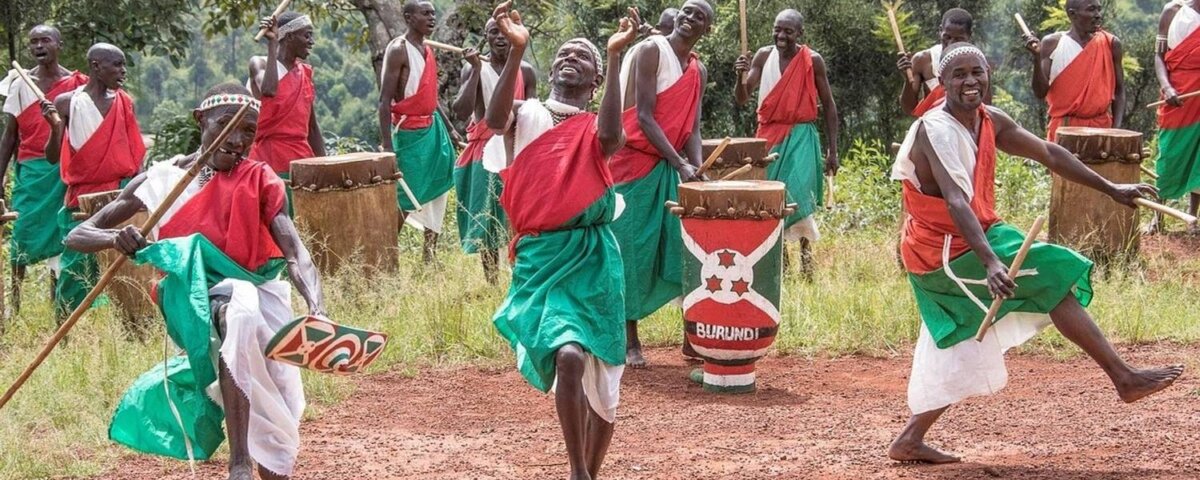
Burundi Safaris and Tours for Solo Travellers
Burundi safaris and tours for solo travellers offer an exciting opportunity to explore one of East Africa’s most culturally rich and less-explored destinations. Whether you enjoy discovering new cultures, exploring beautiful landscapes, watching wildlife, meeting local communities, or relaxing beside a great lake, Burundi provides rewarding experiences for independent travellers. Although the country remains less familiar to many international visitors than Uganda, Kenya, Tanzania, and Rwanda, it offers a distinctive combination of natural beauty, traditional heritage, peaceful lakeside scenery, and authentic African experiences.
Travelling alone in Burundi allows you to discover the country at your own pace. You can explore the lively streets of Bujumbura, enjoy the scenery around Lake Tanganyika, visit the famous Gishora Drum Sanctuary, discover the green hills surrounding Gitega, and experience the natural beauty of destinations such as Rusizi National Park and Kibira National Park. Furthermore, you can connect with local people, learn about Burundian traditions, enjoy traditional food, and discover places that many international tourists have yet to experience.
However, a successful solo safari requires proper preparation. You need to understand the country’s travel conditions, choose suitable accommodation, arrange reliable transportation, and plan activities according to your interests and available time. You should also consider local travel advice, border requirements, and the practical arrangements that make independent travel more comfortable.
At Giant Holiday Safaris, we believe that travelling alone should not prevent anyone from experiencing the beauty of Africa. With thoughtful planning, professional local guidance, and carefully selected experiences, solo travellers can discover Burundi with greater confidence, comfort, and cultural understanding. This guide explores everything you need to know about Burundi safaris and tours for solo travellers, including destinations, activities, accommodation, transportation, safety considerations, costs, and practical travel advice.
Why Choose Burundi for a Solo Safari?
Burundi offers a different kind of African travel experience. Instead of focusing entirely on large wildlife reserves and famous safari circuits, the country introduces visitors to a combination of cultural heritage, beautiful scenery, traditional communities, and lesser-known natural attractions. For solo travellers who enjoy meaningful experiences, this diversity makes Burundi an interesting destination to consider.
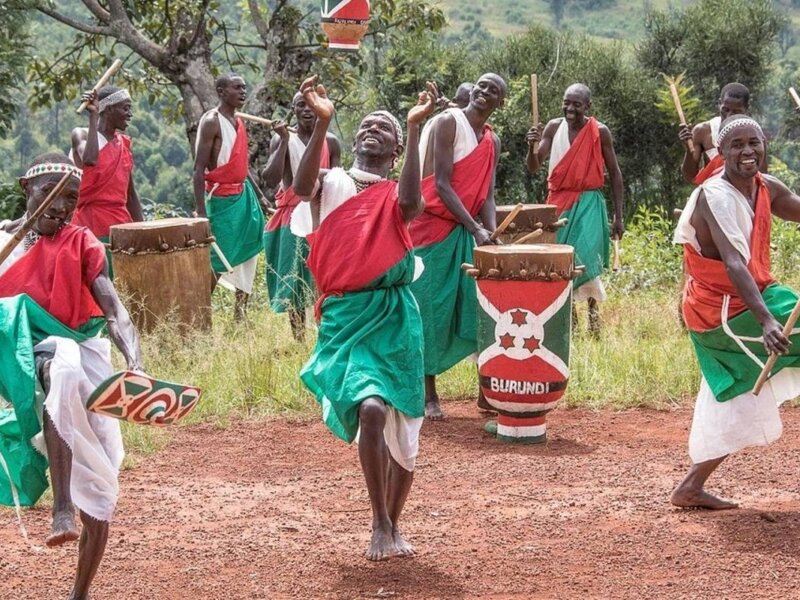
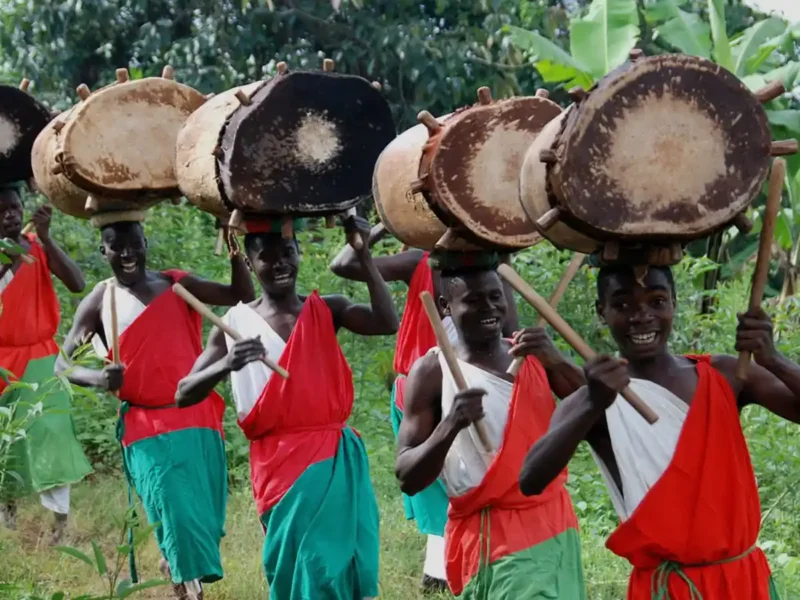
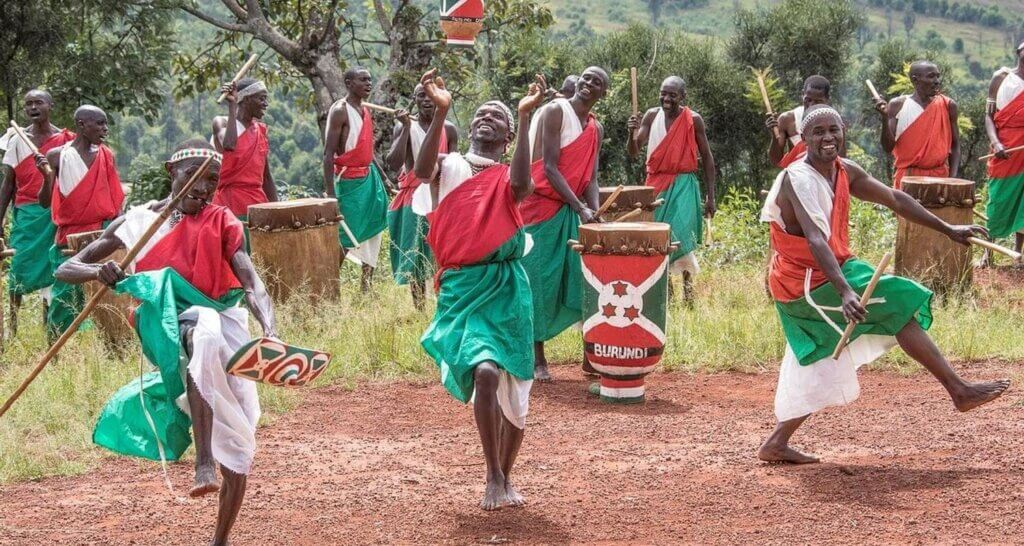
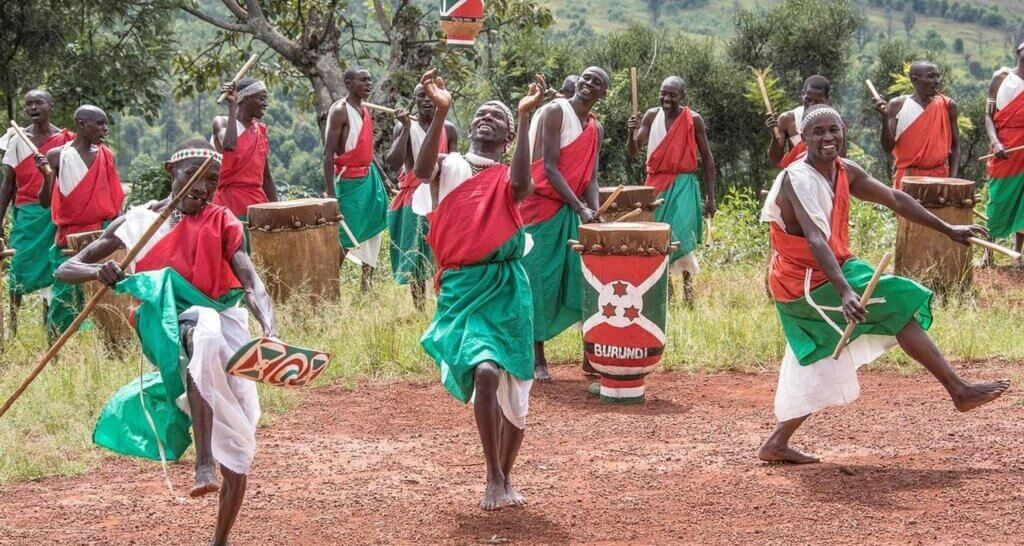
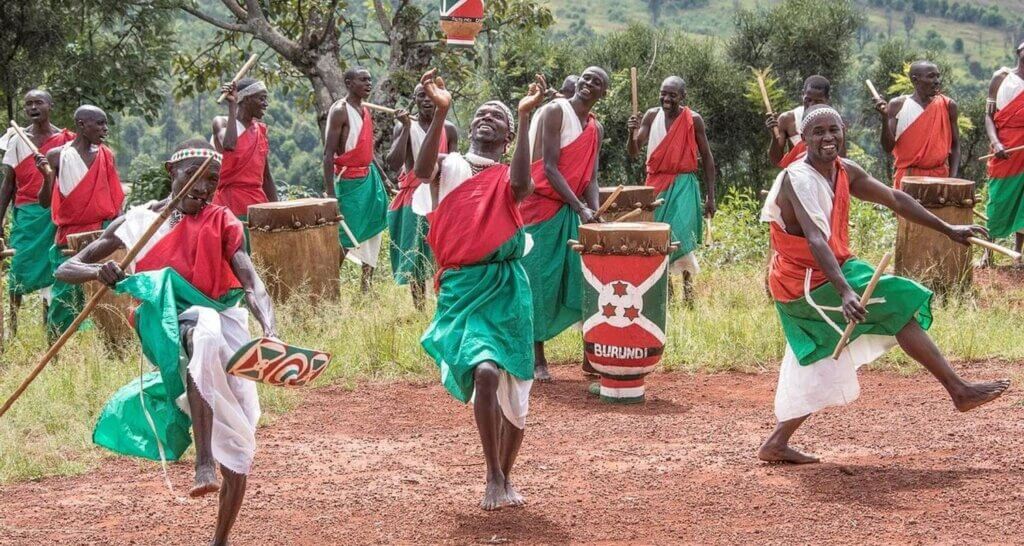
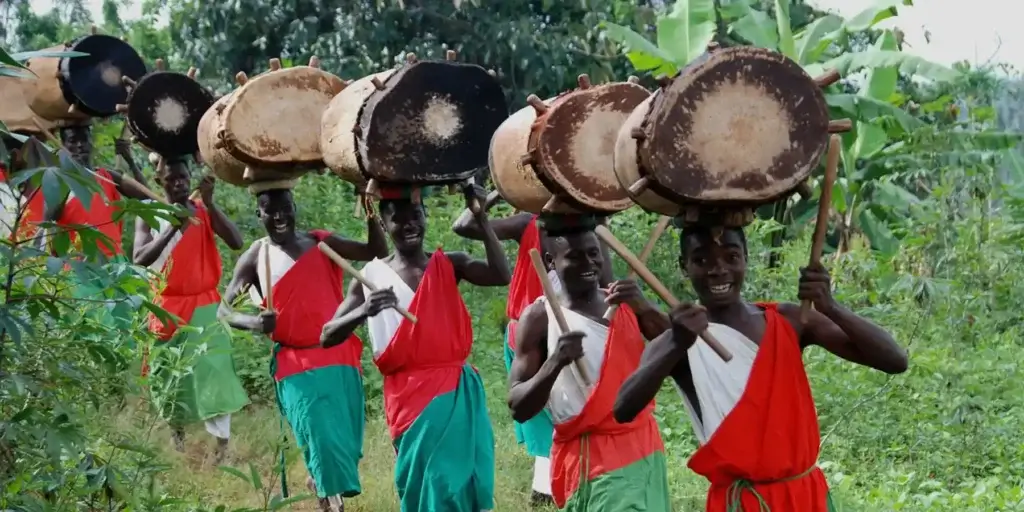
One of the main attractions is the opportunity to experience Burundian culture. The country has a strong cultural identity, expressed through traditional music, dance, food, crafts, and community celebrations. The famous Royal Drummers of Burundi, for example, represent an important part of the country’s cultural heritage. A visit to a traditional drumming centre can introduce you to the rhythms, instruments, and history behind this remarkable performance tradition.
Moreover, Burundi has beautiful natural landscapes. Lake Tanganyika creates a wonderful setting for relaxation, photography, and lakeside experiences. Its surrounding hills, green countryside, and traditional settlements also provide opportunities to understand everyday life beyond the main towns.
Another reason to consider Burundi is its relatively unexplored tourism market. You can discover destinations that receive less international attention than popular attractions in neighbouring countries. This creates opportunities for cultural learning and personal discovery.
However, Burundi requires more careful travel planning than some established safari destinations. Current international travel advisories identify significant security concerns, particularly in certain border regions. Therefore, solo travellers should assess the latest official advice before making arrangements and should never assume that every tourist attraction is suitable for an independent visit.
Best Destinations to Explore on a Solo Tour in Burundi
Choosing the right destinations is essential when planning Burundi safaris and tours for solo travellers. The country has several attractions that provide different experiences, from cultural discovery and lakeside relaxation to wildlife observation and countryside exploration. Nevertheless, the current security situation determines which places travellers should consider visiting.
A good itinerary should focus on destinations that match your interests while allowing enough time for transportation, accommodation, and organised activities. Rather than trying to visit every attraction, consider selecting a few experiences that provide a meaningful introduction to Burundi.
Some destinations have important tourism value but currently require particular caution. For example, international travel advisories identify Kibira National Park and Rusizi National Park as areas that travellers should avoid because of security concerns. Consequently, their tourism appeal should not be confused with present day accessibility.
The following destinations explain the experiences Burundi offers and the considerations that solo travellers should understand before visiting.
Bujumbura: Discover Burundi’s Main City
A cultural, commercial and lakeside gateway
Bujumbura is an important starting point for international visitors exploring Burundi. Located along the northeastern shores of Lake Tanganyika, the city provides an introduction to the country’s urban lifestyle, local food, markets, history, and cultural identity. For a solo traveller, spending time understanding the city can help create a foundation for a wider Burundi travel experience.
You can explore different parts of the city during properly organised daytime excursions. Local markets offer opportunities to discover fresh produce, traditional ingredients, household products, and handmade items. Restaurants introduce visitors to Burundian cuisine, while selected cultural attractions provide a closer look at the country’s history.
The lakeside setting also gives Bujumbura a distinctive atmosphere. Lake Tanganyika is one of Africa’s most remarkable natural features, and its presence contributes to the city’s identity. Visitors can learn about the lake’s fishing traditions, importance to local communities, and ecological value.
However, solo visitors should not treat Bujumbura like a destination where unrestricted walking is always advisable. Security conditions can change, and foreign travel advisories identify risks involving crime, public gatherings, and certain neighbourhoods. Arrange reliable transport, seek current local advice, avoid unnecessary evening movements, and choose accommodation with appropriate security arrangements.
Bujumbura can provide a valuable cultural introduction, but visitors should review their government’s latest travel guidance before including it in an itinerary.
Gitega: Discover Burundi’s Cultural Heritage
A historic destination with strong cultural identity
Gitega, Burundi’s political capital, offers an opportunity to explore the country’s cultural and historical identity. The city provides a different atmosphere from Bujumbura, with a closer connection to traditional institutions, national heritage, and the country’s central highland landscape.
One of the attractions associated with the wider Gitega area is the National Museum of Gitega. The museum provides an introduction to Burundi’s cultural traditions, historical objects, traditional clothing, and aspects of everyday life. It can help international visitors understand the country’s identity beyond the attractions they see during a short holiday.
Gitega also provides a useful setting for learning about traditional architecture, local markets, and the relationship between Burundian communities and their surrounding landscapes. Travellers interested in African history may find this destination particularly rewarding because it offers opportunities to explore a culture that receives relatively little international tourism attention.
For solo travellers, a planned cultural visit can provide a comfortable way to learn about Burundi without rushing between several distant attractions. A knowledgeable local guide can explain the historical importance of different sites and help visitors understand cultural practices respectfully.
Nevertheless, travel to Gitega requires advance planning. Check the current security situation, road conditions, accommodation arrangements, and transport availability before travelling from Bujumbura. International visitors should also consult their government’s latest advice for the entire journey rather than checking only the destination itself.
Gishora Drum Sanctuary: Experience Traditional Burundian Drumming
A significant cultural heritage attraction
Burundi has a remarkable musical tradition, and traditional drumming remains one of its most recognisable cultural expressions. The Gishora Drum Sanctuary, located near Gitega, is associated with the country’s famous Royal Drummers. It represents an important opportunity to understand the historical and cultural meaning of traditional Burundian percussion.
The drums hold a special place in Burundi’s heritage. Traditionally, they served important ceremonial, royal, and community functions. Their sounds accompanied significant occasions and helped express the identity and unity of communities. Today, traditional drumming continues to attract cultural interest from visitors around the world.
A cultural visit to Gishora can introduce you to the instruments, their construction, the rhythms, and the discipline involved in traditional performances. The drummers combine powerful rhythms, coordinated movements, and impressive physical energy to create an experience that celebrates Burundian heritage.
For a solo traveller, this type of experience can be particularly meaningful because it provides an opportunity to learn rather than simply observe a destination. You can appreciate the cultural significance behind the performance and gain a better understanding of the traditions that shape the country.
However, arrange visits through recognised cultural contacts and confirm whether performances or tours are operating. Since the sanctuary lies in the wider Gitega area, visitors should also assess current security conditions before making the journey.
Lake Tanganyika: Enjoy Burundi’s Beautiful Lakeside Scenery
For visitors interested in nature and relaxation, Lake Tanganyika offers an appealing setting. Its shores provide opportunities to appreciate the scenery, learn about local fishing communities, and understand the importance of freshwater resources to surrounding populations.
The lake also has considerable ecological value. Its waters support a wide variety of fish species, while the surrounding communities depend on fishing and related activities for their livelihoods. Consequently, a visit to the lake can provide insight into the relationship between nature, conservation, and local economic life.
Solo travellers may enjoy including a lakeside experience in a wider cultural itinerary. You can learn about the lake’s history, discover local food traditions, and appreciate the views during a properly arranged daytime visit.
However, visitors should distinguish between different sections of the lakeshore. Not every location has the same security conditions, facilities, or accessibility. Before arranging a lakeside excursion, confirm the exact location, transport arrangements, weather conditions, and current local security advice. Choose established facilities and follow local guidance concerning swimming and other water activities.
Ruvubu National Park: Discover Burundi’s Wildlife Heritage
Ruvubu National Park is one of Burundi’s important protected natural areas. Located in northeastern Burundi, it covers more than 50,000 hectares and protects an extensive landscape of savannah, riverine environments, and wildlife habitats. The park represents an important part of the country’s conservation heritage.
Its wildlife includes buffaloes, antelopes, hippos, and different monkey species. These animals contribute to the ecological diversity of the protected landscape. The park also provides opportunities to understand how wildlife habitats support biodiversity and why conservation remains important for the future of African tourism.
Unlike the more internationally recognised safari destinations in East Africa, Ruvubu receives less attention from overseas visitors. This makes it an interesting subject for travellers who want to learn about Burundi’s natural environment and explore the country’s wider conservation story.
A wildlife experience in Ruvubu requires proper organisation. Travellers should establish whether park authorities currently accept visitors, which access points remain operational, and whether professional guides are available. You should also confirm accommodation, road conditions, transport arrangements, and emergency support before considering an excursion.
For solo visitors, an independently organised journey into a remote protected area is not advisable. Any future visit should follow official security guidance and use properly coordinated local arrangements.
The park’s wildlife value makes it an important part of Burundi’s tourism identity, even when current conditions prevent a particular traveller from visiting.
Best Experiences for Solo Travellers in Burundi
Burundi offers several types of experiences that can make a holiday meaningful. While some international visitors prefer traditional wildlife safaris, others enjoy cultural encounters, historical discovery, nature, food, and photography. The country provides a combination of these interests.
When planning Burundi safaris and tours for solo travellers, it helps to identify the experiences that matter most to you. This approach allows you to create a manageable itinerary instead of spending too much time travelling between distant locations.
However, the availability of each activity depends on current security conditions and the operating status of individual attractions. Always confirm arrangements before travelling.
Cultural Tours and Traditional Experiences
Burundi’s cultural heritage is one of its strongest tourism attractions. The country has a rich collection of traditional music, dance, crafts, food, ceremonies, and community customs. These experiences provide an opportunity to understand the country through its people and traditions.
A cultural tour can introduce you to the history of traditional drumming, the significance of local instruments, and the role of music in community life. You can also learn about traditional clothing, handmade products, and the cultural meaning behind different artistic expressions.
For solo travellers, cultural experiences offer an excellent way to connect with local heritage. You do not need to travel with a large group to appreciate a traditional performance or visit a cultural museum. A private cultural excursion can provide time to ask questions, take photographs where permitted, and learn at a comfortable pace.
Furthermore, engaging with local cultural professionals supports the people who preserve Burundi’s traditions. Booking recognised performances and purchasing authentic locally made crafts can contribute to the tourism economy.
Remember to respect local customs when visiting cultural institutions or attending performances. Ask permission before photographing individuals, dress appropriately, and listen to the explanations provided by local guides.
Wildlife Viewing and Nature Experiences
Wildlife viewing is an important part of African tourism, and Burundi has protected landscapes that contribute to the region’s biodiversity. The country has several ecosystems, including savannah, forests, wetlands, and river environments.
These habitats support different animals and bird species. For visitors interested in conservation, learning about Burundi’s protected areas can provide a broader understanding of the country’s natural resources.
The official tourism authorities identify Ruvubu National Park, Rusizi National Park, Kibira National Park, and several forest reserves among the country’s natural attractions. However, current travel advisories place significant restrictions on some of these areas, particularly Rusizi and Kibira. Therefore, travellers should not book wildlife excursions without checking official security information and confirming access with the relevant authorities.
A responsible wildlife experience should always prioritise conservation. Visitors should respect park regulations, follow the guidance of authorised personnel, avoid disturbing animals, and never attempt to approach wildlife independently.
For solo travellers, professionally organised nature excursions are particularly important. Experienced guides understand the environment, know the authorised visitor areas, and can provide useful information about the animals and habitats.
Even when a park visit is not currently advisable, travellers can still learn about Burundi’s conservation work through museums, educational activities, and authorised cultural programmes.
Birdwatching and Nature Photography
Burundi’s varied natural environments make birdlife and landscape photography interesting subjects for nature enthusiasts. Wetlands, forests, lakeshores, and open grasslands support different bird habitats, although access to individual locations depends on current conditions.
Birdwatching appeals to solo travellers because it encourages patience and observation. Rather than following a demanding schedule, you can spend time learning about bird behaviour, habitats, and the relationship between different species and their environment.
Photography also creates opportunities to document Burundi’s landscapes and cultural heritage. You might focus on traditional architecture, local markets, agricultural landscapes, crafts, and authorised cultural performances.
However, nature photography requires responsible planning. Always confirm whether the selected location is safe and open to visitors. Respect restrictions on photography, particularly around government buildings, security installations, military facilities, and border areas.
A local guide can also help identify birds and explain their ecological importance. This makes the experience more educational and reduces the risk of visiting unsuitable locations.
Traditional Burundian Food Experiences
Food is another important part of discovering Burundi. Traditional cuisine introduces visitors to local agricultural products, cooking methods, and everyday eating habits.
Common ingredients include beans, maize, cassava, sweet potatoes, bananas, vegetables, and other locally available produce. Rice and fish also feature in different meals, particularly in areas connected to Lake Tanganyika.
For a solo traveller, exploring local food can provide a closer understanding of everyday Burundian life. You can learn how families prepare traditional dishes, discover the ingredients used in different regions, and appreciate the importance of agriculture in the country’s food culture.
When choosing where to eat, prioritise established restaurants and accommodation providers with good food hygiene practices. If you have dietary requirements, communicate them clearly before ordering. Drink properly treated or sealed water and take sensible precautions when trying unfamiliar foods.
Food experiences can also support local businesses. Choosing reputable restaurants that use locally sourced ingredients helps connect tourism spending with the wider community.
Is Burundi Suitable for Solo Travellers?
Burundi has attractions that can appeal to independent visitors, but suitability depends heavily on the security situation at the time of travel. This is an important consideration because a destination’s tourism potential does not automatically mean that independent travel is appropriate.
As of November 2026, several foreign governments advise travellers to reconsider or avoid nonessential travel to Burundi. Some also advise against all travel to specific border areas and attractions. These warnings relate to regional conflict, crime, political instability, and limited emergency support.
Consequently, solo travellers should make informed decisions rather than relying on general descriptions of Burundi as a welcoming or peaceful destination.
If you are considering a visit, start by checking your government’s latest travel advisory. Examine the advice for individual provinces, roads, parks, and border crossings. Then contact your accommodation provider and a reputable local tour operator to establish whether your proposed itinerary remains practical.
Travellers should also consider whether they have suitable insurance, reliable communication, and access to assistance if their plans change. A journey that involves remote areas, long road transfers, or limited emergency facilities requires more preparation than a short urban cultural visit.
Most importantly, do not travel into restricted or high risk areas simply because they appear on a tourism itinerary. Your personal safety must always come before sightseeing.
For international visitors, postponing a trip may sometimes be the most responsible decision. Burundi’s cultural and natural attractions will remain important tourism resources, and future visits should take place when conditions permit safer and more reliable travel.
How to Plan a Burundi Safari as a Solo Traveller
Planning is one of the most important parts of a successful solo holiday. When you travel alone, you make your own decisions about accommodation, transportation, activities, and daily schedules. Therefore, a well organised itinerary can make your experience easier and help you avoid unnecessary complications.
Choose Your Travel Dates Carefully
The timing of your Burundi safari can influence the experiences available during your visit. Burundi has a tropical climate, although altitude creates differences in temperature and rainfall across the country.
The country generally experiences wetter conditions from around October to May, with relatively drier periods between June and September. December and January can also offer comparatively drier conditions in some locations. However, rainfall patterns vary, and travellers should not expect identical weather throughout the country.
For solo travellers, choosing suitable dates involves more than considering the weather. You should also review security developments, road conditions, accommodation availability, and the operating schedules of cultural attractions.
If you want to explore cultural destinations, arrange visits around confirmed opening hours and performance schedules. If you prefer nature experiences, check whether the relevant authorities currently allow visitors into the selected areas.
Avoid choosing travel dates based entirely on online recommendations about the best safari season. Conditions can change, particularly in regions affected by security concerns.
A reputable local travel company can help you understand seasonal conditions and organise practical arrangements. Nevertheless, always compare its advice with current official travel information before confirming your holiday.
Decide Between Independent Travel and an Organised Tour
Solo travel does not necessarily mean arranging every part of your holiday independently. You can travel alone while using professional services for accommodation, transportation, sightseeing, and cultural activities.
Independent travel gives you greater control over your daily schedule. You can decide how much time to spend in a particular destination and choose activities according to your interests. However, independent arrangements may require more research, especially when you are unfamiliar with local transport systems, languages, and travel procedures.
An organised private tour provides another option. You travel without needing to join a large group, but a local operator coordinates the essential arrangements. These may include airport transfers, accommodation, a driver guide, cultural visits, and agreed activities.
For destinations with changing security conditions, professional coordination becomes particularly important. A local operator can help verify operational arrangements and communicate with relevant service providers.
However, a tour operator cannot guarantee personal safety or override official travel restrictions. You should choose a company that provides honest information, respects travel advisories, and does not encourage visits to restricted areas.
The best approach depends on your experience, budget, interests, and the current conditions in Burundi.
Prepare a Realistic Travel Itinerary
A realistic itinerary helps you enjoy your holiday without unnecessary pressure. When travelling alone, it is tempting to include as many attractions as possible. However, spending too much time on the road can reduce the quality of your experience.
Start by identifying your main interests. You may prefer cultural experiences, historical attractions, lakeside scenery, local food, or wildlife conservation. Once you understand your priorities, you can build a schedule around suitable destinations.
Allow sufficient time for transportation and unexpected changes. Road conditions, fuel availability, weather, and security procedures can affect journey times. Therefore, avoid planning several distant activities on the same day.
It is also useful to identify suitable accommodation before confirming your excursions. Staying in a well located property can make it easier to organise daytime activities and access essential services.
A good itinerary should include time for rest, meals, and personal activities. Solo travel becomes more enjoyable when you have enough flexibility to appreciate each destination.
Above all, do not include attractions simply because they appear in a travel guide. Check their current accessibility and follow official advice before making any arrangements.
Accommodation Options for Solo Travellers in Burundi
Accommodation plays an important role in the overall quality of your holiday. When travelling alone, you need somewhere comfortable, conveniently located, and suitable for your travel arrangements.
Burundi has different accommodation options, ranging from international style hotels in Bujumbura to smaller guesthouses and locally operated establishments in other towns. Your choice should depend on your budget, preferred level of comfort, and the activities included in your itinerary.
Hotels in Bujumbura
Bujumbura offers accommodation options for different types of visitors. You can find hotels that provide private rooms, restaurants, internet access, reception services, and assistance with transportation.
For solo travellers, a hotel with a staffed reception and organised transport services can make daily arrangements more convenient. You should also consider the property’s security arrangements, location, food services, and access to essential facilities.
Before making a reservation, contact the hotel directly to confirm current prices, availability, and services. Ask whether the property can arrange airport transfers and whether staff can assist with local travel information.
It is also important to consider your arrival time. If your flight arrives late, arrange a confirmed transfer rather than depending on finding transportation after landing.
A comfortable hotel can provide a convenient base for exploring suitable attractions in and around Bujumbura. Nevertheless, select your accommodation according to current security advice and avoid assuming that every neighbourhood offers the same conditions.
Guesthouses and Smaller Accommodation Properties
Guesthouses can provide another accommodation option for travellers who prefer a quieter environment. They often offer private rooms, personalised hospitality, and opportunities to interact with local hosts.
Some visitors enjoy smaller properties because they provide a more personal experience than larger hotels. You may also receive useful information about local food, cultural traditions, and everyday life.
However, standards vary between establishments. Before booking, confirm whether the property has secure access, reliable water, electricity, suitable sanitation, and a dependable way to communicate with management.
Ask about the location and available transportation. A property that appears affordable may become less convenient if it requires expensive transfers or sits far from essential services.
Solo travellers should also check whether staff remain available outside normal reception hours. This is particularly important if your arrival time changes or you need assistance during your stay.
Ultimately, accommodation should support the quality and practicality of your holiday rather than simply provide the lowest possible nightly rate.
What to Consider When Booking Accommodation
Choosing accommodation requires attention to several details. A suitable property should offer comfort while meeting your practical travel needs.
Consider the following factors before confirming your booking:
Location: Choose a property that fits your approved itinerary and provides convenient access to essential services.
Security: Ask about controlled access, reception arrangements, and available security measures.
Transport: Confirm whether the property can arrange reliable airport transfers and other journeys.
Meals: Check whether breakfast and other meals are available, particularly if nearby restaurants are limited.
Communication: Establish whether the property provides reliable internet or other communication options.
Payment: Confirm accepted payment methods, cancellation conditions, and any additional charges.
Guest support: Choose accommodation with staff who can assist when travel arrangements change.
These considerations are particularly useful when visiting a destination that you have never explored before. Proper accommodation planning can reduce uncertainty and help you manage your travel budget more effectively.
Transportation Options for Solo Travellers in Burundi
Transportation is another important consideration when planning Burundi safaris and tours for solo travellers. The country’s road network connects major towns and different parts of the countryside. However, journey times, road conditions, fuel availability, and security restrictions can influence how easily you move between destinations.
Airport Transfers in Bujumbura
Most international visitors arrive through Melchior Ndadaye International Airport, which serves Bujumbura. Arranging your airport transfer before departure can make the arrival process easier.
If you are travelling alone, a confirmed transfer from your hotel or tour operator provides a more organised alternative to searching for transportation after landing.
Before your journey, share your flight details with the person responsible for your pickup. Confirm the vehicle, driver contact information, meeting point, and payment arrangements.
It is also useful to keep your accommodation details and important travel documents accessible. If your flight changes, communicate with your transfer provider as soon as possible.
Airport transfers are a small but important part of your holiday. Proper arrangements can help you begin your visit with less uncertainty and make it easier to reach your accommodation.
Private Car Hire and Driver Guide Services
Private transportation can provide flexibility for travellers who want to explore several destinations. A vehicle with a professional driver allows you to travel according to an agreed schedule without depending on unfamiliar public transport systems.
For solo visitors, this option can also simplify communication and coordination. A knowledgeable driver may provide useful information about local roads, towns, and everyday life.
However, hiring a vehicle does not remove the need to assess travel conditions. Confirm that the proposed journey is permitted and appropriate under current security guidance. Check vehicle condition, driver experience, insurance, fuel arrangements, and the availability of assistance if the vehicle develops a problem.
Avoid night journeys and unnecessary travel through remote areas. Current foreign travel guidance also highlights road safety concerns and fuel shortages in Burundi.
A professional transport arrangement should prioritise reliability, responsible driving, and compliance with local regulations.
Public Transportation
Public transportation can be attractive to budget conscious visitors because it may cost less than private vehicle hire. However, solo international travellers should consider the practical challenges before using it.
Different transport services operate within towns and between some destinations. Nevertheless, vehicle conditions, driving standards, passenger capacity, and schedules may vary.
Some international travel advisories specifically discourage the use of public transportation because of safety concerns. Therefore, visitors should review current advice rather than assume that public transport offers a suitable option for their itinerary.
If you are unfamiliar with Burundi, seek guidance from your accommodation provider or a recognised local travel professional. Avoid accepting transport arrangements from strangers, particularly when travelling outside established urban areas.
The cheapest transport option does not always offer the best overall value. Reliability, journey conditions, personal security, and access to assistance should all influence your decision.
How Much Does a Burundi Safari Cost for a Solo Traveller?
The cost of a Burundi safari depends on several factors, including accommodation, transportation, meals, activities, travel duration, and the services you choose.
Solo travellers sometimes face different costs from couples and groups because they do not have another person with whom to share certain expenses. For example, a private vehicle and driver may cost almost the same whether one person or two people use the service. Consequently, the individual traveller may pay more per person.
Understanding these costs before departure helps you prepare a realistic budget.
Accommodation Costs
Accommodation is one of the main expenses during a Burundi holiday. Prices vary according to the property’s location, facilities, room category, season, and service standards.
Budget accommodation may provide basic private rooms and essential facilities. Midrange hotels generally offer additional comfort, while higher category properties may provide restaurants, improved facilities, and more personalised services.
When comparing accommodation prices, check what each rate includes. Breakfast, airport transfers, taxes, and other services may attract separate charges.
Solo travellers should also compare single room rates with double room rates. Some establishments offer similar prices for both categories, while others provide special single occupancy rates.
Rather than choosing accommodation entirely according to price, consider the overall value. A conveniently located and properly managed hotel may reduce transportation expenses and make your holiday easier.
Transportation Costs
Transportation can represent a significant part of your budget, especially when visiting several destinations.
Private vehicle hire usually involves vehicle charges, driver services, fuel, and sometimes accommodation for the driver. Longer journeys may also involve additional expenses depending on the arrangement.
Solo travellers should request a clear quotation before confirming any service. Ask whether the quoted price includes fuel, parking, driver allowances, and other relevant expenses.
You should also consider the number of journeys included in your itinerary. Combining suitable attractions within the same area may help reduce unnecessary transportation costs.
However, saving money should never involve travelling through areas that official advisories identify as unsafe. A responsible itinerary should consider both the financial and practical aspects of each journey.
Food and Activity Costs
Food expenses depend on where you choose to eat and the type of meals you prefer. Local restaurants can provide opportunities to enjoy traditional Burundian cuisine, while hotels and international style restaurants may offer different menus and price levels.
Activities also influence your budget. Cultural experiences, museum visits, guided excursions, and other organised activities may have separate fees.
Before departure, ask for a breakdown of the services included in your quotation. This makes it easier to understand what you have already paid for and what you should budget for separately.
It is also useful to keep some money available for unexpected expenses. Changes in transport, additional accommodation nights, and other travel requirements can affect your original budget.
How to Manage Your Budget When Travelling Alone
A practical budget helps you enjoy your holiday without unnecessary financial pressure.
Start by separating your expected expenses into accommodation, transportation, meals, activities, travel insurance, and personal spending. Then request quotations for the services you intend to use.
You can manage your spending more effectively by choosing accommodation that includes breakfast, arranging confirmed transfers, and avoiding unnecessary changes to your itinerary.
It is also important to understand payment arrangements. Ask whether providers accept cash, bank transfers, or international cards. Confirm exchange rates and any applicable transaction charges before paying.
Most importantly, maintain an emergency travel fund. Do not spend your entire budget on accommodation and activities without keeping money available for unexpected situations.
A well planned Burundi safari should provide a balance between comfort, meaningful experiences, and responsible spending.
Safety Tips for Solo Travellers Visiting Burundi
Personal safety should remain a priority throughout your holiday. Although Burundi has cultural attractions and beautiful landscapes, its current security situation requires careful consideration. Solo travellers should pay particular attention to official travel advice, local developments, and the practical arrangements available at their destinations.
Check Official Travel Advisories Before Departure
Before booking your Burundi safari, consult the foreign travel advisory issued by your government. Different governments may use different warning levels, but several currently highlight concerns about crime, regional conflict, political instability, and access to emergency assistance.
Pay particular attention to the Burundi and Democratic Republic of the Congo border, parts of Bujumbura Rural, and the areas around Kibira National Park. Some advisories also identify other northwestern areas as unsuitable for travel.
These warnings can affect sightseeing, transportation, and even your ability to leave the country. The land border between Burundi and Rwanda remains closed, while the security situation around some other crossings can change.
Do not depend entirely on old travel blogs or recommendations from people who visited several years ago. Instead, check official information shortly before departure and continue monitoring developments during your stay.
A responsible travel company should also discuss these considerations openly. If an attraction becomes inaccessible or unsuitable, a professional operator should explain the situation and avoid promising an alternative journey that creates additional risks.
Avoid Unnecessary Night Travel
Travelling during daylight hours is an important precaution when visiting unfamiliar destinations. Night travel can make it more difficult to identify road conditions, understand your surroundings, and access assistance if an unexpected problem occurs.
In Burundi, international travel advisories highlight road safety concerns and recommend avoiding road journeys outside Bujumbura after dark. Visitors should therefore organise their activities around reasonable daytime schedules.
If you plan to travel between towns, discuss the journey with your transport provider before departure. Allow sufficient time to reach your accommodation before evening and avoid adding unnecessary stops along the way.
You should also confirm your return transport after attending cultural activities or visiting restaurants. Do not assume that transportation will always be readily available when you finish an excursion.
A well organised itinerary should include realistic departure times, suitable rest periods, and confirmed accommodation. These simple arrangements can make a considerable difference to the overall quality of your holiday.
Keep Important Travel Documents Secure
Your passport, visa documents, travel insurance information, and flight details are important throughout your trip. Keep them organised and maintain secure copies in separate locations.
Carry the identification documents required by local authorities. You should also keep a digital copy of your passport and other essential documents in a secure account that you can access when necessary.
Avoid displaying large amounts of cash or valuable personal belongings in public. When making payments, remain aware of your surroundings and use established service providers.
It is also sensible to share your general travel itinerary with a trusted contact. Let someone know where you intend to stay and when you expect to arrive at your next destination.
These preparations are useful for all international travellers, but they become especially important when travelling without companions.
Choose Reliable Local Service Providers
Working with reliable accommodation providers, transport companies, and tour operators can make travel arrangements easier to coordinate.
Before choosing a company, establish its registration details, business location, experience, and ability to provide the services it advertises. Request written quotations and clear booking conditions.
Ask who will handle your transportation, accommodation, and any organised activities. You should also understand how the company communicates when travel conditions change.
Avoid making substantial payments without confirming the identity of the service provider and understanding the cancellation policy.
A trustworthy operator should never pressure you to ignore official travel warnings. Professional tourism services must put responsible travel practices ahead of making a sale.
Burundi Safaris for Female Solo Travellers
Women travelling alone often consider additional practical factors when selecting destinations and accommodation. These may include transport arrangements, accommodation security, local customs, communication, and access to assistance.
Burundi’s cultural attractions can appeal to women interested in discovering African heritage and everyday community life. However, the current security situation means that female solo travellers should carefully assess whether a visit is appropriate at the time they intend to travel.
A good starting point involves researching the latest official travel advice and considering the specific activities included in your itinerary.
Choose established accommodation with professional reception services and secure access. Arrange airport transfers in advance and use confirmed transportation for sightseeing. Avoid accepting unexpected invitations or travelling with people whose identity and intentions you cannot establish.
When visiting cultural institutions, dress respectfully according to the setting and follow local guidance. Learning a few basic expressions in Kirundi or French can also make communication easier.
If you have questions about cultural practices, ask your guide or accommodation staff rather than making assumptions. Most importantly, do not allow pressure to complete an itinerary to influence your personal decisions.
Women should also consider travel insurance that provides appropriate medical and emergency support. Check whether the policy covers the proposed destinations and whether it remains valid under current travel advisories.
A responsible approach to female solo travel begins with informed decision making, realistic expectations, and suitable support arrangements.
Visa Requirements and Travel Documents for Burundi
International visitors should understand Burundi’s entry requirements before arranging their holidays. Visa rules depend on nationality, passport type, residence status, and the purpose of travel.
According to Burundi’s tourism authorities, nationals of East African Community member countries have an exemption from the general foreign visitor visa requirement. Other nationalities generally require a visa, although the application process and permitted duration can differ.
Travellers should confirm the exact requirements with the Burundian immigration authorities or their nearest Burundian diplomatic mission.
Passport and Visa Preparation
Check that your passport meets the validity requirements for international travel. Make sure it has sufficient blank pages and that your personal information matches your flight booking.
If you require a visa, establish whether you need to apply online before departure or obtain an entry authorisation. Some travellers may receive a validation certificate before collecting their visa upon arrival.
Keep printed and digital copies of any approval documents. You should also carry evidence of your accommodation arrangements and onward or return travel when required.
Do not assume that visa requirements remain unchanged because you previously visited Burundi or travelled to another East African country.
Yellow Fever and Health Documentation
Health requirements are another important part of preparing for Burundi. Travellers should check the current yellow fever vaccination rules and carry the required international vaccination certificate.
Some visitors may also encounter health screening at entry points. Requirements can change according to public health developments and regional disease outbreaks.
Before departure, consult a qualified travel health professional about recommended vaccinations, malaria prevention, food and water precautions, and any health considerations relevant to your itinerary.
Carry any personal medication in its original packaging and confirm that it complies with the regulations of the countries you will visit.
Travel health preparation should take place well before your departure date. This gives you time to understand the requirements and obtain the appropriate medical advice.
Best Time to Visit Burundi for a Solo Safari
The best time to visit Burundi depends on your interests, preferred activities, and the conditions at your chosen destinations. Weather is an important consideration, but it should never be the only factor when planning a trip.
Burundi generally experiences a wetter season from October to May and a relatively drier season from June to September. However, the country’s varied elevations create local differences in temperature and rainfall.
June to September
This period generally offers comparatively drier conditions in many parts of Burundi. Lower rainfall can make some road journeys more convenient and create better conditions for outdoor sightseeing where travel remains permitted.
For cultural visitors, these months may provide comfortable opportunities to explore museums, attend confirmed cultural performances, and discover selected urban attractions.
However, dry weather does not automatically make every destination accessible. Security restrictions, road conditions, and local operational arrangements remain important.
December to February
December, January, and February can provide another opportunity for visitors who prefer comparatively drier weather. Conditions vary, but some parts of the country experience suitable periods for outdoor activities.
This period may also appeal to travellers interested in cultural discovery and lakeside experiences.
However, international visitors should confirm accommodation availability and the schedules of individual attractions before booking. Seasonal weather forecasts can also help you prepare for local variations.
March to May and October to November
These months generally experience wetter conditions. Rainfall can influence road journeys, outdoor activities, and access to some countryside locations.
If you intend to travel during this period, allow additional time for transportation and avoid creating a schedule that depends on perfect weather.
For all seasons, the most important consideration in 2026 remains the security situation. Check current government travel advisories before choosing your dates, and postpone travel when official advice indicates that the proposed journey is unsuitable.
What to Pack for a Burundi Solo Tour
Packing properly can make your holiday more comfortable and help you prepare for different travel conditions. Burundi has varying landscapes and elevations, so your packing list should reflect the destinations and activities you intend to include.
Start with comfortable clothing suitable for warm weather. Lightweight shirts, trousers, and comfortable walking shoes are useful for sightseeing and cultural visits. If you plan to visit religious or cultural institutions, include modest clothing that respects local expectations.
You should also consider the following items:
Travel documents: Passport, visa documents, vaccination certificate, travel insurance, and flight information.
Clothing: Comfortable everyday clothes, a light jacket, and suitable outfits for cultural visits.
Personal items: Toiletries, sunscreen, insect repellent, and basic hygiene supplies.
Electronics: Mobile phone, charging cables, power bank, and suitable electrical adapters.
Money: Some local currency and an appropriate international payment option.
Health supplies: Any prescribed medication and personal medical essentials.
Travel accessories: A small day bag, reusable water bottle, and secure document holder.
Your packing list should also consider the season. During wetter months, a lightweight rain jacket can be useful. During cooler evenings, particularly in higher altitude locations, an additional layer may improve your comfort.
Avoid carrying unnecessary valuables or large amounts of cash. Keep important belongings secure and organise your luggage so that essential documents remain accessible.
Finally, check airline baggage restrictions before departure. Preparing your luggage in advance helps you avoid unnecessary airport complications and makes moving between accommodation properties easier.
Communication, Internet and Money Management in Burundi
Good communication and financial preparation can make solo travel much easier. Before departure, understand how you will contact accommodation providers, communicate with your tour operator, and pay for essential services.
Mobile Communication and Internet Access
Burundi has mobile communication services, particularly in established urban areas. However, network coverage and internet quality can vary depending on your location and service provider.
International visitors should check whether their existing mobile provider offers roaming services in Burundi. Alternatively, investigate local SIM card arrangements through recognised providers and confirm the registration requirements.
Internet access may be available at selected hotels, restaurants, and other establishments. Nevertheless, you should not assume that every property provides reliable high speed connectivity.
Download essential travel information before departure, including accommodation details, flight information, and important contact numbers. Keeping offline copies can be helpful if your internet connection becomes unavailable.
Currency and Payment Arrangements
Burundi uses the Burundian franc as its national currency. Travellers should understand the available payment methods before arriving.
Some establishments may accept international cards, while others may prefer cash. Therefore, confirm payment arrangements with your hotel and tour operator before departure.
Exchange money through recognised financial institutions and established exchange providers. Avoid making large financial transactions with unfamiliar individuals.
Keep your spending money separate from your emergency funds and maintain a record of important payments. When booking a safari, request a written quotation that clearly identifies included services, additional charges, and cancellation conditions.
Staying Connected With Family and Friends
Solo travellers should maintain regular communication with a trusted person during their holiday.
Share your accommodation details and general travel schedule before departure. If you change your plans, provide an update so that someone knows your revised arrangements.
You should also save the contact details of your accommodation provider, tour operator, airline, and relevant diplomatic mission.
International visitors should understand that emergency assistance can be limited in some parts of Burundi. Therefore, reliable communication and careful planning are particularly important.
How Long Should You Spend on a Burundi Safari?
The ideal length of a Burundi holiday depends on your interests, available time, budget, and the destinations that can responsibly form part of your itinerary.
A short visit may provide an introduction to the country’s culture and urban attractions. A longer holiday can allow additional time for museums, cultural experiences, local food, and other activities where current conditions permit.
Three Day Burundi Cultural Visit
A three day visit can provide a short introduction to Burundi for travellers with limited time.
You can use the first day to settle into your accommodation and learn about Bujumbura’s history and urban culture through suitable organised activities.
The second day can focus on cultural discovery, including traditional food, museums, and heritage experiences that are currently accessible.
The final day can provide time for shopping, additional cultural activities, and preparation for departure.
This type of itinerary works best when you arrange transportation and activities in advance. Avoid adding distant attractions simply to fill the schedule.
Five Day Burundi Cultural and Heritage Tour
A five day visit provides more time to explore Burundi’s cultural identity and understand its history.
You can dedicate additional time to museums, traditional crafts, food experiences, and confirmed cultural performances. You may also use the extra time to learn about the country’s agriculture, local communities, and natural environment through suitable educational activities.
However, any proposed journey beyond Bujumbura requires a fresh assessment of current security advice, road conditions, and accommodation availability.
A longer itinerary should provide more meaningful experiences rather than simply increasing the number of destinations.
Seven Day Burundi Discovery Holiday
A seven day holiday can provide a more relaxed introduction to Burundi when conditions permit.
It allows additional time for cultural learning, historical discovery, local cuisine, and carefully selected sightseeing activities. You can also include rest days instead of travelling continuously.
For international visitors, this duration provides an opportunity to understand the country beyond its most familiar attractions.
Nevertheless, a seven day itinerary should remain flexible. If security developments affect a planned excursion, the schedule should change accordingly. A responsible tour operator should prioritise suitable activities and avoid unnecessary journeys.
Why Book Your Burundi Safari with Giant Holiday Safaris?
Choosing the right travel company can make a significant difference to your African holiday. When travelling alone, you need a company that understands your interests, communicates clearly, and provides practical assistance throughout the planning process.
At Giant Holiday Safaris, we focus on creating meaningful African travel experiences through carefully planned itineraries and professional tourism services. Our wider East African safari experience includes Uganda, Kenya, Tanzania, and Rwanda, alongside opportunities to explore other destinations in the region.
We understand that every traveller has different expectations. Some visitors prefer cultural experiences, while others enjoy wildlife conservation, historical attractions, scenic landscapes, and local community encounters.
Our approach focuses on understanding these interests before recommending an itinerary. We consider travel duration, accommodation preferences, transportation requirements, and the experiences that matter most to each guest.
Personalised Safari Planning
Solo travellers deserve itineraries that reflect their interests rather than schedules designed for large groups.
We can help develop personalised travel proposals that consider your preferred activities, available time, and accommodation expectations. Where appropriate, private arrangements can provide greater flexibility and more individual attention.
Professional Travel Coordination
A successful holiday requires coordination between accommodation providers, transport services, guides, and activity organisers.
Our planning approach emphasises clear communication and practical arrangements. We want travellers to understand what their proposed holiday includes, what it costs, and what they should prepare before departure.
Responsible Tourism
Responsible tourism involves respecting local communities, supporting conservation, and making informed decisions about where and when to travel.
We believe that tourism businesses should provide honest destination information and encourage visitors to respect local regulations.
For Burundi, this means taking the current security situation seriously. We do not recommend entering areas that official travel advisories identify as unsafe. Any proposed travel arrangements must depend on the latest available guidance and confirmed local operating conditions.
Our wider goal is to help international visitors discover Africa through responsible, informative, and well organised tourism experiences.
Frequently Asked Questions About Burundi Safaris and Tours for Solo Travellers
Can I Visit Burundi Alone?
Travelling alone is possible in principle, but Burundi currently presents significant security considerations. Several foreign governments advise against nonessential travel or identify specific regions where visitors should not travel. Before making arrangements, review your government’s latest advisory and consider whether postponing your visit would be more appropriate.
What Are the Best Places to Visit in Burundi?
Burundi’s recognised attractions include Bujumbura, Gitega, Gishora Drum Sanctuary, Lake Tanganyika, Ruvubu National Park, Rusizi National Park, and Kibira National Park. However, some protected areas currently face significant travel restrictions. Always verify accessibility and security before including an attraction in your itinerary.
Is Burundi Expensive for Solo Travellers?
The cost depends on accommodation, transportation, meals, and activities. Solo visitors may pay more for private transportation because they cannot share the cost with other passengers. Planning accommodation and transport in advance can help you manage expenses.
What Is the Best Time to Visit Burundi?
June to September generally offers comparatively drier conditions, while December to February can provide another relatively favourable period in some areas. However, weather should not determine your travel dates alone. Current security conditions and official travel advice are more important.
Do I Need a Visa to Visit Burundi?
Visa requirements depend on your nationality. Burundi’s tourism authorities identify an exemption for nationals of East African Community member countries. Other visitors generally require a visa. Confirm the latest requirements with Burundian immigration authorities before departure.
What Language Do People Speak in Burundi?
Kirundi is the main national language and an important part of Burundian cultural identity. French and English also have official language status. Swahili is used in some commercial and urban settings. Learning a few basic Kirundi greetings can help you connect with local people.
Can I Experience Traditional Burundian Drumming?
Traditional drumming is one of Burundi’s most important cultural attractions. Gishora Drum Sanctuary near Gitega has a strong connection to the country’s Royal Drummers. However, confirm the availability of cultural visits and check current travel advice before arranging an excursion.
Can I Combine Burundi with Uganda or Tanzania?
Burundi has geographical connections with both Uganda and Tanzania through the wider East African region. Regional holidays can provide opportunities to explore different cultures and landscapes. However, border conditions, visa requirements, transport availability, and security advice must guide the final itinerary. The Burundi and Rwanda land border remains closed according to current travel information.
What Should I Look for in a Burundi Tour Operator?
Choose a company with verifiable business details, clear communication, transparent quotations, and experience coordinating local travel arrangements. Ask about transportation, accommodation, insurance, cancellation conditions, and emergency support. A professional operator should also provide honest information about security restrictions and never encourage you to disregard official travel advice.
Is a Private Tour Better Than Travelling Independently?
A private tour can make transportation, accommodation, and sightseeing easier to coordinate. It may also provide more flexibility than joining a group itinerary. However, the choice depends on your experience, budget, and the current conditions in Burundi. Professional tour arrangements do not remove travel risks or override government restrictions.
Conclusion: Discover Burundi Through Responsible Solo Travel
Burundi safaris and tours for solo travellers offer an interesting introduction to a destination with remarkable cultural traditions, beautiful landscapes, fascinating history, and important natural resources. From the cultural heritage of Gitega and the traditional rhythms of Gishora to the scenery surrounding Lake Tanganyika, Burundi has experiences that can appeal to visitors who want to understand Africa beyond its more established tourism destinations.
For independent travellers, the country offers opportunities to learn about traditional music, explore local cuisine, understand community life, and discover the importance of conservation. Nevertheless, the current security situation requires careful consideration before making travel arrangements. Some destinations remain subject to serious travel warnings, and visitors should never overlook official advice when planning their journeys.
A successful solo holiday begins with realistic expectations, suitable accommodation, reliable transportation, appropriate travel insurance, and responsible local guidance. It also requires flexibility because security conditions, road access, and tourism operations can change.
At Giant Holiday Safaris, we believe that Africa offers extraordinary opportunities for cultural discovery and meaningful travel. Our goal is to help international visitors understand these destinations and make informed decisions when planning their holidays.
If you are considering Burundi safaris and tours for solo travellers, take time to research the destination, check current travel conditions, and choose arrangements that prioritise your wellbeing. With responsible planning and the right information, you can appreciate Burundi’s distinctive place within Africa’s rich tourism landscape.