
Burundi Safaris and Tours from the United Kingdom
November 24, 2026
Burundi Safaris and Tours from Europe
November 24, 2026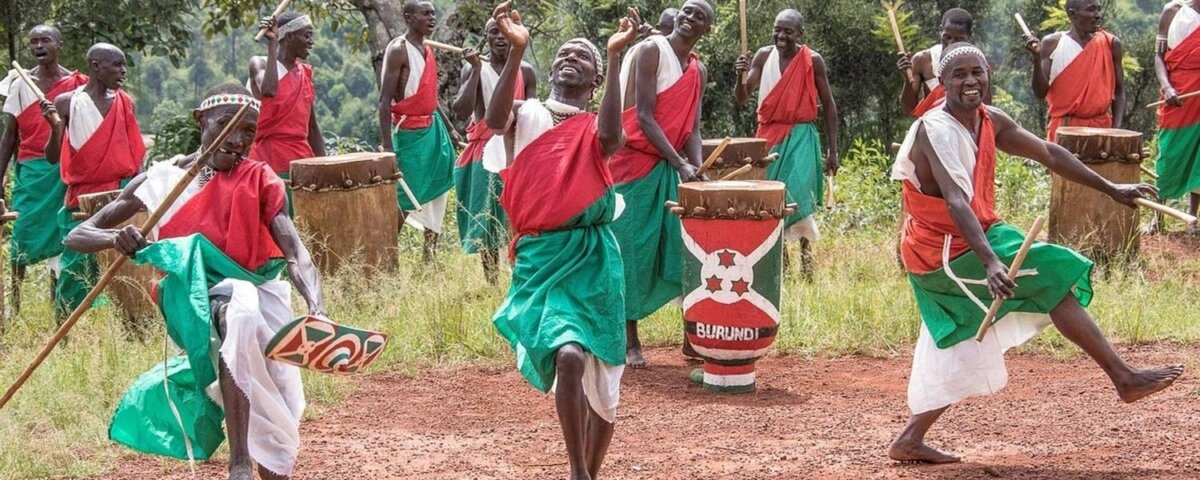
Burundi Safaris and Tours from Australia
Burundi safaris and tours from Australia offer an opportunity to discover one of East Africa’s most fascinating destinations, where beautiful landscapes, rich cultural traditions, peaceful lakeside scenery and unique wildlife experiences create an unforgettable travel experience. Although Burundi remains less explored than some of its East African neighbours, the country offers remarkable attractions for travellers who want to understand Africa beyond the popular safari destinations. From the beautiful shores of Lake Tanganyika to the traditional drumming performances of Gishora, the rolling hills of Gitega and the natural landscapes of its national parks, Burundi presents a different side of African tourism. However, Australian travellers should carefully assess current travel advisories and local security conditions before making travel arrangements.
Planning a journey from Australia to Burundi requires thoughtful preparation, particularly when arranging international flights, accommodation, visas, ground transportation and sightseeing activities. Fortunately, travellers can work with experienced East African tour operators to organise suitable itineraries and understand the practical details of visiting this beautiful country. Whether you are considering a cultural holiday, a nature experience, a photography trip or a longer East African adventure, Burundi offers several interesting opportunities to explore.
At Giant Holiday Safaris, we believe that meaningful African travel begins with proper information, thoughtful planning and respect for local communities. Therefore, this guide explores Burundi safaris and tours from Australia, including attractions, cultural experiences, travel arrangements, accommodation, transportation, suggested itineraries, budgeting and important travel considerations. Our goal is to help Australian travellers understand what Burundi offers and how to approach a well-planned East African holiday.
Why Choose Burundi for a Safari and Holiday from Australia?
Burundi offers a different kind of African holiday for travellers who want to explore destinations beyond the familiar tourism circuits. While countries such as Kenya and Tanzania attract international attention through their famous wildlife reserves, Burundi introduces visitors to a combination of cultural heritage, freshwater landscapes, traditional communities and beautiful countryside.
One of the country’s greatest attractions is its cultural identity. Burundi has maintained important traditions through music, dance, storytelling, traditional craftsmanship and community celebrations. Consequently, travellers can learn about the country’s history while enjoying opportunities to interact respectfully with local communities.
Furthermore, Burundi offers impressive natural scenery. Lake Tanganyika creates a beautiful setting along the western part of the country, while the countryside features green hills, agricultural landscapes and small communities. The country’s rivers, wetlands and protected natural areas also provide opportunities for nature appreciation and birdwatching.
Another reason to consider Burundi is its position within East Africa. Travellers interested in exploring several African countries can consider including Burundi in a wider regional itinerary, subject to current border conditions and available transportation.
However, Australian visitors should understand that Burundi currently carries significant travel warnings. Australia’s Smartraveller advises travellers to reconsider their need to visit the country and identifies areas where travel should not take place. Therefore, destination appeal must never replace careful security assessment and professional travel planning.
Where Is Burundi Located in Africa?
Burundi is a small, landlocked country in East Africa. It shares borders with Tanzania, Rwanda and the Democratic Republic of the Congo. Despite its relatively small geographical size, the country has diverse landscapes and a rich cultural history.
The western side of Burundi borders Lake Tanganyika, one of the world’s deepest freshwater lakes. This enormous lake creates an important natural feature and supports fishing communities, transportation activities and lakeside settlements. Moreover, its surrounding scenery provides some of the country’s most attractive natural views.
Bujumbura, the country’s largest city and former capital, stands along the northeastern shores of Lake Tanganyika. Gitega serves as the political capital and offers important cultural and historical attractions. Other towns and settlements provide access to rural communities, agricultural landscapes and traditional heritage sites.
Burundi’s location makes it an interesting destination for travellers studying the geography and culture of East Africa. Its relationship with neighbouring countries has also shaped its history, languages, traditions and economic activities.
For Australians, understanding Burundi’s location helps when planning international flights and considering regional travel arrangements. However, geographical proximity does not automatically mean that land crossings are available. In particular, the Burundi and Rwanda land border remains closed according to current Australian travel advice. Travellers should therefore confirm all transport arrangements before committing to a regional itinerary.
How to Travel from Australia to Burundi
Travelling from Australia to Burundi requires an international flight itinerary because no direct commercial flights connect Australian cities with Bujumbura. Most travellers need to connect through international aviation hubs before reaching Melchior Ndadaye International Airport.
Australian travellers departing from Sydney, Melbourne, Brisbane, Perth or Adelaide can investigate flight connections through major international hubs in the Middle East, Asia or Africa. The most suitable route depends on airline schedules, ticket availability, transit requirements and the final departure city.
Some possible routing options involve connections through Doha, Dubai, Addis Ababa or other major aviation centres. However, available services change regularly, so travellers should compare complete itineraries rather than selecting flights based only on the number of connections.
When comparing flight options, consider the following factors:
Total journey time from Australia to Burundi.
Number of airport connections.
Transit visa requirements.
Baggage allowances and transfer arrangements.
Airline cancellation and rescheduling policies.
Arrival times in Bujumbura.
Flexibility in case of unexpected travel disruptions.
Furthermore, allow sufficient connection time between international flights. A short transit may look convenient, but delays can create difficulties when airlines operate separate tickets.
Before purchasing flights, confirm that Burundi’s airport is operating normally and that your intended journey remains consistent with current Australian travel advice. The airport can experience unexpected closures, and airlines may change schedules due to operational or security conditions.
Burundi Visa Requirements for Australian Travellers
Australian passport holders need a visa to enter Burundi. Therefore, obtaining the correct entry documentation should form an important part of the travel planning process.
Travellers should contact the relevant Burundian immigration authorities or diplomatic representatives to confirm the latest visa application procedures, required documents, fees and processing times. Visa conditions can change, so relying on outdated information may create unnecessary problems.
Australian travellers should also check the current requirement to complete Burundi’s online incoming or outgoing passenger registration process. According to Australia’s Smartraveller guidance, travellers entering or transiting Burundi must complete the relevant online registration before travelling and obtain the required certificate.
Common documents that travellers may need include:
A valid Australian passport.
A completed visa application.
Recent passport photographs.
Confirmed travel arrangements.
Evidence of accommodation.
A return or onward travel itinerary.
Relevant health documentation.
Any additional documents requested by immigration authorities.
Travellers should also check their passport validity. Many international destinations require at least six months of remaining validity, although the final requirement must come from the relevant immigration authority.
Importantly, a visa does not guarantee entry under every circumstance. Immigration officials retain the authority to assess travellers at the border. Therefore, Australian visitors should keep their travel documents organised and answer immigration questions accurately.
We recommend completing visa arrangements well before departure and confirming the latest entry conditions with official authorities before purchasing non-refundable travel services.
Best Time to Plan Burundi Safaris and Tours from Australia
Burundi experiences a tropical climate influenced by altitude, rainfall patterns and regional geography. Although the country lies close to the equator, its hills and elevated areas create differences in temperature and local weather conditions.
Generally, Burundi experiences a longer rainy period from around February to May, a shorter dry period from June to September, a shorter rainy period around October and November, and another relatively dry period around December and January. These patterns can vary between locations and individual years.
The drier months often provide more comfortable conditions for countryside exploration, cultural visits and outdoor activities. Roads may also become easier to navigate when rainfall decreases. Nevertheless, travellers should not assume that every attraction remains accessible throughout the year.
The rainy periods create greener landscapes and can make the countryside particularly attractive. However, heavy rainfall may affect road conditions, rural transportation and access to certain locations.
Australian travellers should consider the following factors when selecting travel dates:
Current security conditions across Burundi.
Weather forecasts for intended destinations.
Availability of accommodation.
International flight schedules.
Access to planned attractions.
Local transportation conditions.
Flexibility for unexpected changes.
Rather than choosing travel dates based entirely on weather, travellers should first assess official security advice. This consideration remains particularly important because current Australian government guidance advises reconsidering travel to Burundi overall.
Top Attractions to Explore in Burundi
Burundi offers several attractions that introduce visitors to its cultural identity, natural environment and historical development. Although the country does not have the same large-scale safari infrastructure as some neighbouring destinations, it offers interesting places for cultural learning and nature appreciation.
Its attractions include historic monuments, traditional cultural centres, freshwater landscapes, national parks and beautiful countryside. Each destination contributes something different to the country’s tourism identity.
Bujumbura provides access to urban culture and Lake Tanganyika. Gitega introduces visitors to Burundi’s traditional heritage, while Gishora offers an important connection to the country’s famous drumming traditions.
Nature enthusiasts may also find interest in Burundi’s wetlands, rivers, forests and protected landscapes. However, current travel restrictions and official security warnings affect the suitability of several areas. For example, Australia’s Smartraveller specifically advises against travel to Kibira National Park and certain border regions.
Therefore, travellers should never assume that an attraction’s existence means that a visit is currently advisable. Professional itinerary planning should begin with a review of the latest government advice and local conditions.
The following attractions help explain Burundi’s tourism potential and the experiences that have traditionally attracted visitors.
Discover Lake Tanganyika
A major natural landmark of East Africa
Lake Tanganyika is among Burundi’s most recognisable natural attractions. The enormous freshwater lake stretches across several East African countries and forms an important part of the region’s geography, ecology and local economy.
Along the Burundian shoreline, the lake creates beautiful natural scenery with open water, distant mountain views and settlements connected to fishing and lakeside activities. Its surroundings also support different bird species and aquatic habitats.
Lake Tanganyika has considerable cultural and economic importance. Local fishing communities depend on the lake for their livelihoods, while nearby settlements use its resources for trade and daily activities. Consequently, the lake provides visitors with an opportunity to understand the relationship between people and freshwater environments.
Bujumbura offers the most familiar urban connection to Lake Tanganyika. The lakeside environment has traditionally attracted visitors interested in scenery, photography and relaxation.
Travellers should, however, understand that recreational activities and lakeside visits require careful attention to security advice. Australia’s current travel guidance identifies significant security concerns, including risks affecting roads and areas around the lake.
For this reason, Lake Tanganyika should feature in a Burundi travel itinerary only when current official guidance and professional local assessments support the proposed visit.
Explore Gitega and Burundi’s Cultural Heritage
Gitega is the political capital of Burundi and an important destination for understanding the country’s history and cultural identity. The city occupies an elevated position within the central part of the country and offers a different atmosphere from the larger urban environment of Bujumbura.
One of Gitega’s major cultural attractions is the National Museum of Gitega. The museum preserves objects and historical collections that help visitors understand traditional Burundian life, cultural practices and the country’s historical development.
A museum visit provides an opportunity to learn about traditional clothing, household objects, craftsmanship and important cultural traditions. Moreover, it helps travellers appreciate how historical experiences have influenced modern Burundian society.
Gitega also offers an opportunity to understand Burundi’s agricultural communities. The surrounding countryside features hills, farms and rural settlements that contribute to the country’s distinctive landscape.
Cultural tourism in Gitega should involve respect for local traditions and historical sites. Visitors should follow museum regulations, ask permission before photographing individuals and use knowledgeable local guides when appropriate.
However, travellers must assess current security conditions before including Gitega in their plans. An attractive cultural destination does not automatically represent a suitable travel choice under changing security circumstances.
Experience the Traditional Drummers of Gishora
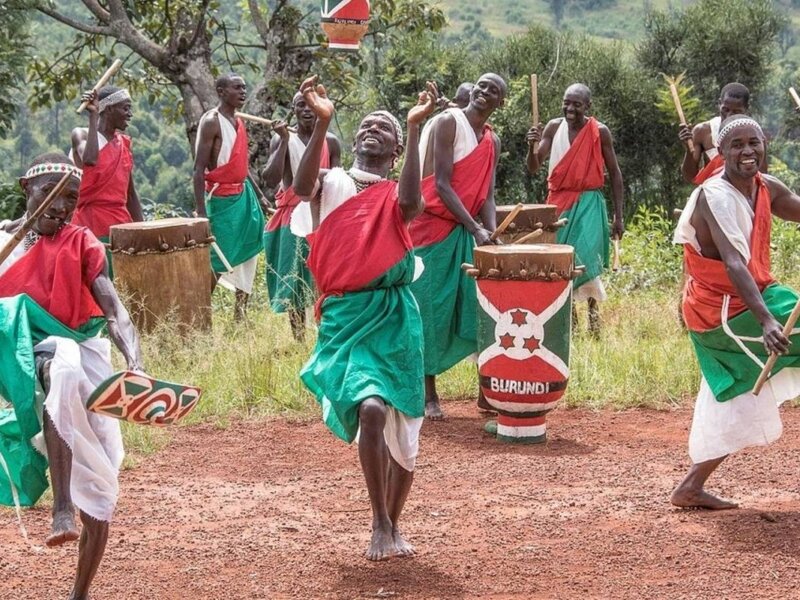
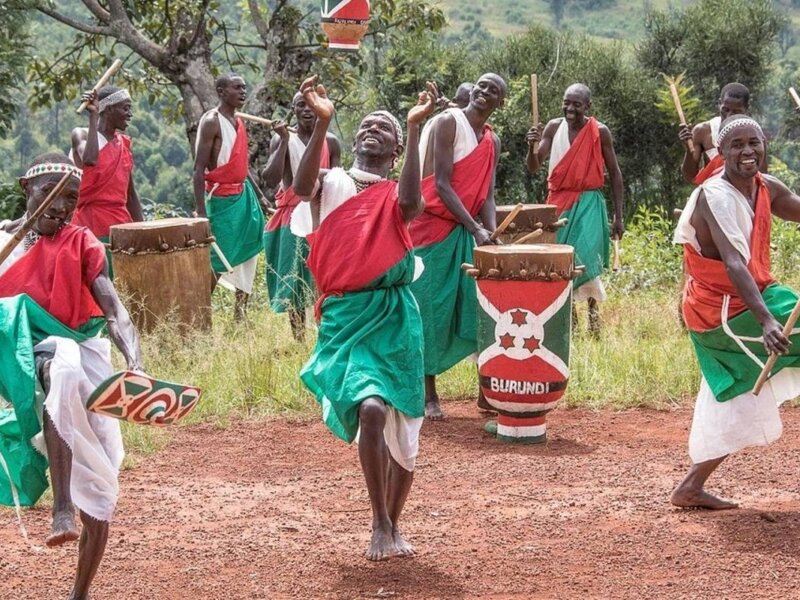
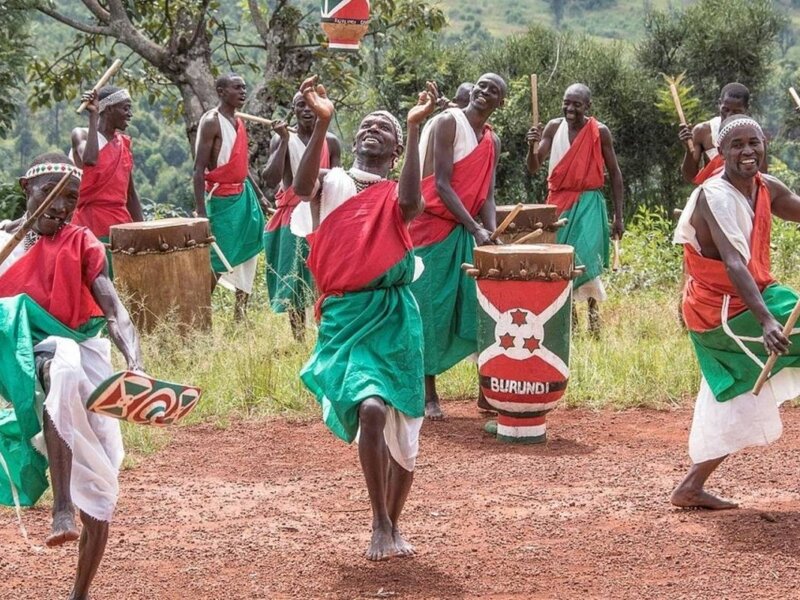
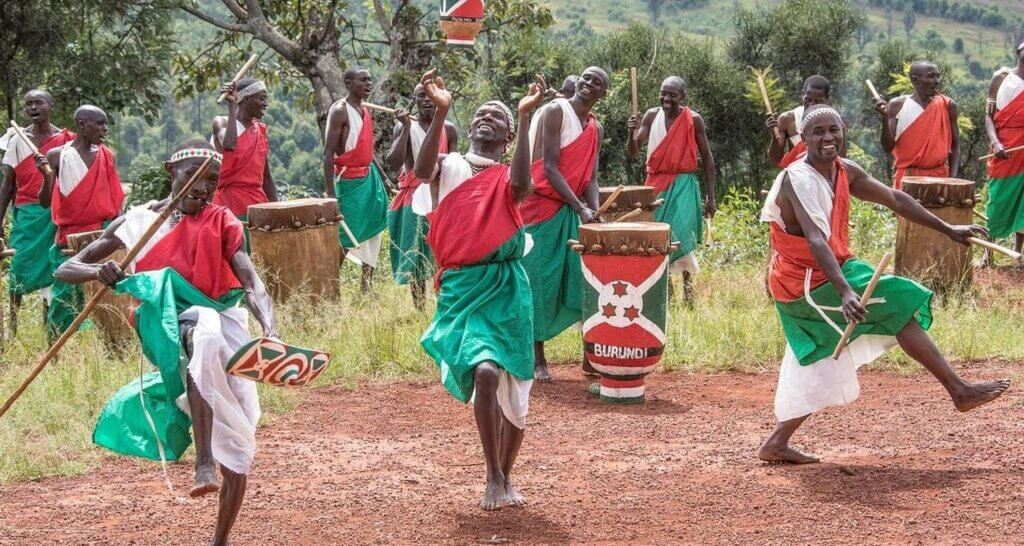
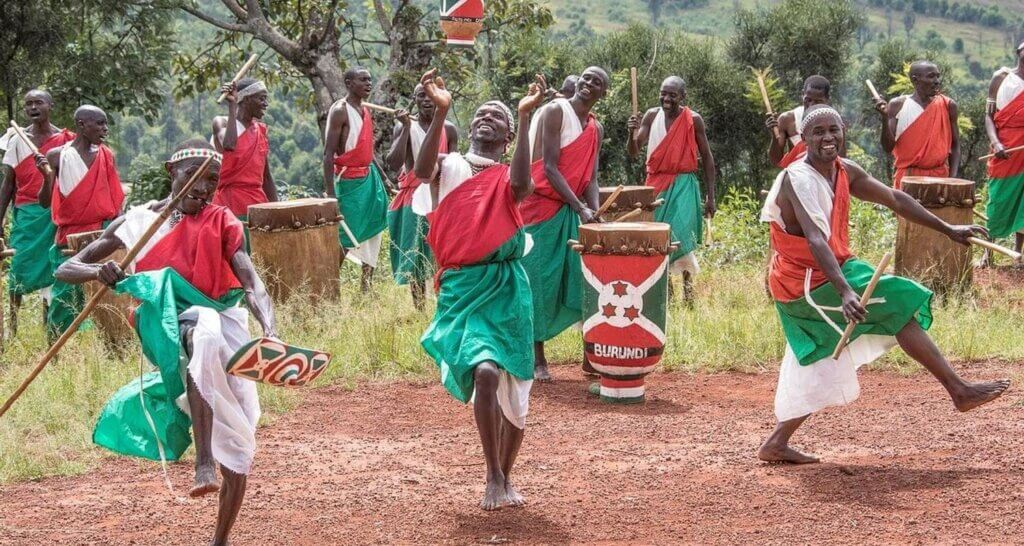
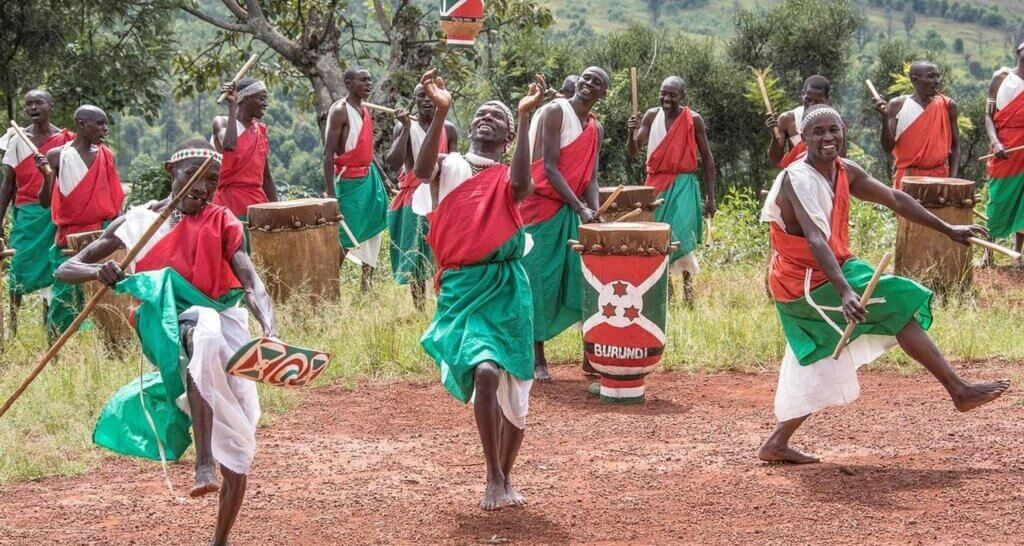
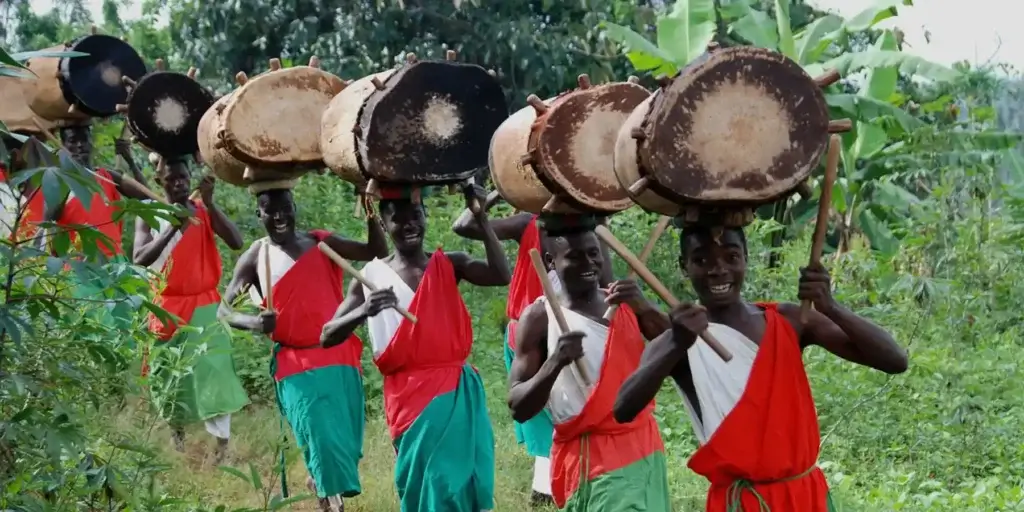
Traditional Burundian drumming is one of the country’s most important cultural expressions. The famous drummers of Gishora represent an important part of this heritage and demonstrate the relationship between music, community identity and traditional ceremonies.
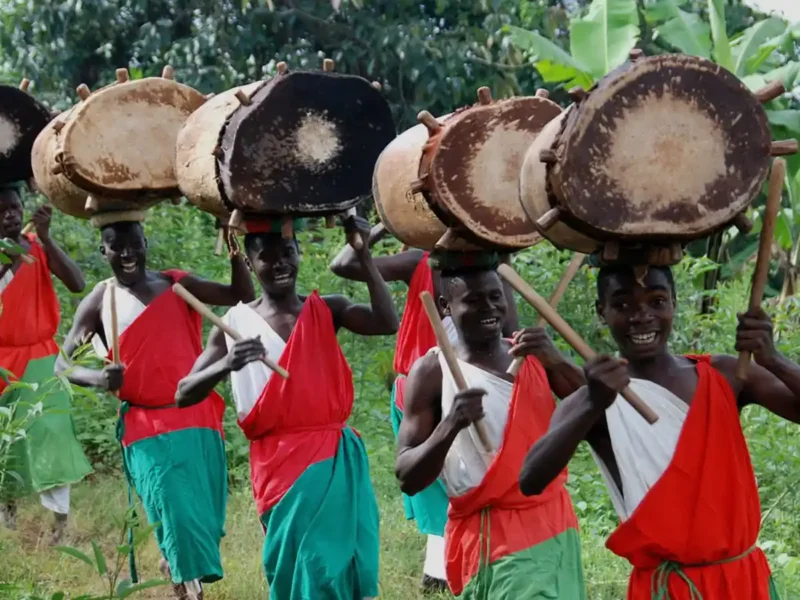
The Royal Drummers of Burundi use large traditional drums and coordinated performances to create powerful rhythms. Their performances combine musical skill, physical movement and cultural symbolism.
Gishora, located near Gitega, has traditionally served as an important centre for understanding this drumming heritage. Visitors interested in African culture can learn about the meaning of traditional instruments and their place in Burundian history.
A cultural performance can provide a deeper experience than simply watching a musical presentation. Travellers can learn about the construction of traditional drums, the importance of performance traditions and the role of music in community celebrations.
Furthermore, cultural tourism can support local artists when visitors engage with recognised performers and responsible tourism providers.
Photography and video recording should always respect performers and local regulations. Visitors should also avoid treating traditional ceremonies as ordinary entertainment without considering their cultural meaning.
As with other attractions in Burundi, travellers should confirm current security conditions before arranging visits to Gishora or other cultural locations.
Visit the Southernmost Source of the Nile
Burundi has an interesting connection to the Nile River through a location known as the Southernmost Source of the Nile. This attraction offers an opportunity to explore the geographical relationship between Burundi and one of Africa’s most famous river systems.
The site lies in the Rutovu area of Bururi Province. A small pyramid marks the location and provides a point of interest for visitors exploring the country’s geographical heritage. The surrounding landscape features green hills and rural scenery that reflect Burundi’s distinctive countryside.
The source forms part of a wider river system that eventually connects with Lake Victoria and the Nile. Consequently, the location attracts travellers interested in African geography, natural history and the origins of important waterways.
A visit traditionally provides an opportunity to learn about the Nile’s connection with the Great Lakes region. Travellers can also appreciate the surrounding agricultural landscapes and the communities that live in this part of Burundi.
For Australian visitors, this attraction can form part of a wider geographical and cultural itinerary. Nevertheless, road conditions, security advice and access arrangements must receive careful attention before any visit.
Discover Rusizi National Park
Rusizi National Park is an important natural attraction located near Bujumbura. The park protects wetland and river ecosystems associated with the Rusizi River and its delta, creating habitats for several wildlife species.
One of its best-known attractions is the presence of hippopotamuses. These large mammals inhabit the river environment, where they share the ecosystem with different bird species and other wildlife.
The park also offers opportunities for birdwatching and nature education. Its wetlands support important ecological processes, while the surrounding vegetation provides habitats for different animals.
For travellers interested in African nature, Rusizi represents an opportunity to understand wetland conservation beyond the traditional savannah safari experience. Instead of concentrating only on large terrestrial mammals, visitors can appreciate the importance of rivers, marshes and aquatic habitats.
The park’s proximity to Bujumbura has traditionally made it an accessible destination for visitors staying in the city. However, accessibility should never be assumed under changing security conditions.
Australian travellers should check current government travel warnings and obtain professional local advice before considering any visit. A responsible safari operator should assess the proposed route and confirm whether an excursion is appropriate.
Explore Ruvubu National Park
Ruvubu National Park is Burundi’s largest national park and an important conservation area in the northeastern part of the country. It protects extensive natural landscapes and provides habitats for several wildlife species.
The park covers more than 50,000 hectares and contains savannah environments, river systems and woodland vegetation. Its wildlife includes buffaloes, antelopes, monkeys and hippopotamuses.
Unlike the famous wildlife destinations of Kenya and Tanzania, Ruvubu offers a less commercialised understanding of African conservation. Its ecological importance comes from protecting natural habitats and supporting wildlife populations within Burundi.
Nature enthusiasts can learn about the relationship between protected landscapes, local communities and wildlife conservation. Birdwatching also provides an interesting opportunity to appreciate the biodiversity of the region.
However, visitors should understand that wildlife sightings cannot be guaranteed. Animal movements depend on seasons, habitat conditions and other natural factors.
Ruvubu’s geographical location and current travel considerations require special attention. Australian travel advice should guide any decision about visiting the park, and travellers should not arrange excursions into areas where authorities advise against travel.
Discover Burundi’s Countryside and Traditional Communities
Burundi’s countryside provides a valuable introduction to the country’s everyday life, agricultural traditions and natural environment. The landscape features rolling hills, small settlements, cultivated fields and green valleys.
Agriculture plays an important role in Burundi’s economy and daily activities. Many rural households depend on farming, while crops such as coffee, tea, bananas, beans and other food products contribute to local livelihoods.
For travellers interested in community tourism, rural experiences can provide a better understanding of how people live, work and maintain cultural traditions. A knowledgeable local guide can explain farming practices, traditional food preparation and the importance of family and community relationships.
Furthermore, countryside exploration offers opportunities to appreciate the country’s natural scenery. The changing colours of agricultural landscapes create interesting photography opportunities, particularly during greener periods.
Responsible tourism should always respect private property and community expectations. Visitors should seek permission before photographing people, entering farms or recording cultural activities.
When organised appropriately, community tourism can create economic opportunities for local residents while encouraging cultural preservation. Nevertheless, Australian visitors should consider countryside excursions only when current security conditions support the proposed journey.
Burundi Safari Experiences for Australian Travellers
Burundi offers several nature and cultural experiences that differ from the traditional big-game safaris associated with East Africa. Instead of focusing exclusively on lions, elephants and large herds of migrating wildlife, visitors can explore wetlands, forests, freshwater environments and cultural landscapes.
Birdwatching is one of the interesting activities for nature enthusiasts. Burundi’s different habitats support a variety of bird species, including birds associated with wetlands, woodland environments and open grasslands.
Wildlife appreciation provides another opportunity to understand the country’s natural heritage. Protected areas contain animals such as hippopotamuses, buffaloes, antelopes and different primates.
Cultural experiences also form an important part of Burundi tourism. Traditional music, drumming, historical museums and local craftsmanship provide opportunities to understand the country’s identity.
Australian travellers should approach these experiences with realistic expectations. Burundi does not offer the same safari infrastructure, accommodation choices or wildlife viewing opportunities as the more established safari destinations in the region.
Additionally, current security warnings significantly affect the suitability of proposed excursions. Therefore, an experienced tour operator should never promise access to attractions without first assessing official restrictions and local conditions.
Cultural Experiences to Enjoy in Burundi
Burundi’s cultural heritage provides one of the strongest reasons to understand the country beyond its natural attractions. Its traditions reflect centuries of community life, agricultural practices, music, craftsmanship and social organisation.
Traditional drumming remains an important symbol of national identity. Performances combine rhythm, movement and cultural meaning, making them particularly interesting for visitors who want to learn about African music traditions.
Burundian storytelling also contributes to cultural preservation. Through stories and oral traditions, communities maintain knowledge about history, values, leadership and relationships between generations.
Traditional crafts provide another area of interest. Visitors may encounter locally produced baskets, pottery, decorative objects and other handmade items. Purchasing authentic products from local artisans can support small businesses and encourage the continuation of traditional skills.
Food also introduces visitors to Burundian culture. Meals commonly include beans, bananas, vegetables, cassava, sweet potatoes, maize and other locally available ingredients.
Australian travellers should approach cultural encounters with curiosity and respect. Learn a few basic Kirundi greetings, ask questions politely and follow local expectations when attending cultural events.
Above all, responsible cultural tourism should allow local communities to represent their traditions in their own way rather than turning cultural activities into performances without meaning.
Traditional Burundian Food to Experience
Food offers another interesting way to understand Burundi’s cultural identity. Traditional Burundian cuisine relies heavily on locally available agricultural products and reflects the country’s farming traditions.
Beans form an important part of everyday meals. They often accompany bananas, cassava, sweet potatoes, vegetables or maize-based dishes. These foods provide filling meals that reflect the country’s agricultural environment.
Bananas also play an important role in Burundian cooking. Depending on the variety and preparation method, they can feature in savoury dishes or serve as part of other meals.
Isombe is another dish worth learning about. It commonly features cassava leaves prepared with other ingredients, creating a traditional meal enjoyed in different parts of the Great Lakes region.
Grilled fish is particularly associated with communities around Lake Tanganyika. Local fish preparations reflect the importance of the lake to food production and the livelihoods of fishing communities.
Australian visitors should communicate dietary preferences and food allergies to their accommodation providers or tour operators before travelling. Furthermore, travellers should choose hygienic restaurants, eat properly prepared meals and drink safe bottled or treated water.
Exploring local food markets can also provide insight into the ingredients and agricultural products that shape Burundian cuisine.
Accommodation Options for Australian Travellers in Burundi
Accommodation plays an important role in the overall travel experience. Australian travellers considering Burundi should investigate suitable accommodation in advance and confirm availability, security arrangements and essential services.
Bujumbura traditionally offers the widest selection of accommodation, including hotels, guesthouses and business-oriented establishments. These properties cater to different traveller requirements, from practical overnight stays to more comfortable hotel experiences.
Gitega also has accommodation options that support visitors interested in cultural and administrative activities. However, travellers should confirm the operating status of individual properties before making reservations.
When selecting accommodation, consider more than the advertised room price. Security arrangements, reliable electricity, clean water, internet access, food services and emergency procedures can significantly influence the quality of a stay.
For Australian visitors, suitable accommodation should provide a secure environment and convenient arrangements for necessary transportation. Travellers should also establish whether the property can support airport transfers and communicate with local service providers.
Luxury travellers may prefer established hotels with additional facilities, while budget-conscious visitors may consider simpler guesthouses where appropriate security and hygiene standards exist.
Importantly, accommodation reservations should remain flexible when conditions are uncertain. Travellers should review cancellation policies and avoid paying non-refundable deposits before confirming that travel remains advisable.
Getting Around Burundi: Transportation and Safari Vehicles
Transportation requires careful planning because Burundi has a relatively limited transport network compared with some established East African tourism destinations.
Bujumbura serves as an important transportation centre, connecting visitors with accommodation, business facilities and selected attractions. However, road conditions, traffic, fuel availability and security considerations can influence travel arrangements.
Private transportation has traditionally offered greater flexibility than public transport for international visitors. A professional driver can help travellers understand local routes, manage luggage and communicate with accommodation providers.
Safari vehicles can also provide comfort during suitable countryside journeys. However, travellers should not assume that every road supports standard safari transportation or that all destinations remain accessible throughout the year.
Before arranging a road journey, confirm:
Current security conditions along the route.
Road accessibility and expected journey time.
Vehicle condition and insurance.
Availability of fuel.
Driver experience and local knowledge.
Emergency communication arrangements.
Suitable overnight accommodation.
Australian travel advice highlights significant road safety and security concerns. It also warns against unnecessary travel after dark and identifies fuel shortages as a recurring challenge.
Therefore, transportation planning should prioritise safety, flexibility and professional local assessment rather than attempting to cover as many attractions as possible.
Combining Burundi with Other East African Safari Destinations
Burundi’s geographical position makes it interesting for travellers who want to understand the wider East African region. Its neighbouring countries offer different cultural experiences, wildlife environments and tourism attractions.
Tanzania provides opportunities to explore famous wildlife destinations such as the Serengeti, Ngorongoro Conservation Area and Tarangire National Park. Kenya offers the Maasai Mara, Amboseli and several other wildlife destinations.
Uganda attracts visitors interested in mountain gorilla trekking, chimpanzee tracking, savannah wildlife and beautiful freshwater landscapes. Rwanda also offers mountain gorilla experiences, cultural attractions and scenic highland environments.
For Australian travellers, a wider East African itinerary can provide a more comprehensive understanding of the region. However, combining several countries requires careful consideration of international flights, border procedures, visas and ground transportation.
Burundi and Rwanda currently have a closed land border according to Australia’s travel guidance. Therefore, travellers must not assume that a road transfer between the two countries is possible.
A regional itinerary should also account for different national travel advisories. A country may have different security conditions from its neighbour, and each destination requires an independent assessment.
Where conditions permit, a professional regional tour operator can help coordinate suitable accommodation, transportation and cultural experiences across the countries included in an itinerary.
Suggested Burundi Safari and Tour Itineraries
A well-planned Burundi holiday should balance cultural discovery, natural attractions, comfortable accommodation and realistic transportation arrangements. The ideal itinerary depends on the traveller’s interests, available time and current conditions at the intended destinations.
The following examples illustrate how travellers could structure a Burundi holiday when official travel advice and local security assessments permit the proposed activities. They are planning examples rather than confirmation that every destination is currently accessible.
Three-Day Burundi Cultural Experience
Day 1: Arrive in Bujumbura and arrange suitable accommodation.
Day 2: Explore selected cultural attractions and learn about Burundi’s history.
Day 3: Visit appropriate local heritage sites before departure.
Five-Day Burundi Nature and Culture Experience
Day 1: Arrive in Bujumbura.
Day 2: Explore suitable urban cultural attractions.
Day 3: Discover Burundi’s traditional music and heritage.
Day 4: Consider an approved countryside experience.
Day 5: Prepare for departure.
Seven-Day Burundi Discovery Holiday
Day 1: Arrive in Burundi.
Day 2: Discover the country’s cultural heritage.
Day 3: Explore suitable historical attractions.
Day 4: Experience traditional Burundian food and community culture.
Day 5: Consider approved nature experiences.
Day 6: Enjoy additional cultural activities.
Day 7: Prepare for your international departure.
These examples provide a starting point for itinerary development. Actual routes, destinations and activities must depend on official travel guidance, available services and professional security assessments.
Estimated Cost of Burundi Safaris and Tours from Australia
The cost of Burundi safaris and tours from Australia depends on several factors, including international flights, accommodation, transportation, travel duration and the type of experiences included.
International flights usually represent one of the largest expenses. The departure city in Australia, airline selection, connecting airports and booking period can influence the final ticket price.
Accommodation also creates significant differences between travel budgets. A simple guesthouse generally costs less than an established hotel offering additional facilities and services.
Transportation is another important consideration. Private vehicles, professional drivers and longer journeys can increase the total cost of a holiday.
Other expenses may include:
Burundi visa and applicable processing fees.
International and local transportation.
Accommodation and meals.
Professional guiding services.
Cultural experiences.
Entrance fees where applicable.
Travel insurance.
Communication and personal expenses.
Emergency funds.
Australian travellers should also consider exchange rates and payment arrangements. Burundi uses the Burundian franc, and cash remains important because card acceptance and ATM availability can be limited.
Rather than relying on generic online safari prices, request a detailed quotation based on your intended travel dates and requirements. A transparent quotation should explain what the price includes, what it excludes and which services remain subject to confirmation.
Most importantly, do not make substantial non-refundable payments before assessing the current travel situation and confirming the feasibility of the proposed itinerary.
Travel Insurance for Australian Visitors to Burundi
Travel insurance is an essential consideration when planning international travel. For Australian visitors considering Burundi, the importance of suitable insurance becomes even greater because of the country’s current security warnings and limitations in medical services.
Travellers should examine their insurance policy carefully before purchasing it. Some policies exclude destinations where the Australian Government advises against travel or recommends reconsidering the need to visit.
This means that buying an ordinary travel insurance policy does not automatically provide protection for every situation in Burundi.
Consider policies that address:
Emergency medical expenses.
Medical evacuation and repatriation.
Trip cancellation and interruption.
Unexpected flight changes.
Lost or delayed baggage.
Personal liability.
Emergency assistance services.
Medical evacuation deserves particular attention. Medical facilities in Burundi have limitations, and serious medical cases may require transportation to another country with more advanced healthcare facilities.
Australian travellers should contact their insurance provider directly and explain their intended destination. Ask for written confirmation of the applicable cover, including any exclusions linked to government travel warnings.
Additionally, maintain copies of your insurance documents and emergency contact details. Share your itinerary with trusted family members and establish a communication plan.
A responsible travel decision begins with understanding the risks and confirming that suitable financial protection exists.
Health Requirements and Travel Preparation for Australian Visitors
Health preparation should form part of every international travel plan. Australian visitors to Burundi should consult a qualified travel health professional well before departure to discuss recommended vaccinations, malaria prevention and other destination-specific health considerations.
A valid yellow fever vaccination certificate is required for entry into Burundi according to current Australian travel guidance. Travellers should therefore confirm their vaccination status and carry the appropriate international certificate.
Malaria also occurs widely in Burundi. A travel health professional can advise on suitable preventive measures based on the intended itinerary and individual circumstances.
Other health considerations include food safety, drinking water, insect protection and access to medical assistance.
Before travelling, consider the following preparations:
Arrange a travel health consultation.
Confirm yellow fever vaccination documentation.
Discuss malaria prevention.
Carry necessary prescription medication.
Pack basic personal medical supplies.
Choose safe drinking water.
Maintain good hand hygiene.
Confirm medical evacuation insurance.
Australian travellers should also monitor official health updates. Current Australian guidance identifies additional health screening measures associated with Ebola developments in the wider region, including temperature checks on arrival in Burundi.
Entry screening requirements can change quickly. Therefore, confirm the latest information with your airline and relevant authorities before departure.
Good preparation helps travellers understand potential health challenges and make informed decisions throughout their journey.
What to Pack for a Burundi Holiday from Australia
Packing for Burundi requires consideration of the climate, travel activities and practical conditions. Although the country experiences warm temperatures in many areas, elevated destinations can feel cooler, particularly during the evening.
Lightweight clothing generally works well for warm conditions. However, travellers should also pack a light jacket, comfortable walking shoes and suitable clothing for cooler weather.
Rain protection is useful, especially during the wetter months. A lightweight waterproof jacket and a small umbrella can help travellers prepare for changing weather conditions.
Some useful packing considerations include:
Lightweight and comfortable clothing.
Comfortable walking shoes.
A light jacket for cooler evenings.
Rain protection.
Sun protection.
Insect repellent.
Personal medication.
Yellow fever vaccination documentation.
Passport and visa documents.
Travel insurance information.
Phone chargers and power banks.
Copies of important travel documents.
Travellers should also consider the availability of electricity and internet services outside major urban areas. A suitable power bank and backup communication arrangements can prove useful.
When visiting cultural attractions, dress respectfully and follow local expectations. Avoid carrying unnecessary valuables and keep important documents secure.
Above all, pack according to the confirmed itinerary rather than assuming that every planned activity will take place. Flexible preparation makes international travel easier when circumstances change.
Understanding Burundian Culture, Language and Local Etiquette
Understanding local culture can make a major difference to the quality of an international holiday. Burundi has a rich cultural identity shaped by traditional customs, community relationships, music, language and historical experiences.
Kirundi is the country’s main national language and is widely spoken throughout Burundi. French also plays an important role in education, administration and communication. Travellers may encounter other languages depending on the community and location.
Learning a few basic Kirundi greetings can help visitors establish friendly interactions. Simple expressions of appreciation and polite greetings demonstrate respect for local culture.
Hospitality and respectful communication are important considerations when interacting with communities. Visitors should listen carefully, avoid making assumptions and respect local customs.
Photography also requires sensitivity. Always seek permission before photographing individuals, private property or cultural activities. Certain government, military and airport facilities have photography restrictions.
Australian travellers should also understand local laws before arrival. For example, same-sex relationships are illegal under Burundian law, and penalties may apply. Travellers should consult official advice about local laws and personal safety before making any decision to visit.
Cultural awareness is not simply about following rules. It also involves appreciating the values, history and everyday experiences of the people who make Burundi unique.
Responsible Tourism and Supporting Local Communities in Burundi
Responsible tourism plays an important role in protecting natural environments and supporting communities. For Australian visitors, choosing responsible travel experiences can help ensure that tourism contributes positively to the destinations they explore.
Burundi has important cultural and natural resources that deserve protection. Its traditional music, craftsmanship, agricultural practices and protected ecosystems form part of the country’s heritage.
Travellers can support responsible tourism in several ways. Purchasing locally produced crafts, using qualified local guides and choosing community-based services can help create economic opportunities for residents.
Furthermore, visitors should respect wildlife habitats and avoid activities that disturb animals. Nature experiences should follow conservation regulations and guidance from authorised park personnel.
Environmental responsibility also matters. Avoid littering, minimise unnecessary plastic waste and respect local water resources. When visiting natural attractions, follow established visitor guidelines and avoid damaging vegetation.
Cultural responsibility requires similar attention. Visitors should respect traditional ceremonies, seek permission before taking photographs and avoid treating local customs as entertainment without understanding their meaning.
At Giant Holiday Safaris, we believe African tourism should create meaningful connections between travellers, local communities and natural environments. However, responsible tourism also means recognising when travel should not take place. Where official security advice identifies serious risks, postponing a holiday is the responsible decision.
Important Safety Considerations for Australian Travellers Visiting Burundi
Safety should be the first consideration when planning Burundi safaris and tours from Australia. Although Burundi has important cultural and natural attractions, Australian travellers must understand the current security situation before making travel decisions.
As of 24 November 2026, Australia’s Smartraveller advises travellers to reconsider their need to travel to Burundi overall because of terrorism and the risk of civil unrest. It also identifies specific areas where Australians should not travel, including Cibitoke and Bubanza provinces, Kibira National Park and parts of Bujumbura Rural Province bordering the Democratic Republic of the Congo.
The advisory also identifies concerns involving violent crime, road travel, border security and limited emergency services.
Australian visitors should take the following precautions:
Read the latest Australian government travel advice.
Avoid destinations identified under do not travel warnings.
Consult qualified local security professionals.
Avoid unnecessary movement after dark.
Confirm road and airport operating conditions.
Maintain regular communication with trusted contacts.
Obtain appropriate travel insurance.
Keep emergency contact information available.
Follow instructions from local authorities.
Travellers should also understand that Australia’s consular assistance in Burundi is limited because Australia does not maintain an embassy or consulate in the country. The Australian High Commission in Nairobi provides consular support.
Furthermore, Burundi’s border with Rwanda remains closed according to current Australian travel guidance. Travellers planning regional journeys must account for this restriction.
We strongly recommend reviewing the complete Smartraveller advisory immediately before making a booking and again before departure. Travel decisions should reflect the latest official information rather than assumptions based on previous visits or historical tourism conditions.
Why Book Burundi Safaris and Tours with Giant Holiday Safaris?
Planning an African holiday from Australia requires reliable information, proper organisation and an understanding of the destinations involved. Working with an experienced regional tour operator can help travellers understand their options and coordinate suitable travel arrangements.
Giant Holiday Safaris is an East African tour operator specialising in safari experiences, cultural holidays and customised travel arrangements across Uganda and other destinations in the region.
Our approach focuses on understanding each traveller’s interests and developing practical itineraries that reflect their available time, expectations and travel requirements.
We recognise that international visitors need clear information before making travel commitments. Therefore, we place importance on transparent communication, suitable accommodation arrangements, transportation planning and professional local knowledge.
Our regional experience also helps us understand the connections between different East African destinations. This knowledge can support travellers interested in combining cultural experiences with wildlife safaris in countries such as Uganda, Kenya and Tanzania, subject to current travel conditions.
When considering Burundi, we prioritise honest destination information and responsible planning. We do not believe in promising access to attractions without checking the relevant security conditions and operational requirements.
Our planning approach considers:
Individual travel interests and expectations.
Suitable accommodation arrangements.
International arrival and departure logistics.
Ground transportation requirements.
Cultural and nature experiences.
Realistic itinerary development.
Transparent cost information.
Current travel restrictions and safety considerations.
Our objective is to help international travellers make informed decisions while discovering the cultural and natural richness of East Africa.
Frequently Asked Questions About Burundi Safaris and Tours from Australia
Can Australians travel to Burundi for a holiday?
Australian passport holders can apply for the required Burundi visa. However, visa eligibility does not mean that travel is advisable. As of 24 November 2026, Australia’s Smartraveller advises reconsidering the need to travel to Burundi because of security concerns. Travellers should review the latest official advice before making arrangements.
Are there direct flights from Australia to Burundi?
There are no direct commercial flights connecting Australia with Bujumbura. Travellers generally need international connections through major aviation hubs. Available routes depend on airline schedules, departure cities and operational conditions.
Do Australian citizens need a visa for Burundi?
Yes. Australian passport holders require a visa to enter Burundi. Travellers should confirm the latest application procedures, documentation and fees with Burundian immigration authorities before departure.
What is the best time to visit Burundi?
Burundi generally experiences relatively drier conditions between June and September and around December and January. However, weather should not be the only consideration. Current government travel advice and security conditions should determine whether a visit is appropriate.
What currency does Burundi use?
Burundi uses the Burundian franc, abbreviated as BIF. Cash is important because card acceptance and ATM availability can be limited. Australian travellers should plan their money arrangements before departure.
What language do people speak in Burundi?
Kirundi is the main national language. French and English also have a role in communication, although English is not universally spoken. Learning a few basic Kirundi greetings can help visitors interact respectfully with local communities.
Can I combine Burundi with a Uganda safari?
Burundi and Uganda can form part of a wider East African travel plan. However, travellers must consider international flights, border requirements, visas and individual country travel advisories. Any proposed journey should receive a fresh security assessment before confirmation.
What wildlife can visitors see in Burundi?
Burundi’s protected natural environments support animals such as hippopotamuses, buffaloes, antelopes and different primate species. Birdwatching is another interesting nature activity. However, wildlife sightings depend on natural conditions, and access to individual parks may be affected by current travel restrictions.
Is Burundi suitable for family holidays?
Burundi has cultural and natural attractions that may interest families. However, the current Australian travel advisory requires particular attention. Families should assess the security situation carefully and consult professional travel and security advisers before considering a visit.
Can Giant Holiday Safaris organise a customised Burundi tour?
Giant Holiday Safaris can assist with regional travel planning and discuss potential cultural and nature itineraries. However, any Burundi arrangements must remain subject to current security advice, destination accessibility and operational feasibility. We prioritise responsible recommendations over confirming journeys that may expose travellers to unnecessary risks.
Conclusion: Plan Your Burundi Safaris and Tours from Australia with Confidence
Burundi safaris and tours from Australia introduce travellers to a fascinating part of East Africa, where traditional drumming, historical heritage, Lake Tanganyika, beautiful countryside and diverse natural environments create an interesting tourism destination. From discovering Gitega’s cultural heritage to understanding the importance of the Southernmost Source of the Nile, Burundi offers experiences that help international visitors appreciate Africa’s cultural and geographical diversity.
However, a successful African holiday requires more than selecting attractive destinations. Australian travellers must understand visa requirements, international flight connections, accommodation arrangements, health preparations, transportation and local customs. Most importantly, they must consider the current security situation and follow official government travel advice.
At Giant Holiday Safaris, we believe that quality African tourism begins with accurate information, responsible recommendations and thoughtful travel planning. Our regional knowledge allows us to help international visitors understand East Africa and explore suitable travel opportunities across the region.
If you are researching Burundi safaris and tours from Australia, take time to understand the destination, assess current travel conditions and prepare your journey carefully. When conditions permit, Burundi can offer a valuable cultural and natural experience as part of a wider East African discovery.