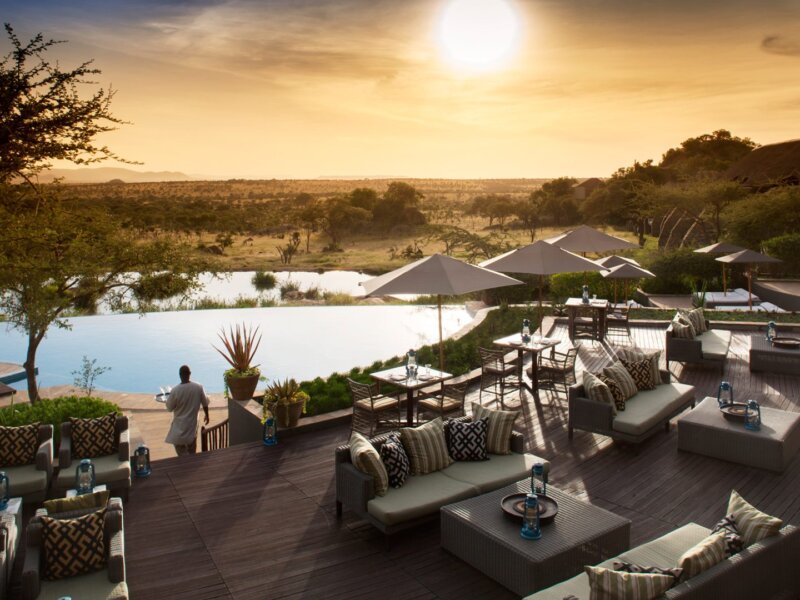
Four Seasons Safari Lodge
April 9, 2026
Anantya Serengeti Camp
April 9, 2026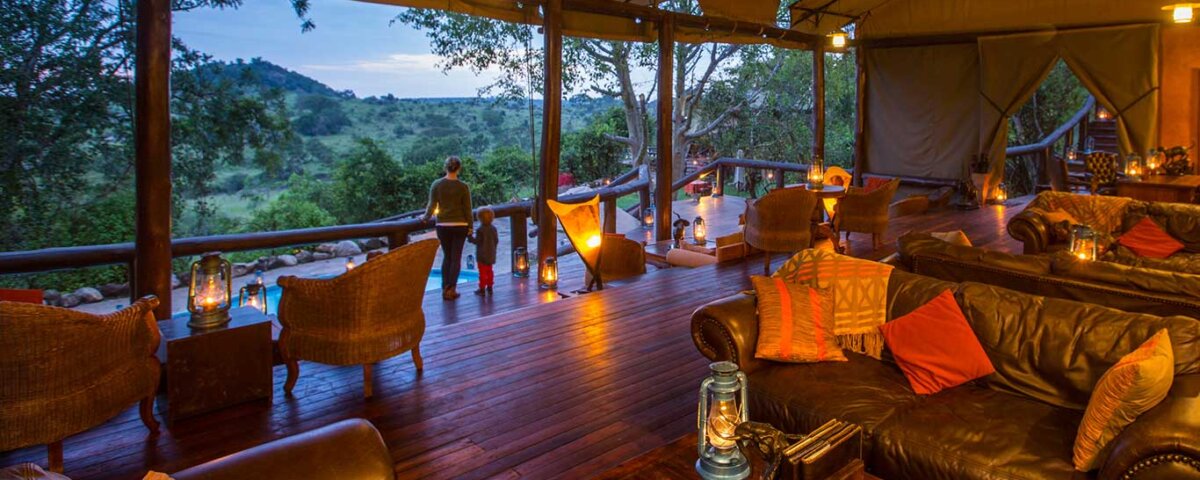
Elewana Serengeti Migration Camp
Elewana Serengeti Migration Camp stands as one of the most exclusive safari camps in East Africa. It sits in the northern corridor of the Serengeti National Park, a prime location that places guests right in the path of the world-famous Great Migration. Because of this strategic setting, travelers enjoy front-row views of thousands of wildebeests, zebras, and predators throughout the year.
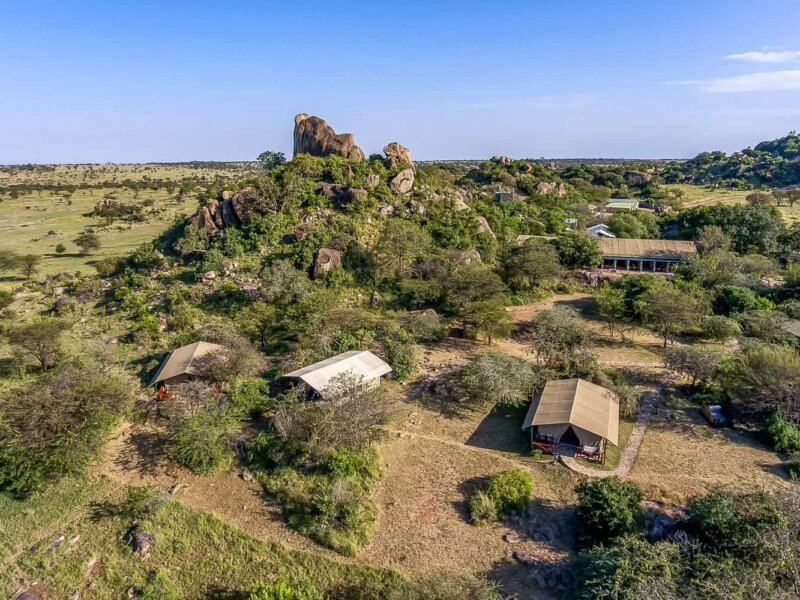
The camp blends luxury with wilderness. Canvas tents rest on raised wooden platforms and overlook the Grumeti River, where hippos and crocodiles thrive. At the same time, the camp design respects nature and maintains a low environmental footprint. Guests feel immersed in the wild without sacrificing comfort.
Moreover, the camp delivers an authentic safari atmosphere with personalized service. Every stay includes guided game drives, fine dining, and breathtaking landscapes. As a result, travelers gain both adventure and relaxation in one destination. For anyone seeking a high-end Serengeti safari experience, this camp offers unmatched access, comfort, and wildlife encounters.
Accommodation at Elewana Serengeti Migration Camp
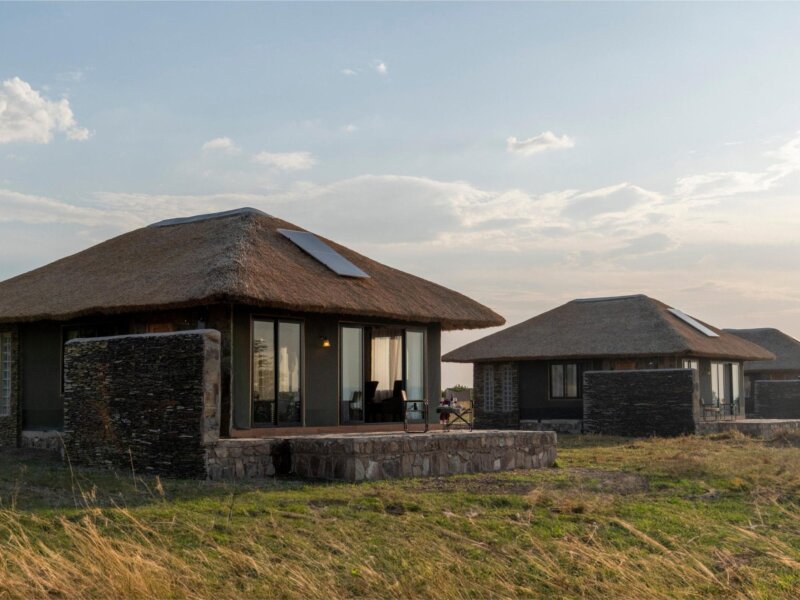
Accommodation at Elewana Serengeti Migration Camp offers a perfect balance of elegance and wilderness immersion. The camp features spacious luxury tents designed with a classic safari style. Each tent includes en-suite bathrooms, hot showers, and private verandas that open to sweeping views of the Serengeti plains.
Inside the tents, guests enjoy large comfortable beds, polished wooden floors, and tasteful African décor. Natural materials create a warm and inviting atmosphere, while wide windows allow natural light to flow in. As a result, every guest feels connected to the surrounding environment.
In addition, the camp provides family tents for travelers who explore Africa with children. These units offer extra space and privacy without compromising comfort. The main lodge area features a lounge, bar, and dining space where guests relax after game drives.
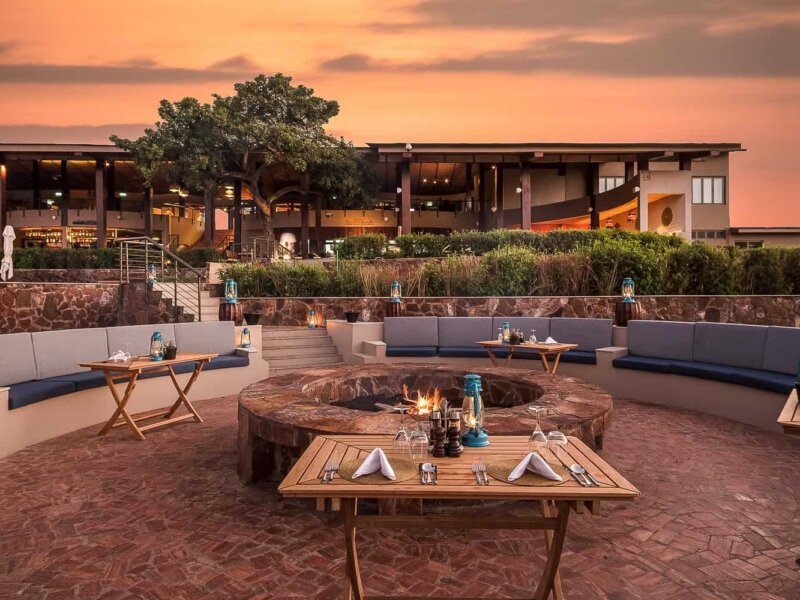
Even more, the camp delivers excellent cuisine prepared with fresh ingredients. Guests enjoy meals under the open sky or in elegant dining areas. Therefore, every moment at the camp reflects quality, comfort, and attention to detail, making it ideal for luxury safari travelers.
Serengeti National Park
Serengeti National Park ranks among Africa’s most iconic safari destinations. The park covers vast open plains, rolling hills, and river systems that support an incredible variety of wildlife. It hosts the Great Migration, one of the most spectacular natural events on Earth.
Visitors encounter the Big Five, including lions, elephants, leopards, buffalo, and rhinos. In addition, the park supports cheetahs, giraffes, hyenas, and hundreds of bird species. This diversity creates endless opportunities for wildlife viewing throughout the year.
The Serengeti also offers stunning landscapes that change with the seasons. Golden grasslands stretch across the horizon, while riverine forests add contrast and beauty. Because of its size and ecological richness, every game drive reveals something new.
Furthermore, the park’s conservation success makes it a global symbol of wildlife protection. Travelers not only enjoy unforgettable experiences but also support sustainable tourism. For those seeking a true African safari, the Serengeti delivers unmatched adventure and natural beauty.
Best Time to Visit Serengeti National Park
The Serengeti offers excellent wildlife viewing all year. However, timing your visit enhances your safari experience. From June to October, the dry season creates ideal conditions for game viewing. Animals gather around water sources, and vegetation becomes thinner, making wildlife easier to spot.
During this period, the Great Migration moves toward the northern Serengeti. River crossings occur, where wildebeests face crocodile-filled waters. This dramatic event attracts travelers from around the world.
On the other hand, the green season from November to May brings lush landscapes and fewer crowds. Calving season occurs between January and March in the southern Serengeti. Thousands of wildebeest calves are born, attracting predators and creating thrilling wildlife action.
Moreover, birdwatchers enjoy this season due to the arrival of migratory birds. Therefore, each season offers unique advantages. Travelers can choose based on their interests, whether they seek dramatic migration scenes or peaceful scenic beauty.
Ngorongoro Crater
Ngorongoro Crater stands as a UNESCO World Heritage Site and one of Africa’s most unique safari destinations. This massive volcanic caldera shelters a dense population of wildlife within its walls, creating a natural wildlife haven.
The crater floor hosts lions, elephants, buffalo, zebras, and rare black rhinos. Because animals remain within the crater, visitors enjoy high chances of spotting wildlife in a single day. This concentration makes the crater ideal for travelers with limited time.
In addition, the scenery impresses every visitor. The crater features lush grasslands, soda lakes, and forested areas that support diverse ecosystems. Flamingos often gather at Lake Magadi, adding vibrant color to the landscape.
Furthermore, the Ngorongoro Conservation Area blends wildlife conservation with Maasai culture. Visitors learn about traditional lifestyles while exploring the natural environment. As a result, the crater offers both wildlife and cultural experiences in one destination.
Best Time to Visit Ngorongoro Crater
Travelers can visit the Ngorongoro Crater at any time of the year. However, the dry season from June to October provides the best wildlife viewing conditions. During this period, animals gather around water sources, and the grass remains short, improving visibility.
At the same time, the weather stays cooler and more comfortable for game drives. Clear skies also enhance photography opportunities, allowing travelers to capture stunning landscapes and wildlife moments.
Meanwhile, the wet season from November to May transforms the crater into a lush green paradise. Although rain occurs, it usually falls in short bursts. This season offers fewer tourists, which creates a more private safari experience.
Birdlife thrives during this time, and the scenery becomes vibrant and refreshing. Therefore, both seasons offer unique advantages. Travelers can choose based on their preferences, whether they seek peak wildlife action or scenic tranquility.
Tarangire National Park
Tarangire National Park offers a different safari experience compared to the Serengeti. The park is famous for its large elephant herds and ancient baobab trees that dominate the landscape.
During the dry season, thousands of animals migrate to the Tarangire River, the park’s main water source. This movement creates excellent wildlife viewing opportunities. Visitors often see elephants, lions, leopards, and large herds of zebras and wildebeests.
In addition, Tarangire provides a quieter safari experience. Fewer crowds allow travelers to enjoy nature in a more peaceful setting. This atmosphere appeals to those who seek a more intimate connection with wildlife.
The park also supports diverse birdlife, making it ideal for birdwatching enthusiasts. With over 500 species recorded, visitors enjoy incredible sightings throughout the year. Therefore, Tarangire stands as a hidden gem that complements a Northern Tanzania safari circuit.
Best Time to Visit Tarangire National Park
The best time to visit Tarangire National Park falls between June and October. During this dry season, wildlife concentrates around the Tarangire River, creating excellent viewing conditions. Large elephant herds gather, and predators follow prey animals, increasing chances of sightings.
Vegetation becomes sparse, which improves visibility during game drives. As a result, visitors enjoy clear and rewarding safari experiences. In addition, the weather remains dry and pleasant, making travel more comfortable.
However, the wet season from November to May offers its own appeal. The park turns green and vibrant, attracting migratory birds. This period suits birdwatchers and photographers who appreciate lush scenery.
Although animals spread out during this time, the park remains beautiful and less crowded. Therefore, each season provides unique experiences, allowing travelers to choose based on their safari goals.
Lake Manyara National Park
Lake Manyara National Park offers a compact yet diverse safari destination. The park lies at the base of the Great Rift Valley escarpment and features forests, grasslands, and a large soda lake.
Lake Manyara is famous for its tree-climbing lions, a rare behavior that fascinates visitors. In addition, the park hosts elephants, hippos, giraffes, and large troops of baboons. This diversity creates exciting wildlife encounters within a small area.
The lake attracts thousands of flamingos and other bird species, making it a paradise for birdwatchers. Moreover, the scenic beauty enhances every visit, with dramatic landscapes and lush greenery.
Because of its size, travelers can explore the park in a short time. This makes it a perfect addition to a Northern Tanzania safari itinerary. Overall, Lake Manyara delivers a rich and rewarding experience for nature lovers.
Best Time to Visit Lake Manyara National Park
Lake Manyara National Park remains accessible throughout the year. However, the dry season from June to October offers the best wildlife viewing conditions. Animals gather near water sources, and vegetation becomes thinner, improving visibility.
During this time, visitors enjoy comfortable weather and excellent game drives. In contrast, the wet season from November to May brings lush landscapes and vibrant birdlife. Flamingos gather along the lake, creating stunning scenes.
Although rain occurs, it enhances the park’s beauty and reduces tourist crowds. Therefore, travelers who prefer peaceful experiences often choose this season.
Each period offers unique advantages, allowing visitors to tailor their safari experience. Whether focusing on wildlife or scenery, Lake Manyara delivers memorable moments all year.
How to Reach Elewana Serengeti Migration Camp
By Road
Travelers can reach Elewana Serengeti Migration Camp by road from Arusha. The journey takes about 7 to 8 hours and passes through scenic landscapes, including the Ngorongoro Conservation Area. Along the way, travelers enjoy wildlife sightings and stunning views.
Although the drive feels long, it adds adventure to the safari experience. Many travelers combine road transfers with game drives, turning the journey into part of the safari. This option suits those who want to explore multiple parks on the way.
By Air
Air travel offers the fastest and most convenient way to reach the camp. Scheduled and charter flights operate from Arusha to nearby airstrips in the northern Serengeti. The flight takes about 1 to 2 hours.
Upon arrival, a short game drive transfer takes guests to the camp. This option saves time and provides aerial views of the Serengeti. Therefore, air travel suits luxury travelers and those with limited time.
Activities at Elewana Serengeti Migration Camp
Game Drives
Game drives offer the highlight of every stay at the camp. Expert guides lead morning and afternoon drives across the Serengeti plains. Guests explore diverse habitats and encounter lions, elephants, leopards, and cheetahs.
During migration season, game drives become even more thrilling. Guests witness massive herds of wildebeests crossing rivers and facing predators. Each drive presents new surprises, ensuring unforgettable experiences.
Guided Walking Safaris
Guided walking safaris allow guests to explore the Serengeti on foot. Trained guides lead small groups through safe areas while sharing knowledge about plants, tracks, and animal behavior.
This activity creates a deeper connection with nature. Guests learn to read the landscape and understand the ecosystem in detail. As a result, walking safaris add a unique perspective to the traditional game drive experience.
Bird Watching
Bird watching at the camp attracts nature enthusiasts from around the world. The Serengeti hosts hundreds of bird species, including resident and migratory birds.
Guests spot colorful species such as kingfishers, eagles, and hornbills. Guides help identify birds and explain their behaviors. Therefore, bird watching adds diversity to the safari experience and appeals to all ages.
Cultural Experiences
Cultural visits allow guests to interact with local communities. Travelers learn about Maasai traditions, lifestyle, and heritage. These experiences create meaningful connections and broaden cultural understanding.
In addition, guests gain insight into how communities coexist with wildlife. This knowledge enhances appreciation for conservation efforts across the region.
Sundowners
Sundowners create a magical safari moment. Guests enjoy drinks and snacks at scenic locations while watching the sunset over the Serengeti.
The changing colors of the sky create breathtaking views. This relaxed experience allows guests to reflect on the day’s adventures and enjoy the beauty of the African wilderness.
Why Visit Elewana Serengeti Migration Camp with Giant Holiday Safaris
Visiting Elewana serengeti migration camp with Giant Holiday Safaris ensures a seamless and expertly crafted safari experience. The company focuses on personalized itineraries that match each traveler’s interests and budget. This approach guarantees satisfaction and memorable journeys.
Combined Uganda, Kenya, Rwanda and Tanzania Safaris
17 days Kenya Tanzania and Uganda safari
19 Days Uganda Kenya and Tanzania Safari
16 Days Kenya Tanzania and Uganda Safari
14 Days Kenya Uganda and Tanzania Safari
14 Days Kenya Uganda and Rwanda Safari
12 Day Gorilla Trekking and Tanzania Safari