Karera Waterfalls Tours
October 27, 2026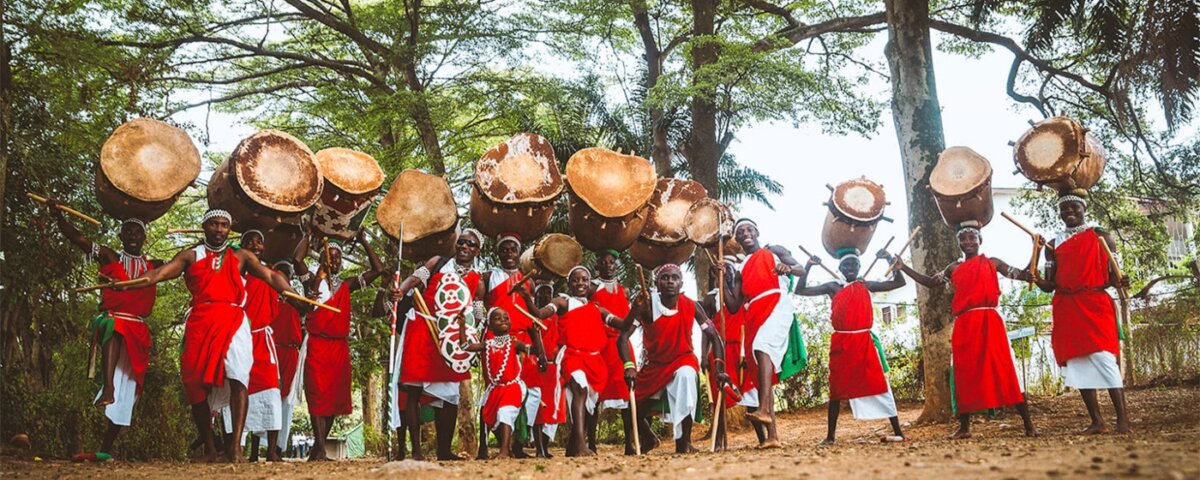
Gishora Drum Sanctuary
Gishora Drum Sanctuary is one of the most important cultural attractions in Burundi, offering visitors an opportunity to experience the country’s royal drumming traditions, traditional music, and rich cultural heritage. Located near Gitega, Burundi’s political capital, this historic site celebrates the sacred role of the ingoma, or traditional royal drums, in Burundian society. For travelers who want to understand Africa beyond its wildlife, mountains, and national parks, Gishora provides a meaningful connection to the history, identity, and artistic traditions of the Burundian people.
The sanctuary stands as a powerful symbol of Burundi’s cultural identity. Here, traditional drumming represents more than entertainment. It connects communities with their ancestors, celebrates important occasions, and expresses values that generations have preserved. The rhythmic sounds of the drums, the coordinated movements of the performers, and the energy of a traditional presentation create an unforgettable cultural experience.
Moreover, Gishora Drum Sanctuary offers an excellent opportunity for international visitors to explore Burundi through responsible cultural tourism. Travelers can combine a visit with sightseeing around Gitega, exploring Burundi’s central highlands, and learning about local customs. Whether you are planning a cultural holiday, an educational journey, or a wider East African adventure, Gishora Drum Sanctuary deserves a place on your itinerary. By visiting this remarkable destination, you can appreciate the living traditions that continue to shape Burundi’s national identity while supporting the preservation of its cultural heritage.
The Location of Gishora Drum Sanctuary
Gishora Drum Sanctuary lies in the Gitega area of central Burundi, a region known for its cultural importance and rolling highland landscapes. Gitega serves as an excellent base for visitors who want to explore the country’s traditional heritage because it offers access to historic sites, local communities, and attractions associated with Burundi’s royal past. The sanctuary’s setting makes it a valuable stop for travelers who want to understand the cultural foundations of the country.
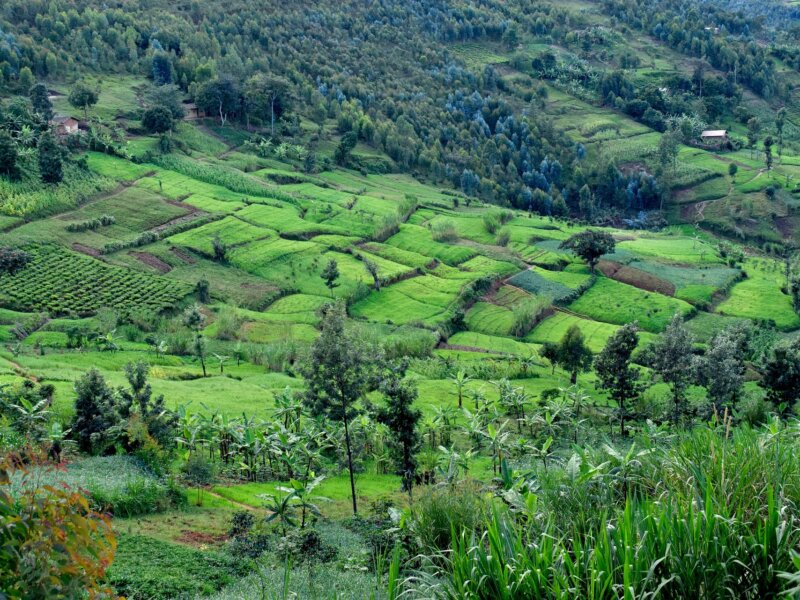
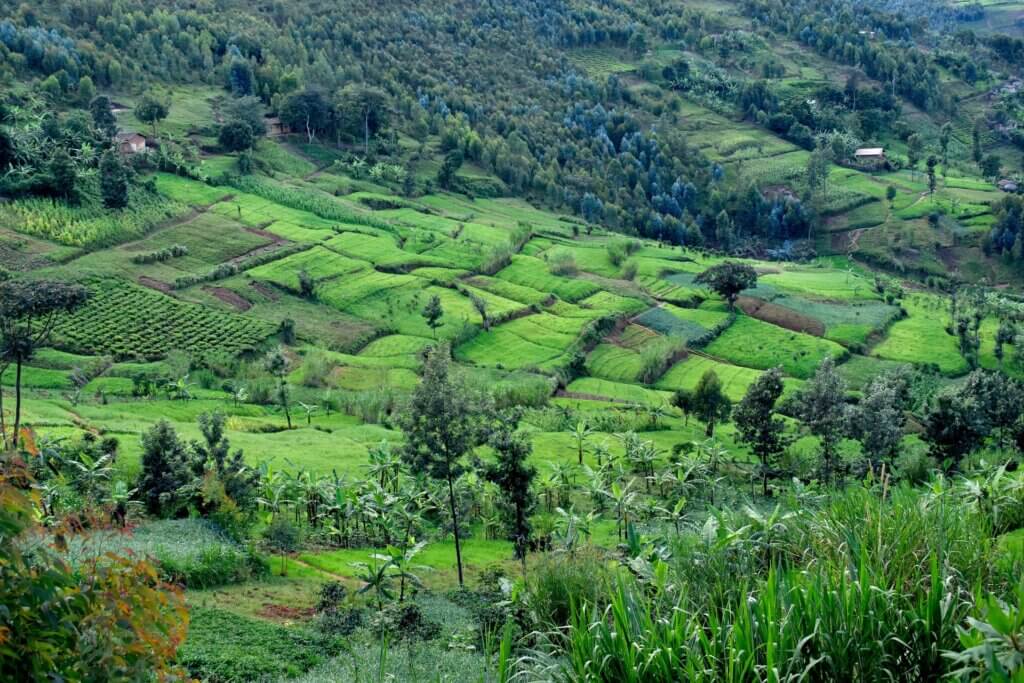
The surrounding countryside provides a different experience from Burundi’s lakeside destinations. Instead of focusing on beaches and water activities, visitors encounter green hills, rural settlements, cultivated land, and landscapes that reflect everyday life in central Burundi. Consequently, a journey to Gishora can introduce travelers to both the country’s natural beauty and its cultural traditions.
Visitors can arrange transport from Gitega through a local driver, tour operator, or guide familiar with the area. Travelers arriving from Bujumbura should allow enough time for the road journey and any planned stops along the way. Road conditions, weather, and transport arrangements can affect travel time, so checking local conditions before departure remains important.
Furthermore, travelers should confirm the sanctuary’s current visiting arrangements before setting out. Traditional performances may require advance planning, particularly for organized groups or visitors following a fixed itinerary. A local guide can also help explain the cultural meaning of the site and make the experience more informative. By planning the journey carefully, visitors can enjoy Gishora Drum Sanctuary as part of a broader exploration of Burundi’s central region.
The History of Gishora Drum Sanctuary
The history of Gishora Drum Sanctuary connects closely with Burundi’s former monarchy and the traditions that shaped the kingdom. The site preserves an important part of the country’s royal heritage, where drums held social, political, and ceremonial meaning. However, understanding Gishora requires looking beyond the instruments themselves. The sanctuary forms part of a larger cultural landscape that includes royal architecture, traditional knowledge, and the responsibilities of families who preserve the drumming tradition.
Historical accounts associate Gishora with Burundi’s nineteenth century monarchy and the royal figures who established and developed sacred places for traditional drumming. The details of the sanctuary’s early history involve several rulers and generations of ritual specialists, so visitors benefit from listening to knowledgeable local guides rather than relying on a single simplified account. UNESCO’s World Heritage Centre separately identifies the royal residence of Gishora as a historic cultural property on Burundi’s Tentative List, submitted in 2026. This listing concerns the physical heritage site and does not mean that the residence has already received full World Heritage inscription.
Over time, political and social changes transformed the role of royal institutions across Burundi. Nevertheless, traditional drumming survived through the knowledge and commitment of the people who continued to practise it. Today, Gishora gives visitors a chance to encounter this heritage in a place closely associated with its history. By exploring the sanctuary, travelers can appreciate how cultural traditions survive change and continue to give communities a sense of identity.
The Royal Importance of Traditional Burundian Drums
Traditional Burundian drums, widely known as ingoma, carry meanings that extend far beyond music. Historically, royal drums represented authority, unity, and the continuity of the kingdom. Their sounds accompanied important occasions and helped express the relationship between the monarchy and the wider community. Therefore, the drum occupied a special position within Burundi’s cultural and political life.
In traditional settings, people did not treat every drum as an ordinary musical instrument. Certain drums held special ceremonial significance, and trained custodians followed established customs when caring for and using them. Royal ceremonies, seasonal celebrations, and significant gatherings could involve drumming, songs, and dance. These performances helped communities express shared values and recognize important moments in collective life.
The word ingoma also carries a wider meaning in Burundian culture because it can refer to the drum and, in certain contexts, to kingship or royal authority. This connection helps explain why the instrument remains such a powerful national symbol. At Gishora, visitors can learn about the history behind the sound and understand why the tradition deserves respect.
Moreover, the drums provide an opportunity to explore African heritage through an instrument that combines art, memory, and community life. For international travelers, this knowledge offers a richer experience than simply watching a performance. It reveals how music can preserve historical knowledge and communicate cultural values across generations. Consequently, the royal drums remain central to understanding the importance of Gishora Drum Sanctuary.
The Batimbo and Their Role in Preserving Heritage
The Batimbo are traditional royal drummers and custodians of the knowledge associated with Burundi’s royal drumming heritage. Their role extends beyond performing music for visitors. They help preserve the skills, customs, rhythms, and cultural understanding that give the tradition its meaning. Through practice and teaching, experienced drummers pass knowledge to younger generations and help maintain a connection between the past and the present.
Learning this tradition requires more than memorizing a rhythm. Drummers must develop coordination, timing, physical control, and an understanding of how individual instruments work together. They also learn the cultural significance of particular practices and the responsibilities that accompany their role. As a result, the tradition depends on a community of knowledge holders rather than on the instruments alone.
At Gishora, the Batimbo make the heritage visible through performances that combine drumming, movement, and group coordination. Their work also demonstrates the importance of cultural transmission. Young learners observe experienced practitioners, practise basic skills, and gradually develop their abilities. This process allows the tradition to remain active rather than becoming a collection of stories about the past. Recent reporting on Gishora has highlighted the continued teaching of drumming skills to children and the challenges involved in sustaining this knowledge.
Visitors should recognize the Batimbo as cultural practitioners whose expertise deserves appreciation. A respectful visit gives them space to explain their work and share appropriate knowledge. Furthermore, travelers can support cultural preservation by arranging visits through responsible local providers and treating the performance as a meaningful expression of Burundian identity.
What to Expect During a Gishora Drum Performance
A traditional performance at Gishora Drum Sanctuary offers an energetic introduction to Burundi’s musical heritage. Visitors can expect powerful rhythms, coordinated movements, and a strong sense of group performance. The experience brings together several artistic elements, including percussion, dance, songs, and, in some presentations, expressions of heroic poetry. Together, these elements communicate stories, values, and cultural identity.
The performance often features a group of drummers arranged in a semicircle around a central drum. Several performers maintain interlocking rhythms, while others follow the main beat and contribute to the overall musical pattern. Dancers may move between the drums and perform energetic movements that demonstrate skill, strength, balance, and coordination. The combination creates a lively atmosphere that can captivate visitors even when they have little previous knowledge of Burundian music.
However, the experience becomes more rewarding when visitors understand what they are watching. A knowledgeable guide or member of the performing group can explain the roles of the drummers, the meaning of particular movements, and the place of the performance within Burundi’s history. Travelers should also remember that the exact presentation can vary according to the occasion, group, and arrangements made for the visit.
Rather than viewing the performance simply as entertainment, visitors should approach it as a cultural expression with deep historical roots. Listen carefully to the changing rhythms, observe how the performers coordinate their movements, and notice how individual contributions support the whole ensemble. This attention helps turn a short cultural visit into a memorable learning experience.
The Cultural Meaning of Rhythm, Dance, and Song
At Gishora Drum Sanctuary, rhythm, dance, and song work together to express cultural ideas that words alone may not fully communicate. Traditional Burundian drumming uses patterns of sound to create movement, establish a shared beat, and bring performers together. Each drummer contributes to a larger musical structure, demonstrating how coordination and cooperation can create a powerful collective performance.
Dance adds another layer of meaning. The performers use controlled movements, strength, and agility to respond to the rhythm of the drums. Their movements can communicate confidence, celebration, discipline, and pride. Depending on the presentation, songs and poetic expressions may also contribute to the experience by recalling historical events, praising valued qualities, or strengthening a shared sense of identity.
These artistic elements help visitors understand why the ritual dance of the royal drum received international recognition. In 2014, UNESCO inscribed Burundi’s ritual dance of the royal drum on its Representative List of the Intangible Cultural Heritage of Humanity. The recognition covers the living tradition and the cultural knowledge associated with it, rather than granting World Heritage status to the physical sanctuary itself.
For travelers, the most meaningful approach is to appreciate the performance as a complete cultural expression. The sound, movement, social relationships, and historical context all contribute to its significance. Furthermore, observing how the performers maintain a shared rhythm can reveal the importance of cooperation within traditional arts. Gishora therefore offers a valuable lesson in how music can bring people together while preserving knowledge that communities consider important.
The Traditional Architecture of Gishora
Gishora Drum Sanctuary is important not only for its music but also for its historic setting and traditional architecture. The wider Gishora royal complex preserves features associated with Burundi’s former monarchy, including structures built with traditional materials and techniques. These buildings provide valuable insight into the ways earlier communities organized ceremonial spaces and expressed cultural values through architecture.
Traditional construction methods often made use of locally available natural materials. Plant fibres, papyrus, wooden supports, and thatch feature in descriptions of the historic structures at Gishora. The arrangement of the buildings and their relationship to surrounding spaces also help visitors understand that the site served purposes beyond ordinary residence. Different areas supported particular activities, and the royal setting reflected social relationships and ceremonial responsibilities.
The UNESCO World Heritage Centre’s description of the royal residence highlights its distinctive construction and the traditional knowledge represented by its design. It also explains the close relationship between the physical structures and the living heritage associated with the sacred drums.
During a visit, take time to observe the buildings and their setting rather than focusing exclusively on the performance. A guide can explain which structures have particular historical importance and how traditional building methods worked. Visitors should follow instructions about entering buildings, touching materials, and photographing sensitive areas. By appreciating both the architecture and the music, travelers gain a more complete understanding of Gishora as a cultural landscape that connects craftsmanship, history, and living tradition.
The Sacred Drums Preserved at Gishora
One of the most significant aspects of Gishora Drum Sanctuary is its association with sacred royal drums and the customs surrounding their preservation. These instruments represent a distinctive part of Burundi’s cultural heritage because their importance comes from both their physical form and the traditions connected to them. The sanctuary provides a setting where visitors can learn how particular drums held ceremonial roles within the former kingdom.
The historic royal residence at Gishora contains a special drum house associated with the sacred instruments. UNESCO’s description of the site identifies two particularly important drums, Ruciteme and Murimirwa, alongside other traditional drums kept within the complex. Their presence reflects the historical relationship between royal authority, ritual practice, and specialist custodians.
The sacred character of these instruments also explains why visitors should not assume that every drum can be handled or played freely. Cultural sites may maintain rules about access, movement, photography, and interaction with ceremonial objects. Travelers should respect these arrangements and ask their guide before approaching any instrument or building.
Furthermore, the preservation of traditional drums requires knowledge of materials, craftsmanship, maintenance, and appropriate cultural practices. These skills connect artistic work with the responsibilities of safeguarding heritage. By learning about the sacred drums, visitors discover that cultural preservation involves much more than keeping old objects in good condition. It also means maintaining the knowledge, relationships, and customs that give those objects their meaning. This understanding makes a visit to Gishora more informative and encourages travelers to appreciate Burundi’s heritage with care.
Why UNESCO Recognizes Burundi’s Royal Drumming Tradition
UNESCO recognition has helped bring greater international attention to Burundi’s royal drumming heritage. In 2014, UNESCO inscribed the ritual dance of the royal drum on its Representative List of the Intangible Cultural Heritage of Humanity. This recognition acknowledges a living cultural tradition that combines drumming, dance, songs, poetic expression, specialist knowledge, and community participation.
Intangible cultural heritage differs from a historic building or archaeological site. It includes practices, skills, expressions, and knowledge that communities recognize as part of their cultural inheritance. People preserve this heritage by practising it, teaching it, and adapting its transmission to changing circumstances. In Burundi, the royal drumming tradition demonstrates how a musical practice can express national identity and bring different generations together.
The UNESCO inscription also highlights the value of passing knowledge from experienced practitioners to younger learners. The tradition depends on people who understand the instruments, rhythms, performance practices, and cultural responsibilities involved. Therefore, supporting the drummers and their communities plays an important role in keeping the heritage alive.
It is equally important to understand the distinction between UNESCO’s cultural recognition and World Heritage status. The ritual dance holds an inscription on the Intangible Cultural Heritage list, while the historic royal residence of Gishora appears on Burundi’s Tentative List for possible future World Heritage nomination. These are separate processes with different purposes.
For international visitors, these distinctions provide useful context. They explain why Gishora deserves attention as both a living cultural destination and a historic place. A visit can encourage a deeper appreciation of Burundi’s contribution to Africa’s diverse artistic traditions.
The Best Time to Visit Gishora Drum Sanctuary
Travelers can plan a visit to Gishora Drum Sanctuary throughout the year, but the best time depends on their wider Burundi itinerary, road conditions, and the availability of cultural performances. Since the sanctuary lies near Gitega, visitors can include it in a trip focused on central Burundi without making a long detour to a distant region.
Burundi experiences changing rainfall patterns, so the weather can influence road travel and outdoor activities. Drier periods may make journeys between destinations more convenient, while rainy periods can bring greener landscapes and fresh countryside views. However, seasonal conditions vary, and travelers should check a reliable local forecast before departure rather than assuming that every month offers the same weather.
The timing of the performance is particularly important. A visit to a cultural sanctuary differs from a visit to an attraction that remains open for unrestricted entry throughout the day. Performers may need advance notice, especially when a group expects a dedicated presentation. For this reason, contact a local tour operator or the relevant site representatives before confirming your travel dates.
If your schedule allows, consider spending additional time in Gitega instead of treating Gishora as a rushed stop. This approach allows you to explore the surrounding area, learn more about Burundi’s history, and experience local life at a comfortable pace. Travelers who combine cultural visits with countryside sightseeing can create a balanced itinerary without placing unnecessary pressure on the day.
Ultimately, careful planning matters more than choosing a particular month. Confirm performance arrangements, transport, and access before traveling. By doing so, you can make your visit to Gishora Drum Sanctuary more rewarding and reduce the risk of missing the cultural experience you came to enjoy.
How to Get to Gishora Drum Sanctuary
Gishora Drum Sanctuary lies approximately seven kilometres from the urban centre of Gitega, making it accessible for travelers who stay in or near the city. Its location allows visitors to experience an important cultural attraction without undertaking a long journey from their accommodation. The short distance also makes the sanctuary suitable for a half day of cultural exploration, depending on the performance schedule and other activities planned.
Travelers arriving in Gitega can arrange a private vehicle, hire a local driver, or book a guided excursion through a tour operator. A driver familiar with the area can help with navigation and explain the local surroundings along the way. Organized transport may also prove useful for visitors who plan to continue to other attractions after the performance.
Those starting in Bujumbura should allow additional time for the road journey to Gitega. The journey can form part of a wider exploration of Burundi, but travelers should confirm current road conditions and allow for stops, traffic, and weather. If you arrive in Burundi on the same day as your planned visit, leave enough time to reach the sanctuary without rushing.
Before departure, confirm the meeting point, expected arrival time, performance duration, and return transport. These details are particularly useful for families, small groups, and travelers working within a fixed schedule. It also helps to carry local currency for appropriate small purchases where accepted and keep essential travel documents secure.
A guided visit can make the journey more meaningful because the guide can provide context about Gishora’s history and Burundi’s cultural traditions. With sensible arrangements, reaching the sanctuary is straightforward, and visitors can concentrate on enjoying the experience rather than worrying about transport logistics.
What to Wear and Bring for Your Visit
Preparing properly for a visit to Gishora Drum Sanctuary helps you remain comfortable and show respect for the cultural setting. Choose neat, comfortable clothing suitable for walking around an outdoor heritage site. Lightweight clothes generally work well in warm weather, while a light jacket can provide extra comfort during cooler or rainy conditions in the central highlands.
Comfortable walking shoes are useful because the visit may involve moving between buildings, open spaces, and performance areas. Depending on the weather, parts of the ground may feel uneven or slippery. Visitors should therefore choose footwear that offers good support and avoid assuming that every area will have a smooth, paved surface.
Bring drinking water, sun protection, and any personal items you need during the excursion. A small bag can hold these essentials without becoming inconvenient while you walk. If you plan to take photographs, carry a camera or phone and keep it secure when not in use. However, always ask whether photography is permitted before photographing performers, sacred objects, or restricted areas.
It is also useful to carry some local currency for incidental expenses, although visitors should confirm accepted payment methods and any applicable fees in advance. If you are visiting as part of a longer journey, keep your itinerary and transport details accessible.
Most importantly, arrive with patience and an open mind. Cultural visits may follow arrangements that differ from those of large commercial attractions. Listen to your guide, follow local instructions, and avoid entering spaces without permission. These simple preparations help create a respectful experience and allow you to focus on the traditions that make Gishora special.
Cultural Etiquette for Visitors to Gishora
Respectful behavior plays an important role in making a visit to Gishora Drum Sanctuary meaningful for both travelers and the local community. Although the sanctuary welcomes cultural interest, it also preserves traditions that hold deep significance for the people who maintain them. Visitors should therefore approach the site with curiosity, humility, and a willingness to learn.
First, listen carefully when a guide or cultural practitioner explains the rules of the sanctuary. Some spaces or objects may have special restrictions, and visitors should never assume that every area is open to the public. Ask permission before entering buildings, touching drums, or photographing people. If a performer declines a photograph, respect that decision without argument.
Next, give the drummers your full attention during the performance. Avoid interrupting explanations, walking through the performing group, or making unnecessary noise. If the audience has an opportunity to participate, follow the instructions provided by the performers. Not every part of a traditional presentation invites direct audience involvement.
It is also helpful to learn a few basic greetings in Kirundi, Burundi’s national language. Even a simple greeting can create a positive interaction when you offer it sincerely. Furthermore, remain open to learning about customs that differ from those you know at home.
Finally, remember that the sanctuary represents a living cultural tradition rather than a stage created solely for tourists. Treating the performers, their knowledge, and their surroundings with respect supports a more genuine cultural exchange. By following local guidance, you help create an environment where visitors can learn while communities continue to protect their heritage.
Gishora Drum Sanctuary and Responsible Cultural Tourism
Responsible cultural tourism helps preserve historic places while creating opportunities for local people to share their knowledge and skills. Gishora Drum Sanctuary provides a valuable example of how cultural heritage can form an important part of Burundi’s tourism experience. Visitors gain an understanding of the country’s traditions, while local practitioners have an opportunity to present their art and explain its significance.
However, responsible tourism requires more than simply attending a performance. Travelers should consider how their visit supports the people who maintain the tradition. Where possible, arrange visits through reputable local operators and confirm whether the booking includes payments for the performers, guides, and other local services. Ask clear questions about what the fee covers instead of assuming that every payment directly benefits the cultural custodians.
Visitors can also contribute by sharing accurate information about the experience. Explain the meaning of the royal drums, acknowledge the knowledge of the Batimbo, and avoid presenting the tradition as a fascinating spectacle without historical context. Such thoughtful storytelling can encourage other travelers to appreciate Burundi’s heritage responsibly.
Furthermore, tourism should respect the community’s right to determine how its traditions are presented. Some cultural knowledge may be appropriate for public explanation, while other practices may require privacy or special permission. Local custodians should guide those decisions.
For tour operators, including Gishora in carefully planned itineraries can help broaden the image of Burundi beyond a single attraction or activity. It introduces travelers to history, music, craftsmanship, and community knowledge. When managed thoughtfully, cultural tourism can strengthen appreciation for heritage while encouraging continued investment in its preservation.
Other Attractions to Combine with Gishora Drum Sanctuary
Gishora Drum Sanctuary fits naturally into a cultural itinerary around Gitega. Travelers who allow additional time in the area can explore other attractions that provide a wider understanding of Burundi’s history, traditions, and everyday life. Combining destinations also helps visitors appreciate the country beyond a single performance.
The National Museum of Gitega offers another opportunity to learn about Burundi’s cultural heritage. Depending on the current exhibitions and opening arrangements, visitors may encounter objects and displays connected with traditional life, craftsmanship, and the country’s history. Check local opening information before visiting, as schedules and access arrangements can change.
The surrounding countryside also provides opportunities to observe rural landscapes and settlements. Travelers can enjoy the green hills, agricultural areas, and views that characterize parts of central Burundi. When visiting communities, ask permission before photographing residents or private property, and consider arranging activities through local guides who understand the area.
For visitors with more time, a wider Burundi itinerary may include Bujumbura, Lake Tanganyika, and other cultural or natural attractions. Lake Tanganyika offers a contrasting landscape, with opportunities to appreciate the lakeshore and its importance to local livelihoods. Travel time between destinations should guide how many stops you include in one day.
A practical approach is to spend the morning or another confirmed performance period at Gishora, then visit a nearby attraction if time allows. Travelers who stay overnight in Gitega can explore at a more relaxed pace. By combining cultural sites with natural scenery and local experiences, you can gain a broader understanding of Burundi while avoiding an unnecessarily rushed itinerary.
How Long Should You Spend at Gishora Drum Sanctuary?
The amount of time you need at Gishora Drum Sanctuary depends on the type of visit you arrange. Travelers who mainly want to attend a traditional drum performance may need only part of a day. Those who want a deeper cultural experience should allow additional time for an introduction to the site, explanations of the drums, questions, and exploration of the historic setting.
A useful plan is to reserve a half day for Gishora, including transport from Gitega, the scheduled performance, and time to learn about the sanctuary. This approach provides flexibility if the presentation takes longer than expected or if your guide offers additional historical context. Confirm the actual performance duration with the local organizers before finalizing your schedule.
If you are especially interested in African history, traditional music, or cultural heritage, consider arranging a more detailed guided experience. You may want to learn about the Batimbo, the role of royal drums, traditional construction methods, and the ways younger generations acquire drumming skills. The depth of the visit will depend on what the custodians can appropriately share.
Travelers on a tight schedule can still enjoy Gishora, but they should avoid arriving without confirmed arrangements. A performance may not be available at every moment, and transport delays can affect the day. Allowing extra time reduces pressure and makes the experience more comfortable.
For visitors planning a broader Burundi holiday, Gishora works well as part of a day focused on Gitega or a multi day cultural itinerary. The goal should not simply be to complete another sightseeing stop. Instead, allow enough time to understand the traditions that make this sanctuary important.
Practical Travel Tips for International Visitors
International visitors can make their trip to Gishora Drum Sanctuary easier by organizing a few details before departure. Start by confirming your entry requirements for Burundi with the relevant official authorities. Passport validity, visa arrangements, and other requirements may differ according to nationality and travel circumstances, so check the rules that apply to your journey.
Next, plan your transport and accommodation. Gitega provides a convenient base for visiting the sanctuary, while travelers coming from Bujumbura should account for the additional road journey. Booking accommodation in advance can be helpful during busy travel periods or when you need to coordinate several destinations.
Check payment arrangements before booking a performance or guided visit. Ask whether the quoted price covers entry, the drumming presentation, transport, a guide, or other services. This helps you compare offers accurately and avoid unexpected expenses. Keep some local currency available for small purchases, but confirm which payment methods the provider accepts.
Communication is another useful consideration. Kirundi is widely used in Burundi, and French is also used in many formal and tourism settings. English availability can vary between providers. If you prefer an English speaking guide, request one when making your booking rather than assuming one will be available on arrival.
Finally, check current travel advice, weather conditions, and local transport information before departure. Keep emergency contacts and accommodation details accessible, and share your plans with your travel companions. These practical steps help you enjoy Gishora Drum Sanctuary with greater confidence while allowing more time to appreciate Burundi’s cultural heritage.
Why Gishora Drum Sanctuary Belongs on Your Burundi Itinerary
Gishora Drum Sanctuary deserves a place on a Burundi itinerary because it brings together history, music, architecture, and living cultural knowledge in one remarkable destination. Rather than offering only a brief introduction to traditional performance, the sanctuary allows visitors to explore the deeper connections between royal authority, community identity, and the preservation of artistic traditions.
The experience also adds an important dimension to an African holiday. Wildlife viewing, mountain scenery, lakes, and outdoor activities attract many travelers across the continent. However, cultural destinations such as Gishora reveal how people preserve their history and express their identity through music, dance, craftsmanship, and shared knowledge. These experiences help visitors develop a more balanced understanding of Africa’s diversity.
For cultural travelers, the sanctuary offers an opportunity to learn directly from the people who maintain the royal drumming tradition. For families and educational groups, it can introduce important discussions about history, heritage, and the passing of knowledge between generations. Meanwhile, photographers and lovers of traditional music may find the performance especially memorable, provided they follow local photography rules.
Gishora also works well alongside other attractions in Gitega and wider Burundi. With thoughtful planning, visitors can combine the sanctuary with museums, rural landscapes, and other cultural experiences to create a rewarding journey.
Ultimately, a visit should involve more than watching the drums and leaving. Take time to understand their historical meaning, appreciate the skill of the Batimbo, and recognize the importance of preserving living traditions. These insights can make your trip more valuable and encourage responsible tourism.
Conclusion: Experience the Living Heritage of Gishora Drum Sanctuary
Gishora Drum Sanctuary offers an exceptional opportunity to discover Burundi’s royal drumming heritage, traditional music, historic architecture, and cultural identity. Located near Gitega, the sanctuary connects visitors with the history of the royal drums and the people who continue to preserve their traditions. Its performances bring rhythm, dance, and cultural knowledge together, creating an experience that reaches far beyond ordinary sightseeing.
For international travelers, Gishora provides a meaningful way to explore Burundi through its living heritage. The sanctuary also offers insight into the importance of cultural preservation, the responsibilities of traditional practitioners, and the role of tourism in supporting local communities. Its connection with UNESCO’s recognition of the ritual dance of the royal drum further highlights the international significance of this Burundian tradition.
To enjoy the experience, arrange your visit in advance, confirm performance availability, and allow enough time to understand the history behind the drums. Respect the sanctuary’s customs, listen to local guides, and approach the performers as knowledgeable custodians of a living tradition.
Whether you are planning a dedicated cultural holiday or adding Burundi to a wider East African journey, Gishora Drum Sanctuary can become one of the most memorable parts of your itinerary. By visiting with curiosity and respect, you will gain a deeper appreciation of Burundi’s cultural richness and the enduring role of traditional music in community life. Ultimately, Gishora Drum Sanctuary stands as an important destination for anyone seeking to understand Burundi’s history, celebrate its royal drumming traditions, and experience the living cultural heritage of Africa.