Kigwena Forest Nature Reserve
October 27, 2026
Karera Waterfalls Tours
October 27, 2026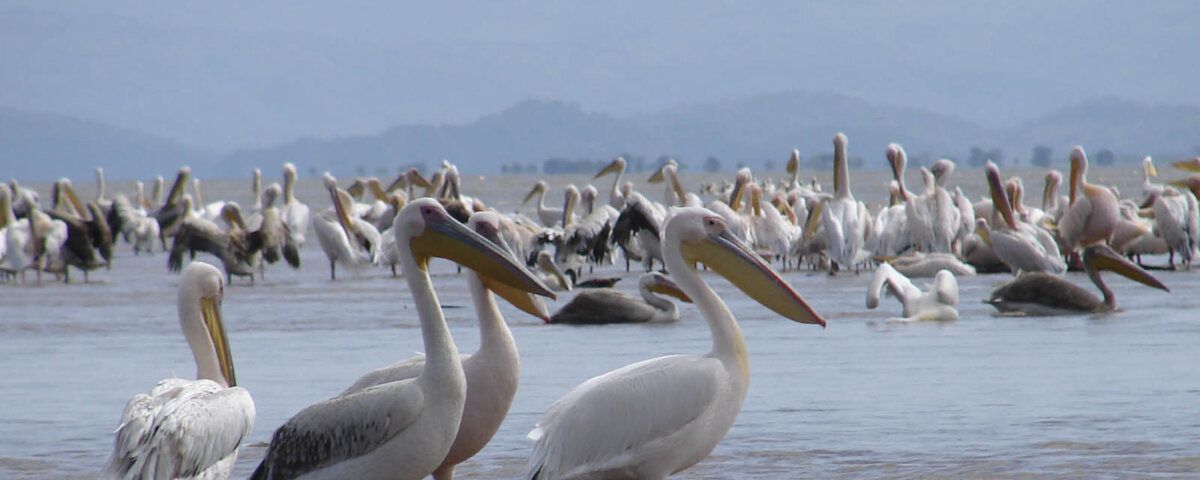
Lake Rwihinda Nature Reserve
Lake Rwihinda Nature Reserve is one of Burundi’s most interesting destinations for birdwatching, wetland exploration, and peaceful nature experiences. Located in northern Burundi, near the border with Rwanda, this natural area offers visitors an opportunity to discover the country’s rich birdlife, aquatic habitats, and rural landscapes. Often associated with the name Bird Lake, Lake Rwihinda attracts nature lovers who want to explore a quieter side of East Africa beyond the region’s better known national parks and wildlife destinations.
For travelers planning a Burundi safari, Lake Rwihinda Nature Reserve provides an opportunity to appreciate the relationship between water, wildlife, and local communities. Its lake and surrounding wetlands create habitats for many birds, while nearby villages and agricultural landscapes reveal aspects of everyday life in northern Burundi. Moreover, the reserve offers a different experience from traditional savanna safaris, where visitors usually focus on large mammals. Here, the pleasure comes from observing birds, exploring the wetland environment, enjoying the scenery, and learning about the importance of freshwater ecosystems.
However, a successful visit requires more than simply arriving at the lake. Travelers should understand the reserve’s location, the best activities to consider, seasonal conditions, transport options, and the need to protect sensitive habitats. Facilities and visitor services may also differ from those in established safari destinations. Therefore, advance planning helps visitors make the most of their time while supporting responsible tourism.
This comprehensive Lake Rwihinda Nature Reserve travel guide explains what makes the destination special, what visitors can experience, how to plan a trip, and why wetland conservation matters. Whether you are a birdwatcher, photographer, nature enthusiast, or traveler exploring Burundi for the first time, Lake Rwihinda can add an important natural experience to your East African journey.
Overview of Lake Rwihinda Nature Reserve
Lake Rwihinda Nature Reserve is a wetland destination in northern Burundi that offers a valuable introduction to the country’s freshwater habitats and birdlife. The lake forms part of a landscape shaped by water, vegetation, cultivated land, and rural settlements. Together, these features create an environment where wildlife and human activity exist close to one another. For visitors, this combination provides a chance to appreciate both the natural beauty of Burundi and the importance of protecting its remaining wetland habitats.
The destination stands out because of its association with birdwatching. Lakes, marshes, and areas of aquatic vegetation provide feeding and resting places for different bird species. Depending on the season and local conditions, visitors may observe waterbirds, wading birds, and other species that use wetlands for food and shelter. Nevertheless, bird sightings can change from one visit to another, so travelers should avoid expecting a particular species without current local information.
Unlike a conventional big game safari, Lake Rwihinda encourages visitors to slow down and pay attention to smaller details. A quiet period beside the water may reveal birds feeding along the shore, movement among reeds, or changes in the landscape as the light shifts. In addition, the surrounding countryside provides opportunities to understand how people use the land and water.
The reserve can form part of a wider Burundi itinerary that includes cultural attractions, other natural areas, and time in the country’s towns and countryside. However, visitors should confirm current access arrangements and available guiding services before traveling. This preparation helps create a more rewarding experience while respecting the local environment.
Location of Lake Rwihinda Nature Reserve
Lake Rwihinda Nature Reserve lies in Kirundo Province in northern Burundi, close to the Rwandan border. It sits north of Kirundo town within the Bugesera region, a landscape known for its lakes, wetlands, rolling hills, and agricultural communities. Its location makes the reserve an important destination for travelers interested in discovering the northern part of Burundi and exploring the natural features that distinguish this region from the country’s western mountains and southern landscapes.
The lake covers approximately 425 hectares, although the wider protected landscape extends beyond the open water into surrounding habitats. The area sits at roughly 1,400 metres above sea level, depending on the location measured. Its shallow waters, wetland margins, and vegetation provide important habitat for birds and other organisms that depend on freshwater ecosystems. Furthermore, the lake forms part of a wider network of lakes and marshes in northern Burundi and the neighboring Rwandan landscape.
Travelers can use Kirundo town as a practical base for organizing a visit. The town provides a useful point for arranging local transport, obtaining basic supplies, and asking about current conditions around the reserve. However, visitors should confirm the actual road distance and journey time before departure because the route, road surface, and weather can affect travel.
For international visitors, Lake Rwihinda also provides an opportunity to explore a less familiar part of East Africa. Rather than focusing only on major tourist centres, travelers can experience northern Burundi’s rural scenery, local markets, and wetland environments. Consequently, the reserve fits well into an itinerary designed around nature, birdwatching, culture, and responsible travel.
Why Lake Rwihinda Is Called Bird Lake
Lake Rwihinda has long carried the nickname Lac aux Oiseaux, which means Bird Lake in French. This name reflects the area’s importance as a habitat for resident birds and a resting place for certain migratory species. The lake’s combination of open water, marshes, reed beds, and vegetated islands creates several feeding, nesting, and shelter opportunities within a relatively compact landscape.
Birds use different parts of the wetland according to their needs. Some search for fish and other aquatic animals in shallow water, while others feed along muddy shorelines or move through dense wetland plants. Certain species depend on vegetation for nesting, and others use the lake as a temporary stop during seasonal movements. As a result, the reserve offers birdwatchers an opportunity to observe different feeding habits and behaviors rather than concentrating on one type of bird.
The lake has attracted attention from conservation and bird research organizations because of its biological importance. Historical surveys recorded substantial bird diversity, including a count of 189 species during a waterbird survey in 2007. However, historical records do not guarantee that every species remains common or easy to observe today. Habitat changes, water levels, human activity, and seasonal movements can influence bird numbers.
For visitors, the Bird Lake name provides a useful starting point for understanding the destination. The most rewarding approach involves patience, careful observation, and respect for wildlife. Instead of expecting constant action, travelers should allow time to watch birds feeding, flying between habitats, and responding to changes in their surroundings. This slower experience reveals why Lake Rwihinda deserves attention among Burundi’s natural attractions.
Birdwatching at Lake Rwihinda Nature Reserve
Birdwatching is one of the main reasons to visit Lake Rwihinda Nature Reserve. The lake and its surrounding wetlands support a variety of bird habitats, making the area interesting for both experienced birders and beginners. Visitors may encounter herons, egrets, cormorants, kingfishers, weavers, and other birds associated with freshwater environments. The exact species present during a visit depend on the season, habitat conditions, and recent wildlife movements.
A good birdwatching experience begins with patience. Rather than walking quickly around the shoreline, visitors should pause at suitable viewing points and observe the water, vegetation, and open areas. Binoculars help reveal details without requiring people to approach birds too closely. In addition, a notebook or bird identification guide can help visitors record observations and learn about species they encounter.
A knowledgeable local guide can improve the experience by identifying calls, explaining feeding behavior, and pointing out birds that blend into reeds or shoreline vegetation. Guides may also understand which areas currently offer good viewing opportunities. However, visitors should confirm guiding availability before arriving because services may not operate on a fixed daily schedule.
Birdwatchers should also recognize that wildlife observation involves uncertainty. Some birds remain hidden, while others may move to different parts of the lake. A successful outing does not depend on collecting a long species list. Instead, travelers can appreciate the diversity of bird behavior, the sounds of the wetland, and the relationship between birds and their habitats.
For photographers and nature enthusiasts, Lake Rwihinda offers opportunities to observe birds in their natural surroundings. Visitors should avoid disturbing nesting areas, playing recorded calls to attract birds, or moving through sensitive vegetation. Responsible observation protects the very wildlife that makes the reserve special.
Notable Bird Species and Wildlife
Lake Rwihinda supports a range of bird species associated with wetlands, grasslands, and the wider northern Burundi landscape. Records from the area include the papyrus gonolek, papyrus yellow warbler, white winged scrub warbler, northern brown throated weaver, red chested sunbird, and ring necked francolin. These species illustrate the variety of habitats around the lake, from dense wetland vegetation to drier areas beyond the water’s edge.
The papyrus gonolek is particularly interesting to birdwatchers because it depends on suitable wetland vegetation. Papyrus yellow warblers also have a close association with marsh habitats. Finding such birds requires patience, careful listening, and appropriate field guidance. Their presence depends on local habitat conditions, so visitors should not assume that a sighting is guaranteed.
Waterbirds also form an important part of the reserve’s appeal. Depending on current conditions, visitors may look for cormorants, herons, egrets, and other birds that feed or rest around lakes. The reserve has historical records of several species whose populations have changed over time. Therefore, recent local observations provide a better indication of what visitors might see than old species lists alone.
Beyond birds, the wider wetland ecosystem supports aquatic life and organisms that depend on water and shoreline vegetation. Fish, amphibians, insects, and other small animals contribute to the food web. Their presence supports birds and helps maintain ecological processes throughout the wetland.
Visitors should treat wildlife sightings as a natural privilege rather than a guaranteed service. A responsible guide can explain which species are locally significant and how environmental changes affect their habitats. This approach makes the visit more informative while helping travelers appreciate the importance of conserving Lake Rwihinda for future generations.
The Floating Islands and Wetland Landscape
One of the distinctive features associated with Lake Rwihinda is its floating vegetation. Local descriptions refer to floating islands as ibishinga. These vegetation covered structures can shift position with wind and changing water conditions, creating a landscape that differs from a lake with fixed, rocky shores. The lake also contains an island known as Akagwa, which adds to its natural character.
Floating vegetation can provide valuable habitat for birds and other organisms. It may offer places to rest, feed, or nest, depending on the plant communities and local conditions. At the same time, wetland vegetation helps support ecological processes by providing shelter, retaining organic material, and connecting different parts of the aquatic environment.
For visitors, these features create opportunities to observe how a lake functions as a living ecosystem. The boundary between open water and vegetation can change over time, and bird activity may differ between exposed shorelines and dense marshes. A guide can explain these differences and help visitors understand why the preservation of wetland plants matters.
The landscape also offers opportunities for nature photography. Reflections on the water, distant hills, patches of vegetation, and birds moving across the lake can create memorable scenes. Early or late daylight may provide softer lighting, although the best conditions depend on the weather and cloud cover.
Travelers should avoid stepping onto floating vegetation or attempting to approach islands without permission and suitable guidance. These areas may conceal unstable surfaces, nesting birds, and sensitive habitats. Observing them from safe, approved locations allows visitors to enjoy the scenery without damaging the wetland.
Ultimately, the floating islands demonstrate that Lake Rwihinda is more than an attractive body of water. Its plants, animals, and changing physical features work together to sustain a complex environment that deserves careful protection.
Best Time to Visit Lake Rwihinda Nature Reserve
The best time to visit Lake Rwihinda Nature Reserve depends on your interests, travel schedule, and the kind of experience you want. Birdwatchers may prefer periods when migratory species visit the lake, while photographers may enjoy the changing scenery during and after the rainy seasons. However, rainfall, water levels, and local conditions influence both wildlife activity and access, so travelers should confirm current information before setting their dates.
Northern Burundi experiences seasonal changes in rainfall, although the exact timing and intensity can vary. June to August generally offers a drier period, while December and January can also provide relatively favorable conditions. The broader rainy seasons often occur around February to May and September to November. These patterns provide a useful guide, but weather conditions do not follow an identical schedule every year.
Migratory birds add another reason to consider the timing of a visit. Some European and other northern hemisphere species travel to African wetlands during the northern winter. Historical accounts of Lake Rwihinda describe migratory bird activity between approximately December and April. Nevertheless, species arrive and depart according to their own migration patterns, and their numbers vary with habitat conditions.
The dry season may offer easier movement along some routes, but it does not automatically guarantee the best wildlife viewing. Rainy periods can make the surrounding countryside greener and more attractive, while wet conditions may complicate travel on some roads. Therefore, the right choice depends on your priorities.
If birdwatching is your main interest, consult a local guide about recent sightings before traveling. If photography or landscape exploration matters more, consider the weather, available daylight, and road conditions. Most importantly, allow enough time to enjoy the lake without rushing from one attraction to another.
Things to Do at Lake Rwihinda Nature Reserve
Lake Rwihinda offers a different kind of nature experience from destinations built around large mammals. Visitors can spend time observing birds, studying wetland habitats, photographing landscapes, and learning about the relationship between the lake and nearby communities. Although available activities depend on local arrangements, a thoughtfully planned visit can provide several meaningful experiences.
Birdwatching should be a central activity for nature enthusiasts. Visitors can observe birds around suitable shorelines and look for movement among wetland vegetation. A guide can help identify species and explain their behavior. Binoculars are useful because some birds remain at a distance, and quiet observation often produces better results than frequent movement.
Landscape appreciation is another rewarding activity. The open water, surrounding hills, vegetation, and rural scenery provide a chance to enjoy northern Burundi at a slower pace. Photographers can capture the changing light and natural patterns around the lake, provided they respect wildlife and local photography rules.
Nature education can also form part of the experience. Visitors may learn how wetlands store water, support food webs, and provide habitats for resident and migratory birds. Understanding these functions makes the visit more meaningful because it connects the scenery with the ecological processes that sustain it.
Where available and authorized, boat excursions may provide another way to experience the lake. However, visitors should confirm whether boat trips currently operate, whether a guide is available, and what safety arrangements apply. Do not assume that every activity is offered throughout the year.
Finally, travelers can learn about daily life in the surrounding communities. A respectful conversation with local residents or a visit to a nearby market, when practical, can add cultural context to the trip. Together, these activities make Lake Rwihinda suitable for travelers who value nature, learning, and genuine connections with the places they explore.
How to Reach Lake Rwihinda Nature Reserve
Travelers generally approach Lake Rwihinda Nature Reserve through Kirundo, the main town in northern Burundi associated with the destination. Kirundo provides a useful base for arranging transport and organizing local visits. Depending on the starting point, travelers can reach the area by road from other parts of Burundi or incorporate it into a wider journey through northern Burundi.
Visitors arriving in Bujumbura should plan carefully because the journey to Kirundo takes considerably longer than a short city transfer. Road distance, traffic, road conditions, weather, and stops all influence the actual travel time. For that reason, travelers should confirm the route with a local driver or tour operator rather than rely entirely on estimated distances.
Private transport can offer flexibility, especially for visitors who want to stop for scenery, photography, or cultural experiences along the way. A driver familiar with the region can also help with route planning and local arrangements. Public transport may provide another option, but travelers should confirm departure times, connections, and the final transport needed to reach the lake.
Once in Kirundo, arrange the final part of the journey with someone who knows the local roads and access points. Do not assume that every shoreline or wetland area is open to visitors. Some locations may require permission, a local guide, or additional arrangements.
International travelers should also check the latest entry requirements for Burundi and any relevant border requirements if they plan to combine the visit with Rwanda. Carry identification, confirm accommodation, and keep sufficient time for the return journey.
Above all, avoid planning the visit around an unrealistically tight schedule. Allow time for transport delays, changing weather, and wildlife observation. Good preparation helps travelers enjoy the reserve without unnecessary stress.
Accommodation Near Lake Rwihinda
Accommodation planning is an important part of visiting Lake Rwihinda Nature Reserve, particularly for travelers coming from Bujumbura or another distant destination. Kirundo town offers a practical starting point for investigating available lodging, while other nearby settlements may provide additional options depending on current services.
Travelers should not assume that the reserve has the same range of hotels, lodges, restaurants, and visitor facilities found around major safari destinations. Instead, confirm accommodation availability before departure. Ask about room standards, electricity, water, meals, transport arrangements, and the distance between the property and the lake. These details can make a significant difference to the overall experience.
Budget travelers may prefer simple accommodation that provides a clean room and convenient access to local transport. Midrange travelers can look for properties offering private bathrooms, reliable meals, and assistance with local excursions. Visitors who prefer higher comfort levels should verify the facilities directly rather than assume that luxury lodges operate near the reserve.
Staying overnight in Kirundo can also make the journey more relaxed. Travelers may arrive during the afternoon, settle into their accommodation, and visit the lake when conditions allow. The following morning, they can dedicate more time to birdwatching before continuing to another destination.
When booking, ask whether staff can arrange a driver or connect you with a knowledgeable local guide. Confirm the total cost, cancellation terms, payment method, and any additional charges in advance.
For tour operators organizing visits, transparent accommodation information helps build trust with international clients. Explain what each property offers and describe any limitations honestly. This approach supports better planning and helps travelers choose lodging that matches their comfort expectations and budget.
What to Pack for a Visit
Packing the right equipment can improve your experience at Lake Rwihinda Nature Reserve. Since the destination focuses on wetlands and birdlife, travelers should prioritize comfortable clothing, protection from the weather, and equipment that supports quiet wildlife observation.
Binoculars are among the most useful items for birdwatching. They allow visitors to examine birds without approaching too closely. A camera with a suitable zoom lens can also help capture distant wildlife, although photography should never take priority over protecting sensitive habitats. A notebook or bird identification guide may be useful for visitors who want to record their observations.
Choose comfortable walking shoes that suit the expected conditions. During wet weather, some paths may become muddy, so footwear with a good grip can help. Lightweight clothing works well in warm conditions, while a light jacket may be useful during cooler mornings or changing weather.
Sun protection is important, particularly when visitors spend extended periods in open areas. Bring a hat, sunscreen, and drinking water. A reusable water bottle helps reduce disposable plastic waste. Depending on the forecast, a rain jacket or compact umbrella may also be useful.
Pack personal medication and basic travel supplies according to your needs. Keep valuables secure and carry only the equipment necessary for the excursion. If you plan to spend several hours in the area, bring a small snack and confirm whether food and refreshments will be available nearby.
Before departure, check the weather forecast and ask your guide about current trail conditions. Most importantly, pack responsibly. Avoid single use items where practical, take all rubbish away with you, and leave plants, eggs, and other natural materials where you find them.
Conservation Challenges Facing Lake Rwihinda
Conservation plays a central role in the future of Lake Rwihinda Nature Reserve. Although the lake supports important bird habitats, human activities and environmental changes place pressure on the surrounding wetland ecosystem. Agricultural expansion, fishing activities, habitat disturbance, and changes in water levels can affect the quality of habitats that birds and other wildlife need to survive.
Agriculture presents a particular challenge because many communities depend on the surrounding land for food and income. As farmland expands, natural vegetation can disappear, and wetlands may become smaller or more fragmented. These changes can reduce nesting areas, disturb wildlife, and affect the movement of water through the landscape. Conservation therefore requires solutions that recognize both environmental needs and local livelihoods.
Fishing also forms part of the relationship between people and the lake. However, unsustainable practices can affect aquatic ecosystems and the food sources that support birds. Responsible management should consider the needs of fishing communities while protecting the lake’s long term ecological health.
Changes in rainfall and water levels add another concern. Wetland habitats depend on a suitable balance of water, vegetation, and open areas. When this balance changes, birds may lose feeding or nesting locations. For this reason, monitoring water conditions and protecting the wider catchment area remain important conservation priorities.
Local conservation initiatives can help address these challenges through environmental education, habitat protection, wildlife monitoring, and community participation. Tourism can support these efforts when visitors respect regulations and choose responsible local services.
Ultimately, protecting Lake Rwihinda requires cooperation between communities, conservation organizations, public authorities, and visitors. A healthy wetland benefits wildlife and people alike by supporting biodiversity, maintaining ecological processes, and preserving an important part of Burundi’s natural heritage.
Responsible Tourism at Lake Rwihinda Nature Reserve
Responsible tourism allows visitors to appreciate Lake Rwihinda while helping protect the environment and respect the people who live nearby. Because the reserve contains sensitive wetland habitats, even small visitor actions can influence the quality of a wildlife experience. Travelers should therefore approach the destination with care and make decisions that reduce unnecessary disturbance.
Start by following local guidance and respecting access restrictions. Some wetland areas may serve as nesting grounds or important feeding locations, so visitors should avoid entering sensitive vegetation without permission. Keep a suitable distance from birds and other wildlife, and never attempt to touch, feed, or chase animals for photographs.
Noise control is equally important. Loud conversations, music, and sudden movements can disturb birds and reduce the chances of observing natural behavior. Instead, move slowly, speak quietly, and give wildlife space. These simple habits help preserve the calm atmosphere that makes wetland birdwatching enjoyable.
Responsible travelers should also reduce waste. Carry reusable water bottles, avoid unnecessary plastic packaging, and take rubbish away after an excursion. Never discard waste into the lake or surrounding vegetation. Visitors should also avoid collecting plants, eggs, feathers, or other natural materials.
Supporting local services can contribute to the area’s economy. When available, consider hiring a knowledgeable local guide, purchasing goods from local businesses, or using accommodation operated by residents. Ask about fees and services in advance, and make sure the arrangements comply with local requirements.
Finally, maintain realistic expectations. Wildlife observation does not guarantee sightings, and environmental conditions can change. Respecting these natural limits helps protect the reserve while making the experience more meaningful.
Responsible tourism at Lake Rwihinda is not simply about avoiding harm. It is about recognizing that the lake has ecological value, cultural significance, and importance for the people who depend on its surrounding landscape.
Exploring Local Culture and Communities
A visit to Lake Rwihinda Nature Reserve can provide more than an opportunity to observe wildlife. The surrounding communities offer visitors a chance to learn about everyday life in northern Burundi, where agriculture, local trade, family activities, and relationships with the natural environment shape the rural landscape.
Kirundo town can serve as a starting point for cultural exploration. Visitors may find local markets, small businesses, and opportunities to observe how people exchange goods and organize daily activities. A market visit can introduce travelers to locally grown produce and regional food traditions. However, market schedules and the availability of specific products can vary, so visitors should confirm details locally.
Respectful interaction makes these experiences more rewarding. Ask permission before photographing people, homes, or private activities. Learn a few greetings in Kirundi, Burundi’s national language, and approach conversations with patience. Even simple efforts to communicate respectfully can help create positive exchanges between visitors and residents.
Travelers can also ask local guides about traditional farming practices and the ways communities use land and water. These conversations may reveal the challenges people face when balancing food production, household income, and wetland conservation. Such knowledge adds valuable context to the landscapes that visitors see.
Cultural tourism should always respect local choices and privacy. Avoid treating communities as attractions or expecting people to perform traditions on demand. Instead, support experiences that residents willingly offer and that provide fair value to participants.
By combining nature observation with respectful cultural learning, visitors can gain a more complete understanding of northern Burundi. The lake becomes part of a broader story about people, livelihoods, biodiversity, and the need to maintain a healthy relationship between communities and their environment.
Combining Lake Rwihinda With Other Burundi Attractions
Lake Rwihinda Nature Reserve fits naturally into a wider Burundi itinerary, especially for travelers who want to explore the country’s lakes, rural scenery, and cultural heritage. Rather than making a long journey solely for a brief stop, visitors can build a northern Burundi route around several complementary experiences.
The northern lake region contains other freshwater destinations, including Lakes Rweru and Cohoha. These lakes form part of a wider landscape of wetlands and interconnected aquatic habitats. Visiting more than one lake can help travelers appreciate the diversity of the region, although each location requires separate planning and confirmation of access.
Kirundo town provides a practical point for organizing transport, meals, and overnight accommodation. Travelers can use the town as a base before continuing to other destinations. However, distances between attractions and road conditions should determine the itinerary rather than assumptions that nearby places are always easy to reach.
Visitors with more time can consider extending their journey to other parts of Burundi. Depending on their interests, options may include the capital region of Bujumbura, Lake Tanganyika, cultural attractions in Gitega, or forest destinations farther inland. These experiences offer different perspectives on the country’s natural and cultural diversity.
Travelers arriving from Rwanda may also explore a cross border itinerary, provided they meet all current immigration requirements. Such a trip requires careful attention to border crossing points, transport arrangements, and the time needed for each destination.
A well designed itinerary balances travel with meaningful exploration. Allow enough time to observe birds, learn about local communities, and appreciate the scenery without rushing. For international visitors, this approach can transform Lake Rwihinda from a short stop into an important part of a broader East African journey.
Practical Travel Tips for International Visitors
International visitors should prepare carefully before traveling to Lake Rwihinda Nature Reserve. Burundi offers rewarding experiences for travelers interested in nature and culture, but services and travel arrangements may differ from those in more developed tourism destinations. Advance planning helps prevent unnecessary delays and supports a smoother visit.
First, confirm entry requirements with the relevant official authorities. Visa rules, passport validity requirements, and border procedures can change. Travelers combining Burundi with Rwanda or another neighboring country should check the requirements for every country on their itinerary.
Second, confirm transport and accommodation arrangements before departure. Ask your driver or tour operator about road conditions, journey times, fuel stops, and suitable places to eat. If you plan to visit the lake early in the morning, arrange transport and guiding services in advance rather than assuming they will be available immediately.
Third, prepare for different payment arrangements. Carry an appropriate mix of payment options and confirm which currencies local businesses accept. Do not assume that every accommodation provider, driver, or local service accepts international bank cards.
Fourth, check current health and travel advice before leaving home. Consult a qualified travel health professional about recommended vaccinations, mosquito precautions, personal medication, and other health considerations relevant to your itinerary. Carry sufficient drinking water and take reasonable precautions against sun exposure.
Finally, keep your schedule flexible. Weather, road conditions, and local arrangements may affect planned activities. A flexible itinerary allows you to adjust without sacrificing the quality of your experience.
These practical steps are especially important for travelers visiting less developed tourism areas. By preparing well and approaching the journey with realistic expectations, visitors can enjoy Lake Rwihinda with greater comfort and confidence.
Lake Rwihinda Nature Reserve for Birdwatchers, Photographers, and Nature Lovers
Lake Rwihinda Nature Reserve appeals to several types of travelers, although each group may appreciate different aspects of the destination. Birdwatchers often focus on species diversity and the chance to observe wetland birds in their natural habitats. Photographers may prefer the changing light, reflections, vegetation, and open landscapes. Nature lovers, meanwhile, can enjoy the quiet atmosphere and learn about the ecological importance of freshwater environments.
For birdwatchers, preparation improves the experience. Researching locally recorded species, carrying binoculars, and arranging a guide can help visitors identify birds more accurately. However, a good birdwatching trip should allow time for unexpected sightings rather than depend on a fixed checklist.
Photographers should consider both equipment and ethics. A camera with a suitable zoom can capture wildlife from a respectful distance. Patience often produces better photographs than approaching animals too closely. Visitors should also ask permission before photographing local residents and respect any restrictions around sensitive sites.
Travelers interested in ecology can focus on the connections between vegetation, water, wildlife, and human activity. Observing the boundary between open water and marshland, for example, helps explain why different species use different parts of the wetland. Conversations with knowledgeable guides can add further insight into the challenges of conserving the area.
The destination also suits travelers who prefer a slower pace. Instead of filling every hour with activities, visitors can spend time listening to birds, observing the lake, and appreciating the surrounding countryside.
Although the experience may not offer the extensive facilities of a major safari park, this simplicity can appeal to people who value natural landscapes and meaningful exploration. Lake Rwihinda rewards curiosity, patience, and a willingness to appreciate nature on its own terms.
Frequently Asked Questions About Lake Rwihinda Nature Reserve
Where is Lake Rwihinda Nature Reserve located?
Lake Rwihinda Nature Reserve lies in Kirundo Province in northern Burundi, close to the Rwandan border. Kirundo town provides a practical base for organizing transport and local arrangements.
Why is Lake Rwihinda known as Bird Lake?
The lake has earned the name Bird Lake because it supports a variety of resident and migratory bird species. Its open water, marshes, and vegetated areas provide feeding, resting, and nesting habitats for birds.
What is the main activity at Lake Rwihinda?
Birdwatching is one of the principal attractions. Visitors can also enjoy landscape photography, nature observation, environmental learning, and cultural experiences in nearby communities, depending on available arrangements.
When should I visit Lake Rwihinda Nature Reserve?
The best time depends on your interests and current conditions. Some migratory birds visit during the northern winter, while seasonal changes affect the landscape and accessibility. Confirm recent sightings and weather conditions before traveling.
Can I visit Lake Rwihinda on a day trip?
A day trip may be possible from a nearby base, depending on transport and road conditions. Travelers coming from distant parts of Burundi should consider staying overnight in Kirundo to avoid rushing the experience.
Do I need a guide?
A guide can help identify birds, explain wetland ecology, and clarify local access arrangements. Confirm the availability of a knowledgeable guide before departure, especially if birdwatching is your main objective.
Is Lake Rwihinda suitable for families?
The reserve may suit families interested in nature and birdwatching. Adults should arrange suitable transport, supervise children near the water, and follow local safety guidance. Activities should match the needs and abilities of the travelers.
What should I bring?
Useful items include binoculars, comfortable footwear, sun protection, drinking water, weather appropriate clothing, and a camera if desired. Check current conditions before deciding what equipment to pack.
Can I combine Lake Rwihinda with Rwanda?
The lake’s location near Rwanda makes a cross border itinerary worth considering. However, travelers must confirm visa requirements, border procedures, transport arrangements, and current travel conditions before planning such a journey.
Is the reserve important for conservation?
Yes. Lake Rwihinda forms part of an ecologically important wetland landscape that supports birdlife and other organisms. Agricultural expansion, fishing pressures, and habitat changes make responsible management and conservation important for its future.
Why Lake Rwihinda Nature Reserve Deserves a Place on Your Burundi Itinerary
Lake Rwihinda Nature Reserve deserves attention from travelers who want to discover a different side of Burundi. Its shallow freshwater lake, surrounding wetlands, vegetated islands, and diverse birdlife create a natural environment that rewards patience and curiosity. Furthermore, its location in northern Burundi makes it a valuable addition to itineraries focused on nature, culture, and regional exploration.
The reserve offers more than a scenic landscape. It provides an opportunity to understand the role wetlands play in supporting biodiversity and the challenges communities face as they depend on surrounding land and water. Visitors can appreciate birdlife, learn about the environment, explore nearby communities, and gain a deeper understanding of northern Burundi.
Nevertheless, a successful visit depends on careful planning. Travelers should confirm access arrangements, local guiding services, accommodation, road conditions, and seasonal considerations. They should also recognize that wildlife sightings vary and that conservation requires respect for sensitive habitats.
For tour operators and travel planners, Lake Rwihinda can strengthen a Burundi itinerary by introducing visitors to wetland ecology and birdwatching beyond the country’s more familiar attractions. For individual travelers, it offers an opportunity to slow down, observe nature carefully, and connect with a less explored part of East Africa.
Ultimately, Lake Rwihinda Nature Reserve stands out as a meaningful destination for anyone interested in Burundi’s natural heritage. By visiting responsibly, supporting local services, and respecting wildlife, travelers can enjoy the beauty of Lake Rwihinda while helping protect the wetland environment that gives Bird Lake its enduring value.