
Amboseli National Park
Amboseli National Park stands as one of Kenya’s most iconic safari destinations, famous for its large elephant herds and breathtaking views of Mount Kilimanjaro. Travelers from around the world visit this park to experience authentic African wildlife encounters in a stunning natural setting. The park offers a perfect mix of open plains, swamps, and acacia woodlands, which create a rich habitat for diverse animal species.
Moreover, Amboseli delivers unforgettable safari moments because wildlife often appears against the dramatic backdrop of Africa’s tallest mountain. This unique scenery makes photography and game viewing incredibly rewarding. In addition, the park provides easy access from Nairobi, which makes it ideal for both short and long safari itineraries.
As tourism continues to grow, Amboseli National Park remains a key destination for travelers seeking raw nature, cultural experiences with the Maasai people, and close encounters with elephants. This guide explores everything you need to know, including activities, wildlife, travel tips, and safety.
Things to do in Amboseli National Park
Amboseli National Park offers a wide range of safari activities that allow travelers to explore its landscapes, wildlife, and culture. Each activity gives a unique way to experience the park’s natural beauty and rich ecosystem.
Game Drives Across the Open Savannah
Game drives in Amboseli deliver the most popular safari experience. Visitors explore wide open plains where elephants, lions, cheetahs, giraffes, and zebras roam freely. Safari vehicles move through designated tracks early in the morning and late in the afternoon when animals stay most active. During these drives, travelers enjoy close-up wildlife encounters while professional guides share insights about animal behavior and park ecology. Additionally, the open landscape improves visibility, making it easy to spot large herds and predators. Photographers also enjoy excellent lighting conditions, especially when Mount Kilimanjaro appears in the background. As the drive continues, travelers often witness dramatic scenes such as elephants crossing dusty plains or lions resting under acacia trees. This experience builds a strong connection between visitors and Africa’s wild beauty, making game drives a must-do activity in Amboseli National Park.
Elephant Watching at the Swamps
Amboseli stands out globally for its large elephant populations. The park’s natural swamps, fed by underground water from Kilimanjaro, attract hundreds of elephants daily. Visitors often watch families of elephants bathing, feeding, and interacting in the wetlands. This activity offers one of the most peaceful and emotional safari experiences. Guides help travelers understand elephant social structures, including herd leadership and calf protection. Moreover, the swamp environment supports other animals such as hippos, buffaloes, and numerous bird species. The calm water reflections create perfect photography moments, especially during sunrise. Travelers also learn about conservation efforts that protect these intelligent giants. Because elephants move slowly and spend time in open areas, visitors often enjoy extended viewing opportunities. This makes elephant watching in Amboseli not only exciting but also educational and deeply memorable.
Bird Watching Adventures
Bird watching in Amboseli attracts both beginners and expert ornithologists. The park hosts more than 400 bird species, including water birds, raptors, and migratory species. Wetlands, lakes, and grasslands create ideal habitats for flamingos, pelicans, kingfishers, and secretary birds. Early morning hours offer the best birding opportunities as species become active with the rising sun. Travelers often carry binoculars and field guides to identify different birds during guided walks or game drives. In addition, seasonal migrations increase bird diversity, making every visit unique. The sound of birds combined with scenic landscapes creates a peaceful safari atmosphere. Photographers also enjoy capturing colorful birds against the backdrop of Mount Kilimanjaro. Bird watching in Amboseli enhances the safari experience by revealing the park’s rich biodiversity beyond large mammals.
Cultural Visits to Maasai Villages
Cultural experiences in Amboseli allow travelers to connect with the Maasai people, one of Africa’s most famous indigenous communities. Visitors explore traditional villages where they learn about Maasai customs, dances, and daily life. Community members often demonstrate traditional beadwork, fire-making techniques, and cattle herding practices. Additionally, travelers gain insight into how the Maasai coexist with wildlife in the region. This interaction promotes cultural appreciation and responsible tourism. Guests also enjoy traditional songs and dances that reflect the community’s identity and history. Many visitors purchase handmade crafts, supporting local livelihoods. These cultural visits create meaningful connections between tourists and local communities, making the safari experience more enriching and memorable.
Photography Safaris
Amboseli offers some of the best photography opportunities in Africa. The combination of open landscapes, wildlife, and Mount Kilimanjaro creates stunning visual scenes. Photographers capture elephants walking across dusty plains, lions resting in golden grass, and birds flying over wetlands. Early morning and late afternoon light enhances image quality, producing warm tones and long shadows. Guides help photographers position vehicles for the best angles while respecting wildlife safety. Additionally, seasonal changes provide different photography themes, from lush green landscapes to dry dramatic plains. Amboseli’s scenery allows both amateur and professional photographers to create world-class safari images.
Which Animals Will I See in Amboseli?
Amboseli National Park hosts a rich variety of wildlife that thrives in its diverse habitats. Elephants dominate the park and often appear in large herds, creating one of the most iconic safari sights in Africa. Lions also roam the savannah, while cheetahs hunt in open grasslands. Travelers may also spot giraffes gracefully feeding on acacia trees and zebras moving in large groups across the plains.
In addition, buffaloes gather near water sources, while hyenas and jackals patrol the landscape. Smaller animals such as gazelles, impalas, and wildebeests add more life to the ecosystem. The park also supports hippos and water-loving species in its swamp areas. Because Amboseli offers open visibility, visitors enjoy frequent wildlife sightings throughout the day. This diversity makes the park one of the best places in Kenya for game viewing and wildlife photography.
Where to stay in Amboseli National Park
Amboseli National Park offers a wide range of accommodation options that suit different budgets and travel styles. Visitors can choose luxury lodges, mid-range camps, or budget-friendly tented camps located near or inside the park.
Luxury lodges provide high-end comfort with spacious rooms, swimming pools, and panoramic views of Mount Kilimanjaro. These lodges often include guided game drives, fine dining, and personalized services. On the other hand, mid-range camps offer a balance between comfort and affordability. They provide cozy tents or cottages with essential amenities and easy access to safari activities.
Budget travelers also find suitable campsites and tented camps that allow them to experience nature closely while keeping costs low. Many accommodations sit near park gates, which makes wildlife access easy and convenient. Additionally, some lodges organize cultural visits and walking safaris. Overall, Amboseli offers accommodation choices that enhance every type of safari experience.
How to get to Amboseli National Park
By Road
Traveling to Amboseli National Park by road offers a scenic journey through Kenya’s countryside. The park lies about 230 kilometers from Nairobi, and the drive takes approximately four to five hours. Travelers usually use the Nairobi Namanga or Nairobi Emali route. Along the way, visitors enjoy views of rural landscapes, Maasai communities, and distant hills. The roads remain mostly paved, although some sections near the park may become rough during rainy seasons. Safari operators often provide comfortable 4×4 vehicles that handle all terrain conditions. Road travel also allows flexibility, as travelers can stop for photography or cultural interactions. This option suits visitors who want to experience Kenya’s landscapes before reaching the park.
By Air
Air travel provides the fastest and most convenient way to reach Amboseli National Park. Several airlines operate scheduled and charter flights from Nairobi’s Wilson Airport to Amboseli airstrip. The flight takes about 30 to 45 minutes, making it ideal for travelers with limited time. From the air, passengers enjoy aerial views of Mount Kilimanjaro and the surrounding plains. Upon landing, safari vehicles transfer guests directly to their lodges or camps. This option reduces travel fatigue and maximizes time spent on safari activities. Additionally, air travel offers a luxurious experience that suits high-end safari packages.
When to visit Amboseli National Park
The best time to visit Amboseli National Park depends on travel preferences and safari goals. The dry seasons, which run from June to October and January to February, offer the best wildlife viewing opportunities. During these months, animals gather around water sources, making them easier to spot. Roads also remain accessible, and skies stay clear for excellent photography.
On the other hand, the wet seasons from March to May and November bring lush green landscapes and fewer tourists. Bird watching becomes more rewarding during this period due to migratory species. However, some roads may become muddy. Overall, Amboseli remains a year-round destination, but the dry season provides the most consistent safari experience.
Entry Tickets and Fees for Amboseli National Park
Amboseli National Park requires visitors to pay entry fees managed by the Kenya Wildlife Service. Fees vary depending on residency status, with international visitors paying higher rates than East African residents. Children also enjoy discounted rates. Payments usually cover a 24-hour access period, which allows visitors to explore the park during that time.
In addition, safari operators often include park fees in their tour packages for convenience. Visitors should always confirm updated rates before travel, as fees may change due to conservation policies. These funds support wildlife protection, park maintenance, and community development around Amboseli. By paying entry fees, travelers contribute directly to the conservation of Kenya’s natural heritage.
What to Pack for a safari in Amboseli National Park
Packing correctly for Amboseli National Park improves comfort and overall safari experience. Travelers should pack light, breathable clothing in neutral colors such as khaki, beige, and green. These colors blend well with the environment and attract fewer insects.
In addition, visitors should carry a warm jacket for early morning and evening game drives when temperatures drop. Comfortable walking shoes also help during lodge stays and short walks. Essential items include sunscreen, sunglasses, a wide-brim hat, and insect repellent.
Travelers should also bring binoculars for wildlife viewing and a camera with extra batteries for photography. A reusable water bottle ensures hydration during long game drives. Finally, personal medications and travel documents remain important for a smooth safari experience.
Is Amboseli National Park Safe for a Safari
Amboseli National Park remains a safe safari destination for travelers from around the world. The Kenya Wildlife Service manages the park and ensures strong protection for both wildlife and visitors. Safari guides follow strict safety rules during game drives, keeping a safe distance from animals at all times.
In addition, lodges and camps maintain security measures such as trained staff and controlled access points. Travelers should always follow guide instructions and avoid leaving vehicles in wildlife zones. Moreover, organized tours provide extra safety and convenience for international visitors.
Like any natural environment, wildlife remains unpredictable, so respect for rules ensures a safe experience. Overall, Amboseli offers a secure and well-managed safari environment that allows visitors to enjoy Africa’s wilderness with confidence.
Combined Uganda, Kenya, Rwanda and Tanzania Safaris
17 days Kenya Tanzania and Uganda safari
19 Days Uganda Kenya and Tanzania Safari
16 Days Kenya Tanzania and Uganda Safari
14 Days Kenya Uganda and Tanzania Safari
14 Days Kenya Uganda and Rwanda Safari

Tawi Lodge
Tawi Lodge Tawi Lodge offers an intimate and luxurious safari experience set within a private […]

Ol Tukai Lodge
Ol Tukai Lodge Ol Tukai Lodge offers one of the most iconic safari stays in […]

Kimana Amboseli Camp
Kimana Amboseli Camp Kimana Amboseli Camp offers an authentic safari experience set on the edge […]

Kilima Safari Camp
Kilima Safari Camp Kilima Safari Camp rises on the gentle slopes near Amboseli National Park, […]

Kibo Safari Camp
Kibo Safari Camp Set against the breathtaking backdrop of Mount Kilimanjaro, Kibo Safari Camp delivers […]
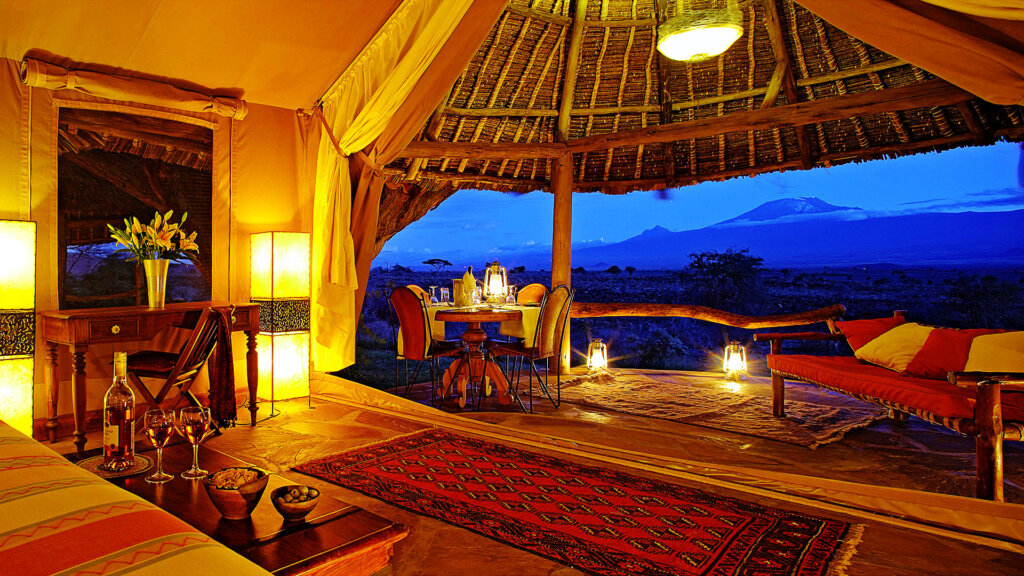
Elewana Tortilis Camp Amboseli
Elewana Tortilis Camp Amboseli Elewana Tortilis Camp Amboseli delivers a refined safari experience set against […]
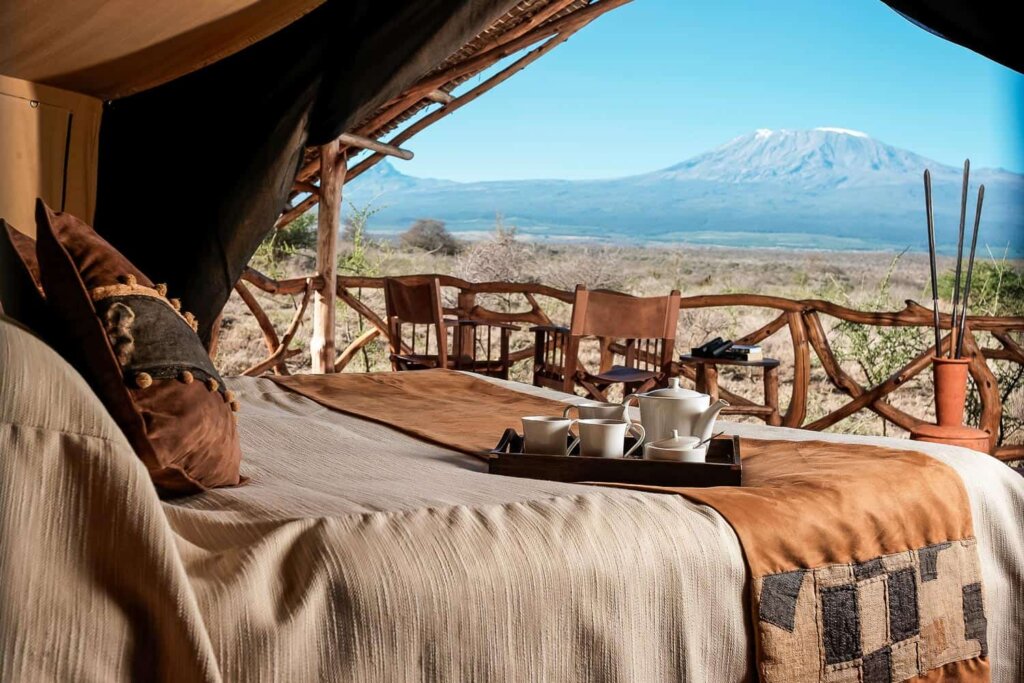
Elerai Camp
Elerai Camp Elerai Camp offers a rare blend of luxury, privacy, and raw wilderness in […]
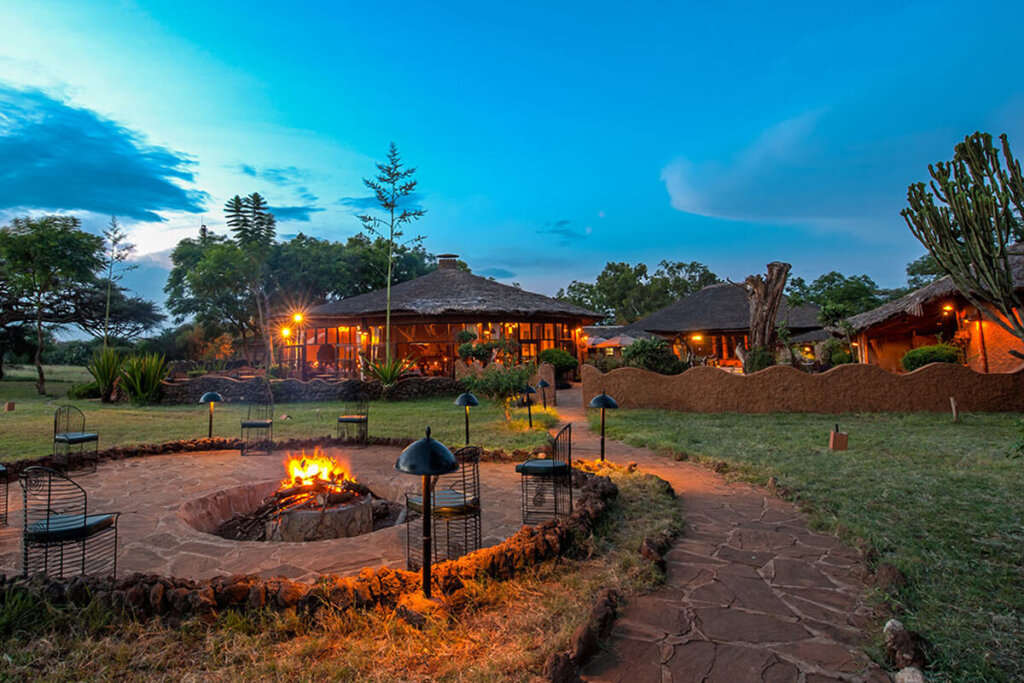
Amboseli Sopa Lodge
Amboseli Sopa Lodge Amboseli Sopa Lodge stands as one of Kenya’s most scenic safari retreats, […]
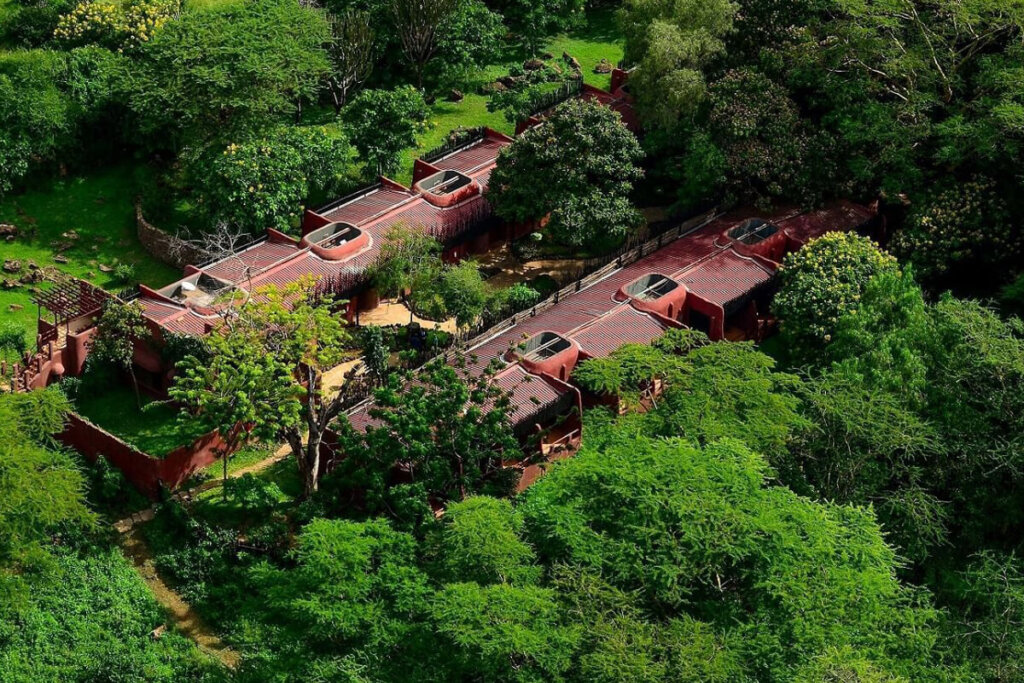
Amboseli Serena Safari Lodge
Amboseli Serena Safari Lodge Set beneath the majestic presence of Mount Kilimanjaro, Amboseli Serena Safari […]