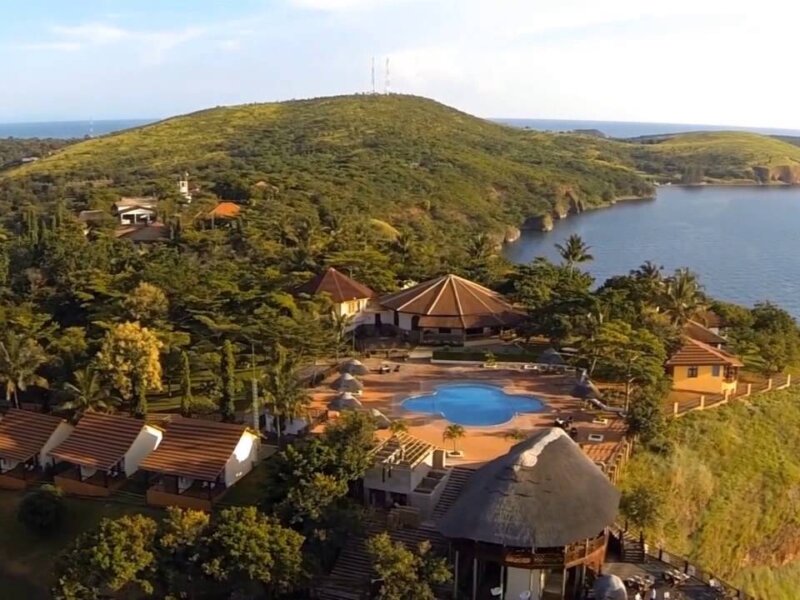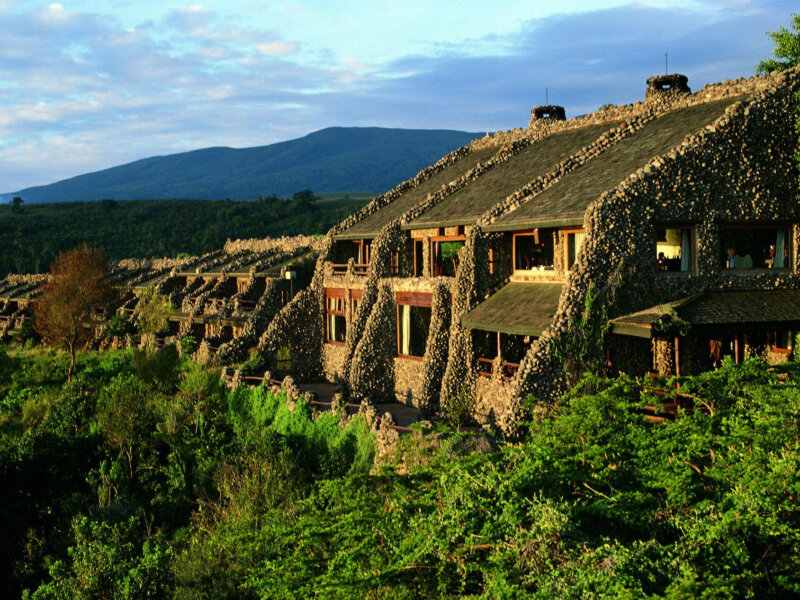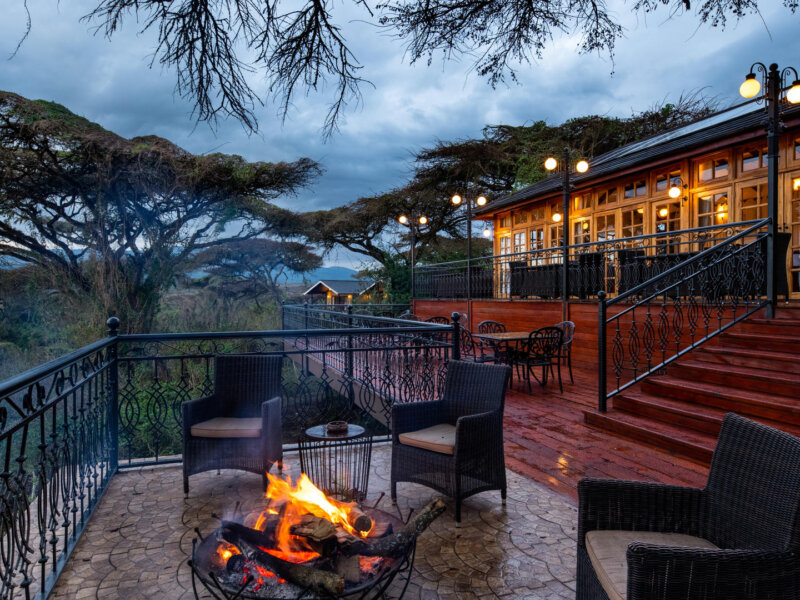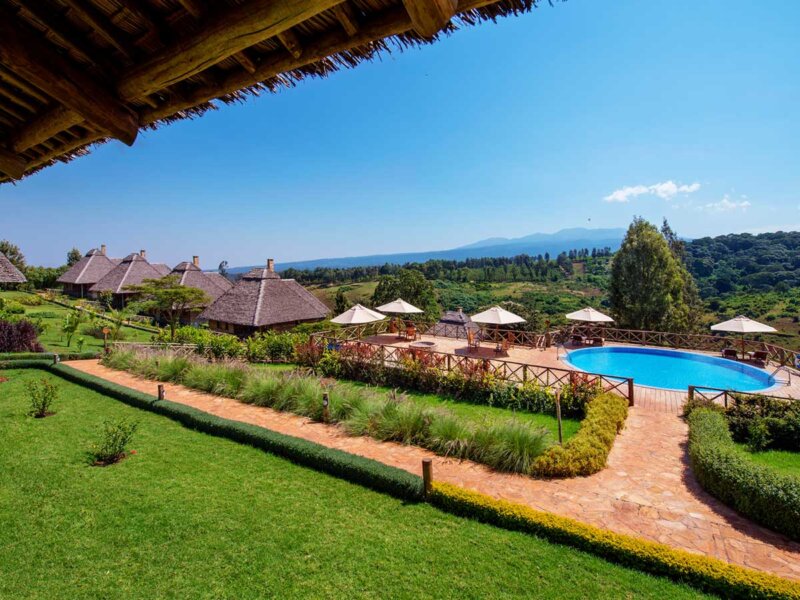
The Retreat at Ngorongoro Lodge
March 21, 2026
Ngorongoro Coffee Lodge
March 21, 2026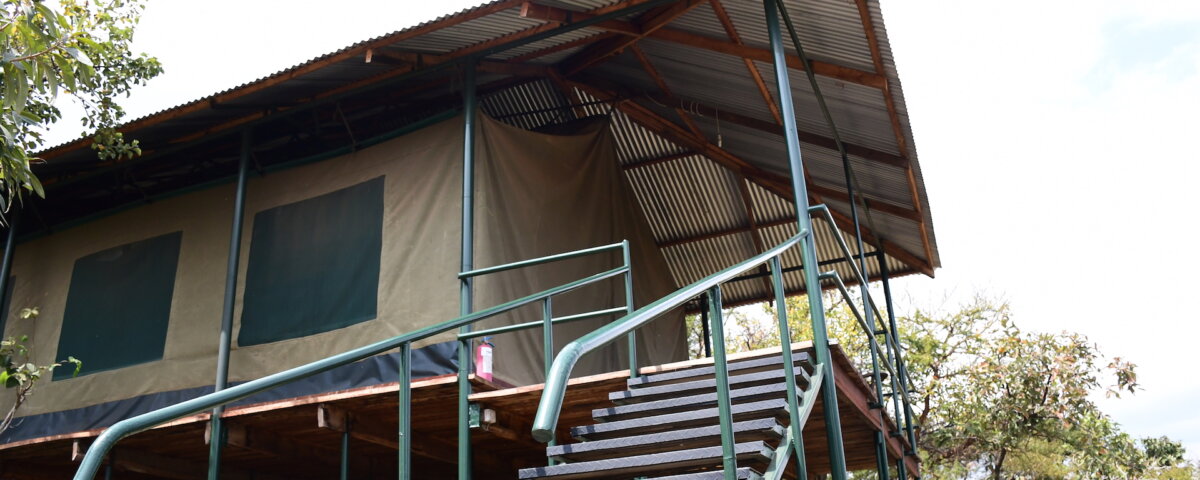
Ngorongoro Wild Camp
Ngorongoro Wild Camp delivers an authentic safari experience in the heart of northern Tanzania’s wildlife-rich landscapes. The camp sits close to the vast plains that connect the iconic Ngorongoro Conservation Area and the world-famous Serengeti National Park. This strategic location allows travelers to explore multiple ecosystems with ease while enjoying a peaceful and intimate stay. Unlike large lodges, the camp creates a closer connection to nature. You wake up to birdsong, feel the fresh savannah breeze, and often spot wildlife moving near the camp.
Moreover, the camp blends comfort with wilderness. It offers a raw safari feel without sacrificing essential amenities. Travelers who seek both adventure and relaxation find this balance appealing. The setting also supports unforgettable sunrise and sunset views, which enhance every safari day. Because of its location, Ngorongoro Wild Camp serves as an excellent base for exploring nearby attractions, including the legendary Ngorongoro Crater and surrounding national parks.
In addition, the camp supports sustainable tourism practices. It respects the environment and local communities, which strengthens its reputation as a responsible safari destination. As a result, travelers enjoy meaningful experiences while contributing to conservation. Ngorongoro Wild Camp stands as a strong choice for those who want to experience Tanzania’s wilderness in an authentic, comfortable, and eco-conscious way.
Accommodation at Ngorongoro Wild Camp
Ngorongoro Wild Camp offers comfortable and well-designed tented accommodation that blends naturally with the surrounding landscape. Each tent provides a peaceful retreat after a full day of safari adventures. The camp focuses on simplicity, yet it delivers all the essentials needed for a comfortable stay. Spacious tents feature cozy beds, quality linens, and private en-suite bathrooms. As a result, guests enjoy both relaxation and privacy in the heart of the wild.
Furthermore, each tent sits in a carefully selected position to maximize views and ensure tranquility. You can step outside and enjoy uninterrupted sights of the savannah. Early mornings feel refreshing, while evenings bring calm moments under star-filled skies. The camp design allows fresh air to flow freely, which enhances the natural safari atmosphere.
In addition, the dining area provides a welcoming space where guests enjoy freshly prepared meals. Chefs use local ingredients to create delicious dishes that suit international tastes. The lounge area also offers a perfect place to relax, share safari stories, and connect with fellow travelers. Warm campfires in the evening create a memorable social setting.
Importantly, the camp maintains high standards of cleanliness and service. Friendly staff remain attentive and ready to assist at all times. This combination of comfort, service, and natural beauty ensures that every guest enjoys a rewarding and memorable safari experience.
Serengeti National Park
Serengeti National Park stands as one of Africa’s most celebrated wildlife destinations. The park covers vast plains that stretch endlessly toward the horizon, creating a true sense of freedom and adventure. It hosts an incredible variety of wildlife, including lions, elephants, giraffes, zebras, and cheetahs. Because of this rich biodiversity, it attracts travelers from all over the world.
One of the most remarkable highlights is the Great Migration. Millions of wildebeests and zebras move across the plains in search of fresh grazing land. This natural event creates dramatic scenes, especially during river crossings. Visitors witness predator-prey interactions, which make every safari exciting and unpredictable.
In addition, the park offers excellent game viewing throughout the year. Different regions of the Serengeti provide unique experiences. The central area remains active with wildlife, while the southern plains host calving seasons. Meanwhile, the western corridor and northern regions offer migration sightings at different times.
Moreover, the park supports well-organized safari experiences. Professional guides lead game drives that maximize wildlife encounters while ensuring safety. As a result, visitors gain deeper knowledge about animal behavior and ecosystems.
The Serengeti delivers more than just wildlife viewing. It creates lasting memories through its landscapes, sounds, and energy. Every visit feels unique, which keeps travelers returning for new experiences.
Best Time to Visit Serengeti National Park
The best time to visit Serengeti National Park depends on what you want to experience. However, the park offers rewarding safaris throughout the year. Each season brings unique wildlife activity and scenery.
The dry season, from June to October, provides excellent game viewing. During this period, animals gather around water sources, which makes them easier to spot. Vegetation becomes thinner, so visibility improves significantly. In addition, the weather stays sunny and comfortable, which enhances the safari experience.
On the other hand, the wet season, from November to May, offers a different but equally exciting experience. The landscape turns green and vibrant, creating beautiful scenery for photography. This period also marks the calving season in the southern Serengeti. Thousands of wildebeest calves are born, attracting predators and creating dramatic wildlife interactions.
Furthermore, the migration moves across different regions depending on the time of year. Therefore, travelers can plan their visit based on specific migration events such as river crossings or calving.
Overall, the Serengeti remains a year-round destination. Careful planning helps you match your travel goals with the best seasonal highlights, ensuring a rewarding safari experience.
Ngorongoro Crater
Ngorongoro Crater ranks among the most unique wildlife destinations in the world. This massive volcanic caldera forms a natural enclosure that supports a dense population of animals. Because of its structure, wildlife remains within the crater throughout the year, which makes game viewing highly reliable.
The crater floor hosts a wide variety of animals, including lions, elephants, buffaloes, and rhinos. It also supports large herds of zebras and wildebeests. This diversity creates a balanced ecosystem where predators and prey interact naturally. As a result, visitors enjoy frequent and close wildlife encounters.
In addition, the scenery inside the crater adds to the experience. Lush grasslands, freshwater lakes, and acacia forests create a beautiful and varied landscape. The views from the crater rim also impress visitors, offering panoramic sights that stretch across the entire caldera.
Moreover, the crater holds cultural importance as part of the Ngorongoro Conservation Area, where local Maasai communities live alongside wildlife. This coexistence adds a cultural dimension to the safari experience.
The Ngorongoro Crater delivers a complete safari in a single location. It combines wildlife, scenery, and culture, making it a must-visit destination for any traveler exploring Tanzania.
Best Time to Visit Ngorongoro Crater
The Ngorongoro Crater offers excellent wildlife viewing throughout the year. However, certain seasons provide better conditions depending on your travel goals. Understanding these differences helps you plan a more rewarding visit.
The dry season, from June to October, stands out as the most popular time to visit. During this period, the weather remains clear and comfortable. Wildlife gathers around water sources, which makes animals easier to spot. In addition, the crater floor becomes less muddy, allowing smoother game drives.
Meanwhile, the wet season, from November to May, transforms the crater into a lush and green landscape. This season offers fewer crowds, which creates a more private and relaxed experience. Birdlife becomes more active, attracting birdwatchers from around the world. However, some roads may become slippery due to rain.
Importantly, the crater maintains a stable ecosystem. Wildlife stays within the area year-round, so visitors always have a high chance of seeing animals. This consistency makes the crater a reliable safari destination regardless of the season.
Overall, both seasons offer unique advantages. Choosing the best time depends on your preferences, whether you prioritize easier wildlife viewing or scenic beauty and fewer crowds.
Tarangire National Park
Tarangire National Park offers a quieter yet equally rewarding safari experience compared to more famous parks. The park stands out for its large elephant population and iconic baobab trees, which create a striking landscape.
During the dry season, animals migrate into Tarangire in search of water. As a result, the park becomes a hotspot for wildlife viewing. Visitors often see large herds of elephants, along with lions, leopards, giraffes, and zebras. This concentration of animals creates exciting game drives.
In addition, the Tarangire River acts as a lifeline for wildlife. Animals gather along its banks, which increases the chances of close encounters. Birdlife also thrives in the park, making it a great destination for birdwatching enthusiasts.
Moreover, Tarangire offers a more peaceful atmosphere. It receives fewer visitors compared to the Serengeti and Ngorongoro. Therefore, travelers enjoy a more exclusive and relaxed safari experience.
The park’s unique combination of wildlife, scenery, and tranquility makes it a valuable addition to any northern Tanzania safari itinerary. It provides a refreshing contrast while maintaining high-quality wildlife encounters.
Best Time to Visit Tarangire National Park
The best time to visit Tarangire National Park depends largely on wildlife movement and weather conditions. Each season offers a different experience, but the dry season remains the most rewarding for game viewing.
From June to October, the dry season draws large numbers of animals into the park. Wildlife gathers around the Tarangire River, which becomes the main water source. This concentration makes it easier to spot animals, including large elephant herds and predators.
On the other hand, the wet season, from November to May, brings lush greenery and fewer tourists. The landscape becomes vibrant, which creates excellent photography opportunities. Birdlife also increases during this period, attracting birdwatchers.
However, wildlife spreads out during the wet season because water becomes widely available. As a result, game viewing may require more time and patience.
Overall, the dry season offers the best wildlife concentration, while the wet season provides scenic beauty and a quieter atmosphere. Choosing the right time depends on your safari priorities.
Lake Manyara National Park
Lake Manyara National Park delivers a diverse and compact safari experience. Despite its smaller size, the park offers a wide range of ecosystems, including forests, grasslands, and a soda lake. This diversity supports various wildlife species and birdlife.
The park is famous for its tree-climbing lions, which create a unique attraction for visitors. In addition, large troops of baboons often welcome guests at the entrance. Elephants, giraffes, and hippos also thrive in the park.
Moreover, Lake Manyara attracts thousands of flamingos and other bird species. The lake’s shallow waters create a perfect habitat for birdlife, making it a paradise for birdwatchers.
The park also offers scenic beauty, with the Great Rift Valley escarpment forming a dramatic backdrop. This combination of wildlife and landscapes makes every safari visually rewarding.
Because of its location, Lake Manyara fits well into northern Tanzania safari circuits. It provides a diverse experience within a short time, which makes it ideal for travelers with limited schedules.
Best Time to Visit Lake Manyara National Park
The best time to visit Lake Manyara National Park depends on what you want to experience. However, the park remains accessible and rewarding throughout the year.
The dry season, from June to October, offers excellent wildlife viewing. Animals gather near water sources, which makes them easier to spot. Roads remain dry, allowing smooth and comfortable game drives.
Meanwhile, the wet season, from November to May, transforms the park into a lush and green paradise. This season attracts a large number of birds, including flamingos. Birdwatchers find this period especially rewarding.
However, heavy rains may affect road conditions, which can make some areas harder to access. Despite this, the scenery becomes more vibrant, offering beautiful photography opportunities.
Overall, both seasons provide unique experiences. The dry season suits wildlife viewing, while the wet season highlights scenic beauty and birdlife.
How to Reach Ngorongoro Wild Camp
Reaching Ngorongoro Wild Camp is straightforward, and travelers can choose between road and air transport depending on their preferences, budget, and schedule.
By Road:
Traveling by road offers a scenic and immersive journey through northern Tanzania. Most safaris begin in Arusha, which serves as the main gateway to the region. From Arusha, the drive takes you through beautiful landscapes, including rural villages and wildlife areas. The journey typically takes several hours, depending on road conditions and stops along the way. Many travelers prefer this option because it allows them to enjoy game viewing en route. Professional safari guides also enhance the experience by sharing insights about the environment and local culture.
By Air:
For faster and more convenient travel, visitors can fly to nearby airstrips. Domestic flights operate from major hubs such as Arusha and Dar es Salaam. These flights reduce travel time significantly and offer stunning aerial views of the landscape. Upon arrival, guests transfer to the camp by vehicle. This option suits travelers with limited time or those who prefer a more comfortable journey.
Both options provide unique advantages. Choosing the right one depends on your travel style and overall safari plan.
Activities at Ngorongoro Wild Camp
Ngorongoro Wild Camp offers a variety of activities that create a well-rounded safari experience. Each activity connects guests with nature, wildlife, and local culture.
Game Drives:
Game drives remain the highlight of any stay at the camp. Experienced guides lead these excursions through nearby wildlife areas, including the Ngorongoro Conservation Area. Early morning and late afternoon drives offer the best chances to see active animals. Guests often encounter lions, elephants, zebras, and more. Guides share valuable knowledge about animal behavior, which makes the experience both exciting and educational.
Nature Walks:
Guided nature walks provide a closer look at the environment. Unlike game drives, these walks focus on smaller details such as plants, insects, and tracks. Guests gain a deeper understanding of the ecosystem while enjoying a peaceful outdoor experience.
Cultural Visits:
Cultural visits allow travelers to interact with local Maasai communities. Guests learn about traditional lifestyles, customs, and daily activities. This experience adds cultural depth to the safari and promotes meaningful connections.
Bird Watching:
The region supports a wide variety of bird species. Birdwatching enthusiasts can spot both resident and migratory birds. Guides help identify species and explain their behavior.
Each activity adds value to the overall safari, ensuring a memorable and enriching experience.
Why Choose Ngorongoro Wild Camp
Ngorongoro Wild Camp stands out as a strong choice for travelers seeking an authentic and rewarding safari experience. First, its location offers easy access to top destinations such as the Serengeti National Park and the Ngorongoro Crater. This convenience allows guests to explore multiple highlights without long travel times.
In addition, the camp provides a balance between comfort and wilderness. Guests enjoy cozy accommodation while staying close to nature. This combination enhances the overall safari experience.
Moreover, the camp emphasizes personalized service. Staff focus on guest satisfaction, ensuring every detail meets expectations. This approach builds trust and encourages repeat visits.
Sustainability also plays a key role. The camp supports eco-friendly practices and respects local communities. Travelers contribute to conservation while enjoying their stay.
Finally, the camp offers diverse activities that cater to different interests. Whether you prefer wildlife viewing, cultural experiences, or relaxation, you will find something meaningful.
Choosing Ngorongoro Wild Camp means choosing quality, authenticity, and a deeper connection to Africa’s natural beauty.
Combined Uganda, Kenya, Rwanda and Tanzania Safaris
17 days Kenya Tanzania and Uganda safari
19 Days Uganda Kenya and Tanzania Safari
16 Days Kenya Tanzania and Uganda Safari
14 Days Kenya Uganda and Tanzania Safari
14 Days Kenya Uganda and Rwanda Safari