Things to Do in Tanzania Beyond Wildlife Safaris
April 3, 2026
Tarangire Safari Lodge
April 5, 2026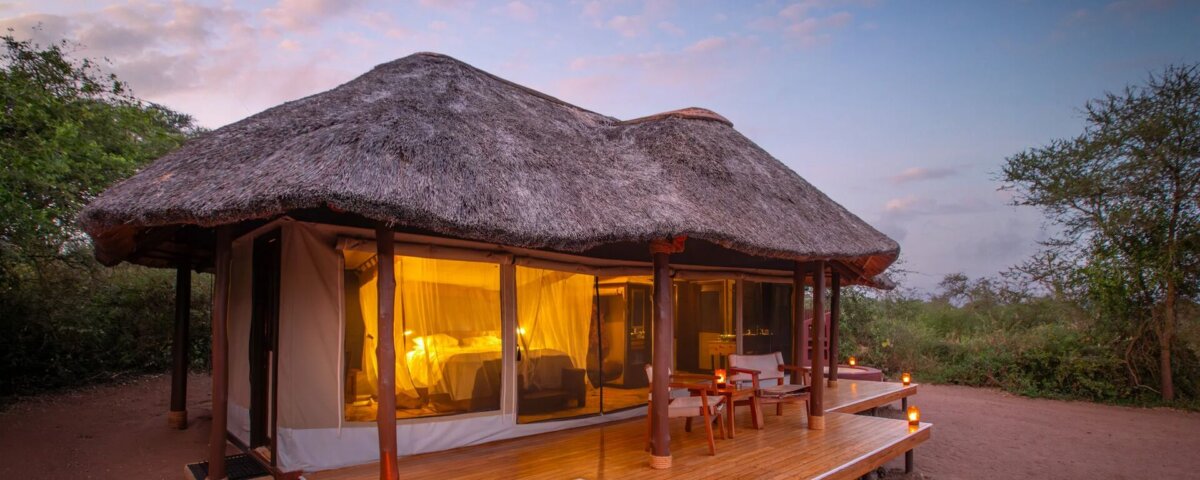
Oliver’s Camp
Olivers Camp stands in the remote southern part of Tarangire National Park, a place where wild Africa feels raw, untouched, and deeply authentic. This camp delivers a true safari experience far from crowded routes. As soon as guests arrive, the atmosphere feels different. Silence dominates, broken only by natural sounds elephants moving through the bush, birds calling at sunrise, and lions roaring in the distance.
Unlike many modern lodges, Oliver’s Camp focuses on simplicity, comfort, and connection with nature. The design blends perfectly into the landscape, which allows guests to feel part of the wilderness instead of separate from it. Moreover, the camp creates a strong sense of exclusivity. Few vehicles operate in this remote area, so game drives feel private and immersive.
Because of its location, the camp offers access to diverse wildlife habitats. Open savannah, baobab-dotted plains, and seasonal swamps surround the area. As a result, wildlife viewing remains consistent throughout the year. Travelers who seek a deeper, more meaningful safari experience will find Oliver’s Camp a perfect match.
Accommodation at Olivers Camp
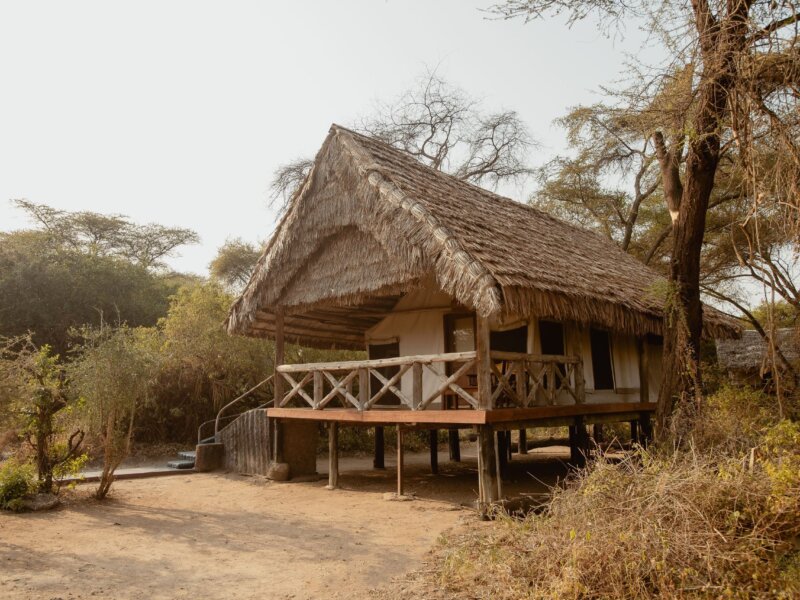
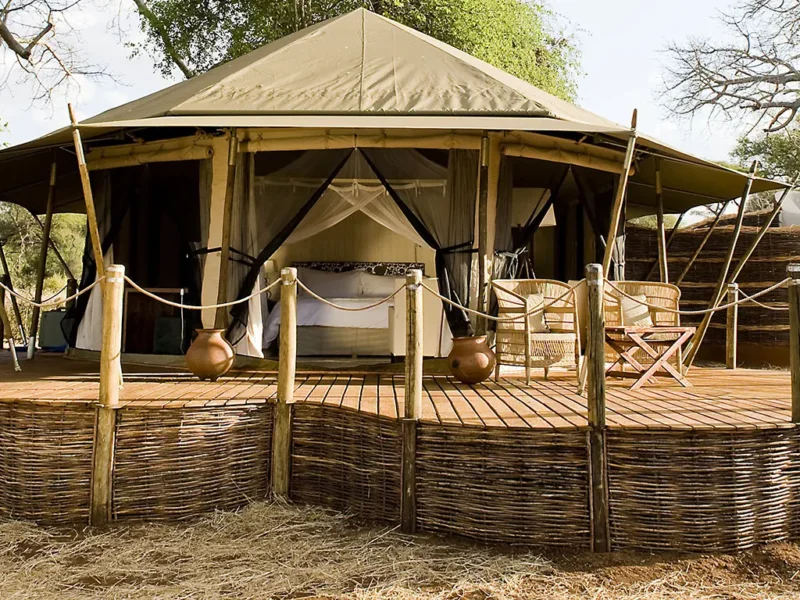
Accommodation at Oliver’s Camp delivers comfort without losing the spirit of adventure. The camp features spacious safari tents designed with natural materials that blend into the environment. Each tent stands on a raised platform, offering excellent views of the surrounding wilderness.
Inside, the rooms feel warm and inviting. Large beds, soft linens, and carefully selected décor create a relaxing space after long game drives. Additionally, en-suite bathrooms include flush toilets and outdoor showers, which allow guests to stay connected with nature even during daily routines.
Furthermore, the tents provide privacy and space. Each unit sits far from the next, ensuring peace and quiet. Private verandas offer a perfect spot to relax, read, or watch wildlife pass nearby. In many cases, elephants and antelopes walk right through the camp area.
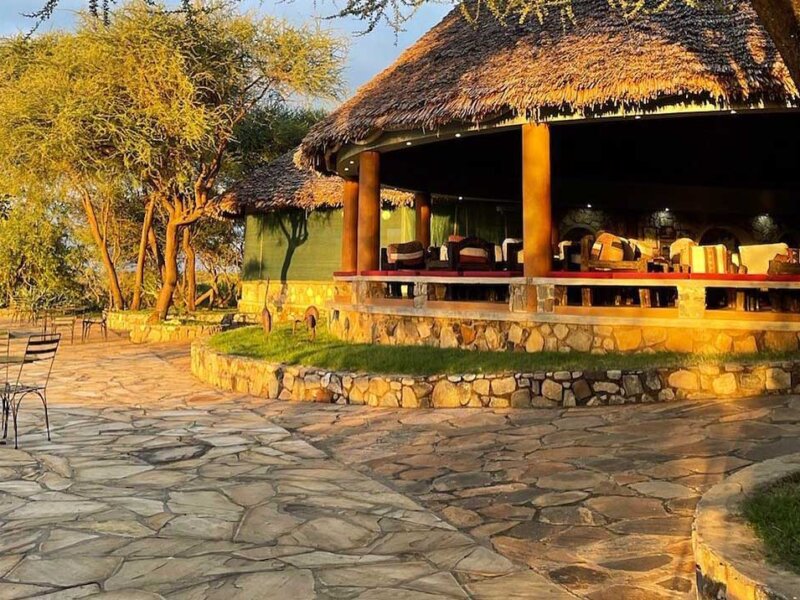
The main lounge and dining area add to the experience. Guests gather around the fire in the evening, sharing stories of the day’s adventures. Overall, the accommodation strikes a perfect balance between comfort and authenticity, which enhances the entire safari journey.
Serengeti National Park
Serengeti National Park ranks among Africa’s most iconic safari destinations. This vast ecosystem stretches across endless plains and supports one of the richest wildlife populations on Earth. The park’s name reflects its endless horizons, and visitors quickly understand why.
The Serengeti hosts the Great Migration, where millions of wildebeest and zebras move in search of fresh grazing. This natural event creates dramatic river crossings and predator-prey interactions that define the African safari experience. However, even outside migration season, the park remains full of life.
Lions, leopards, cheetahs, elephants, and giraffes roam freely across the plains. Additionally, birdlife thrives here, making the park ideal for birdwatchers. The ecosystem stays balanced, and each season offers a different perspective of the landscape.
Because of its global reputation, the Serengeti attracts travelers from all over the world. Yet, with proper planning, visitors still enjoy peaceful and rewarding game drives in selected areas.
Best Time to Visit Serengeti National Park
The best time to visit Serengeti National Park depends on what travelers want to experience. However, the dry season from June to October offers the most reliable wildlife viewing. During this period, animals gather around water sources, which makes sightings easier and more frequent.
At the same time, this season hosts key moments of the Great Migration. River crossings often happen between July and September, creating dramatic wildlife scenes. Therefore, photographers and first-time safari travelers prefer this period.
On the other hand, the green season from November to May brings fewer crowds and lush landscapes. Calving season occurs between January and March, which attracts predators and increases action-packed sightings. Moreover, birdlife becomes vibrant during this time.
Each season offers unique advantages. As a result, travelers can plan their visit based on personal interests, whether they seek dramatic wildlife action or peaceful scenic beauty.
Ngorongoro Crater
Ngorongoro Crater offers one of the most unique safari settings in Africa. This massive volcanic caldera forms a natural enclosure that supports an incredible concentration of wildlife. The crater floor creates a self-contained ecosystem where animals live year-round.
Because of this unique environment, visitors often see the Big Five within a single day. Lions, elephants, buffaloes, rhinos, and leopards all inhabit the crater. Additionally, large herds of zebras and wildebeest graze across the plains.
The scenery adds another layer to the experience. Steep crater walls surround the landscape, while lakes and wetlands attract birds and hippos. Every view feels dramatic and unforgettable.
Moreover, conservation efforts protect this area, ensuring that wildlife thrives for future generations. Visitors enjoy both exceptional game viewing and a strong sense of environmental preservation.
Best Time to Visit Ngorongoro Crater
Travelers can visit Ngorongoro Crater throughout the year, yet the dry season from June to October offers the best conditions. During this time, grass becomes shorter, which improves visibility for wildlife viewing. Animals also gather near water sources, making sightings more predictable.
However, the green season between November and May transforms the crater into a lush paradise. The scenery becomes vibrant, and birdlife increases significantly. Although rain may occur, the experience remains rewarding and less crowded.
Because wildlife stays within the crater year-round, visitors never miss out. Therefore, the best time depends on travel preferences. Those who prefer clear skies and easier sightings should choose the dry season, while nature lovers may enjoy the beauty of the green season.
Tarangire National Park
Tarangire National Park remains one of Tanzania’s hidden safari gems. The park stands out for its large elephant herds and iconic baobab trees. These ancient trees shape the landscape and create a unique safari atmosphere.
During the dry season, the Tarangire River becomes the main water source. As a result, animals gather in large numbers along its banks. Visitors often see elephants, zebras, buffaloes, and predators in a single game drive.
Unlike busier parks, Tarangire offers a quieter and more intimate safari experience. This peaceful setting allows travelers to connect deeply with nature. Moreover, the park supports diverse habitats, which attract a wide range of wildlife and bird species.
Because of its proximity to Oliver’s Camp, Tarangire serves as a perfect base for authentic and exclusive safari adventures.
Best Time to Visit Tarangire National Park
The best time to visit Tarangire National Park falls between June and October. During this dry season, wildlife concentrates around the Tarangire River, which makes sightings easy and consistent.
Large elephant herds dominate the landscape, and predators follow prey closely. Therefore, game drives become highly rewarding. Clear skies and dry roads also improve travel conditions.
In contrast, the green season from November to May brings lush scenery and fewer tourists. Although wildlife spreads out, the park becomes ideal for birdwatching. Migratory birds arrive, adding color and diversity to the environment.
Each season offers a different experience. However, travelers seeking high wildlife density should plan for the dry months.
Lake Manyara National Park
Lake Manyara National Park offers a compact yet diverse safari experience. The park features groundwater forests, open plains, and the alkaline lake that attracts thousands of flamingos.
One of its most unique features includes tree-climbing lions. These rare predators rest on branches, creating unusual and memorable sightings. Additionally, elephants move through the forest, while hippos gather in pools near the lake.
The park also supports rich birdlife, making it a favorite for birdwatchers. Pelicans, storks, and flamingos create colorful scenes along the shoreline.
Because of its smaller size, visitors can explore different habitats within a short time. This variety makes Lake Manyara a perfect addition to northern Tanzania safari itineraries.
Best Time to Visit Lake Manyara National Park
The best time to visit Lake Manyara National Park runs from June to October. During this dry period, wildlife gathers around water sources, which improves viewing opportunities.
However, the wet season from November to May enhances the park’s beauty. The lake attracts large flocks of flamingos, and the forest becomes lush and vibrant. Birdwatchers especially enjoy this time.
Although rain may occur, the park remains accessible and rewarding. Therefore, travelers can choose based on their interests wildlife concentration or scenic beauty.
How to Reach Olivers Camp
By Road
Travelers can reach Oliver’s Camp by road from Arusha. The journey takes about 4 to 6 hours, depending on road conditions. The route passes through scenic landscapes, local villages, and wildlife areas, which makes the drive enjoyable.
Professional safari guides handle transfers using 4×4 vehicles. These vehicles ensure comfort and safety, even on rough terrain. Additionally, game viewing often begins along the way, as animals appear near park boundaries.
By Air
Visitors can also reach Oliver’s Camp by air. Scheduled and charter flights operate from Arusha and other major safari hubs. Flights land at nearby airstrips within Tarangire.
After landing, a short game drive transfers guests to the camp. This option saves time and adds excitement, as wildlife sightings often begin immediately after arrival.
Activities at Olivers Camp
Game Drives
Game drives form the core of the Oliver’s Camp experience. Expert guides lead these drives through remote sections of Tarangire. Because the area remains less crowded, guests enjoy uninterrupted wildlife encounters.
Morning and evening drives offer different perspectives. Early drives reveal active predators, while evening drives showcase dramatic sunsets and nocturnal animals. Guides share deep knowledge about animal behavior, tracks, and ecosystems.
Walking Safaris
Walking safaris bring guests closer to nature. Armed guides lead small groups through the bush, focusing on details often missed during drives. Visitors learn about plants, insects, and animal tracks.
This activity creates a deeper connection with the environment. Every step reveals new insights, which makes the experience both educational and thrilling.
Night Game Drives
Night drives offer a rare chance to explore the bush after dark. Special vehicles use spotlights to locate nocturnal animals. Guests may see leopards, hyenas, and other elusive species.
The experience feels exciting and unpredictable. Sounds become sharper, and every sighting feels unique.
Bird Watching
Tarangire supports rich birdlife, and Oliver’s Camp offers excellent birdwatching opportunities. Guides help identify species and explain their behaviors.
From colorful kingfishers to large raptors, the variety impresses both beginners and experienced birders.
Why Visit Olivers Camp with Giant Holiday Safaris
Traveling with Giant Holiday Safaris creates a seamless and enriching experience. The company designs personalized itineraries that match each traveler’s interests and pace.
Expert guides lead every journey, ensuring safety, knowledge, and memorable encounters. Additionally, the company selects high quality camps like Oliver’s Camp to deliver authentic and comfortable stays.
Moreover, strong local partnerships enhance every aspect of the safari. From transport to accommodation, each detail receives careful attention. This approach builds trust and ensures consistent quality.
Giant Holiday Safaris also focuses on responsible tourism. The company supports conservation and local communities, which adds value to every trip.
For travelers seeking a reliable and professional safari partner, Giant Holiday Safaris stands out as a trusted choice in African tourism.
Combined Uganda, Kenya, Rwanda and Tanzania Safaris
17 days Kenya Tanzania and Uganda safari
19 Days Uganda Kenya and Tanzania Safari
16 Days Kenya Tanzania and Uganda Safari
14 Days Kenya Uganda and Tanzania Safari
14 Days Kenya Uganda and Rwanda Safari