Lake Natron Maasai Guest House
March 24, 2026
Mvuli Mountain Lodge Ngorongoro
March 25, 2026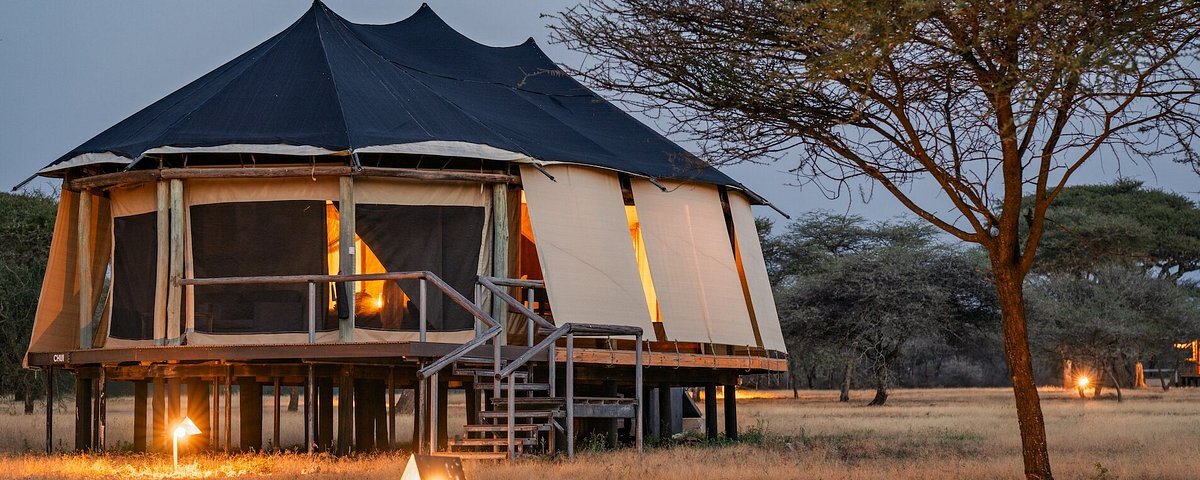
Pakulala Safari Camp
Pakulala Safari Camp offers a refined and immersive safari experience in northern Tanzania, placing travelers at the heart of Africa’s most iconic wildlife landscapes. This camp blends comfort, authenticity, and adventure, creating a perfect base for exploring the legendary northern safari circuit. From the moment you arrive, the camp delivers a sense of calm, privacy, and connection to nature. Soft canvas tents, warm hospitality, and sweeping views of the wilderness create an atmosphere that feels both exclusive and deeply African.
Moreover, Pakulala Safari Camp stands out because it focuses on personalized experiences. Every guest enjoys attentive service, well-curated meals, and guided activities that highlight the beauty of the surrounding parks. The camp’s strategic location allows easy access to top destinations such as Serengeti National Park and Ngorongoro Crater, making it an excellent choice for travelers who want to explore multiple ecosystems without long travel times. Whether you seek wildlife encounters, scenic landscapes, or peaceful relaxation, Pakulala Safari Camp delivers a complete safari experience. As a result, it continues to attract global travelers who value authenticity, comfort, and expert-guided adventures in Africa.
Accommodation at Pakulala Safari Camp
Accommodation at Pakulala Safari Camp combines luxury with a strong sense of wilderness immersion. The camp features spacious safari tents designed to provide comfort while maintaining a close connection to nature. Each tent includes cozy beds, quality linens, and private en-suite bathrooms. Large windows and private verandas allow guests to enjoy uninterrupted views of the surrounding savannah, creating a peaceful and intimate setting.
In addition, the camp carefully balances modern convenience with traditional safari charm. Solar-powered lighting, eco-friendly systems, and locally inspired décor enhance the overall experience while supporting sustainable tourism. Guests can relax in comfortable lounge areas, enjoy freshly prepared meals in the dining tent, and gather around the campfire in the evening. These shared spaces encourage storytelling and connection, which enrich the safari journey.
Furthermore, the camp ensures privacy and exclusivity by limiting the number of guests. This approach creates a quiet and personalized environment, ideal for couples, families, and solo travelers. Every detail, from attentive staff service to thoughtfully arranged interiors, reflects a commitment to quality and guest satisfaction. As a result, Pakulala Safari Camp delivers an authentic yet refined accommodation experience that meets the expectations of modern safari travelers.
Serengeti National Park
Serengeti National Park stands as one of Africa’s most celebrated wildlife destinations, known for its vast plains and incredible biodiversity. This iconic park covers thousands of square kilometers, offering endless horizons and a rich ecosystem that supports a wide range of wildlife. Visitors often come here to witness the famous Great Migration, where millions of wildebeest and zebras move across the plains in search of fresh grazing.
In addition, the Serengeti provides excellent opportunities to spot the Big Five, including lions, elephants, leopards, rhinos, and buffaloes. The park’s diverse habitats, from open grasslands to riverine forests, support a high concentration of predators and prey. Game drives in the Serengeti deliver unforgettable moments, such as watching lions hunt or cheetahs sprint across the plains.
Moreover, the Serengeti offers more than just wildlife. The landscape itself creates a sense of wonder, with golden sunsets, acacia-dotted plains, and dramatic skies. Visitors also enjoy hot air balloon safaris, which provide a unique aerial perspective of the ecosystem. Overall, Serengeti National Park remains a must-visit destination for anyone seeking a true African safari experience.
Best Time to Visit Serengeti National Park
The best time to visit Serengeti National Park depends on the type of experience you seek. However, the park offers excellent wildlife viewing throughout the year. The dry season, which runs from June to October, provides the most reliable game viewing. During this period, animals gather around water sources, making them easier to spot. In addition, vegetation becomes thinner, which improves visibility during game drives.
On the other hand, the wet season, from November to May, transforms the Serengeti into a lush and vibrant landscape. This time attracts bird lovers due to the arrival of migratory species. Calving season, which occurs between January and March, offers a unique experience as thousands of young animals are born. Predators also become more active during this time, creating dramatic wildlife interactions.
Furthermore, the timing of the Great Migration varies throughout the year. Travelers can plan their visit based on specific migration events, such as river crossings or calving. Therefore, each season presents its own highlights. With proper planning, visitors can enjoy an exceptional safari experience at any time of the year.
Ngorongoro Crater
Ngorongoro Crater offers one of the most unique safari environments in Africa. This massive volcanic caldera forms a natural enclosure that supports a dense concentration of wildlife. The crater floor features grasslands, swamps, and lakes, which create a diverse habitat for various animal species.
In addition, the Ngorongoro Crater provides one of the best chances to see the endangered black rhino. The enclosed environment allows wildlife to thrive, making it easier for visitors to spot animals within a relatively small area. Game drives in the crater often reveal lions, elephants, hyenas, and large herds of buffalo.
Moreover, the crater’s dramatic scenery enhances the safari experience. Steep walls surround the basin, creating breathtaking views from the rim. Early morning descents into the crater offer cool temperatures and active wildlife, making it an ideal time for exploration. As a UNESCO World Heritage Site, Ngorongoro Crater holds both ecological and cultural significance. It remains a key highlight for travelers exploring Tanzania’s northern safari circuit.
Best Time to Visit Ngorongoro Crater
The best time to visit Ngorongoro Crater spans the entire year, as wildlife remains within the crater throughout all seasons. However, the dry season from June to October offers the most comfortable conditions. During this time, the weather stays cool and dry, which makes game drives more enjoyable. Wildlife also becomes easier to spot as animals gather around water sources.
In contrast, the wet season from November to May brings lush greenery and fewer crowds. The landscape becomes more scenic, and birdlife increases significantly. Although rain may occur, it usually falls in short bursts, allowing for continued exploration. In addition, the calving season attracts predators, which creates exciting wildlife interactions.
Furthermore, the crater’s high altitude ensures moderate temperatures year-round. Visitors should bring warm clothing, especially for early morning drives. Overall, each season offers unique advantages, allowing travelers to enjoy the Ngorongoro Crater regardless of when they visit.
Tarangire National Park
Tarangire National Park offers a quieter yet equally rewarding safari experience. This park is famous for its large elephant herds and iconic baobab trees, which create a striking landscape. Tarangire provides a more intimate setting compared to busier parks, making it ideal for travelers seeking tranquility and exclusive wildlife encounters.
In addition, the Tarangire River serves as a vital water source, attracting animals during the dry season. Visitors often spot elephants, giraffes, zebras, and a variety of antelope species along the riverbanks. Predators such as lions and leopards also frequent the area, which enhances the safari experience.
Moreover, Tarangire supports a rich diversity of birdlife, making it a great destination for birdwatching. The park’s varied habitats, including woodlands and swamps, support hundreds of bird species. Game drives here feel more relaxed, allowing guests to fully appreciate the surroundings.
Overall, Tarangire National Park offers a unique blend of wildlife, scenery, and peaceful exploration, making it a valuable addition to any Tanzania safari itinerary.
Best Time to Visit Tarangire National Park
The best time to visit Tarangire National Park falls during the dry season from June to October. During this period, wildlife concentrates around the Tarangire River, which creates excellent game viewing opportunities. Large elephant herds gather in impressive numbers, offering unforgettable sightings.
However, the wet season from November to May also presents its own appeal. The landscape becomes green and vibrant, and the park attracts migratory birds. This season offers fewer crowds, which allows for a more peaceful experience. Although wildlife disperses during this time, visitors still enjoy rewarding sightings.
Therefore, both seasons provide unique advantages. Travelers should choose based on their interests, whether they prefer peak wildlife viewing or scenic beauty.
Lake Manyara National Park
Lake Manyara National Park offers a compact yet diverse safari experience. This park features a mix of forests, grasslands, and the alkaline lake itself, which attracts large flocks of flamingos. The varied ecosystem supports a wide range of wildlife, including elephants, hippos, and tree-climbing lions.
In addition, Lake Manyara provides excellent birdwatching opportunities. The lake and surrounding habitats attract hundreds of bird species, making it a paradise for bird enthusiasts. Game drives through the forest often reveal monkeys and other small mammals, adding variety to the safari.
Moreover, the park’s scenic beauty enhances the overall experience. The Great Rift Valley escarpment forms a dramatic backdrop, creating stunning views throughout the park. Visitors can also enjoy activities such as canoeing and guided walks.
Overall, Lake Manyara National Park delivers a rich and diverse safari experience within a relatively small area, making it an excellent stop on the northern circuit.
Best Time to Visit Lake Manyara National Park
The best time to visit Lake Manyara National Park depends on your travel goals. The dry season from June to October offers easier wildlife viewing, as animals gather near water sources. Roads also remain more accessible during this time.
In contrast, the wet season from November to May transforms the park into a lush environment. Flamingos gather in large numbers, creating stunning scenes along the lake. Birdwatching becomes particularly rewarding during this period.
Additionally, the park remains accessible year-round, and each season offers unique experiences. Travelers can enjoy excellent safaris regardless of when they visit, as long as they plan accordingly.
How to Reach Pakulala Safari Camp
Reaching Pakulala Safari Camp remains simple and convenient, thanks to well-established transport options across northern Tanzania.
By Road:
Travelers can reach the camp by road from Arusha, which serves as the main gateway to Tanzania’s northern safari circuit. The journey takes several hours, depending on the route and parks included in the itinerary. Along the way, travelers enjoy scenic landscapes, local villages, and wildlife sightings. Professional safari guides ensure a safe and comfortable journey while providing valuable insights about the region.
By Air:
Alternatively, guests can choose scheduled or charter flights from Arusha or Kilimanjaro International Airport to nearby airstrips. From there, short transfers take guests directly to the camp. This option saves time and offers stunning aerial views of the landscape. Air travel provides convenience for travelers with limited time or those seeking a more luxurious experience.
Activities at Pakulala Safari Camp
Game Drives:
Game drives form the core of the safari experience at Pakulala Safari Camp. Guests explore nearby parks with experienced guides who understand animal behavior and ecosystems. Early morning and evening drives offer the best chances to spot wildlife, including predators and large herbivores. Open safari vehicles provide clear views and excellent photography opportunities. Each drive feels unique, as the landscape and animal movements change constantly.
Guided Nature Walks:
Guided walks allow guests to experience the wilderness up close. Skilled guides lead small groups through safe areas, explaining plants, tracks, and smaller wildlife often missed during game drives. This activity deepens understanding of the ecosystem and creates a more personal connection with nature.
Cultural Visits:
Cultural experiences introduce guests to local communities and traditions. Visitors engage with local people, learn about their way of life, and gain insights into cultural practices. These visits enrich the safari experience and support community-based tourism.
Bird Watching:
Bird watching attracts enthusiasts due to the region’s rich birdlife. Guests spot a wide range of species, from colorful resident birds to seasonal migrants. Guides help identify species and explain their behaviors, making the activity both educational and enjoyable.
Why Choose Pakulala Safari Camp
Pakulala Safari Camp stands out as a top choice for travelers seeking an authentic and high-quality safari experience in Tanzania. The camp combines comfort, expert guidance, and strategic location, which allows easy access to iconic destinations. Guests enjoy personalized service, well-designed accommodation, and carefully curated activities that highlight the best of the region.
Moreover, the camp emphasizes sustainability and responsible tourism. Eco-friendly practices protect the environment while supporting local communities. This approach aligns with modern travel values and enhances the overall experience.
In addition, Pakulala Safari Camp offers flexibility in itinerary planning. Travelers can explore multiple parks, including Serengeti National Park and Ngorongoro Crater, without long travel distances. This convenience maximizes time spent on safari and reduces travel fatigue.
Ultimately, Pakulala Safari Camp delivers a balanced experience that combines adventure, comfort, and cultural connection. It remains an excellent choice for global travelers who want a reliable, expert-led safari in Africa.
Combined Uganda, Kenya, Rwanda and Tanzania Safaris
17 days Kenya Tanzania and Uganda safari
19 Days Uganda Kenya and Tanzania Safari
16 Days Kenya Tanzania and Uganda Safari
14 Days Kenya Uganda and Tanzania Safari
14 Days Kenya Uganda and Rwanda Safari