12 Days Tanzania Safari & Uganda Gorilla Trekking Tour
January 12, 2026
Villa Gorilla Lodge Kinigi Rwanda
January 21, 2026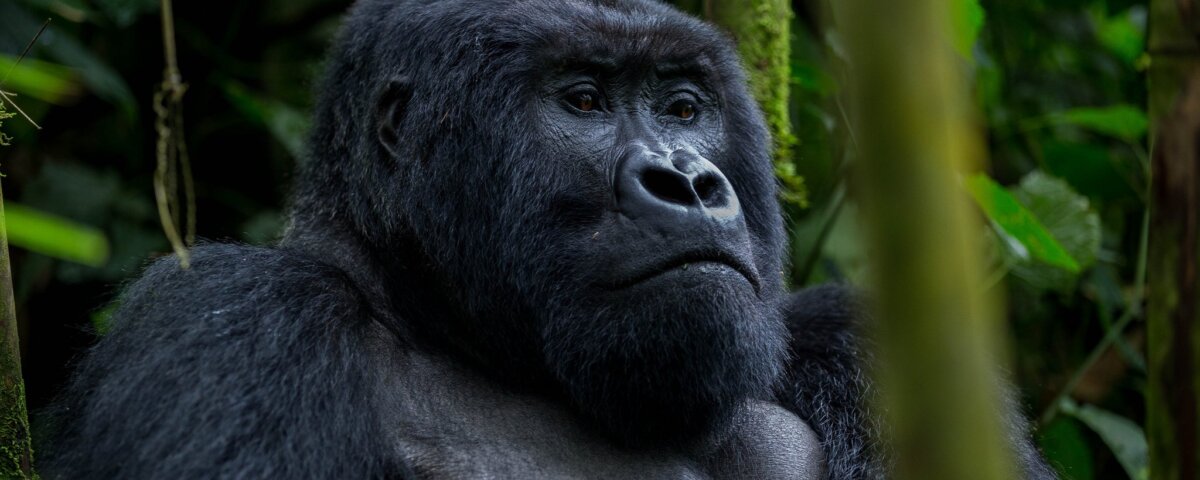
Uganda Gorilla Trekking from Kenya
Uganda gorilla trekking from Kenya offers one of Africa’s most rewarding cross-border adventures. Travelers start their journey in Kenya, a country famous for classic safaris, then continue west into Uganda, home to nearly half of the world’s remaining mountain gorillas. This combination creates a powerful safari experience that blends open savannah wildlife with deep rainforest encounters. Many travelers fly from Nairobi to Entebbe, while others choose an overland route through western Kenya for scenic landscapes and cultural stops.
Uganda stands out because of its affordable permits, rich biodiversity, and expert-guided trekking experiences. Gorilla trekking takes place in protected forests where conservation comes first, and visitor numbers stay low. As a result, travelers enjoy intimate encounters that feel personal and meaningful. At the same time, Kenya adds value through its strong tourism infrastructure, excellent international connections, and iconic wildlife parks like the Maasai Mara.
This journey suits adventure seekers, nature lovers, photographers, and travelers who want authentic African experiences. It also appeals to first-time visitors to Africa because it balances comfort, safety, and excitement. By combining Kenya and Uganda, travelers gain a deeper understanding of East Africa’s landscapes, wildlife, and people. Overall, Uganda gorilla trekking from Kenya delivers a life-changing safari that connects travelers to nature while supporting conservation and local communities.
How Long and Tough is Gorilla Trekking in Uganda?
Gorilla trekking in Uganda usually lasts between two and six hours, depending on where the gorilla family moves on that day. The experience begins early in the morning with a briefing from park rangers. After that, small groups enter the forest and follow expert trackers who locate the gorillas. The walk often includes hills, dense vegetation, and uneven ground. However, the pace stays steady and manageable.
The trek challenges the body, but it does not require extreme fitness. Most travelers with average health complete the trek successfully. Rangers adjust the route and speed to match the group’s ability. In addition, porters remain available to help carry bags and offer support along steep sections. This support makes the trek more comfortable and enjoyable.
What makes the effort worthwhile is the final reward. Once travelers meet the gorillas, they spend one unforgettable hour observing them at close range. During this time, trekkers watch gorillas feed, rest, groom each other, and interact naturally. The moment feels powerful, emotional, and deeply personal.
Overall, gorilla trekking requires determination, patience, and a positive mindset. However, the experience stays accessible and safe. With proper preparation and guidance, travelers from all age groups enjoy the trek and leave with memories that last a lifetime.
How Much Does a Gorilla Trekking Permit Cost in Uganda?
A gorilla trekking permit in Uganda costs USD 800 per person for foreign non-residents. This permit allows one hour with a habituated gorilla family inside a protected national park. While the cost may seem high, it plays a vital role in conservation and community development. Permit fees support park protection, ranger salaries, medical monitoring of gorillas, and local livelihoods.
Compared to other gorilla trekking destinations, Uganda offers strong value. Rwanda charges higher permit fees, while Uganda maintains excellent guiding standards at a more accessible price. As a result, many travelers choose Uganda for a longer stay and a deeper safari experience.
Permits sell out quickly, especially during peak travel seasons. Therefore, early booking remains essential. Travelers should secure permits several months in advance to avoid disappointment. Tour operators often handle this process and combine permits with accommodation, transport, and guiding services.
Importantly, permits follow strict rules to protect gorillas. Only a limited number of visitors trek each gorilla family per day. This system reduces stress on the animals and preserves their natural behavior.
In short, the permit cost reflects more than access. It represents a long-term investment in wildlife conservation, responsible tourism, and sustainable travel in Uganda.
Where to Stay During Uganda Gorilla Trekking from Kenya
Uganda offers a wide range of accommodation options near gorilla trekking parks. Travelers can choose from luxury lodges, midrange safari camps, and budget-friendly guesthouses. These lodges sit close to trekking starting points, which reduces travel time and increases comfort.
Luxury lodges provide spacious cottages, forest views, fine dining, and personalized service. Many use eco-friendly designs that blend into the environment. Midrange lodges balance comfort and affordability, offering private rooms, hot showers, and warm hospitality. Budget lodges still maintain cleanliness and safety while serving travelers who prefer simple stays.
Staying near the parks enhances the overall experience. Early morning treks become easier, and guests enjoy peaceful forest surroundings. In the evenings, travelers relax by fireplaces, share stories, and listen to forest sounds.
Many lodges also support local communities through employment and sourcing local produce. This connection adds meaning to each stay. Travelers contribute directly to conservation and community growth by choosing responsible accommodation.
Overall, Uganda provides accommodation that fits every travel style. Whether travelers seek comfort, value, or immersion in nature, they find suitable options that enhance their gorilla trekking journey from Kenya.
What to Pack for a Uganda Gorilla Safari?
Packing correctly makes a Uganda gorilla safari more comfortable and enjoyable. First, travelers should pack sturdy hiking boots with good grip. Forest trails become slippery, especially after rain. Long trousers and long-sleeved shirts protect against insects and vegetation. Neutral colors work best and help blend into the forest.
A lightweight rain jacket remains essential because forest weather changes quickly. In addition, gloves help protect hands when holding vines or branches on steep sections. A small daypack carries water, snacks, and personal items. Travelers should also pack sunscreen, insect repellent, and a reusable water bottle.
A camera with good zoom captures memorable moments, but flash photography remains prohibited. Binoculars add value by helping travelers spot birds and forest wildlife. Energy snacks help maintain strength during longer treks.
Travelers should also bring personal medication and basic first aid supplies. However, guides and rangers always remain nearby to offer support.
Overall, smart packing reduces discomfort and allows travelers to focus on the experience. With the right gear, gorilla trekking becomes safer, smoother, and more rewarding.
When to Go for a Uganda Gorilla Trekking Tour from Kenya
Uganda gorilla trekking runs throughout the year, but some months offer better conditions. The dry seasons, from June to September and December to February, provide easier hiking conditions and clearer trails. During these months, forests stay less muddy, and trekking feels more comfortable.
The wet seasons, from March to May and October to November, bring heavier rainfall. However, these months also offer lush scenery, fewer crowds, and better photography lighting. Travelers who prefer quieter experiences often choose these periods.
Gorilla sightings remain excellent in all seasons because gorillas do not migrate. Therefore, timing mainly affects comfort rather than success rates.
Travelers coming from Kenya often plan their trips around Kenya’s safari seasons. This planning allows them to combine wildlife viewing in Kenya with gorilla trekking in Uganda smoothly.
In summary, the best time depends on personal preference. Whether travelers value comfort, scenery, or privacy, Uganda delivers rewarding gorilla trekking experiences year-round.
Is it Safe to Visit Gorillas in Uganda?
Gorilla trekking in Uganda ranks among the safest wildlife experiences in Africa. The government prioritizes tourism security, and trained rangers guide every trek. Before each trek, visitors receive clear safety instructions. Rangers stay alert and maintain control throughout the experience.
Gorillas themselves remain calm and peaceful. They undergo years of habituation, which allows them to tolerate human presence without stress. Visitors follow strict rules, including keeping distance and limiting time with the gorillas. These rules protect both travelers and wildlife.
Uganda’s national parks maintain strong security records. Park authorities monitor movements and coordinate with tourism operators daily. As a result, visitors feel confident and supported throughout their journey.
Health safety also remains a priority. Visitors showing illness do not trek, which protects gorillas from human diseases.
Overall, Uganda offers a secure, well-managed environment for gorilla trekking. Travelers who follow guidelines enjoy a safe, respectful, and unforgettable encounter with these great apes.
Why Kenya is a Perfect Destination for Adventure
Kenya stands as one of Africa’s top adventure destinations. The country offers diverse landscapes, from open savannahs and mountain ranges to lakes and coastlines. This diversity allows travelers to enjoy wildlife safaris, hiking, cultural tours, and beach relaxation in one trip.
Kenya’s strong tourism infrastructure makes travel smooth and reliable. International flights arrive daily, roads connect major parks, and professional guides enhance every experience. Iconic destinations like the Maasai Mara, Amboseli, and Lake Nakuru deliver world-class wildlife viewing.
Adventure seekers also enjoy activities such as hot air balloon safaris, walking safaris, and cultural visits with local communities. Kenya blends comfort with raw adventure, making it suitable for both first-time visitors and seasoned travelers.
When combined with Uganda gorilla trekking, Kenya completes a powerful East African journey. Together, they offer unmatched wildlife diversity and unforgettable experiences.
Animals One Can See on Wildlife Safaris in Kenya
Kenya wildlife safaris showcase an incredible variety of animals. Travelers commonly see lions, elephants, buffaloes, leopards, and rhinos, known as the Big Five. In addition, cheetahs, giraffes, zebras, and wildebeests roam freely across the savannah.
The Great Migration remains one of Kenya’s biggest highlights. Millions of wildebeests and zebras move across the Maasai Mara, creating dramatic river crossings and predator encounters.
Kenya also offers rich birdlife, with over 1,000 bird species. Flamingos, eagles, and colorful savannah birds attract birdwatchers from around the world.
Overall, Kenya delivers classic African wildlife experiences that perfectly complement Uganda’s primate-focused adventures.
Mgahinga Gorilla National Park
Mgahinga Gorilla National Park sits in southwestern Uganda along the Virunga Mountains. Although small, the park offers powerful experiences. It protects mountain gorillas, golden monkeys, and rare plant species.
The park’s volcanic landscape creates stunning scenery with misty peaks and bamboo forests. Gorilla trekking here feels exclusive because fewer visitors explore this area. In addition to gorillas, travelers enjoy golden monkey tracking and volcano hikes.
Mgahinga also holds cultural value as home to the Batwa community. Cultural encounters add depth and meaning to visits.
For travelers seeking quiet, scenic, and meaningful gorilla trekking, Mgahinga offers a unique alternative to larger parks.
Bwindi Impenetrable Forest National Park
Bwindi Impenetrable Forest National Park stands as Uganda’s top gorilla trekking destination. The park protects the largest population of mountain gorillas in the world. Its ancient forest creates a rich ecosystem filled with birds, primates, and plant life.
Bwindi offers multiple trekking sectors, which spread visitors and improve success rates. The park’s experienced rangers and trackers ensure well-organized treks every day.
Beyond gorillas, Bwindi supports local communities through tourism revenue and employment. This connection strengthens conservation and creates long-term impact.
For travelers seeking a powerful, authentic gorilla experience, Bwindi delivers unmatched value, depth, and emotional connection.