Chimpanzee Trekking in Burundi
November 4, 2026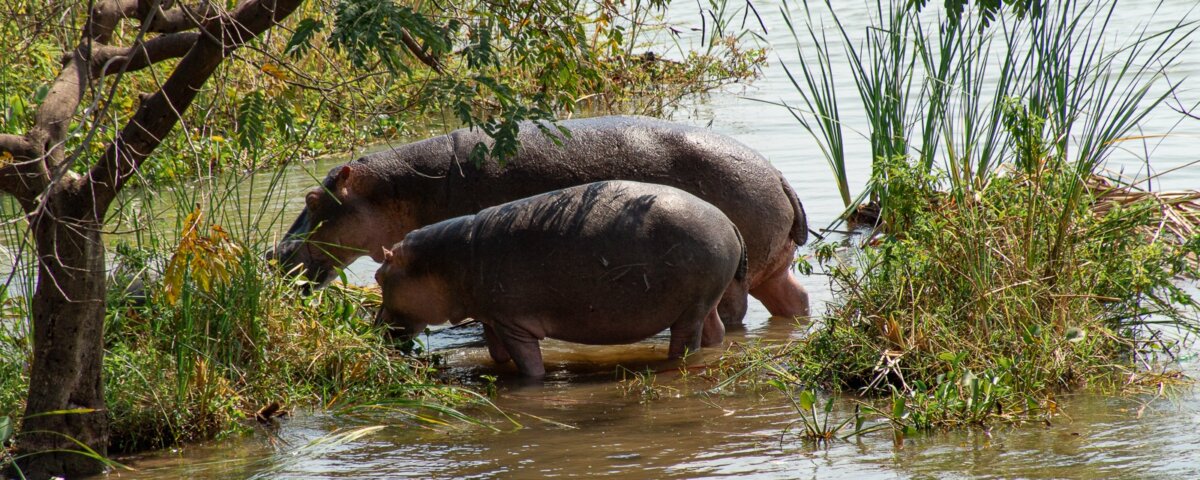
Wildlife Viewing in Burundi
Wildlife viewing in Burundi offers visitors an opportunity to discover an often overlooked side of African tourism through national parks, tropical forests, wetlands, lakes, savannah landscapes and remarkable birdlife. Although Burundi does not receive the same wildlife tourism attention as Kenya, Tanzania or Uganda, the country rewards curious travellers with diverse natural habitats and memorable encounters with African wildlife. From watching hippos along the Rusizi River to exploring the forests of Kibira National Park and discovering the wildlife of Ruvubu National Park, visitors can experience nature in a peaceful and less crowded setting. Moreover, Burundi combines wildlife exploration with beautiful scenery, cultural experiences and opportunities to learn about local conservation efforts. Its compact size also makes it possible to combine several natural attractions within one holiday. Whether you enjoy birdwatching, guided nature walks, photography or exploring lesser-known African destinations, wildlife viewing in Burundi introduces you to a fascinating natural world that deserves greater recognition.
Understanding Wildlife Viewing in Burundi
Wildlife viewing in Burundi provides a different experience from the traditional African safari destinations. The country may not have the enormous concentrations of large mammals found in some East African parks. Nevertheless, its natural environments support a variety of animals, birds, reptiles, insects and plant species that make wildlife exploration worthwhile. Burundi sits within the Albertine Rift region, an area recognised for its remarkable biodiversity and important forest habitats. Consequently, visitors can explore different ecological environments within a relatively small geographical area.
The country’s wildlife attractions include protected forests, savannah grasslands, riverbanks, wetlands and freshwater environments. Each habitat supports different forms of life. For example, forest environments provide shelter for primates and forest birds, while wetlands attract waterbirds and support aquatic animals. Similarly, open grasslands provide feeding areas for antelopes and other mammals. These natural differences make wildlife viewing an interesting activity throughout the country.
Furthermore, Burundi offers opportunities to experience nature without the heavy visitor traffic associated with some famous African safari destinations. This quieter atmosphere allows visitors to pay closer attention to their surroundings. Instead of concentrating only on large mammals, travellers can appreciate smaller animals, bird calls, vegetation, insects and changing landscapes.
However, visitors should maintain realistic expectations when planning a Burundi wildlife holiday. The country has a smaller safari infrastructure than neighbouring Tanzania, Kenya and Uganda. Therefore, wildlife sightings can vary depending on the destination, season, habitat and availability of experienced guides. A successful visit requires good planning, patience and an interest in discovering the country’s natural diversity.
For international travellers, Burundi offers an opportunity to explore a less familiar African destination while supporting conservation awareness and responsible nature tourism.
Best Places for Wildlife Viewing in Burundi
Burundi has several protected natural areas that attract visitors interested in wildlife, birdwatching and outdoor exploration. Each destination offers a different experience because its vegetation, geography and animal populations vary. Therefore, travellers should consider visiting more than one protected area when time and travel arrangements allow.
Some destinations focus on forest exploration, while others offer opportunities to discover grassland animals, wetlands and river ecosystems. In addition, the country’s lakes and surrounding natural environments provide excellent opportunities for observing aquatic birds and learning about local biodiversity.
The most interesting wildlife destinations include Kibira National Park, Ruvubu National Park, Rusizi National Park, Lake Rwihinda and the natural surroundings of Lake Tanganyika. Although these attractions differ in accessibility and wildlife viewing opportunities, they collectively demonstrate the importance of Burundi’s natural heritage.
Planning a wildlife itinerary around these destinations also creates opportunities to experience different parts of the country. Visitors can combine forest walks with river excursions, birdwatching and cultural visits. As a result, a Burundi safari can offer much more than traditional game viewing.
Kibira National Park: Exploring Burundi’s Tropical Rainforest
Kibira National Park stands among the most important destinations for wildlife viewing in Burundi. Located along the Congo Nile Divide in the northwestern part of the country, this protected rainforest covers approximately 40,000 hectares. Its high elevation, thick vegetation, cool climate and abundant water sources create excellent conditions for different forms of wildlife.
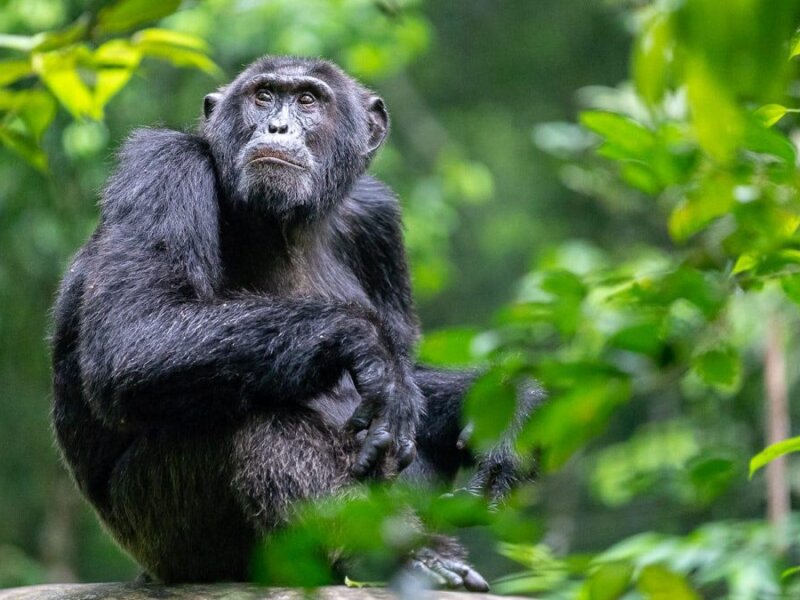
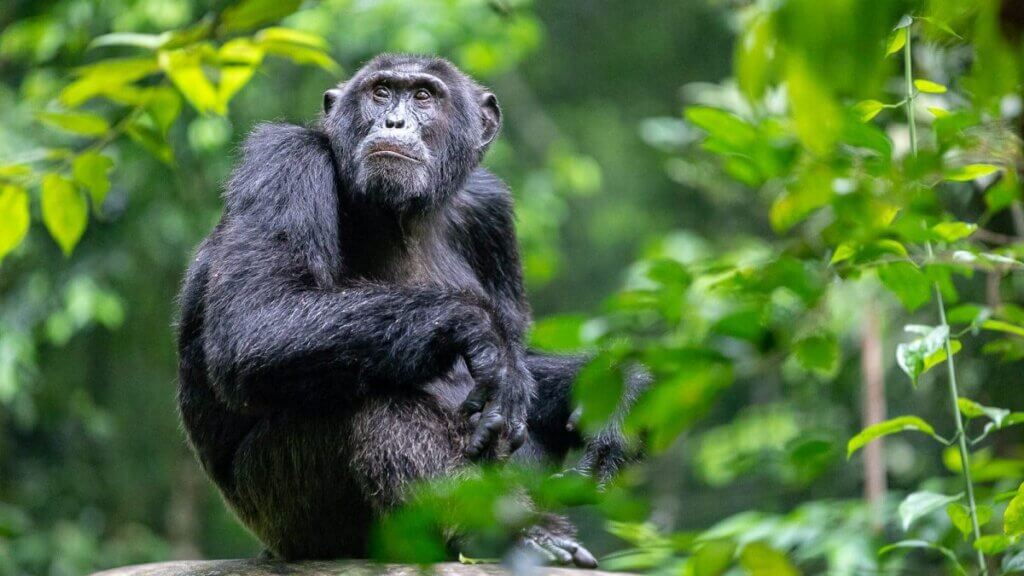
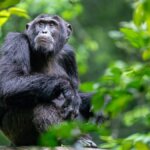
The forest supports several primate species, including chimpanzees, black and white colobus monkeys, blue monkeys and olive baboons. Chimpanzees attract particular interest because they offer visitors an opportunity to learn about the behaviour and conservation of one of Africa’s most fascinating primates. However, sightings depend on animal movements, forest conditions and available guiding arrangements.
Moreover, Kibira supports an impressive variety of forest birds. Visitors can listen to birds calling from the canopy, observe colourful species moving between branches and discover smaller birds hiding within the undergrowth. The forest also provides habitat for butterflies, insects and numerous plant species that contribute to its ecological richness.
Guided nature walks offer one of the best ways to explore Kibira. Experienced local guides help visitors understand the forest environment, identify animal calls and recognise signs of wildlife activity. In addition, they explain how the forest protects water sources that support communities and agricultural activities beyond the park.
Travellers can also combine a visit to Kibira with the surrounding tea-growing landscapes of Teza and Rwegura. These scenic areas introduce visitors to another important aspect of Burundi’s countryside. Nevertheless, visitors should arrange park access and guiding services before travelling because available activities and entry conditions can change.
Ruvubu National Park: Discovering Burundi’s Savannah Wildlife
Ruvubu National Park offers one of the most interesting opportunities to explore traditional savannah environments in Burundi. Located in the northeastern part of the country, it protects more than 50,000 hectares of natural habitat, making it Burundi’s largest national park. Its landscape includes open grasslands, woodland, river valleys and areas of vegetation along the Ruvubu River.
Unlike Kibira’s dense mountain rainforest, Ruvubu provides a more open environment where visitors can appreciate the relationship between wildlife and savannah vegetation. The park supports animals such as buffaloes, antelopes, monkeys and hippopotamuses. These species contribute to the ecological importance of the protected area and make it an interesting destination for nature enthusiasts.
The Ruvubu River adds another dimension to wildlife exploration. Its surrounding vegetation creates important feeding and resting areas for different animals. Furthermore, wetlands and riverbanks attract birds that depend on freshwater habitats. Visitors interested in birdwatching can therefore enjoy a combination of river scenery and wildlife observation.
Guided excursions help travellers understand the park’s natural environment. Depending on available arrangements, visitors can explore selected areas through guided walks and other approved activities. Guides also explain the importance of maintaining wildlife habitats and protecting the natural vegetation that supports animal populations.
However, Ruvubu requires more travel planning than Rusizi because it lies farther from Bujumbura. Visitors should allow enough time for road transfers and confirm current park access before departure. Accommodation arrangements, guide availability and road conditions also deserve attention.
For travellers who want to understand Burundi beyond its cities and cultural attractions, Ruvubu National Park provides an opportunity to appreciate the country’s savannah ecosystems and conservation heritage.
Rusizi National Park: Hippos, Crocodiles and Wetland Wildlife
Rusizi National Park is among the most accessible wildlife destinations in Burundi. Situated near Bujumbura, the park protects important wetlands around the Rusizi River and its delta, where the river flows into Lake Tanganyika. Its location makes it an attractive destination for visitors who want to experience nature without travelling far from the country’s largest city.
Hippopotamuses are among the main attractions at Rusizi. These large semi aquatic mammals depend on rivers and wetlands for much of their daily activity. Visitors may observe them resting in the water or gathering in suitable sections of the river. Their presence makes the Rusizi wetlands particularly interesting for wildlife photography and nature education.
Nile crocodiles also inhabit the river environment. These reptiles form an important part of the aquatic food chain and demonstrate the ecological value of protecting natural waterways. Visitors should always maintain a safe distance from wildlife and follow the instructions of authorised guides.
Birdlife provides another major attraction. The river channels, papyrus vegetation, open water and surrounding grasslands support different bird species. Depending on the season, visitors may encounter herons, egrets, kingfishers, storks, fish eagles and other waterbirds.
The park also protects distinctive vegetation, including the Hyphaene palm highlighted by Burundi’s tourism authorities. This plant adds character to the landscape and contributes to the area’s ecological identity.
Because Rusizi lies close to Bujumbura, visitors can combine wildlife viewing with other city attractions. Nevertheless, they should confirm which sections of the park are accessible and whether guided excursions or boat activities operate during their intended visit.
Rusizi National Park is particularly suitable for travellers with limited time who want to discover Burundi’s wetland wildlife, enjoy birdwatching and learn about the relationship between freshwater ecosystems and biodiversity.
Lake Rwihinda: Discovering Burundi’s Birdlife
Lake Rwihinda is an important destination for birdwatching and nature exploration in northern Burundi. Often associated with the name Lake of Birds, this natural lake attracts attention because of its wetland environment and the birdlife that depends on its waters and surrounding vegetation.
Unlike traditional safari destinations where visitors concentrate on large mammals, Lake Rwihinda offers an opportunity to appreciate smaller details of nature. Birds move between the lake, surrounding vegetation and feeding areas. Their different calls, colours and behaviours create an enjoyable experience for visitors who appreciate wildlife observation.
Waterbirds are especially interesting around lakes and wetlands because these habitats provide food, shelter and suitable breeding environments. Depending on the season and local conditions, visitors may encounter different waterbirds and other species that use the lake as part of their natural range.
Furthermore, the lake offers an opportunity to understand the importance of wetlands in supporting biodiversity. Wetland vegetation helps provide shelter for wildlife, while the water environment supports aquatic organisms that form part of the food chain. These ecological relationships make the lake valuable beyond its scenic appearance.
Photography enthusiasts can enjoy capturing birds, reflections and the surrounding landscape. However, successful bird photography requires patience and respect for wildlife. Visitors should avoid disturbing nesting areas or approaching sensitive habitats.
Lake Rwihinda also creates opportunities to explore northern Burundi and discover attractions beyond the country’s better-known destinations. Travellers can include the lake in a wider itinerary that introduces them to local communities, rural scenery and the natural heritage of the region.
Before visiting, travellers should confirm local access arrangements and the availability of knowledgeable guides. They should also ask about seasonal conditions, especially when planning specialised birdwatching activities.
For international visitors interested in discovering less familiar African birding destinations, Lake Rwihinda adds an important experience to wildlife viewing in Burundi.
Kigwena Forest Reserve: Exploring Lowland Forest Wildlife
Kigwena Forest Reserve provides another interesting opportunity to discover Burundi’s natural environments. Located in the western part of the country near Lake Tanganyika, this forest reserve protects an important area of lowland tropical vegetation. Its location and ecological characteristics make it different from the higher montane forests of Kibira.
The reserve covers approximately 3,300 hectares and supports a forest environment that contributes to local biodiversity. Its trees, shrubs, climbing plants and undergrowth create habitats for different insects, birds and other forest organisms. Visitors who enjoy nature walks can therefore appreciate the smaller details of a tropical forest rather than concentrating only on large animals.
Forest environments provide important shelter for wildlife. Trees offer nesting and resting places for birds, while the forest floor supports insects, reptiles and small mammals. Furthermore, vegetation helps maintain soil stability, regulate water movement and protect the wider environment.
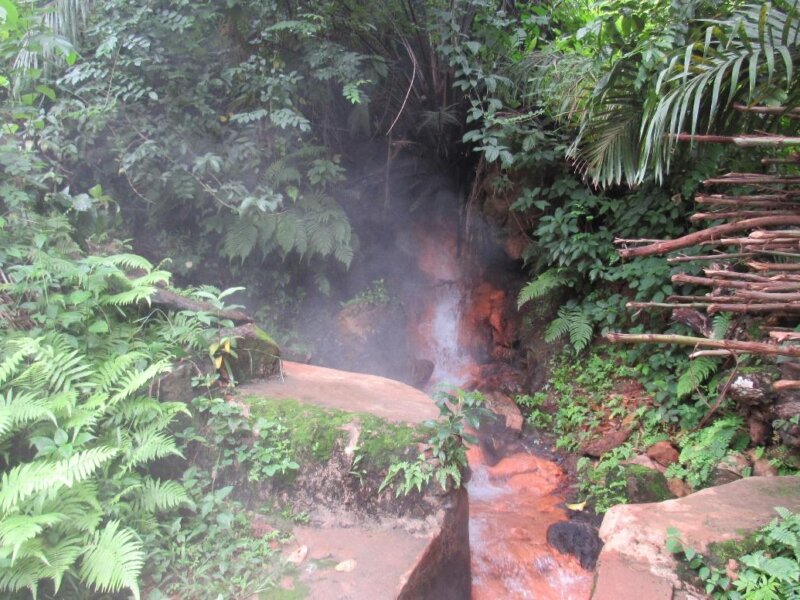
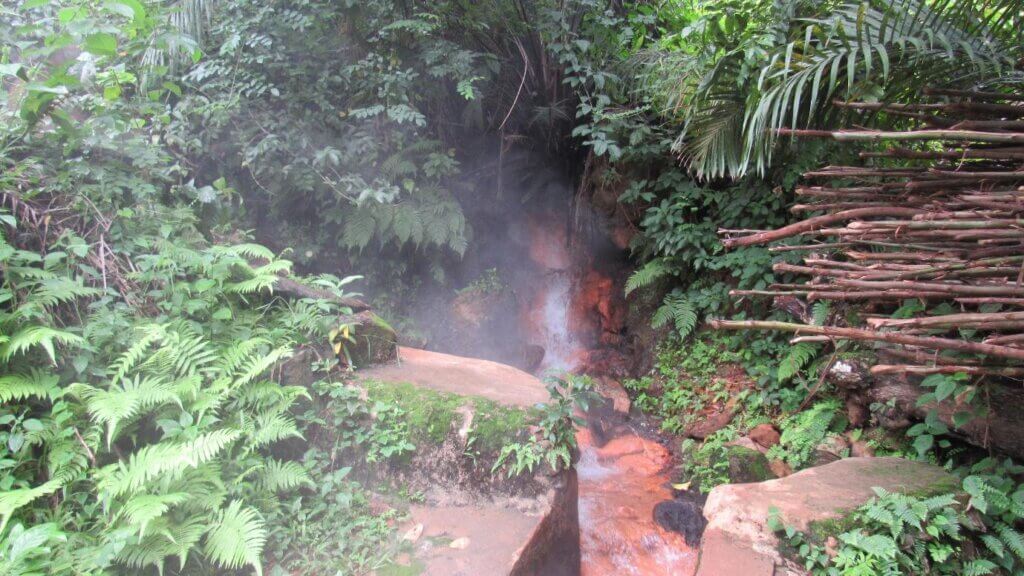
One interesting feature of this area is its connection with the Mugara hot springs. Visitors exploring the surrounding region can combine nature experiences with an appreciation of the country’s geological features. This combination makes the area attractive to travellers interested in both natural landscapes and outdoor exploration.
Nevertheless, visitors should understand that Kigwena is primarily a forest and nature destination rather than a conventional big game safari location. Wildlife sightings can be difficult because many forest animals remain hidden within thick vegetation.
A knowledgeable guide can make the experience more rewarding by explaining the different plants, identifying bird calls and helping visitors understand the ecological importance of the reserve.
Travellers should confirm current access arrangements and available guided activities before visiting. They should also respect forest regulations and avoid disturbing animals or removing plants.
Kigwena Forest Reserve offers a valuable opportunity to explore another side of Burundi’s biodiversity, especially for travellers who enjoy quiet nature experiences and want to understand the importance of protecting tropical forests.
Bururi Forest Nature Reserve: Discovering Mountain Forest Biodiversity
Bururi Forest Nature Reserve is another important natural attraction for visitors interested in wildlife viewing and forest exploration. Located in southwestern Burundi, this protected forest contributes to the country’s network of natural habitats and supports the conservation of native vegetation and wildlife.
The reserve offers a different environment from the wetlands of Rusizi and the open savannah of Ruvubu. Its forest vegetation creates shelter for birds, insects and other animals that depend on woodland habitats. In addition, its natural setting makes it interesting for visitors who enjoy hiking, birdwatching and learning about forest ecology.
Birdwatching is an important activity in forest environments because different species occupy different levels of vegetation. Some birds move through the canopy, while others remain closer to the forest floor. Consequently, visitors benefit from moving slowly and listening carefully to bird calls.
Forest nature walks also introduce travellers to the relationship between trees, soil, water and wildlife. Large trees provide shade and shelter, while smaller plants contribute to the structure of the forest. Insects and other small organisms support food chains that maintain the wider ecosystem.
Furthermore, protected forests help regulate local environmental conditions. They support water catchments, reduce soil erosion and provide habitats for wildlife. These benefits extend beyond the boundaries of the reserve and contribute to the well being of nearby communities.
Visitors should avoid expecting the same wildlife viewing experience they might find in a large savannah park. Forest animals often remain difficult to observe, and the main attraction lies in discovering the wider ecosystem.
Before planning a visit, travellers should confirm access conditions, guiding arrangements and the activities available in the reserve. A local guide can provide valuable information about the vegetation, birdlife and conservation importance of the area.
Bururi Forest Nature Reserve is therefore a worthwhile addition to a nature focused Burundi itinerary, particularly for visitors who appreciate biodiversity, forest landscapes and responsible outdoor tourism.
Lake Tanganyika: Aquatic Wildlife and Freshwater Biodiversity
Lake Tanganyika is one of the most remarkable natural features of Burundi. Stretching along the country’s western border, this enormous freshwater lake supports a rich aquatic ecosystem and offers visitors an opportunity to explore a different side of African wildlife.
The lake is internationally important because of its depth, age and exceptional freshwater biodiversity. Its waters support numerous fish species, including colourful cichlids that attract scientific interest and contribute to the lake’s ecological importance. These fish occupy different habitats and feeding areas within the lake.
In addition to fish, Lake Tanganyika supports aquatic organisms that form part of a complex freshwater food chain. Small aquatic animals provide food for larger species, while vegetation and natural shoreline environments support different forms of life.
Visitors can appreciate this biodiversity through responsible lakeside activities and suitable guided excursions. Birdwatchers may also enjoy observing birds along the shoreline, particularly in areas where natural vegetation remains intact. Depending on local conditions, different waterbirds use the lake and its surrounding habitats for feeding and resting.
The lake also supports important local livelihoods. Fishing communities depend on its resources, while tourism businesses create opportunities through accommodation, recreation and guided experiences. Therefore, responsible tourism should recognise the connection between environmental protection and community well being.
Travellers should choose authorised operators for water activities and follow local safety guidance. They should also avoid littering, disturbing aquatic habitats or purchasing wildlife products from illegal sources.
Lake Tanganyika is not a traditional savannah safari destination. Instead, it offers a freshwater wildlife experience that complements visits to Burundi’s forests, wetlands and national parks.
For visitors interested in biodiversity, natural scenery and aquatic ecosystems, exploring Lake Tanganyika adds an important dimension to wildlife viewing in Burundi.
Wildlife Species to Look Out for in Burundi
Burundi supports a variety of wildlife species that occupy different natural environments across the country. Although visitors should not expect to find every African safari animal in Burundi, the country offers interesting opportunities to observe mammals, primates, reptiles and smaller wildlife. Understanding the animals that live in each protected area helps travellers choose suitable destinations and plan realistic wildlife experiences.
Hippopotamuses are among the most recognisable animals in Burundi. Visitors have opportunities to look for them around the Rusizi River and other suitable freshwater habitats. These large mammals spend much of their time in water and usually move onto land to feed. Their behaviour makes river environments particularly interesting for wildlife observation.
African buffaloes and different antelope species also contribute to Burundi’s wildlife diversity. Ruvubu National Park provides important savannah habitats for animals such as buffaloes and antelopes. Meanwhile, forest environments support species that prefer dense vegetation and cooler mountain conditions.
Primates are another important attraction. Kibira National Park offers opportunities to learn about chimpanzees, colobus monkeys, blue monkeys and baboons. These animals play important ecological roles, especially through seed dispersal and their interaction with forest vegetation.
Birds, however, provide some of the most rewarding wildlife viewing opportunities in the country. Wetlands, forests, grasslands and lakes support different bird communities. Visitors can observe birds feeding, flying, nesting and interacting with their surroundings.
Other interesting animals include crocodiles, bushbucks, warthogs, small mammals, bats, butterflies and various reptiles. Their visibility depends on habitat conditions and animal activity.
Travellers should remember that wildlife sightings are never guaranteed. Responsible observation, experienced guiding and sufficient time in natural habitats improve the overall experience.
Birdwatching Opportunities in Burundi
Birdwatching is one of the most rewarding activities for visitors exploring Burundi’s natural attractions. The country’s different elevations, vegetation types and freshwater environments support a wide range of bird habitats. Consequently, bird enthusiasts can explore montane forests, wetlands, savannah landscapes and lakeside environments during one holiday.
Kibira National Park is particularly interesting for forest birdwatching. Its dense vegetation and mountain environment support numerous forest species. Visitors can look for colourful turacos, greenbuls, sunbirds and other birds that move through the forest canopy. Some species remain difficult to identify without an experienced guide, especially when they stay hidden among leaves and branches.
Rusizi National Park offers a different birdwatching experience. Its river channels, wetlands and delta environment attract waterbirds and other species associated with freshwater habitats. Visitors may encounter herons, egrets, kingfishers and storks while exploring suitable observation areas.
Ruvubu National Park also provides interesting birdwatching opportunities because its grasslands, woodlands and river environments support different bird communities. Meanwhile, Lake Rwihinda attracts particular attention from visitors interested in wetland birds and lake ecosystems.
The best approach to birdwatching involves moving slowly, listening to bird calls and paying attention to vegetation. Binoculars and a suitable bird identification guide can make the experience more enjoyable. Additionally, early morning excursions often provide pleasant conditions for observing active birds.
Burundi’s birdwatching opportunities also create opportunities for specialised tourism. Birding groups, photographers and nature enthusiasts can include several habitats in a single itinerary. However, travellers should arrange knowledgeable local guides who understand bird identification and the best accessible observation areas.
For international visitors, birdwatching adds educational value to a Burundi holiday. It also encourages appreciation of smaller species that traditional big game safaris sometimes overlook.
Best Time for Wildlife Viewing in Burundi
Choosing the right travel period can improve the overall experience of wildlife viewing in Burundi. The country’s tropical climate creates alternating wetter and drier periods, although local conditions vary depending on altitude and geographical location. Therefore, visitors should consider the type of wildlife experience they want before selecting travel dates.
The main drier periods generally occur from June to September and during December to February. These months often provide more favourable conditions for road travel, outdoor activities and guided nature walks. Trails may become easier to navigate, while reduced rainfall can make some wildlife observation activities more comfortable.
However, wildlife viewing does not depend entirely on dry weather. The rainy seasons support important ecological processes, including plant growth, insect activity and breeding cycles among different animal species. Consequently, birdwatchers and visitors interested in vegetation may appreciate the landscapes during wetter months.
For forest exploration in Kibira, travellers should remember that mountain conditions can remain cool and wet throughout the year. Rain can affect trail conditions and visibility, so suitable clothing and footwear remain important regardless of the season.
Similarly, wetland destinations such as Rusizi and Lake Rwihinda can offer interesting birdwatching opportunities at different times of the year. Seasonal changes influence water levels, feeding areas and the movement of migratory birds.
Travellers planning a specialised wildlife holiday should consult local guides before finalising their itinerary. These professionals can provide information about current weather conditions, road access and seasonal wildlife activity.
Ultimately, the best time for wildlife viewing in Burundi depends on personal interests, preferred destinations and travel arrangements. Visitors who remain flexible can enjoy valuable nature experiences throughout different parts of the year.
Wildlife Photography in Burundi
Wildlife photography offers an excellent way to appreciate the natural beauty and biodiversity of Burundi. From forest primates and colourful birds to hippos and scenic wetlands, the country provides different photographic opportunities for visitors interested in documenting African nature.
Each destination requires a slightly different photographic approach. In Kibira National Park, thick vegetation and changing light conditions create interesting opportunities for forest photography. Visitors can capture the atmosphere of the rainforest, record different plant species and photograph wildlife when suitable viewing conditions allow.
Rusizi National Park provides opportunities to photograph river landscapes, waterbirds and hippopotamuses. The wetlands create natural backgrounds that reflect the relationship between wildlife and freshwater environments. Meanwhile, Ruvubu National Park offers a more open landscape where visitors can photograph grasslands, river scenery and animals that occupy savannah habitats.
Bird photography requires patience because many species move quickly or remain high in trees. A camera with a suitable zoom lens can help visitors photograph birds without approaching them too closely. Binoculars also make it easier to identify species before taking photographs.
Responsible photography should always come before obtaining a perfect picture. Visitors should never chase animals, enter restricted habitats or disturb nesting birds. Flash photography should also be avoided where it could disturb wildlife.
Furthermore, travellers should follow the instructions of park guides and respect all photography restrictions. Some locations may have specific rules concerning equipment, commercial photography and access to sensitive areas.
Photography can also support conservation awareness by documenting natural habitats and encouraging appreciation of biodiversity. When visitors share their own experiences responsibly, they help introduce more people to Burundi’s natural attractions.
For travellers who enjoy photography, wildlife viewing in Burundi offers opportunities to create meaningful records of a destination that remains less familiar to many international safari audiences.
Guided Nature Walks and Wildlife Experiences
Guided nature walks provide one of the most informative ways to discover Burundi’s wildlife. Instead of simply travelling through a protected area, visitors explore the natural environment at a slower pace while learning about the plants, animals and ecological processes that maintain biodiversity.
A knowledgeable guide can identify animal tracks, explain bird calls and describe the behaviour of different species. These details often make a nature walk more rewarding because many animals remain hidden within thick vegetation.
Kibira National Park offers opportunities to explore rainforest environments with local guiding support. Visitors can learn about forest primates, mountain birds and the importance of protecting natural watersheds. In addition, forest walks introduce travellers to the relationship between vegetation and wildlife.
At Ruvubu National Park, guided excursions provide an opportunity to discover savannah landscapes and river environments. Visitors can learn about the animals that depend on grasslands, woodland and freshwater habitats.
Rusizi National Park offers a different experience through wetland exploration. Depending on current arrangements, visitors may enjoy guided observation of hippos, birds and other animals that inhabit the river environment.
Nature walks also create opportunities to learn about local communities and conservation activities. Guides often understand the surrounding environment through years of experience, and their knowledge can help visitors appreciate the importance of protecting natural resources.
However, visitors should always follow approved routes and avoid approaching potentially dangerous animals. They should also respect park regulations concerning wildlife observation, photography and movement within protected areas.
For international travellers, guided nature walks provide more than entertainment. They offer valuable education about African biodiversity and help create a stronger connection between tourism and conservation.
Combining Wildlife Viewing with Cultural Experiences in Burundi
Wildlife viewing in Burundi becomes even more rewarding when visitors combine nature exploration with cultural experiences. The country’s attractions extend beyond forests, rivers and national parks. Its communities, traditions, food, music and rural lifestyles create opportunities to understand the relationship between people and their natural surroundings.
Visitors can explore local communities near protected areas and learn about traditional livelihoods. Agriculture, fishing and small businesses contribute to the daily lives of many Burundians. These activities also demonstrate how communities interact with land, water and natural resources.
Near Lake Tanganyika, visitors can learn about fishing traditions and the importance of freshwater resources. Fishing supports livelihoods while connecting communities with the lake’s aquatic ecosystems. Responsible tourism should recognise this relationship and encourage respect for local environmental practices.
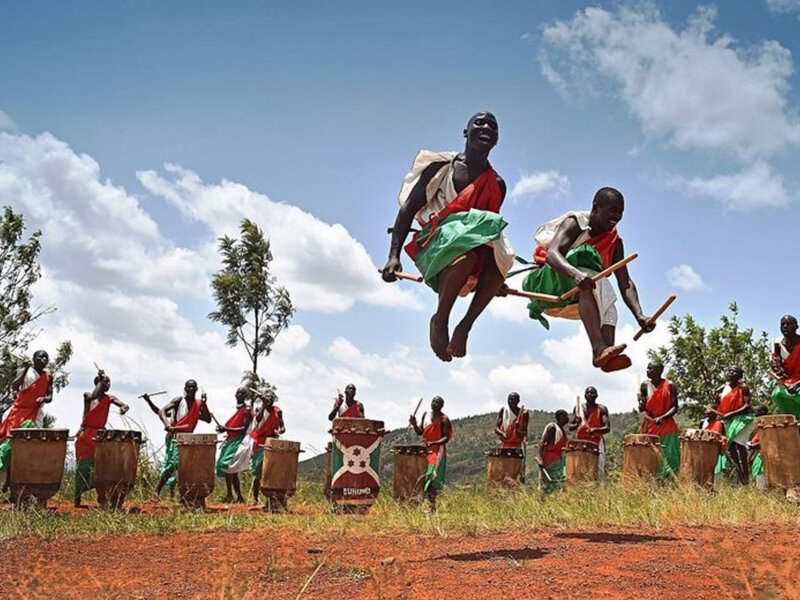
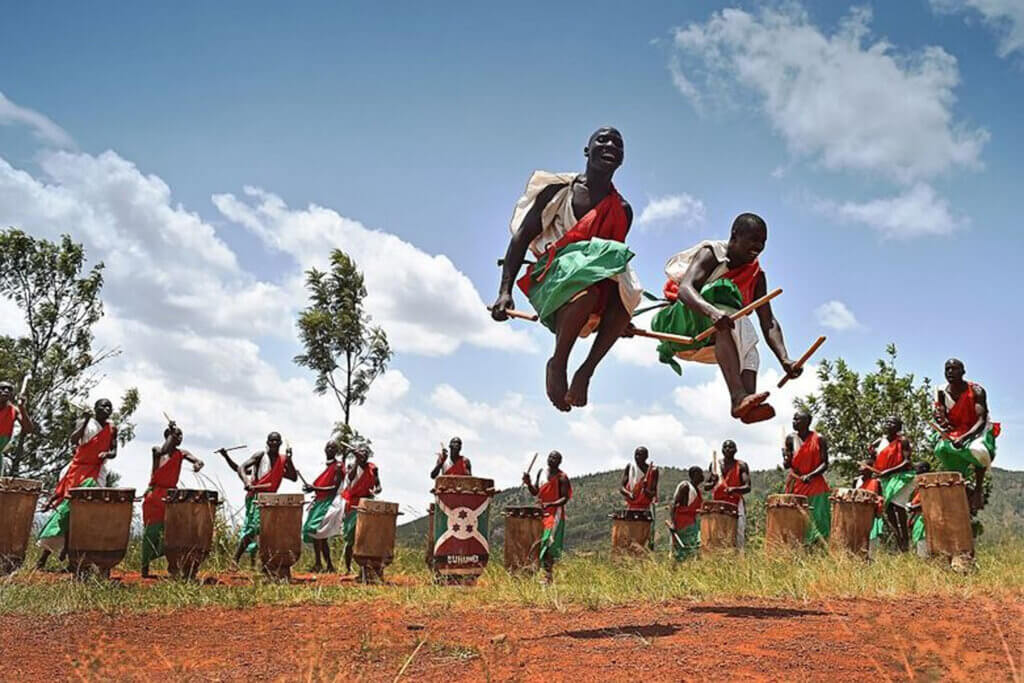
In other parts of Burundi, visitors can discover traditional drumming, dance and local crafts. Cultural experiences provide a valuable complement to wildlife excursions because they introduce travellers to the country’s identity and heritage.
Food also adds an important dimension to the experience. Travellers can sample traditional Burundian dishes and learn about locally grown ingredients. Meals prepared with beans, bananas, vegetables, cassava and other regional foods introduce visitors to everyday culinary traditions.
Furthermore, cultural tourism creates opportunities for local communities to benefit directly from visitors. Travellers can support responsible businesses, purchase locally made crafts and use knowledgeable community guides.
However, cultural visits should always respect local customs and personal privacy. Visitors should request permission before photographing people and follow guidance from local hosts.
Combining wildlife and culture allows travellers to experience Burundi more completely. It also supports a broader understanding of tourism as an activity that connects nature, heritage and community development.
Conservation and the Protection of Wildlife in Burundi
Wildlife conservation plays an important role in protecting Burundi’s natural heritage. The country’s forests, wetlands, grasslands and lakes support biodiversity while providing environmental benefits to communities. However, these ecosystems require continued protection to maintain their ecological functions and support wildlife populations.
Protected areas such as Kibira and Ruvubu safeguard important natural habitats. Similarly, Rusizi protects valuable wetlands, while forest reserves contribute to the preservation of vegetation and wildlife. These protected environments help maintain biodiversity across different parts of the country.
One major conservation priority involves protecting natural habitats. Forest clearing, agricultural expansion, settlement pressure and changes in land use can affect wildlife environments. When natural habitats become smaller or fragmented, animals may struggle to find suitable food, shelter and breeding areas.
Freshwater ecosystems also require careful management. Pollution, inappropriate fishing practices and changes to river environments can affect aquatic species and waterbirds. Protecting wetlands and maintaining healthy river systems therefore benefits both wildlife and local communities.
Tourism can contribute positively when operators follow responsible practices. Visitors support conservation through authorised park visits, local guiding services and businesses that respect environmental regulations. In addition, tourism creates opportunities to educate international travellers about biodiversity.
Local communities also play an important role. Their participation in conservation planning can encourage better environmental management and create economic opportunities connected to protected natural areas.
Nevertheless, conservation requires long term cooperation between government institutions, local communities, researchers and tourism stakeholders. Protecting wildlife is not simply about establishing national parks. It also involves maintaining habitats, supporting environmental education and encouraging responsible use of natural resources.
Visitors can contribute by following park rules, avoiding littering, respecting wildlife distances and supporting legitimate conservation activities. These simple actions help protect Burundi’s natural attractions for future generations.
Planning a Wildlife Safari in Burundi
Planning a successful wildlife safari in Burundi requires careful consideration of destinations, transport, accommodation and available activities. Although the country has a relatively small geographical area, its protected natural attractions occupy different regions. Therefore, travellers should organise their itineraries according to the locations they want to explore and the amount of time they have available.
Bujumbura provides a useful starting point for many international visitors. Its proximity to Rusizi National Park makes it possible to include a wildlife excursion soon after arrival. Visitors can also explore Lake Tanganyika and other attractions around the city.
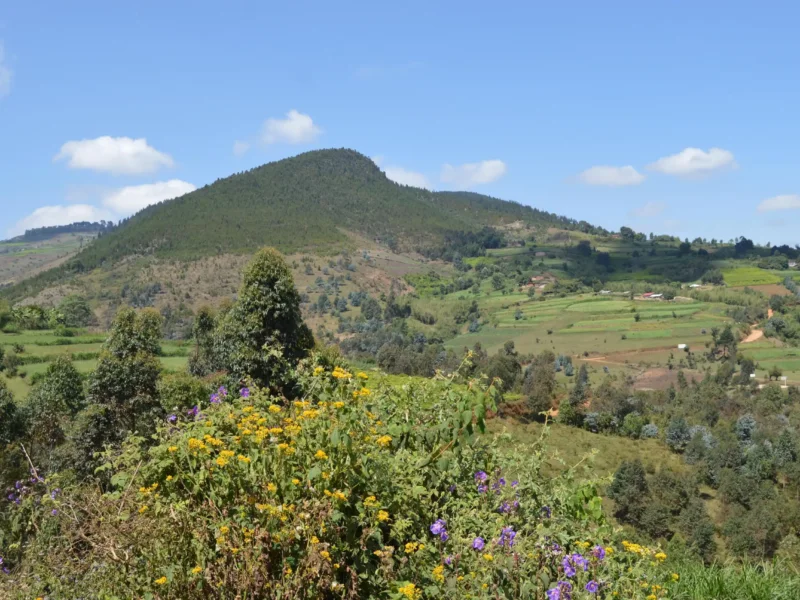
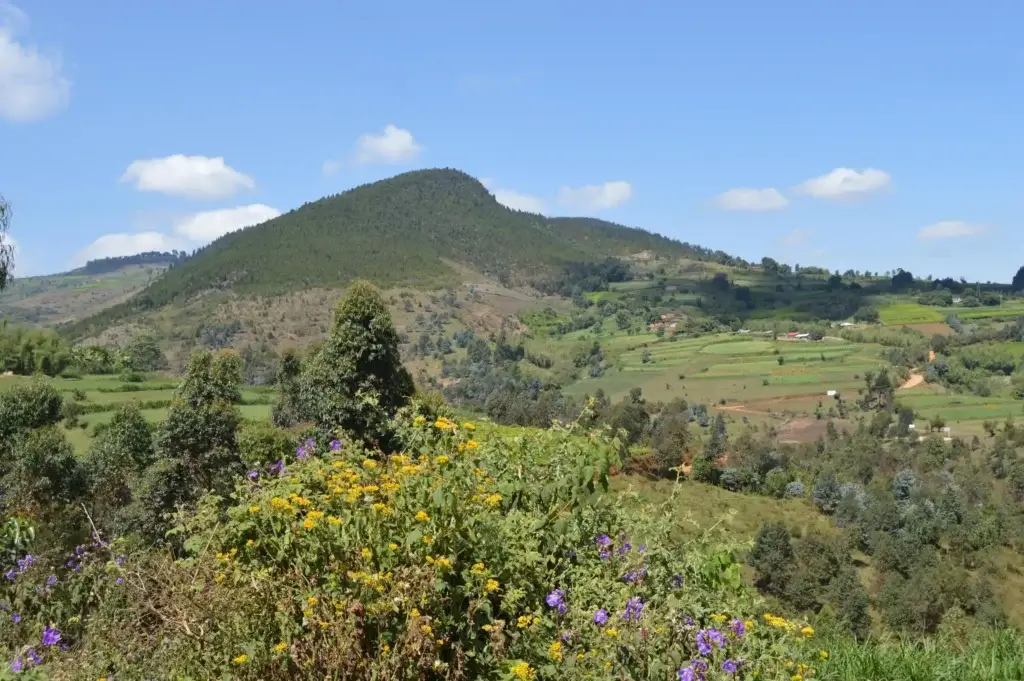
Travellers interested in Kibira National Park should plan their journey towards the northwestern highlands. The journey offers opportunities to appreciate Burundi’s countryside, tea plantations and changing landscapes. Meanwhile, Ruvubu National Park requires a journey towards northeastern Burundi.
Lake Rwihinda provides another interesting option for visitors exploring northern Burundi. Its birdwatching opportunities make it particularly attractive to nature enthusiasts. However, travellers should consider road conditions and the time required to reach different destinations.
A well planned itinerary should also include suitable accommodation. Visitors can choose from hotels, guesthouses and other available accommodation depending on their destination and travel budget. Staying close to a planned wildlife attraction can reduce unnecessary road journeys and provide more time for nature activities.
Additionally, travellers should arrange reliable transport and knowledgeable guides. Local operators can help coordinate park visits, accommodation, transfers and other activities.
Before departure, confirm park entry requirements, current operating conditions, available excursions and any applicable conservation fees. These details can change, so advance confirmation helps prevent unnecessary travel disruptions.
A carefully organised itinerary allows visitors to experience more of Burundi while maintaining a comfortable travel schedule.
What to Expect During Wildlife Viewing in Burundi
Wildlife viewing in Burundi offers a different experience from the large scale game drives associated with famous African safari destinations. Visitors should approach the country with an interest in discovering biodiversity rather than expecting guaranteed sightings of large concentrations of animals.
In savannah environments such as Ruvubu National Park, travellers can appreciate open landscapes, river vegetation and animals that inhabit grasslands. However, wildlife distribution changes throughout the year, and some species may remain difficult to locate.
Forest destinations create another type of experience. Kibira National Park offers opportunities to explore thick vegetation, listen to birds and learn about primates. Nevertheless, observing forest animals often requires patience because trees and undergrowth can limit visibility.
Wetland environments provide some of the more accessible wildlife observation opportunities. Rusizi National Park is especially interesting for visitors who want to look for hippopotamuses and waterbirds. The combination of river channels, open water and vegetation creates an attractive natural setting.
Birdwatching enthusiasts may find Burundi particularly rewarding because different habitats support different bird communities. Even when larger animals remain hidden, visitors can still enjoy observing birds and learning about their behaviour.
Weather conditions also influence the experience. Rain may affect road access and walking trails, while dry conditions can make some outdoor excursions more comfortable.
Travellers should also understand that wildlife encounters happen naturally. Guides cannot guarantee that visitors will see particular species during a scheduled excursion.
The best approach is to travel with realistic expectations, allow sufficient time for exploration and appreciate every opportunity to discover the country’s natural environment. This attitude makes wildlife viewing in Burundi more enjoyable and meaningful.
Accommodation Options for Wildlife Travellers in Burundi
Accommodation plays an important role when planning wildlife viewing in Burundi. Choosing the right place to stay can make journeys more comfortable and allow visitors to spend more time exploring natural attractions.
Bujumbura offers a useful range of accommodation options for international travellers. Visitors can choose from established hotels, smaller guesthouses and properties that suit different budgets. The city works particularly well as a base for exploring Rusizi National Park and Lake Tanganyika.
For travellers visiting Kibira National Park, accommodation arrangements around the northern and northwestern regions can help reduce travel time. However, visitors should confirm the availability and standards of properties before making reservations.
Travellers exploring Ruvubu National Park should consider their accommodation location carefully. Staying within a practical distance of the park can make early morning excursions and longer nature activities easier to organise.
The same consideration applies to Lake Rwihinda and other northern attractions. Accommodation availability may vary between locations, so arranging overnight stays in advance is advisable.
When selecting accommodation, visitors should consider cleanliness, security, transport access, meals and the availability of reliable staff. International travellers may also wish to confirm payment methods, communication facilities and cancellation conditions.
Responsible accommodation choices can also support local tourism development. Hotels and guesthouses that employ local people, purchase regional products and manage waste responsibly contribute to the wider tourism economy.
Furthermore, travellers should avoid assuming that every protected area has accommodation inside its boundaries. Some destinations require visitors to stay in nearby towns or communities.
A well planned accommodation arrangement helps create a more comfortable safari while supporting businesses and communities throughout Burundi.
Responsible Wildlife Tourism in Burundi
Responsible tourism is essential for protecting Burundi’s wildlife and ensuring that visitors enjoy meaningful experiences without damaging natural habitats. Every wildlife activity should respect animals, vegetation and the communities that live around protected areas.
One of the most important principles involves maintaining a respectful distance from wildlife. Animals need space to feed, rest, move and care for their young. Visitors should never chase them or attempt to attract their attention for photographs.
Similarly, travellers should remain on approved routes during guided excursions. Entering restricted areas can damage vegetation, disturb sensitive habitats and create unnecessary risks.
Waste management also deserves attention. Visitors should carry their rubbish away from natural areas and avoid leaving plastic containers, food packaging or other materials behind. Wetlands and rivers require particular care because pollution can affect aquatic organisms and water quality.
Responsible birdwatching involves avoiding nesting sites and limiting disturbance. Photographers should never destroy vegetation or interfere with natural animal behaviour to obtain better pictures.
Travellers can also contribute by choosing legitimate local tourism businesses. Using authorised guides and responsible accommodation providers helps ensure that tourism benefits communities and supports conservation efforts.
Respect for local culture forms another important part of responsible travel. Visitors should ask permission before photographing residents and follow local guidance when visiting community areas.
Furthermore, purchasing locally made crafts and supporting community businesses can help distribute tourism income more widely.
Burundi’s natural attractions deserve protection because they form part of the country’s environmental and cultural heritage. Responsible visitors can help preserve these resources by making thoughtful decisions throughout their journeys.
Ultimately, successful wildlife tourism should benefit travellers, local communities and the natural environment at the same time.
How Wildlife Tourism Benefits Local Communities in Burundi
Wildlife tourism can create valuable economic opportunities for communities living near Burundi’s protected natural areas. When visitors travel to national parks, forests and wetlands, they generate demand for accommodation, transport, guiding, food services and other tourism activities.
Local guides benefit directly when travellers book nature excursions. Their knowledge of wildlife, vegetation and local geography improves the visitor experience while creating employment opportunities.
Accommodation businesses also benefit from wildlife tourism. Hotels, guesthouses and restaurants serve visitors before and after nature excursions. In addition, local suppliers can provide food, transport services and other products that support tourism operations.
Craft producers and cultural performers may also benefit when travellers combine wildlife exploration with cultural activities. These experiences introduce visitors to Burundi’s heritage while creating additional sources of income for local people.
Moreover, tourism can encourage greater appreciation of natural resources. Communities that receive economic benefits from responsible tourism may have additional incentives to support conservation activities and protect important habitats.
However, these benefits depend on responsible planning and fair participation. Tourism businesses should work with local communities, employ local people where possible and respect the needs of residents.
It is also important to manage visitor activities carefully. Excessive pressure on natural environments can create problems for wildlife and local communities. Therefore, tourism development should consider environmental protection alongside economic growth.
International visitors can contribute by choosing locally owned businesses, hiring knowledgeable guides and purchasing genuine local products.
For Burundi, wildlife tourism represents an opportunity to connect environmental protection with sustainable economic development. When managed responsibly, it can help communities benefit from the country’s natural attractions while encouraging long term conservation.
Wildlife Viewing in Burundi Compared with Other East African Safari Destinations
Burundi offers a distinctive wildlife experience when compared with other East African destinations. Countries such as Uganda, Kenya and Tanzania have established international reputations for large mammal safaris, while Burundi attracts visitors interested in less explored natural environments.
Uganda offers well known wildlife experiences, including mountain gorilla trekking, chimpanzee tracking and traditional savannah safaris. Its protected areas provide opportunities to explore different ecosystems and observe a wide range of African mammals.
Kenya attracts international visitors through destinations such as the Maasai Mara, Amboseli and Tsavo. These areas offer established game viewing experiences, with opportunities to observe large mammals and seasonal wildlife movements.
Tanzania also provides outstanding safari opportunities through destinations such as Serengeti National Park, Ngorongoro Conservation Area and Tarangire National Park. Its extensive protected landscapes attract visitors interested in traditional African wildlife photography and game drives.
Burundi offers a different combination of attractions. Its wildlife experiences focus on rainforest exploration, wetland observation, river ecosystems, savannah habitats and birdwatching. Rather than competing directly with established safari destinations, Burundi can complement regional travel itineraries.
For example, travellers visiting Uganda or Rwanda can consider extending their holidays into Burundi to explore Kibira National Park, Rusizi National Park and Lake Tanganyika.
Such combinations allow visitors to discover different landscapes and cultural environments during one East African holiday.
However, travellers should consider border crossing requirements, road conditions and the time required for international transfers. A regional itinerary needs careful coordination to avoid unnecessary journeys.
For tour operators, Burundi also presents opportunities to develop specialised nature holidays that introduce international visitors to lesser-known African destinations.
Its greatest appeal lies in offering another perspective on East African biodiversity and expanding the range of experiences available to regional travellers.
Frequently Asked Questions About Wildlife Viewing in Burundi
Is Burundi a good destination for wildlife viewing?
Yes. Burundi offers interesting wildlife experiences through its national parks, forest reserves, wetlands and freshwater environments. Visitors can explore Kibira National Park for rainforest biodiversity, Ruvubu National Park for savannah wildlife and Rusizi National Park for hippopotamuses and wetland birds.
The country is particularly attractive to travellers interested in birdwatching, nature walks and exploring less familiar African destinations. However, visitors should maintain realistic expectations because Burundi does not offer the same scale of established big game safari experiences as some neighbouring countries.
Which national parks are best for wildlife viewing in Burundi?
Kibira and Ruvubu are Burundi’s principal national parks and offer different wildlife environments.
Kibira protects montane rainforest and supports primates, forest birds and other wildlife. Ruvubu protects savannah, woodland and river habitats where visitors can look for buffaloes, antelopes, monkeys and hippopotamuses.
Rusizi is another important wildlife destination, particularly for visitors interested in wetlands, hippopotamuses and birdwatching.
Can visitors see chimpanzees in Burundi?
Kibira National Park supports chimpanzees and offers an opportunity to learn about their natural forest environment. However, visitors should confirm the availability of authorised chimpanzee observation activities before travelling.
Chimpanzee sightings depend on animal movements, forest conditions and available guiding arrangements. Travellers should not assume that every forest excursion includes a chimpanzee encounter.
Where can visitors see hippopotamuses in Burundi?
Rusizi National Park is one of the best known places for hippopotamus viewing in Burundi. Its river and wetland environments provide suitable habitats for these large aquatic mammals.
Ruvubu National Park also supports hippopotamuses around its river environments. Visitors should always observe these animals from a safe distance and follow instructions from authorised guides.
Is Burundi suitable for birdwatching?
Yes. Burundi has several interesting birdwatching destinations because its forests, wetlands, rivers, grasslands and lakes support different bird species.
Kibira National Park is particularly interesting for forest birds, while Rusizi National Park offers opportunities to observe waterbirds. Lake Rwihinda also attracts birdwatchers interested in wetland environments.
Visitors should consider travelling with experienced bird guides who can help identify species and select suitable observation areas.
What is the best time to visit Burundi for wildlife viewing?
The drier periods from June to September and December to February generally provide favourable conditions for many outdoor activities and road journeys.
However, wildlife viewing remains possible throughout the year. Birdwatching and forest exploration can also offer rewarding experiences during wetter periods.
Travellers should consider their preferred destinations and check local weather conditions before selecting travel dates.
How many days should visitors spend on a Burundi wildlife safari?
The ideal duration depends on the number of destinations visitors want to explore.
A short stay of two or three days can include Rusizi National Park, Lake Tanganyika and selected nearby attractions. A five to seven day holiday provides more time to explore Kibira, Ruvubu or Lake Rwihinda, depending on the route.
Travellers who want to explore several regions should consider a longer itinerary to allow sufficient time for road transfers and nature activities.
Can visitors combine Burundi wildlife viewing with Uganda and Rwanda safaris?
Yes. Burundi can complement a regional East African safari that includes Uganda and Rwanda.
Visitors can explore Uganda’s national parks, experience Rwanda’s forest and mountain attractions and then continue to Burundi for rainforest walks, wetlands, birdwatching and Lake Tanganyika.
However, international travel arrangements require proper planning. Travellers should check visa requirements, border crossing arrangements and the availability of suitable transport before departure.
Is wildlife viewing in Burundi suitable for families?
Burundi can offer educational nature experiences for families interested in wildlife, birdwatching and outdoor exploration. Activities should match the ages, interests and physical abilities of family members.
Families should select suitable guided excursions and follow all park safety regulations. They should also confirm age restrictions for particular activities before making reservations.
Can visitors enjoy wildlife photography in Burundi?
Yes. Burundi offers opportunities to photograph forest landscapes, birds, hippopotamuses, river environments and different forms of wildlife.
Rusizi provides opportunities for wetland photography, while Kibira offers rainforest scenery. Ruvubu introduces visitors to open savannah landscapes and river habitats.
Photographers should always respect wildlife distances and avoid disturbing animals to obtain pictures.
Conclusion: Discover the Natural Beauty of Wildlife Viewing in Burundi
Wildlife viewing in Burundi offers an opportunity to discover a fascinating part of Africa that many international travellers have yet to explore. From the tropical forests of Kibira National Park to the savannah landscapes of Ruvubu, the hippopotamus habitats of Rusizi and the birdlife of Lake Rwihinda, the country provides different environments for appreciating African biodiversity. Moreover, Lake Tanganyika and the country’s forest reserves introduce visitors to important freshwater and woodland ecosystems. Although Burundi does not compete with larger safari destinations in terms of established big game viewing infrastructure, its natural attractions provide valuable experiences for birdwatchers, photographers, nature enthusiasts and travellers seeking less familiar destinations. With proper planning, knowledgeable local guides and responsible tourism practices, visitors can enjoy meaningful wildlife encounters while supporting local communities and conservation efforts. Ultimately, wildlife viewing in Burundi deserves a place in East African travel planning because it reveals the country’s remarkable natural heritage and offers international visitors another reason to discover the beauty, diversity and ecological importance of Africa.