Mugara Hot Springs
November 4, 2026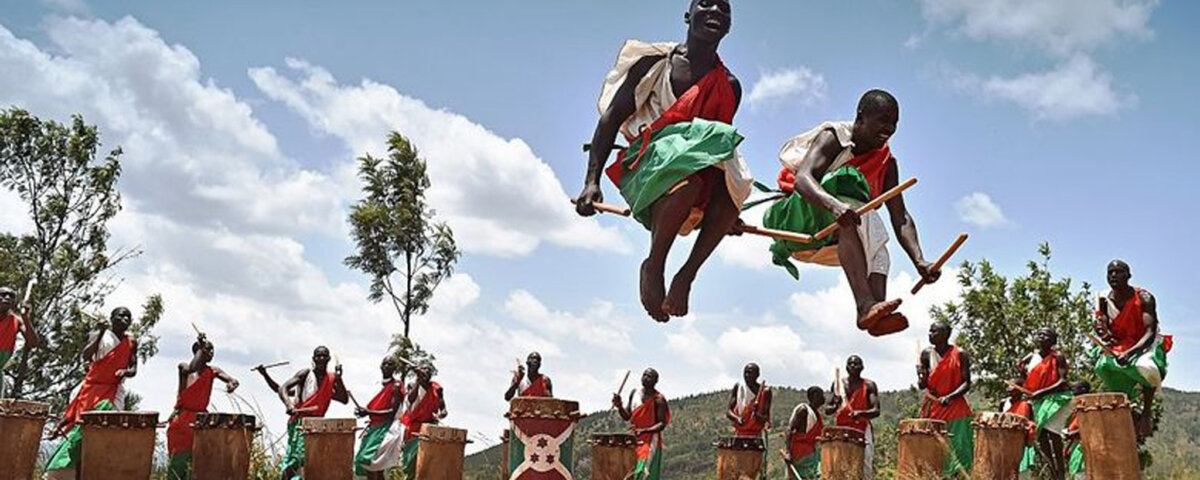
Things to Do in Burundi
Burundi offers many exciting things to do, from exploring the shores of Lake Tanganyika and hiking through green mountain landscapes to discovering traditional drumming, visiting beautiful waterfalls, and enjoying wildlife experiences. Although Burundi remains one of East Africa’s less explored destinations, it rewards visitors with rich culture, welcoming communities, scenic countryside, and memorable outdoor adventures. The country also offers a chance to experience Africa at a slower pace, away from some of the region’s busier tourist routes.
Located in the Great Lakes region of East Africa, Burundi shares borders with Rwanda, Tanzania, and the Democratic Republic of the Congo. Its small size makes it possible to combine several experiences within one trip. For example, visitors can explore Bujumbura, relax beside Lake Tanganyika, travel inland to Gitega, discover the hills of the countryside, and visit natural attractions in the same holiday. Moreover, travellers can connect Burundi with a wider East African itinerary that includes Uganda, Rwanda, Kenya, or Tanzania.
Burundi appeals to different types of travellers. Nature lovers can explore forests, wetlands, rivers, and mountain scenery. Culture enthusiasts can discover royal history, traditional music, local crafts, and everyday life in rural communities. Meanwhile, adventure seekers can enjoy hiking, birdwatching, boat trips, and scenic road journeys. This guide explores the best things to do in Burundi and explains how to make the most of a visit.
Explore Bujumbura, Burundi’s Main Lakeside City
Bujumbura offers an excellent starting point for discovering Burundi. The city sits beside Lake Tanganyika, one of Africa’s largest and deepest lakes. Its lakeside setting, busy streets, markets, restaurants, and cultural attractions create a lively introduction to the country. Although Gitega serves as Burundi’s political capital, Bujumbura remains an important commercial centre and a major gateway for visitors.
Start your visit by exploring the city centre. You can observe daily life, visit local markets, enjoy traditional food, and discover the contrast between modern buildings and older neighbourhoods. In addition, the city offers opportunities to meet local people and learn about Burundi’s culture. A guided city tour can help you understand important places, local customs, and the country’s recent history.
Bujumbura also provides a good base for lakeside activities. You can spend time near the waterfront, enjoy a meal with views of Lake Tanganyika, or arrange a boat excursion when conditions allow. Furthermore, the city’s location makes it easier to visit nearby natural attractions, including Rusizi National Park.
For travellers arriving by air, Bujumbura can also serve as the first stop on a wider Burundi holiday. You can spend a day or two exploring the city before travelling inland to Gitega, the southern highlands, or other destinations. Therefore, include Bujumbura in your plans if you want to combine urban experiences, culture, food, and lake scenery.
Relax Along the Shores of Lake Tanganyika
Lake Tanganyika ranks among the most remarkable natural attractions in Burundi. It forms part of the Great Lakes region and stretches across Burundi, Tanzania, the Democratic Republic of the Congo, and Zambia. Its deep blue waters, sandy sections, rocky shores, and surrounding hills create a beautiful setting for relaxation and outdoor activities.
One of the best things to do in Burundi is to spend time beside this impressive lake. Visitors can enjoy the peaceful atmosphere, watch fishing boats move across the water, and admire the changing colours of the lake throughout the day. Early mornings often bring calm conditions, while late afternoons offer attractive light for photography and quiet walks.
Several lakeside locations around Bujumbura provide places to relax, enjoy refreshments, and experience the local atmosphere. Depending on the facilities and weather, visitors may also arrange swimming or other water activities. However, always choose recognised swimming areas and follow local safety advice. Lake conditions can change, and visitors should not assume that every section offers safe swimming.
Lake Tanganyika also plays an important role in local life. Fishing communities depend on its waters, and the lake supports trade, transport, food, and recreation. Consequently, a visit offers more than beautiful scenery. It also gives travellers a chance to understand the relationship between Burundi’s communities and their natural environment.
You can include Lake Tanganyika in a short city break or make it part of a longer East African holiday. Either way, allow enough time to enjoy the lakeside rather than treating it only as a passing attraction.
Visit Rusizi National Park
Rusizi National Park offers one of the most accessible wildlife experiences near Bujumbura. The park protects wetlands and river habitats around the Rusizi River, which flows towards Lake Tanganyika. Its natural environment supports birds, aquatic life, and other wildlife, making it an interesting destination for visitors who enjoy nature.
A visit to Rusizi National Park gives you a chance to experience a different side of Burundi. Instead of mountain scenery or busy city streets, you encounter open wetlands, river channels, vegetation, and wildlife habitats. The park’s setting also provides excellent opportunities for nature photography and birdwatching.
One of the main attractions is the chance to observe hippopotamuses in suitable areas. These large mammals spend much of their time in water and often move between feeding areas and resting places. Crocodiles may also occur in the wider river environment. However, wildlife sightings depend on the season, location, and conditions on the day of your visit. Always follow the guidance of park staff and maintain a safe distance from animals.
Birdwatchers can also enjoy the park because wetlands attract many bird species. Bring binoculars if you have them, and consider visiting with a knowledgeable local guide who can help identify birds and explain the ecosystem. In addition, a guided visit can help you understand why wetland conservation matters.
Rusizi National Park works well as a half-day excursion from Bujumbura, depending on access and the activities available. It is a useful addition to an itinerary for travellers who want to combine city exploration with wildlife and nature.
Discover the Source of the Nile
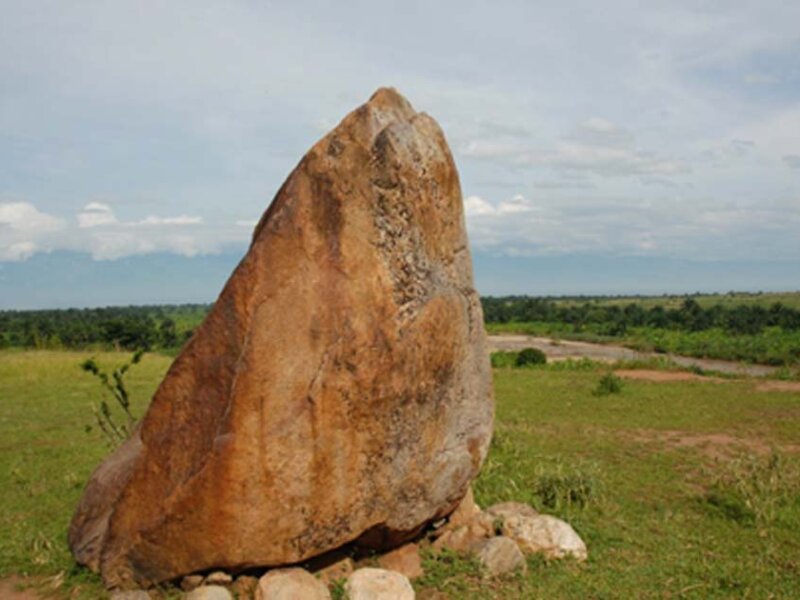
The Source of the Nile near Rutovu is an interesting destination for travellers who enjoy geography, history, and scenic countryside. The site connects Burundi with one of Africa’s most famous rivers. The Nile travels north through several countries before reaching the Mediterranean Sea, and its source has attracted attention from explorers, researchers, and travellers for generations.
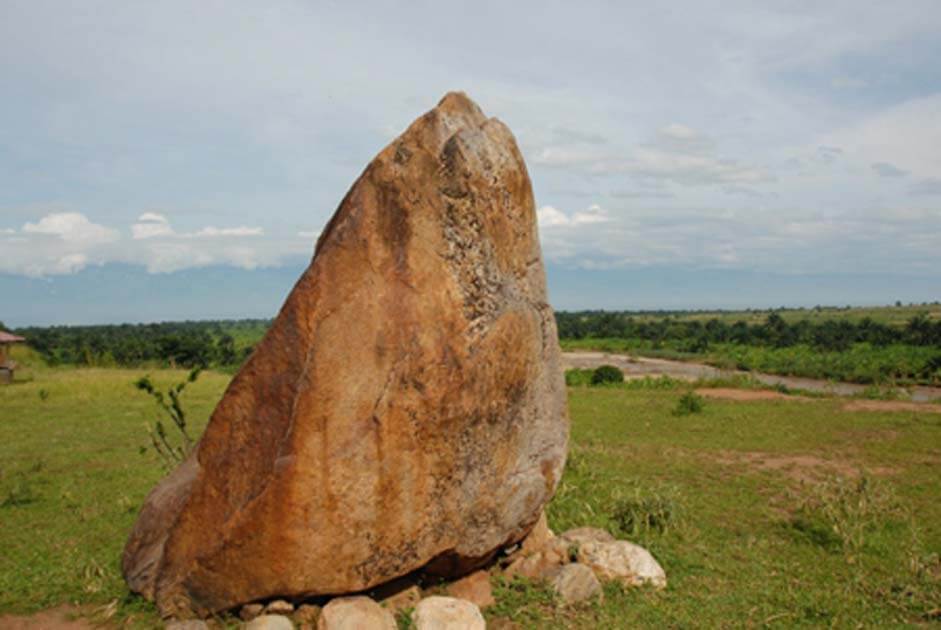
A visit to the Source of the Nile monument introduces you to this important geographical story. The area provides a quiet setting where visitors can learn about the river’s origins and enjoy views of the surrounding highlands. It also offers an opportunity to explore Burundi beyond the main urban centres.
The journey to the site can become part of the experience. Burundi’s countryside features rolling hills, cultivated slopes, small settlements, and changing landscapes. As you travel, you can observe rural life and see how communities use the land for farming and other activities. These views make the road trip especially rewarding for visitors who enjoy photography and cultural encounters.
The Source of the Nile also offers an educational experience for families and travellers interested in African geography. You can connect the visit with lessons about the Nile Basin, regional waterways, and the importance of freshwater systems.
Although the monument may not require a long visit, the surrounding scenery makes the destination worthwhile. Consider combining it with other attractions in the southern highlands. A local guide or organised tour can help you plan the route and understand the area’s geographical importance.
Experience the Royal Drummers of Burundi
Traditional Burundian drumming stands among the country’s most recognisable cultural experiences. The Royal Drummers of Burundi perform powerful rhythms that combine music, movement, teamwork, and cultural meaning. Their performances offer visitors a memorable introduction to Burundi’s artistic heritage.
The drummers use large traditional drums, often made from tree trunks and animal skins. During a performance, they carry the drums, strike them with impressive coordination, and move in carefully arranged patterns. The sound can feel powerful and energetic, especially when several performers play together. Their movements also form an important part of the performance, creating a combination of music and dance.
Traditional drumming has a long connection with Burundi’s royal history and community celebrations. In the past, royal drums played important roles during major ceremonies and public events. Today, performances help preserve cultural traditions and introduce them to audiences from around the world.
When you attend a performance, take time to appreciate more than the sound. Observe the teamwork, rhythm, movement, and preparation behind each presentation. You can also learn about the meaning of the drums and their place in Burundian society.
Visitors may find performances at cultural events, organised tourism activities, or special presentations. Availability can vary, so arrange the experience in advance where possible. If your itinerary includes Gitega or another cultural destination, ask your local tour operator about suitable opportunities.
For many travellers, watching traditional drumming becomes one of the most memorable things to do in Burundi because it creates a direct connection with the country’s living culture.
Visit Gishora Drum Sanctuary
Gishora Drum Sanctuary, located near Gitega, offers an important opportunity to explore Burundi’s traditional drumming heritage. The sanctuary connects visitors with the history and cultural meaning of the royal drums. It also provides a setting for performances and cultural learning.
Gishora has a strong association with Burundi’s monarchy and traditional ceremonies. The sanctuary preserves an important part of the country’s cultural identity. Visitors can learn about the role of drums in royal life, community celebrations, and major events. This experience helps explain why traditional drumming holds such a special place in Burundian culture.
During a visit, you may have the opportunity to watch drummers perform. The experience can include rhythmic displays, coordinated movements, and explanations about the drums. Each drum has its own character, and the performance depends on the skill and cooperation of the musicians. Therefore, watching the group perform offers a deeper appreciation of the tradition than simply hearing a recording.
Gishora also allows travellers to explore the countryside around Gitega. The journey passes through rural landscapes and settlements, creating opportunities to observe daily life. You can combine the sanctuary with a visit to Gitega town and other nearby cultural attractions.
Because performances and access arrangements may change, confirm the details before travelling. A local guide can also help explain the cultural background and ensure that your visit respects local customs.
If you want to understand Burundi beyond its landscapes, Gishora Drum Sanctuary deserves a place on your itinerary.
Explore Gitega, Burundi’s Political Capital
Gitega is Burundi’s political capital and an important destination for travellers interested in history, culture, and everyday life. Located inland, the city offers a different atmosphere from Bujumbura. It feels more closely connected to the surrounding countryside and provides a useful base for exploring central Burundi.
Start by exploring the town and observing its daily activities. Local markets, shops, streets, and public spaces offer insight into how people live and work. You can also enjoy local food and interact with residents when appropriate. These simple experiences often create meaningful memories because they allow you to understand a destination beyond its main attractions.
Gitega also has cultural importance. The city and its surrounding area connect visitors with Burundi’s traditional heritage, including royal history and music. Gishora Drum Sanctuary, for example, lies within reach and makes an excellent excursion from the town. In addition, the National Museum of Gitega offers an opportunity to learn about the country’s cultural traditions, history, and heritage.
The city also provides access to scenic countryside. You can travel through rolling hills, visit nearby communities, and explore rural landscapes. Depending on your schedule, you may combine Gitega with the Source of the Nile area or other central and southern destinations.
Allow enough time to explore rather than rushing through the city. Gitega may not offer the same busy tourism scene as larger regional capitals, but it provides an important cultural perspective. For visitors seeking a deeper understanding of Burundi, it is a worthwhile stop.
Visit the National Museum of Gitega
The National Museum of Gitega offers a valuable introduction to Burundi’s cultural and historical heritage. Museums help travellers understand the stories behind a destination, and this institution provides an opportunity to explore aspects of Burundian life that visitors may not encounter during ordinary sightseeing.
A museum visit can introduce you to traditional objects, cultural practices, historical displays, and elements of everyday life. These exhibits help explain how communities developed their customs and how different traditions continue to shape modern Burundi. They also provide context for attractions such as Gishora Drum Sanctuary and the country’s royal history.
Take your time as you explore the displays. Rather than moving quickly from one item to another, consider how each object connects with local identity, craftsmanship, social life, and history. If museum staff or a guide can provide explanations, use the opportunity to ask respectful questions.
The museum also offers a useful activity for visitors who want a break from long road journeys or outdoor excursions. It can fit into a day of sightseeing in Gitega, especially when combined with a visit to the town centre and nearby cultural attractions.
Museum opening arrangements and available displays can change, so confirm access before visiting. Photography rules may also vary, and visitors should follow the instructions provided at the site.
For travellers who value cultural learning, the National Museum of Gitega adds depth to a Burundi holiday. It helps transform a simple visit into a more informed experience.
Discover Karera Waterfalls
Karera Waterfalls rank among Burundi’s most attractive natural destinations. Located in the southeastern part of the country, the waterfalls create a scenic setting with flowing water, green vegetation, and rocky surroundings. They offer a rewarding excursion for visitors who enjoy nature, photography, and quiet outdoor experiences.
The waterfalls form a series of cascades, creating different viewpoints and natural features to explore. Depending on rainfall and seasonal conditions, the water flow can change throughout the year. During wetter periods, the falls may appear fuller and more dramatic. In drier months, visitors may experience different water levels and clearer access along some sections.
The surrounding landscape adds to the attraction. You can enjoy views of vegetation, rock formations, and the natural environment while listening to the sound of flowing water. The location also provides opportunities for photography, especially when the light creates reflections or highlights the movement of the water.
However, visitors should take care around wet rocks and steep sections. Wear comfortable walking shoes, follow local guidance, and avoid entering unsafe areas. You should also respect the natural environment by carrying away your rubbish and avoiding damage to plants or rocks.
Karera Waterfalls can form part of a wider journey through southeastern Burundi. Because road conditions and travel times may vary, plan the excursion carefully and allow enough time for the return journey.
If you enjoy waterfalls and scenic countryside, Karera Waterfalls deserve consideration when planning things to do in Burundi.
Explore the Green Hills of Burundi
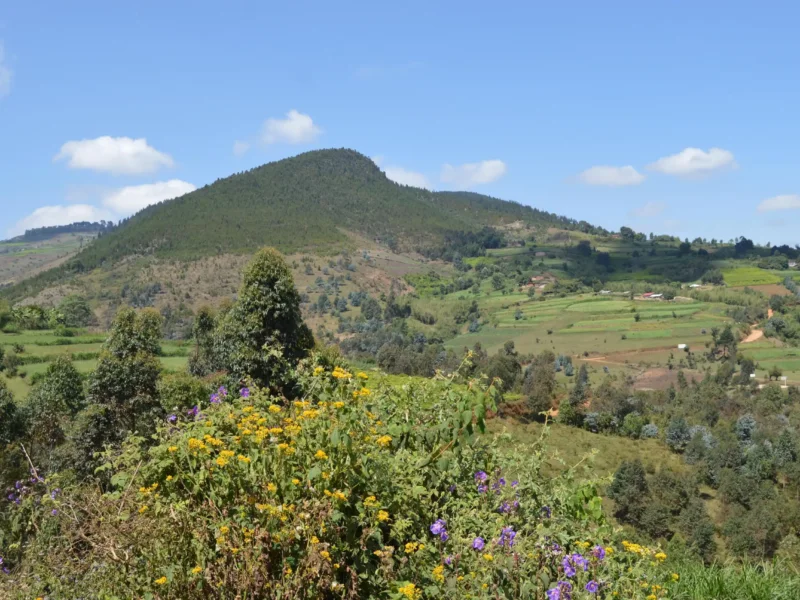
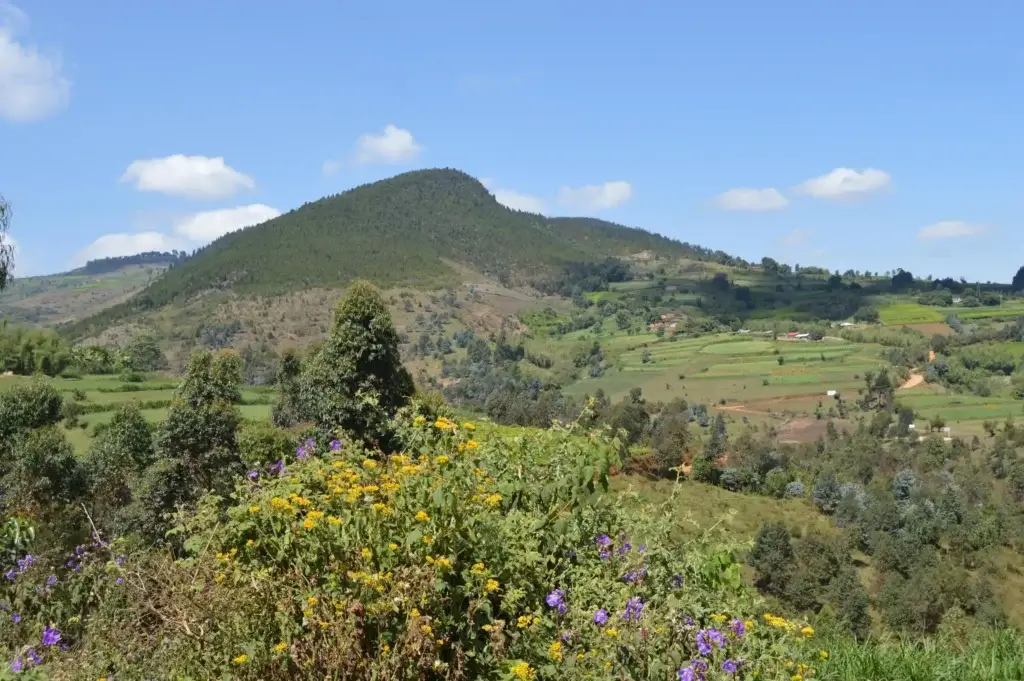
Burundi’s rolling hills create some of the country’s most recognisable landscapes. The hills shape the countryside, influence local farming, and provide beautiful views throughout many regions. For travellers, exploring these landscapes offers a chance to enjoy the natural beauty of Burundi at a relaxed pace.
As you travel between towns and attractions, you will see cultivated slopes, small farms, scattered homes, and green valleys. Many communities depend on agriculture, so the landscape reflects the close relationship between people and the land. Depending on the season, fields may display different crops and colours, creating changing scenery along the roads.
You can explore the hills through scenic drives, guided walks, or visits to rural communities. Walking offers a closer view of the environment and allows you to notice details that you might miss from a vehicle. For example, you may see traditional farming methods, local plants, birds, and daily activities around villages.
However, always arrange rural walks with someone who understands the area. Some routes cross private land or steep terrain, and local guidance helps you choose suitable paths. It also encourages respectful interaction with communities.
The hills provide excellent opportunities for photography, particularly during early morning and late afternoon. Bring comfortable walking shoes, drinking water, sun protection, and suitable clothing.
For visitors who want to escape busy urban areas, Burundi’s countryside offers a peaceful experience. You do not need a major attraction at every stop. Sometimes, the journey through the hills becomes one of the most enjoyable parts of the holiday.
Visit Lake Rwihinda, the Birders’ Paradise
Lake Rwihinda, located in northern Burundi, offers an interesting destination for birdwatchers and nature lovers. The lake forms part of a wetland environment that supports waterbirds and other wildlife. Its natural setting makes it a rewarding place for travellers who want to explore Burundi’s quieter landscapes.
Birdwatching is one of the main reasons to visit the area. Wetlands provide feeding and resting habitats for many bird species. Depending on the season, visitors may see different birds around the water, vegetation, and nearby fields. Bring binoculars and a camera with a suitable zoom lens if you enjoy observing wildlife.
A local guide can improve the experience because bird identification often requires knowledge of calls, behaviour, and habitat. Guides can also help visitors understand the importance of wetlands and the pressures that affect them. These habitats support biodiversity, help regulate water systems, and provide resources for nearby communities.
Beyond birdwatching, Lake Rwihinda offers a peaceful environment for photography and nature appreciation. You can enjoy the surrounding countryside, observe local activities, and learn about the relationship between people and wetland ecosystems.
As with other natural attractions, wildlife sightings depend on weather and seasonal conditions. Avoid disturbing birds, keep a respectful distance, and follow local guidance when walking near the water.
Lake Rwihinda may require more travel planning than attractions near Bujumbura. However, it can add a special experience to a longer Burundi itinerary, especially for visitors who enjoy birding and less crowded natural destinations.
Discover Kibira National Park
Kibira National Park protects an important area of montane rainforest in northwestern Burundi. Its forest environment creates a striking contrast with the cultivated hills and open countryside found in other parts of the country. For nature lovers, the park offers an opportunity to explore one of Burundi’s important natural habitats.
The forest supports a range of plant and animal life. Visitors may encounter birds, monkeys, and other wildlife, although sightings depend on the area, season, and conditions. The forest also plays an important environmental role by helping protect water sources and supporting biodiversity.
One of the best ways to experience Kibira is through a guided nature walk where access and conditions allow. Walking through the forest gives you a chance to observe vegetation, listen to bird calls, and appreciate the cool atmosphere beneath the canopy. A knowledgeable guide can explain the ecosystem and help identify wildlife and plants.
Kibira also appeals to visitors who enjoy photography and peaceful outdoor experiences. However, rainforest conditions can change quickly. Wear suitable walking shoes, carry water, and prepare for damp or muddy paths. Follow all park rules and avoid leaving marked or approved routes.
Before planning a visit, confirm current access arrangements, available activities, and any permit requirements with the relevant authorities. Park conditions and visitor services may change.
Kibira National Park adds an important conservation experience to a Burundi holiday. It also helps visitors understand why protecting forests matters for wildlife, water systems, and local communities.
Go Birdwatching Across Burundi
Burundi offers rewarding birdwatching opportunities across wetlands, lakeshores, forests, rivers, and agricultural landscapes. Its location within the Great Lakes region creates a variety of habitats that attract different bird species. As a result, birdwatching can become an enjoyable part of a wider holiday, even for visitors who do not consider themselves specialist birders.
Wetlands such as Lake Rwihinda and the Rusizi area provide opportunities to observe waterbirds. Forest habitats, including Kibira National Park, attract woodland species. Meanwhile, lakeshores, cultivated hills, and open countryside offer additional birdwatching environments.
You do not need advanced equipment to begin. A pair of binoculars, a field guide, and patience can make a big difference. However, a local bird guide can help you identify species more accurately and understand their behaviour. Guides can also suggest suitable locations based on the season and the birds you hope to see.
Early mornings often provide good conditions because many birds become active around this time. Therefore, plan some excursions before the day becomes hot. Wear neutral clothing, move quietly, and avoid approaching nests or disturbing feeding areas.
Birdwatching also creates opportunities to learn about conservation. Wetlands, forests, and natural corridors face pressure from human activity, and responsible tourism can help build appreciation for these environments.
Whether you spend a few hours near Lake Tanganyika or several days exploring different habitats, birdwatching adds variety to your Burundi experience. It also encourages a slower, more observant style of travel.
Experience Burundi’s Traditional Food
Food provides one of the most enjoyable ways to understand a country, and Burundi offers a variety of traditional dishes shaped by local farming, culture, and daily life. During your visit, make time to sample local meals rather than relying only on familiar international options.
Beans, bananas, sweet potatoes, cassava, maize, rice, and vegetables feature in many Burundian meals. Beans are especially common and often accompany other staples. Visitors may also find dishes prepared with fish, meat, or seasonal vegetables, depending on the location and restaurant.
One dish worth trying is ugali, a firm maize-based staple that people often eat with vegetables, beans, or meat. You can also sample plantains, which cooks prepare in different ways. In addition, local fish dishes offer a connection to Lake Tanganyika and the fishing communities around it.
Food experiences vary between cities, towns, and rural areas. In Bujumbura, you may find restaurants serving both traditional and international meals. Smaller towns often offer simpler local dishes, which can provide a more direct taste of everyday Burundian cooking.
When eating in local establishments, choose clean and well-managed places. If you have dietary needs or food allergies, explain them clearly before ordering. You should also drink safe water and follow sensible food hygiene practices.
Trying traditional food can become a memorable part of your holiday. It allows you to explore local flavours, support small businesses, and understand how agriculture influences everyday life in Burundi.
Visit Local Markets and Discover Burundian Crafts
Local markets offer a lively introduction to everyday life in Burundi. They bring together traders, farmers, craftspeople, and shoppers, creating an atmosphere filled with colour, conversation, and movement. For visitors, markets provide opportunities to discover local products and interact with communities.
You may find fresh fruit, vegetables, beans, spices, household goods, clothing, and handmade items. Some markets also sell baskets, woven products, pottery, and other crafts. These objects reflect local skills and traditions, making them interesting souvenirs for travellers.
When visiting a market, take time to observe how people trade and organise their daily activities. You can ask permission before taking photographs, especially when photographing individuals or their stalls. A friendly approach helps create positive interactions and shows respect for local people.
Shopping at local markets also allows visitors to support small businesses. If you buy crafts directly from makers or local sellers, your spending can contribute to household income and community livelihoods. However, bargain politely and remember that handmade products require time and skill.
Markets can become busy, so keep personal belongings secure and avoid carrying large amounts of cash. If you do not speak the local language, a guide can help with communication and explain the products.
A market visit may seem simple compared with a national park or waterfall, yet it offers valuable cultural insight. It helps you experience Burundi through the people who live and work there every day.
Enjoy a Boat Trip on Lake Tanganyika
A boat trip on Lake Tanganyika offers a different perspective of Burundi’s beautiful lakeside environment. From the water, you can enjoy views of the shoreline, nearby hills, fishing activity, and the wide blue surface of the lake. It can also provide a peaceful break from city sightseeing and long road journeys.
Depending on the operator and conditions, visitors may arrange a short excursion, a private boat experience, or a fishing-related activity. Some trips focus on sightseeing, while others provide opportunities to observe local fishing practices. Before booking, confirm the route, duration, safety arrangements, and services included.
Safety should always come first. Choose a recognised operator, check that the boat carries suitable safety equipment, and follow the crew’s instructions. Weather and water conditions can change, so operators may adjust or cancel trips when necessary. Avoid travelling with operators who cannot explain their safety procedures.
A boat trip also offers opportunities for photography. You can capture the shoreline, distant hills, fishing boats, and changing light across the lake. Early morning and late afternoon may provide attractive conditions, although the best time depends on the weather and the operator’s schedule.
Lake Tanganyika supports fishing communities and provides an important source of food and income. Therefore, a guided trip can also help you learn about local livelihoods and the lake’s role in the region.
If your itinerary includes Bujumbura, consider setting aside time for a boat excursion. It adds a memorable outdoor experience to your visit.
Explore the Rusizi River
The Rusizi River forms an important part of Burundi’s natural environment. It flows through the western part of the country and connects with the wider Lake Tanganyika basin. Its wetlands and surrounding habitats support wildlife, birds, and communities that depend on the river.
Exploring the Rusizi area allows visitors to discover a different landscape from the hills and forests found elsewhere in Burundi. The river environment includes water channels, vegetation, open wetland sections, and wildlife habitats. Depending on the location and activity, visitors may enjoy nature observation, photography, or a guided excursion.
The Rusizi area also offers opportunities to learn about wetland conservation. Wetlands help support biodiversity, store water, and provide important habitats for many species. They also contribute to the livelihoods of nearby communities through fishing and other activities.
Visitors should explore with recognised local guides or authorised operators, especially in areas where wildlife may occur. Keep a safe distance from animals and avoid entering the water without proper guidance. River conditions can change, and wildlife such as hippos and crocodiles can create serious risks.
You can combine the Rusizi area with a visit to Rusizi National Park and other attractions near Bujumbura. This makes it a convenient option for travellers who want to experience nature without travelling far from the city.
A visit to the river adds depth to a Burundi holiday because it highlights the connection between water, wildlife, and local livelihoods.
Discover Burundi’s Coffee Culture
Coffee plays an important role in Burundi’s agriculture and international trade. The country’s highland climate and volcanic soils in some growing areas support coffee cultivation. For visitors, learning about coffee production offers an interesting way to connect with rural life and local enterprise.
A coffee experience can introduce you to the journey from farm to cup. Depending on the location and available arrangements, you may visit a coffee-growing community, learn about coffee plants, observe harvesting, or explore some stages of processing. You can also discover how farmers prepare coffee cherries before the beans reach washing stations and buyers.
Coffee production requires careful work. Farmers must manage their trees, monitor the crop, harvest ripe cherries, and handle the produce correctly. After harvesting, processing and drying influence the quality of the final product. These steps help explain why coffee from different areas can have different characteristics.
If you enjoy coffee, take time to sample locally produced coffee during your stay. Ask about its origin and preparation method. You may also find packaged coffee to take home, although you should check customs rules before travelling with agricultural products.
A coffee visit can also support local businesses and producers. Choose experiences that respect farmers and provide clear information about how the activity benefits the community.
For travellers interested in food, agriculture, and responsible tourism, Burundi’s coffee culture adds a valuable experience to the itinerary. It also offers a chance to appreciate the work behind one of the country’s important export products.
Visit the Southern Highlands
The southern highlands of Burundi offer attractive scenery, rural communities, and opportunities for outdoor exploration. This part of the country features rolling hills, valleys, farms, and small settlements. It provides a peaceful setting for visitors who want to experience Burundi away from the main cities.
A journey through the southern highlands allows you to appreciate the country’s landscape at a slower pace. You can stop at scenic viewpoints, observe farming activities, and visit communities along the route. Depending on your interests, you may also combine the journey with Karera Waterfalls, the Source of the Nile area, or other nearby attractions.
The highlands are suitable for scenic drives and guided walks. Walking can help you experience the landscape more closely, while a road trip allows you to cover more ground. However, some rural roads may become difficult during heavy rain, so check conditions before departure.
You should also plan enough time for travel. Although Burundi covers a relatively small area, road conditions, terrain, and local stops can affect journey times. A knowledgeable driver can help you choose practical routes and avoid unnecessary delays.
Photography enthusiasts will enjoy the changing views across the hills. Bring a camera, but always ask permission before photographing people or private property.
The southern highlands offer a rewarding experience for visitors who appreciate natural scenery, local culture, and quiet journeys. They also provide a useful setting for combining several attractions into one well-planned excursion.
Experience Rural Life in Burundi
A visit to rural Burundi can provide some of the most meaningful cultural experiences of your trip. Outside the main towns, many communities maintain strong connections with farming, family life, traditional skills, and local customs. Travellers who take time to explore these areas can gain a better understanding of the country.
Rural experiences may include visiting farms, learning about local crops, observing traditional food preparation, or discovering craft skills. Depending on the community and available arrangements, visitors may also take part in guided walks or cultural activities. Always arrange visits respectfully and avoid entering private homes or farms without permission.
Agriculture shapes much of Burundi’s countryside. You may see people growing bananas, beans, maize, cassava, sweet potatoes, and other crops. These activities provide insight into local food systems and the challenges that rural households face.
Community-based tourism can also create economic opportunities. When visitors book activities through local guides, cooperatives, or community organisations, they can support livelihoods while learning about local traditions. However, responsible tourism requires fair payment, respect, and genuine community participation.
Before taking photographs, ask for permission. Learn a few basic greetings in Kirundi or French if you can, and approach interactions with patience. Small gestures of respect can make a big difference.
Rural visits should not feel like a performance for tourists. Instead, choose experiences that allow genuine exchange and benefit the people involved. This approach creates a more respectful and rewarding travel experience.
Explore Burundi’s Historical Heritage
Burundi has a rich history shaped by its traditional kingdom, social structures, cultural practices, and modern political developments. Exploring the country’s historical heritage helps visitors understand the events and traditions that have influenced its identity.
Gitega provides an important starting point for learning about the monarchy and traditional culture. The National Museum of Gitega and Gishora Drum Sanctuary offer opportunities to explore objects, customs, and royal traditions. These attractions help explain the historical importance of drums, ceremonies, and cultural leadership.
Bujumbura also provides opportunities to learn about the country’s modern history. Visitors can explore museums, monuments, and important public spaces where available. A knowledgeable local guide can explain historical events and help place them within the wider East African context.
When exploring historical sites, take time to understand the different periods represented. Burundi’s past includes precolonial kingdoms, colonial rule, independence, political change, and efforts towards peace and development. A balanced approach helps visitors avoid reducing the country’s history to a single event or period.
Historical travel also requires sensitivity. Some topics remain personal and important to local communities. Listen respectfully, avoid making assumptions, and allow people to decide what they wish to share.
For visitors who value learning, Burundi’s historical heritage adds meaning to a holiday. It helps explain the cultural traditions and social experiences that shape the country today.
Enjoy Photography in Burundi
Burundi offers many opportunities for travel photography. Its landscapes include lakes, rivers, wetlands, forests, hills, waterfalls, and lively towns. In addition, traditional music, markets, farming activities, and local architecture provide subjects for cultural photography.
Lake Tanganyika offers beautiful views, especially when the water reflects the changing light. Karera Waterfalls create opportunities to photograph moving water and surrounding vegetation. Meanwhile, the hills of central and southern Burundi provide wide landscape views that change with the seasons.
Wildlife photography is also possible in places such as Rusizi National Park and Kibira National Park. However, sightings depend on conditions, and visitors should never disturb animals to obtain a photograph. Use a suitable zoom lens and follow guide instructions.
Cultural photography requires care and respect. Always ask permission before photographing individuals, children, private homes, or community activities. Some sites may also have restrictions on photography, so check the rules before taking pictures.
Early mornings and late afternoons often provide softer natural light. During these periods, you may capture attractive colours across the lake and hills. However, cloudy conditions can also create interesting scenes, especially in forest environments.
Photography should not distract you from enjoying the destination. Put the camera away at times and experience the sounds, atmosphere, and interactions around you.
Whether you use a professional camera or a mobile phone, Burundi offers plenty of opportunities to record your journey and share its natural and cultural beauty with others.
Go Hiking and Nature Walking
Burundi’s hills, forests, and rural landscapes make the country suitable for hiking and nature walks. Although it does not have the same international hiking profile as some neighbouring destinations, it offers scenic routes and opportunities to explore the countryside.
Hiking can take place in suitable areas around the southern highlands, forest environments, and rural communities. The best route depends on your fitness, available time, weather, and local access arrangements. A short guided walk may suit visitors who want a gentle outdoor experience, while longer routes can provide more challenging exploration.
Nature walks allow you to observe details that you may miss during a vehicle journey. You can notice birds, plants, farming methods, streams, and the changing shape of the landscape. A local guide can explain the environment and help you understand the communities along the route.
Preparation matters. Wear comfortable walking shoes, carry drinking water, use sun protection, and bring suitable clothing for changing weather. Some paths may become slippery after rain, so choose routes carefully and follow local advice.
Always respect private land and community rules. Do not leave rubbish behind, damage vegetation, or disturb wildlife. If a route passes through a protected area, follow the relevant park regulations.
Hiking provides a simple but rewarding way to experience Burundi. It allows you to enjoy the country’s natural beauty at your own pace while creating opportunities for photography, exercise, and cultural learning.
Visit Local Churches and Religious Heritage Sites
Religion plays an important role in the lives of many Burundians. Churches and other places of worship form part of the country’s social and cultural landscape. Visitors interested in community life and architecture may find it rewarding to explore religious heritage sites during their trip.
Churches can offer insight into local history, architecture, music, and community organisation. Some buildings feature simple designs, while others display more elaborate details. Their surroundings may also provide opportunities to observe how religious institutions support education, community gatherings, and social activities.
When visiting a place of worship, respect its purpose. Dress modestly, speak quietly, and avoid taking photographs during services unless the community gives permission. If you want to attend a service, check the schedule and understand that visitors should follow local customs.
Religious sites may also provide opportunities to learn about Burundi’s history and social development. However, visitors should approach religious discussions with respect and avoid assuming that all communities share the same beliefs or practices.
You can include a visit to a church or religious heritage site while exploring Bujumbura, Gitega, or another town. A local guide can help identify places that welcome visitors and explain their historical importance.
This experience may not appeal to every traveller, but it can add another dimension to a cultural itinerary. It helps visitors understand how faith, community, and daily life connect in Burundi.
Explore Burundi’s Local Music and Dance
Music and dance form an important part of Burundi’s cultural identity. Traditional performances bring people together during ceremonies, celebrations, and community events. For visitors, they offer a chance to experience the country’s artistic traditions in a lively and engaging way.
Traditional drumming remains one of the most famous cultural expressions, but Burundi’s music includes other rhythms, instruments, songs, and dance styles. Performances may vary between communities and events. Some focus on traditional ceremonies, while others combine heritage with modern influences.
When attending a cultural performance, observe the coordination between musicians and dancers. Rhythm, movement, and group participation often work together to create the experience. You may also notice how costumes and performance styles reflect local identity.
Visitors can look for performances at cultural centres, organised events, festivals, and selected tourism experiences. Availability changes, so ask a local tour operator or accommodation provider about events during your stay.
If you have an opportunity to learn a simple dance movement or rhythm, take part respectfully. However, remember that cultural performances represent more than entertainment. They carry history, community meaning, and artistic skill.
Supporting local performers through fair payments and responsible bookings helps keep these traditions active. It also encourages cultural tourism that benefits the people who preserve and share their heritage.
For travellers who enjoy live music, Burundi offers a rich cultural experience that can become one of the highlights of a holiday.
Shop for Traditional Baskets and Handmade Souvenirs
Traditional crafts make meaningful souvenirs because they reflect local skills and cultural identity. Burundi has a long tradition of basket weaving and other forms of handmade work. Visitors can explore craft products in selected markets, shops, and community settings.
Basketry stands out as one of the crafts associated with Burundi. Artisans use local materials and established techniques to create baskets with different shapes, patterns, and purposes. Some products serve practical household needs, while others appeal to visitors looking for decorative items.
You may also find woven products, pottery, woodwork, textiles, and other handmade goods. The range depends on the location and the sellers. When possible, buy directly from artisans or community groups because this can help support their work and income.
Take time to learn how an item is made. Asking about materials, techniques, and cultural uses can make shopping more meaningful. However, avoid pressuring artisans to sell at unfair prices. Handmade work requires time, patience, and skill.
Before buying, consider how you will pack and transport the item. Check airline baggage rules and any customs restrictions that may apply when returning home. Some natural materials may face restrictions in certain countries.
A handmade basket or craft item can become a lasting reminder of your Burundi holiday. More importantly, responsible shopping helps visitors support local creativity and preserve traditional skills.
Discover the Tea Growing Areas
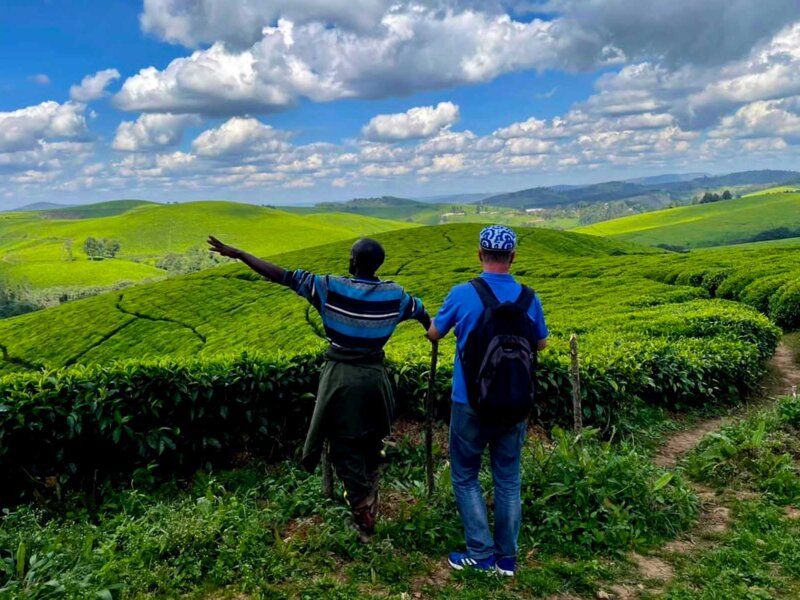
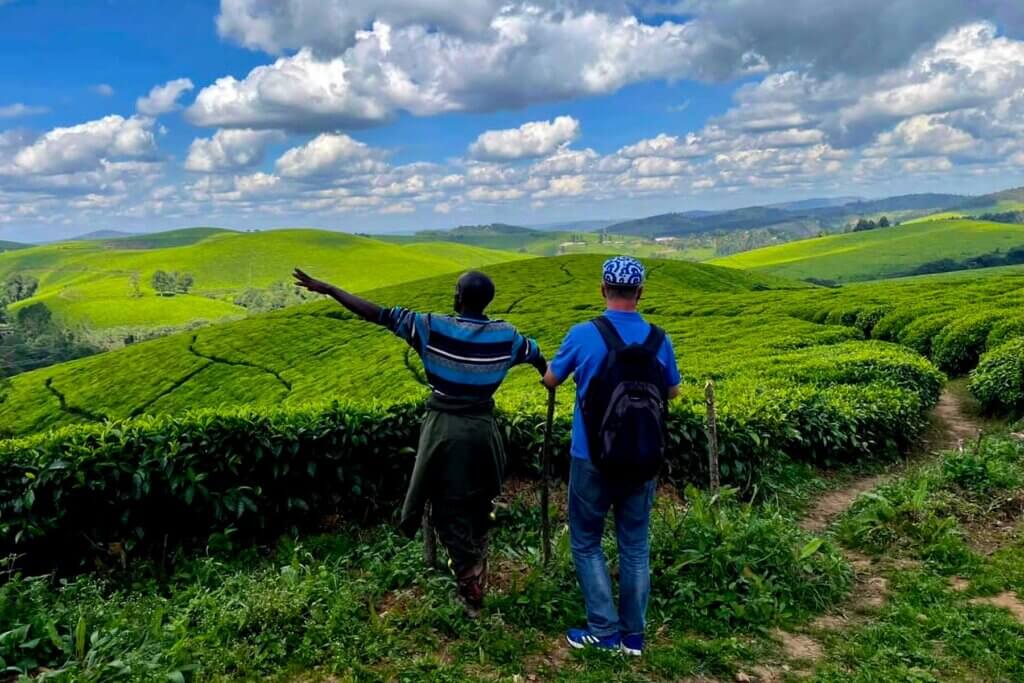
Burundi’s highlands support tea cultivation, and visiting tea-growing areas can provide an interesting experience for travellers who enjoy agriculture and scenic landscapes. Tea fields create patterns across the hills, while surrounding forests and rural communities add to the scenery.
A tea-focused excursion can introduce visitors to the process of growing and processing tea. Depending on access, you may see tea plantations, learn about harvesting, and understand the stages that prepare tea for local use or export. A guided visit can explain the work that farmers and processing teams carry out throughout the production cycle.
Tea cultivation also connects agriculture with the wider economy. Farmers depend on suitable weather, healthy plants, careful harvesting, and reliable markets. Therefore, learning about tea production provides insight into the challenges and opportunities within Burundi’s agricultural sector.
The landscapes around tea-growing areas can also appeal to photographers. Green fields, misty hills, and forest edges create attractive views, especially during suitable weather conditions. Visitors should stay on approved paths and avoid entering plantation areas without permission.
Not every plantation offers public tours, so arrange visits in advance. Ask about access, transport, and whether the experience includes a guide or tasting.
If you enjoy learning about local products, tea-growing areas can add variety to your Burundi itinerary. They also offer a chance to appreciate the work behind an everyday drink.
Enjoy a Relaxing Holiday Beside Lake Tanganyika
Some travellers prefer a relaxed holiday rather than a busy schedule filled with daily excursions. Burundi offers opportunities for this style of travel, especially around Lake Tanganyika. The lakeside environment provides a pleasant setting for rest, meals, photography, and quiet time.
You can spend a morning enjoying breakfast near the water, take a gentle walk along suitable sections of the shore, or relax at a lakeside accommodation. Later, you may enjoy local food, read a book, or watch fishing boats move across the lake.
A slower holiday also gives you time to connect with local culture. You can visit nearby markets, enjoy a meal in a local restaurant, or arrange a short excursion without rushing. This approach works well for couples, older travellers, and visitors who want to combine relaxation with light sightseeing.
When selecting accommodation, consider the location, facilities, safety, and access to activities. Some properties may offer lake views or outdoor spaces, while others provide easier access to Bujumbura’s restaurants and services.
You should still check swimming conditions and follow local guidance around the lake. A beautiful shoreline does not automatically mean that every section offers safe swimming.
A relaxed lakeside stay can balance a longer East African itinerary. If you have spent several days travelling through Uganda, Rwanda, or Tanzania, a few peaceful days in Burundi may provide a refreshing change of pace.
Take a Scenic Road Trip Across Burundi
A road trip offers one of the best ways to experience Burundi’s landscapes and communities. The country’s relatively compact size allows visitors to connect several destinations within one itinerary, although road conditions and journey times still require careful planning.
A route may connect Bujumbura with Gitega, the Source of the Nile area, Karera Waterfalls, or other destinations. Along the way, you can enjoy views of green hills, farmland, small towns, and rural settlements. These changing scenes create opportunities for photography and short stops.
A private vehicle with an experienced driver can make the journey more comfortable. A local driver understands the roads, travel conditions, and suitable stopping points. This can help you manage your time and adapt the route when weather or road conditions change.
Avoid planning too many destinations in one day. Although distances may appear short on a map, winding roads, traffic, and local conditions can affect travel time. Allow room for breaks, meals, and unexpected delays.
You should also prepare for the journey. Carry drinking water, keep essential documents secure, and confirm accommodation before travelling to less serviced areas. If you plan to visit remote attractions, check whether the route requires a suitable vehicle.
A scenic road trip turns travel time into part of the holiday. Rather than focusing only on major attractions, you get to appreciate the countryside and everyday life across Burundi.
Combine Burundi with a Wider East African Safari
Burundi works well as part of a wider East African journey. Its location allows travellers to consider multi-country itineraries that include Uganda, Rwanda, Tanzania, and Kenya. This approach can create a varied holiday with culture, wildlife, lakes, forests, and mountain scenery.
For example, you can combine Burundi’s cultural attractions and Lake Tanganyika with gorilla trekking in Uganda or Rwanda. You may also add chimpanzee tracking in Uganda, wildlife viewing in Queen Elizabeth National Park, or a classic savannah safari in Tanzania or Kenya. Each destination offers a different experience.
A multi-country itinerary requires careful planning. You need to consider border crossings, visa requirements, transport, travel time, accommodation, and the availability of activities. You should also check whether your nationality qualifies for a regional visa or needs separate entry permissions for each country.
Road journeys can take longer than expected, especially when crossing borders. Therefore, avoid placing important activities too close together. If your itinerary includes gorilla trekking, for example, arrive in the region with enough time to rest before the trekking date.
A regional tour operator can help organise transport, accommodation, guides, permits, and activity schedules. Choose a company that understands the countries involved and provides clear information about costs and inclusions.
Combining Burundi with neighbouring destinations allows you to experience more of East Africa in one holiday. It also creates opportunities to discover less visited places alongside famous wildlife destinations.
Learn Basic Kirundi Greetings and Local Customs
Learning a few basic words in Kirundi can improve your experience in Burundi. Kirundi is the country’s main national language, while French and English also appear in different settings. Language use varies by location, age, education, and tourism services.
You do not need to speak Kirundi fluently to enjoy your visit. However, learning simple greetings and polite expressions can make everyday interactions easier. A friendly greeting shows interest in local culture and can help create a positive connection.
Burundian customs may differ from those in your home country. For example, greetings and respectful forms of address can play an important role in social interactions. Take time to observe how people communicate, and follow the guidance of your local host or guide.
Dress appropriately when visiting religious sites and rural communities. Ask permission before photographing people, and avoid entering private spaces without an invitation. When buying goods, negotiate politely and treat sellers with respect.
It is also useful to understand local expectations around tipping, meals, and social visits. These practices may vary, so ask your guide when you are unsure.
Cultural awareness makes travel more rewarding. Rather than treating Burundi as a place to visit only for scenery, take time to understand the people and customs that shape everyday life. Small efforts can help you build more respectful and memorable connections.
Visit Burundi During a Cultural Festival or Community Event
Cultural festivals and community events can add an exciting dimension to a Burundi holiday. They bring people together through music, dance, food, ceremonies, sport, and artistic expression. For visitors, they provide opportunities to experience local culture in a lively setting.
Traditional drumming may feature prominently at selected events, while other gatherings focus on music, dance, crafts, or community celebrations. The programme depends on the event, location, and time of year. Therefore, check local calendars and tourism information before planning your trip around a particular festival.
Attending a community event requires respect. Follow instructions from organisers, ask before taking photographs, and avoid interrupting ceremonies. Some activities may welcome visitors, while others may remain private or hold special cultural meaning.
Festivals can also support local artists, performers, food sellers, and craftspeople. When you buy refreshments or handmade products from local vendors, you can contribute to the event’s economic value.
If you want to attend a major celebration, arrange accommodation and transport early. Popular events may attract local visitors and create higher demand for rooms or vehicles. You should also confirm the event date because schedules can change.
A cultural event can help you understand Burundi’s living traditions. It creates a shared experience that goes beyond ordinary sightseeing and gives you a chance to appreciate the country’s creativity and community spirit.
Plan a Family Holiday in Burundi
Burundi can offer families a combination of nature, culture, and educational experiences. Parents travelling with children can build an itinerary around manageable journeys, suitable accommodation, and activities that match the children’s ages and interests.
A family visit may include time beside Lake Tanganyika, a guided city tour in Bujumbura, traditional drumming, a museum visit in Gitega, and selected nature excursions. These activities provide variety without requiring every day to involve long drives or demanding walks.
Children can learn about geography at the Source of the Nile, discover traditional music at Gishora, and explore nature in suitable areas. Birdwatching can also become an enjoyable family activity when guides make it interactive and age appropriate.
However, families should plan carefully. Check accommodation facilities, road conditions, travel times, food options, and access to medical services. Younger children may need more rest breaks, while older children may enjoy longer outdoor activities.
Parents should also follow sensible health and safety advice. Consult a qualified travel health professional before departure, review current entry requirements, and carry any necessary medication. Use safe drinking water and choose activities with suitable supervision.
A family holiday should balance exploration with comfort. Avoid trying to cover too many destinations in a short period. With realistic planning, Burundi can provide valuable opportunities for children and adults to learn about African culture, nature, and everyday life.
Enjoy a Romantic Escape in Burundi
Burundi offers couples a quieter setting for a holiday focused on relaxation, scenery, and shared experiences. Lake Tanganyika provides an attractive backdrop for peaceful moments, while the countryside offers opportunities for scenic drives, cultural visits, and nature excursions.
Couples can enjoy lakeside meals, sunset views, boat excursions where available, and relaxed stays in suitable accommodation. They may also explore Bujumbura together, visit Gishora Drum Sanctuary, or take a road trip through the green hills.
A romantic itinerary does not need to include a long list of activities. Instead, allow time to enjoy each destination. A slow breakfast, a scenic drive, or an evening beside the lake can become just as memorable as a major attraction.
When choosing accommodation, consider privacy, location, comfort, dining options, and the activities available nearby. If you want a special arrangement, contact the property in advance to confirm what it can provide.
Couples should also consider travel time when planning excursions. Long road journeys can become tiring, so balance remote attractions with relaxing stays. A private driver or organised tour may help make the trip more comfortable.
Burundi can suit couples who enjoy cultural discovery and natural scenery without needing a crowded tourism environment. It offers a chance to share new experiences while exploring a country with a distinctive identity.
Support Responsible and Sustainable Tourism in Burundi
Responsible tourism helps protect natural environments and supports the communities that welcome visitors. Burundi offers opportunities to travel in ways that respect local culture, conserve wildlife habitats, and contribute to community livelihoods.
Start by choosing responsible accommodation and tour providers. Look for businesses that employ local people, provide clear information about their services, and follow environmental and safety standards. When booking cultural experiences, choose arrangements that involve local communities fairly.
During nature excursions, follow park rules, avoid disturbing wildlife, and remain on approved paths. Do not leave rubbish behind, remove plants, or damage natural features. These simple actions help protect the places that attract visitors.
You can also support local businesses by buying crafts, eating at local restaurants, and using qualified local guides. Fair payment helps sustain livelihoods and encourages communities to value tourism as a source of opportunity.
Respect cultural traditions and personal privacy. Ask permission before taking photographs, dress appropriately at religious sites, and avoid treating local people as attractions. Responsible travel depends on mutual respect.
Water and energy use also matter, especially in areas where resources may be limited. Use only what you need, reduce single-use plastics where possible, and dispose of waste correctly.
Sustainable tourism is not only about protecting nature. It also involves creating positive relationships between visitors and host communities. When travellers make thoughtful choices, they help ensure that Burundi’s cultural and natural attractions remain valuable for future generations.
Best Time to Visit Burundi
The best time to visit Burundi depends on the experiences you want and the destinations you plan to explore. The country has a tropical climate influenced by altitude, with different conditions across the lowlands and highlands. Rainfall patterns also affect road travel, hiking, and outdoor activities.
Burundi generally experiences a longer rainy period around February to May and a shorter rainy period around September to November. The drier months often fall around June to August and December to January. However, weather conditions can vary, and rainfall may occur outside these general periods.
The drier months can suit scenic drives, hiking, and visits to natural attractions because some roads and trails may become easier to manage. Nevertheless, the countryside can look especially green during and after the rains. Birdwatchers may also find seasonal changes interesting.
If you plan to visit waterfalls, rainfall can influence water levels and the appearance of the falls. Meanwhile, lake activities depend on local weather and water conditions rather than the calendar alone.
Before travelling, check the latest forecast and ask local operators about road conditions. Pack clothing for warm days and cooler evenings, especially if you plan to explore higher areas. A light rain jacket can remain useful even during generally dry months.
Burundi can offer rewarding experiences throughout the year. The best approach is to match your travel dates with your interests and remain flexible when planning outdoor activities.
How Many Days Do You Need to Explore Burundi?
The number of days you need in Burundi depends on your interests, travel style, and the number of destinations you want to visit. A short stay can introduce you to Bujumbura and Lake Tanganyika, while a longer holiday allows you to explore cultural sites, national parks, waterfalls, and rural landscapes.
A three-day visit may focus on Bujumbura, Lake Tanganyika, Rusizi National Park, and a short excursion to a nearby attraction. This option suits travellers who have limited time or who want to add Burundi to a wider East African itinerary.
A five-day trip can include Bujumbura, Gitega, Gishora Drum Sanctuary, and the Source of the Nile area. Depending on road conditions and your interests, you may also include a visit to Karera Waterfalls or another natural attraction.
A seven-day holiday allows a more relaxed pace. You can explore the capital region, visit Gitega, discover the southern highlands, spend time beside Lake Tanganyika, and include a nature experience such as Kibira or Lake Rwihinda where practical.
For travellers who want a deeper experience, consider eight to ten days or more. This gives you additional time for birdwatching, rural visits, cultural activities, and less rushed road journeys.
Do not plan only by counting attractions. Consider the distance between destinations, road conditions, and the time needed to enjoy each experience. A well-paced itinerary often creates better memories than a packed schedule.
Practical Travel Tips for Visiting Burundi
Good preparation can make your Burundi holiday more comfortable and enjoyable. Before departure, check the latest entry requirements, visa arrangements, health guidance, and travel advice for your nationality. Requirements can change, so use official government sources and confirm details before booking.
Currency and payment options also require attention. Burundi uses the Burundian franc, and cash may be useful in markets, smaller towns, and rural areas. Confirm whether your accommodation and tour providers accept cards or foreign currency. Keep money secure and avoid displaying large amounts in public.
French and Kirundi are widely useful languages, while English may be available in some tourism settings. Learning basic greetings can improve communication. A local guide can also help with translation and cultural understanding.
For transport, consider arranging a reliable vehicle and driver if you plan to visit several destinations. Road conditions may vary, and journey times can change with weather, traffic, and border procedures. Confirm the vehicle type and services before booking.
Pack comfortable walking shoes, lightweight clothing, sun protection, insect repellent, and a rain jacket. If you plan to visit forests or wetlands, suitable outdoor clothing can improve your comfort.
Finally, consult a qualified travel health professional before departure. Discuss recommended vaccinations, malaria prevention, and any health precautions relevant to your itinerary. Carry suitable travel insurance and emergency contact details.
A little preparation helps you focus on enjoying Burundi rather than solving avoidable problems during the trip.
Where to Stay During Your Burundi Holiday
Choosing suitable accommodation can improve your Burundi experience. The best place to stay depends on your itinerary, budget, comfort preferences, and the attractions you plan to visit.
Bujumbura offers the widest choice for many visitors. You can find hotels and guesthouses that provide access to the city centre, Lake Tanganyika, restaurants, and transport services. This makes the city a practical base for exploring nearby attractions such as Rusizi National Park.
Gitega provides accommodation options for travellers exploring central Burundi. Staying in the town can reduce unnecessary driving when visiting Gishora Drum Sanctuary, the National Museum, and other nearby sites. However, confirm facilities and availability before arrival.
In smaller towns and rural areas, accommodation may be more limited. If your itinerary includes remote attractions, plan overnight stops carefully. You should not assume that every destination has a wide range of hotels or international-standard facilities.
When comparing accommodation, consider cleanliness, security, location, meals, access to transport, and recent guest feedback. Ask clear questions about what the room rate includes, especially breakfast, airport transfers, and other services.
If you travel during a busy period or attend a major event, book early. This can help you secure a suitable property and avoid last-minute changes.
A good accommodation plan should support your itinerary rather than create unnecessary travel. Choose places that allow you to enjoy each destination comfortably and make the most of your time in Burundi.
Why Burundi Deserves a Place on Your African Travel List
Burundi deserves attention from travellers who want to discover a destination with a rich mix of culture, scenery, and outdoor experiences. Although the country receives less international tourism attention than some of its neighbours, it offers attractions that can create a rewarding and memorable holiday.
The country’s natural beauty stands out. Lake Tanganyika provides impressive lakeside scenery, while Karera Waterfalls, Kibira National Park, Rusizi National Park, and Lake Rwihinda offer different ways to explore nature. The green hills and rural landscapes also create beautiful settings for road trips and photography.
Burundi’s cultural heritage adds another important dimension. Traditional drumming, Gishora Drum Sanctuary, Gitega, local markets, crafts, and traditional food allow visitors to connect with the country’s identity. These experiences can help travellers understand the people and traditions behind the landscapes.
The country also works well as part of a wider East African holiday. Visitors can combine Burundi with Uganda, Rwanda, Kenya, or Tanzania to create an itinerary that includes wildlife safaris, primate experiences, lakes, mountains, and cultural discovery.
However, responsible planning remains essential. Check current travel advice, entry requirements, transport arrangements, and access conditions before departure. Choose reliable local service providers and allow enough time to enjoy each destination.
For travellers seeking a less familiar side of East Africa, Burundi offers many reasons to explore. From Lake Tanganyika and the Royal Drummers to its waterfalls, forests, and welcoming communities, the things to do in Burundi create a varied journey that rewards curiosity, respect, and thoughtful travel.