What Are the Best Safari Parks for Wildlife Encounters in Kenya?
May 27, 2026
What is gorilla habituation experience in Uganda
May 27, 2026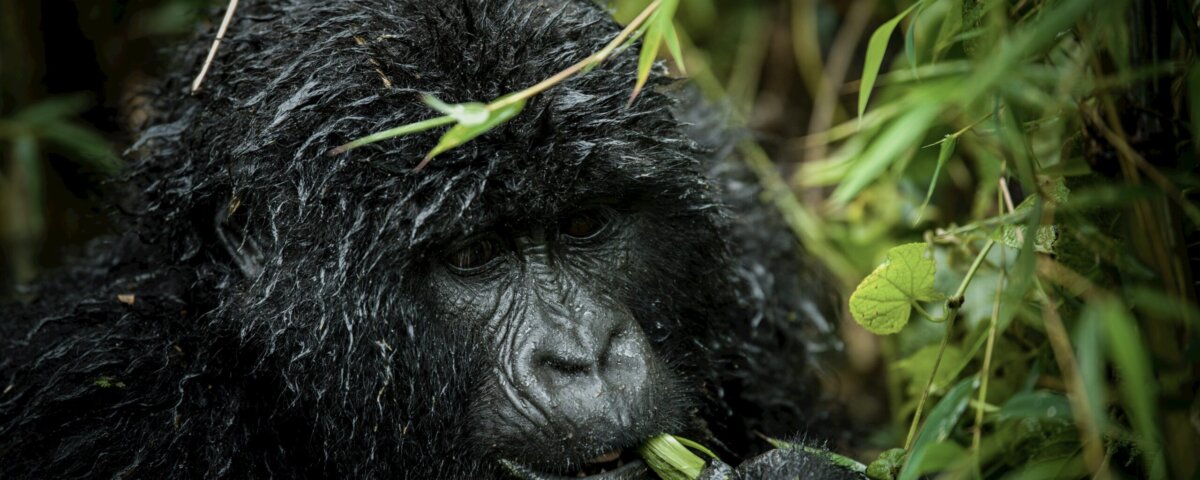
How Close Can Tourists Get to Gorillas?
How close can tourists get to gorillas? Tourists can get as close as 7 meters, or about 23 feet, to gorillas during a gorilla trekking experience in Africa. This distance protects both the gorillas and visitors while still allowing travelers to enjoy one of the most powerful wildlife encounters on earth. Gorilla trekking gives visitors the rare chance to observe mountain gorillas in their natural forest habitat while expert guides and trackers ensure safety, conservation, and respectful interaction throughout the experience. How close tourists get to gorillas depends on gorilla behavior, the terrain, and how well visitors follow trekking rules. However, even at the recommended distance, the experience feels incredibly personal because gorillas often move freely around the forest and sometimes come even closer on their own.
Gorilla trekking continues to attract travelers from all over the world because it combines adventure, wildlife conservation, culture, and unforgettable memories. Countries such as Uganda, Rwanda, and the Democratic Republic of the Congo offer some of the best gorilla trekking experiences in Africa. Travelers visit famous destinations like Bwindi Impenetrable National Park, Mgahinga Gorilla National Park, and Volcanoes National Park to see these gentle giants up close. Understanding how close tourists can get to gorillas helps travelers prepare for a safe, responsible, and rewarding safari experience.
Experience our most popular Uganda safaris
18 Days Best Uganda Adventure Safaris
14-Days Uganda Gorillas & Wildlife Tour
12 Days Gorillas, Chimps & Wildlife Safari
10 days Uganda primates & wildlife safari
10 Days Uganda Gorillas and Game Safari
7 Days Gorillas & Wildlife Safari
6 Days Gorillas and Chimps Trek Safari
3 Day Bwindi Gorilla Trekking Safari
4 Days Gorilla Trekking & Boat Cruise
Why Tourists Must Keep Distance from Gorillas
Keeping a safe distance from gorillas plays a major role in wildlife conservation and visitor safety. Although mountain gorillas share about 98 percent of human DNA, they remain wild animals that need space and protection. The 7 meter rule helps reduce stress on gorilla families and lowers the risk of disease transmission between humans and gorillas. Since gorillas can catch common human illnesses such as flu and coughs, park authorities enforce strict trekking guidelines to protect these endangered primates.
At the same time, maintaining distance creates a calmer and more natural environment for gorillas. When gorillas feel comfortable, they continue feeding, grooming, and interacting naturally in front of visitors. This allows tourists to observe authentic gorilla behavior without disturbing the group. Experienced ranger guides monitor every trekking session carefully and remind visitors to remain quiet, avoid sudden movements, and follow all instructions during the encounter.
Many travelers expect gorillas to appear aggressive because of their massive size. However, habituated gorillas usually behave calmly around tourists. Silverbacks often watch visitors quietly while younger gorillas play nearby. Even so, gorillas can react defensively if they feel threatened or crowded. Therefore, respecting the minimum distance helps avoid unnecessary tension and creates a safer experience for everyone.
Additionally, gorilla trekking supports long term conservation success across Africa. Tourism revenue funds anti poaching programs, community projects, ranger salaries, and habitat protection efforts. Responsible tourism helps protect gorilla populations for future generations. Because of this, every trekking rule, including the distance requirement, contributes directly to conservation and sustainable tourism in Africa.
What Happens During a Gorilla Trekking Experience
A gorilla trekking adventure starts early in the morning at the park headquarters. Visitors attend a briefing session where park rangers explain trekking rules, safety guidelines, and gorilla behavior. During this session, travelers learn about the importance of keeping the recommended distance from gorillas and how to behave during the encounter. After the briefing, groups receive assigned gorilla families and begin the trek into the forest with trained guides and trackers.
The trekking experience varies depending on the location of the gorilla family. Some gorilla groups stay close to the starting point while others move deeper into the forest. Treks can last from one hour to several hours, depending on terrain and gorilla movement. Along the way, guides share valuable information about the forest ecosystem, birdlife, plants, and wildlife found within the national park.
Once trackers locate the gorilla family, tourists spend one magical hour observing them in their natural habitat. During this time, visitors watch silverbacks guard the family, mothers care for infants, and young gorillas play among the vegetation. Even though tourists must remain about 7 meters away, the gorillas often move naturally through the forest and may pass closer to visitors. When this happens, guides instruct tourists to remain calm and avoid touching the gorillas.
The close encounter creates powerful emotions for many travelers. Watching a gorilla look directly into your eyes while sitting quietly in the rainforest feels deeply moving and unforgettable. Many visitors describe the experience as life changing because it creates a strong connection between humans and wildlife. Gorilla trekking combines adventure, education, conservation, and emotional connection in one extraordinary safari activity.
Best Places in Africa for Gorilla Trekking
Africa offers only a few destinations where travelers can see mountain gorillas in the wild. These destinations provide exceptional trekking experiences while supporting conservation and local communities. Uganda stands out as one of the top gorilla trekking destinations because it hosts nearly half of the world’s remaining mountain gorilla population. Bwindi Impenetrable National Park remains the most famous gorilla trekking destination in Uganda due to its large number of habituated gorilla families and rich biodiversity.
Mgahinga Gorilla National Park also offers rewarding trekking experiences within the scenic Virunga Mountains. Although smaller than Bwindi, the park provides stunning volcanic landscapes, golden monkey tracking, and unique cultural experiences with the Batwa community. Many travelers prefer Uganda because it combines gorilla trekking with classic wildlife safaris in destinations such as Queen Elizabeth National Park and Murchison Falls National Park.
In Rwanda, Volcanoes National Park attracts luxury travelers seeking shorter driving distances and high end safari experiences. The park gained worldwide fame through the conservation work of Dian Fossey, whose efforts helped protect mountain gorillas in the Virunga region. Rwanda offers excellent infrastructure, luxury lodges, and breathtaking mountain scenery that appeal to international visitors.
The Democratic Republic of the Congo also offers gorilla trekking in Virunga National Park. This destination attracts adventurous travelers seeking unique experiences and fewer crowds. Each country provides unforgettable opportunities to see gorillas up close while contributing to conservation and community development across Africa.
Gorilla Trekking Rules Every Tourist Must Follow
Gorilla trekking rules protect gorillas, visitors, and the environment. Every tourist must follow these guidelines carefully throughout the trek and during the gorilla encounter. One of the most important rules requires visitors to maintain a distance of at least 7 meters from the gorillas whenever possible. This rule reduces disease transmission and prevents gorillas from feeling threatened.
Visitors who feel sick or show symptoms such as coughing, fever, or flu should avoid trekking because gorillas remain highly vulnerable to human diseases. Park authorities take health precautions seriously because even a simple infection can threaten an entire gorilla family. Travelers should also sanitize their hands before entering the forest and cover their mouths when sneezing or coughing.
Photography rules also help create a calm environment around the gorillas. Tourists should avoid flash photography because sudden bright lights may disturb the animals. At the same time, guides encourage visitors to move slowly, speak quietly, and avoid direct aggressive eye contact with silverbacks. Calm behavior allows gorillas to remain relaxed during the visit.
Eating, smoking, and littering near gorillas remain strictly prohibited inside the forest. These activities can expose gorillas to harmful substances and damage the environment. Visitors should also avoid touching vegetation unnecessarily because it may interfere with the natural habitat. By respecting these rules, tourists support ethical wildlife tourism and help conserve one of Africa’s most endangered species.
How Safe Is It to Get Close to Gorillas?
Gorilla trekking ranks among the safest wildlife experiences in Africa when visitors follow ranger instructions and park regulations. Habituated gorilla families become familiar with human presence over many years through a careful process led by experienced conservation teams. As a result, these gorillas usually remain calm and tolerant around tourists.
Professional ranger guides accompany every trekking group and monitor gorilla behavior closely throughout the encounter. Rangers understand gorilla communication, body language, and social structure. If a gorilla shows signs of discomfort, guides quickly adjust visitor positions and provide clear instructions. Their expertise helps maintain peaceful interactions between humans and gorillas.
Although gorillas possess enormous strength, attacks on tourists remain extremely rare. Most gorilla groups continue their daily activities without paying much attention to visitors. Silverbacks protect their families but rarely display aggression unless someone breaks trekking rules or behaves irresponsibly. Therefore, tourists should always remain calm, avoid sudden movements, and follow guide instructions carefully.
Travelers often feel surprised by the gentle nature of gorillas during the encounter. Young gorillas play curiously among the trees while mothers care for infants with remarkable tenderness. Observing these natural behaviors from a respectful distance creates an emotional and educational experience. Gorilla trekking offers not only adventure but also a deeper appreciation for wildlife conservation and the importance of protecting endangered species across Africa.
What to Expect Emotionally During Gorilla Encounters
Many travelers prepare physically for gorilla trekking but underestimate the emotional impact of the experience. Standing face to face with a mountain gorilla inside a dense rainforest creates a moment that feels both humbling and powerful. The silence of the forest, the sounds of gorillas feeding nearby, and the direct eye contact with a silverback leave lasting memories for visitors from around the world.
Tourists often develop a deeper understanding of conservation after seeing gorillas in the wild. Watching gorilla families interact closely reminds visitors of the strong social bonds shared between humans and primates. Mothers nurture infants gently while young gorillas play with energy and curiosity. These behaviors create a strong emotional connection that inspires many travelers to support wildlife conservation long after their safari ends.
In addition, gorilla trekking encourages travelers to appreciate Africa’s natural beauty and cultural richness. The journey through mist covered forests, mountain landscapes, and local communities adds depth to the experience. Visitors gain insight into the conservation efforts that protect gorillas and support surrounding communities through tourism revenue.
The emotional value of gorilla trekking often exceeds expectations because the encounter feels authentic and personal. Unlike viewing animals from a distant safari vehicle, gorilla trekking places visitors within the gorillas’ natural world. Even though tourists must keep a respectful distance, the connection feels incredibly close. That balance between safety, conservation, and intimacy makes gorilla trekking one of the most extraordinary wildlife experiences on earth.
Conclusion
How close can tourists get to gorillas? Tourists can safely get as close as 7 meters during gorilla trekking experiences in Africa, although gorillas sometimes move even closer on their own while guides carefully manage the encounter. This distance protects both humans and gorillas while allowing visitors to enjoy an unforgettable wildlife experience in the forests of Uganda, Rwanda, and Congo. Gorilla trekking combines conservation, adventure, education, and emotional connection in a way few travel experiences can match.
Travelers who visit destinations like Bwindi Impenetrable National Park and Volcanoes National Park gain the rare opportunity to observe mountain gorillas in their natural habitat while supporting conservation and local communities. By following trekking rules, respecting wildlife, and embracing responsible tourism, visitors help preserve these endangered primates for future generations. How close tourists can get to gorillas may begin as a simple question, but the answer reveals a deeper story about conservation, respect, and one of Africa’s most remarkable wildlife adventures.