Which Kenya Lodges Have Views of Kilimanjaro?
July 27, 2026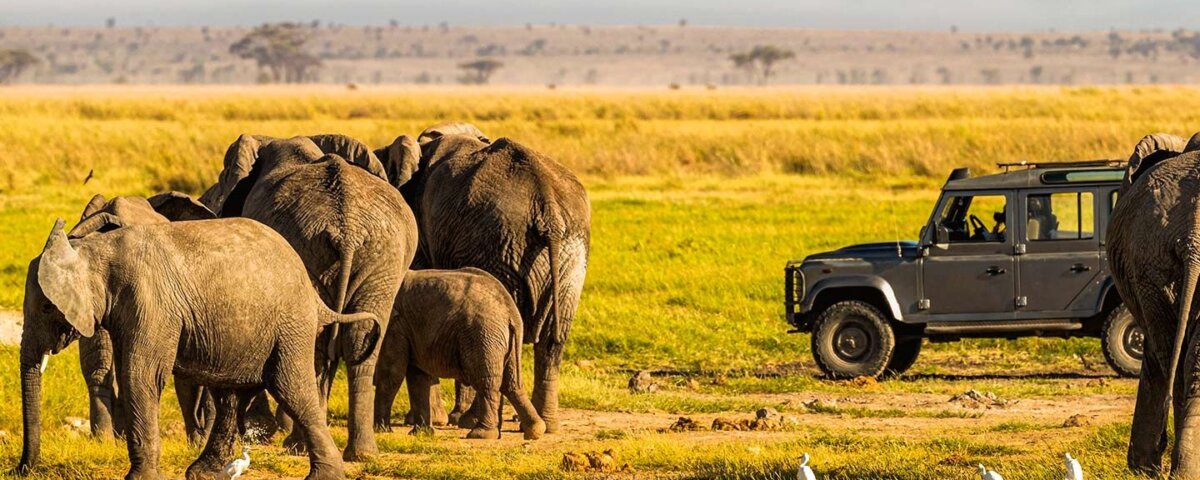
What Are the Best Kenya Safari Experiences?
Kenya stands among the world’s greatest safari destinations because it combines breathtaking wildlife, diverse landscapes, vibrant cultures, and unforgettable adventures in one country. Every journey offers something different, whether you dream of watching lions hunt across open plains, witnessing the Great Migration, tracking endangered rhinos, or relaxing beside beautiful lakes filled with flamingos. Kenya also gives travelers the chance to connect with local communities, enjoy luxury lodges, experience authentic bush camping, and explore some of Africa’s most iconic national parks.
Moreover, Kenya offers safari experiences throughout the year. Each season reveals different wildlife behaviors and spectacular scenery. During the dry months, animals gather around rivers and watering holes, making wildlife viewing easier. Meanwhile, the rainy seasons transform the countryside into lush green landscapes that attract migratory birds and provide excellent photography opportunities.
Another reason Kenya remains a favorite destination is its excellent tourism infrastructure. Professional guides, well managed conservancies, comfortable accommodations, and strong conservation efforts help visitors enjoy safe and meaningful adventures. Whether you travel alone, with family, as a couple, or in a group, Kenya offers safari experiences that match different budgets and travel styles.
This guide explores the best Kenya safari experiences, highlighting remarkable destinations, unique wildlife encounters, cultural adventures, luxury options, family friendly activities, and practical travel tips. By understanding what makes each experience special, travelers can plan an unforgettable safari that creates lifelong memories while supporting wildlife conservation and local communities.
Witness the Great Wildebeest Migration in the Maasai Mara
The Great Wildebeest Migration remains Kenya’s most famous safari experience and attracts visitors from every continent. Every year, more than two million wildebeest, zebras, and gazelles travel between Tanzania’s Serengeti and Kenya’s Maasai Mara National Reserve in search of fresh grazing land. This remarkable movement creates one of nature’s greatest wildlife spectacles.
The migration usually reaches Kenya between July and October. During this period, visitors often witness dramatic river crossings where thousands of animals brave strong currents while avoiding crocodiles waiting beneath the water. At the same time, predators such as lions, cheetahs, leopards, and hyenas closely follow the migrating herds, creating thrilling opportunities for wildlife viewing.
Beyond the migration itself, the Maasai Mara offers outstanding game viewing throughout the year. The reserve supports the famous Big Five lion, leopard, elephant, buffalo, and black rhino alongside giraffes, hippos, crocodiles, jackals, and hundreds of bird species. Even outside migration season, visitors regularly enjoy rewarding game drives.
Additionally, many travelers choose to stay in private conservancies surrounding the reserve. These conservancies limit visitor numbers, provide exclusive wildlife encounters, and allow activities such as guided walking safaris and night game drives that are unavailable inside the national reserve. Together, these experiences make the Maasai Mara one of the finest safari destinations anywhere in Africa.
Explore Amboseli National Park and Its Giant Elephants
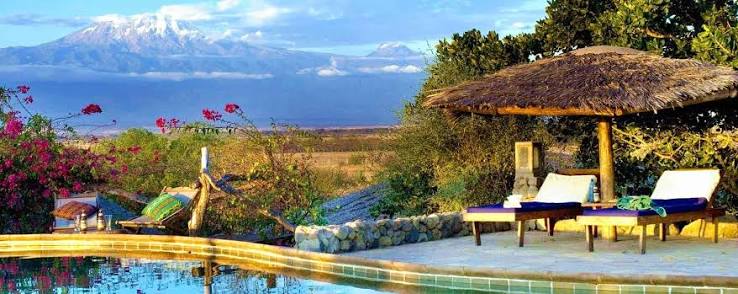
Amboseli National Park offers one of Kenya’s most iconic safari experiences. The park sits near the border with Tanzania and provides magnificent views of Mount Kilimanjaro, Africa’s tallest mountain. On clear mornings, the snow-capped summit creates an unforgettable backdrop for wildlife photography.
Amboseli has earned international recognition for its large elephant populations. Many elephants in the park possess impressive tusks and have become part of long-term conservation research projects. Visitors often observe family groups feeding, bathing, and interacting naturally across the open plains. These close encounters create memorable moments for photographers and wildlife enthusiasts alike.
Besides elephants, Amboseli supports lions, cheetahs, hyenas, buffaloes, zebras, wildebeest, giraffes, impalas, warthogs, and numerous bird species. The open landscape makes wildlife easy to spot, allowing guides to locate animals quickly while providing excellent photographic opportunities.
Furthermore, Amboseli features seasonal swamps fed by underground water flowing from Mount Kilimanjaro. These wetlands attract wildlife throughout the year, especially during the dry season when many other water sources disappear. Visitors therefore enjoy reliable game viewing regardless of travel dates.
Cultural visits to nearby Maasai villages also enrich the safari experience. Travelers learn about traditional customs, colorful clothing, livestock management, music, and local craftsmanship while supporting community tourism initiatives that benefit local families.
Discover the Diverse Wildlife of Tsavo National Parks
Tsavo East National Park and Tsavo West National Park together form one of Africa’s largest protected wildlife ecosystems. Covering more than 22,000 square kilometers, these neighboring parks deliver a true wilderness experience far from crowded tourist routes.
Tsavo East features wide open plains, red volcanic soil, and large elephant herds famously covered in reddish dust. Visitors often encounter lions, leopards, cheetahs, giraffes, zebras, buffaloes, ostriches, and numerous antelope species. The Galana River also attracts crocodiles and hippos throughout the year.
Meanwhile, Tsavo West presents a completely different landscape. Rocky hills, volcanic formations, lava flows, natural springs, and dense vegetation create dramatic scenery that appeals to nature lovers. Mzima Springs remains one of the park’s most popular attractions because crystal-clear water supports hippos, crocodiles, fish, and abundant birdlife. Underwater viewing chambers allow visitors to observe aquatic life from a unique perspective.
Additionally, Tsavo provides excellent opportunities for travelers seeking quieter safari experiences. The parks receive fewer visitors than the Maasai Mara, allowing guests to enjoy peaceful game drives and stronger connections with nature.
Because of their enormous size, Tsavo East and Tsavo West support healthy wildlife populations while protecting important migration corridors. Travelers who spend several days exploring both parks gain a deeper appreciation of Kenya’s ecological diversity and conservation success.
Experience the Beauty of Lake Nakuru National Park
Lake Nakuru National Park combines spectacular scenery with outstanding wildlife viewing, making it one of Kenya’s most rewarding safari destinations. Although famous for its flamingos, the park offers much more than colorful birdlife.
Lake Nakuru serves as an important sanctuary for both black and white rhinos. Successful conservation efforts have helped increase rhino populations, giving visitors one of Kenya’s best chances to observe these endangered animals. The park also supports lions, leopards, buffaloes, Rothschild’s giraffes, zebras, waterbucks, baboons, and many other mammals.
Birdwatchers especially appreciate the incredible diversity found around the lake. Pelicans, cormorants, fish eagles, kingfishers, herons, storks, and numerous migratory birds create exciting opportunities throughout the year. Seasonal changes influence flamingo numbers, yet birdlife remains exceptional regardless of migration patterns.
Beyond wildlife, scenic viewpoints overlooking the lake provide breathtaking panoramic landscapes. Visitors often stop at Baboon Cliff and Lion Hill to enjoy sweeping views while capturing memorable photographs.
Moreover, the park’s compact size allows travelers to explore multiple habitats within a single day. Woodlands, grasslands, rocky escarpments, and lakeshore environments each support different wildlife species, creating varied safari experiences without extensive travel between locations.
Enjoy Luxury Safari Lodges and Exclusive Conservancies
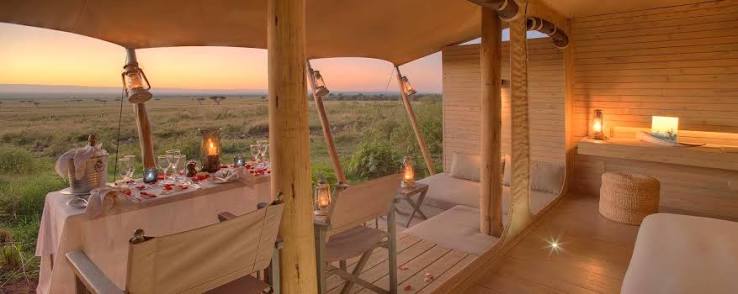
Luxury safaris have become one of Kenya’s strongest tourism attractions because they combine exceptional wildlife viewing with world-class hospitality. Many luxury lodges blend seamlessly into natural surroundings while providing elegant accommodations, gourmet dining, personalized service, and breathtaking views.
Private conservancies surrounding major parks offer exclusive safari experiences unavailable in public reserves. Visitor numbers remain limited, creating quieter game drives and reducing vehicle congestion around wildlife sightings. Guests therefore enjoy more intimate encounters with nature while benefiting from highly experienced guides.
Furthermore, conservancies allow activities that national parks often restrict. Guided bush walks, horseback safaris, mountain biking, photographic safaris, night drives, and bush breakfasts create memorable experiences beyond traditional vehicle game drives.
Many luxury properties also emphasize sustainability. Solar energy, water conservation, waste management, local employment, and wildlife protection all contribute to responsible tourism practices. Visitors therefore enjoy premium comfort while supporting conservation and community development.
Whether celebrating a honeymoon, anniversary, family vacation, or special occasion, luxury safari experiences deliver personalized adventures that combine relaxation with remarkable wildlife encounters.
Experience Authentic Cultural Safaris
Kenya offers far more than wildlife. Cultural tourism allows visitors to understand the traditions, lifestyles, and heritage of the country’s diverse communities. These experiences create meaningful connections between travelers and local people while supporting sustainable community development.
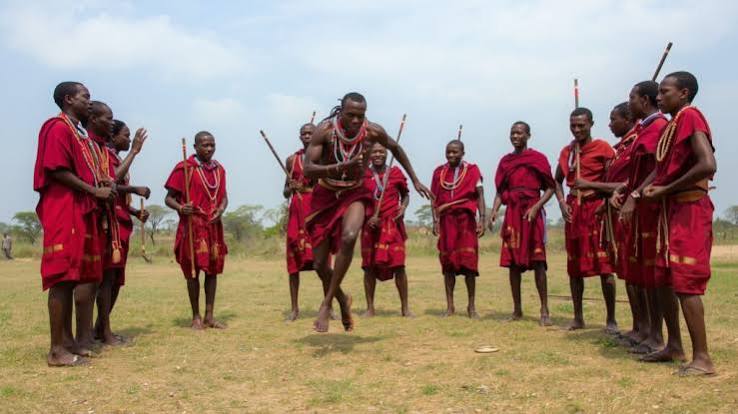
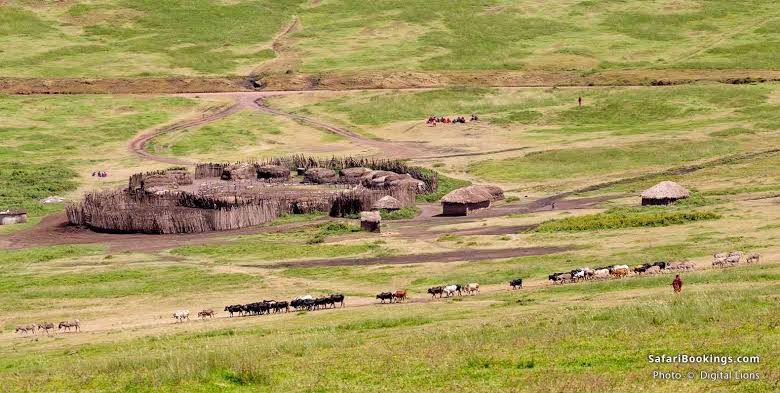
The Maasai community remains one of Kenya’s most recognized cultural groups. Visitors can tour traditional villages, learn about livestock management, discover local architecture, observe colorful dances, and understand cultural practices that have survived for generations. Local guides explain how communities continue balancing traditional lifestyles with modern opportunities.
Likewise, travelers may visit Samburu communities in northern Kenya to explore distinct customs, clothing, jewelry, music, and storytelling traditions. Every cultural encounter provides valuable insights into Kenya’s rich diversity.
Additionally, many community tourism projects allow visitors to purchase locally produced handicrafts. These purchases directly support artisans, families, schools, and conservation programs while preserving valuable cultural heritage.
Cultural safaris also encourage respectful travel. Visitors gain greater appreciation for local values, environmental stewardship, and community-led conservation efforts that protect both wildlife and traditional ways of life.
Try Unique Safari Activities Beyond Traditional Game Drives
Although game drives remain the heart of every safari, Kenya offers many additional activities that make each journey even more memorable. These experiences provide fresh perspectives while allowing visitors to engage more deeply with nature.
Hot air balloon safaris over the Maasai Mara rank among the country’s most unforgettable adventures. Early morning flights reveal breathtaking views of wildlife moving across golden grasslands as the sun rises over the horizon. After landing, guests often enjoy breakfast in the bush surrounded by spectacular scenery.
Walking safaris also create entirely different wildlife experiences. Professional guides teach visitors to identify animal tracks, bird calls, plants, insects, and ecological relationships that often go unnoticed during vehicle tours. Walking through the African wilderness encourages a stronger appreciation for natural ecosystems.
Photography safaris attract wildlife enthusiasts eager to capture exceptional images using specialized vehicles designed for photographers. Experienced guides position vehicles carefully while respecting wildlife behavior and conservation guidelines.
Night game drives available in selected conservancies reveal fascinating nocturnal animals such as aardwolves, civets, bush babies, genets, porcupines, and hunting predators rarely seen during daylight hours. Together, these activities transform an ordinary safari into a rich and diverse adventure.
Best Time to Experience a Kenya Safari
Kenya remains an excellent safari destination throughout the year, although each season offers unique advantages. Choosing the right travel period depends on wildlife interests, photography goals, weather preferences, and budget.
The dry seasons, generally from June to October and January to February, provide outstanding wildlife viewing. Animals gather around rivers, lakes, and waterholes, making them easier to locate. Vegetation also becomes thinner, improving visibility during game drives. These months coincide with the Great Migration in the Maasai Mara, attracting visitors seeking dramatic wildlife encounters.
Conversely, the green seasons transform landscapes into lush environments filled with flowers and fresh vegetation. Migratory birds arrive, newborn animals appear, and fewer tourists visit many parks. Travelers often enjoy lower accommodation rates while experiencing peaceful game viewing.
Photographers frequently appreciate green-season lighting because dramatic skies and vibrant landscapes produce stunning images. Therefore, every season offers worthwhile opportunities depending on individual travel priorities.
Planning several months ahead remains advisable, especially during migration season when accommodations in popular reserves book quickly.
Conclusion
Kenya offers some of Africa’s finest safari experiences by combining exceptional wildlife, spectacular landscapes, rich cultural heritage, and strong conservation efforts. From witnessing the Great Wildebeest Migration in the Maasai Mara to photographing giant elephants beneath Mount Kilimanjaro in Amboseli, every destination delivers unforgettable memories. Tsavo’s vast wilderness, Lake Nakuru’s rhino sanctuary, luxury conservancies, cultural encounters, walking safaris, balloon flights, and family-friendly adventures further strengthen Kenya’s reputation as a world-class safari destination.
Moreover, Kenya continues investing in sustainable tourism that protects wildlife while supporting local communities. Responsible travel allows visitors to enjoy authentic experiences while contributing to conservation and economic development across the country.
Whether planning a first African safari or returning for another adventure, Kenya provides remarkable opportunities for every traveler. Careful planning, experienced guides, and respect for nature ensure every journey becomes a rewarding exploration of one of the world’s greatest wildlife destinations.
For travelers seeking a trusted partner to design such journeys, Gaint Holiday Safaris offers expertly tailored itineraries that balance adventure, comfort, and sustainability—making every safari both memorable and meaningful.