Are night game drives available in Uganda
July 31, 2026
Can You See the Big Five in Tanzania
July 31, 2026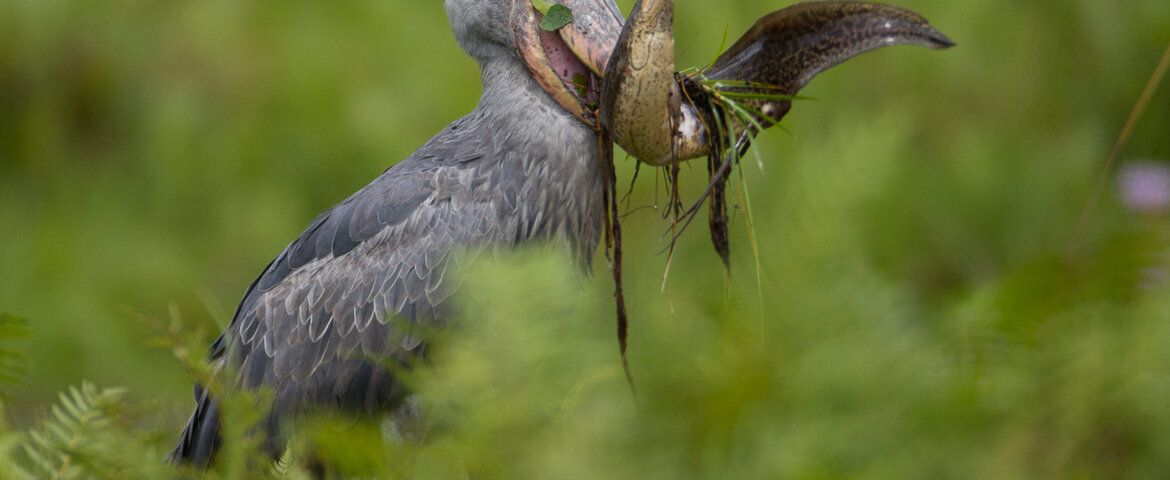
Which Uganda Safari is Best for Birdwatching?
Which Uganda safari is best for birdwatching? The best Uganda safari for birdwatching combines several national parks and wildlife reserves because each destination protects different bird habitats and species. Uganda offers one of the richest birding experiences in Africa, with more than 1,090 recorded bird species. This incredible diversity makes the country a dream destination for beginners, experienced birdwatchers, photographers, and nature lovers from around the world. From the wetlands around Lake Victoria to the dense forests of Bwindi and the vast savannahs of Murchison Falls National Park, every safari introduces new birds and unforgettable wildlife encounters.
At Giant Holiday Safaris, we believe birdwatching is more than adding species to a checklist. It is an opportunity to experience Uganda’s beautiful landscapes, connect with nature, and discover the country’s remarkable biodiversity. A well-planned birding safari allows travelers to enjoy comfortable accommodation, expert guiding, and exciting wildlife viewing while exploring some of Africa’s finest bird habitats. This guide explains the best Uganda safaris for birdwatching, highlights the top birding destinations, and shares practical tips that help you plan an unforgettable birdwatching adventure.
Best Uganda Gorilla Trekking Tours
18 Days Best Uganda Adventure Safaris
14-Days Uganda Gorillas & Wildlife Tour
12 Days Gorillas, Chimps & Wildlife Safari
10 days Uganda primates & wildlife safari
10 Days Uganda Gorillas and Game Safari
7 Days Gorillas & Wildlife Safari
6 Days Gorillas and Chimps Trek Safari
3 Day Bwindi Gorilla Trekking Safari
4 Days Gorilla Trekking & Boat Cruise
9 Days Uganda Luxury Safari Tour
Why Uganda is One of Africa’s Best Birdwatching Destinations
Uganda stands among the world’s greatest birdwatching destinations because of its exceptional variety of ecosystems. Within a relatively small country, travelers find tropical rainforests, wetlands, papyrus swamps, lakes, rivers, mountains, grasslands, and savannah woodlands. Each habitat supports different bird species, making every safari exciting and rewarding.
The country hosts over half of Africa’s bird species and nearly eleven percent of the world’s recorded birds. Therefore, visitors can observe colorful kingfishers, elegant bee-eaters, giant storks, powerful eagles, tiny sunbirds, impressive hornbills, and many rare endemic species during a single journey. Uganda also attracts migratory birds from Europe and Asia between November and April, adding even more diversity to birding experiences.
Another advantage lies in Uganda’s experienced bird guides. Professional guides understand bird behavior, recognize bird calls, and know the best locations for difficult-to-find species. As a result, visitors enjoy higher chances of spotting elusive birds while learning fascinating facts about their habitats and conservation.
Furthermore, Uganda offers excellent value for money. Travelers combine birdwatching with gorilla trekking, chimpanzee tracking, game drives, boat cruises, and cultural experiences without traveling long distances between destinations. This combination creates one of Africa’s most rewarding safari experiences.
Murchison Falls National Park: The Best All Around Birdwatching Safari
Many experienced birders consider Murchison Falls National Park the best Uganda safari destination for birdwatching. The park protects more than 450 bird species across open savannah, riverbanks, woodlands, forests, and wetlands. These diverse habitats create endless opportunities for bird enthusiasts throughout the year.
The famous boat safari along the Nile River ranks among the park’s greatest birdwatching activities. Visitors observe African Fish Eagles soaring above the river while Pied Kingfishers hover over the water searching for fish. Goliath Herons stand patiently along the riverbanks, whereas African Jacanas walk gracefully across floating vegetation.
One of the biggest highlights remains the search for the iconic Shoebill Stork. This prehistoric-looking bird attracts birdwatchers from every continent because sightings remain unforgettable. Early morning excursions through the Nile Delta offer some of Uganda’s highest chances of finding this remarkable species.
Game drives also reveal Secretary Birds, Abyssinian Ground Hornbills, Black Bellied Bustards, Denham’s Bustards, Martial Eagles, Bateleurs, and numerous vultures. Meanwhile, woodland areas shelter colorful rollers, barbets, woodpeckers, and bee-eaters.
Besides birdwatching, visitors enjoy viewing elephants, lions, giraffes, buffaloes, leopards, crocodiles, hippos, and antelopes. Consequently, Murchison Falls National Park delivers one of Uganda’s most complete safari experiences.
Bwindi Impenetrable National Park: A Paradise for Forest Birds
Bwindi Impenetrable National Park offers one of Africa’s finest forest birdwatching experiences. Although the park is internationally famous for mountain gorilla trekking, it also protects more than 350 bird species, including many Albertine Rift endemics found nowhere else on Earth.
The ancient rainforest provides ideal habitats for colorful forest birds that rarely appear in open landscapes. Birdwatchers often search for the African Green Broadbill, Shelley’s Crimsonwing, Regal Sunbird, Handsome Francolin, Grauer’s Rush Warbler, Rwenzori Turaco, and numerous species of greenbuls.
Birding walks through Buhoma, Ruhija, Rushaga, and Nkuringo introduce visitors to different habitats and bird communities. Every trail presents new opportunities because elevation, vegetation, and forest density change across the park.
Experienced local bird guides greatly improve the experience. They recognize subtle bird calls, identify movement within dense vegetation, and understand seasonal bird activity. Their knowledge helps visitors locate species that often remain hidden from inexperienced observers.
Another major advantage involves combining birdwatching with gorilla trekking. Many travelers spend one day tracking endangered mountain gorillas before dedicating another day to specialized birdwatching. This combination creates one of Uganda’s most memorable wildlife adventures while supporting important conservation efforts.
Queen Elizabeth National Park: Diverse Habitats for Exceptional Birding
Queen Elizabeth National Park offers outstanding birdwatching because it contains an extraordinary variety of ecosystems within one protected area. The park supports more than 600 bird species, making it one of Africa’s richest birding destinations.
Birdwatchers explore open grasslands, crater lakes, wetlands, forests, river channels, and acacia woodlands during a single safari. Each environment supports unique bird communities, which increases daily species counts significantly.
The Kazinga Channel remains one of the park’s greatest birdwatching locations. Boat cruises reveal African Skimmers, Pink Backed Pelicans, Saddle Billed Storks, Great White Pelicans, African Spoonbills, Yellow Billed Storks, cormorants, and numerous herons. Hippos and crocodiles add excitement while large mammals frequently approach the shoreline.
In the Ishasha sector, visitors combine birdwatching with searches for the famous tree climbing lions. Meanwhile, the Maramagambo Forest introduces forest species such as hornbills, flycatchers, robin chats, and turacos.
Because Queen Elizabeth National Park offers excellent wildlife viewing alongside remarkable bird diversity, it remains one of the most recommended safari destinations for travelers seeking a complete Ugandan wildlife experience.
Kibale National Park: Home of Forest Birds and Primates
Kibale National Park attracts visitors primarily because of its famous chimpanzees. However, birdwatchers quickly discover another remarkable treasure within this beautiful rainforest. More than 375 bird species thrive throughout the park’s mature forests, wetlands, and surrounding landscapes.
The park protects several rare forest birds that delight experienced birders. Green Breasted Pitta stands among the most sought after species because its brilliant colors and secretive behavior make every sighting special. Birdwatchers also search for African Pittas, Nahan’s Francolin, Blue Headed Sunbird, Black Bee Eater, Yellow Spotted Barbet, and numerous flycatchers.
Bigodi Wetland Sanctuary, located near the park, further enhances birdwatching opportunities. This community managed wetland supports papyrus specialists, kingfishers, weavers, and colorful turacos while promoting sustainable tourism for nearby communities.
Many visitors combine morning chimpanzee tracking with afternoon birdwatching walks. Consequently, Kibale National Park offers one of Uganda’s most rewarding combinations of primate viewing and specialized birding.
Mabamba Swamp: Uganda’s Best Place to See the Shoebill
No Uganda birdwatching safari feels complete without visiting Mabamba Swamp. Located near Entebbe along the shores of Lake Victoria, this internationally recognized wetland offers one of Africa’s best opportunities to observe the rare Shoebill Stork.
Early morning canoe excursions quietly glide through narrow papyrus channels while experienced local guides search for this magnificent bird. The peaceful atmosphere allows photographers and birdwatchers to enjoy exceptional viewing conditions without disturbing wildlife.
Although the Shoebill remains the main attraction, Mabamba hosts many additional species. Visitors frequently encounter African Jacanas, Purple Herons, Blue Breasted Bee Eaters, Malachite Kingfishers, African Pygmy Geese, Long Toed Lapwings, Swamp Flycatchers, and several species of weavers.
Because Mabamba lies close to Entebbe International Airport, many travelers begin or conclude their Uganda safari with this unforgettable birding excursion. Therefore, it serves as an excellent introduction to Uganda’s remarkable birdlife.
Best Time for a Uganda Birdwatching Safari
Uganda welcomes birdwatchers throughout the year because its climate remains relatively pleasant across all seasons. Nevertheless, certain months provide unique advantages depending on travel goals.
December through February and June through August generally offer drier weather. Trails remain easier to walk, roads stay accessible, and wildlife viewing becomes more comfortable. These months suit travelers who plan to combine birdwatching with gorilla trekking and traditional wildlife safaris.
Meanwhile, November through April attracts migratory birds from Europe and Asia. During this period, Uganda hosts even greater bird diversity, making it especially rewarding for serious birdwatchers seeking higher species counts.
Early mornings consistently provide the best birdwatching opportunities regardless of season. Birds become more active after sunrise, sing frequently, and feed openly before temperatures rise later in the day.
Professional guides also recommend carrying binoculars, lightweight clothing, waterproof footwear, field guides, and cameras with telephoto lenses. Proper preparation improves comfort and increases the overall birdwatching experience.
How to Choose the Best Uganda Birdwatching Safari
Choosing the best Uganda safari depends on your interests, available time, and birdwatching experience. Travelers visiting Uganda for the first time often benefit from itineraries that combine several parks instead of focusing on one destination.
A seven to twelve day safari provides enough time to experience wetlands, forests, savannahs, and mountain ecosystems. This approach significantly increases bird species diversity while also allowing visitors to enjoy Uganda’s famous wildlife attractions.
Travelers interested in rare forest birds should prioritize Bwindi Impenetrable National Park and Kibale National Park. Those seeking open country species and water birds benefit most from visiting Murchison Falls National Park and Queen Elizabeth National Park. Meanwhile, photographers searching for the Shoebill should include Mabamba Swamp in every itinerary.
Working with an experienced safari company also makes a significant difference. Knowledgeable tour planners arrange efficient travel routes, experienced bird guides, quality accommodation, comfortable transportation, and flexible schedules that maximize birdwatching opportunities.
Conclusion
Which Uganda safari is best for birdwatching? The answer depends on your personal interests, but the finest experience combines several of Uganda’s leading birding destinations. Murchison Falls National Park offers incredible all around birdwatching, Bwindi Impenetrable National Park excels in rare forest species, Queen Elizabeth National Park showcases exceptional habitat diversity, Kibale National Park combines forest birds with primates, and Mabamba Swamp provides Uganda’s best opportunity to observe the legendary Shoebill. Together, these destinations create one of Africa’s greatest birdwatching adventures. When you travel with experienced safari specialists who understand Uganda’s birds, habitats, and conservation efforts, every day becomes an opportunity to discover remarkable wildlife while creating unforgettable memories in the Pearl of Africa.