Burundi Cultural Tours
October 15, 2026
Burundi Bird Watching Tours
October 15, 2026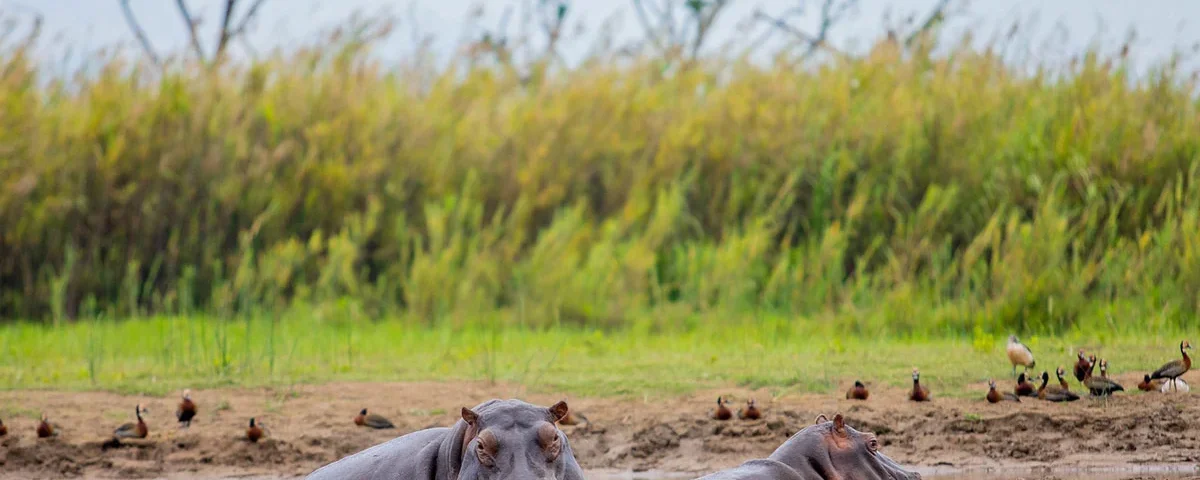
Burundi Wildlife Safaris
Burundi wildlife safaris offer travelers an opportunity to explore beautiful national parks, discover rare bird species, enjoy peaceful lakeside scenery, and experience the natural beauty of one of Africa’s lesser explored destinations. Located in the heart of East Africa, Burundi combines rich landscapes, tropical forests, wetlands, savannah habitats, and freshwater environments that support a variety of wildlife. Although the country does not have the same large safari industry as Kenya or Tanzania, it offers rewarding experiences for travelers who value nature, birdwatching, conservation, and authentic African adventures. From the protected landscapes of Rusizi National Park to the forested slopes of Kibira National Park and the remarkable scenery around Lake Tanganyika, Burundi provides several opportunities to connect with nature. Furthermore, its compact size makes it possible to combine wildlife excursions with cultural tours, city visits, and lakeside relaxation. For international visitors seeking a different side of African tourism, Burundi wildlife safaris provide an appealing way to discover the country’s natural heritage while supporting responsible tourism and local communities.
Why Choose Burundi for Wildlife Safaris?
Burundi offers a different kind of African wildlife safari. Rather than focusing mainly on large herds of elephants, lions, and other famous savannah animals, visitors can explore a mixture of wetlands, forests, rivers, and lakes that support diverse wildlife. This variety makes the country particularly interesting for travelers who enjoy discovering less familiar destinations and exploring nature at a relaxed pace.
One major advantage is the opportunity to visit several natural attractions within a relatively short distance. Travelers can explore the wetlands of Rusizi National Park, travel toward the forests of Kibira National Park, and enjoy views of Lake Tanganyika during the same holiday. Depending on the itinerary, visitors can also include local villages, traditional experiences, and cultural attractions.
Moreover, Burundi appeals to travelers who prefer personalized journeys rather than crowded tourist circuits. Smaller visitor numbers at some attractions can create a more intimate experience, although conditions vary by location and season. Birdwatchers, photographers, nature enthusiasts, and travelers interested in conservation can find rewarding activities throughout the country.
However, visitors should maintain realistic expectations. Wildlife sightings depend on habitat, weather, season, and the availability of experienced local guides. Travelers should also confirm access arrangements and current park regulations before departure. With thoughtful planning, Burundi wildlife safaris can introduce visitors to a fascinating part of East Africa that many international travelers have yet to discover.
Best National Parks for Burundi Wildlife Safaris
National parks form the foundation of wildlife tourism in Burundi. They protect important habitats, support biodiversity, and provide opportunities for guided nature activities. Each park offers a different environment, so travelers should select destinations according to their interests, available time, and preferred activities.
Rusizi National Park attracts visitors interested in wetlands, river scenery, and wildlife associated with aquatic habitats. Its location near Bujumbura makes it a practical addition to a short holiday. Travelers can explore suitable sections of the park with local guides and learn about the relationship between the Rusizi River, surrounding wetlands, and Lake Tanganyika.
Kibira National Park offers a contrasting experience through its extensive montane forest. The park protects a valuable section of the Albertine Rift landscape and supports forest birds, primates, and other wildlife. Its cooler environment and dense vegetation create a different atmosphere from the lowland wetlands.
Ruvubu National Park provides another important conservation area, with woodland, grassland, and riverine habitats. Visitors interested in less developed wildlife destinations may find this park especially appealing. However, access, accommodation, guiding services, and road conditions require advance planning.
In addition, Bururi Forest Nature Reserve and other protected forest areas may interest visitors who want to explore the country’s plant life and forest ecosystems. Travelers should confirm which areas currently accept visitors and what activities local authorities permit. Combining two or more suitable destinations can create a varied safari that highlights Burundi’s different natural environments.
Rusizi National Park Wildlife Safari
Rusizi National Park is one of the most accessible destinations for travelers planning a Burundi wildlife safari. Located near Bujumbura, the park protects wetlands and habitats influenced by the Rusizi River as it approaches Lake Tanganyika. Its location makes it particularly convenient for visitors who want to experience nature without traveling far from the country’s largest city.
The park’s wetland environment supports wildlife adapted to rivers, marshes, and surrounding vegetation. Depending on the area visited, travelers may encounter hippos, crocodiles, and a variety of waterbirds. Birdwatchers can look for herons, egrets, kingfishers, and other species associated with aquatic habitats. However, sightings are never guaranteed, so visitors should allow enough time to observe the environment carefully.
A guided visit can also introduce travelers to the importance of wetlands in maintaining ecological balance. These habitats provide feeding grounds for birds, support aquatic life, and help sustain the natural systems that connect rivers and lakes. Consequently, Rusizi National Park offers more than opportunities to see animals. It also helps visitors understand how water, vegetation, and wildlife depend on one another.
Because the park lies close to Bujumbura, travelers can often include it in a half-day excursion or a broader city and nature tour. Before visiting, confirm the current entrance arrangements, available guides, and any restrictions on walking or boating activities. Respecting wildlife viewing distances and following local instructions will help make the experience safe and responsible.
Kibira National Park and Forest Wildlife
Kibira National Park is an important destination for travelers interested in forest wildlife, mountain landscapes, and birdwatching. Located in northwestern Burundi, the park protects a large area of montane forest along the Congo and Nile watershed region. Its forests contribute to regional biodiversity and provide habitat for numerous plants, birds, and mammals.
Unlike open savannah parks, Kibira offers a forest experience in which vegetation often limits long-distance visibility. Visitors should therefore approach wildlife viewing with patience. A quiet walk with a knowledgeable guide may reveal bird calls, interesting plants, insects, and signs of animal activity that travelers might otherwise overlook. Depending on the location and current wildlife conditions, visitors may also have opportunities to learn about forest-dwelling primates.
Birdwatching is one of the activities that can make a visit especially rewarding. The park’s forest habitats support a variety of bird species, including birds associated with the Albertine Rift region. Because some species occupy specific elevations or vegetation zones, a guide familiar with local birdlife can help visitors identify birds and understand their habitats.
Kibira also provides an opportunity to learn about forest conservation. Healthy forests help regulate water systems, protect soils, and support communities that depend on natural resources. Nevertheless, visitors should check current access rules and arrange their excursions through appropriate local authorities or established guides.
For travelers planning Burundi wildlife safaris, Kibira National Park adds forest exploration to an itinerary that might otherwise focus on wetlands and lakes. Its cooler setting and rich vegetation create a memorable contrast with the country’s warmer lowland environments.
Ruvubu National Park Safari Experience
Ruvubu National Park is another important destination for wildlife enthusiasts visiting Burundi. Located in the eastern part of the country, the park protects a landscape shaped by the Ruvubu River and its surrounding vegetation. Its habitats include grasslands, woodland, and riverine environments, creating space for a range of wildlife species.
The park appeals to travelers who want to explore Burundi beyond the more accessible attractions around Bujumbura. Its natural setting provides opportunities to observe landscapes, study vegetation, and search for wildlife with the help of local guides. Depending on current animal distribution and viewing conditions, visitors may encounter antelope and other mammals adapted to woodland and grassland habitats. Birdlife also contributes to the park’s ecological importance.
However, travelers should not plan a visit on the assumption that every safari will produce sightings of large mammals. Wildlife moves freely, and thick vegetation or seasonal changes can affect visibility. A rewarding visit often involves appreciating the entire ecosystem rather than measuring success by the number of animals seen.
Travel planning deserves special attention because distances, road conditions, and visitor facilities may affect the time needed to reach the park. Visitors should confirm access, accommodation options, guiding arrangements, and park opening conditions before traveling. A private vehicle and a flexible schedule may help make the experience more comfortable.
Ruvubu National Park can suit travelers who enjoy quiet natural environments and want to learn more about Burundi’s conservation areas. When included in a well-planned itinerary, it offers a different perspective on the country’s wildlife and landscapes.
Bururi Forest Nature Reserve and Other Forest Attractions
Bururi Forest Nature Reserve offers another opportunity to explore Burundi’s forest ecosystems. Located in the southern part of the country, this protected area supports valuable vegetation and provides habitat for forest-associated birds and other wildlife. Its natural setting can appeal to visitors who enjoy walking, observing plants, and learning about the importance of protecting native forests.
Forest reserves often provide a different type of wildlife experience from open grasslands. Animals may remain hidden beneath vegetation, while birds and insects can be easier to notice through their calls and movement. Therefore, travelers should take their time, listen carefully, and follow guidance from people who understand the local environment.
In addition to wildlife observation, forest visits can introduce travelers to conservation challenges. Habitat loss, pressure on natural resources, and changes in land use can affect the health of forest ecosystems. Protected areas help preserve plant communities and provide shelter for species that need specific environmental conditions.
Bururi can complement visits to Kibira National Park, although the two destinations have different locations and logistical requirements. Travelers with limited time may prefer to focus on one forest destination, while visitors planning a longer journey can consider including several protected areas.
Before arranging a visit, confirm whether guided access is available, which trails remain open, and whether local conservation authorities require advance permission. Travelers should also wear suitable walking shoes and prepare for changing weather conditions.
Including forest reserves in Burundi wildlife safaris allows visitors to explore habitats that receive less attention than Africa’s famous savannah parks. It also helps broaden understanding of the country’s biodiversity and the role local conservation efforts play in protecting it.
Wildlife Animals to See on Burundi Safaris
Burundi supports a variety of wildlife species across its forests, wetlands, rivers, grasslands, and lakeshores. The animals visitors may encounter depend on the protected area, season, habitat, and time spent exploring. Understanding these differences helps travelers plan realistic expectations and choose destinations that match their interests.
Wetland environments around Rusizi National Park are known for wildlife associated with water. Depending on the location and conditions, visitors may have opportunities to observe hippos, crocodiles, and waterbirds. These animals form part of an ecosystem where rivers and marshes provide shelter, food, and breeding habitats.
Forest environments such as Kibira support a different group of species. Primates, small mammals, forest birds, and numerous invertebrates contribute to the area’s biodiversity. Some animals remain difficult to observe because dense vegetation provides natural cover. Consequently, experienced guides and quiet observation can improve the chances of spotting wildlife.
Ruvubu National Park protects grassland and woodland habitats that support mammals adapted to these environments. Travelers may search for antelope and other wild animals while learning about the park’s vegetation and river systems. Nevertheless, the exact species encountered during a visit will depend on local conditions and current wildlife populations.
Burundi is not generally known as a destination for guaranteed sightings of the African Big Five. Travelers whose main priority is seeing lions, elephants, leopards, buffaloes, and rhinoceroses should discuss their expectations before booking. A wider East African itinerary that includes established savannah safari destinations may be more suitable.
Even so, Burundi wildlife safaris can provide meaningful wildlife encounters. By focusing on biodiversity, habitat diversity, and responsible observation, travelers can appreciate the country’s natural heritage without expecting every park to offer the same experience.
Birdwatching Safaris in Burundi
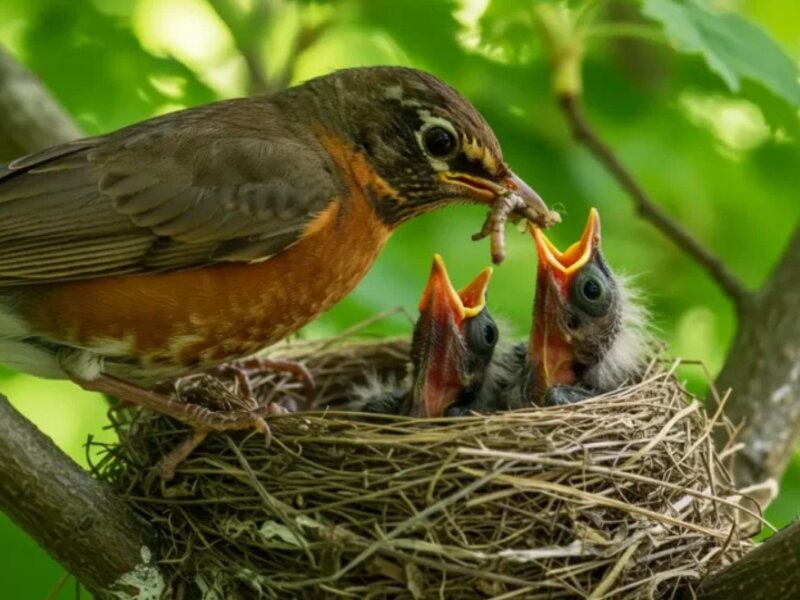
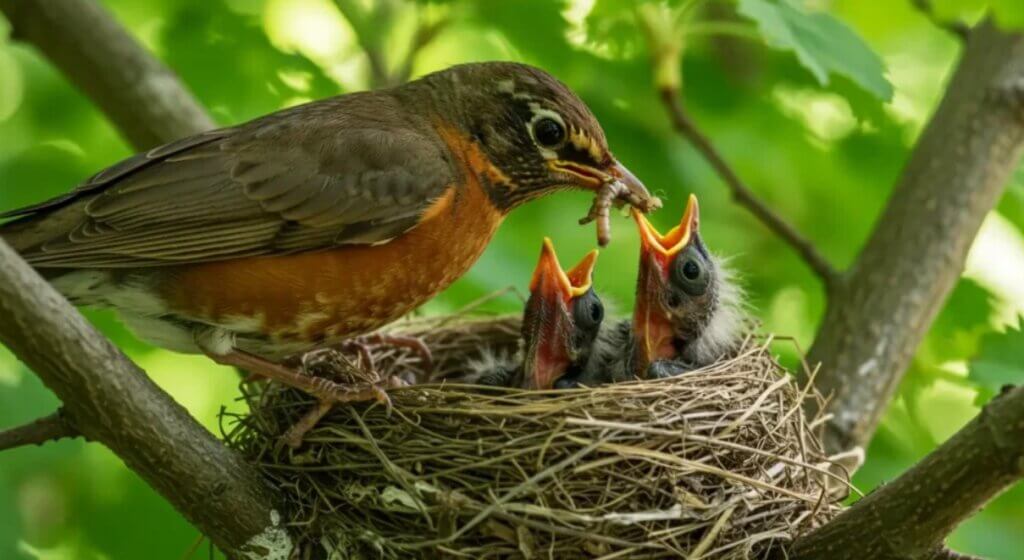
Birdwatching is one of the most appealing activities for visitors interested in Burundi’s wildlife. The country contains several habitat types, including montane forests, wetlands, riverbanks, grasslands, and lakeshores. Each environment supports different bird communities, making it possible to explore a variety of species during a carefully planned trip.
Rusizi National Park is a useful destination for observing birds associated with wetlands. Visitors may look for herons, egrets, kingfishers, and other waterbirds around suitable habitats. Meanwhile, forest areas such as Kibira provide opportunities to search for birds that depend on dense vegetation and mountain environments.
For serious birdwatchers, the Albertine Rift region deserves particular attention because it contains many species with restricted distributions. However, travelers should confirm which target species occur in Burundi and whether their chosen locations provide suitable viewing opportunities. A regional bird guide or knowledgeable local specialist can help identify species accurately.
Timing also matters. Seasonal rainfall, food availability, breeding patterns, and migration can influence bird activity. Early morning excursions often provide good opportunities to hear calls and observe movement, although local weather and park conditions should guide the schedule.
Travelers should bring binoculars, a field guide, comfortable clothing, and a notebook or bird identification application. A camera with a suitable lens may also help document sightings without disturbing the animals.
Most importantly, responsible birdwatching requires patience and respect. Visitors should avoid playing loud calls, disturbing nests, damaging vegetation, or approaching sensitive breeding areas. By following these practices, travelers can enjoy birdwatching while supporting the protection of Burundi’s diverse birdlife.
Burundi Wildlife Safaris Around Lake Tanganyika
Lake Tanganyika adds a remarkable aquatic dimension to Burundi wildlife safaris. The lake stretches across several East African countries and supports an extraordinary variety of freshwater life. Burundi’s shoreline offers opportunities to appreciate the relationship between aquatic ecosystems, local communities, and the landscapes surrounding the lake.
Visitors can enjoy lakeside scenery, watch birds near suitable shoreline habitats, and learn about the lake’s importance to fishing and daily life. Depending on local conditions, guided boat excursions may also be available. Travelers should confirm which operators follow appropriate safety practices and whether wildlife observation forms part of the planned activity.
Lake Tanganyika is particularly important for its freshwater biodiversity. Its waters support many fish species, including cichlids, which have attracted scientific interest because of their diversity and evolutionary history. These underwater habitats are not always visible to ordinary visitors, yet they form a major part of the lake’s natural value.
The lake also provides a peaceful setting after several days of travel. Visitors can combine nature excursions with lakeside relaxation, local food, and cultural experiences around Bujumbura and other suitable shoreline destinations. However, travelers should distinguish general lake activities from dedicated wildlife excursions because not every boat trip includes wildlife interpretation.
Responsible tourism matters here as well. Visitors should avoid leaving waste on beaches, follow local boating rules, and respect fishing communities. They should also ask operators about life jackets, weather conditions, and the suitability of excursions before departure.
For travelers seeking varied Burundi wildlife safaris, Lake Tanganyika introduces freshwater ecology and scenic exploration to an itinerary that may also include forests, wetlands, and grasslands.
Wildlife Photography Safaris in Burundi
Burundi can provide interesting opportunities for wildlife photography, especially for visitors who enjoy capturing birds, wetland scenery, forest details, and natural landscapes. Its varied habitats offer different subjects throughout a journey, from waterbirds around marshes to forest vegetation and expansive views across Lake Tanganyika.
Photography in wetlands often benefits from patience and an understanding of animal behavior. Visitors should spend time observing birds and mammals before attempting to take pictures. A camera with a useful zoom range can help capture animals from a safe distance, while binoculars can make it easier to identify subjects before taking photographs.
Forest photography presents different challenges. Dense vegetation, changing light, and limited visibility can make it difficult to photograph animals. However, forest trails provide opportunities to capture leaves, flowers, insects, tree structures, and the wider character of the ecosystem. A camera that performs well in low light may be useful, although careful composition matters just as much as equipment.
Landscape photography around Lake Tanganyika can benefit from early morning or late afternoon light. These periods may provide softer lighting and interesting reflections, depending on weather conditions. Visitors should also consider photographing local conservation activities, landscapes, and rural life respectfully and with permission when people appear in their images.
Wildlife photography must never take priority over animal welfare. Travelers should not chase animals, approach dangerous wildlife, block paths, or use flash where it could disturb sensitive species. They should also follow the guidance of park staff.
A well-organized photography safari allows enough time at each location rather than rushing between attractions. By choosing appropriate habitats and traveling with knowledgeable guides, visitors can document Burundi’s natural beauty while respecting its wildlife.
Best Time to Visit Burundi for Wildlife Safaris
The best time for Burundi wildlife safaris depends on the activities travelers want to enjoy, the parks they plan to visit, and their tolerance for rain and changing road conditions. Burundi has a tropical climate influenced by elevation, rainfall, and local geography. As a result, weather can vary between the lakeshore, mountain forests, and inland protected areas.
The drier periods, generally around June to September and December to February, often provide favorable conditions for travel. During these months, some roads and walking routes may be easier to navigate, and outdoor activities can be more comfortable. However, rainfall patterns vary, and visitors should check local forecasts before finalizing their plans.
The wetter months can also provide valuable wildlife and nature experiences. Rain supports vegetation growth, refreshes wetlands, and creates attractive scenery. Birdwatchers may find seasonal changes particularly interesting, although the exact species and activity levels depend on the location and time of year. Nevertheless, heavy rain can affect road access, walking conditions, and the reliability of some outdoor activities.
Travelers interested in forest exploration should prepare for damp conditions even during relatively dry periods. Mountain environments may experience rain and cooler temperatures, so waterproof clothing and sturdy footwear are useful.
For visitors combining several parks, it is wise to allow flexibility in the itinerary. A change in weather may require adjustments to driving times or outdoor excursions. Booking through an experienced local operator can help travelers understand seasonal conditions and select suitable activities.
Ultimately, the best time to visit Burundi depends on personal priorities. Rather than relying on one universal travel season, visitors should match their dates to their preferred habitats, available transport, and current conditions at each destination.
Planning a Burundi Wildlife Safari Itinerary
A successful Burundi wildlife safari begins with a realistic itinerary that balances travel time, wildlife activities, accommodation, and opportunities to experience local culture. Although the country is relatively small, road conditions, park access, and the locations of attractions can affect how much travelers can accomplish each day.
A short safari of three days can focus on Bujumbura, Rusizi National Park, and the Lake Tanganyika shoreline. This option suits travelers with limited time who want a combination of nature and relaxation. Depending on arrival and departure times, visitors may also include a city tour or a cultural activity.
A five-day itinerary can allow more time for forest exploration. Travelers might visit Rusizi National Park, travel toward Kibira National Park, and include additional scenic stops where conditions permit. However, the final schedule should account for driving times, accommodation availability, and confirmed park access.
For a seven-day holiday, visitors can consider a broader circuit that includes selected forest, wetland, and woodland destinations. A trip may combine Rusizi, Kibira, and Ruvubu, although the order should depend on road conditions and the time required for each transfer. Travelers may also include Lake Tanganyika and cultural experiences.
Longer trips offer more flexibility and may suit birdwatchers, photographers, and travelers who prefer slow exploration. They can also provide more opportunities to engage with local communities and learn about conservation.
Before booking, confirm the itinerary’s practical details. These include park fees, vehicle arrangements, guiding services, accommodation, meals, and any permits or permissions required. A reliable operator should explain what the package includes and identify any activities that depend on weather or local authorization.
A well-planned itinerary prioritizes meaningful experiences rather than the number of destinations visited. This approach helps travelers enjoy Burundi wildlife safaris without unnecessary rushing.
Accommodation Options for Burundi Wildlife Safaris
Accommodation plays an important role in the comfort and success of a Burundi wildlife safari. Travelers can choose from city hotels, guesthouses, smaller lodges, and selected countryside properties, depending on the route, budget, and available facilities. However, accommodation choices near protected areas may be more limited than those in larger tourism destinations.
Bujumbura provides a practical base for visitors who want to explore Rusizi National Park and Lake Tanganyika. The city offers a range of accommodation categories, restaurants, transport services, and other travel facilities. Staying here can be convenient for short trips or for travelers arriving by air before beginning a wider itinerary.
For journeys toward Kibira National Park, visitors should investigate accommodation near the planned entrance or along the chosen route. Staying closer to the forest may reduce early morning travel, but travelers should confirm road access, room availability, meals, and the level of comfort offered.
Trips to Ruvubu National Park require additional planning because accommodation and services may be less readily available in some surrounding areas. Travelers should confirm overnight arrangements before departure rather than assuming they can find suitable rooms after arriving.
Budget-conscious visitors can compare guesthouses and simple hotels, while travelers seeking more comfort can look for established properties with private bathrooms, reliable meals, and suitable transport arrangements. Availability, service standards, and prices can change, so obtain current details before paying a deposit.
When choosing accommodation, consider more than the nightly rate. Distance from the park, road conditions, meal arrangements, safety, and the availability of local guides can affect the overall experience.
A reliable safari operator should recommend accommodation that fits the itinerary and explain any limitations. With advance planning, visitors can enjoy comfortable overnight stays while exploring Burundi’s natural attractions.
Cultural Experiences to Combine With Burundi Wildlife Safaris
Burundi wildlife safaris become more rewarding when travelers include cultural experiences alongside nature activities. The country’s traditions, music, food, crafts, and community life provide valuable insight into the relationship between people and their environment. By combining these experiences, visitors can understand Burundi beyond its parks and landscapes.
Bujumbura offers a starting point for learning about the country’s modern life, markets, local cuisine, and cultural attractions. Travelers can explore suitable city landmarks and sample traditional dishes while learning about local customs from knowledgeable guides. As always, visitors should ask permission before photographing people or private property.
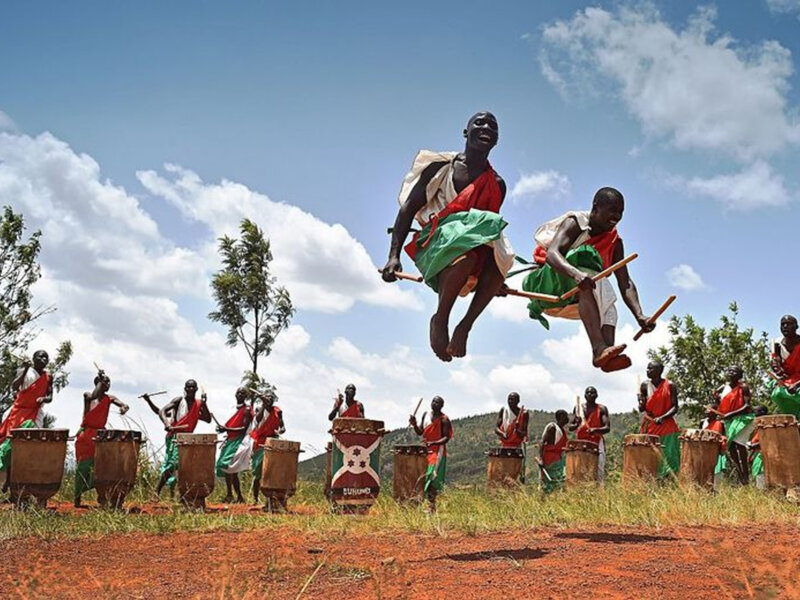
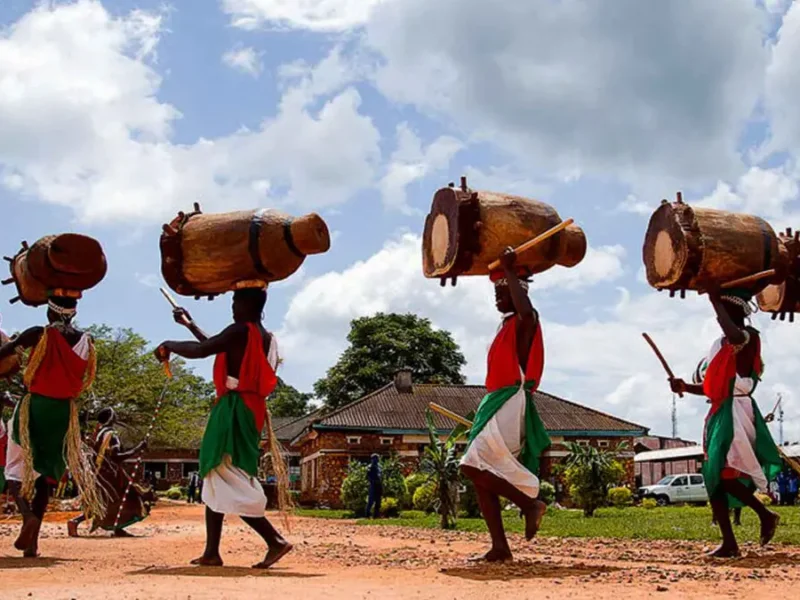
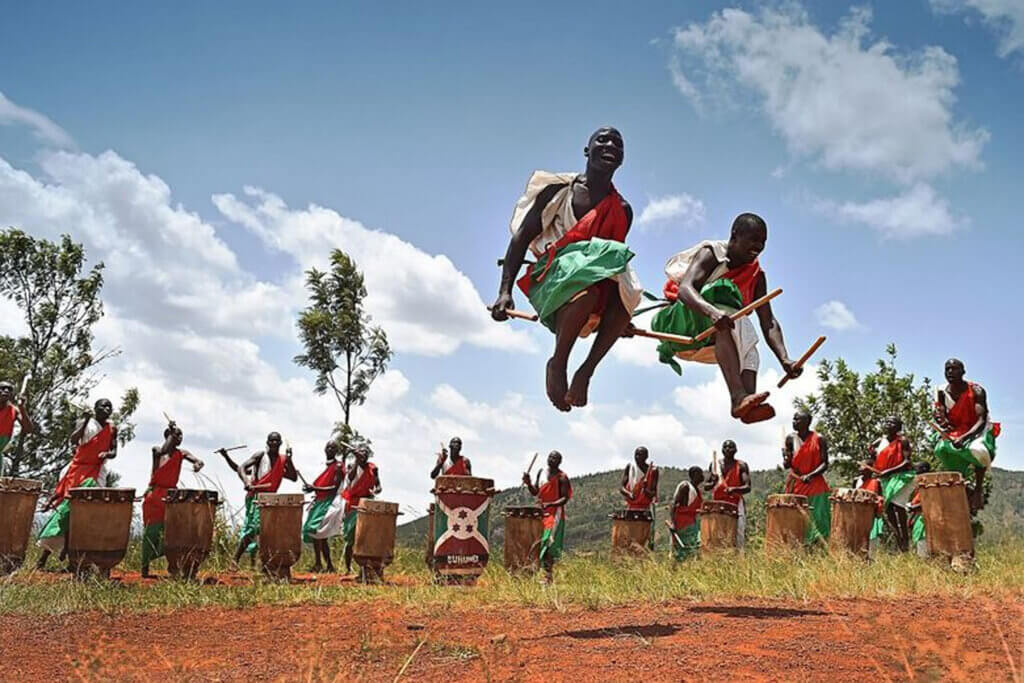
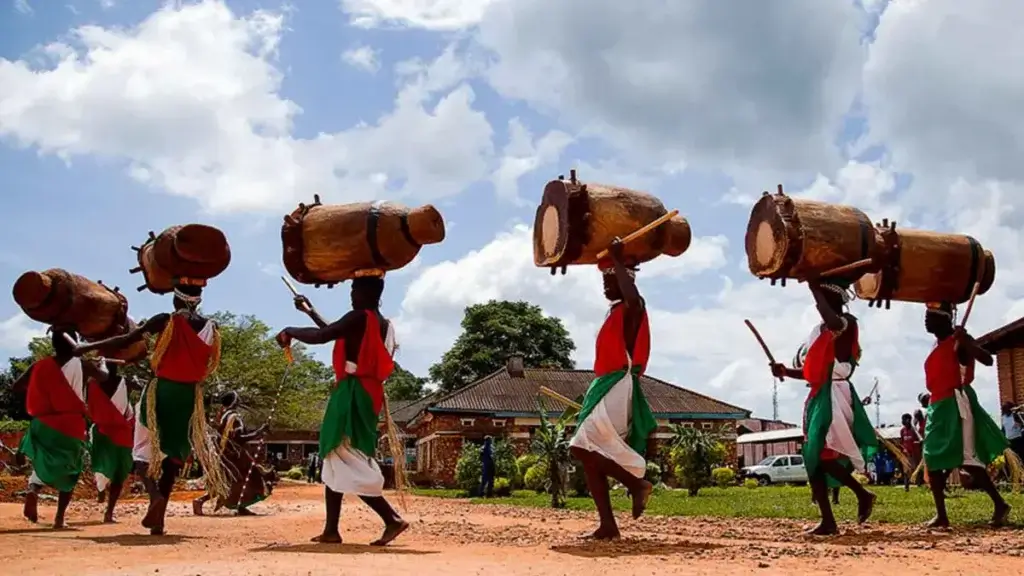
The tradition of Burundi’s royal drummers is an important part of its cultural heritage. Where performances are available through legitimate cultural programs, visitors can learn about the rhythms, instruments, and ceremonial significance of traditional drumming. These experiences should respect local performers and avoid reducing cultural traditions to simple tourist entertainment.
Travelers may also encounter local crafts, agricultural activities, and community initiatives during countryside journeys. Purchasing authentic locally made products can help support artisans and small businesses. However, visitors should seek clear information about the origin of products and choose responsible providers.
Lake Tanganyika provides another opportunity to learn about local livelihoods. Fishing communities have long depended on the lake, and visitors can gain insight into the role of freshwater resources in food, trade, and daily life. Any community visit should take place respectfully and with appropriate arrangements.
Combining culture with wildlife also helps create a more balanced itinerary. A day in a forest or wetland can be followed by a cultural visit, a local meal, or time near the lake.
This approach allows Burundi wildlife safaris to support a broader tourism experience that values both natural conservation and the people whose lives connect them to the landscape.
Responsible Tourism and Wildlife Conservation in Burundi
Responsible tourism is essential for protecting Burundi’s wildlife and natural habitats. National parks, forests, rivers, and wetlands face pressures that can include habitat loss, resource use, pollution, and human activities around protected areas. Thoughtful travel choices can help reduce these pressures while creating opportunities for local communities.
One of the simplest ways to travel responsibly is to follow park regulations. Visitors should remain on authorized routes, respect barriers, maintain safe distances from animals, and avoid feeding wildlife. Feeding wild animals can alter their behavior and expose both people and animals to unnecessary risks.
Waste management also matters. Travelers should carry reusable water bottles where appropriate, dispose of rubbish properly, and avoid leaving plastic packaging in natural areas. Visitors should never pour chemicals or waste into rivers, lakes, or wetlands.
Choosing local guides and responsible tourism providers can help support livelihoods connected to conservation. Before booking, travelers can ask how a company employs local staff, manages waste, respects wildlife, and works with communities. Clear answers provide useful evidence of responsible practices.
Visitors should also respect the limits of what they can observe. Rare species may not appear during a short excursion, and sensitive habitats may restrict access. A responsible guide will explain these limitations rather than promise guaranteed encounters.
Photography and cultural visits require similar care. Travelers should ask permission before photographing people and follow instructions around sacred or private locations. They should also avoid buying products made from protected wildlife or other restricted natural materials.
Conservation is most effective when tourism benefits local people and protects the natural systems that make a destination special. By making thoughtful choices, travelers can help ensure that Burundi’s natural heritage remains valuable for future generations.
What to Pack for a Burundi Wildlife Safari
Packing properly can make Burundi wildlife safaris more comfortable, particularly when the itinerary includes forests, wetlands, and long road journeys. Because weather and terrain vary across the country, travelers should prepare for both warm conditions and possible rain.
Lightweight clothing works well for many lowland activities. Neutral colors can help travelers blend into natural surroundings, although comfort and protection from the sun matter more than following a strict color rule. Long trousers and long-sleeved shirts can help protect against insects, scratches, and sun exposure during outdoor excursions.
Sturdy walking shoes are useful for forest trails and uneven ground. Waterproof footwear or suitable rain protection may be helpful during wetter periods. A lightweight rain jacket can protect against sudden showers, while a warm layer may be useful in cooler mountain areas, especially early in the morning.
Binoculars are valuable for birdwatching and distant wildlife observation. Travelers interested in photography should bring appropriate camera equipment, spare batteries, and enough memory storage. A small notebook or bird identification guide can also make nature excursions more informative.
Other useful items include sunscreen, insect repellent, a hat, personal medication, reusable water containers where suitable, and a compact daypack. Travelers should discuss recommended vaccinations and health precautions with a qualified travel health professional before departure.
Documents also deserve attention. Keep a valid passport, relevant entry documents, travel insurance details, and booking information secure and accessible. Confirm any visa requirements and check whether the chosen parks require advance arrangements.
Finally, avoid overpacking. A practical bag with clothing suited to the itinerary will make road transfers easier and leave more room for essential equipment. Good preparation allows travelers to focus on wildlife observation, scenery, and cultural discovery.
Safety Tips for Burundi Wildlife Safaris
Safety should remain a priority throughout every Burundi wildlife safari. Travelers can reduce many common risks by preparing carefully, using reliable local services, and following current advice from relevant authorities.
Before departure, check your government’s latest travel guidance for Burundi. Conditions can change, and advice may differ between regions. Confirm the status of planned destinations, transport routes, border areas, and any activities that require special arrangements. A reputable local operator can provide practical information, but travelers should also consult official sources.
During wildlife excursions, follow the instructions of park staff and guides. Never approach hippos, crocodiles, or other potentially dangerous animals, and do not enter restricted habitats. Visitors should remain in designated areas and avoid swimming or wading in waters where local authorities warn of wildlife or other hazards.
Road travel requires careful planning as well. Confirm journey times, vehicle condition, and the availability of suitable drivers. Avoid assuming that short distances always translate into quick transfers, especially where roads are rough or weather affects travel.
Health preparation is equally important. Consult a qualified travel health professional about vaccinations, insect-borne illnesses, food and water precautions, and any medication relevant to your circumstances. Drink safe water and follow sensible food hygiene practices throughout the trip.
Travelers should also secure valuables, keep important documents protected, and maintain communication with their accommodation or tour operator. Suitable travel insurance can provide additional protection, but visitors should check whether the policy covers the activities and locations included in their itinerary.
Finally, follow local laws and respect cultural expectations. With up-to-date information, suitable transport, and responsible guidance, visitors can better prepare for a comfortable and enjoyable journey through Burundi’s natural attractions.
How Much Does a Burundi Wildlife Safari Cost?
The cost of a Burundi wildlife safari depends on the length of the trip, accommodation category, transport arrangements, guiding services, park charges, and the number of travelers. Because each itinerary has different requirements, there is no single price that applies to every visitor.
Short excursions from Bujumbura may cost less than journeys involving several protected areas and multiple overnight stays. A day trip to an accessible attraction can reduce accommodation and long-distance transport expenses. However, a longer safari may offer a broader experience by including forests, wetlands, lakes, and woodland habitats.
Accommodation is another important factor. Budget guesthouses and simple hotels can help travelers control spending, while more comfortable properties may increase the total package price. Travelers should also consider meals, bottled or treated drinking water where needed, guide fees, park entrance charges, and any boat excursions.
Private transport can make the itinerary more flexible, especially when visiting several destinations. Nevertheless, road conditions and distance can affect vehicle costs. Travelers should ask whether the quoted price includes fuel, driver accommodation, parking, and other transfer expenses.
International visitors should also budget for flights, visa costs where applicable, travel insurance, personal purchases, and possible changes to their itinerary. Currency exchange rates and local prices may change over time, so request a current quotation rather than relying on an old estimate.
When comparing safari packages, look beyond the headline price. A clear quotation should explain inclusions, exclusions, cancellation terms, payment deadlines, accommodation standards, and the conditions that apply to optional activities.
A well-planned Burundi wildlife safari does not need to include every attraction. Choosing a realistic route and matching accommodation to personal priorities can create a rewarding trip while keeping costs under control.
Private Burundi Wildlife Safaris and Tailor Made Tours
Private Burundi wildlife safaris offer travelers greater flexibility when choosing destinations, daily schedules, accommodation, and activities. Rather than following a fixed group departure, visitors can arrange a journey around their interests and preferred pace.
For example, birdwatchers may want to spend more time in suitable forest and wetland habitats. Wildlife photographers may prefer early departures and longer observation periods. Couples may wish to combine nature excursions with peaceful evenings near Lake Tanganyika, while families may need shorter driving days and accommodation with practical facilities.
A tailor made safari can also connect different parts of Burundi. Travelers might begin in Bujumbura, explore Rusizi National Park, continue toward Kibira National Park, and add another protected area if time and road conditions permit. However, the final route should reflect realistic transfer times and confirmed visitor access.
Private travel can make it easier to adjust activities when weather changes or a particular excursion takes longer than expected. It can also provide opportunities to ask questions and learn more from a guide. Even so, flexibility does not remove the need to follow park rules, safety advice, and local restrictions.
When selecting a tour operator, ask about experience with the proposed route, vehicle standards, guide qualifications, accommodation arrangements, and the process for handling unexpected changes. Request a written itinerary with a transparent price breakdown and clear booking conditions.
A reliable provider should explain what the destination can genuinely offer without promising guaranteed wildlife sightings. This honesty helps travelers make informed decisions and establishes trust before the journey begins.
For visitors who value personal attention, a private or tailor made Burundi wildlife safari can create a more comfortable way to explore the country’s varied landscapes and cultural heritage.
Combining Burundi Wildlife Safaris With Other East African Destinations
Burundi’s location in East Africa makes it possible to consider a multi-country holiday that combines its natural attractions with destinations in neighboring countries. Such an itinerary can introduce travelers to a wider range of wildlife habitats, cultures, and landscapes while giving Burundi a distinctive place within the overall journey.
Travelers interested in forests and primates may consider combining Burundi with Uganda or Rwanda, subject to current travel conditions and the arrangements required for each activity. Uganda offers established wildlife experiences in several national parks, while Rwanda provides opportunities to explore protected forests and other natural attractions. Visitors should select activities according to their interests, budget, and available time.
Those who want a traditional savannah safari may consider adding selected destinations in Tanzania or Kenya. These countries offer well-known national parks and wildlife viewing opportunities that differ from Burundi’s focus on wetlands, forests, and freshwater ecosystems. A combined itinerary can therefore provide a broader understanding of East African biodiversity.
However, international borders require careful preparation. Travelers should confirm entry requirements for every country, check passport validity, and review current visa rules. They should also verify whether their visa permits entry into each intended destination and whether separate documentation is necessary.
Transport planning deserves equal attention. Flight schedules, road transfers, border procedures, and accommodation availability can influence the order of destinations. Travelers should avoid creating an itinerary that requires long transfers without enough time for rest or planned activities.
A multi-country tour may cost more than a single-country trip, but careful planning can help visitors use their time effectively. By combining Burundi’s natural attractions with selected regional destinations, travelers can experience a varied East African holiday that balances wildlife, culture, scenery, and relaxation.
How to Book a Burundi Wildlife Safari
Booking a Burundi wildlife safari begins with identifying the experiences that matter most to you. Some travelers prioritize birdwatching and forest exploration, while others prefer wetlands, lakeside scenery, cultural activities, or a combination of several interests. Defining these priorities helps determine the most suitable destinations and the time required.
Next, choose your travel dates and approximate budget. Consider the seasonal weather, your arrival and departure schedule, and the amount of time you want to spend traveling between attractions. If you have only a few days, focus on destinations that fit comfortably within the available time rather than trying to visit every park.
The next step involves selecting accommodation and transport. Confirm the location of each property, the type of room included, meal arrangements, and the vehicle used for transfers. Ask whether the itinerary includes a professional local guide and whether park entrance fees are covered.
You should also confirm current park access and activity availability. Some areas may require advance permission or specific guiding arrangements. A responsible operator should explain any restrictions and identify activities that depend on weather or local conditions.
Before making a payment, request a written quotation and review the booking terms. Check the deposit amount, balance payment date, cancellation policy, refund conditions, and any charges for itinerary changes. Keep copies of booking confirmations and payment receipts.
It is also wise to confirm travel insurance, health preparation, and entry requirements before departure. If you plan to cross into another East African country, verify the arrangements for every border crossing.
Clear communication with your tour operator helps prevent misunderstandings and allows you to plan with confidence. A well-organized booking process gives you a practical foundation for enjoying Burundi’s protected areas, natural scenery, and wildlife experiences.
Why Book Burundi Wildlife Safaris With Giant Holiday Safaris?
Choosing the right safari operator can make a significant difference to your travel experience. A well-organized trip requires careful coordination of transport, accommodation, guides, park visits, and the practical details that help international visitors travel comfortably. Giant Holiday Safaris can help travelers explore Burundi as part of a personalized East African holiday, subject to current destination access and confirmed local arrangements.
For travelers interested in more than one country, a regional itinerary can bring together Burundi’s wetlands, forests, and lakes with selected wildlife destinations in Uganda, Rwanda, Kenya, or Tanzania. This approach allows visitors to compare different habitats and cultural experiences within one broader journey.
Personalized planning is especially useful for travelers with specific interests. Birdwatchers may need extra time at suitable locations, while photographers may prefer flexible schedules. Families and older travelers may benefit from manageable driving distances, suitable accommodation, and enough time to rest between excursions.
Before confirming a Burundi safari, travelers should receive clear information about the proposed route, accommodation, vehicle arrangements, guiding services, park fees, and other package inclusions. They should also understand which activities depend on local conditions and what happens if weather or access restrictions require a change.
Trustworthy tourism depends on honest communication. No responsible operator can guarantee every wildlife sighting or predict every travel condition. Instead, good planning focuses on realistic expectations, suitable alternatives, and practical support throughout the journey.
Giant Holiday Safaris aims to help travelers make informed choices and develop itineraries that match their interests, comfort preferences, and budgets. By discussing your preferred travel dates, group size, accommodation level, and wildlife interests in advance, you can work toward a safari plan that fits your needs.
Frequently Asked Questions About Burundi Wildlife Safaris
Is Burundi good for wildlife safaris?
Yes. Burundi offers wildlife experiences in wetlands, montane forests, woodland habitats, and freshwater environments. Visitors can explore places such as Rusizi National Park, Kibira National Park, and Ruvubu National Park. The country is particularly interesting for birdwatching, nature walks where permitted, and discovering less familiar East African landscapes. However, travelers should not expect the same large mammal viewing opportunities found in some famous savannah parks.
Which national parks should I visit in Burundi?
Rusizi National Park suits travelers interested in wetlands and wildlife near Bujumbura. Kibira National Park appeals to visitors who enjoy forest habitats and birdwatching. Ruvubu National Park provides opportunities to explore woodland, grassland, and riverine environments. The best choice depends on your interests, available time, current park access, and travel conditions.
Can I see lions and elephants in Burundi?
Burundi is not generally recognized as a leading destination for viewing lions and elephants. Travelers who want to see a broad range of large savannah mammals should consider combining Burundi with suitable parks in Uganda, Kenya, or Tanzania. Always confirm the wildlife and activities available at specific destinations before booking.
How many days do I need for a Burundi wildlife safari?
Three days can provide time for selected attractions around Bujumbura, including Rusizi National Park and Lake Tanganyika. Five to seven days can allow a broader journey that includes forest or woodland destinations, depending on transport and access. Longer trips provide more flexibility for birdwatching, photography, and multi-country travel.
What is the best time to visit Burundi for wildlife?
The generally drier periods around June to September and December to February can offer convenient conditions for many outdoor activities. Nevertheless, rainfall and temperatures vary by location, and the best dates depend on your interests. Check current forecasts and local access information before traveling.
Is Burundi suitable for birdwatching?
Yes. Burundi’s forests, wetlands, rivers, and lakeshores provide habitats for diverse birdlife. Kibira National Park and Rusizi National Park are useful destinations to consider. A knowledgeable guide can help identify local species and select suitable observation locations.
Are Burundi wildlife safaris suitable for families?
They can suit families who enjoy nature, scenery, and cultural activities. However, parents should select age-appropriate excursions, confirm accommodation facilities, and consider driving times. They should also follow guidance about potentially dangerous wildlife and water environments.
Can I combine Burundi with a Uganda safari?
Yes, a combined Burundi and Uganda holiday can provide a varied East African experience. Travelers can explore Burundi’s wetlands and forests before visiting selected Ugandan destinations for wildlife viewing, subject to travel arrangements and current entry requirements. The itinerary should allow enough time for border procedures and transfers.
Are private Burundi wildlife safaris available?
Private itineraries may be arranged through suitable local or regional tourism providers, depending on current transport, accommodation, guiding, and park access arrangements. Travelers should request a detailed quotation and confirm all services before booking.
What should I bring on a Burundi wildlife safari?
Useful items include comfortable walking shoes, lightweight clothing, rain protection, binoculars, insect repellent, sunscreen, a hat, personal medication, and suitable travel documents. Birdwatchers and photographers may also wish to bring specialist equipment.
How can I travel responsibly in Burundi’s national parks?
Follow park rules, respect wildlife viewing distances, avoid feeding animals, dispose of waste properly, and use authorized guides. Choose responsible tourism providers, respect local communities, and avoid purchasing products made from protected wildlife. These actions help support conservation and protect the quality of future visitor experiences.
Conclusion: Discover the Natural Beauty of Burundi Wildlife Safaris
Burundi wildlife safaris offer an opportunity to discover a distinctive side of East African tourism through protected forests, river wetlands, woodland habitats, freshwater ecosystems, and beautiful landscapes. From the wildlife and birdlife of Rusizi National Park to the forest environment of Kibira National Park and the natural scenery of Ruvubu National Park, visitors can explore habitats that differ from the savannah landscapes commonly associated with African safaris. Moreover, Lake Tanganyika, cultural experiences, and interactions with local communities can add depth to a well-planned journey. Although Burundi may not provide the same large mammal viewing opportunities as some neighboring destinations, its natural diversity creates meaningful experiences for birdwatchers, photographers, nature lovers, and curious travelers. Careful planning, realistic wildlife expectations, responsible guiding, and respect for local conservation rules can make the journey more rewarding. For travelers seeking a less familiar destination, Burundi wildlife safaris provide an excellent starting point for discovering the country’s natural heritage and exploring the wider East African region with Giant Holiday Safaris.