Vyanda Forest Nature Reserve
October 27, 2026
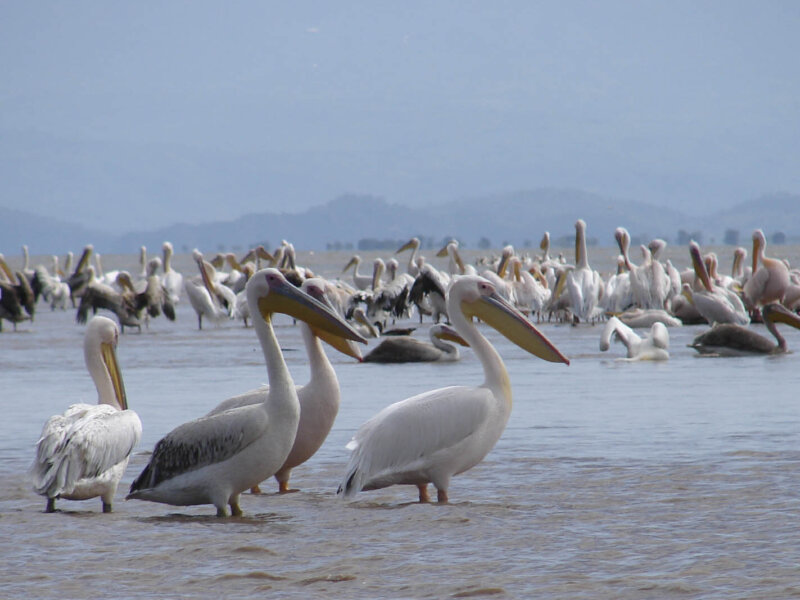
Lake Rwihinda Nature Reserve
October 27, 2026
Kigwena Forest Nature Reserve
Kigwena Forest Nature Reserve is a natural attraction in southwestern Burundi that offers visitors an opportunity to explore one of the country’s important forest ecosystems, discover its rich biodiversity, and experience the beauty of its natural landscapes. Located near the shores of Lake Tanganyika and the Rusizi River region, Kigwena Forest provides an appealing destination for nature lovers, birdwatchers, researchers, photographers, and travelers who want to discover Burundi beyond its towns and cultural attractions.
The reserve adds an important dimension to Burundi tourism because it introduces visitors to the country’s tropical forests, native plants, wildlife habitats, and conservation efforts. Moreover, its location makes it a valuable stop for travelers planning a wider journey through southwestern Burundi. By including Kigwena Forest Nature Reserve in a carefully planned itinerary, visitors can learn about the relationship between forests, wildlife, local communities, and environmental protection while experiencing a quieter side of East African travel.
Overview of Kigwena Forest Nature Reserve
Kigwena Forest Nature Reserve stands out as an important destination for travelers who want to understand Burundi’s natural environment and explore its less familiar wildlife habitats. The reserve lies in the Rumonge area of southwestern Burundi, close to Lake Tanganyika and the main road that connects communities along the lakeshore. Its position between the lake and the surrounding landscape creates an interesting setting where forest vegetation, wildlife, farming communities, and lakeside life exist close together.
Burundi’s official tourism information identifies Kigwena as a protected forest established in 1954. The reserve has a distinctive ecological character because its vegetation resembles the lowland forests associated with the wider Congo Basin. This makes it different from the cooler mountain forests found in other parts of Burundi. Tall trees, climbing plants, shaded areas, and a variety of forest habitats give the reserve its natural appeal. Wildlife includes monkeys, baboons, birds, butterflies, and other animals that depend on forest environments.
For international travelers, Kigwena offers an opportunity to experience a quieter form of nature tourism. Rather than focusing only on large mammals or famous safari parks, visitors can learn about the smaller ecological relationships that sustain a forest. They can observe vegetation, listen for bird calls, appreciate the forest canopy, and understand why protected habitats matter.
Furthermore, Kigwena can complement a wider Burundi itinerary that includes Lake Tanganyika, Rumonge, local cultural experiences, and other natural attractions. However, travelers should plan their visit carefully because visitor facilities and trail conditions may vary. Confirming local access and guide availability before departure helps create a safer and more rewarding experience.
Location of Kigwena Forest Nature Reserve
Kigwena Forest Nature Reserve lies in southwestern Burundi, in the Rumonge area along the Lake Tanganyika corridor. The forest occupies a lowland landscape between the lake and the inland slopes associated with the Congo Nile divide. Its position gives it a distinctive combination of tropical forest vegetation, warm lakeside conditions, and nearby rural settlements.
The reserve lies close to the RN3 road, an important route that follows part of Burundi’s western lakeshore. This location makes it possible to include Kigwena in a road journey through southwestern Burundi. Travelers approaching from Bujumbura can travel south toward Rumonge, while those exploring the southern lakeshore can consider the reserve as part of a broader regional itinerary.
However, visitors should confirm the current entrance arrangements before setting off. Published sources give different measurements for the reserve, with some older descriptions listing approximately 3,300 hectares and other conservation records describing a much smaller protected forest. This difference matters when planning a visit because travelers should not assume that every area mentioned in older descriptions remains accessible or falls within the same protected boundary.
The surrounding region also adds value to the journey. Lake Tanganyika provides striking lakeside scenery, while Rumonge offers an opportunity to experience local markets, fishing activities, and everyday community life. Therefore, visitors can combine forest exploration with a broader understanding of the area.
For travelers unfamiliar with Burundi, hiring a knowledgeable local driver or guide can simplify transport and communication. A well planned visit should account for road conditions, weather, the expected time in the forest, and the return journey.
The History of Kigwena Forest Nature Reserve
The history of Kigwena Forest Nature Reserve reflects the long standing importance of forest protection in Burundi. The reserve received protected status in 1954, making it one of the country’s historically recognized forest conservation areas. Its establishment reflects the need to protect natural vegetation and wildlife in a region where human settlements, agriculture, and other land uses place increasing pressure on the landscape.
Over time, the forest has remained important for its unusual vegetation and its role in preserving lowland forest habitat. Unlike Burundi’s highland forests, which grow at cooler elevations, Kigwena represents a different ecological environment near Lake Tanganyika. Protecting this habitat helps maintain the variety of ecosystems found within a relatively small country.
The reserve’s history also highlights the challenges of managing protected areas close to rural communities. People living near forests may depend on nearby natural resources for household needs and livelihoods. As a result, conservation requires more than marking a boundary on a map. It also requires environmental education, practical alternatives to unsustainable resource use, effective management, and cooperation between conservation authorities and neighboring communities.
In recent years, local reporting has highlighted concerns about pressure on the forest, including the cutting of trees and the need for stronger protection. These concerns demonstrate why Kigwena deserves greater attention from responsible travelers and conservation supporters.
Tourism can contribute to conservation when visitors respect local rules, use authorized guides, and support legitimate local services. Nevertheless, tourism alone cannot solve every conservation challenge. Long term protection also depends on effective management and community involvement.
Understanding this history gives visitors a deeper appreciation of the reserve. A walk through Kigwena is not simply an outdoor activity. It is also an opportunity to learn about the work required to protect Burundi’s natural heritage for future generations.
The Unique Ecosystem of Kigwena Forest
Kigwena Forest Nature Reserve protects a forest ecosystem that differs from many of the landscapes travelers commonly associate with East African safaris. Its lowland forest character gives it a dense, green appearance in suitable areas, with trees, shrubs, climbing plants, and other vegetation creating layers of habitat.
The reserve is often described as peri Guinean or Guinean type forest because its plant communities have similarities to forests found farther west in tropical Africa. This ecological connection makes Kigwena especially interesting to travelers who want to learn about the wider distribution of African plant communities. It also demonstrates that the continent contains many different habitats beyond open savannah and mountain forest.
Within a forest, different layers support different forms of life. Tall trees create a canopy that filters sunlight and provides shelter for birds and primates. Smaller trees and shrubs grow below the canopy, while vines and other climbing plants use surrounding vegetation to reach light. Fallen leaves and decaying plant material help return nutrients to the soil, supporting new growth and numerous small organisms.
Moreover, the forest’s proximity to Lake Tanganyika creates a relationship between terrestrial and lakeside environments. Although the forest and lake have distinct ecological requirements, they form part of the same wider landscape. Changes in land use, water quality, and vegetation can affect the health of nearby habitats.
For visitors, this ecosystem offers a chance to appreciate nature at a slower pace. Instead of searching only for large animals, travelers can observe leaf shapes, tree trunks, insects, bird movements, and differences in vegetation.
A knowledgeable guide can help explain these details in simple terms. Consequently, Kigwena can provide an educational nature experience for families, students, photographers, birdwatchers, and anyone interested in tropical ecosystems.
Wildlife in Kigwena Forest Nature Reserve
Wildlife gives Kigwena Forest Nature Reserve much of its ecological importance. The forest supports a range of animals adapted to wooded habitats, including primates, birds, butterflies, and reptiles. However, sightings depend on several factors, including weather, season, animal movements, forest conditions, and the amount of disturbance along visitor routes.
Primates are among the reserve’s notable attractions. Olive baboons and vervet monkeys feature in descriptions of the forest’s wildlife. These animals occupy different ecological roles and may use trees, clearings, and the forest floor while searching for food. Observing them in their natural habitat can help visitors understand how primates adapt to changing conditions and interact with their surroundings.
Birds also contribute to the forest’s appeal. Some species use the canopy, while others search for insects among branches or feed closer to the ground. Birdwatchers may enjoy listening for calls and observing movement through the vegetation. Nevertheless, no visitor should expect to see a particular species during every trip. Current wildlife information and local guidance can improve the chances of finding suitable viewing areas.
The wider Lake Tanganyika landscape also supports aquatic and shoreline wildlife. Hippos and crocodiles occur in parts of the region, but their presence should not be confused with a guarantee of sightings inside the forest itself. Visitors should follow local advice about where these animals live and how to observe them safely.
Butterflies and other insects also play important ecological roles. Many help pollinate plants, while others provide food for birds and other animals. Reptiles contribute to the food web and help maintain ecological balance.
Travelers should observe wildlife quietly, keep a respectful distance, and avoid feeding animals. In addition, visitors should never handle wild animals or attempt to approach potentially dangerous species. Responsible observation protects both people and wildlife while preserving the natural character of Kigwena.
Birdwatching in Kigwena Forest Nature Reserve
Birdwatching is one of the activities that can make a visit to Kigwena Forest Nature Reserve rewarding. The reserve’s woodland vegetation, tall trees, and connection to the Lake Tanganyika landscape create different habitats for birds. Some species depend on forest cover, while others use the surrounding open areas and lakeside environments. This variety makes the wider Rumonge region interesting for travelers who enjoy observing birds in different natural settings.
A birdwatching visit does not always require expensive equipment or advanced experience. Beginners can start by listening to bird calls, watching movement among branches, and observing differences in size, color, and behavior. Meanwhile, experienced birdwatchers can focus on identifying species and recording observations with the help of a knowledgeable local guide.
Early morning often provides comfortable conditions for birdwatching because temperatures remain relatively mild and birds may become active as daylight increases. However, actual activity varies with weather and season. Visitors should allow enough time to explore without rushing through the forest.
Kigwena’s location near Lake Tanganyika also creates opportunities to explore bird habitats beyond the forest. Lakeshore areas and wetlands in the wider region attract different species from those that depend on dense vegetation. Combining these habitats can provide a more varied birdwatching experience.
Travelers should bring binoculars if available, a notebook for recording sightings, and clothing suited to warm, humid conditions. They should also avoid loud conversations and sudden movements, which may disturb birds and other wildlife.
Most importantly, birdwatchers should remain realistic about sightings. A protected forest is a natural environment rather than a wildlife exhibition, so some species may remain hidden. The experience becomes more rewarding when visitors appreciate the sounds, habitats, and behaviors they encounter instead of judging the visit only by the number of birds they identify.
Forest Walks and Nature Exploration
Forest walks provide a practical way to experience the natural environment of Kigwena Forest Nature Reserve. A guided walk can introduce visitors to the forest’s vegetation, wildlife habitats, and ecological relationships while allowing them to enjoy the atmosphere of a tropical woodland.
During a walk, travelers may encounter tall trees, tangled vines, shaded sections, fallen leaves, and small plants growing close to the ground. Each feature helps explain how a forest develops and supports life. For example, the canopy influences the amount of sunlight that reaches the forest floor, while decaying leaves contribute nutrients to the soil.
However, visitors should not assume that every part of the reserve has a developed trail system. Reports about Kigwena have highlighted limitations in visitor infrastructure and trail maintenance. Therefore, travelers should confirm which routes are currently open and whether a local guide can accompany them.
A guided walk also offers an opportunity to learn about traditional relationships between nearby communities and the forest. Guides may explain the importance of particular plants, local conservation concerns, and the ways people use surrounding landscapes. Visitors should treat traditional knowledge respectfully and avoid collecting plants or other natural materials without authorization.
Comfortable walking shoes, lightweight long sleeved clothing, drinking water, and protection from rain can improve the experience. The forest floor may become slippery after rainfall, so visitors should walk carefully and follow the guide’s instructions.
Furthermore, travelers should avoid leaving marked routes or entering dense vegetation without guidance. This approach reduces the risk of getting lost, disturbing wildlife, or damaging fragile plants.
A forest walk in Kigwena is best approached as an opportunity to observe and learn. By slowing down and paying attention to small details, visitors can discover the ecological value of a habitat that might otherwise appear simply to be a stretch of green forest.
Flora and Plant Diversity in Kigwena Forest
The plant life of Kigwena Forest Nature Reserve is central to its conservation value. The reserve protects a distinctive lowland forest environment with a range of tree species, palms, climbing plants, shrubs, and smaller plants. Together, these plants create the structure that supports wildlife and helps maintain ecological processes.
Tall trees form an important part of the forest canopy. Species reported in descriptions of Kigwena include Terminalia superba, Albizia grandibracteata, and Pycnanthus angolensis. Palms also occur in the wider forest environment. These plants differ in their growth patterns and ecological functions, contributing to the diversity of the forest.
Climbing plants and vines add another visible feature to the landscape. Some use surrounding trees to reach sunlight, while smaller plants grow in shaded conditions below the canopy. Fallen branches and leaves gradually decompose, returning organic matter to the soil and supporting the growth of new vegetation.
The variety of plant forms also provides food and shelter for animals. Certain trees produce fruits or seeds that wildlife can eat, while branches offer resting and nesting places for birds. Insects depend on different plant species for food and shelter, and some help pollinate flowering plants. These relationships show why the loss of individual tree species can affect a much wider ecological community.
For visitors, learning about plants can make a forest walk more interesting. A local guide may help identify common trees, explain differences in leaf structure, or describe how vegetation changes across the reserve.
Nevertheless, travelers should avoid removing leaves, seeds, flowers, or branches as souvenirs. Even small actions can affect a sensitive habitat when many visitors repeat them.
Protecting plant diversity also helps preserve the forest’s identity. Kigwena is important not simply because it contains trees, but because its particular combination of vegetation creates a habitat that differs from many other protected areas in Burundi.
The Importance of Kigwena Forest for Conservation
Kigwena Forest Nature Reserve plays an important role in protecting Burundi’s natural heritage. Its lowland forest habitat supports biodiversity that may not thrive in the country’s cooler mountain environments. Protecting this habitat therefore contributes to the wider goal of maintaining a variety of ecosystems across Burundi.
Forests provide several ecological benefits. Trees absorb carbon dioxide as they grow, store carbon in their trunks and roots, and help regulate local environmental conditions. Forest vegetation also protects soil from erosion, while fallen leaves contribute organic matter. These processes help maintain the ecological functions that wildlife and nearby communities depend on.
In addition, forests provide food, shelter, and breeding habitats for numerous species. When forest cover declines, animals may lose access to food or safe places to reproduce. Habitat damage can also separate wildlife populations, making it more difficult for some species to survive over time.
Kigwena faces conservation pressures associated with human activity and the demand for natural resources. Local reporting has raised concerns about tree cutting, limited protection capacity, and the need to strengthen forest management. These issues demonstrate the importance of practical conservation measures, including effective monitoring, restoration where appropriate, and cooperation with neighboring communities.
Responsible tourism can support these efforts by creating opportunities for local guiding and other legitimate services. Visitors can also contribute by following reserve regulations, avoiding litter, and respecting the boundaries of protected areas.
However, conservation should not place the entire burden on nearby communities. Sustainable protection requires collaboration between authorities, conservation organizations, residents, and visitors. Communities need meaningful opportunities to benefit from conservation while meeting their daily needs.
By learning about these challenges during a visit, travelers can gain a more realistic understanding of environmental protection. Kigwena is valuable not only as a place to explore, but also as an example of why long term conservation matters throughout Africa.
Best Time to Visit Kigwena Forest Nature Reserve
The best time to visit Kigwena Forest Nature Reserve depends on your interests, preferred weather, and travel arrangements. Burundi experiences alternating wetter and drier periods, although local conditions can vary. Because Kigwena lies near Lake Tanganyika at a relatively low elevation, its climate differs from that of the country’s higher mountain areas.
The drier months can offer more comfortable conditions for walking and road travel. Trails may become easier to navigate when rainfall decreases, and visitors may find it more convenient to combine a forest excursion with other attractions around Rumonge. Nevertheless, travelers should still check local conditions because rain can occur outside the periods they expect.
During wetter periods, the vegetation may appear especially green, and the forest can offer a strong sense of freshness. However, heavy rainfall may make some paths slippery or difficult to access. Visitors should confirm trail conditions before beginning a walk and remain flexible if local guides recommend changing their plans.
Birdwatchers may choose their travel dates according to seasonal wildlife activity, but they should seek current local advice rather than assume that one month guarantees better sightings. Similarly, photographers should consider the changing light conditions beneath the forest canopy.
The time of day also matters. Morning visits often provide cooler temperatures and a comfortable setting for walking. Afternoon visits may still be possible, but travelers should allow enough daylight for their activities and return journey.
Before traveling, check the weather forecast, road conditions, and the availability of guides. If you are visiting several destinations in southwestern Burundi, leave some flexibility in the itinerary to account for delays.
Ultimately, Kigwena can offer a worthwhile experience at different times of the year. Good preparation, suitable clothing, and realistic expectations matter more than choosing a date based on the assumption that wildlife will always be easy to see.
How to Get to Kigwena Forest Nature Reserve
Travelers can generally reach the Kigwena area by road from Bujumbura and other destinations in southwestern Burundi. The reserve lies near the RN3 corridor, which connects settlements along the western side of the country. Road travel also allows visitors to appreciate the changing landscapes between the capital, the lakeshore, and the Rumonge area.
From Bujumbura, a journey south toward Rumonge provides a practical starting point for planning a visit. The exact travel time depends on the starting location, traffic, weather, road conditions, and the point where visitors enter the reserve. Therefore, travelers should confirm current directions with a local driver or guide instead of relying entirely on a fixed travel estimate.
Visitors coming from other parts of Burundi can arrange a private vehicle or use available regional transport to reach the Rumonge area. However, public transport may not take travelers directly to the reserve entrance. Those using shared transport should plan how to reach the forest and return to their accommodation before departure.
A private vehicle can provide greater flexibility, particularly for travelers who want to visit the forest and other attractions on the same day. It also makes it easier to carry water, rain protection, binoculars, and other supplies.
Before leaving, confirm the precise entrance location and whether local authorities permit visits on your intended date. A driver should not assume that every roadside access point leads to an authorized visitor route.
Travelers should also avoid planning a tight schedule that leaves no time for unexpected delays. If you intend to combine Kigwena with lakeside activities or a longer journey toward southern Burundi, consider the distance between stops and the time required for each activity.
Good transport planning allows visitors to concentrate on the experience rather than worry about access. With reliable local arrangements, Kigwena can become a practical addition to a wider exploration of Burundi’s natural attractions.
Where to Stay When Visiting Kigwena Forest Nature Reserve
Accommodation planning is an important part of a successful visit to Kigwena Forest Nature Reserve. The Rumonge area provides a practical base for travelers exploring the forest and the surrounding Lake Tanganyika region. Staying nearby can reduce unnecessary driving and allow visitors to enjoy a more relaxed schedule.
Travelers should choose accommodation according to their budget, comfort needs, transport arrangements, and wider itinerary. Options in the region may include guesthouses, hotels, and other locally operated establishments. However, the availability of specific facilities can change, so visitors should confirm current services before making a booking.
When selecting accommodation, consider the distance from the forest entrance, the availability of meals, vehicle parking, electricity, and the possibility of arranging a local guide. Travelers who plan an early morning excursion may prefer a property that makes an early departure convenient.
Families and groups should also consider room arrangements and the needs of everyone traveling. Meanwhile, birdwatchers and photographers may benefit from a location that provides easy access to several habitats in the wider Rumonge area.
Visitors expecting luxury safari lodges directly beside the reserve should verify those expectations carefully. Kigwena is not as developed for mass tourism as some of Africa’s major safari destinations, and visitor infrastructure may remain limited. A simple but comfortable base in the surrounding area can be more practical than expecting extensive facilities inside the protected forest.
It is also worth checking recent guest feedback, transport arrangements, and cancellation policies before committing to a reservation.
Responsible travelers can support local businesses by choosing legitimate accommodation and purchasing services from reliable providers. These choices help distribute tourism income within the destination.
Ultimately, the most suitable place to stay depends on the kind of trip you want. A short forest excursion may require only one night in the region, while a broader Burundi journey could benefit from additional nights that allow time for the lakeshore, local communities, and other attractions.
Other Attractions to Combine with Kigwena Forest
Kigwena Forest Nature Reserve fits naturally into a wider journey through southwestern Burundi. Travelers who explore the surrounding region can combine forest experiences with lakeside scenery, community visits, and other natural attractions. This approach creates a more complete understanding of the country’s landscapes and daily life.
Lake Tanganyika is an obvious addition to a Kigwena itinerary. The lake provides a dramatic natural setting, with broad views across the water and opportunities to learn about fishing communities and lakeside livelihoods. Visitors can enjoy suitable shoreline activities where local conditions and safety arrangements permit them.
The town of Rumonge also offers an opportunity to experience everyday life in a regional lakeside community. Travelers may explore local commercial areas, learn about fishing and agriculture, and observe how people use the resources of the surrounding landscape. Visitors should always ask permission before photographing individuals or entering private spaces.
Another possible addition is Rusizi National Park, near Bujumbura. This protected area offers a different environment from Kigwena, with river and delta habitats, wetland vegetation, birds, and opportunities to learn about wildlife associated with the Rusizi River system. Because the two destinations are not immediately adjacent, travelers should account for driving time when planning a combined itinerary.
Visitors with more time can explore additional parts of Burundi, including its highland forests, cultural attractions, and southern landscapes. Each destination contributes a different perspective on the country’s natural and cultural heritage.
When combining attractions, avoid trying to fit too many activities into one day. Forest walks, road journeys, wildlife observation, and community visits all benefit from sufficient time.
A well planned itinerary should also consider weather, opening arrangements, road conditions, and the needs of the travelers. By combining Kigwena with suitable nearby experiences, visitors can discover a richer picture of Burundi while supporting a broader range of local tourism services.
Responsible Tourism and Visitor Guidelines
Responsible tourism is essential when visiting Kigwena Forest Nature Reserve because the quality of the natural environment depends partly on how people use it. Every visitor has an opportunity to help protect the forest by making thoughtful choices before, during, and after an excursion.
First, follow the instructions of authorized guides and reserve personnel. They can explain which routes are suitable, identify areas that visitors should avoid, and provide information about local wildlife. If a route is closed or conditions are unsafe, respect the restriction rather than trying to enter independently.
Second, leave the forest as you found it. Carry all waste out of the reserve and avoid leaving plastic bottles, food packaging, or other rubbish along the trail. Do not remove plants, insects, feathers, seeds, or other natural materials as souvenirs.
Wildlife observation also requires care. Keep a respectful distance from animals, avoid feeding them, and never attempt to touch or chase them. If you encounter snakes or other potentially dangerous wildlife, move away calmly and follow the guide’s instructions.
Visitors should also consider the interests of nearby communities. Purchase appropriate services through legitimate local providers, treat residents respectfully, and ask permission before taking photographs of people or private property.
Furthermore, responsible travelers should avoid making unsupported claims about conservation projects or wildlife sightings. Sharing accurate information helps future visitors form realistic expectations and encourages respect for the destination.
Travelers can prepare by carrying reusable water bottles, using appropriate walking shoes, and bringing only what they need. They should also ask about local regulations before using drones, collecting research information, or conducting commercial photography.
Finally, remember that conservation involves both environmental protection and community well being. Responsible tourism works best when visitors respect local rules, support legitimate livelihoods, and recognize that protected areas have value beyond their appeal to tourists.
By following these principles, travelers can enjoy Kigwena while helping maintain the natural and cultural qualities that make the region special.
Practical Travel Tips for Visiting Kigwena Forest Nature Reserve
Good preparation can make a visit to Kigwena Forest Nature Reserve more comfortable and productive. Although a forest excursion may appear simple, travelers should consider the weather, terrain, access arrangements, and activities they hope to enjoy.
Start by confirming whether the reserve is open to visitors on your chosen date. Ask about guide availability, authorized walking routes, entrance requirements, and any local conservation rules. Since visitor facilities may be limited, these checks can prevent unnecessary delays.
Choose comfortable walking shoes with good grip. The forest floor may contain damp leaves, uneven ground, exposed roots, and slippery sections after rainfall. Lightweight clothing that covers the arms and legs can provide protection from insects and vegetation. A light rain jacket is useful when weather conditions are uncertain.
Carry drinking water and any personal items you need for the excursion. Binoculars can improve wildlife observation, while a camera allows you to record the scenery without collecting natural materials. If you use a camera, avoid disturbing animals or delaying other visitors while taking photographs.
A small bag can hold water, snacks, a notebook, and basic personal supplies. Keep your belongings secure and avoid carrying unnecessary valuables.
It is also wise to discuss the expected duration of the visit with your guide. This helps you plan transport, meals, and any other activities scheduled for the same day. Travelers with mobility limitations should explain their needs before arrival because trail surfaces and accessibility features may vary.
If you are unfamiliar with the local language, arranging a guide who can communicate comfortably with you may improve the experience. A good guide can explain local customs, help identify wildlife, and clarify safety instructions.
Finally, remain flexible. Rain, wildlife movements, road conditions, and access restrictions may affect your plans. A successful visit does not depend on seeing every animal or completing a fixed list of activities. It depends on preparation, realistic expectations, and a willingness to appreciate the forest on its own terms.
Kigwena Forest Nature Reserve for International Travelers
Kigwena Forest Nature Reserve offers international travelers a different perspective on African nature tourism. Many visitors associate an African holiday with savannah landscapes, large mammals, and traditional wildlife safaris. Kigwena broadens that experience by introducing travelers to a lowland forest environment near Lake Tanganyika.
For visitors planning a trip through East Africa, Burundi can provide an opportunity to explore destinations that receive less international attention than some of the region’s better known tourism centers. Kigwena contributes to that experience through its vegetation, primates, birdlife, and conservation significance.
International travelers should approach the reserve with appropriate expectations. Kigwena is not a highly developed safari destination with guaranteed wildlife sightings, extensive visitor facilities, or a large network of established tourist trails. Instead, its appeal lies in its natural character and the opportunity to learn about a distinctive forest ecosystem.
This makes the destination suitable for travelers who appreciate nature education, birdwatching, photography, and slower forms of exploration. It can also interest students, researchers, and conservation enthusiasts who want to understand the diversity of African habitats.
Before traveling to Burundi, visitors should check current entry requirements, travel advisories, transport arrangements, and any relevant health guidance for their nationality and itinerary. They should also confirm accommodation and local services in advance.
Travelers who plan to cross borders during their journey should verify the requirements for each country separately. A regional itinerary may involve different entry conditions, transport arrangements, and travel times.
Cultural sensitivity also improves the experience. Learning a few basic local greetings, asking permission before taking photographs, and respecting community customs can help create positive interactions.
For international visitors, Kigwena is most rewarding when treated as part of a broader journey through Burundi. By combining its forest environment with lakeside scenery and local cultural experiences, travelers can gain a deeper appreciation of the country’s natural heritage and the communities connected to it.
The Role of Kigwena in Burundi’s Tourism Development
Kigwena Forest Nature Reserve has the potential to contribute to Burundi’s tourism development by expanding the range of nature based experiences available to visitors. The country possesses forests, lakes, wetlands, mountains, wildlife habitats, and cultural attractions. Developing suitable tourism experiences around these resources can help create a more varied destination offering.
Kigwena has particular value because it represents a lowland forest ecosystem that differs from the mountain forests and open landscapes found elsewhere in Burundi. This distinction can help tour operators develop itineraries that appeal to travelers interested in biodiversity, environmental education, and less familiar destinations.
However, tourism development must match the needs of the protected area. Building visitor numbers without addressing trail conditions, conservation management, safety, and waste disposal could place additional pressure on the forest. Therefore, responsible planning should come before large scale promotion.
Local communities should also have opportunities to benefit from tourism. Guiding, transport, accommodation, food services, and locally made products can create income when visitors purchase them through legitimate providers. These opportunities work best when local people participate in planning and receive fair value for their services.
Tour operators can contribute by providing accurate information about the destination, setting realistic expectations, and arranging visits through appropriate local contacts. They should avoid promising particular animal sightings or advertising facilities that have not been verified.
Government agencies and conservation partners also have important roles in maintaining protected areas, improving visitor information, and supporting environmental education. Reliable management can help visitors understand the reserve while protecting its ecological value.
For Burundi, destinations such as Kigwena can strengthen tourism by encouraging longer stays and wider regional exploration. Travelers who discover the country’s forests may also become interested in its lakes, culture, food, and other protected areas.
The long term opportunity lies in balancing visitor experiences with conservation. When tourism respects the forest and supports local livelihoods, Kigwena can contribute to a more diverse and responsible tourism sector.
Frequently Asked Questions About Kigwena Forest Nature Reserve
Where is Kigwena Forest Nature Reserve located?
Kigwena Forest Nature Reserve lies in southwestern Burundi, in the Rumonge area near Lake Tanganyika. Its position along the RN3 corridor makes it possible to include the reserve in a wider road trip through the lakeshore region.
What makes Kigwena Forest Nature Reserve special?
The reserve protects a distinctive lowland forest ecosystem with vegetation resembling Guinean and Congo Basin forest types. It is known for its plant diversity, primates, birds, butterflies, and importance for conservation in Burundi.
Which animals can visitors see in Kigwena Forest?
Descriptions of the reserve identify olive baboons, vervet monkeys, birds, butterflies, and various reptiles. Wildlife sightings depend on conditions and animal movements, so visitors should not expect to see every species during a single excursion.
Is Kigwena Forest suitable for birdwatching?
Yes. The forest and its surrounding landscape offer opportunities to observe birds associated with woodland and lakeside habitats. Visitors interested in birdwatching should consider bringing binoculars and arranging a knowledgeable local guide.
Can travelers walk through Kigwena Forest Nature Reserve?
Forest walks may be possible when authorized routes and local guiding arrangements are available. Because trail conditions and visitor facilities can vary, confirm access before traveling and follow the instructions of reserve personnel.
When should I visit Kigwena Forest Nature Reserve?
The drier periods may offer more comfortable conditions for walking and road travel, although the best dates depend on local weather and your interests. Check current conditions before setting out.
How long should I spend at Kigwena Forest?
The appropriate duration depends on access arrangements, the walking routes available, and your interests. A short guided excursion may suit travelers combining several attractions, while nature enthusiasts may prefer more time for observation and learning. Confirm the realistic visit duration with a local guide.
Can I combine Kigwena Forest with Lake Tanganyika?
Yes. The reserve’s location near the lake makes it practical to plan a wider itinerary that includes forest exploration and suitable lakeside experiences. Allow enough time for transport and confirm the conditions of any additional activities.
Are there accommodation facilities inside the reserve?
Travelers should not assume that the reserve offers overnight accommodation or extensive visitor facilities. The Rumonge area is a practical place to investigate accommodation options, subject to current availability and individual travel needs.
Why is conservation important at Kigwena?
The reserve protects a distinctive forest habitat that supports plants, wildlife, and important ecological processes. Conservation helps reduce habitat loss and maintain the natural diversity of Burundi for future generations.
Conclusion: Discover Kigwena Forest Nature Reserve in Burundi
Kigwena Forest Nature Reserve offers travelers a valuable opportunity to explore Burundi’s natural heritage through a distinctive lowland forest ecosystem, diverse vegetation, primates, birds, and conservation experiences. Its location near Lake Tanganyika and the Rumonge area makes it a useful addition to a wider journey through southwestern Burundi. Moreover, the reserve highlights the importance of protecting habitats that receive less attention than Africa’s famous savannah parks but remain essential to the continent’s biodiversity.
For international travelers, Kigwena provides a chance to experience nature at a slower pace, learn about forest ecology, and appreciate the relationship between wildlife and local landscapes. However, a rewarding visit requires realistic expectations, careful planning, and respect for conservation regulations. Visitors should confirm access arrangements, use appropriate local guidance, and prepare for potentially limited facilities.
The reserve also demonstrates why responsible tourism matters. By supporting legitimate local services, respecting nearby communities, and avoiding activities that damage the environment, travelers can contribute to a more sustainable approach to tourism in Burundi.
Ultimately, Kigwena Forest Nature Reserve deserves a place in Burundi’s wider nature tourism story. Its distinctive vegetation, ecological importance, and proximity to Lake Tanganyika make it an appealing destination for travelers seeking meaningful experiences beyond conventional safari routes. With thoughtful planning and a commitment to conservation, a visit to Kigwena can deepen your understanding of Burundi and the rich natural heritage that makes Africa such a remarkable continent to explore.