Things to Do in Burundi
November 4, 2026
Wildlife Viewing in Burundi
November 4, 2026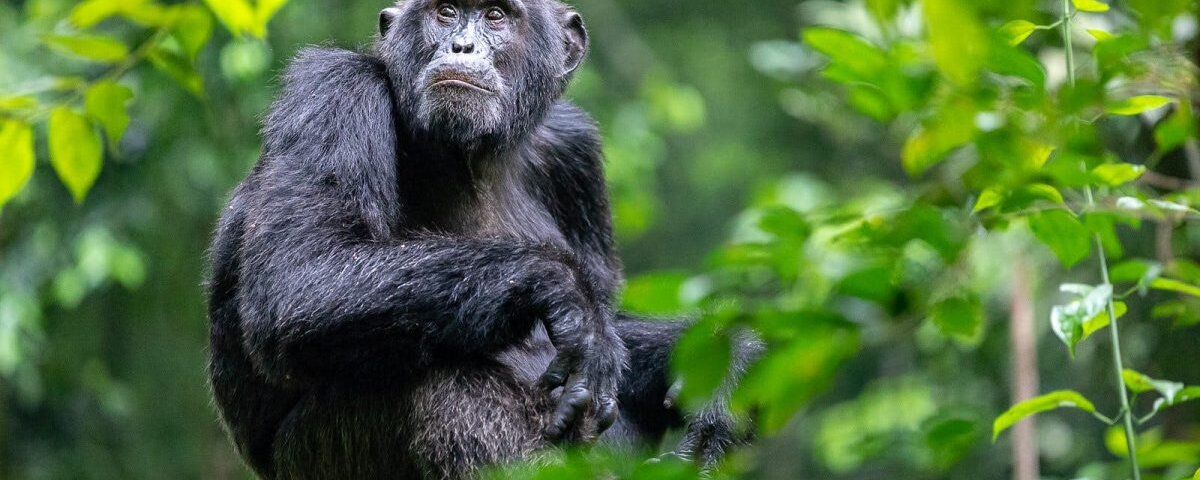
Chimpanzee Trekking in Burundi
Chimpanzee trekking in Burundi offers travelers an opportunity to explore one of East Africa’s remarkable forest environments while learning about the country’s rich biodiversity and conservation heritage. Located in the heart of the Great Lakes region, Burundi may not receive the same attention as Uganda, Rwanda, or Tanzania for wildlife tourism. However, its mountain forests, beautiful landscapes, and unique wildlife create exciting opportunities for nature lovers seeking a different African adventure.
The country’s most important chimpanzee habitat lies within Kibira National Park, a protected montane rainforest in northwestern Burundi. This forest supports wild chimpanzees, several monkey species, forest birds, and many other forms of wildlife. Furthermore, Kibira protects important water sources that support communities and ecosystems across the country. Its location along the Congo Nile Divide makes it especially valuable for biodiversity and environmental protection.
However, travelers should understand that chimpanzee trekking in Burundi requires careful planning. Although chimpanzees live in Kibira National Park, visitors must confirm whether dedicated tracking activities operate during their travel dates. Forest access, wildlife movements, conservation conditions, and local tourism arrangements can influence the experience.
For international travelers, Burundi offers much more than a search for chimpanzees. Its tea growing highlands, Lake Tanganyika, cultural traditions, and protected natural areas create opportunities for a meaningful African journey. Visitors can explore its forests, learn about conservation, and experience a destination that remains less familiar to many safari travelers.
This guide explains everything travelers should know about chimpanzee trekking in Burundi, including the main habitat, wildlife, trekking expectations, travel seasons, accommodation, conservation, and practical planning.
Understanding Chimpanzee Trekking in Burundi
Chimpanzee trekking involves exploring a forest environment with trained guides in search of wild chimpanzees. These intelligent primates live in social communities, move through the forest in search of food, and spend much of their time feeding, communicating, and resting. Unlike traditional savannah safaris, where visitors often observe animals from a vehicle, chimpanzee trekking usually involves walking through dense vegetation.
Burundi’s chimpanzee habitat lies mainly within Kibira National Park. The forest provides food, shelter, and space for wild chimpanzees to survive. However, these animals remain free to move throughout their habitat. Their location changes according to food availability, weather, and social activity. Consequently, visitors should approach the experience with patience and realistic expectations.
Chimpanzees also behave differently from mountain gorillas. They often move quickly, climb trees, and travel across the forest floor. Their active behavior can make tracking challenging, especially when vegetation limits visibility. Therefore, a successful experience depends on the knowledge of local guides and the conditions within the forest.
In addition, chimpanzee trekking offers valuable educational opportunities. Visitors can learn about primate behavior, forest ecology, wildlife conservation, and the relationship between animals and their natural environment.
Travelers should also distinguish between a general guided forest walk and a dedicated chimpanzee tracking activity. Kibira supports chimpanzees, but the availability of a specific visitor program must be confirmed before booking.
For travelers interested in responsible wildlife tourism, chimpanzee trekking in Burundi can provide an opportunity to discover an important African ecosystem while supporting conservation awareness.
Kibira National Park: Burundi’s Main Chimpanzee Habitat
Kibira National Park is the most important destination associated with chimpanzees in Burundi. Located in the northwestern highlands, the park protects approximately 40,000 hectares of montane rainforest along the Congo Nile Divide. Its forested mountains, streams, and changing elevations create a valuable habitat for wildlife.
The park rises from approximately 1,500 metres to more than 2,600 metres above sea level. These elevations create different forest conditions and support a range of plants and animals. The dense vegetation provides shelter for chimpanzees, black and white colobus monkeys, baboons, and other primates. In addition, the park supports an important population of forest birds.
Kibira also plays a major role in protecting water resources. Several rivers and streams begin within the forest and supply water to surrounding landscapes. The park contributes to the wider Congo and Nile river systems, making its conservation important beyond Burundi’s borders.
Another interesting feature is the park’s connection with Rwanda’s Nyungwe Forest. These protected forests form part of the Albertine Rift’s wider mountain forest landscape. Their ecological importance highlights the need for conservation across national boundaries.
Visitors can explore Kibira through guided forest activities, depending on current access arrangements. The experience may include birdwatching, nature walks, and opportunities to learn about the forest’s wildlife.
However, travelers should not assume that every visit includes chimpanzee tracking. They should confirm the activity, guide arrangements, and access conditions before making travel plans.
Where Are Chimpanzees Found in Burundi?
Wild chimpanzees occur in Burundi’s forested landscapes, with Kibira National Park serving as the country’s best known habitat. The chimpanzees belong to the eastern chimpanzee subspecies, scientifically known as Pan troglodytes schweinfurthii. This subspecies also occurs in parts of Uganda, Rwanda, Tanzania, and the Democratic Republic of the Congo.
Kibira’s dense vegetation provides important resources for chimpanzees. The animals feed on fruits, leaves, seeds, flowers, and other natural foods. Their diet changes with the seasons, so they move through the forest to find suitable feeding areas.
Chimpanzees also depend on mature trees for nesting and shelter. At night, they usually build nests in trees using branches and leaves. These nests can provide useful clues for researchers and trackers studying their movements.
However, finding chimpanzees in a forest does not automatically mean that tourists can book a regular trekking experience. Wildlife research, park access, and visitor tourism activities are separate matters. Travelers should confirm the current availability of dedicated tracking with the relevant authorities or a reliable local operator.
This distinction is particularly important for Burundi because its primate tourism infrastructure remains less established than that of neighboring countries.
Visitors who understand these conditions can make better travel decisions. They can explore Kibira for its wildlife and forest environment while avoiding unrealistic expectations about guaranteed chimpanzee sightings.
What Makes Chimpanzees Special?
Chimpanzees are among Africa’s most fascinating primates because of their intelligence, social behavior, and close biological relationship with humans. They share many characteristics with people, including complex communication, strong family connections, and the ability to learn from one another.
Chimpanzees live in social communities. However, individuals often travel in smaller groups throughout the day. This flexible social structure allows them to respond to food availability and other conditions within their habitat.
Communication plays an important role in chimpanzee life. These primates use sounds, facial expressions, gestures, and body movements to interact. Their calls can travel through the forest, helping individuals maintain contact with other members of their community.
Chimpanzees also demonstrate remarkable tool use. Some populations use sticks to access insects or other food sources. They can learn behaviors from other individuals, allowing traditions to develop within communities.
Their role in forest ecosystems is equally important. Chimpanzees feed on fruits and spread seeds across their habitat. This process supports forest regeneration and contributes to the health of the wider ecosystem.
For travelers, observing chimpanzees can provide a meaningful wildlife experience. Their behavior offers insight into the natural world and highlights the importance of protecting forest habitats.
However, visitors should remember that chimpanzees are wild animals. Their behavior cannot be controlled for tourism, and responsible wildlife viewing always places their welfare first.
What to Expect During a Chimpanzee Trek in Burundi
A chimpanzee trekking experience in Burundi begins with careful planning and coordination. Travelers should arrange their visit through a reliable local operator or the relevant park authority. This helps confirm the activity, guide, meeting point, and current conditions within the forest.
Before entering the forest, visitors generally receive instructions about the route, safety expectations, and wildlife behavior. The guide may explain the importance of respecting the environment and avoiding unnecessary disturbance.
The forest experience differs greatly from a savannah safari. Thick vegetation limits visibility, while bird calls, insects, and moving branches create a rich natural atmosphere. The route may pass through shaded areas, streams, and uneven ground.
If a dedicated chimpanzee tracking activity is available, the search may take time. Chimpanzees move through their habitat, and their location can change before visitors reach them. A sighting may involve observing the animals feeding, resting, communicating, or moving through trees.
However, visitors should not expect every excursion to produce a sighting. Chimpanzees remain wild, and their movements depend on natural conditions.
A responsible guide will prioritize wildlife welfare and follow park regulations throughout the activity.
Even when chimpanzees remain hidden, the forest can provide a rewarding experience. Visitors may discover birds, plants, streams, and other wildlife while learning about the importance of conservation.
Chimpanzee Behavior You May Observe
Chimpanzee behavior offers some of the most interesting moments during a forest encounter. These primates spend much of their day searching for food, maintaining social relationships, and moving through their habitat.
Feeding is one of the common activities visitors may observe. Chimpanzees often search for ripe fruits, although they also eat leaves, seeds, flowers, insects, and other foods. When a fruiting tree provides a good food source, several individuals may gather in the same area.
Social interaction is another important part of chimpanzee life. Individuals may groom one another, rest together, or communicate through gestures and sounds. Grooming helps maintain relationships and can reduce tension within a community.
Young chimpanzees often attract attention because of their playful behavior. They may move between branches, interact with other young animals, or explore their surroundings under the watch of adults. These activities provide insight into how chimpanzees develop social skills.
Visitors may also hear loud calls known as pant hoots. These sounds help individuals communicate over long distances and maintain contact with other members of their community.
Guides can explain these behaviors without disturbing the animals. Their knowledge makes the experience more meaningful and helps visitors understand why chimpanzees need protected forest habitats.
Best Time for Chimpanzee Trekking in Burundi
Choosing the right season can improve the comfort of a forest adventure. Burundi experiences rainy and relatively dry periods, although rainfall patterns vary across the country. Kibira National Park lies in the highlands, where the weather can change quickly because of its elevation and forest environment.
The relatively dry periods generally provide easier conditions for walking. June, July, August, and parts of September often offer more favorable conditions for exploring the highlands. December and January can also provide useful travel opportunities, depending on local rainfall.
During wetter months, the forest becomes lush and attractive. However, rainfall can make trails slippery, increase the difficulty of walking, and affect road access. Visitors should prepare for changing conditions rather than expecting a smooth trail.
It is important to remember that a dry season does not guarantee chimpanzee sightings. Chimpanzees move through their habitat throughout the year, and their location depends on natural animal movements.
| Travel period | General conditions | Planning consideration |
|---|---|---|
| June to September | Often relatively dry | Useful for forest walks and highland travel |
| December to January | Often relatively dry | Can suit visitors combining several destinations |
| February to May | Generally wetter | Expect muddy trails and changing conditions |
| October to November | Often wetter | Allow flexibility for outdoor activities |
Travelers should confirm the forecast and access arrangements before departure. Since Burundi’s forest tourism infrastructure remains limited, advance planning is especially important.
How to Get to Kibira National Park
Kibira National Park lies in northwestern Burundi along the Congo Nile Divide. Most international travelers begin their journey in Bujumbura, the country’s main commercial city and a common entry point for visitors.
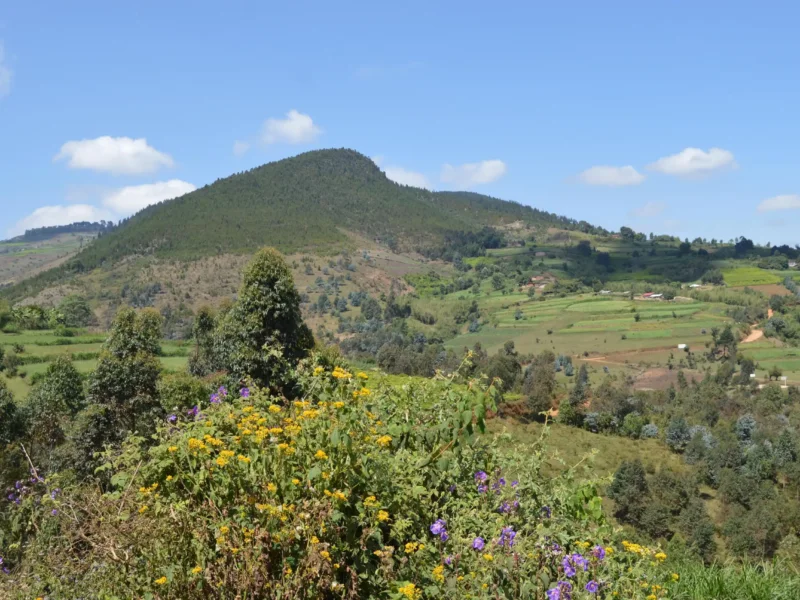
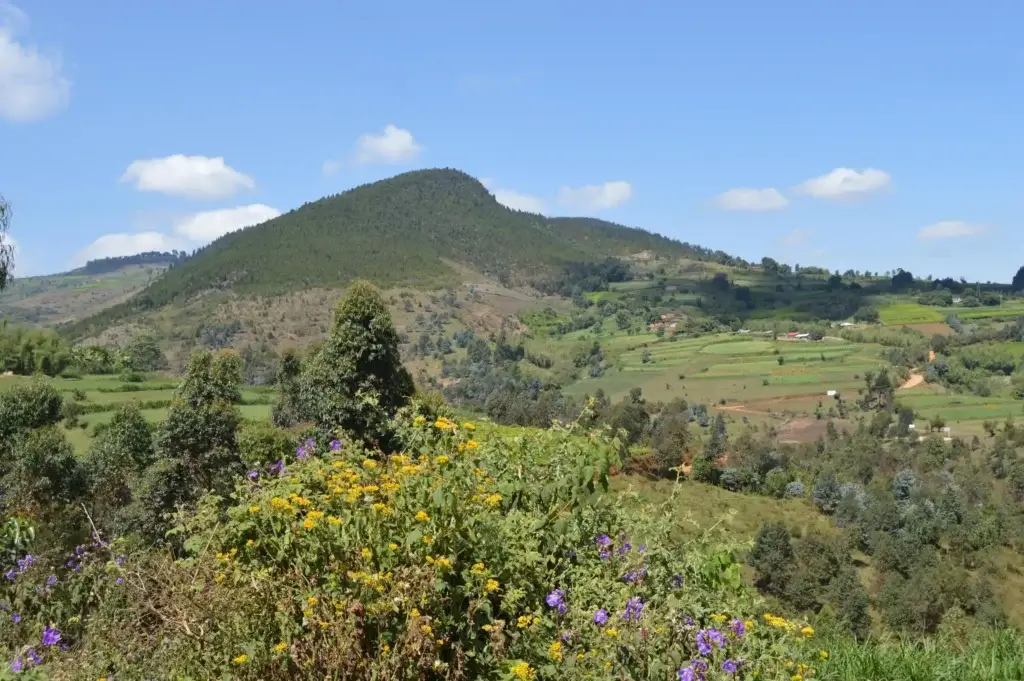
From Bujumbura, travelers can arrange a road transfer toward the park’s forest access areas. The journey passes through changing landscapes, including hills, rural settlements, and tea growing areas. The route offers a different view of Burundi from the lakeside environment around Bujumbura.
Teza and Rwegura are among the areas associated with access to Kibira. Visitors may also encounter scenic viewpoints and tea plantations along the way. However, the exact route depends on the planned activity and the access point confirmed by local authorities.
A private vehicle with a knowledgeable driver can make the journey easier. This arrangement allows travelers to manage stops, carry their equipment, and respond to changing road conditions.
Before setting out, confirm the following details:
- The designated meeting point.
- The authorized forest entrance.
- The guide or ranger arrangement.
- The condition of the access road.
- The expected duration of the excursion.
- Whether the activity involves chimpanzee tracking or a general forest walk.
These preparations help prevent confusion and make the visit more comfortable.
Accommodation Options for Chimpanzee Trekking in Burundi
Accommodation plays an important role in planning a chimpanzee trekking trip. Since Kibira remains less developed for tourism than many major East African parks, visitors should not expect a large selection of luxury lodges directly inside the forest.
Many travelers choose to stay in Bujumbura and arrange an early road departure. This option provides access to a wider range of hotels, restaurants, transport services, and other facilities. It can also work well for visitors who want to explore the city or Lake Tanganyika before or after their forest excursion.
Another option involves staying in accommodation closer to the highlands. This may reduce the time spent traveling on the day of the activity. However, visitors should confirm the quality, availability, and location of accommodation before booking.
A well planned accommodation choice depends on the type of trip. Travelers seeking comfort may prefer a city hotel with reliable services. Those interested in nature and local experiences may prefer a simpler property closer to the forest.
For a multi day Burundi itinerary, it can be useful to combine a stay in Bujumbura with time in the highlands. This approach allows travelers to experience different parts of the country without rushing between destinations.
When selecting accommodation, consider the following:
- Distance from the confirmed forest access point.
- Availability of meals.
- Reliable transport arrangements.
- Room comfort and cleanliness.
- Communication with the local operator.
- Flexibility in case weather changes the itinerary.
Because chimpanzee trekking arrangements may change, confirm the excursion before making non refundable accommodation bookings.
What to Pack for Chimpanzee Trekking in Burundi
Packing correctly can improve comfort during a forest excursion. Kibira’s highland environment differs from Burundi’s warmer lakeside areas, so travelers should prepare for cool mornings, damp conditions, and changing weather.
Comfortable walking shoes with good grip are important. Forest paths can become slippery after rain, and uneven ground may require careful movement. Visitors should also bring lightweight clothing that allows them to move comfortably while protecting their arms and legs from vegetation.
A rain jacket is useful throughout the year. Even during relatively dry periods, mountain weather can change quickly. A small daypack helps carry personal items without creating unnecessary weight.
Useful items include:
- Comfortable walking shoes with good traction.
- Lightweight long trousers.
- A long sleeved shirt.
- A rain jacket or poncho.
- A refillable water bottle.
- A small daypack.
- Binoculars for birdwatching.
- A camera with a suitable lens.
- Personal medication, if needed.
- A hat and sunscreen for open sections of the route.
Visitors should avoid carrying unnecessary items. A lighter bag makes walking easier, especially when the trail becomes steep or muddy.
Photography equipment also requires care. A camera with a moderate telephoto lens may help capture wildlife without approaching animals. However, visitors should follow the guide’s instructions and avoid using flash if it may disturb wildlife.
Most importantly, travelers should pack with respect for the forest. Carrying reusable items and taking all waste away helps protect the natural environment.
Responsible Chimpanzee Trekking and Wildlife Conservation
Responsible wildlife tourism plays an important role in protecting chimpanzees and their habitats. Forests such as Kibira face several pressures, including habitat loss, resource use, and the need to balance conservation with the needs of nearby communities.
Recent conservation reporting has raised concerns about forest loss and pressure on chimpanzee habitat in Kibira. These challenges highlight the importance of protecting mature forest, supporting conservation work, and involving local communities in sustainable management.
Tourism can support conservation when it follows clear rules and contributes to local livelihoods. Visitors who use authorized guides and respect park regulations help encourage responsible management. Their spending may also support drivers, guides, accommodation providers, food suppliers, and other local businesses.
However, tourism must never place the needs of visitors above wildlife welfare. Chimpanzees need space to feed, rest, and move freely. A responsible encounter allows the animals to continue their normal behavior without pressure.
Visitors should follow several important principles:
- Maintain the distance required by park rules.
- Never feed chimpanzees.
- Avoid loud behavior that may disturb wildlife.
- Do not touch wild animals.
- Follow the guide’s instructions.
- Avoid leaving rubbish in the forest.
- Respect restricted areas.
- Do not request a guide to approach animals for photographs.
Chimpanzees can also share diseases with humans. Therefore, visitors who feel unwell should seek advice before joining a primate activity. Guides may ask travelers to follow additional health precautions.
Responsible tourism is not simply a visitor preference. It is an important part of protecting the long term value of Burundi’s forests and supporting future wildlife experiences.
The Role of Local Communities in Chimpanzee Conservation
Local communities play a vital role in protecting Burundi’s forests. People living near Kibira depend on the surrounding landscape for farming, water, and other daily needs. Conservation efforts therefore work best when they recognize local livelihoods and include communities in decision making.
Tourism can create opportunities for people who live near protected areas. Local guides may share their knowledge of forest plants, wildlife, and the surrounding landscape. Drivers, accommodation providers, cooks, and craftspeople can also benefit when visitors spend money within the region.
However, these benefits do not happen automatically. Responsible tourism businesses should work with local partners, use fair business practices, and provide clear information about the services they arrange. Travelers can support this approach by choosing operators who value local participation.
Community involvement also helps build awareness about wildlife protection. When residents see practical benefits from conservation, they may have stronger reasons to support the protection of forest habitats. At the same time, conservation programs must consider the needs of people who live near the park.
The relationship between communities and forests is complex. Visitors should avoid treating local people as part of a tourism attraction. Instead, they should approach cultural experiences with respect, ask permission before taking photographs, and value local knowledge.
For Burundi, community participation can help build a stronger foundation for nature tourism. It can also support the wider goal of protecting chimpanzees and other wildlife for future generations.
Birdwatching and Other Wildlife in Kibira National Park
Although chimpanzees attract considerable interest, Kibira National Park offers much more than a single primate experience. Its montane rainforest supports a variety of birds, monkeys, and other wildlife. This biodiversity makes the park valuable for travelers who enjoy nature and specialist wildlife observation.
Birdwatching is particularly rewarding in forest environments. Many birds remain hidden among leaves and branches, so visitors often rely on their calls and movement. A knowledgeable guide can help identify species and explain how they use the forest.
Kibira supports approximately 200 bird species, according to Burundi’s tourism information. The park’s highland environment forms part of the Albertine Rift, a region known for important biodiversity and species with restricted ranges.
The forest also supports several primate species. Visitors may encounter monkeys during guided walks, although sightings depend on the conditions and the animals’ movements. Other mammals live within the park, but dense vegetation makes many of them difficult to observe.
For travelers, this means that a forest excursion should not focus only on chimpanzees. The birds, trees, streams, and other wildlife all contribute to the experience.
Birdwatchers may wish to allow extra time in the region. A short visit can provide a taste of the forest, while a longer stay offers more opportunities to observe wildlife and appreciate the landscape.
Combining Chimpanzee Trekking with Other Burundi Attractions
Burundi offers a range of natural and cultural attractions that can complement a visit to Kibira National Park. Travelers who plan a longer stay can explore the country’s lakes, waterfalls, forests, and cultural sites.
Lake Tanganyika is one of the country’s most famous natural features. Its shoreline offers opportunities for relaxation, scenic views, and learning about the lake’s ecological importance. Bujumbura provides a useful base for exploring the lakeside environment.
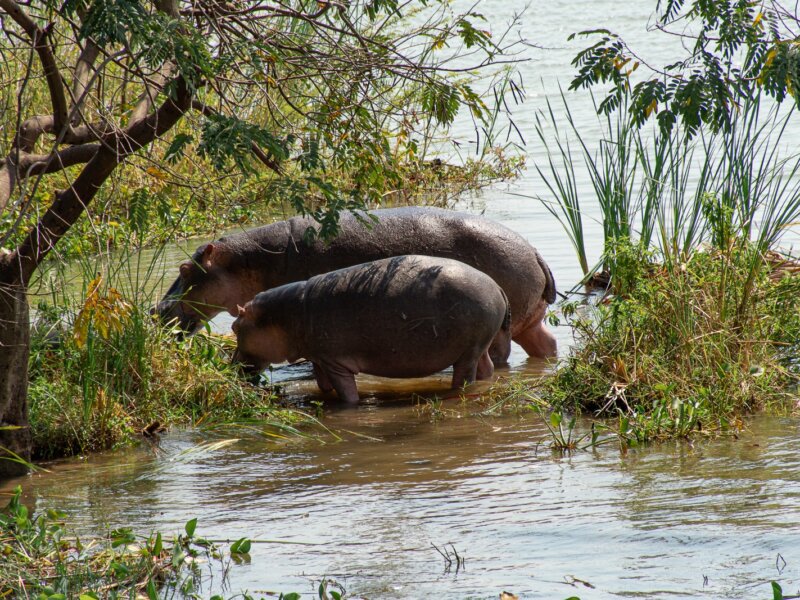
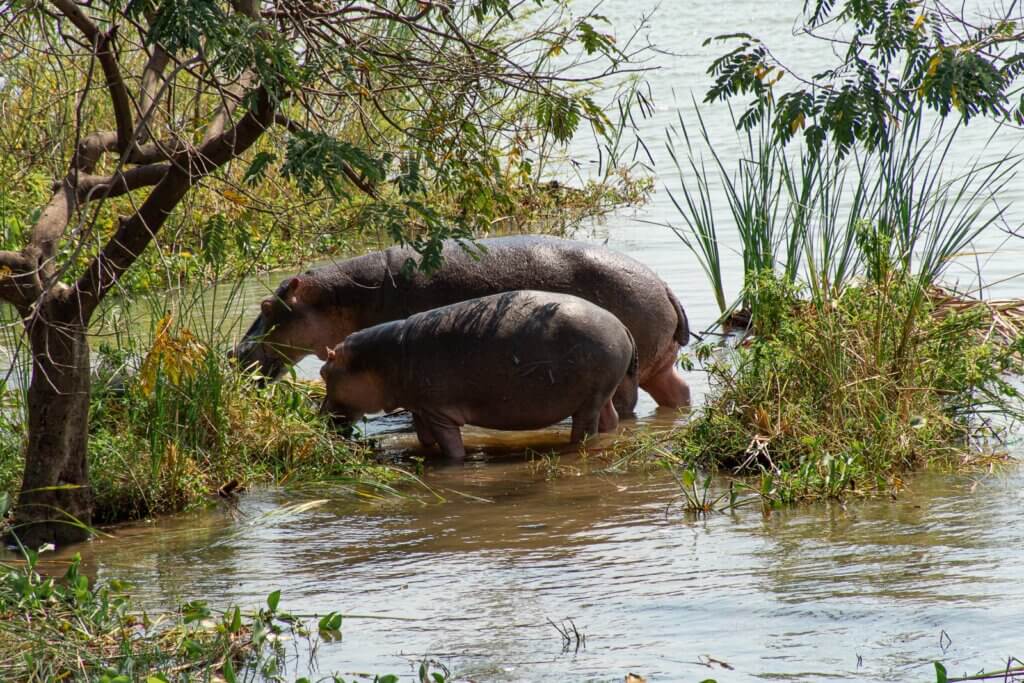
Rusizi National Park, located near Bujumbura, offers a different wildlife experience. The reserve is known for its wetlands, hippos, and birdlife. Unlike Kibira’s mountain rainforest, Rusizi features a river delta landscape with open channels and vegetation along the water.
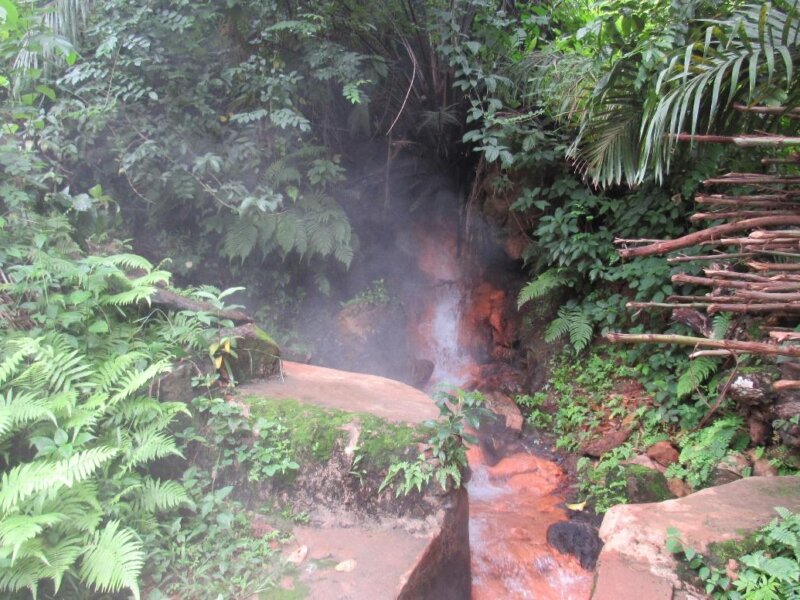
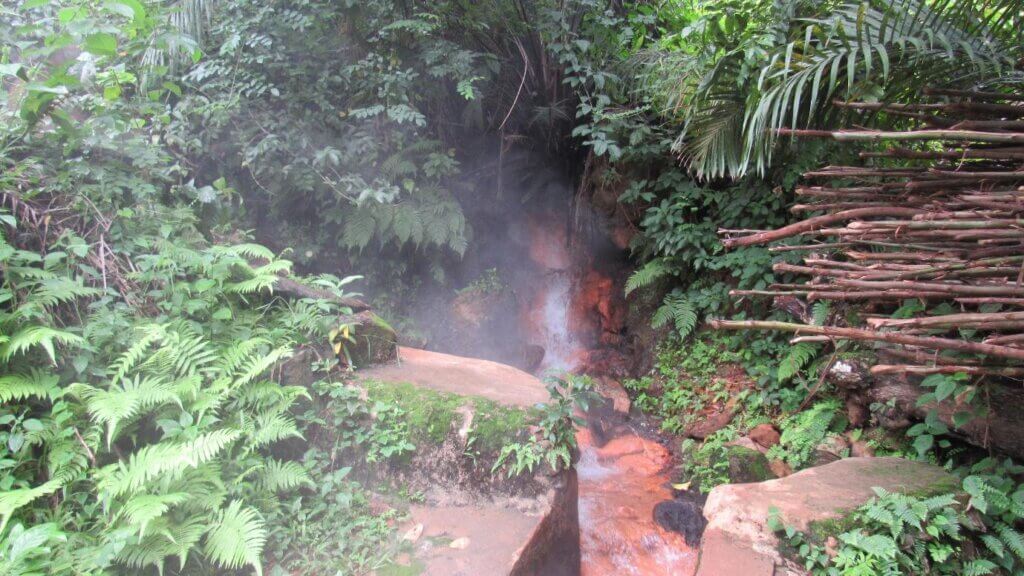
Kigwena Forest Reserve provides another forest experience in southwestern Burundi. The reserve includes forest habitats and is associated with Mugara Hot Springs. It can be an interesting addition for travelers who want to explore more of Burundi’s natural environment.
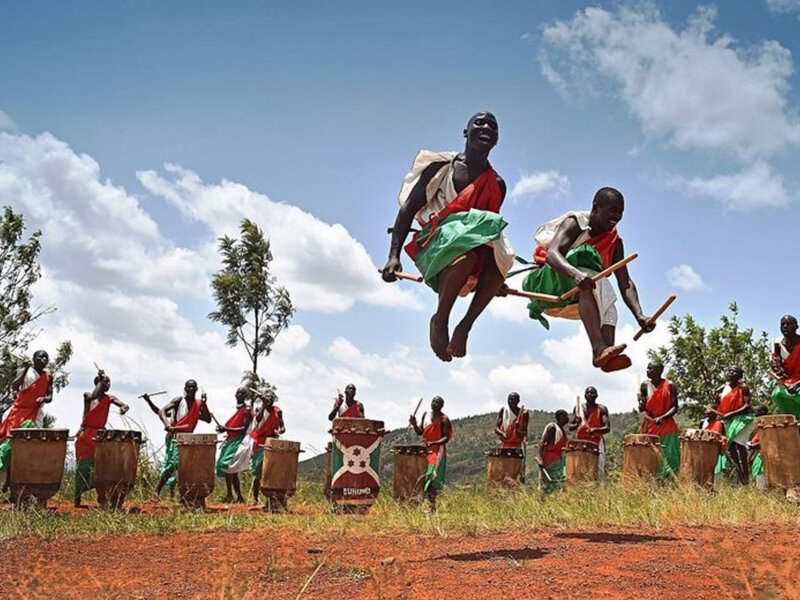
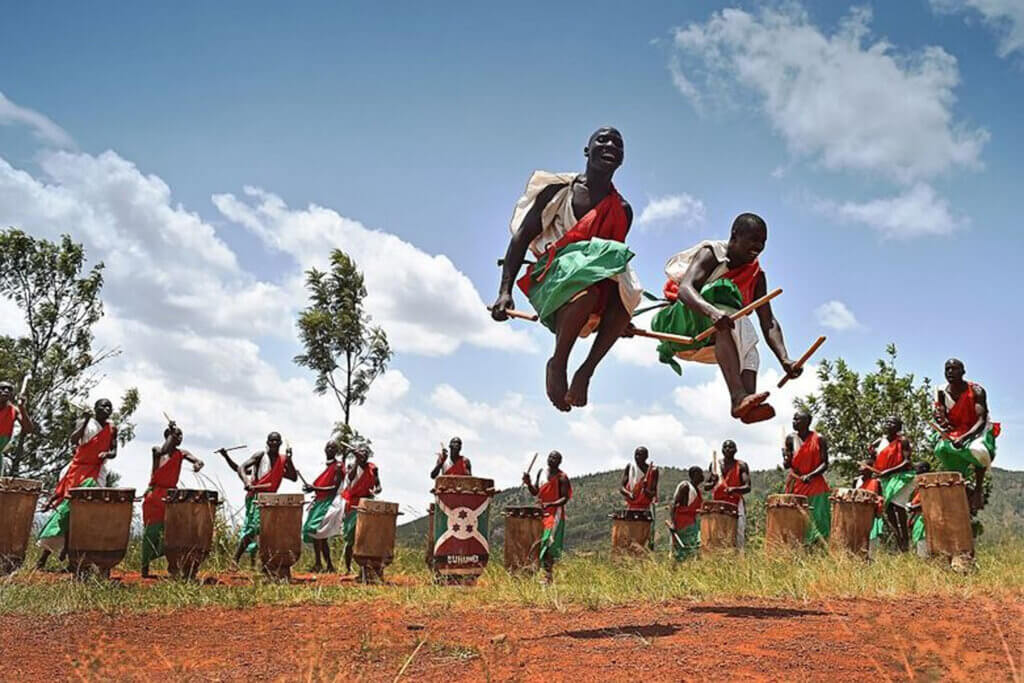
Cultural experiences can also add value to a Burundi itinerary. Visitors may explore local markets, traditional music, historic sites, and the country’s rich cultural heritage. These experiences help travelers understand Burundi beyond its wildlife attractions.
A multi day itinerary can combine the highlands, lakeside areas, and cultural destinations. However, travelers should allow enough time for road transfers and avoid placing too many activities into one day.
The best itinerary balances wildlife exploration with time to enjoy the country’s landscapes and local experiences.
Chimpanzee Trekking in Burundi Compared with Uganda and Rwanda
Burundi, Uganda, and Rwanda all form part of the wider East African primate tourism region. However, each destination offers a different experience, and travelers should understand these differences before planning a safari.
Uganda has a well established chimpanzee tourism industry. Kibale National Park is especially known for guided chimpanzee tracking, while other forests offer additional primate experiences. The country also allows travelers to combine chimpanzee activities with gorilla trekking, savannah wildlife, and lakeside destinations.
Rwanda offers chimpanzee experiences in Nyungwe National Park. The park protects an extensive mountain forest and provides established tourism activities, including chimpanzee tracking and guided nature experiences.
Burundi, by comparison, offers a less developed tourism environment. Kibira National Park protects important chimpanzee habitat, but visitors need to confirm the current availability of dedicated tracking activities. The country may appeal to travelers who want to explore an emerging destination and experience its forests beyond the main safari routes.
| Destination | Main chimpanzee area | Tourism experience |
|---|---|---|
| Burundi | Kibira National Park | Forest tourism with activity and access confirmation required |
| Uganda | Kibale National Park | Established chimpanzee tracking and broader safari options |
| Rwanda | Nyungwe National Park | Established forest tourism and primate experiences |
The best destination depends on the traveler’s priorities. Visitors who want a more established chimpanzee trekking program may prefer Uganda or Rwanda. Those interested in Burundi’s natural heritage may consider Kibira as part of a broader journey.
Can You Combine Burundi and Uganda for a Chimpanzee Safari?
Combining Burundi and Uganda can create a rewarding East African journey for travelers interested in primates, forests, and cultural experiences. Both countries offer different landscapes and tourism opportunities, so a combined itinerary can provide a broader view of the region.
Uganda has established chimpanzee tracking activities in Kibale National Park, as well as other primate experiences in protected forests. Travelers can also explore Bwindi Impenetrable National Park for gorilla trekking, Queen Elizabeth National Park for savannah wildlife, and Lake Bunyonyi for scenic relaxation.
Burundi adds a different perspective. Its mountain forests, Lake Tanganyika, cultural heritage, and less developed tourism environment create opportunities for travelers who want to explore beyond the most popular safari destinations.
A combined itinerary may begin in Burundi, with time in Bujumbura and the surrounding natural attractions. Travelers can then continue to Uganda, depending on the available transport and border arrangements. Alternatively, visitors may begin in Uganda and add Burundi as an extension.
However, international travel between the two countries requires careful planning. Travelers should confirm visa requirements, border procedures, transport availability, and current travel advisories before departure.
A well planned regional itinerary should also avoid unnecessary long drives. Allowing enough time for each destination improves the experience and reduces the pressure of moving between countries.
For travelers whose main goal is a reliable chimpanzee encounter, Uganda’s established tracking programs may provide a useful foundation. Burundi can then add forest exploration and cultural discovery to the wider safari.
A Suggested Three Day Burundi Forest and Wildlife Itinerary
A three day itinerary can provide a useful introduction to Burundi’s forests and wildlife. The exact program should depend on current access arrangements and the activities confirmed by local authorities.
This suggested itinerary focuses on Kibira National Park, the surrounding highlands, and a wildlife experience near Bujumbura. It does not assume that dedicated chimpanzee trekking is available on a particular date.
Day One: Arrival in Bujumbura and Lake Tanganyika
Arrive in Bujumbura and transfer to your accommodation. Depending on your arrival time, explore the city and enjoy the surrounding landscape. Lake Tanganyika provides a scenic setting for a relaxed afternoon.
Visitors can learn about the lake’s importance to local communities and its rich aquatic biodiversity. A lakeside visit also provides an opportunity to enjoy Burundi’s natural beauty before traveling into the highlands.
Spend the night in Bujumbura.
Day Two: Kibira National Park and the Highland Forests
Depart early for Kibira National Park after confirming the day’s forest activity with an authorized guide or park authority.
The journey passes through highland scenery and tea growing areas. Once you reach the confirmed access point, take part in the arranged guided activity. This may involve a forest walk, birdwatching, or a dedicated chimpanzee tracking excursion if available.
Allow sufficient time for the forest experience. Return to your accommodation according to the road conditions and the confirmed itinerary.
Day Three: Rusizi National Park and Departure
Explore Rusizi National Park near Bujumbura. The reserve offers a different environment from Kibira, with wetlands, river channels, hippos, and birdlife.
A guided nature activity can provide a useful contrast to the mountain rainforest. Afterward, return to Bujumbura for departure or continue with another part of your Burundi journey.
This itinerary offers a balance of forest exploration, wildlife, and lakeside scenery. Travelers with more time can extend their visit to include additional cultural and natural attractions.
Is Chimpanzee Trekking in Burundi Suitable for Families?
Burundi’s forest experiences may interest families who enjoy nature, wildlife, and outdoor learning. However, the suitability of a chimpanzee trekking activity depends on the age of the travelers, the walking conditions, and the rules set by the park authority.
Families should confirm the minimum age requirements before making arrangements. They should also ask about the expected duration, terrain, and physical demands of the excursion. A general forest walk may suit some families better than a dedicated tracking activity.
Children can benefit from learning about chimpanzees, forest ecology, and conservation. Guides may explain how primates communicate, what they eat, and why protected forests matter. These lessons can make a nature trip both enjoyable and educational.
However, families should not assume that every activity is suitable for young children. Dense vegetation, uneven trails, and changing weather may create challenges. Parents should choose activities that match their children’s abilities and comfort.
Accommodation and transport also matter. A family may prefer a private vehicle and a comfortable hotel to reduce the stress of travel. A flexible itinerary allows time for rest and helps avoid rushing between destinations.
For families planning a wider East African safari, Burundi may work best as a nature and cultural extension rather than the sole destination for a guaranteed chimpanzee encounter. Uganda and Rwanda offer more established primate tourism programs that families can also consider.
Photography Tips for Chimpanzee Trekking in Burundi
Wildlife photography in a tropical forest requires patience and preparation. Unlike open savannah landscapes, forests often have limited light, dense vegetation, and animals that move between trees. These conditions can make photography challenging, but they also create opportunities for memorable images.
A camera with a suitable zoom lens can help capture wildlife without getting too close. Visitors should also learn how to adjust their camera settings for low light before entering the forest. A fast shutter speed can help when photographing moving animals, although the best settings depend on the camera and lighting.
Chimpanzees may appear in different positions, including on the forest floor or high in the canopy. Therefore, photographers should remain flexible and avoid focusing only on one type of image.
A few practical photography principles can improve the experience:
- Listen to your guide before taking photographs.
- Keep a respectful distance from wildlife.
- Avoid using flash when it may disturb animals.
- Do not move closer just to improve a photograph.
- Keep camera equipment protected from rain.
- Be patient when animals remain partly hidden.
- Respect other visitors who are observing wildlife.
Photography should never become more important than the welfare of the animals. A responsible visitor accepts that some encounters may offer only a brief view.
Even without a close photograph, the experience of hearing chimpanzees in the forest can remain a meaningful part of the journey.
Health, Safety, and Travel Considerations
Travelers planning chimpanzee trekking in Burundi should prepare for both the natural environment and the country’s current travel conditions. A forest excursion requires more than comfortable clothing and a camera. Visitors should confirm the latest access information, follow local guidance, and understand the health precautions associated with primate tourism.
Chimpanzees are wild animals, and close contact can create risks for both humans and wildlife. Responsible trekking programs use rules that help reduce these risks. Visitors should follow the instructions of guides and park authorities throughout the activity.
Before traveling, consider the following:
Travel documentation: Check passport validity, visa requirements, and any entry conditions that apply to your nationality.
Travel insurance: Choose a policy that covers your planned activities and provides suitable medical assistance.
Health preparation: Consult a qualified travel health professional before your trip. Ask about vaccinations, insect protection, and other precautions relevant to Burundi.
Wildlife precautions: Follow all guidance about distance, behavior, and contact with chimpanzees.
Weather preparation: Check the forecast and bring suitable clothing for the highland environment.
Travel advisories: Review current government travel advice for Burundi and the specific areas you plan to visit.
Kibira lies in northwestern Burundi, near the border with Rwanda and the wider Great Lakes region. Conditions can change, so travelers should confirm the current security situation and approved access routes before arranging a visit.
A responsible travel plan should prioritize safety, conservation, and realistic expectations. These considerations help ensure that a wildlife experience remains enjoyable and respectful.
How to Plan Chimpanzee Trekking in Burundi with a Local Tour Operator
Working with a knowledgeable local tour operator can make planning a Burundi forest experience easier. This is particularly important because tourism services in the country remain less developed than in some neighboring destinations.
A reliable operator should help confirm the activity, coordinate transport, arrange guides, and provide clear information about what visitors can expect. The operator should also explain whether the planned excursion involves dedicated chimpanzee tracking or a general guided forest walk.
Before making a booking, ask for a clear itinerary. It should identify the planned forest access point, the expected duration of the activity, and the accommodation arrangements. If chimpanzee tracking is the main reason for your visit, request confirmation that the activity is available for your travel dates.
Travelers should also understand the costs involved. A safari quotation may include transport, accommodation, meals, guide services, park fees, and other arrangements. However, the exact inclusions vary between operators.
Ask for a written breakdown before paying a deposit. Confirm the cancellation policy, payment schedule, and what happens if weather or access conditions affect the excursion.
A good operator should avoid promising guaranteed chimpanzee sightings. Instead, the company should explain the natural challenges of tracking wild animals and help travelers make informed decisions.
For a wider East African journey, a local operator with regional experience may also help coordinate travel between Burundi and neighboring countries.
Frequently Asked Questions About Chimpanzee Trekking in Burundi
Are there chimpanzees in Burundi?
Yes. Wild chimpanzees live in Burundi, and Kibira National Park is the country’s best known chimpanzee habitat. The park protects an important area of montane rainforest within the Albertine Rift region.
However, travelers should confirm the availability of dedicated chimpanzee tracking activities before booking. The presence of chimpanzees does not automatically mean that a visitor program operates on every date.
Where can you see chimpanzees in Burundi?
Kibira National Park is the main destination associated with chimpanzees in Burundi. Its forest habitat supports chimpanzees and other primates.
Visitors should arrange their forest experience through authorized local guidance and confirm the current access arrangements before traveling.
Is chimpanzee trekking available in Burundi?
Burundi’s forests support chimpanzees, and guided forest activities take place in Kibira National Park. However, the availability of dedicated chimpanzee tracking should be confirmed directly with the relevant park authority or a reliable local operator.
This distinction helps travelers avoid confusing a general forest walk with a dedicated chimpanzee tracking program.
What is the best time for chimpanzee trekking in Burundi?
The relatively dry periods, especially June to September and December to January, often provide more favorable conditions for forest walking.
Nevertheless, rainfall can occur throughout the year, and chimpanzee sightings depend on natural animal movements. Travelers should check current weather conditions before departure.
How long does chimpanzee trekking take in Burundi?
The duration depends on the activity arranged. A general forest walk may take a few hours, while a dedicated chimpanzee tracking excursion may require more time.
Visitors should confirm the expected duration with their guide or tour operator before setting out.
Is chimpanzee trekking in Burundi difficult?
Forest activities can involve uneven ground, steep sections, thick vegetation, and changing weather. The difficulty depends on the route and the activity.
Travelers should ask about the expected walking conditions and choose an experience that matches their abilities.
Can I combine chimpanzee trekking in Burundi with gorilla trekking?
Yes, travelers can plan a regional itinerary that combines Burundi with gorilla trekking in Uganda or Rwanda.
Uganda’s Bwindi Impenetrable National Park and Rwanda’s Volcanoes National Park are established gorilla trekking destinations. A combined itinerary requires careful planning around transport, permits, border procedures, and accommodation.
Is Kibira National Park worth visiting?
Kibira is worth considering for travelers interested in montane rainforest, primates, birdwatching, and nature walks. It protects an important forest ecosystem and provides a different experience from the savannah parks found elsewhere in East Africa.
Visitors should plan carefully and confirm current access arrangements.
How many days should I spend in Burundi for a chimpanzee experience?
A short visit may allow time for a guided forest excursion, but a two or three day stay provides more flexibility for transport, birdwatching, and other attractions.
Travelers who want to explore Burundi more deeply can allow additional time for Lake Tanganyika, Rusizi National Park, cultural attractions, and other natural destinations.
Is chimpanzee trekking in Burundi suitable for first time safari travelers?
It may suit travelers who enjoy nature and are comfortable with a less developed tourism environment. However, first time safari travelers should understand that the experience may differ from established chimpanzee tracking programs in Uganda and Rwanda.
Clear planning, reliable local guidance, and realistic expectations are important.
Conclusion: Discover the Natural Beauty of Chimpanzee Trekking in Burundi
Chimpanzee trekking in Burundi offers an interesting opportunity to explore one of East Africa’s less familiar wildlife destinations. The country’s forests, mountain landscapes, and rich biodiversity provide a meaningful experience for travelers who want to discover more than the traditional safari circuit. Kibira National Park stands at the center of this experience, protecting important chimpanzee habitat and a remarkable montane rainforest ecosystem.
However, travelers should approach chimpanzee trekking in Burundi with careful planning. Although wild chimpanzees live in Kibira, visitors need to confirm whether dedicated tracking activities operate during their travel dates. They should also arrange authorized guides, understand the walking conditions, and review current access and travel advice.
Burundi’s appeal extends beyond chimpanzees. Its forests, tea growing highlands, Lake Tanganyika, wetlands, cultural heritage, and welcoming communities create opportunities for a varied African journey. When combined with responsible tourism practices, these experiences can support local livelihoods and help raise awareness about the importance of conservation.
For travelers seeking a broader East African adventure, Burundi can also complement established safari destinations in Uganda and Rwanda. This regional approach allows visitors to explore different landscapes while gaining a deeper understanding of Africa’s natural heritage.
Ultimately, chimpanzee trekking in Burundi is about more than finding a wild primate. It is about appreciating the forest, respecting wildlife, and discovering a destination with an important place in Africa’s biodiversity. With realistic expectations and responsible planning, travelers can enjoy a rewarding introduction to Burundi’s remarkable natural world.