Hiking and Nature Walks in Burundi
November 6, 2026
Royal Drumming Experiences in Burundi
November 6, 2026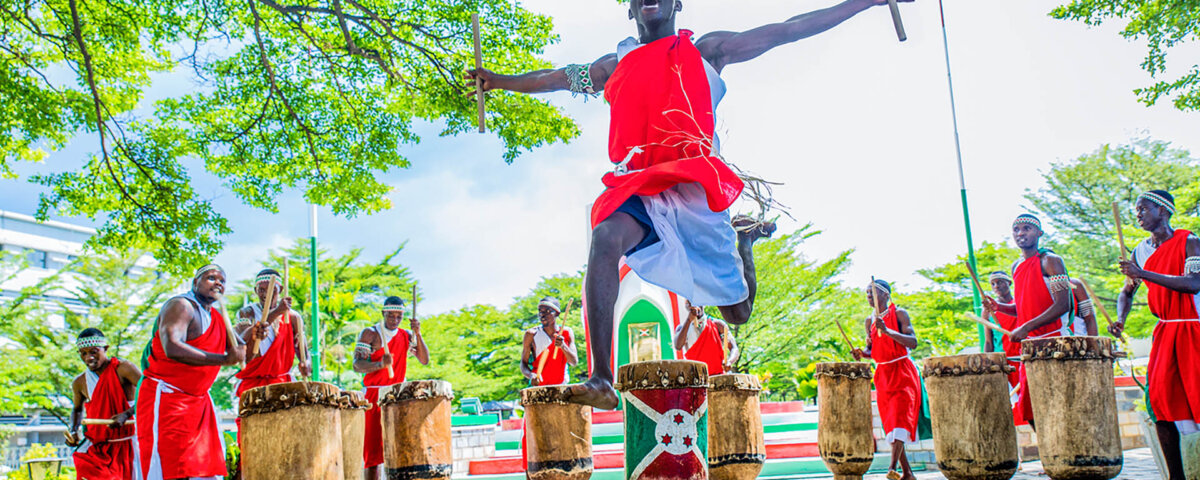
Burundi Cultural Village Tours
Burundi Cultural Village Tours offer visitors an opportunity to discover the country’s rich traditions, experience authentic community life, learn about traditional customs and connect with the people who preserve Burundi’s cultural heritage. Located in the heart of East Africa, Burundi has a fascinating cultural identity shaped by traditional music, dance, storytelling, craftsmanship, farming, family values and community celebrations. Although many travellers visit Africa for wildlife safaris, mountain adventures and beautiful lakes, Burundi offers something equally meaningful through its living cultural traditions.
For international travellers seeking authentic African experiences, Burundi provides an opportunity to explore a destination where culture remains closely connected to everyday life. Visitors can meet local communities, learn about traditional homes, discover the importance of cattle in Burundian society and enjoy performances that reflect generations of cultural expression. Furthermore, cultural village experiences allow travellers to understand how families, elders, artists and community groups maintain their traditions while adapting to modern life.
Burundi’s cultural heritage also offers an important perspective on the wider history of the African Great Lakes region. The country shares historical and cultural connections with neighbouring Rwanda, Tanzania and the Democratic Republic of Congo. However, Burundi maintains its own distinct traditions, languages, music, ceremonies and social practices.
Through carefully planned Burundi Cultural Village Tours, travellers can explore these traditions respectfully while supporting local communities. Whether you are visiting Burundi for the first time, travelling across East Africa or seeking a deeper cultural connection, village experiences can make your journey more rewarding. This guide explores what to expect, where to go, cultural activities to enjoy and how to plan a meaningful cultural journey in Burundi.
Understanding Burundi’s Cultural Heritage
Burundi has a rich cultural heritage that reflects centuries of community life, traditional leadership, agricultural practices, music and social values. Its cultural identity developed through generations of interaction between families, communities and traditional institutions. Today, these traditions remain important in shaping how people celebrate, communicate, welcome visitors and maintain relationships.
Kirundi is the national language and plays an important role in everyday communication. Most Burundians use it in their homes, communities and social activities. French and English also have a place in education, business and communication, although visitors should not assume that every village resident speaks them. Learning a few simple Kirundi greetings can therefore help travellers create warmer connections with local people.
Moreover, Burundi has a strong tradition of oral storytelling. Elders, parents and community members have historically shared knowledge through stories, songs, proverbs and practical lessons. These traditions help younger generations understand family responsibilities, community values, respect and the country’s history.
Traditional craftsmanship also forms an important part of Burundian heritage. Local artisans create baskets, pottery, woven products, decorative objects and other handmade items. These crafts often reflect practical household needs as well as artistic expression.
Additionally, music and dance remain important parts of cultural celebrations. Traditional performances bring people together during community gatherings, special occasions and cultural events.
For international visitors, understanding this cultural background makes village tours more meaningful. Instead of viewing traditions as entertainment alone, travellers gain an appreciation of the knowledge, values and history behind each experience.
What to Expect During Burundi Cultural Village Tours
Burundi Cultural Village Tours introduce visitors to everyday traditions and community activities that help define the country’s cultural identity. Unlike conventional sightseeing experiences, these tours focus on personal interaction, cultural learning and authentic encounters with local people.
Depending on the destination and community programme, visitors may explore traditional homesteads, observe local craftsmanship, participate in cultural demonstrations and learn about traditional food preparation. Some experiences also include music, dance and storytelling sessions led by local performers.
A typical cultural village visit begins with a welcome from a local guide or community representative. The guide introduces the area, explains important cultural practices and helps visitors understand the community’s way of life. This introduction provides useful context before travellers explore different activities.
Visitors may then discover traditional household structures, farming practices and local crafts. In some communities, residents demonstrate how they prepare traditional foods, weave baskets or create handmade products. These activities provide practical insights into the skills that families have passed down through generations.
Furthermore, travellers may have opportunities to interact with local families. Such conversations can introduce visitors to family traditions, education, agriculture, celebrations and the changes taking place in modern Burundian society.
However, every village offers a different experience. Some communities organise cultural performances, while others focus more on crafts, traditional cooking or historical interpretation. Therefore, travellers should confirm the available activities before making their arrangements.
The most rewarding experiences allow visitors to learn at a comfortable pace, ask respectful questions and appreciate the community’s knowledge without treating local traditions as staged attractions.
Exploring the Traditional Drumming Culture of Burundi
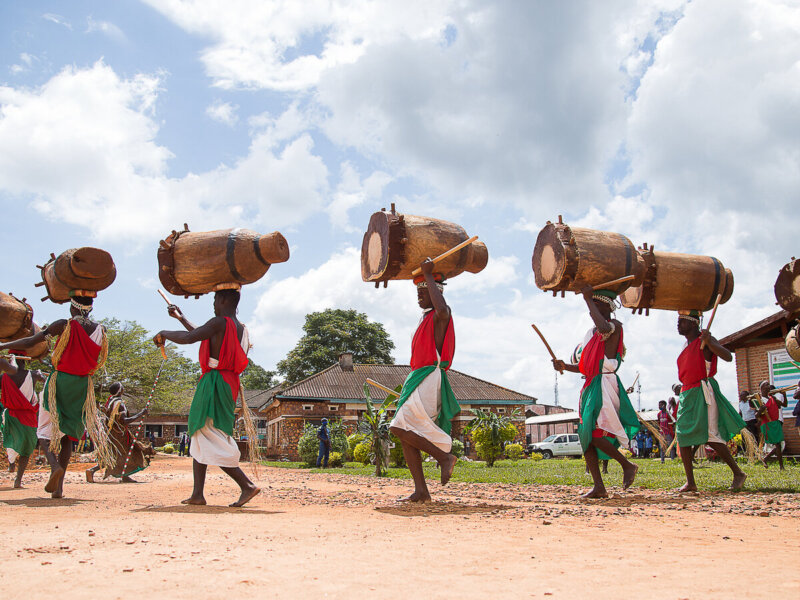
Traditional drumming stands among Burundi’s most recognised cultural expressions. The country’s famous royal drummers, commonly known as the Burundi Drummers, represent an important part of its national heritage. Their energetic performances combine rhythm, movement, coordination and cultural symbolism.
The traditional drums, known as ingoma, hold a special place in Burundian history. Historically, drums carried important meanings connected to royal ceremonies, community gatherings and major cultural occasions. They represented authority, unity and the identity of the kingdom.
Today, traditional drumming remains an important cultural attraction for visitors. Performers often arrange the drums in a group and create powerful rhythms through coordinated movements. Their performances may include dancing, jumping and carefully timed drumming patterns.
One important place to experience this tradition is Gishora Drum Sanctuary, located near Gitega. The sanctuary provides visitors with an opportunity to learn about Burundi’s royal drumming heritage and understand the cultural importance of the performers and their instruments.
During a guided visit, travellers can learn about the history of the drums, their traditional role and the skills required to perform. Depending on the programme, visitors may also enjoy a live performance.
Moreover, drumming experiences offer a valuable opportunity to support local cultural groups. Visitors can arrange performances through recognised community organisations and local guides.
For travellers exploring Burundi, traditional drumming adds a memorable cultural dimension to the journey. It also provides a deeper understanding of how music preserves historical identity and strengthens community connections.
Visiting Gishora Drum Sanctuary in Gitega
Gishora Drum Sanctuary is one of the most important cultural destinations in Burundi. Located close to Gitega, the country’s political capital, this historic site provides an opportunity to discover the traditions associated with the royal drums.
The sanctuary has a strong connection to Burundi’s former monarchy and the history of traditional drumming. It helps preserve the knowledge, practices and cultural meanings associated with the country’s famous drummers.
For visitors interested in cultural tourism, Gishora offers more than a musical performance. The site provides an opportunity to understand how traditional institutions shaped Burundian society and why drums continue to hold an important place in national identity.
During a guided visit, travellers can learn about the different drums, their traditional uses and the responsibilities associated with preserving this heritage. A performance may also introduce visitors to the physical skill, rhythm and coordination required by traditional drummers.
Furthermore, Gishora offers an opportunity to explore the cultural history of Gitega and its surrounding communities. Travellers can combine the visit with other attractions in the area, including local markets, historical locations and traditional craft experiences.
A visit to Gishora also provides an opportunity to support cultural preservation. Booking through appropriate local operators and respecting the sanctuary’s guidelines help maintain the value of this heritage site.
Travellers should arrange their visits in advance, particularly when they want a dedicated performance or guided cultural programme. This approach allows the community to prepare and provide a more organised experience.
Discovering Traditional Burundian Homes and Village Architecture
Traditional homes provide valuable insights into the history, environment and lifestyle of Burundian communities. For generations, families have constructed homes using locally available materials and building methods suited to their surroundings.
Traditional rural homesteads often reflect the close relationship between households, agriculture and the natural environment. Depending on the region and period, construction materials may include timber, earth, grass thatch and other locally available resources.
A traditional home can reveal how families organise domestic spaces, protect household belongings and manage everyday activities. The arrangement of buildings and outdoor areas may also reflect agricultural responsibilities and relationships between family members.
During a cultural village tour, visitors may have opportunities to observe traditional architectural features and learn about their practical purposes. Local guides can explain how older building methods differ from modern construction and how changing lifestyles influence rural housing.
Furthermore, travellers can discover how families combine traditional knowledge with modern facilities. Many communities now use contemporary building materials while maintaining certain cultural practices and household arrangements.
It is important to understand that Burundi does not have one single traditional house design. Construction methods vary according to location, available materials, household resources and changing social needs.
Therefore, visitors should approach village architecture as a living part of Burundian culture rather than assuming that every community maintains the same historical structures.
Exploring traditional homes also creates an opportunity to learn about family life, privacy, hospitality and the importance of the household in Burundian society.
Experiencing Traditional Burundian Music and Dance
Music and dance play an important role in Burundian cultural expression. They bring communities together, celebrate special occasions and help preserve stories and traditions that connect different generations.
Traditional performances often combine singing, drumming, dancing and coordinated movements. Each element contributes to the wider cultural experience. For visitors, these performances provide an opportunity to appreciate the artistic skills and social importance of traditional entertainment.
One recognised cultural dance tradition is Intore dancing. It is associated with Burundi’s historical royal culture and features energetic movements, organised formations and expressive performances. Traditional costumes and rhythmic accompaniment may form part of cultural presentations.
However, Burundian music extends beyond ceremonial performances. Communities also enjoy songs associated with social gatherings, family celebrations, agricultural activities and other occasions.
During a village tour, travellers may attend a cultural performance organised by local artists. Depending on the programme, performers may explain the meaning of particular movements, instruments and songs.
Visitors can also learn how music helps communities preserve their identity. Songs often carry messages about relationships, responsibilities, celebrations and important moments in community life.
Moreover, cultural performances provide opportunities for local artists to earn income from tourism. Choosing organised experiences that compensate performers fairly helps encourage the continued practice of traditional music and dance.
For travellers, the best approach involves enjoying performances while respecting the cultural meaning behind them. Ask questions, follow the guide’s instructions and seek permission before taking photographs or recording videos.
Exploring Burundi’s Traditional Crafts and Handicrafts
Traditional craftsmanship provides another meaningful way to explore Burundi’s cultural heritage. Across the country, artisans use practical skills and creative knowledge to produce handmade items for households, markets and visitors.
Basket weaving represents one of the most recognisable traditional crafts. Burundian artisans create different types of baskets using locally available natural fibres. These products may serve household purposes, storage needs, decoration and cultural celebrations.
The weaving process requires patience, coordination and knowledge of suitable materials. Artisans select fibres, prepare them and combine them into different patterns. Some baskets feature colourful designs that reflect local artistic preferences.
Pottery also forms part of traditional craftsmanship in Burundi. Depending on the community, artisans may produce clay containers and other household objects using techniques passed down through generations.
Furthermore, visitors may discover wood carving, decorative crafts, textile work and other handmade products. The availability of these activities varies by location, so travellers should confirm which artisans welcome visitors.
A cultural village tour can provide an opportunity to watch artisans demonstrate their skills. Some communities may allow visitors to participate in simple activities under guidance.
Purchasing handmade crafts also creates a direct economic benefit for local producers. However, travellers should ask about the materials and production methods, especially when buying products made from natural resources.
Rather than viewing crafts as ordinary souvenirs, visitors can appreciate the time, experience and cultural knowledge behind each handmade product. These purchases can also provide lasting reminders of a journey through Burundi.
Learning About Traditional Burundian Food and Cooking
Food provides one of the most enjoyable ways to understand Burundian culture. Traditional meals reflect the country’s agricultural heritage, local ingredients, family traditions and everyday cooking practices.
Many Burundian households rely on crops such as beans, cassava, maize, sweet potatoes, bananas and vegetables. These ingredients form an important part of local diets and reflect the country’s agricultural environment.
Beans hold a particularly important place in Burundian cooking. Families prepare them in different ways and often serve them alongside plantains, sweet potatoes, cassava or other staple foods.
Bananas also feature prominently in the country’s food culture. Depending on the variety, people use bananas for cooking, eating fresh or preparing traditional beverages.
Visitors may also encounter dishes prepared with groundnuts, vegetables and locally available ingredients. Preparation methods vary between households and regions.
During a cultural village visit, travellers may have opportunities to observe food preparation and learn how families select, process and cook traditional ingredients. Some community programmes may include cooking demonstrations or shared meals.
These experiences help visitors understand the connection between agriculture and food security. They also reveal how families preserve cooking knowledge and pass recipes to younger generations.
Additionally, sharing a meal can create a welcoming environment for cultural exchange. Travellers should inform their hosts about allergies or dietary requirements before participating.
A traditional Burundian meal is therefore more than a dining experience. It provides an opportunity to appreciate the country’s agricultural traditions, hospitality and family relationships.
Discovering Traditional Agriculture and Rural Community Life
Agriculture remains central to everyday life in many Burundian communities. The country’s fertile highlands, hills and varied landscapes support farming activities that provide food and income for households.
Small-scale farming plays an important role in rural communities. Families cultivate crops such as beans, maize, cassava, sweet potatoes, bananas and vegetables. Coffee and tea also contribute to the country’s agricultural economy.
During a cultural village tour, visitors can learn about the relationship between farming, household responsibilities and community development. Local guides may explain planting seasons, harvesting practices and the importance of different crops.
Furthermore, travellers can discover how farming knowledge passes between generations. Parents and other experienced family members often teach younger people about land preparation, crop care, harvesting and food storage.
In some communities, visitors may observe traditional farming demonstrations or learn about local agricultural tools. However, participation depends on the host family’s willingness and the activities available during the visit.
Rural life also extends beyond farming. Families participate in local markets, community meetings, social celebrations and other activities that strengthen relationships between neighbours.
These experiences help international travellers understand the realities of rural living. They reveal both the opportunities and challenges that agricultural households face.
Responsible tourism can support these communities through local guiding, accommodation, craft purchases and organised cultural activities.
Visitors should remember that rural communities are living environments, not tourist exhibitions. Respecting people’s privacy and daily responsibilities creates a more positive experience for both hosts and travellers.
Exploring Traditional Markets and Local Trading Activities
Local markets offer an interesting introduction to Burundi’s everyday economic and social life. They provide spaces where farmers, traders, artisans and shoppers meet to exchange products and maintain community relationships.
A traditional market visit can reveal the diversity of goods produced and consumed across the country. Visitors may find fresh vegetables, fruits, beans, bananas, cassava products, household items and handmade crafts.
Markets also offer an opportunity to observe how agricultural products move from rural households to consumers. Farmers and small traders play an important role in supplying food to surrounding communities.
Furthermore, local markets provide a valuable cultural experience because they bring together people from different backgrounds. Conversations, bargaining and social interactions form part of the everyday market environment.
During a guided visit, travellers can learn about commonly used ingredients, local trading practices and the importance of small businesses. A knowledgeable guide can also help explain unfamiliar products and introduce visitors to selected traders.
Markets around Bujumbura, Gitega and other Burundian towns offer different experiences. Their atmosphere, products and trading activities depend on location and market days.
Visitors should carry suitable local currency for small purchases and remain aware of their belongings in crowded places. They should also ask permission before photographing traders or their products.
Buying locally produced goods helps support small businesses. Therefore, a market visit can contribute to the local economy while providing travellers with an authentic view of Burundian daily life.
Visiting Gitega: The Cultural Heart of Burundi
Gitega holds an important position in Burundi’s cultural and historical identity. Located in the country’s central highlands, it serves as Burundi’s political capital and offers access to several important cultural attractions.
The town provides an excellent starting point for travellers interested in exploring traditional Burundian heritage. Its surrounding communities maintain agricultural practices, local crafts and cultural traditions that reflect the country’s history.
One of Gitega’s most important attractions is the National Museum of Gitega. The museum offers visitors an opportunity to learn about Burundi’s cultural heritage through historical objects, traditional materials and cultural displays. It provides useful context for understanding the country’s social history and artistic traditions.
Another important destination is Gishora Drum Sanctuary, which introduces travellers to the country’s famous royal drumming heritage.
Visitors can also explore local markets and discover how people conduct their daily activities. These experiences provide a broader understanding of modern Burundian society.
Moreover, Gitega’s central location makes it suitable for combining cultural tourism with countryside exploration. Travellers can discover nearby hills, villages and agricultural landscapes.
A guided cultural excursion helps visitors understand the historical significance of different attractions. It also makes communication easier when exploring communities where English or French may not be widely spoken.
For travellers interested in Burundi Cultural Village Tours, Gitega deserves an important place in the itinerary. It offers a combination of cultural history, traditional music, local markets and community experiences.
Exploring Bujumbura’s Cultural Experiences and Local Communities
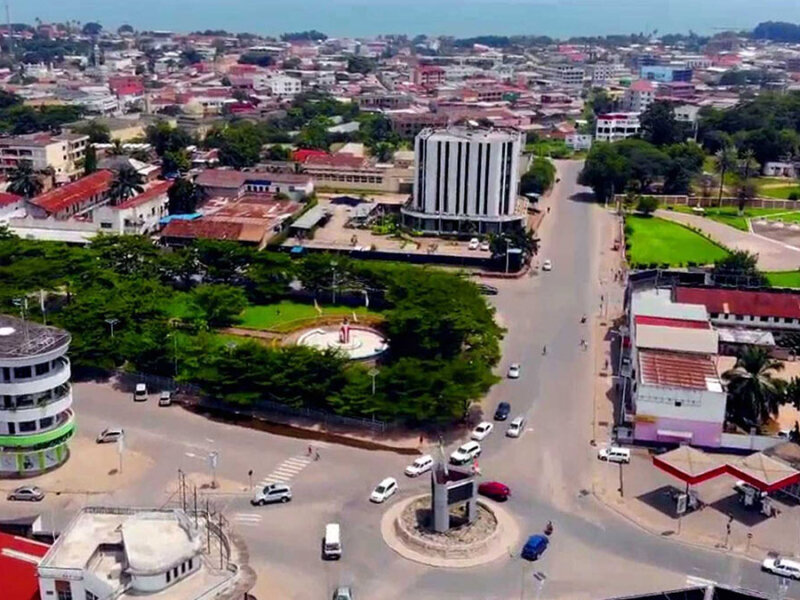
Bujumbura offers a different cultural experience from the rural communities of central and northern Burundi. As the country’s largest city and former capital, it combines traditional cultural practices with modern urban life.
The city provides an opportunity to explore local markets, restaurants, craft shops and neighbourhoods. These attractions help visitors understand how Burundian traditions continue to influence modern lifestyles.
Local markets offer opportunities to discover fresh produce, household products and handmade items. Visitors can also experience traditional foods and interact with local traders.
Furthermore, Bujumbura’s location along Lake Tanganyika creates opportunities to combine cultural exploration with lakeside activities. Travellers can discover the importance of fishing communities and the role of the lake in local livelihoods.
Traditional food experiences also form an important part of cultural exploration in the city. Restaurants and local food establishments may serve dishes featuring fish, beans, bananas, cassava and other Burundian ingredients.
Visitors interested in crafts can explore local businesses that sell handmade products. These businesses offer opportunities to support artisans while learning about different creative traditions.
Bujumbura also provides access to cultural and historical experiences that explain the country’s development. Travellers can work with knowledgeable guides to explore these attractions while learning about the city’s relationship with the wider Great Lakes region.
Although Bujumbura has a modern urban environment, it remains connected to the cultural traditions that define Burundi. Including the city in a cultural itinerary helps visitors understand both traditional and contemporary Burundian life.
Discovering the Batwa Communities and Their Cultural Heritage
The Batwa are among the indigenous communities of the African Great Lakes region. They have a distinct cultural history and maintain important connections to traditional forest environments and ancestral knowledge.
In Burundi, Batwa communities form part of the country’s wider social and cultural landscape. Their experiences, traditions and current livelihoods offer important perspectives on the diversity of Burundian society.
For travellers, learning about Batwa heritage requires particular sensitivity and respect. Cultural visits should prioritise community leadership, informed participation and fair economic benefits.
Depending on the community programme, visitors may learn about traditional knowledge, historical relationships with forests, craftsmanship and changing livelihood practices.
However, it is important not to treat Batwa communities as representatives of an unchanging past. Their members participate in modern Burundian society and experience contemporary opportunities and challenges.
Responsible cultural tourism should therefore present their heritage accurately while recognising their rights, dignity and individual identities.
Visitors should arrange experiences through responsible local organisations that consult the communities involved. They should also respect photography rules, personal boundaries and the wishes of local hosts.
Furthermore, travellers should avoid making assumptions about the lifestyle, history or needs of individual families. Listening to community members and following their guidance creates a more meaningful cultural exchange.
When properly organised, a visit can contribute to cultural awareness and community income. However, the quality of the experience depends on genuine participation rather than simply observing people.
Including Batwa heritage in Burundi Cultural Village Tours can broaden visitors’ understanding of the country’s cultural diversity while encouraging respectful and inclusive tourism.
Understanding Traditional Family Values and Community Relationships
Family relationships play an important role in Burundian society. Many cultural practices reflect respect for parents, elders, relatives and the wider community.
Traditionally, families provide important social support through shared responsibilities, celebrations and everyday cooperation. Extended family relationships can also influence household decisions, community participation and important life events.
During a cultural village visit, travellers may learn how families organise their daily activities and maintain relationships across generations. Local guides can explain the importance of greetings, hospitality and respectful communication.
Greetings deserve particular attention because they form an important part of social interaction. Taking time to greet people before beginning a conversation demonstrates courtesy and interest in local customs.
Visitors should also understand that social practices vary between families and communities. Urban households, rural families and different generations may maintain different approaches to everyday life.
Traditional celebrations and family gatherings can provide additional insights into these relationships. Weddings, community celebrations and other important occasions may include music, food, dancing and collective participation.
However, visitors should not expect access to private family events simply because they are travelling through a village. Any participation should take place with the agreement of the people involved.
Understanding family values allows travellers to appreciate the human side of cultural tourism. It also encourages meaningful communication between visitors and their hosts.
Through respectful interaction, Burundi Cultural Village Tours can help international visitors understand the importance of family, cooperation and community identity in Burundian life.
Learning About Traditional Ceremonies and Cultural Celebrations
Burundi has a variety of traditional ceremonies and celebrations that reflect family relationships, community identity and historical heritage.
Some cultural events involve music, dancing, food and collective gatherings. Others focus on important family milestones, religious occasions or community activities.
Traditional weddings provide one example of celebrations that may include family introductions, negotiations, symbolic gifts, music and shared meals. However, practices differ between families and have changed over time.
Community celebrations may also involve traditional performers and local artists. Such events provide opportunities to appreciate Burundian music, dance and craftsmanship in a social setting.
Visitors interested in these experiences should work with local guides who understand the cultural calendar and can identify suitable public events.
It is important to recognise that many ceremonies remain private or family-centred. Travellers should never assume that every cultural occasion welcomes outside observers.
When communities organise public cultural performances, visitors can learn about the meaning of the activities and the role they play in preserving heritage.
Moreover, attending an appropriate cultural event can support performers, organisers and local businesses. Travellers should confirm any participation fees before the activity begins.
Cultural celebrations help visitors understand how traditions remain part of modern life. They also demonstrate the importance of preserving social values while allowing communities to make their own choices about cultural change.
Exploring Burundi’s Traditional Storytelling and Oral History
Storytelling has long played an important role in preserving knowledge and cultural identity across Burundi. Through stories, songs, proverbs and shared experiences, communities have passed historical information and practical lessons from one generation to another.
Elders and experienced community members have traditionally played an important role in this process. Their knowledge helps younger generations understand family responsibilities, social relationships and important historical events.
During a cultural village tour, visitors may have opportunities to listen to traditional stories or learn about the role of oral history in Burundian communities.
These stories may explore themes such as courage, cooperation, leadership, respect and the relationship between people and their environment.
Proverbs also provide an interesting way to understand cultural values. They often communicate important lessons through short expressions that connect everyday experiences with wider social principles.
Furthermore, traditional storytelling helps preserve local languages and expressions. Kirundi remains central to this cultural process, although guides may explain selected stories in French or English.
Visitors should approach oral history with an open mind. Different communities and families may preserve different versions of historical events and cultural traditions.
Asking respectful questions can make the experience more informative. However, travellers should avoid pressuring local people to discuss sensitive historical or personal subjects.
Storytelling experiences add depth to Burundi Cultural Village Tours because they allow visitors to connect with the knowledge and experiences behind visible cultural attractions.
Burundi Cultural Village Tours and Coffee Experiences
Coffee is one of Burundi’s important agricultural products and provides another interesting opportunity for cultural tourism.
The country’s highland environment supports coffee cultivation, particularly in areas where suitable rainfall, temperatures and soils encourage coffee production.
Coffee farming contributes to household income and connects rural communities with national and international markets. Many smallholder farmers participate in the production process.
A coffee-focused cultural excursion can introduce visitors to different stages of production. Depending on the destination, travellers may learn about coffee growing, harvesting, processing, drying and preparation.
Some organised experiences may include visits to coffee farms or washing stations. Local guides and producers can explain how farmers manage their crops and the importance of coffee quality.
Furthermore, these experiences help travellers understand the work behind a cup of Burundian coffee. They also highlight the connection between agriculture, family livelihoods and international trade.
Coffee experiences can complement traditional village visits because they provide a practical way to learn about rural economic activities.
Travellers should arrange visits in advance, particularly when they want to meet farmers or observe processing activities.
Purchasing locally produced coffee can also support Burundian businesses and encourage the development of responsible agricultural tourism.
For visitors interested in combining cultural discovery with food and agriculture, coffee experiences add another valuable dimension to a Burundi itinerary.
Combining Cultural Village Tours with Lake Tanganyika Experiences
Lake Tanganyika provides an excellent opportunity to combine cultural tourism with natural attractions. Located along Burundi’s western border, the lake is one of Africa’s major freshwater lakes and an important part of the country’s geography and livelihoods.
Communities living near the lake have developed strong relationships with fishing, transport, trade and other water-related activities.
During a cultural excursion, visitors can learn about the importance of fishing to local households. Depending on the location and available activities, guides may explain traditional fishing practices, fish markets and the role of the lake in daily life.
Bujumbura offers convenient access to several lakeside locations, including Saga Beach. Visitors can enjoy the scenery, explore nearby communities and learn about the relationship between the city and Lake Tanganyika.
Additionally, travellers may discover local fish dishes prepared using fresh lake fish. These meals provide another opportunity to experience Burundian food culture.
Lake Tanganyika also offers opportunities for relaxation and sightseeing. Visitors can enjoy the lakeside environment after exploring cultural attractions in the city.
However, travellers should follow local safety advice before swimming or participating in water activities. They should also use recognised operators when arranging boating experiences.
Combining cultural village tours with Lake Tanganyika allows visitors to appreciate two important aspects of Burundi: its living traditions and its natural heritage.
Best Places to Experience Cultural Tourism in Burundi
Burundi offers several destinations where travellers can explore cultural heritage, traditional music, historical attractions and everyday community life. Each location provides a different perspective on the country’s identity.
Choosing the right destinations depends on the traveller’s interests, available time and preferred experiences.
Gitega
Gitega is an important destination for cultural tourism because of its historical attractions and proximity to Gishora Drum Sanctuary. Visitors can explore the National Museum of Gitega, learn about traditional drumming and discover local markets.
Gishora Drum Sanctuary
Gishora provides an opportunity to experience the heritage of Burundi’s royal drummers. It is particularly suitable for travellers interested in traditional music, dance and the history of the former kingdom.
Bujumbura
Bujumbura offers urban cultural experiences through local markets, traditional food establishments and communities around Lake Tanganyika. Visitors can explore the relationship between traditional practices and modern city life.
Rutana
Rutana offers access to important natural and cultural attractions in southeastern Burundi. Travellers can explore the region’s countryside and combine cultural experiences with visits to natural landmarks such as the Karera Waterfalls.
Ngozi
Ngozi provides opportunities to discover northern Burundi’s rural landscapes, agricultural activities and community life. Travellers can explore local markets and learn about farming traditions.
Kayanza
Kayanza is known for its coffee-growing activities. Visitors interested in agricultural tourism can arrange experiences that introduce them to coffee production and the work of local farming communities.
Burundi’s Rural Communities
Beyond the major towns, many rural communities offer opportunities to discover local crafts, traditional food, agriculture and everyday social practices. Visitors should arrange these experiences through knowledgeable local guides who have established relationships with the communities.
These destinations can form part of a wider cultural itinerary. However, travellers should confirm access, available activities and transport arrangements before departure.
Best Time to Enjoy Burundi Cultural Village Tours
Burundi can welcome cultural travellers throughout the year. However, weather conditions, road access and seasonal agricultural activities may influence the type of experiences available during a particular visit.
The country generally experiences two main dry periods and two rainy periods.
The longer dry season usually runs from June to September. This period often provides favourable conditions for road travel, village visits and outdoor cultural activities.
The shorter dry period generally occurs from December to February. Travellers can also consider this season when planning cultural excursions, although occasional rainfall may still occur.
The longer rainy season typically runs from February to May, while the shorter rainy season generally occurs around October and November. Rainfall patterns vary across the country, particularly between different elevations and regions.
During rainy periods, some rural roads may become difficult to navigate. Therefore, travellers should arrange suitable transport and allow extra time for journeys.
Agricultural activities also influence cultural experiences. Visiting during planting or harvesting periods may provide opportunities to understand farming traditions, depending on the willingness and availability of local hosts.
Traditional performances and cultural activities may operate throughout the year, but special events require advance arrangements.
Ultimately, the best time to visit depends on the traveller’s interests. Those who prioritise comfortable road travel may prefer the drier months, while visitors interested in agricultural activities should discuss seasonal opportunities with local guides.
How to Plan a Burundi Cultural Village Tour
Planning a successful cultural journey requires careful preparation. Although Burundi is a relatively compact country, travel times, road conditions and the availability of community activities can influence an itinerary.
Start by identifying the cultural experiences that interest you most. Some travellers prioritise traditional drumming, while others prefer local crafts, food experiences, rural agriculture or historical attractions.
Once you identify your interests, select destinations that offer suitable activities. Gitega and Gishora are important for historical and musical experiences, while Bujumbura provides opportunities to explore urban culture and Lake Tanganyika.
Next, arrange reliable transport. A private vehicle with an experienced local driver can make it easier to explore different destinations, especially when visiting rural communities.
Accommodation also requires consideration. Bujumbura and Gitega offer different accommodation options, while some rural areas may have fewer facilities. Choose accommodation according to your comfort requirements and travel schedule.
Hiring a knowledgeable local guide can improve the experience significantly. A guide who understands Kirundi, local customs and community relationships can explain cultural practices and help visitors communicate respectfully.
Travellers should also check entry requirements before travelling to Burundi. Visa arrangements, passport validity and other immigration conditions can change, so confirm the latest requirements through appropriate official channels.
Finally, communicate any dietary requirements, accessibility needs and special interests before arrival.
Good preparation helps travellers enjoy Burundi Cultural Village Tours without unnecessary delays or misunderstandings.
Suggested Burundi Cultural Village Tour Itineraries
Burundi offers opportunities for short cultural excursions and longer journeys that combine traditional heritage with natural attractions.
The following itineraries provide examples of how travellers can organise their time.
1 Day Burundi Cultural Experience
A one-day cultural excursion can focus on Gitega and Gishora Drum Sanctuary.
Visitors can begin with a journey towards Gitega, where they explore selected cultural and historical attractions. A visit to the National Museum of Gitega can provide background information about the country’s history and heritage.
Afterwards, travellers can continue to Gishora Drum Sanctuary for a guided introduction to royal drumming traditions and, subject to arrangements, a traditional performance.
The excursion may also include a visit to a local market or an opportunity to enjoy traditional Burundian food.
This itinerary suits visitors with limited time who want to experience an important part of Burundi’s cultural heritage.
2 Day Burundi Cultural Village Tour
A two-day cultural itinerary provides more time to explore different aspects of Burundian life.
On the first day, travellers can explore Bujumbura’s local markets, traditional food establishments and cultural attractions. They can also visit selected locations around Lake Tanganyika.
On the second day, travellers can travel to Gitega and explore the National Museum before visiting Gishora Drum Sanctuary.
Depending on availability, the programme can include local craft demonstrations and a traditional drumming performance.
This itinerary combines urban cultural experiences with important historical attractions.
3 Day Burundi Cultural and Heritage Tour
A three-day itinerary provides a more comprehensive introduction to Burundi.
Day 1: Bujumbura Cultural Exploration
Explore Bujumbura’s local markets, traditional restaurants and selected cultural attractions. Enjoy the lakeside scenery around Lake Tanganyika and learn about local fishing communities.
Day 2: Gitega and Gishora Drum Sanctuary
Travel to Gitega and explore the National Museum. Continue to Gishora Drum Sanctuary to learn about Burundi’s royal drumming traditions and enjoy an organised cultural performance.
Day 3: Rural Community and Craft Experiences
Explore a selected rural community with a local guide. Learn about traditional agriculture, household practices and handmade crafts. Depending on the programme, enjoy a cooking demonstration or interact with local artisans.
This itinerary provides a balanced cultural experience while allowing time to appreciate Burundi’s countryside.
5 Day Burundi Cultural and Natural Heritage Tour
A five-day itinerary allows visitors to combine cultural discovery with some of the country’s natural attractions.
Day 1: Arrival in Bujumbura
Arrive in Bujumbura and transfer to your accommodation. Spend the afternoon exploring the city and enjoying a traditional meal.
Day 2: Bujumbura and Lake Tanganyika
Explore local markets, learn about traditional food and visit selected locations along Lake Tanganyika.
Day 3: Gitega and Royal Drumming Heritage
Travel to Gitega, explore the National Museum and visit Gishora Drum Sanctuary.
Day 4: Rutana and Karera Waterfalls
Travel towards Rutana to discover the region’s countryside and visit Karera Waterfalls. This day introduces a natural dimension to the cultural journey.
Day 5: Local Community Experience and Departure
Enjoy a selected community experience, explore traditional crafts and learn about rural livelihoods before returning towards Bujumbura for departure arrangements.
These itineraries are flexible examples. Actual schedules should reflect road conditions, attraction access, cultural programme availability and the traveller’s departure arrangements.
What to Pack for Burundi Cultural Village Tours
Packing appropriately can make a cultural journey more comfortable. Travellers should consider the country’s climate, road conditions and the activities included in their itinerary.
Comfortable clothing is important, particularly when visiting rural communities or walking through markets and cultural sites.
Lightweight clothing works well during warmer conditions. However, visitors should carry a light jacket or sweater because some highland areas experience cooler temperatures.
Comfortable walking shoes are useful when exploring village paths, markets and historical attractions.
A rain jacket or compact umbrella can also help during rainy periods. Even during generally drier months, occasional showers may occur.
Travellers should carry personal essentials, including sunscreen, insect repellent, a reusable water bottle and any necessary personal medication.
A small amount of local currency is useful for purchasing crafts, refreshments and other small items. Visitors should also keep their travel documents secure.
When planning to take photographs, ensure that your camera or phone has sufficient battery power. However, remember to seek permission before photographing individuals or private locations.
A reusable shopping bag can also be useful when purchasing handmade crafts.
Finally, pack with consideration for local customs. Modest, comfortable clothing is generally appropriate when visiting traditional communities and cultural institutions.
Preparing these essentials helps travellers focus on the cultural experiences rather than dealing with avoidable inconveniences.
Cultural Etiquette and Respectful Behaviour When Visiting Burundian Villages
Respectful behaviour is essential when visiting local communities. Cultural tourism works best when visitors recognise that they are entering people’s homes, neighbourhoods and everyday environments.
Start by greeting people politely. A simple greeting in Kirundi can help establish a friendly connection. Even when you cannot speak the local language fluently, showing interest in learning basic expressions demonstrates respect.
Always request permission before entering private homes or taking photographs. Some families may welcome visitors, while others prefer to maintain their privacy.
Dress appropriately, particularly when visiting traditional or religious settings. Comfortable and modest clothing is generally a suitable choice.
Visitors should also follow the guidance of local hosts. Some activities may have cultural rules or restrictions that travellers need to understand.
Avoid making negative comparisons between Burundian customs and traditions in your home country. Instead, approach unfamiliar practices with curiosity and an open mind.
Furthermore, respect the time and responsibilities of community members. Farmers, artisans and traders have daily activities that may take priority over tourism.
If you purchase handmade products, agree on the price before completing the transaction. Fair payment recognises the work and knowledge involved in producing traditional crafts.
Travellers should also avoid giving money directly to children during village visits. Where support is appropriate, work through recognised community initiatives.
Finally, remember that every community has its own identity. Respecting differences creates a more positive experience and helps build trust between visitors and local people.
Why Choose a Local Tour Operator for Burundi Cultural Village Tours?
Working with a local tour operator can make a cultural journey easier, more informative and better organised.
Local operators often understand transport arrangements, accommodation options, attraction access and community relationships. This knowledge helps travellers organise experiences that match their interests and available time.
A knowledgeable operator can also recommend appropriate guides and cultural programmes. This is particularly important when visitors want to arrange a traditional performance or visit a rural community.
Furthermore, local tour operators can help travellers understand cultural etiquette and communicate more effectively with their hosts.
Transport planning is another important consideration. Some cultural attractions require travel along rural roads, so an operator with local experience can help arrange suitable vehicles and realistic schedules.
Accommodation arrangements also become easier when travellers work with an operator who understands the available facilities in different destinations.
For international visitors, having a reliable local contact provides additional convenience throughout the journey.
Giant Holiday Safaris can use its wider East African travel experience to help international visitors explore Burundi as part of a broader regional holiday. Travellers can discuss cultural interests, accommodation preferences, transport arrangements and possible combinations with destinations in neighbouring countries.
However, every cultural programme should reflect the availability of local experiences and the wishes of the communities involved.
A well-organised journey should prioritise honest information, reliable arrangements, respectful interactions and fair local participation.
Choosing an experienced operator therefore helps visitors enjoy a more structured and rewarding cultural experience.
Combining Burundi Cultural Tours with Other East African Destinations
Burundi’s location within the African Great Lakes region makes it suitable for multi-country journeys. Travellers can combine its cultural attractions with experiences in neighbouring East African destinations.
Burundi and Rwanda
Rwanda offers cultural attractions that complement Burundi’s heritage. Visitors can explore traditional music, dance, historical sites and community experiences.
A combined itinerary can include Gishora Drum Sanctuary in Burundi and cultural attractions around Kigali. Travellers can also explore Rwanda’s natural landscapes and other historical destinations.
Burundi and Uganda
Uganda provides a wider range of cultural and wildlife experiences. Travellers can combine Burundi’s royal drumming traditions with Uganda’s community visits, traditional performances and nature-based tourism.
A longer journey may also include Bwindi Impenetrable National Park, Queen Elizabeth National Park or Lake Bunyonyi, depending on the traveler’s interests and available time.
Burundi and Tanzania
Tanzania offers opportunities to explore Maasai culture, traditional markets, local crafts and historical attractions.
Visitors can combine Burundi’s cultural heritage with experiences around Arusha, northern Tanzania or other suitable destinations.
Burundi and Democratic Republic of Congo
The Democratic Republic of Congo offers diverse cultural experiences across its different regions. However, travellers must carefully consider current travel advisories, security conditions, border arrangements and access restrictions before including any destination.
Combining Burundi with other East African countries creates opportunities to understand the cultural diversity of the region. However, international travellers should allow enough time for border procedures and transport arrangements.
Challenges to Consider When Planning Cultural Village Tours in Burundi
Although Burundi offers rewarding cultural experiences, visitors should understand some practical challenges before travelling.
Language can present a communication barrier in certain rural areas. Kirundi remains the main everyday language, and English proficiency varies between communities. Hiring a knowledgeable guide can help overcome this challenge.
Road conditions may also influence travel times. Some rural routes become difficult during rainy periods, so travellers should use suitable vehicles and avoid planning overly tight schedules.
Another consideration involves the availability of organised cultural activities. Not every village operates a formal tourism programme. Some communities may welcome visitors only through prior arrangements.
Accommodation choices can also vary between towns and rural areas. Travellers seeking specific comfort standards should confirm facilities before booking.
Furthermore, visitors should understand that traditional performances and community experiences do not operate like standard tourist attractions. Performers and local hosts need time to organise activities.
Travellers should also check current entry requirements, health guidance and travel advisories before departure. Conditions can change, and reliable preparation helps reduce unexpected difficulties.
Finally, cultural differences require patience. Visitors may encounter unfamiliar social practices, different communication styles and varying approaches to time management.
Approaching these challenges with flexibility and respect creates a better travel experience. Working with a reliable local operator also helps visitors understand practical arrangements before beginning their journey.
Frequently Asked Questions About Burundi Cultural Village Tours
What are Burundi Cultural Village Tours?
Burundi Cultural Village Tours are cultural experiences that introduce visitors to the country’s traditional customs, music, dance, crafts, food, agriculture and everyday community life. Depending on the destination, visitors may explore traditional homes, interact with local artisans, enjoy cultural performances and learn about Burundian history.
What is the best place to experience traditional Burundian culture?
Gitega is an important destination for cultural tourism because of its historical attractions and proximity to Gishora Drum Sanctuary. Bujumbura also offers cultural experiences through local markets, traditional restaurants and communities around Lake Tanganyika.
What is Gishora Drum Sanctuary famous for?
Gishora Drum Sanctuary is famous for preserving Burundi’s traditional royal drumming heritage. Visitors can learn about the history of the drums, their cultural importance and the traditions associated with the royal drummers. Organised visits may also include traditional performances.
Can visitors participate in traditional Burundian dances?
Some cultural programmes may provide opportunities for visitors to participate in simple dance activities under the guidance of local performers. Participation depends on the organisers and the nature of the performance. Visitors should always follow the instructions of the cultural hosts.
What traditional foods can visitors enjoy in Burundi?
Visitors can enjoy traditional foods prepared with beans, bananas, cassava, sweet potatoes, maize, vegetables and other locally available ingredients. Fish from Lake Tanganyika also features in some regional meals. Food choices vary between households and restaurants.
Can travellers visit traditional craft workshops in Burundi?
Yes. Some artisans and community organisations welcome visitors who want to learn about traditional crafts. Activities may include basket weaving, pottery and other handmade products. However, travellers should arrange visits in advance.
How many days should I spend exploring Burundi’s culture?
A one-day excursion can introduce visitors to Gitega and Gishora Drum Sanctuary. However, two to five days provide more time to explore Bujumbura, local markets, traditional food, rural communities and cultural attractions.
Is Burundi suitable for family cultural holidays?
Burundi can offer meaningful cultural experiences for families interested in learning about African heritage. Traditional drumming, craft demonstrations, local markets and food experiences can provide educational opportunities for different age groups. Families should select activities according to children’s ages and interests.
Can I combine cultural tours with wildlife safaris?
Yes. Travellers can combine Burundi’s cultural attractions with wildlife safaris in Uganda, Rwanda or Tanzania. These combinations require careful planning, especially when considering transport, border crossings and the time needed at each destination.
Do I need a local guide for Burundi Cultural Village Tours?
A local guide is highly recommended. Guides help explain cultural traditions, translate conversations, arrange community visits and provide useful information about local customs. Their knowledge can make cultural experiences more informative and respectful.
What language do people speak in Burundi?
Kirundi is Burundi’s national language and the main language used in everyday communication. French and English also feature in education, business and other settings. Visitors can benefit from learning basic Kirundi greetings before travelling.
Are cultural village visits available throughout the year?
Many cultural experiences operate throughout the year, although individual programmes may depend on weather, community availability and special arrangements. Travellers should confirm performance schedules and village visits before departure.
What should I wear when visiting traditional villages?
Comfortable and modest clothing is generally appropriate. Visitors should consider the weather, walking conditions and any cultural expectations communicated by their hosts. Comfortable shoes are particularly useful when exploring rural areas.
Can I buy traditional souvenirs during cultural village tours?
Yes. Visitors may find handmade baskets, pottery, decorative crafts and other locally produced items. Purchasing authentic products directly from artisans helps support local businesses and traditional craftsmanship.
Are Burundi Cultural Village Tours suitable for international travellers?
Yes. International travellers interested in African culture, history, music, food and community experiences can enjoy Burundi’s cultural attractions. Planning with a knowledgeable local operator helps visitors arrange transport, accommodation and suitable cultural activities.
Conclusion: Experience Authentic Heritage Through Burundi Cultural Village Tours
Burundi Cultural Village Tours offer international travellers an opportunity to discover the country’s rich traditions, connect with local communities and understand the cultural identity of the African Great Lakes region. From the powerful rhythms of traditional royal drumming at Gishora to the historical attractions of Gitega, the country provides meaningful experiences for visitors who want to explore Africa beyond conventional sightseeing.
Furthermore, traditional crafts, local food, agricultural activities, storytelling and community celebrations help reveal the knowledge and values that shape Burundian society. These experiences allow travellers to appreciate how families and communities preserve their heritage while adapting to modern life.
Burundi also provides excellent opportunities for travellers who want to combine cultural exploration with natural attractions. Visitors can discover Lake Tanganyika, explore the countryside, visit Karera Waterfalls and extend their journeys to neighbouring East African destinations.
However, responsible tourism should remain at the centre of every cultural experience. Visitors should respect local customs, support community businesses, compensate performers fairly and recognise the importance of cultural ownership.
For international travellers seeking authentic African experiences, Burundi deserves attention as a destination with a distinctive cultural identity and welcoming opportunities for discovery.
At Giant Holiday Safaris, we recognise the importance of presenting Africa through meaningful travel experiences that celebrate its people, traditions and natural heritage. Burundi Cultural Village Tours provide an excellent opportunity to experience this diversity while supporting local communities and cultural preservation. Whether you are planning a short cultural excursion or a longer East African holiday, exploring Burundi’s traditional heritage can create a rewarding and memorable journey.