Burundi Cultural Village Tours
November 6, 2026
Bujumbura City Tours
November 6, 2026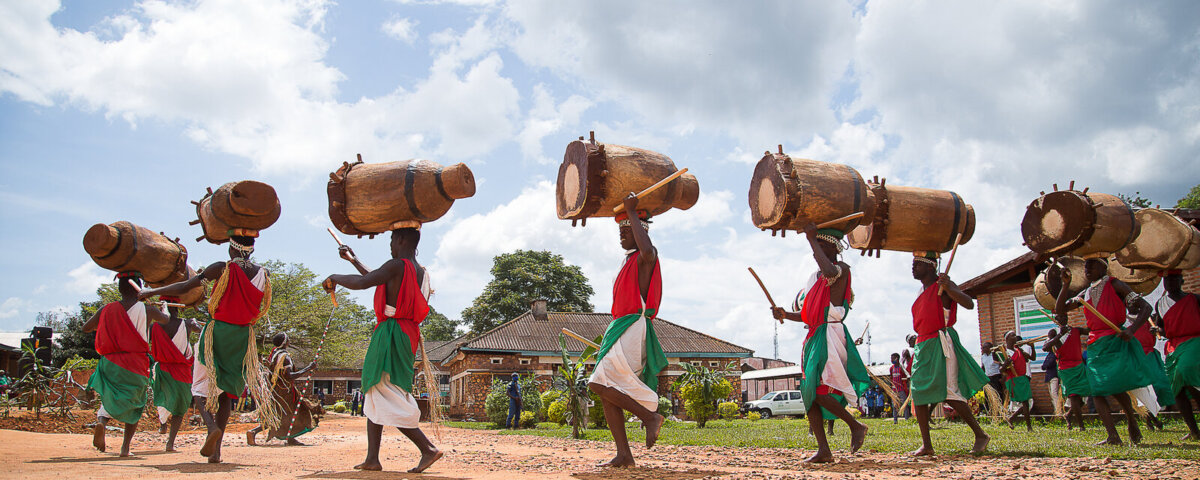
Royal Drumming Experiences in Burundi
Royal Drumming Experiences in Burundi offer visitors a remarkable opportunity to discover the country’s history, traditional music, royal heritage and cultural identity through the powerful sounds of its famous royal drums. This cultural experience takes travellers into the heart of Burundian traditions, where skilled drummers use rhythm, movement and teamwork to celebrate important occasions and preserve a cultural practice that connects generations. Unlike an ordinary musical performance, royal drumming represents much more than entertainment. It reflects the history of the Burundian kingdom, the importance of community, respect for tradition and the deep relationship between music and national identity. For international travellers seeking meaningful cultural experiences in Africa, Burundi provides an opportunity to encounter one of the continent’s most distinctive traditional performances.
Burundi stands out as a fascinating destination for cultural tourism because its traditions remain closely connected to everyday community life. From traditional dances and storytelling to royal ceremonies and craft production, the country offers visitors different ways to understand its cultural heritage. However, the royal drums hold a particularly important place in this heritage. Their deep sounds create an unforgettable atmosphere, while the coordinated movements of the performers demonstrate discipline, strength and artistic skill. Moreover, the performance allows visitors to appreciate how Burundian communities pass cultural knowledge from older generations to younger people.
For travellers exploring East Africa, a visit to Burundi adds a valuable cultural dimension to a wider African safari or regional holiday. Visitors can combine royal drumming performances with historical sightseeing, visits to cultural centres, exploration of traditional communities and relaxation along Lake Tanganyika. Consequently, Royal Drumming Experiences in Burundi provide an excellent opportunity to explore a destination that offers cultural depth beyond conventional wildlife tourism.
Understanding the History of Royal Drumming Experiences in Burundi
To understand the importance of royal drumming in Burundi, visitors should first explore the country’s traditional monarchy and the role that music played in its political and social life. For generations, drums served as important symbols of royal authority. They helped communities recognize important occasions, celebrate the kingdom and maintain connections between the royal court and the wider population. Therefore, the traditional drum held a position far beyond that of an ordinary musical instrument.
During the kingdom’s history, royal drums accompanied significant ceremonies, including royal celebrations, important agricultural events and ceremonies connected to the monarchy. The royal court also used drumming to mark special moments in the life of the kingdom. As a result, people associated the sound of the drum with leadership, unity, continuity and cultural identity.
The tradition developed through families and communities that maintained special responsibilities for protecting and performing royal drumming. These cultural custodians passed their knowledge from one generation to another through practical training and participation in traditional ceremonies. Consequently, the art survived major changes in Burundi’s political history.
Today, visitors can still experience this remarkable cultural heritage through performances by traditional drumming groups. The experience provides a meaningful connection to Burundi’s past while demonstrating how communities continue to protect their identity. In particular, the Gishora Drum Sanctuary near Gitega offers an important opportunity to explore this history in a setting closely associated with royal traditions.
The Cultural Meaning of the Burundian Royal Drum
The Burundian royal drum represents much more than music. It carries cultural meanings connected to leadership, community identity, historical memory and social unity. Traditionally, the drum occupied an important position in the kingdom because people associated its sound with the authority of the monarch. Therefore, the instrument became one of the strongest symbols of the country’s traditional heritage.
The word ingoma commonly refers to a drum in Kirundi, Burundi’s national language. However, the traditional significance of the drum extends beyond its physical appearance. It represents a cultural practice that connects people with their ancestors, their communities and their shared history. In particular, the royal drum tradition demonstrates how music can preserve important values and bring different generations together.
Furthermore, the drum reflects the relationship between Burundian culture and agriculture. Traditional ceremonies connected to the agricultural calendar recognized the importance of planting, harvesting and community prosperity. These occasions brought people together through music, dance and celebration. Consequently, the drum became closely connected to the country’s cultural understanding of life, continuity and collective responsibility.
For international visitors, learning about these meanings makes the performance more interesting. Instead of simply watching musicians strike large drums, travellers begin to understand the cultural ideas behind every rhythm and movement. This knowledge creates a deeper appreciation of Burundi and makes royal drumming an essential experience for anyone interested in African cultural heritage.
Gishora Drum Sanctuary: The Heart of Royal Drumming Experiences
The Gishora Drum Sanctuary stands among the most important cultural destinations in Burundi. Located approximately seven kilometres from the centre of Gitega, this historic site provides visitors with an opportunity to explore the country’s royal drumming tradition in a setting associated with its traditional monarchy. Its location on a hill also gives the sanctuary a distinctive atmosphere that makes a cultural visit especially memorable.
Gishora holds a special place in Burundi’s history because of its connection to the royal court and the preservation of sacred drums. The sanctuary includes traditional structures that reflect aspects of the historic royal residence. Visitors can explore the cultural setting, learn about the importance of the drums and appreciate the efforts of local custodians who continue to maintain this heritage.
One of the highlights of visiting Gishora involves watching a traditional drumming performance. The performers demonstrate remarkable coordination as they arrange their drums and produce powerful rhythms. Their movements, songs and dancing create an experience that combines musical expression with cultural storytelling.
Moreover, Gishora provides an excellent opportunity to learn directly about Burundian traditions. A knowledgeable local guide can explain the sanctuary’s history, the meaning of different cultural elements and the importance of preserving the royal drum heritage. The experience offers considerably more than a short entertainment stop because it connects visitors with an important part of Burundi’s national identity.
For cultural travellers, Gishora deserves a place among the main attractions of a Burundi holiday.
The Traditional Royal Drumming Experiences in Burundi
A traditional royal drumming performance creates an atmosphere that visitors can appreciate through sound, movement and visual expression. The experience often begins with the performers entering together while carrying their large drums. Their coordinated procession introduces the discipline and teamwork that define the Burundian drumming tradition.
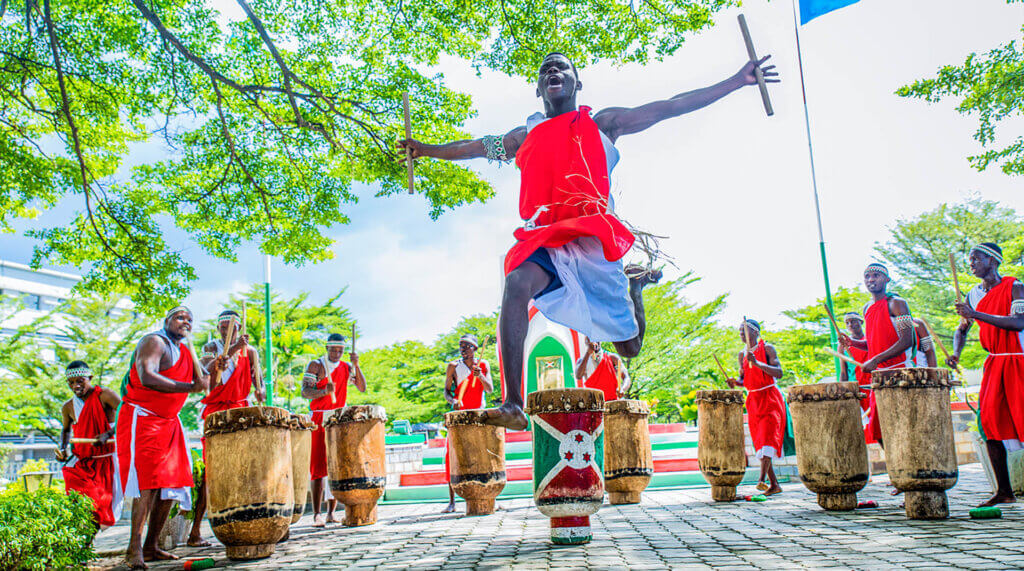
After entering the performance area, the drummers arrange themselves in a semicircle around a central drum. This arrangement allows the musicians to maintain coordination while creating different rhythmic patterns. UNESCO describes the traditional ensemble as having at least a dozen drums arranged in an odd number, with a central drum playing an important role in guiding the performance.
As the performance develops, the different drums produce interconnected rhythms. Some maintain the continuous beat, while others add contrasting patterns that create musical depth. The central drummer helps guide the group and maintain the overall structure.
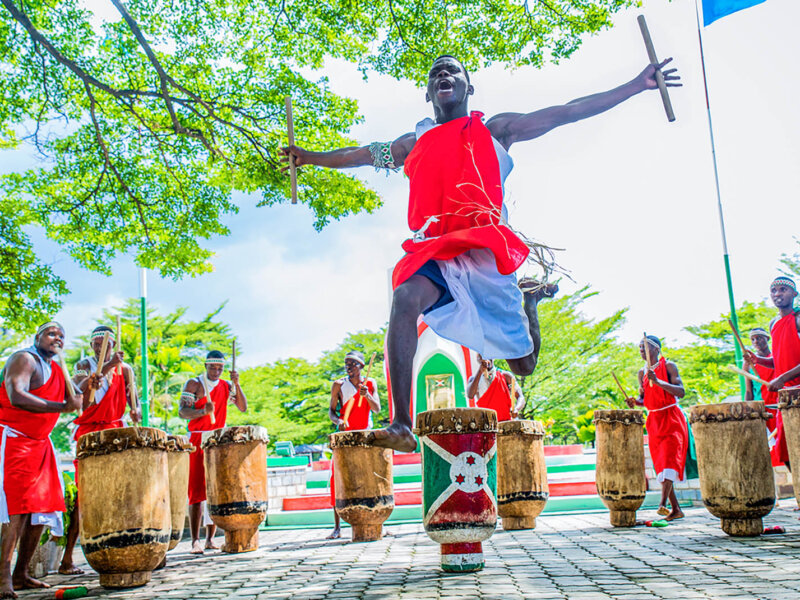
The experience becomes even more impressive when the performers combine drumming with energetic movements. Some drummers dance while playing, lifting their drums and demonstrating remarkable coordination. Others maintain the rhythm that supports the entire ensemble.
Traditional songs and heroic poetry may also form part of the wider performance. These elements add meaning to the music and help preserve cultural stories. Consequently, visitors experience a complete artistic presentation rather than an ordinary musical show.
The combination of sound, dancing, teamwork and cultural expression makes royal drumming one of Burundi’s most distinctive attractions.
The Role of Traditional Drummers in Preserving Burundian Heritage
Traditional drummers play an essential role in protecting Burundi’s cultural identity. Their responsibilities extend beyond performing music because they help maintain a tradition that carries historical, social and cultural importance. Through their knowledge and experience, they preserve performance techniques, rhythms, songs and cultural practices that connect modern Burundi with its past.
The traditional custodians of royal drumming include families with historical connections to drum sanctuaries. These communities have helped maintain the skills and knowledge required to perform the ritual dance. In particular, the Batimbo have an important place in the history of Burundian drumming.
Training often involves learning through observation, repetition and participation. Younger generations gain knowledge from experienced performers, allowing the tradition to continue without depending entirely on written musical instructions. This approach also strengthens relationships between generations and encourages respect for cultural knowledge.
Furthermore, traditional drummers represent Burundi during cultural celebrations and international events. Their performances introduce audiences from different countries to the country’s history and artistic traditions. Consequently, they contribute to cultural exchange and help create international interest in Burundi as a tourism destination.
For visitors, meeting traditional performers offers a valuable opportunity to understand the human side of cultural preservation. Their experiences, skills and dedication provide important insights into the work involved in maintaining a living cultural tradition. Supporting responsible cultural tourism can also help strengthen appreciation for the communities that protect this heritage.
The Meaning of the Different Drums in a Traditional Ensemble
One of the most interesting aspects of royal drumming in Burundi involves the way different drums contribute to the performance. Although visitors may initially see a group of large drums producing similar sounds, each instrument plays a role within the larger musical arrangement.
The central drum provides an important rhythmic reference for the ensemble. Other drums maintain continuous patterns, while additional instruments introduce variations that create a richer sound. This arrangement allows the performers to produce a coordinated performance without losing the individual character of each rhythm.
Traditional Burundian drumming also includes instruments with particular historical and cultural associations. The Karyenda holds a special position in the country’s royal heritage because of its symbolic connection to the monarchy. The Rukinzo also features in historical accounts of royal drumming traditions.
Visitors should understand that not every traditional drum serves the same purpose. Some instruments carry strong ceremonial associations, while others contribute directly to the rhythms heard during performances. Their names, functions and cultural meanings form part of the knowledge that traditional custodians preserve.
Learning about the different drums before attending a performance can make the experience more rewarding. Travellers can listen carefully to the central rhythm, notice the supporting beats and appreciate how the musicians work together.
This musical structure also demonstrates the importance of cooperation. Each drummer contributes something different, yet the performance depends on everyone maintaining the shared rhythm. In this way, the ensemble offers a powerful cultural expression of unity and collective responsibility.
Traditional Dance and Movement During Royal Drumming
Royal drumming in Burundi combines music with energetic dance, making the performance visually exciting as well as culturally meaningful. The drummers do not simply stand in one position and strike their instruments. Instead, they coordinate their movements with the rhythms while demonstrating impressive physical control and musical skill.
During the performance, some drummers carry their large instruments on their heads while moving and playing. This technique forms one of the most recognizable features of the Burundian royal drumming tradition. It requires concentration, coordination and years of practice.
The dancers may also perform expressive movements that reflect the energy of the music. Their movements create a connection between the rhythms and the physical presentation of the performance. As the music develops, the interaction between drumming and dancing produces a memorable cultural spectacle.
In addition, the performance may include traditional songs and poetic expressions. These elements contribute to the wider cultural meaning of the event and help preserve artistic traditions beyond the music itself.
Visitors should pay attention to the way performers communicate with one another. The central drummer helps maintain the structure, while the other musicians respond through their rhythms and movements. This teamwork creates an organized performance that appears energetic and spontaneous to an unfamiliar audience.
For international travellers, watching this combination of traditional music and dance provides an excellent introduction to Burundi’s performing arts. It also creates opportunities to appreciate the skills of local cultural practitioners.
The Importance of Royal Drumming in Burundian Celebrations
Traditional drumming plays an important role in Burundian celebrations and community gatherings. Historically, the royal drums accompanied significant events connected to the monarchy, agriculture and the social life of the kingdom. Today, drumming continues to appear during cultural celebrations, public events and occasions that bring communities together.
One important historical celebration was Umuganuro, a traditional agricultural festival associated with the cultivation of sorghum and the blessing of the agricultural season. This celebration connected cultural traditions with the importance of farming and community prosperity. Music and other traditional performances helped create an atmosphere of unity and celebration.
Royal drumming also formed part of important occasions involving the monarchy. These included ceremonies connected to royal leadership and other significant events in the life of the kingdom. The tradition therefore developed a strong connection with national identity.
In contemporary Burundi, cultural performances help celebrate the country’s heritage during national and local occasions. They also provide opportunities for younger generations to learn about traditional music and dance.
For tourists, attending a cultural celebration can offer a broader understanding of how Burundian communities maintain their traditions. However, travellers should remember that some performances take place within specific cultural settings and may not operate according to tourist schedules.
A well-planned visit can help visitors experience the music while respecting the cultural purpose of the occasion. Ultimately, royal drumming demonstrates how traditional arts can remain relevant as societies change.
Why International Travellers Should Experience Royal Drumming in Burundi
International travellers looking for authentic African cultural experiences should consider adding royal drumming to their Burundi itinerary. The performance offers an opportunity to explore a traditional art form that carries deep historical meaning and remains an important part of the country’s identity.
Many travellers visit Africa primarily for wildlife safaris, national parks and scenic landscapes. Although these experiences remain important, cultural tourism provides another way to understand African destinations. Royal drumming introduces visitors to Burundi through its music, traditions and historical heritage.
Furthermore, the experience suits different types of cultural travellers. History enthusiasts can explore the relationship between the drums and the traditional monarchy. Music lovers can appreciate the rhythmic structure and coordination of the performers. Photographers can capture the colourful cultural presentation, subject to permission from the performers and site management.
Families and educational groups can also benefit from learning about the tradition. A guided cultural visit introduces younger travellers to the importance of cultural preservation and the diversity of African artistic expression.
Moreover, international visitors can combine royal drumming with other attractions in Burundi. These include Gitega’s historical sites, the natural beauty of Lake Tanganyika and the cultural experiences available in different parts of the country.
The greatest value of the experience comes from understanding the story behind the performance. Instead of simply watching the drummers, visitors gain insight into the people and traditions that make Burundi culturally distinctive.
Exploring Gitega During a Royal Drumming Tour
Gitega deserves special attention when planning a cultural holiday in Burundi. As the country’s political capital and an important centre of traditional heritage, Gitega offers visitors an opportunity to explore the historical background of royal drumming while discovering other aspects of Burundian culture.
A visit to the city provides a convenient starting point for exploring the Gishora Drum Sanctuary. The short journey between central Gitega and Gishora allows travellers to combine historical sightseeing with a traditional drumming performance. Along the way, visitors can appreciate the surrounding countryside, local settlements and the beautiful green hills that characterize much of central Burundi.
Gitega also provides opportunities to learn about the country’s wider history. Travellers can explore cultural institutions, discover traditional crafts and interact with local communities. The National Museum of Gitega is another important attraction for visitors interested in understanding Burundi’s historical and cultural development.
Moreover, the city’s atmosphere provides a different experience from larger urban centres. Visitors can discover local markets, traditional food and everyday community activities. These experiences help travellers understand how cultural identity remains part of modern Burundian life.
A well-organized cultural tour can therefore include Gishora, selected historical attractions and opportunities to explore the city. Rather than treating Gitega as a quick stop, visitors should allow enough time to appreciate its cultural importance. This approach creates a more complete experience and helps establish Burundi as an interesting destination for cultural tourism in East Africa.
Understanding the Traditional Architecture of Gishora
The traditional architecture of Gishora adds another interesting dimension to royal drumming experiences in Burundi. The sanctuary reflects aspects of the country’s historic royal architecture and offers visitors an opportunity to explore how traditional spaces supported important cultural activities.
The site features traditional structures arranged around courtyards, creating an environment connected to the historical organization of a royal residence. These buildings help visitors understand the relationship between architecture, cultural ceremonies and the preservation of royal traditions.
The traditional construction methods also demonstrate the importance of local materials and knowledge. Natural materials, traditional building techniques and carefully arranged spaces reflect the practical skills that communities developed over generations. These features provide valuable insight into Burundi’s architectural heritage.
During a guided visit, travellers can learn about the different areas of the sanctuary and their historical importance. They can also understand why certain spaces hold particular cultural significance. This background makes the visit more meaningful because the buildings become part of the wider story of royal drumming.
Furthermore, Gishora provides an opportunity to appreciate how cultural tourism can support heritage conservation. Traditional structures require care, maintenance and respect for their original purpose. Responsible tourism can encourage greater awareness of these needs.
For travellers interested in African history and traditional architecture, Gishora offers an experience that combines cultural education with an opportunity to appreciate the beauty of Burundi’s traditional building heritage.
The Relationship Between Royal Drumming and Community Unity
Community unity represents one of the most important values associated with Burundi’s royal drumming tradition. The performance brings people together through shared rhythms, coordinated movements and cultural expressions that different generations can recognize and appreciate.
Historically, traditional ceremonies created opportunities for communities to gather and participate in important events. Drumming helped establish a shared atmosphere during celebrations and strengthened the connection between the royal court and the wider population. Consequently, the tradition developed an important social role beyond its musical value.
Today, the royal drumming performance continues to demonstrate the importance of cooperation. Every performer contributes to the overall rhythm, and the group depends on coordination to maintain a successful presentation. If one drummer loses the rhythm, the entire musical arrangement can change. Therefore, the performance provides a clear example of how individual contributions strengthen a shared cultural achievement.
Furthermore, traditional music creates opportunities for younger people to connect with older generations. Experienced performers pass their skills to new participants, while families and communities maintain interest in their heritage.
For international visitors, this aspect of royal drumming offers an interesting cultural lesson. It demonstrates how traditional arts can encourage social relationships and preserve a sense of belonging. The experience also challenges visitors to look beyond the entertainment value of a performance and appreciate the wider cultural principles that support it.
Through these traditions, Burundi demonstrates the important role that music, dance and shared cultural activities play in maintaining community identity.
Photography and Filming Royal Drumming Experiences in Burundi
Photography offers visitors an excellent way to preserve memories of their royal drumming experience in Burundi. The colourful presentation, traditional instruments and coordinated movements create interesting opportunities for cultural photography. However, visitors should approach photography with respect for the performers and the cultural importance of the event.
Before taking photographs or recording videos, travellers should ask the performers or site management for permission. This simple step helps establish a respectful relationship and allows visitors to understand any restrictions that may apply.
During the performance, photographers can focus on different elements of the experience. These may include the arrangement of the drums, the movement of the performers, the traditional buildings and the interaction between musicians. Each element contributes to the story of Burundian cultural heritage.
However, visitors should avoid interrupting the performance to obtain photographs. Moving into the performance area, blocking other visitors or distracting the musicians can reduce the quality of the experience for everyone.
It is also important to respect the privacy of local residents. Travellers should request permission before taking close photographs of individuals, especially children. Responsible photography helps ensure that cultural tourism benefits both visitors and host communities.
For tour operators, explaining photography etiquette before arrival can improve the experience. It allows guests to prepare appropriately while showing respect for the people who preserve the tradition.
Ultimately, the best photographs should communicate appreciation for Burundian culture rather than simply treating the performance as a tourist attraction.
Traditional Drumming as an Educational Cultural Experience
Royal drumming in Burundi provides an excellent educational experience for travellers who want to understand African history, music and cultural preservation. The tradition introduces visitors to the relationship between artistic expression and the social organization of traditional communities.
Students and educational groups can learn about the historical importance of the Burundian monarchy, the development of traditional music and the role of cultural custodians. They can also explore how communities maintain traditional knowledge through practical training and participation.
Music students may find the performance particularly interesting because of its rhythmic organization. The arrangement of different drums demonstrates how musicians create a coordinated sound through different rhythmic contributions. In addition, the combination of drumming and dancing provides an opportunity to study the relationship between music and movement.
History enthusiasts can explore the connection between royal authority and traditional ceremonies. Meanwhile, cultural researchers can learn about the importance of oral knowledge, traditional craftsmanship and community participation in heritage conservation.
Families travelling with children can also use the experience to introduce younger visitors to cultural diversity. It creates an opportunity to explain why different communities develop unique musical traditions and why people should respect cultural differences.
A knowledgeable guide can improve the educational value of the visit by explaining the background of the sanctuary and the meaning of the performance.
For international travellers, this experience demonstrates that cultural tourism can provide both enjoyment and learning. It encourages visitors to approach African destinations with curiosity, respect and a genuine interest in local heritage.
Combining Royal Drumming Experiences in Burundi with Other Cultural Experiences in Burundi
A visit to Burundi becomes more rewarding when travellers combine royal drumming with other cultural attractions. Although the Gishora Drum Sanctuary offers a major highlight, the country has several additional experiences that help visitors understand its traditional identity.
One interesting activity involves discovering traditional Burundian dances. These dances communicate different aspects of community life through movement, music and cultural expression. The Intore tradition, for example, preserves elements of historical royal warrior performances and provides an opportunity to explore another important part of Burundi’s cultural heritage.
Travellers can also explore traditional storytelling and local craftsmanship. These activities introduce visitors to the knowledge and skills that communities maintain through generations. Depending on the location, visitors may discover basket weaving, pottery and other traditional crafts.
Another valuable experience involves tasting Burundian food. Local meals provide insight into the country’s agricultural traditions and everyday community life. Visitors can explore dishes prepared with beans, bananas, sweet potatoes, cassava and other locally important ingredients.
Furthermore, traditional markets provide opportunities to discover local products and interact with communities. These visits can introduce travellers to the different materials, foods and handmade items that form part of everyday life.
Combining these activities with royal drumming creates a more complete cultural holiday. Visitors gain a broader understanding of Burundi instead of focusing on a single attraction.
For tour operators, including several cultural activities in one itinerary also creates opportunities to support different local businesses, guides, performers and artisans.
Discovering the Intore Warriors and Traditional Dance
The Intore tradition provides another fascinating cultural experience for visitors exploring Burundi. Historically, the Intore represented warriors associated with the traditional monarchy. Their performances preserved elements of the displays that celebrated the courage and achievements of royal warriors.
Today, traditional Intore dancing offers visitors an opportunity to explore a different form of Burundian cultural expression. The performers use energetic movements, coordinated steps and traditional presentation styles to demonstrate strength, discipline and artistic ability.
The performance has a strong historical connection with the royal court. In the past, returning warriors displayed their bravery before the king and the community. Modern cultural presentations preserve elements of this historical tradition while introducing it to new audiences.
Visitors interested in royal drumming can therefore benefit from experiencing both traditions. The drums introduce the musical heritage of the kingdom, while Intore dancing provides another perspective on its ceremonial and cultural life.
Kirundo is among the locations associated with traditional Intore cultural performances. Travellers interested in including this experience should discuss local arrangements with their guide or tour operator.
Combining Intore dancing with Gishora creates a broader cultural itinerary that highlights the variety of Burundi’s performing arts. It also allows visitors to appreciate how different artistic traditions contribute to the country’s national identity.
For cultural tourism, these experiences help establish Burundi as a destination with a rich heritage that extends beyond its famous drums.
Best Time for the Royal Drumming Experiences in Burundi
Burundi offers cultural experiences throughout the year, making royal drumming a suitable activity for visitors with different travel schedules. Unlike wildlife experiences that may depend heavily on seasonal animal movements, a cultural visit to Gishora focuses primarily on the availability of performers and local arrangements.
However, travellers should plan their visits carefully to enjoy a comfortable and well-organized experience. Burundi generally has a tropical highland climate influenced by altitude, with variations in rainfall across the country.
The drier periods usually offer favourable conditions for road travel and outdoor sightseeing. June to September is generally a useful period for exploring different parts of Burundi because rainfall tends to decrease. December to February also provides another relatively dry travel window, although conditions can vary.
The wetter months bring greener landscapes and attractive countryside scenery. Nevertheless, heavy rainfall can sometimes affect road conditions, especially on rural routes. Travellers should therefore allow additional time for journeys during wetter periods.
Importantly, a royal drumming performance does not necessarily follow the same seasonal patterns as wildlife activities. Visitors should confirm performance arrangements with the sanctuary or their tour operator before travelling.
National celebrations and cultural events may also create additional opportunities to experience traditional performances. However, travellers should check the event calendar rather than assume that a performance will take place on a particular date.
With suitable planning, visitors can enjoy royal drumming in different seasons while combining the experience with other cultural and sightseeing activities.
How to Reach Gishora Drum Sanctuary
Reaching Gishora Drum Sanctuary forms part of the cultural adventure for visitors exploring central Burundi. The sanctuary sits approximately seven kilometres from Gitega’s urban centre, making it accessible for travellers staying in the city.
International visitors commonly begin their Burundi journey in Bujumbura or arrive through Melchior Ndadaye International Airport, depending on their travel arrangements. From Bujumbura, travellers can organize road transportation towards Gitega.
The journey between Bujumbura and Gitega takes several hours, depending on traffic, road conditions and the chosen route. Visitors should therefore plan enough time for the transfer, especially when combining the journey with sightseeing.
Private transportation offers a convenient option for international travellers who prefer a flexible itinerary. A professional driver and local guide can help organize the journey, explain the attractions along the way and coordinate the visit to Gishora.
Once in Gitega, the journey to the sanctuary is relatively short. Visitors can arrange local transportation through their accommodation or tour operator.
Travellers should also confirm the condition of the access road before departure, particularly during rainy periods. Comfortable clothing and suitable walking shoes can make the visit more enjoyable.
For visitors exploring Burundi as part of a wider East African holiday, Gishora can fit naturally into an itinerary connecting Bujumbura, Gitega, other cultural attractions and Lake Tanganyika.
Responsible Cultural Tourism and Respect for Local Traditions
Responsible tourism plays an important role in protecting Burundi’s royal drumming heritage. Although performances attract visitors from different parts of the world, the tradition belongs to the communities that have maintained it over generations. Therefore, tourism should respect local customs and support the people who preserve this important cultural practice.
Visitors should begin by recognizing that royal drumming has historical and ceremonial meanings. It is not simply an entertainment activity created for tourists. The performers maintain a tradition that forms part of Burundi’s national identity.
During a visit, travellers should follow instructions from local guides and cultural custodians. They should avoid touching sacred or culturally important objects without permission. Similarly, visitors should respect areas where photography or other activities may have restrictions.
Supporting local performers through appropriate performance fees also contributes to the sustainability of cultural tourism. Travellers should confirm the cost of a visit before arrival and understand what the agreed payment includes.
Moreover, responsible visitors should consider purchasing locally made crafts directly from artisans when possible. This approach can create economic opportunities for community members while encouraging the continuation of traditional skills.
Tour operators also have a responsibility to present Burundian culture accurately. They should provide reliable historical information, work respectfully with local communities and avoid making promises about performances that they have not confirmed.
Through responsible practices, cultural tourism can create meaningful experiences for travellers while supporting the preservation of Burundi’s heritage.
Planning a Royal Drumming Experiences in Burundi
Planning a royal drumming cultural tour requires attention to transportation, performance arrangements, accommodation and the interests of individual travellers. A well-organized visit allows guests to enjoy the performance without rushing through the historical and cultural attractions surrounding Gitega.
The first step involves deciding how much time to spend in central Burundi. Travellers with limited time can organize a visit to Gishora as part of a day trip from Gitega. However, visitors with more time can include additional cultural activities, traditional sightseeing and opportunities to explore local communities.
Next, travellers should arrange a performance in advance. This helps the local organizers prepare for the visit and allows the group to understand the expected schedule. It also provides an opportunity to confirm the applicable entrance fees, performance charges and any additional services.
Transportation deserves equal attention. Visitors travelling from Bujumbura should consider private road transfers, especially when they want to explore other attractions along the route. Meanwhile, those already staying in Gitega can arrange a shorter local excursion.
Accommodation choices depend on individual preferences and travel budgets. Visitors can consider comfortable hotels in Gitega or choose accommodation in Bujumbura if they prefer to explore the capital before travelling inland.
Finally, travellers should communicate their interests to their tour operator. Some visitors may prefer history and architecture, while others may focus on photography, traditional music or community experiences.
Good planning makes royal drumming experiences in Burundi more enjoyable and allows visitors to appreciate the cultural importance of every activity.
Accommodation Options for Travellers Visiting Gishora
Choosing suitable accommodation contributes to a comfortable cultural holiday in Burundi. Travellers visiting Gishora can consider staying in Gitega or organizing transportation from Bujumbura, depending on their overall itinerary.
Staying in Gitega offers the advantage of proximity to the sanctuary. Visitors can organize an early cultural excursion without undertaking a long road journey on the same day. Furthermore, staying overnight allows travellers to explore other attractions around the city and enjoy a more relaxed sightseeing schedule.
Bujumbura provides another option for visitors who prefer a wider selection of accommodation and urban activities. The city offers opportunities to explore Lake Tanganyika, local restaurants, markets and other attractions before travelling towards Gitega.
Accommodation preferences vary among international visitors. Some travellers prefer simple, comfortable guesthouses, while others look for hotels with additional facilities and personalized services. Therefore, choosing accommodation should depend on the travel budget, location and expectations of the group.
Tour operators should also consider the distance between accommodation and planned activities when preparing cultural itineraries. This helps reduce unnecessary travel and allows visitors to spend more time enjoying the destination.
For travellers combining royal drumming with a wider Burundi holiday, accommodation can also be arranged around other destinations, including Bujumbura and Lake Tanganyika.
Ultimately, a good accommodation plan makes it easier to experience Burundi’s cultural attractions while enjoying a comfortable and well-organized journey.
Combining Royal Drumming Experiences in Burundi with Lake Tanganyika Experiences
A Burundi cultural holiday becomes even more rewarding when visitors combine royal drumming with the natural beauty of Lake Tanganyika. This impressive freshwater lake offers a relaxing contrast to the historical and cultural experiences available around Gitega.
Lake Tanganyika forms part of the Great Rift Valley and ranks among the world’s largest freshwater lakes by volume. Its beautiful shoreline, attractive scenery and lakeside communities make it an important destination for travellers exploring Burundi.
Visitors can enjoy lakeside relaxation, sightseeing and opportunities to discover local fishing communities. The surrounding environment also provides opportunities for nature appreciation and photography.
In Bujumbura, travellers can explore the lake’s shoreline and enjoy the atmosphere of the city’s waterfront areas. Depending on local arrangements, visitors may also organize boat excursions and other recreational activities.
Combining these experiences with a visit to Gishora creates a balanced holiday. Travellers can spend time discovering Burundi’s royal heritage before enjoying the peaceful scenery of Lake Tanganyika.
The combination also allows visitors to appreciate the country’s cultural and natural diversity. Rather than focusing on one type of attraction, they experience different aspects of Burundi’s identity.
For international tourists, this approach creates an opportunity to discover a destination that offers much more than traditional sightseeing. Royal drumming and Lake Tanganyika together provide a memorable introduction to Burundi.
Supporting Local Communities Through Cultural Tourism
Cultural tourism can contribute positively to local communities when tourism activities respect traditional practices and provide fair economic opportunities. In Burundi, royal drumming creates opportunities for performers, guides, transport providers and other community members who participate in welcoming visitors.
Traditional performers invest considerable time in learning and maintaining their skills. Their work helps preserve an important cultural tradition that has survived generations of social and political change. Therefore, visitors should recognize their contribution and support the performance arrangements through appropriate payments.
Local guides also play an important role. They help visitors understand the history of the sanctuary, explain cultural practices and provide information that makes the experience more meaningful. Their knowledge creates a connection between international visitors and local communities.
Furthermore, travellers can support local artisans by purchasing traditional crafts and locally produced goods. These purchases provide additional opportunities for community members to benefit from tourism.
Tour operators can strengthen this contribution by working with local suppliers and including community experiences in their itineraries. They can also encourage respectful interactions between guests and residents.
However, community support should go beyond commercial transactions. Visitors should approach cultural experiences with genuine interest, respect local customs and avoid treating traditional practices as objects of curiosity.
When tourism creates fair opportunities and encourages cultural appreciation, it can contribute to long-term heritage preservation. Royal drumming therefore offers an opportunity to connect international visitors with the communities that keep Burundi’s traditions alive.
Royal Drumming Experiences in Burundi as a Unique Attraction in East African Tourism
East Africa attracts international visitors through its remarkable wildlife, mountains, lakes, national parks and cultural heritage. Countries such as Uganda, Kenya, Tanzania, Rwanda and Burundi offer different experiences that make the region an exciting destination for international tourism.
Burundi adds a distinctive cultural attraction to this regional tourism landscape through its royal drumming tradition. While many travellers associate East Africa with gorilla trekking, wildlife safaris and mountain adventures, Burundi provides an opportunity to explore another side of the region.
Royal drumming stands out because of its connection to the country’s historical monarchy and national identity. Its combination of music, dance and cultural storytelling creates an experience that differs from conventional sightseeing.
Furthermore, Burundi can form part of a wider East African itinerary. Travellers visiting Rwanda can extend their journey into Burundi to discover Gishora and other cultural attractions. Visitors exploring Uganda can also consider adding Burundi to a longer regional holiday.
This creates opportunities for multi-country tourism experiences that combine different destinations without focusing entirely on wildlife activities.
For tour operators, promoting Burundi’s cultural attractions can help diversify East African travel products. It also encourages travellers to discover destinations that receive less attention in conventional safari itineraries.
Consequently, royal drumming contributes to a wider understanding of East Africa as a region with diverse cultures, historical traditions and meaningful travel experiences.
Suggested Three Day Burundi Royal Drumming and Cultural Tour
A three-day cultural tour provides a convenient opportunity to experience royal drumming while exploring some of Burundi’s important attractions. The following itinerary offers a practical starting point for travellers who want to discover the country’s traditional heritage.
Day 1: Arrival in Bujumbura and City Exploration
Arrive in Bujumbura and meet your driver or local guide. After the airport transfer, check into your accommodation and enjoy some time to relax.
Depending on your arrival time, explore selected attractions around the city. You can visit local markets, discover aspects of Burundian daily life and enjoy views of Lake Tanganyika.
In the evening, enjoy a traditional meal and prepare for the journey towards Gitega.
Day 2: Gitega and the Gishora Royal Drumming Experience
After breakfast, travel towards Gitega through Burundi’s attractive countryside. Enjoy the changing scenery and discover local settlements along the way.
Upon arrival, visit the Gishora Drum Sanctuary. Explore the traditional setting, learn about the history of the royal drums and discover their connection to the Burundian monarchy.
Attend a traditional drumming performance and appreciate the combination of powerful rhythms, dancing and cultural expression.
After the performance, enjoy a guided exploration of Gitega and its cultural attractions. Later, return to your accommodation for relaxation.
Day 3: Cultural Exploration and Departure
After breakfast, enjoy additional sightseeing depending on your departure arrangements. You may explore local markets, discover traditional crafts or enjoy more time around Gitega.
Later, begin the return journey to Bujumbura for your onward flight or continuation of your East African holiday.
This itinerary can be adjusted according to flight schedules, accommodation preferences and individual interests.
Frequently Asked Questions About Royal Drumming Experiences in Burundi
What Are Royal Drumming Experiences in Burundi?
Royal drumming experiences involve watching and learning about Burundi’s traditional royal drum performance. The activity combines synchronized drumming, dancing, traditional songs and heroic poetry. Visitors can explore the historical importance of the drums and understand their connection to Burundi’s traditional monarchy and cultural identity.
Where Can I Experience Royal Drumming in Burundi?
Gishora Drum Sanctuary, located approximately seven kilometres from Gitega, is one of the country’s most important destinations for experiencing traditional royal drumming. Visitors can explore the historic cultural site and arrange performances with local organizers.
Why Are Burundi’s Royal Drums Important?
The royal drums represent leadership, cultural identity, historical continuity and community unity. During the traditional monarchy, they played important roles in royal ceremonies and significant community occasions. Today, they remain an important symbol of Burundi’s cultural heritage.
Is Burundi’s Royal Drumming Recognized by UNESCO?
Yes. UNESCO inscribed the Ritual Dance of the Royal Drum on the Representative List of the Intangible Cultural Heritage of Humanity in 2014. This recognition highlights its cultural importance and the need to preserve its traditional knowledge and performance practices.
How Long Does a Royal Drumming Performance Last?
The duration can vary depending on the performing group, the arrangements and the nature of the event. Visitors should confirm the expected performance duration when organizing their visit. It is also useful to allow additional time for exploring the sanctuary and learning about its history.
Can International Tourists Visit Gishora?
Yes. International travellers can include Gishora in their Burundi itineraries. The sanctuary offers an opportunity to explore the country’s traditional drumming heritage and learn about its historical importance.
Can I Combine Royal Drumming with Other Burundi Attractions?
Yes. Travellers can combine royal drumming with visits to Gitega, Bujumbura, Lake Tanganyika and other cultural destinations. This creates a more comprehensive Burundi holiday that includes history, culture, nature and community experiences.
Do I Need to Book a Royal Drumming Performance in Advance?
Advance arrangements are advisable. Visitors should contact the sanctuary, a local cultural organizer or a reliable tour operator to confirm availability, schedules and applicable charges before travelling.
What Should I Wear When Visiting Gishora?
Comfortable and respectful clothing is suitable for a cultural visit. Visitors should also consider wearing comfortable walking shoes because exploring the sanctuary may involve walking around traditional buildings and outdoor areas.
Can I Take Photographs During the Performance?
Photography arrangements depend on the performers and the site’s rules. Visitors should ask for permission before taking photographs or recording videos. They should also respect any restrictions concerning sacred objects and cultural activities.
Is Royal Drumming Suitable for Families?
Yes. Royal drumming offers an educational cultural experience that families can enjoy together. Children can learn about traditional music, history, teamwork and the importance of preserving cultural heritage. Parents should follow local guidance and supervise younger visitors during the tour.
What Is the Best Time to Visit Gishora?
Visitors can explore Gishora throughout the year, subject to local performance arrangements and weather conditions. The drier months, particularly June to September and December to February, generally offer favourable conditions for road travel and outdoor sightseeing.
Can I Learn About Traditional Burundian Drumming During My Visit?
Yes. A guided visit can introduce travellers to the history of the royal drums, their cultural importance and the structure of traditional performances. Visitors can also learn about the communities that preserve the tradition.
What Other Cultural Activities Can I Enjoy in Burundi?
Visitors can discover traditional dances, Intore performances, local crafts, traditional food, historical attractions and community experiences. Combining these activities with royal drumming creates a broader understanding of Burundian culture.
Why Choose Giant Holiday Safaris for Royal Drumming Experiences in Burundi
Planning a meaningful cultural holiday requires more than selecting attractive destinations. Travellers need reliable information, suitable transportation, knowledgeable local guides and well-organized activities that reflect their interests.
At Giant Holiday Safaris, we recognize the importance of introducing international travellers to Africa’s cultural heritage. Our approach to tourism focuses on creating meaningful travel experiences that allow visitors to understand the destinations they explore.
Burundi offers excellent opportunities for cultural discovery, particularly through its royal drumming tradition. We encourage travellers to explore Gishora Drum Sanctuary, discover Gitega and experience the country’s traditional music, dance and historical attractions.
A well-planned Burundi holiday can also include Lake Tanganyika, Bujumbura, traditional communities and other regional attractions. For visitors interested in exploring more of East Africa, we can incorporate Burundi into wider regional travel arrangements involving Uganda, Rwanda, Kenya and Tanzania.
We also understand that every traveller has different expectations. Some visitors prefer short cultural excursions, while others want longer holidays combining history, nature and community experiences. Therefore, itinerary planning should reflect individual interests, available time and accommodation preferences.
Our goal is to help visitors discover Africa through meaningful experiences while encouraging responsible tourism and appreciation of local cultures.
Conclusion: Experience the Living Heritage of Royal Drumming in Burundi
Royal Drumming Experiences in Burundi offer international travellers an exceptional opportunity to discover the country’s history, traditional music and cultural identity. From the historic Gishora Drum Sanctuary to the energetic performances of traditional drummers, every aspect of the experience introduces visitors to a cultural heritage that has connected generations of Burundians. The combination of powerful rhythms, coordinated dancing, traditional songs and historical storytelling makes this experience one of the country’s most distinctive cultural attractions.
Moreover, a visit to Gishora provides an opportunity to understand the historical importance of the royal drums and the communities that continue to preserve their traditions. Travellers can deepen their experience by exploring Gitega, discovering Intore dancing, enjoying traditional Burundian food and relaxing along Lake Tanganyika. These activities create a balanced holiday that combines culture, history and natural beauty.
For visitors exploring East Africa, Burundi deserves attention as a destination with its own remarkable cultural identity. Its royal drumming tradition provides an authentic connection to the country’s heritage while creating opportunities for meaningful cultural exchange. Therefore, including Royal Drumming Experiences in Burundi in an African travel itinerary offers more than an opportunity to watch a traditional performance. It creates a chance to appreciate the people, history and cultural values that make Burundi a fascinating destination.