Royal Drumming Experiences in Burundi
November 6, 2026
Burundi Historical and Heritage Tours
November 7, 2026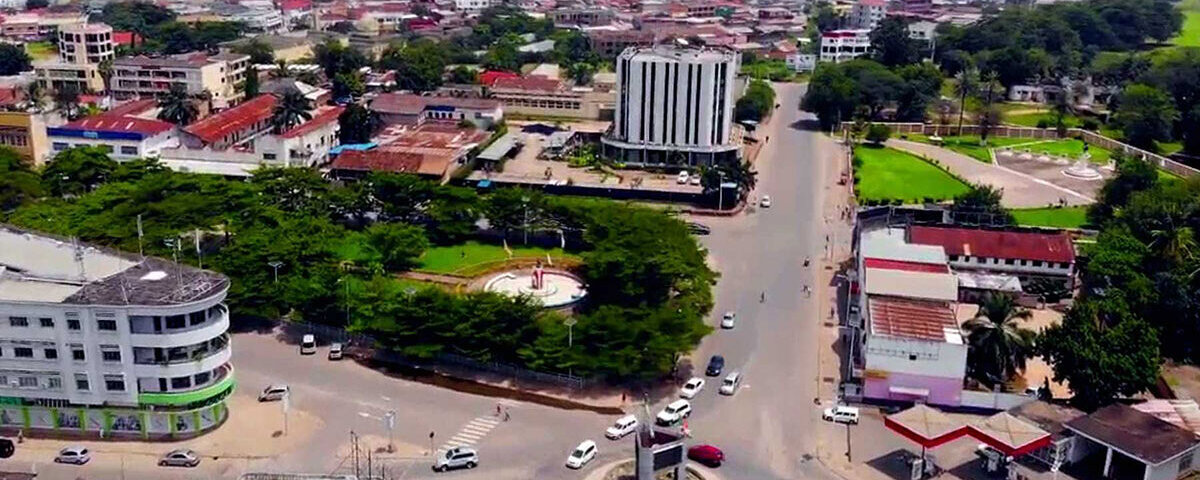
Bujumbura City Tours
Bujumbura City Tours offer visitors an exciting opportunity to discover Burundi’s culture, history, local traditions, beautiful landscapes and everyday city life. Located along the northeastern shores of Lake Tanganyika, Bujumbura provides a fascinating introduction to one of East Africa’s most culturally rich yet less explored destinations. The city combines lively markets, historical landmarks, traditional food, beautiful lakeside scenery and welcoming communities. Moreover, its location between the waters of Lake Tanganyika and the surrounding hills creates a beautiful setting for sightseeing and cultural exploration.
For international travellers, Bujumbura offers more than a traditional city break. It provides an opportunity to understand Burundi through its people, food, history, architecture and cultural heritage. Visitors can explore important historical sites, walk through busy commercial streets, discover traditional crafts, enjoy fresh fish along the lake and experience the city’s relaxed atmosphere. Additionally, travellers can use Bujumbura as a starting point for exploring other destinations across Burundi, including Gitega, Karera Waterfalls, the Source of the Nile, Rusizi National Park and the countryside surrounding the capital.
Whether you are visiting Burundi for the first time, planning an East African holiday or adding a cultural experience to a wider African safari, Bujumbura deserves a place on your itinerary. The city provides a different perspective on East Africa, allowing visitors to discover a destination where African traditions, modern urban life and natural beauty come together.
Understanding Bujumbura as a Tourism Destination
Bujumbura stands among the most interesting urban destinations in the Great Lakes region of East Africa. Although Gitega serves as Burundi’s political capital, Bujumbura remains the country’s largest city and its main commercial centre. It also plays an important role in business, transportation, education, culture and international connections. Consequently, many international travellers begin their Burundi holidays in Bujumbura before exploring other parts of the country.
The city occupies a beautiful position beside Lake Tanganyika, one of the world’s largest and deepest freshwater lakes. This geographical setting gives Bujumbura a distinctive character. Unlike destinations surrounded entirely by mountains or savannah landscapes, Bujumbura combines urban attractions with a large freshwater shoreline and distant hills. Visitors can enjoy city sightseeing in the morning and spend the afternoon discovering lakeside attractions.
Furthermore, Bujumbura offers a valuable introduction to Burundian identity. Local communities maintain cultural traditions through music, dance, storytelling, food and traditional ceremonies. Visitors can discover these traditions through cultural performances, local markets and interactions with residents. The city’s restaurants also provide opportunities to experience Burundian cuisine, including locally prepared fish, beans, plantains and traditional dishes.
Bujumbura also offers a useful starting point for travellers interested in responsible tourism. Visitors can support local businesses, purchase locally made crafts, use professional guides and explore attractions with respect for local communities. Therefore, a well-planned visit provides both an enjoyable holiday and a meaningful contribution to the destination’s tourism economy.
The History and Development of Bujumbura
Understanding Bujumbura’s history makes a city tour more meaningful because the city’s development reflects important periods in Burundi’s political, social and cultural journey. Before becoming a major urban centre, the area formed part of the traditional Kingdom of Burundi, where communities maintained established systems of leadership, agriculture, trade and cultural organisation.
During the colonial period, the settlement developed under German and later Belgian administration. Its strategic location beside Lake Tanganyika helped it grow as an important administrative and commercial centre. The lake also connected Burundi with neighbouring territories, encouraging trade and movement between communities around the Great Lakes region.
Following Burundi’s independence in 1962, Bujumbura continued to expand. Government institutions, businesses, schools, residential neighbourhoods and transport networks contributed to its development. Over time, the city became the country’s most important commercial and economic centre.
However, Burundi’s history also includes difficult periods of political instability and conflict. These events affected communities, infrastructure and national development. Understanding this history helps visitors appreciate the resilience of Burundian people and the importance of peace, cultural preservation and economic opportunity.
Today, Bujumbura reflects a mixture of historical influences and contemporary African urban life. Older buildings, administrative areas, commercial streets and modern developments create an interesting sightseeing experience. A knowledgeable local guide can help visitors understand the historical significance of important locations while explaining how the city has changed over time.
For travellers interested in African history, Bujumbura offers valuable opportunities to explore the development of a Great Lakes nation through its main urban centre.
Exploring Lake Tanganyika During Bujumbura City Tours
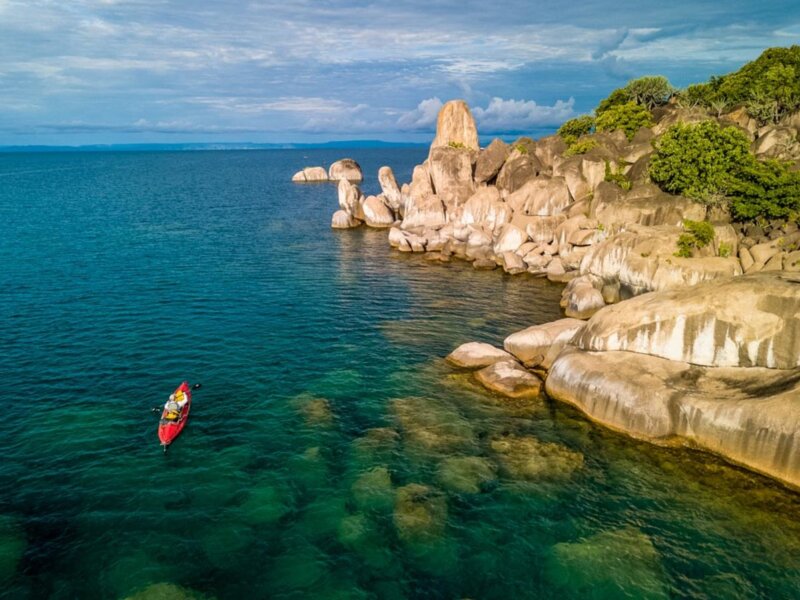
Lake Tanganyika remains one of the most important attractions for visitors exploring Bujumbura. Its enormous freshwater waters create a beautiful natural setting along the western side of the city. The lake stretches across Burundi, Tanzania, the Democratic Republic of Congo and Zambia, making it an important geographical feature shared by four African countries.
For visitors, the lake offers a peaceful escape from the busy streets of Bujumbura. Its shoreline provides opportunities for relaxation, photography, sightseeing and learning about the relationship between local communities and freshwater resources. Additionally, the surrounding scenery creates beautiful views, particularly during the early morning and late afternoon.
Visitors can spend time at suitable lakeside locations, enjoy meals at restaurants overlooking the water and observe local fishing activities. Traditional fishing remains important to many communities around Lake Tanganyika. Local fishermen use boats and established fishing methods to support their families and supply fish to nearby markets and restaurants.
The lake also supports remarkable biodiversity. It contains many fish species, including numerous cichlids that attract scientific interest and nature enthusiasts. Its ecological importance makes responsible tourism particularly valuable. Visitors should respect fishing communities, avoid littering and follow local guidance when enjoying lakeside activities.
Sunset provides another memorable experience. As the sun moves towards the horizon, the changing colours over the water create beautiful photographic opportunities. Therefore, travellers should consider including a lakeside visit in their Bujumbura sightseeing programme.
Visit Rusizi National Park during Bujumbura City Tours
Rusizi National Park offers one of the most interesting nature experiences near Bujumbura. Located northwest of the city, the protected area covers important wetland habitats around the Rusizi River and its surrounding environment. It provides visitors with an opportunity to explore Burundi’s wildlife while remaining close to the country’s largest urban centre.
The park contains river channels, wetlands, grasslands and other habitats that support different wildlife species. Visitors may encounter hippos in suitable river areas, while crocodiles and several bird species contribute to the park’s ecological importance. The landscape also supports other animals that depend on wetland and grassland environments.
Birdwatching offers an especially rewarding activity for nature enthusiasts. The park’s different habitats attract waterbirds and other bird species throughout the year. Visitors interested in photography can also enjoy opportunities to capture wetland landscapes, birds and wildlife from appropriate viewing locations.
Furthermore, Rusizi National Park helps visitors understand the importance of conserving natural ecosystems. Wetlands support biodiversity, regulate water systems and provide important resources for surrounding communities. However, these environments face pressure from human activities, pollution and changes in land use.
A guided visit offers a better understanding of the park’s wildlife, vegetation and conservation challenges. Travellers should follow park regulations, maintain a respectful distance from animals and avoid disturbing wildlife.
Because of its location near Bujumbura, Rusizi National Park makes an excellent addition to a city sightseeing programme, especially for visitors who want to combine urban culture with nature exploration.
Discover the Livingstone and Stanley Monument
The Livingstone and Stanley Monument, located in the Mugere area south of Bujumbura, represents an interesting historical attraction for visitors exploring Burundi. The monument connects the country with the wider history of nineteenth-century European exploration in Central and East Africa.
The site commemorates the historical association between the explorers David Livingstone and Henry Morton Stanley. Their journeys contributed to European geographical knowledge of the African interior during a period when colonial expansion increasingly shaped the continent’s history.
For international visitors, the monument provides an opportunity to examine this historical period while learning about the wider Great Lakes region. However, a responsible interpretation should recognise that African communities already possessed established political systems, trade networks, geographical knowledge and cultural traditions long before European explorers arrived.
The monument also offers a chance to explore the surrounding countryside. The area provides a different atmosphere from central Bujumbura, with rural settlements, green landscapes and views of the surrounding environment.
Travellers interested in history, geography and African heritage may find this stop particularly rewarding. A professional guide can explain the historical background, the importance of the location and its place within Burundi’s wider history.
Including the Livingstone and Stanley Monument in a city tour adds an educational dimension to the experience. It also allows visitors to explore an attraction outside the busiest commercial areas while discovering more about Burundi’s connection to the history of African exploration.
Explore Bujumbura’s Local Markets
Local markets provide some of the best opportunities to understand everyday life in Bujumbura. They bring together traders, farmers, craftspeople, shoppers and visitors in lively commercial spaces where people exchange goods, information and social experiences.
During a market visit, travellers can discover fresh fruits, vegetables, beans, grains, spices, household products and locally prepared foods. The variety of products reflects Burundi’s agricultural traditions and the importance of small businesses in supporting local livelihoods.
Markets also provide opportunities to learn about traditional Burundian ingredients. Bananas, cassava, sweet potatoes, beans and vegetables feature prominently in local food culture. Visitors can observe how people select these ingredients and understand their importance in everyday meals.
Additionally, some market areas offer locally produced crafts, woven products and other handmade items. Purchasing authentic products from local craftspeople can support small businesses and provide travellers with meaningful souvenirs.
However, visitors should approach market photography respectfully. Always request permission before photographing individuals, their stalls or personal belongings. Bargaining may form part of some transactions, but visitors should remain polite and avoid aggressive negotiation over small amounts.
A market visit also offers an opportunity to interact with residents. Learning a few basic words in Kirundi or French can make these encounters more enjoyable.
For travellers who want to experience the real character of Bujumbura, local markets provide much more than shopping. They reveal the city’s daily rhythm, economic activities, food culture and community connections.
Experience Burundian Culture and Traditions
Burundian culture forms an essential part of the Bujumbura tourism experience. The country has a rich cultural identity shaped by music, dance, storytelling, traditional leadership, family relationships and community celebrations. Visitors exploring the city can discover these traditions through cultural performances and interactions with local communities.
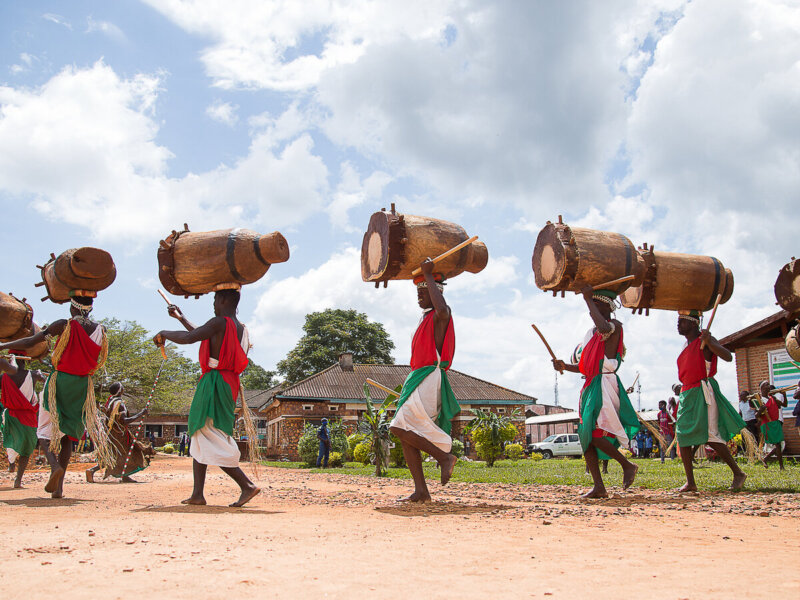
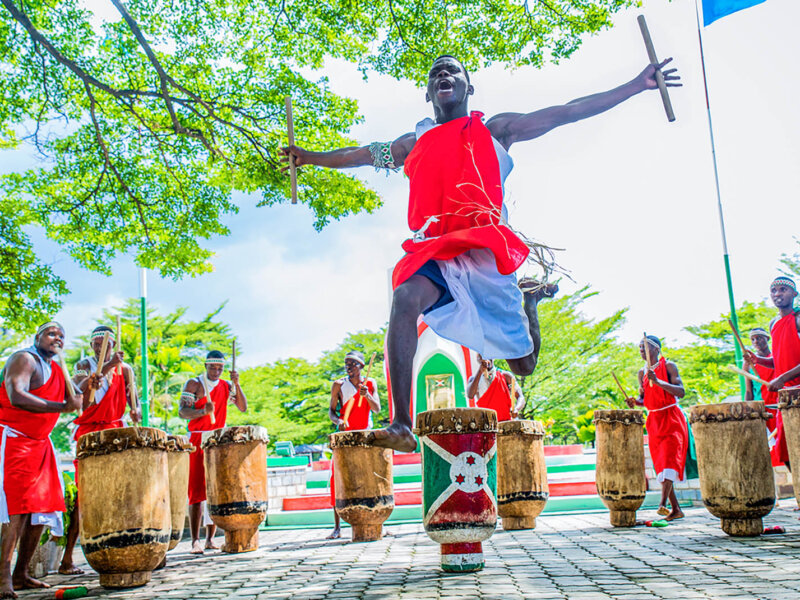
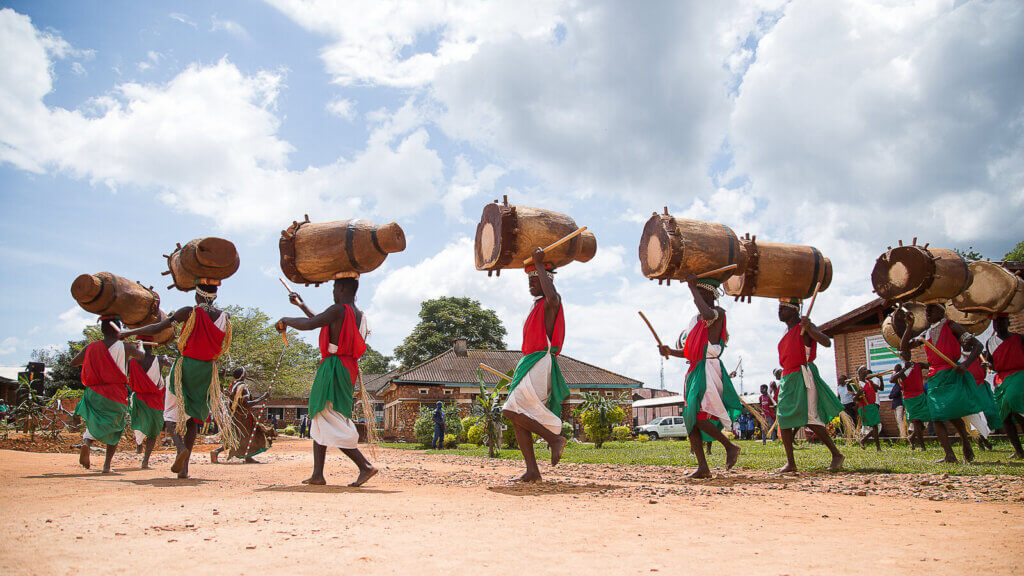
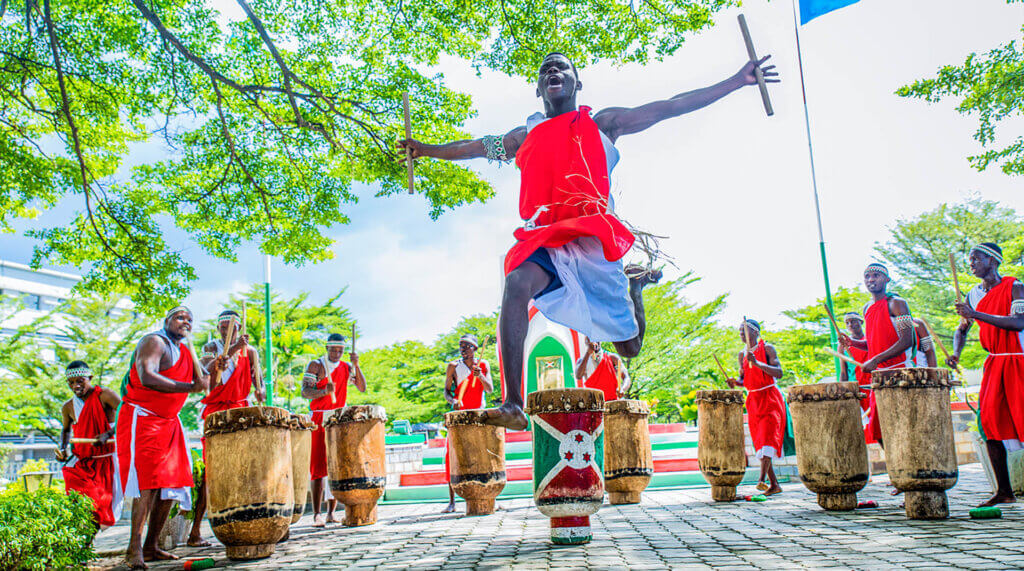
One of the most recognised elements of Burundian cultural heritage is traditional drumming. The Royal Drummers of Burundi have gained international recognition for their powerful performances, coordinated rhythms and impressive drumming traditions. Their performances combine music, movement and cultural symbolism, creating an unforgettable experience for visitors.
Although the famous drumming tradition has strong historical connections with the royal court, it continues to play an important role in cultural identity and artistic expression. Visitors can learn about the meaning of traditional drums, their construction and their role in ceremonies and community celebrations.
Traditional dance also contributes to Burundi’s cultural richness. Performers use coordinated movements, traditional clothing and music to communicate cultural stories and celebrate community identity. These performances provide an opportunity to understand how artistic traditions connect generations.
Additionally, visitors can learn about traditional crafts, weaving, pottery and local artistic practices. Supporting local artisans helps preserve traditional skills while creating income opportunities for communities.
Cultural tourism should always respect the people who maintain these traditions. Visitors should choose genuine cultural experiences, follow photography guidelines and avoid treating cultural performances merely as entertainment without understanding their meaning.
Through meaningful cultural encounters, Bujumbura City Tours help travellers appreciate Burundi beyond its landscapes and historical attractions.
Enjoy Traditional Burundian Food in Bujumbura
Food provides one of the most enjoyable ways to understand a destination, and Bujumbura offers visitors a valuable introduction to Burundian cuisine. The city’s food culture reflects local agricultural traditions, freshwater fishing, family cooking practices and influences from the wider Great Lakes region.
Beans form an important part of everyday meals in Burundi. They often accompany plantains, cassava, sweet potatoes, rice or other staple foods. Vegetables also feature in traditional cooking, providing variety and flavour.
Fish deserves special attention because of Bujumbura’s location beside Lake Tanganyika. Fresh fish, including the popular local ndagala, contributes to the city’s food culture. Visitors may find fish prepared in different ways, depending on the restaurant and local cooking traditions.
Grilled fish offers an enjoyable meal for travellers who appreciate fresh ingredients and lakeside dining. Some restaurants serve fish with plantains, vegetables, rice or other local accompaniments. These meals provide an opportunity to enjoy regional flavours while taking in the beautiful surroundings.
Travellers can also explore local snacks, fresh tropical fruits and traditional drinks. Bananas, avocados, pineapples and other seasonal fruits are common in the region.
When choosing restaurants, visitors should consider hygiene, food preparation standards and personal dietary requirements. Travellers with food allergies should communicate their needs clearly before ordering.
For an authentic experience, try local restaurants rather than relying exclusively on international menus. However, Bujumbura also has establishments serving different international cuisines.
Exploring Burundian food transforms a city tour into a cultural experience. It allows visitors to connect with local traditions through flavours, ingredients and the hospitality of the people who prepare the meals.
Visit Bujumbura’s Historical and Religious Landmarks
Bujumbura contains several historical and religious landmarks that help visitors understand the city’s architectural development and cultural diversity. These locations offer opportunities to explore the influence of different historical periods, religious communities and social institutions.
Regina Mundi Cathedral is among the city’s notable religious landmarks. Its architectural character and religious importance make it an interesting stop for visitors exploring Bujumbura’s urban heritage. The cathedral also reflects the role of Christianity in Burundi’s modern social and cultural development.
Religious institutions have contributed to education, healthcare, community activities and social services across Burundi. Consequently, visiting important religious sites can help travellers understand aspects of the country’s contemporary society.
The city also contains administrative buildings, older structures and public spaces that reflect its historical development. Some areas demonstrate colonial-era architectural influences, while newer buildings represent the city’s modern growth.
During a sightseeing tour, visitors can explore suitable public locations while learning about the history and significance of different neighbourhoods. Professional guides can provide useful context that makes these architectural features easier to understand.
Travellers should remember that religious sites remain active places of worship. Therefore, visitors should dress appropriately, maintain respectful behaviour and follow instructions from religious authorities. Photography may also require permission.
Exploring historical and religious landmarks adds depth to Bujumbura City Tours. Instead of simply observing buildings, travellers gain a better understanding of the people, institutions and historical influences that have shaped the city.
Relax at Bujumbura’s Beaches and Lakeside Resorts
Bujumbura offers several opportunities for relaxation along the shores of Lake Tanganyika. Its lakeside environment creates a different atmosphere from the busy commercial centre, allowing visitors to enjoy fresh air, beautiful scenery and time beside the water.
Saga Beach is one of the recognised recreational areas around Bujumbura. It attracts residents and visitors who want to enjoy the lakeside environment, relax with friends or spend time away from the city centre.
Depending on current conditions and available facilities, travellers may enjoy lakeside restaurants, refreshments, social activities and suitable recreational experiences. Some establishments also provide opportunities to enjoy local food while looking across Lake Tanganyika.
The beaches offer attractive photography opportunities, especially during the early morning and late afternoon. Visitors can observe fishing activities, enjoy the changing colours of the water and appreciate the natural beauty surrounding the city.
However, travellers should approach swimming and other water activities carefully. Lake conditions can change, and not every shoreline provides suitable swimming facilities. Always follow local safety guidance and use designated recreational areas where available.
Responsible visitors should also protect the lake environment by disposing of waste correctly and respecting local fishing activities.
For couples, families and individual travellers, a lakeside visit provides a relaxing part of the sightseeing experience. It also demonstrates how Lake Tanganyika influences recreation, tourism and everyday life in Bujumbura.
Discover the Architecture and Streets of Bujumbura
Walking or driving through Bujumbura provides a fascinating introduction to the city’s urban character. Its streets reveal a mixture of commercial activity, residential neighbourhoods, historical buildings and modern developments. For visitors interested in urban culture, these everyday scenes offer valuable insights into how people live and work.
Central Bujumbura contains important commercial and administrative areas. Businesses, shops, offices, restaurants and service providers contribute to the city’s economic activity. During the day, these neighbourhoods become busy with pedestrians, vehicles, traders and workers.
Visitors can explore selected public areas while learning about the city’s growth. Older buildings provide historical context, while modern developments demonstrate changing architectural preferences and investment in urban infrastructure.
Residential neighbourhoods also offer interesting perspectives on everyday life. However, visitors should respect private property and avoid entering residential compounds without permission.
Photography enthusiasts may enjoy capturing street scenes, building details, local transport and public spaces. Nevertheless, travellers should always consider privacy and security. Some government, military and other sensitive facilities may prohibit photography.
A knowledgeable guide can help visitors identify interesting locations and understand the historical development of different parts of the city.
Exploring Bujumbura’s streets also creates opportunities to interact with local businesses. Visitors can stop for refreshments, purchase locally made products and experience the welcoming atmosphere of neighbourhood establishments.
This experience provides a more complete understanding of Bujumbura because it goes beyond major attractions to reveal the everyday activities that give the city its distinctive identity.
Shopping for Souvenirs and Local Handicrafts
Shopping for souvenirs provides an enjoyable opportunity to support local creativity while taking home a reminder of your Burundi holiday. Bujumbura offers access to different local products, including handmade crafts, woven baskets, decorative items and other locally produced goods.
Traditional basket weaving represents an important craft in Burundi. Skilled artisans use locally available materials to create practical and decorative products. These baskets can make meaningful souvenirs because they reflect traditional skills and artistic expression.
Visitors may also find handmade decorations, textiles and other locally produced items. The availability and variety depend on the shops, markets and individual artisans operating during your visit.
When purchasing souvenirs, consider buying directly from local craftspeople or established businesses that support local production. This approach helps strengthen the local tourism economy and encourages the continuation of traditional skills.
Furthermore, travellers should ask about the materials used to produce crafts, particularly when purchasing items made from natural resources. Avoid products made from protected wildlife or materials restricted by international trade regulations.
Visitors can also learn about the techniques behind traditional crafts by speaking with artisans where appropriate. These conversations create a more meaningful shopping experience and help visitors understand the cultural importance of handmade products.
Before travelling home, check airline baggage allowances and customs regulations for purchased items. Some products may require special documentation or may not qualify for international transportation.
A thoughtful souvenir purchase can preserve a memory of Bujumbura while supporting the people who contribute to Burundi’s cultural heritage.
Experience Bujumbura’s Nightlife and Entertainment
Bujumbura offers visitors opportunities to enjoy evening entertainment, restaurants and social activities after a day of sightseeing. The city’s social atmosphere reflects a mixture of local traditions, contemporary entertainment and influences from the wider East African region.
Restaurants provide one of the most accessible ways to experience Bujumbura in the evening. Visitors can enjoy Burundian dishes, international cuisine and fresh fish from Lake Tanganyika. Some establishments offer attractive lakeside settings where guests can relax and enjoy their meals.
Music also contributes to the city’s entertainment culture. Local artists and musicians draw inspiration from traditional Burundian rhythms and contemporary African sounds. Depending on the programme, visitors may encounter live performances and cultural entertainment.
Social venues provide opportunities to experience the city’s modern lifestyle. However, travellers should choose reputable establishments, check current operating arrangements and arrange safe transportation when returning to their accommodation.
Evening sightseeing requires sensible planning. Visitors should avoid unfamiliar areas late at night, keep valuable belongings secure and follow advice from trusted local guides or accommodation staff.
For travellers interested in local culture, evening activities can provide another perspective on Bujumbura. They reveal how residents socialise, enjoy music and share meals after their daily activities.
Although nightlife may not be the main reason to visit Burundi, it adds variety to a well-planned city holiday. Visitors can balance daytime historical and cultural experiences with enjoyable evenings in suitable restaurants and entertainment venues.
Explore Bujumbura’s Surrounding Countryside
The countryside surrounding Bujumbura offers a refreshing contrast to the city’s busy commercial areas. Travellers who extend their sightseeing beyond the urban centre can discover green hills, agricultural landscapes, traditional settlements and beautiful views of Lake Tanganyika.
Burundi’s landscape reflects its position within the African Great Lakes region. Rolling hills, valleys, cultivated slopes and freshwater environments create varied scenery across the country. The areas around Bujumbura provide an introduction to these geographical features.
Agriculture remains important to many rural communities. Visitors may observe farms, small gardens and agricultural activities involving crops such as bananas, beans, cassava and other food products.
These landscapes also provide opportunities to learn about rural livelihoods. Local communities maintain agricultural traditions that contribute to household income, food security and regional markets.
Travellers should arrange countryside visits with reliable local guides who understand the roads, communities and suitable stopping points. Such arrangements can help visitors discover interesting locations while respecting local customs.
Photography can be rewarding, particularly where hills and the lake create attractive backgrounds. However, visitors should ask permission before photographing individuals, homes or private agricultural activities.
A countryside excursion also helps travellers appreciate the connection between Bujumbura and the wider country. The city functions as an important commercial centre, while surrounding rural areas contribute food, cultural traditions and other resources.
For visitors with additional time, exploring the countryside creates a more complete understanding of Burundi and its relationship between urban development, agriculture and natural landscapes.
Discover the History of Burundi at Local Museums and Cultural Institutions
Museums and cultural institutions provide important opportunities for visitors to understand Burundi’s heritage beyond the attractions visible on the streets. They help preserve historical objects, cultural knowledge and artistic traditions that contribute to the country’s national identity.
Travellers interested in Burundi’s history should consider visiting relevant museums and cultural institutions in Bujumbura, depending on current opening arrangements and access. Museum collections and exhibitions can introduce visitors to traditional lifestyles, historical leadership, cultural objects and important national developments.
The Geological Museum of Burundi, for example, provides an opportunity to learn about the country’s geological features and mineral resources. Such institutions offer an educational perspective that complements visits to natural attractions.
Visitors interested in traditional music can also explore the history of Burundian drumming and its cultural importance. Although live performances provide an exciting experience, understanding the historical role of traditional instruments makes the encounter more meaningful.
Gitega, the political capital, offers additional cultural attractions for travellers who want to explore Burundi beyond Bujumbura. The National Museum of Gitega provides another opportunity to discover aspects of the country’s cultural heritage.
When planning museum visits, travellers should confirm opening days, visiting hours, entrance requirements and photography rules in advance. Some institutions may operate under changing schedules.
Including cultural institutions in a sightseeing itinerary helps travellers develop a deeper understanding of Burundi. It also supports the preservation and appreciation of national heritage.
The Best Time to Visit Bujumbura for City Tours
Choosing the right travel period can improve your Bujumbura sightseeing experience. Burundi has a tropical highland climate, although temperatures and rainfall vary depending on altitude and geographical location. Bujumbura generally experiences warmer conditions than many of the country’s higher elevation areas.
The country’s climate follows two main dry periods and two rainy periods. The longer dry season usually runs from June to September, while a shorter dry period often occurs between December and February. The longer rainy season generally extends from February to May, and shorter rains often occur around October and November.
The dry months often provide convenient conditions for exploring outdoor attractions. Visitors can enjoy city sightseeing, lakeside visits and countryside excursions with fewer interruptions from heavy rainfall.
However, Bujumbura remains a year-round destination. Even during the rainy months, visitors can explore museums, restaurants, cultural institutions and other indoor attractions.
Travellers should also consider their wider Burundi itinerary. Someone planning to combine Bujumbura with mountain destinations, waterfalls or countryside activities may need to consider rainfall and road conditions across different regions.
Temperatures around Lake Tanganyika can feel warm, especially during the middle of the day. Therefore, visitors should carry drinking water, wear comfortable clothing and use suitable sun protection.
Ultimately, the best time for Bujumbura City Tours depends on your preferred activities, available travel dates and the other destinations included in your holiday. A local tour operator can help you choose suitable travel arrangements according to the season.
How to Get to Bujumbura, Burundi
Bujumbura serves as Burundi’s main international entry point for many visitors. Travellers can reach the city by air or through regional road connections, depending on their country of departure and preferred travel arrangements.
Melchior Ndadaye International Airport serves Bujumbura and provides international connections through selected regional and international airlines. Flight routes and schedules change, so travellers should check available connections when planning their holidays.
Visitors arriving by air can arrange airport transfers through their hotels or local tour operators. Private transfers provide convenience, particularly for travellers arriving with luggage or visiting Burundi for the first time.
Road travel also connects Bujumbura with neighbouring countries. Regional travellers may enter Burundi from Rwanda, Tanzania or the Democratic Republic of Congo through designated border crossings. However, border arrangements, road conditions and entry requirements can change.
Travellers using regional road connections should confirm visa requirements, border operating procedures, vehicle documentation and current security advice before departure.
Bujumbura also serves as a useful starting point for exploring other Burundian destinations. Visitors can arrange road transfers to Gitega, the southern countryside, Rusizi National Park and other attractions.
For international travellers, organised transportation can make a significant difference to the overall experience. A professional tour operator can coordinate airport pickups, accommodation transfers, sightseeing vehicles and regional excursions.
When arranging transport, consider the number of travellers, luggage requirements, journey distances and preferred level of comfort. These details help ensure that your Burundi holiday runs smoothly from arrival to departure.
Where to Stay During Bujumbura City Tours
Choosing suitable accommodation contributes significantly to an enjoyable Bujumbura holiday. The city offers different accommodation categories, including international standard hotels, boutique establishments, business hotels and smaller guesthouses.
Travellers seeking comfort and convenient services can consider established hotels within the city. These properties may offer restaurants, meeting facilities, swimming pools, airport transfer arrangements and other guest services.
Lakeside accommodation provides another attractive option. Properties overlooking Lake Tanganyika allow visitors to enjoy beautiful views and a relaxing atmosphere. Such accommodation can suit couples, leisure travellers and visitors who want to combine sightseeing with time beside the water.
Budget travellers can explore guesthouses and affordable hotels that provide essential facilities at more accessible prices. However, visitors should check recent reviews, security arrangements, cleanliness and the location before making a reservation.
Business travellers may prefer accommodation near commercial and administrative areas. This arrangement can reduce travel time when attending meetings or visiting local organisations.
Families should consider room sizes, available meal options, transport arrangements and suitable facilities for children. Meanwhile, travellers planning longer stays may benefit from properties offering laundry services and convenient dining options.
Before confirming accommodation, verify the latest rates, availability and included services. Hotel facilities and operating arrangements can change, so current confirmation remains important.
A suitable hotel can also help organise local sightseeing, airport transfers and restaurant recommendations. Therefore, accommodation should form an important part of your Bujumbura travel planning.
A Suggested One Day Bujumbura City Tour Itinerary
A one day Bujumbura city tour provides an excellent introduction to the city’s main attractions, cultural experiences and natural surroundings. Although one day cannot cover every attraction, a well-organised programme allows visitors to experience several important highlights.
Morning: Discover the City Centre and Historical Landmarks
Begin your day with breakfast at your hotel before meeting your local guide. Start with a sightseeing drive through central Bujumbura, exploring selected public landmarks, historical buildings and important commercial areas.
Continue to a local market where you can observe everyday trading activities and discover Burundian agricultural products. Depending on your interests, you may also explore local handicrafts and traditional products.
Afterwards, visit a suitable historical or religious landmark and learn more about the city’s development.
Midday: Enjoy Burundian Cuisine
Take a break at a local restaurant and enjoy traditional Burundian food. Fresh fish from Lake Tanganyika, beans, plantains and vegetables offer an excellent introduction to local cuisine.
Afternoon: Explore Lake Tanganyika
Continue towards the lakeshore and enjoy the beautiful scenery. Visit a suitable recreational area and learn about the importance of the lake to local communities.
Depending on the day’s arrangements, you may also include a visit to Rusizi National Park or another nearby attraction.
Late Afternoon: Enjoy the Sunset
Finish your sightseeing with time at a suitable lakeside location. Enjoy refreshments, take photographs and appreciate the peaceful atmosphere before returning to your hotel.
This itinerary offers a balanced introduction to Bujumbura. However, the actual order of activities should depend on opening hours, traffic, weather and the availability of local guides.
A Suggested Two Day Bujumbura City Tour Itinerary
Travellers with two days in Bujumbura can enjoy a more relaxed experience and explore additional attractions beyond the city centre. This option provides more time for cultural encounters, nature activities and lakeside relaxation.
Day One: Historical and Cultural Bujumbura
Begin with breakfast before meeting your local guide. Explore central Bujumbura and discover its commercial streets, historical landmarks and important public spaces.
Continue to a local market where you can experience the city’s trading culture and learn about common agricultural products. Afterwards, explore suitable cultural or religious attractions.
For lunch, enjoy traditional Burundian food at a local restaurant. In the afternoon, learn about Burundi’s history and cultural traditions through a visit to an appropriate cultural institution or an arranged cultural experience.
Finish the day with dinner at a restaurant offering local cuisine.
Day Two: Lake Tanganyika and Nature Exploration
After breakfast, travel towards Rusizi National Park for a guided nature experience. Discover its wetland habitats and look for wildlife and birds from suitable viewing areas.
Later, continue towards the shores of Lake Tanganyika. Enjoy a relaxing lunch and spend time appreciating the lake’s natural beauty.
Depending on your interests and the day’s conditions, you can visit a suitable beach or recreational area.
In the late afternoon, return towards the city and enjoy the surrounding scenery.
This two day programme allows visitors to experience both the cultural and natural sides of Bujumbura. It also provides more flexibility for photography, local food experiences and interactions with residents.
Extend Your Bujumbura City Tour to Other Burundi Destinations
Although Bujumbura offers several attractions, travellers who have additional time should consider extending their holiday to other destinations across Burundi. The country contains beautiful landscapes, cultural landmarks and natural attractions that complement a city sightseeing experience.
Gitega
Gitega serves as Burundi’s political capital and provides important cultural and historical attractions. Visitors can explore the National Museum of Gitega and learn more about the country’s traditional heritage. The city also provides access to nearby cultural experiences.
Gishora Drum Sanctuary
Gishora offers one of Burundi’s most important traditional drumming experiences. Visitors can discover the country’s famous drumming heritage and learn about the historical importance of traditional royal drums. A cultural performance can become a highlight of a Burundi holiday.
Karera Waterfalls
Located in southeastern Burundi, Karera Waterfalls offers beautiful natural scenery. The waterfalls descend through green landscapes, creating opportunities for nature photography and countryside exploration.
The Southern Source of the Nile
Burundi contains a recognised geographical landmark associated with the southernmost source of the Nile River near Rutovu. Visitors can explore the monument and learn about the geographical significance of the Nile’s source region.
Lake Cohoha and Lake Rweru
These lakes provide opportunities for travellers interested in Burundi’s freshwater landscapes and rural environments. Their surrounding areas offer a different experience from the busy atmosphere of Bujumbura.
Lake Tanganyika’s Southern Shore
Travellers can extend their exploration of Lake Tanganyika by visiting other suitable locations along its Burundian shoreline.
Combining these destinations with Bujumbura creates a more complete Burundi holiday. It allows visitors to experience the country’s cultural identity, natural attractions and rural communities rather than limiting their visit to one city.
What to Pack for Bujumbura City Tours
Packing appropriately helps visitors enjoy their Bujumbura sightseeing experience. Although the city generally experiences warm conditions, travellers should prepare for changing weather, different activities and varying travel requirements.
Comfortable clothing should form the foundation of your packing list. Lightweight shirts, trousers, dresses and other breathable outfits work well for daytime sightseeing. Visitors should also carry a light jacket or sweater for cooler evenings and air conditioned environments.
Comfortable walking shoes are important, particularly when exploring markets, public attractions and historical sites. Some sightseeing locations may involve uneven surfaces, so suitable footwear improves comfort.
Sun protection is another important consideration. Carry sunscreen, sunglasses and a hat, especially when spending time around Lake Tanganyika or exploring outdoor attractions.
A reusable water bottle can help you stay hydrated throughout the day. However, use safe drinking water and follow local guidance on water quality.
Visitors interested in photography should carry their cameras or mobile phones, along with suitable charging equipment. A power bank can also prove useful during longer sightseeing activities.
Other useful items include personal medication, travel insurance documents, copies of important travel documents and a small day bag.
Travellers should also consider modest clothing when visiting religious institutions and cultural sites. Respecting local expectations helps create positive interactions with communities.
Finally, check your airline baggage allowance and entry requirements before departure. Good preparation makes Bujumbura City Tours more comfortable and enjoyable.
Important Travel Tips for Visiting Bujumbura
A successful visit to Bujumbura begins with good preparation and respect for local customs. Although the city provides several attractions for international visitors, understanding practical travel matters can improve the overall experience.
Understand the Local Languages
Kirundi serves as Burundi’s national language and plays an important role in everyday communication. French and English also feature in different professional, educational and tourism settings. Learning a few basic Kirundi greetings can help visitors connect with residents.
Carry Suitable Local Currency
The Burundian franc serves as the country’s currency. Travellers should understand local payment arrangements before arrival. Confirm whether hotels, restaurants and tour operators accept international cards or require local currency.
Arrange Reliable Transportation
Using a trusted driver or professional tour operator can simplify movement around the city. Visitors unfamiliar with local roads may find organised transport more convenient than arranging every journey independently.
Respect Local Customs
Burundian communities value respectful behaviour. Dress appropriately when visiting religious institutions, ask permission before photographing people and show consideration during cultural activities.
Check Travel and Security Advice
Before travelling, review current government travel advisories, local security information, entry requirements and border arrangements. Conditions can change, so travellers should rely on updated information rather than old travel reports.
Protect Your Belongings
Keep important documents secure and avoid displaying expensive valuables unnecessarily. Use trusted transport providers and follow advice from your accommodation or local guide.
Support Responsible Tourism
Purchase locally made products, use professional local guides and respect wildlife habitats. Responsible decisions help protect Burundi’s natural and cultural heritage.
Following these recommendations can help visitors enjoy a more comfortable and rewarding experience in Bujumbura.
Responsible and Sustainable Tourism in Bujumbura
Sustainable tourism plays an important role in protecting the attractions that make Bujumbura and the wider Burundi destination special. As international interest in less explored African destinations grows, responsible travel practices can help ensure that tourism benefits local communities while protecting natural and cultural resources.
Lake Tanganyika represents an important part of Burundi’s natural heritage. Its freshwater ecosystems support biodiversity, fishing activities and community livelihoods. Visitors can contribute to conservation by avoiding littering, respecting fishing regulations and choosing responsible recreational activities.
Rusizi National Park also requires careful protection. Wildlife habitats and wetlands face environmental pressure from human activities. Travellers should follow park regulations, avoid disturbing animals and respect designated viewing areas.
Cultural preservation deserves equal attention. Traditional drumming, dance, crafts and other cultural practices form important parts of Burundi’s identity. Supporting genuine cultural experiences and purchasing locally made products helps create economic opportunities for artisans and performers.
Furthermore, visitors can contribute by choosing locally owned accommodation, restaurants and transport services where suitable. These decisions help tourism income reach businesses and communities within Burundi.
Responsible tourism also involves respectful communication. Visitors should seek permission before taking photographs, learn about local customs and avoid activities that exploit communities or wildlife.
Tour operators have an important role in promoting these practices. They can provide accurate destination information, employ knowledgeable local guides and design itineraries that respect environmental and cultural considerations.
At Giant Holiday Safaris, quality African tourism content should encourage travellers to appreciate destinations responsibly. Bujumbura provides an excellent opportunity to demonstrate how cultural discovery, nature exploration and responsible travel can work together.
Why Choose a Guided Bujumbura City Tours?
A guided Bujumbura city tour offers several advantages for travellers who want to understand the destination beyond its most visible attractions. A professional guide provides local knowledge, helps organise transportation and explains the historical and cultural background of important locations.
One major advantage involves convenience. Visitors travelling in an unfamiliar country may find it challenging to identify attractions, understand local transport arrangements and organise activities within limited time. A guided programme simplifies these arrangements.
Local guides also provide valuable cultural interpretation. They can explain the importance of traditional drumming, introduce visitors to local cuisine and provide context about historical landmarks. This knowledge helps travellers develop a deeper appreciation of Burundi.
Transportation coordination offers another benefit. A well-organised city tour can connect attractions efficiently, reducing unnecessary movement and allowing visitors to spend more time enjoying their experiences.
Additionally, guided tours can be adjusted to suit different interests. History enthusiasts may prefer museums and historical landmarks, while nature lovers may prioritise Rusizi National Park and Lake Tanganyika. Families may prefer a relaxed programme with suitable breaks.
Visitors can also benefit from professional advice about opening hours, local customs, suitable restaurants and practical travel arrangements.
When choosing a tour operator, consider experience, transparency, customer service, vehicle standards and knowledge of Burundi. Clear communication about prices, inclusions and exclusions helps avoid misunderstandings.
A well-planned guided tour transforms sightseeing into a more informative and enjoyable experience. It also helps travellers connect with the destination through people who understand its history, culture and everyday life.
Bujumbura City Tours for Different Types of Travellers
Bujumbura welcomes different categories of travellers, each with unique interests and expectations. Its combination of history, culture, natural attractions and urban experiences makes it suitable for several types of holidays.
Cultural Travellers
Visitors interested in African heritage can explore traditional music, drumming, dance, crafts and local markets. Cultural institutions and community experiences provide additional opportunities to understand Burundian identity.
Nature Enthusiasts
Nature lovers can combine sightseeing with visits to Rusizi National Park and Lake Tanganyika. These attractions provide opportunities to appreciate wetlands, birds, freshwater ecosystems and beautiful landscapes.
Families
Families can enjoy a relaxed city programme that includes lakeside visits, cultural attractions, suitable restaurants and educational experiences. Parents should consider children’s ages, travel times and available facilities when planning activities.
Couples
Couples may appreciate lakeside dining, sunset views and comfortable accommodation. A combination of cultural sightseeing and relaxation can create an enjoyable holiday.
Photography Enthusiasts
Bujumbura provides interesting subjects for photography, including markets, architecture, landscapes, traditional crafts and Lake Tanganyika. Visitors should always respect photography restrictions and obtain permission when photographing individuals.
Business Travellers
People visiting Burundi for professional activities can use their free time to discover the city. A half day or full day sightseeing programme can introduce them to important cultural and natural attractions.
Regional East African Travellers
Visitors exploring several Great Lakes destinations can include Bujumbura as part of a wider regional holiday. Its location offers opportunities to connect Burundi with neighbouring countries and other East African experiences.
By considering the interests of each traveller, a tour operator can create a more suitable and rewarding Bujumbura itinerary.
How Long Should You Spend on Bujumbura City Tours?
The ideal length of stay in Bujumbura depends on your travel interests, available time and wider Burundi itinerary. Some visitors need only a short introduction to the city, while others prefer several days to explore its attractions and surrounding countryside.
A one day visit can cover selected city landmarks, local markets and Lake Tanganyika. This option suits travellers passing through Burundi or those with limited time.
Two days provide a better balance. Visitors can explore the city centre, cultural attractions, Rusizi National Park and suitable lakeside locations without rushing between activities.
Three days allow additional opportunities to explore the surrounding countryside, visit historical landmarks and enjoy more cultural experiences. This option works particularly well for visitors interested in photography, nature and local traditions.
Travellers with four or more days can use Bujumbura as a starting point for wider exploration. They can travel towards Gitega, Gishora Drum Sanctuary, Karera Waterfalls and other destinations.
However, journey times vary depending on road conditions, weather and the location of attractions. Therefore, travellers should avoid placing too many activities into a single day.
A well-designed itinerary should balance sightseeing with enough time to rest, enjoy local food and interact with communities.
For visitors planning a complete Burundi holiday, spending two or three days around Bujumbura provides a useful introduction before continuing to other parts of the country.
Bujumbura City Tours as Part of a Wider East African Holiday
Bujumbura can form an interesting part of a wider East African holiday, especially for travellers who want to explore destinations beyond the region’s most established tourism circuits.
Burundi shares borders with Rwanda, Tanzania and the Democratic Republic of Congo. This geographical position creates opportunities to combine several Great Lakes destinations, depending on current border conditions, transport connections and visa arrangements.
Travellers can combine Burundi with Rwanda to experience different cultural and natural attractions. Kigali provides access to important historical sites and mountain tourism, while Burundi offers Lake Tanganyika, traditional drumming and other cultural experiences.
A Burundi and Tanzania itinerary can introduce visitors to the Great Lakes region through freshwater landscapes, cultural attractions and wider wildlife experiences. Tanzania also offers established safari destinations, including Serengeti National Park and Ngorongoro Conservation Area.
Travellers interested in Uganda can combine Burundi with gorilla trekking in Bwindi Impenetrable National Park, wildlife safaris in Queen Elizabeth National Park or chimpanzee tracking in Kibale National Park. These experiences create an opportunity to explore different aspects of East African tourism within one holiday.
However, multi-country holidays require careful planning. Visitors should confirm visa requirements, border crossing arrangements, transport connections, travel times and any applicable health or entry regulations.
Giant Holiday Safaris specialises in East African travel planning, including Uganda, Rwanda, Kenya and Tanzania. Burundi can provide an interesting addition to a regional itinerary for travellers seeking a more diverse African holiday.
By combining destinations carefully, visitors can discover the cultural diversity, natural beauty and wildlife heritage that make the Great Lakes region an important part of African tourism.
Frequently Asked Questions About Bujumbura City Tours
What are the main attractions to visit during Bujumbura City Tours?
The main attractions include Lake Tanganyika, Rusizi National Park, the Livingstone and Stanley Monument, Regina Mundi Cathedral, local markets, cultural institutions and suitable lakeside recreational areas. Visitors can also explore traditional food experiences and local neighbourhoods.
Is Bujumbura worth visiting?
Yes. Bujumbura offers a combination of cultural heritage, historical attractions, freshwater scenery and urban experiences. It provides an excellent introduction to Burundi and the wider Great Lakes region.
How many days do I need for Bujumbura City Tours?
One day provides an introduction to the city. However, two or three days allow visitors to explore additional cultural and natural attractions at a more comfortable pace.
What is the best time to visit Bujumbura?
June to September and December to February generally provide useful opportunities for outdoor sightseeing because they fall within Burundi’s main and shorter dry periods. Nevertheless, Bujumbura remains a year-round destination.
Can I visit Rusizi National Park from Bujumbura?
Yes. Rusizi National Park lies close to Bujumbura, making it a convenient nature excursion. Visitors should arrange entry and guiding through the appropriate park authorities or authorised service providers.
What language do people speak in Bujumbura?
Kirundi is the national language and the main language used in everyday communication. French and English also feature in different professional and tourism settings.
Can I enjoy Lake Tanganyika during my city tour?
Yes. Visitors can explore suitable lakeside areas, enjoy restaurants overlooking the water, observe fishing activities and appreciate the scenery. Swimming and other water activities should follow local safety guidance.
Is Bujumbura suitable for family holidays?
Yes. Families can enjoy cultural attractions, local food, lakeside experiences and suitable nature excursions. Parents should select activities according to children’s ages and individual needs.
What traditional food should I try in Bujumbura?
Visitors can try fresh fish from Lake Tanganyika, beans, plantains, cassava, sweet potatoes and locally prepared vegetables. Ndagala is another popular local fish associated with the lake.
Can I combine Bujumbura with other Burundi destinations?
Yes. Visitors can combine Bujumbura with Gitega, Gishora Drum Sanctuary, Karera Waterfalls, the southern Source of the Nile landmark and other destinations.
Is a local guide necessary for Bujumbura City Tours?
A local guide is not compulsory for every activity. However, professional guiding improves historical understanding, simplifies transportation and helps visitors discover cultural attractions more meaningfully.
Can Bujumbura be included in an East African safari?
Yes. Travellers can combine Burundi with Uganda, Rwanda, Kenya or Tanzania, depending on their interests, available time, transport connections and border requirements.
Conclusion: Discover the Best of Burundi Through Bujumbura City Tours
Bujumbura City Tours provide an excellent opportunity to discover Burundi through its history, culture, natural beauty and everyday urban life. From the beautiful shores of Lake Tanganyika to the wildlife habitats of Rusizi National Park, the city offers diverse experiences for travellers interested in exploring a different side of East Africa. Moreover, its traditional markets, cultural institutions, historical landmarks and local restaurants create meaningful opportunities to understand Burundian identity and community life.
Whether you spend one day exploring the city or several days discovering its surrounding attractions, Bujumbura offers rewarding experiences for different types of visitors. You can enjoy fresh fish beside Lake Tanganyika, learn about traditional drumming, explore important historical locations and interact with local communities. Additionally, extending your journey to Gitega, Gishora Drum Sanctuary and Karera Waterfalls creates a more complete Burundi holiday.
For international travellers planning an African adventure, Burundi deserves greater attention as a cultural and nature tourism destination. Its combination of freshwater landscapes, traditional heritage and welcoming communities makes it an interesting addition to a wider Great Lakes itinerary.
At Giant Holiday Safaris, we believe that discovering Africa should involve more than visiting famous attractions. It should also include meaningful cultural encounters, responsible travel and a genuine appreciation of local destinations. Bujumbura City Tours reflect this approach by introducing visitors to the history, people and natural attractions that make Burundi special. By including Bujumbura in your African holiday, you open the door to discovering a beautiful and culturally rich destination in the heart of the African Great Lakes region.