Burundi Safaris and Tours from the USA
November 24, 2026
Burundi Safaris and Tours from the United Kingdom
November 24, 2026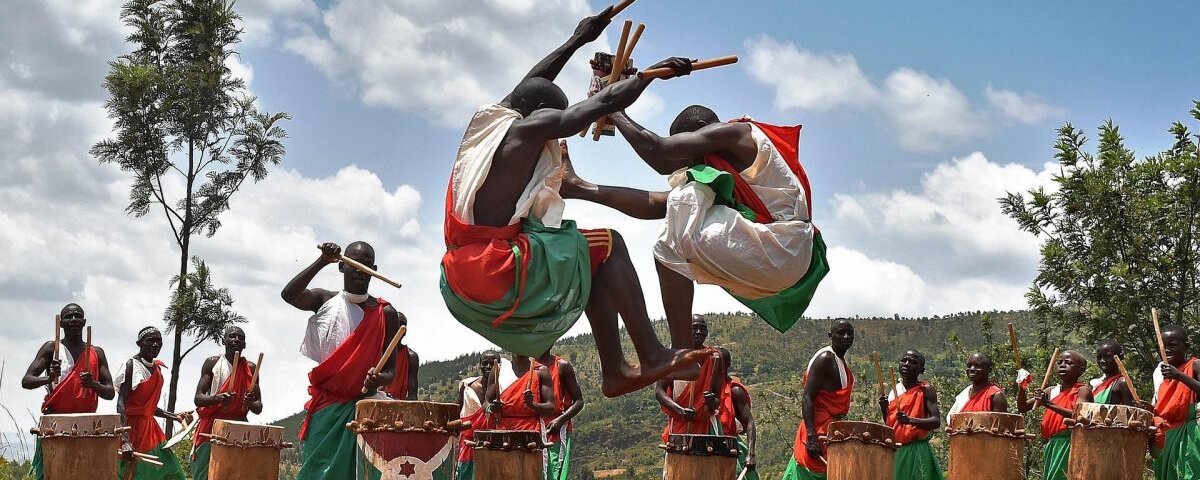
Burundi Safaris and Tours from Canada
Burundi safaris and tours from Canada offer Canadian travellers an opportunity to discover one of East Africa’s most authentic, peaceful, and culturally rich destinations. From the shores of Lake Tanganyika to the green hills of the countryside, Burundi welcomes visitors with beautiful landscapes, vibrant traditions, wildlife experiences, historical sites, and warm local hospitality. Although many Canadians first consider Tanzania, Kenya, Rwanda, or Uganda when planning an African holiday, Burundi offers a different kind of adventure that combines nature, culture, history, relaxation, and meaningful travel experiences.
Planning a safari from Canada to Burundi requires a little preparation, particularly when arranging international flights, accommodation, transportation, travel documents, activities, and connections within East Africa. However, with the right itinerary, travellers can comfortably explore Burundi and enjoy its remarkable attractions without rushing between destinations. Moreover, Burundi works well as a standalone holiday destination or as part of a wider East African journey that includes Uganda, Rwanda, Tanzania, or Kenya.
Whether you are travelling from Toronto, Vancouver, Montreal, Calgary, Ottawa, Edmonton, or another Canadian city, Burundi provides an opportunity to experience Africa beyond the familiar safari destinations. Its welcoming communities, rolling hills, lakeside scenery, cultural heritage, and emerging tourism experiences create memorable journeys for couples, families, solo travellers, groups, and adventure seekers. This guide explains how to plan Burundi safaris and tours from Canada, what to experience, when to travel, how to get around, and how to make the most of your African holiday.
Why Choose Burundi for a Safari from Canada?
Burundi offers a refreshing alternative to the more frequently visited African safari destinations. While countries such as Kenya and Tanzania attract travellers with large wildlife reserves and extensive safari circuits, Burundi appeals to visitors who appreciate cultural discovery, scenic landscapes, local experiences, and less crowded destinations. The country sits in the heart of East Africa and combines beautiful natural surroundings with a strong cultural identity. Consequently, travellers can experience a different side of Africa through meaningful encounters, traditional performances, countryside excursions, lakeside activities, and historical exploration.
One of Burundi’s greatest attractions is its landscape. The country features highlands, green valleys, agricultural communities, rivers, waterfalls, and the impressive Lake Tanganyika. These environments create opportunities for photography, nature walks, birdwatching, sightseeing, and relaxation. In addition, Burundi’s relatively compact size makes it possible to visit several attractions during a carefully planned holiday.
Canadian travellers who want to explore destinations beyond the traditional African safari routes may appreciate Burundi’s authentic atmosphere. Local markets, traditional drumming, coffee plantations, rural communities, and historic landmarks help visitors understand the country’s traditions and everyday life. Moreover, travellers can enjoy personal experiences without necessarily spending every day in a wildlife park.
Burundi also provides a useful starting point for regional exploration. Travellers can combine the country with Rwanda or Uganda, creating an itinerary that includes cultural experiences, mountain landscapes, gorilla trekking, chimpanzee encounters, and traditional safaris. This flexibility makes Burundi an appealing destination for Canadians who want a varied African adventure.
Where Is Burundi Located in Africa?
Burundi is a landlocked country in East Africa, bordered by Rwanda to the north, Tanzania to the east and south, and the Democratic Republic of Congo to the west across Lake Tanganyika. Its location places it within a region known for diverse landscapes, wildlife, mountain ecosystems, cultural heritage, and popular safari destinations. Although Burundi remains less prominent in international tourism than some of its neighbours, its geographical position makes it an interesting country for regional travel.
The country’s landscape includes high plateaus, mountainous areas, valleys, rivers, lakes, and fertile agricultural land. Much of Burundi’s countryside features rolling hills that create attractive scenery for road journeys. Visitors often enjoy travelling through rural areas because they can observe farming communities, local settlements, traditional markets, and everyday activities along the roads.
Lake Tanganyika, one of the world’s oldest and deepest freshwater lakes, forms an important part of Burundi’s western landscape. The lake provides opportunities for relaxation, swimming in suitable areas, boat excursions, fishing experiences, and scenic photography. Its shoreline also supports communities that depend on fishing and lake related activities.
Burundi’s location also makes regional safari planning possible. Travellers can explore Burundi and then continue to Rwanda, Uganda, or Tanzania depending on their interests, transportation arrangements, border requirements, and available travel time. Therefore, Canadians who want to discover several East African countries may consider Burundi as part of a wider itinerary instead of treating it as an isolated destination.
How to Travel to Burundi from Canada
Travelling from Canada to Burundi usually requires connecting flights because direct commercial flights from Canadian cities to Burundi are generally not part of standard international airline routes. Most travellers begin their journey at major Canadian airports such as Toronto Pearson International Airport, Montreal Trudeau International Airport, Vancouver International Airport, or Calgary International Airport. From there, passengers connect through international aviation hubs before continuing to Bujumbura.
Depending on the airline and route, travellers may connect through cities in Europe, the Middle East, or Africa. Common international transit hubs used for East African travel include Addis Ababa, Doha, Istanbul, Dubai, Brussels, and other major airports. However, airline schedules, route availability, and connections change regularly, so travellers should compare itineraries carefully before booking.
Bujumbura International Airport serves as Burundi’s main international aviation gateway. The airport receives regional and international flights and provides access to the country’s capital and surrounding destinations. After landing, travellers can arrange airport transfers, hotel transportation, or private safari vehicles depending on their itinerary.
When booking flights from Canada, consider the total travel time rather than simply choosing the lowest fare. Longer layovers may increase fatigue, while very short connections can create stress if an incoming flight experiences delays. Furthermore, travellers should check baggage policies, transit visa requirements, airline schedules, and ticket conditions before purchasing tickets.
A well planned flight itinerary should allow sufficient rest after arrival. Instead of immediately embarking on a long countryside journey, consider spending the first night in Bujumbura. This approach allows travellers to recover from international travel, exchange money where appropriate, organize their belongings, and begin sightseeing comfortably the following day.
Best Airports for Travelling to Burundi from Canada
Bujumbura International Airport is the principal arrival point for international visitors travelling to Burundi. Located near Bujumbura, the country’s main urban centre, it provides convenient access to hotels, restaurants, Lake Tanganyika, city attractions, and road connections to other destinations.
Canadian travellers should consider the airport when planning their international flight arrangements because it offers the most practical entry point for many Burundi itineraries. After arrival, a prearranged transfer can help visitors avoid unnecessary confusion, especially when travelling with luggage, arriving late at night, or visiting Burundi for the first time.
Bujumbura also provides an excellent starting point for exploring the country. Visitors can begin with the city, enjoy Lake Tanganyika, visit nearby attractions, and then travel towards inland destinations. Depending on their interests, travellers may arrange visits to waterfalls, cultural centres, historical locations, coffee growing areas, and scenic countryside.
For visitors combining Burundi with Rwanda, Uganda, or Tanzania, international and regional transportation arrangements may differ. Some travellers use regional flights, while others rely on road transportation and border crossings. Nevertheless, each route requires careful consideration of travel time, border procedures, security conditions, and vehicle arrangements.
Choosing the right airport and arrival arrangements can make a major difference to the overall experience. Therefore, Canadians should confirm airport transfers, accommodation check in times, and onward transportation before leaving home. These preparations create a smoother arrival and allow travellers to focus on enjoying their African holiday.
Best Time to Visit Burundi from Canada
Burundi can be visited throughout much of the year, although weather conditions may influence sightseeing, road journeys, outdoor activities, and countryside experiences. The country generally experiences rainy and drier periods, with local variations influenced by altitude and geography. Understanding these seasonal patterns can help Canadian travellers choose a suitable time for their safari.
The drier periods often provide favourable conditions for outdoor sightseeing, road travel, photography, hiking, and exploring cultural attractions. During these months, travellers may experience more manageable road conditions in rural areas and enjoy opportunities to spend time outdoors. Nevertheless, Burundi’s landscapes remain attractive throughout the year, and visitors should not assume that rainy periods prevent enjoyable travel.
Rainy periods can bring lush green scenery, beautiful vegetation, flowing rivers, and fresh landscapes. Photographers may appreciate the countryside during these months because the hills and agricultural areas often appear especially vibrant. However, rain can occasionally affect roads, walking activities, and transportation schedules. Travellers should therefore plan flexible itineraries and allow additional time for road journeys.
Canadian travellers should also consider their personal holiday schedules, school breaks, available vacation days, and flight costs. Christmas, New Year, summer holidays, and other popular international travel periods may influence airfare and accommodation availability.
Before departure, check the weather forecast for the specific destinations included in your itinerary. Burundi’s elevation and geographical differences mean conditions may vary between Bujumbura, the highlands, rural destinations, and lakeside locations.
Ultimately, the best time to visit Burundi depends on the experiences you want to enjoy. Travellers interested in scenery, cultural exploration, sightseeing, and relaxed lakeside holidays can arrange meaningful journeys throughout the year with suitable planning.
Burundi Safari Experiences for Canadian Travellers
Burundi offers several experiences that allow visitors to explore the country’s landscapes, traditions, history, communities, and natural attractions. Unlike destinations where wildlife safaris dominate tourism itineraries, Burundi provides a wider mix of cultural activities, sightseeing, scenic drives, outdoor adventures, and lakeside relaxation.
Travellers can explore Bujumbura, visit historical locations, discover traditional music and drumming, experience rural communities, enjoy Lake Tanganyika, and travel through the country’s beautiful countryside. These activities help visitors gain a deeper understanding of Burundi while enjoying a comfortable and engaging holiday.
For Canadian visitors, combining several experiences can make the journey more rewarding. Instead of spending the entire holiday in one location, a well planned itinerary can include the capital, countryside, lakeside destinations, cultural attractions, and nature experiences. This arrangement allows travellers to experience different aspects of Burundi while keeping the journey manageable.
Burundi also provides opportunities for travellers who enjoy slower tourism. Visitors can spend time at scenic viewpoints, explore local communities, enjoy traditional meals, relax beside the lake, and discover the country’s history without following a demanding daily schedule.
Depending on the itinerary, travellers may also combine Burundi with neighbouring countries. For example, a regional journey could include cultural exploration in Burundi, gorilla trekking in Uganda or Rwanda, and wildlife safaris in Uganda or Tanzania. Such itineraries appeal to Canadians seeking several experiences during one international holiday.
The following experiences highlight some of the attractions travellers may consider when planning Burundi safaris and tours.
Visit Lake Tanganyika
Lake Tanganyika is one of Burundi’s most important natural attractions and a wonderful destination for travellers who appreciate lakeside scenery. The lake stretches across several countries in East Africa and Central Africa, including Burundi, Tanzania, Zambia, and the Democratic Republic of Congo. Its remarkable size, beautiful shoreline, and natural environment make it a memorable part of a Burundi holiday.
Visitors can enjoy lakeside relaxation, photography, scenic walks, and selected water activities depending on local conditions and available services. Some travellers appreciate spending an afternoon beside the lake after exploring Bujumbura or completing a long road journey. The peaceful surroundings can provide a welcome break from busy travel schedules.
Lake Tanganyika also supports local communities, particularly those involved in fishing and other lake related activities. Visitors may observe aspects of local life while exploring suitable areas around the shoreline. Moreover, the lake offers opportunities to enjoy sunsets, beautiful landscapes, and outdoor dining experiences in selected locations.
Canadian travellers should choose lakeside activities carefully and follow local guidance. Water conditions, swimming areas, boat safety, and weather can vary, so visitors should use suitable facilities and follow instructions from experienced local providers.
A visit to Lake Tanganyika can fit into a short Burundi itinerary or form part of a longer holiday. Travellers who enjoy relaxation, nature, and scenic landscapes may find the lake one of the most memorable places to visit in the country.
Explore Bujumbura City
Canadian travellers can explore selected parts of the city with a knowledgeable local guide who understands the area’s history, cultural significance, and practical travel considerations. Guided sightseeing helps visitors appreciate the city’s character while making it easier to navigate unfamiliar neighbourhoods.
Depending on the itinerary, city experiences may include visiting markets, exploring historical locations, discovering cultural sites, observing local architecture, and enjoying traditional cuisine. Travellers may also learn about Burundi’s history, its communities, languages, traditions, and development.
Markets provide opportunities to observe everyday activities and discover locally produced goods. However, visitors should respect local customs, ask permission before photographing people, and use appropriate discretion when photographing sensitive locations.
Bujumbura also offers opportunities for relaxation. Travellers can enjoy comfortable accommodation, restaurants, lakeside settings, and convenient access to transportation services. Spending a day or two in the city can help visitors adjust to the local environment before continuing to rural destinations.
For Canadians arriving after a long international journey, Bujumbura provides a practical place to rest and begin exploring at a comfortable pace. Its urban experiences, lakeside scenery, and cultural attractions make it a valuable part of Burundi safaris and tours.
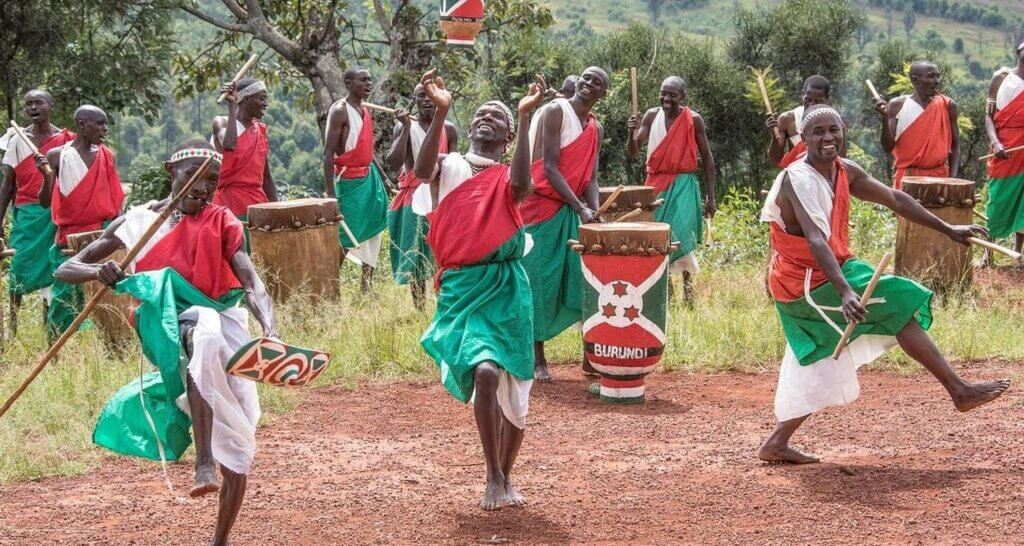
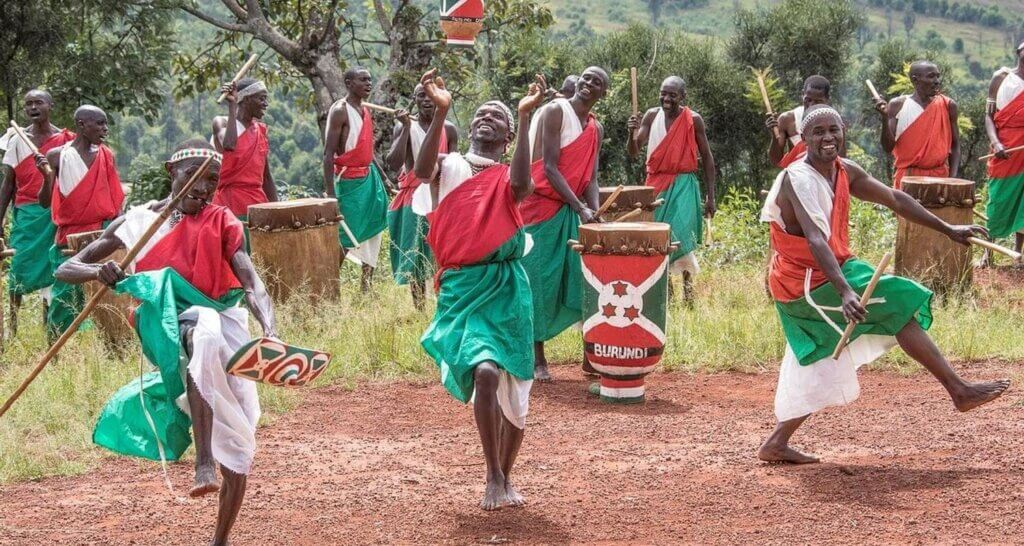
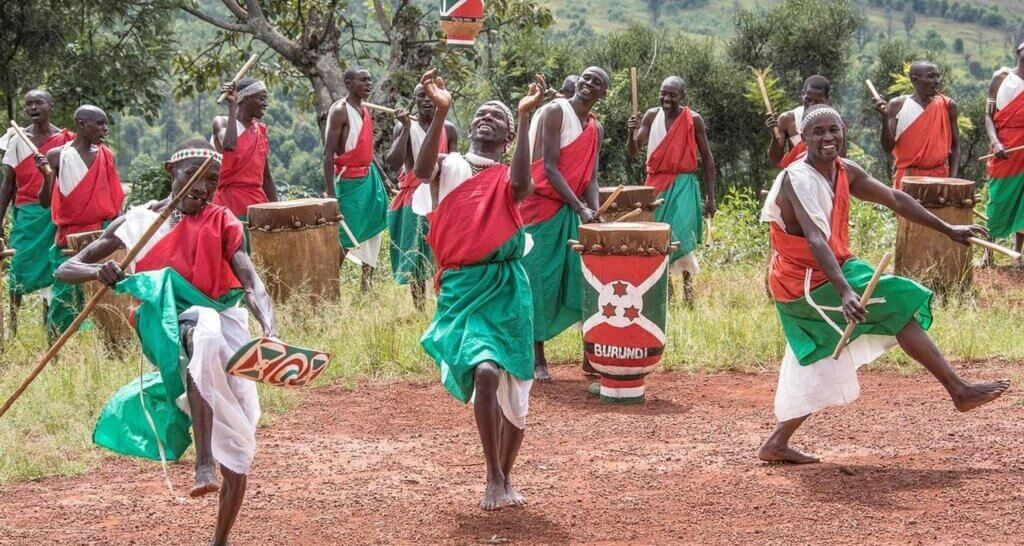
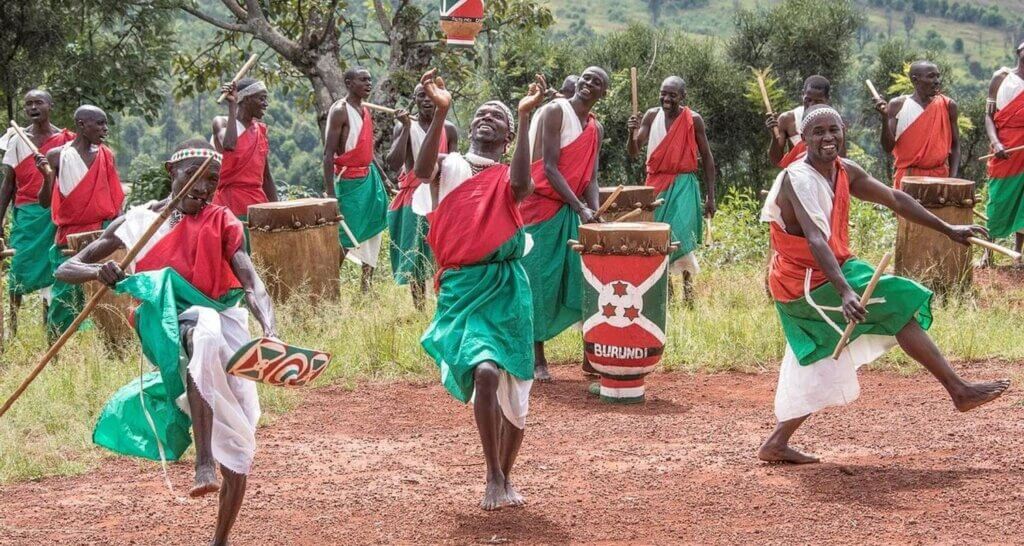
Discover the Gishora Drum Sanctuary
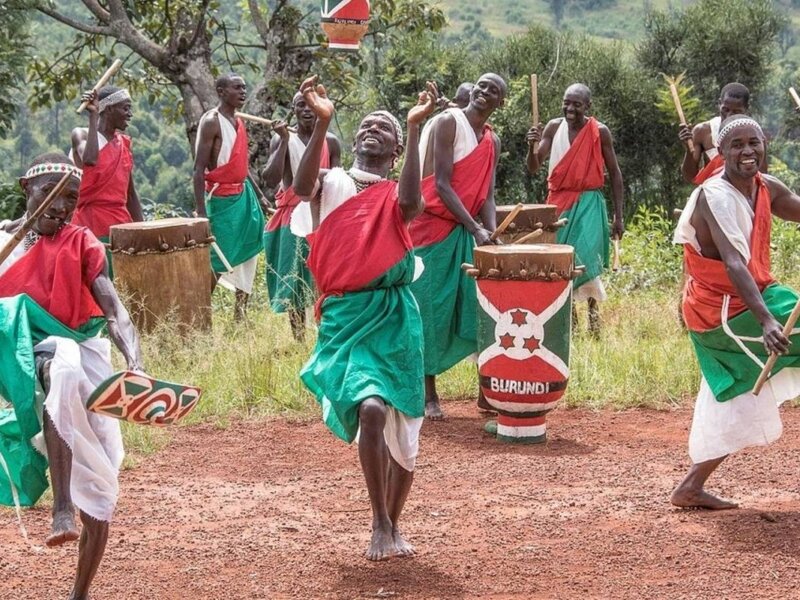
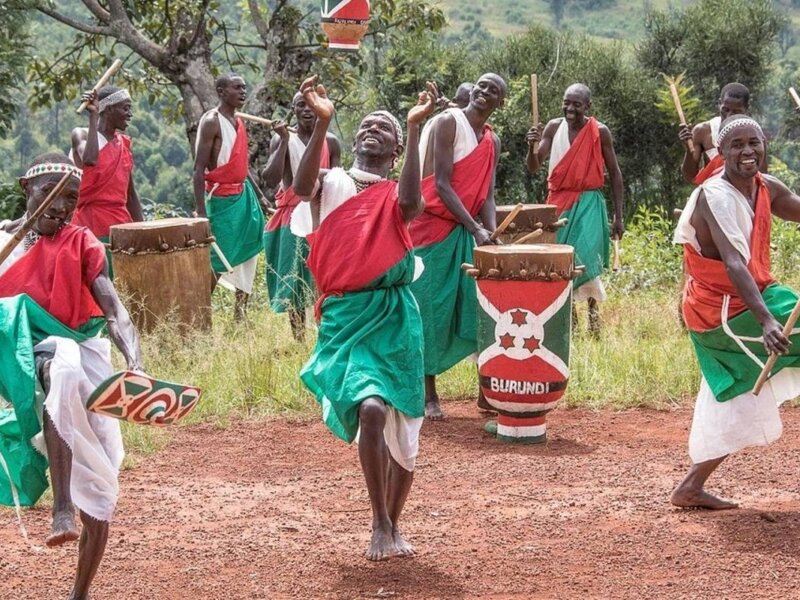
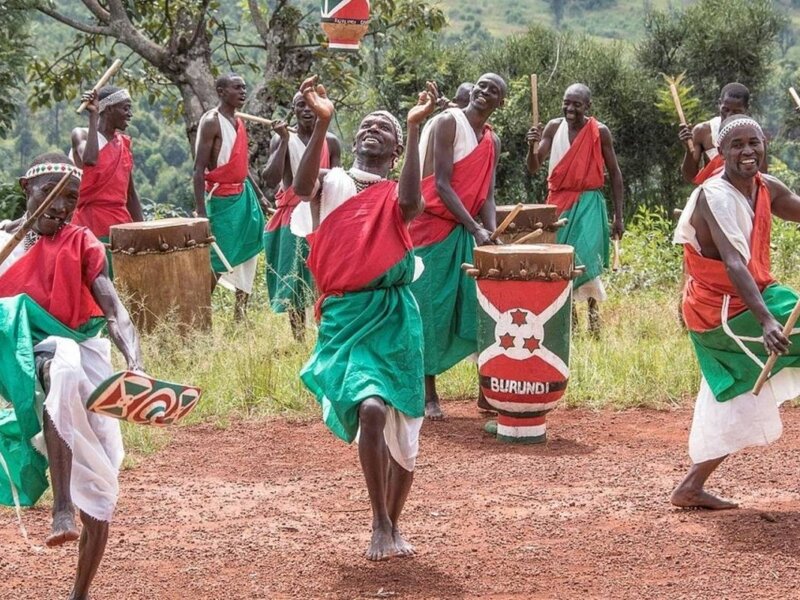
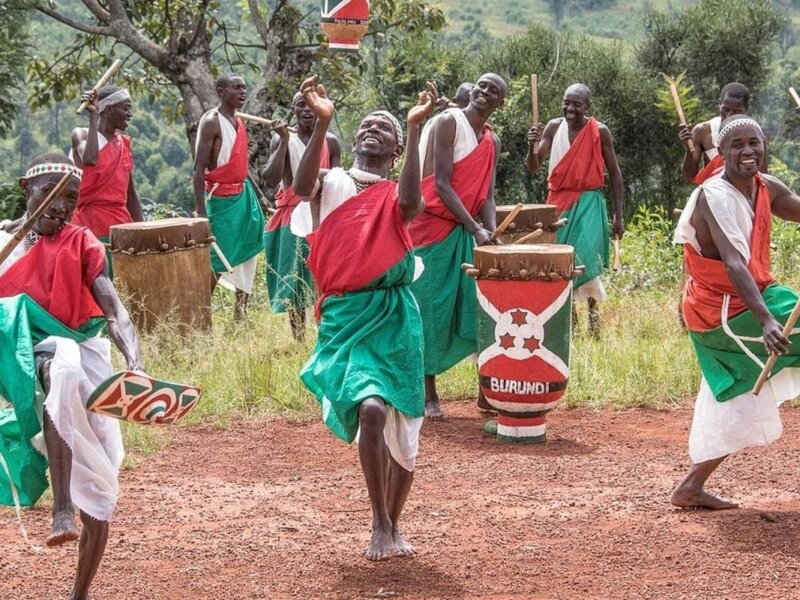
The Burundi royal drums, commonly associated with ceremonial traditions, represent an important part of the country’s cultural heritage. Traditional drummers perform coordinated rhythms and movements that demonstrate skill, discipline, teamwork, and cultural expression. The performances can be powerful and engaging, especially for travellers who have never experienced Burundi’s traditional music.
Visitors to Gishora can learn about the significance of drums, their traditional roles, and the cultural practices associated with performances. A visit can also provide insight into the country’s history, heritage, and traditions. Moreover, the experience allows travellers to appreciate cultural tourism beyond museums and historical monuments.
Canadian travellers interested in cultural experiences should consider including Gishora in their Burundi itinerary. The sanctuary provides a meaningful opportunity to connect with Burundi’s heritage through music and performance.
Visitors should approach cultural experiences respectfully. Ask before taking photographs, follow instructions from local guides, and appreciate performances as cultural expressions rather than simply entertainment.
A visit to Gishora can complement sightseeing in Bujumbura, countryside journeys, and historical exploration. It is especially appealing to travellers who want their African holiday to include meaningful cultural experiences and opportunities to learn about local traditions.
Visit Karera Waterfalls
The waterfalls offer an opportunity to experience Burundi’s natural environment beyond the capital. Travellers can appreciate the scenery, observe vegetation, explore suitable walking areas, and enjoy the peaceful atmosphere surrounding the falls. Depending on the season, water flow and surrounding conditions may change, creating different visual experiences throughout the year.
For Canadian visitors, Karera Waterfalls can fit into a longer Burundi itinerary that includes rural communities, cultural sites, and other attractions. A guided visit can help travellers understand the area’s geographical features, local significance, and natural environment.
Road travel to the waterfalls may require careful planning, especially during rainy periods. Visitors should arrange suitable transportation and allow sufficient time for the journey. Furthermore, footwear suitable for outdoor exploration can make the experience more comfortable.
Karera Waterfalls are particularly appealing to travellers who enjoy nature, scenic landscapes, and destinations away from busy urban environments. A visit can create memorable photographs while providing a chance to appreciate Burundi’s countryside.
The waterfalls also demonstrate the country’s natural diversity. Although Burundi is often associated with rolling hills and Lake Tanganyika, destinations such as Karera reveal additional landscapes and nature experiences worth discovering.
Explore the Source of the Nile
Burundi is associated with one of the geographical points traditionally identified as the southernmost source of the Nile River system. The Source of the Nile at Rutovu, in southern Burundi, is an interesting destination for travellers who enjoy geographical landmarks, historical exploration, and scenic countryside journeys.
The Nile River has played an important role in the history, geography, agriculture, and development of communities across northeastern Africa. Consequently, exploring a location associated with the river’s origins can provide an interesting perspective on the wider African landscape.
Visitors may travel through Burundi’s highlands to reach the site, enjoying views of rolling hills, rural communities, and agricultural landscapes along the way. The journey itself can be part of the experience, especially for travellers who appreciate scenic road trips and cultural sightseeing.
The location provides opportunities for photographs, geographical exploration, and learning about the Nile’s broader river system. However, the Nile has a complex network of tributaries and sources, so visitors should understand that the designation of its source involves geographical interpretation and historical exploration.
Canadian travellers can include the Source of the Nile in a longer countryside itinerary. Depending on the route, the excursion may combine other destinations in southern Burundi, making the journey more rewarding.
This attraction is especially interesting for travellers who appreciate geography, natural history, and the connection between African landscapes and major river systems. It adds a distinctive element to Burundi safaris and tours beyond conventional wildlife experiences.
Experience Burundi’s Coffee Culture
Travellers can learn about coffee cultivation, harvesting, processing, drying, and preparation through selected coffee experiences. Depending on the location and season, visitors may explore coffee growing areas, meet local producers, observe traditional and modern processing methods, and taste freshly prepared coffee.
Coffee experiences can also help travellers understand the connections between agriculture, local livelihoods, international markets, and rural development. Canadians who enjoy coffee may appreciate discovering how coffee production works in Burundi while gaining insight into the communities that depend on this agricultural activity.
The experience can form part of a cultural or countryside tour. Instead of simply visiting a plantation, travellers may enjoy conversations with local producers, learn about the challenges farmers face, and appreciate the work involved in producing quality coffee.
Seasonal considerations matter because coffee harvesting and processing activities vary throughout the year. Therefore, travellers interested in observing specific stages of production should confirm the availability of suitable experiences before travelling.
Burundi’s coffee culture provides a rewarding opportunity to explore the country’s agricultural heritage. It also offers a meaningful way to connect with local communities and discover a different aspect of East African tourism.
Enjoy Birdwatching in Burundi
Birdwatchers may explore selected natural areas with knowledgeable guides who understand local habitats and bird identification. Guided experiences can help visitors recognize bird calls, observe behaviour, identify species, and appreciate the ecological value of the environments they visit.
Birdwatching can be a particularly enjoyable activity for Canadians who prefer peaceful nature experiences rather than demanding outdoor adventures. Travellers can combine birding with countryside sightseeing, photography, walks, and visits to natural attractions.
The best birdwatching experiences often depend on location, season, weather, and the knowledge of the guide. Therefore, travellers should communicate their interests when planning their itinerary. Those with specific bird species on their wish lists may benefit from arranging a specialist guide.
Visitors should respect wildlife and avoid disturbing birds. Keeping a suitable distance, following local instructions, and using binoculars or cameras responsibly help protect wildlife and maintain a positive experience.
Burundi’s birdwatching opportunities add another dimension to the country’s tourism appeal. They can complement cultural sightseeing, lakeside relaxation, and nature excursions, making the destination attractive to travellers who enjoy diverse experiences during an African holiday.
Discover Burundi’s Countryside and Hills
Burundi’s countryside is one of the country’s most visually appealing features. The landscape includes rolling hills, fertile valleys, agricultural communities, small settlements, and winding roads that create beautiful views throughout many parts of the country. Travellers who enjoy scenic road journeys can appreciate the countryside while learning about rural life.
The hills provide opportunities for photography, nature walks in suitable areas, and cultural exploration. Along the way, visitors may observe farming activities, local markets, traditional homes, roadside produce, and community life. These encounters can help travellers understand how people live and work across Burundi.
Countryside experiences often feel different from conventional safari activities. Instead of spending hours searching for wildlife, visitors may enjoy scenic drives, conversations with local communities, learning about agriculture, and observing the changing landscapes.
Canadian travellers who appreciate slow travel may find these experiences especially rewarding. A countryside itinerary can allow time to explore without rushing, stop for photographs, enjoy local meals, and discover smaller destinations.
Road conditions can vary, so a suitable vehicle and experienced driver are important. During rainy periods, some rural routes may become challenging, and travellers should allow extra time for journeys.
Burundi’s hills offer an opportunity to discover the country through its landscapes and communities. This experience can help visitors develop a deeper appreciation of Burundi’s natural beauty, cultural identity, and everyday life.
Burundi Safari Tours for Couples from Canada
Burundi offers couples an opportunity to enjoy a relaxed African holiday filled with cultural experiences, scenic landscapes, lakeside relaxation, and private sightseeing. Whether couples are celebrating an anniversary, planning a honeymoon extension, enjoying a retirement holiday, or simply travelling together, Burundi can provide a memorable experience when the itinerary suits their interests.
Lake Tanganyika offers a beautiful setting for couples who appreciate scenic surroundings and quiet moments. Visitors can enjoy suitable lakeside accommodation, sunset views, dining experiences, photography, and relaxation. In addition, couples can explore Bujumbura, visit cultural attractions, enjoy traditional performances, and discover Burundi’s countryside together.
Private transportation can make a couple’s holiday more comfortable. Rather than travelling with unfamiliar groups, couples may choose a private vehicle and guide, allowing them to explore at their preferred pace. This arrangement can make it easier to stop for photographs, enjoy longer visits, or adjust activities according to their interests.
Accommodation choices can also influence the experience. Burundi offers different accommodation styles, including hotels, lodges, guesthouses, and selected lakeside properties. Couples should consider location, comfort, service, dining, and transportation arrangements when choosing accommodation.
Burundi can also form part of a larger romantic African journey. Couples may combine the country with Rwanda, Uganda, or Tanzania, depending on their travel preferences. Such an itinerary can include cultural experiences, lakeside relaxation, wildlife safaris, and gorilla trekking.
A carefully planned Burundi holiday can offer couples an opportunity to explore Africa together while enjoying a combination of culture, nature, relaxation, and meaningful travel experiences.
Burundi Safaris for Families from Canada
Burundi can offer families an opportunity to explore African culture, landscapes, history, and nature together. However, family travel requires careful planning because children may have different interests, energy levels, transportation needs, and accommodation preferences. Therefore, a family itinerary should balance sightseeing, relaxation, comfortable transportation, and suitable activities.
Families can explore Bujumbura, visit cultural attractions, enjoy selected lakeside experiences, discover the countryside, and learn about Burundi’s traditions. These activities can provide educational opportunities for children while allowing parents to enjoy the destination.
When planning family safaris, accommodation should offer suitable room arrangements, reliable services, convenient locations, and access to meals. Parents should also consider transportation distances and avoid itineraries that require long journeys every day.
Lake Tanganyika can provide opportunities for relaxation, although families should follow local water safety guidance and choose appropriate activities. Cultural experiences, guided sightseeing, and nature excursions can also help children learn about African geography, communities, traditions, and environmental conservation.
Travellers with younger children may benefit from private transportation because it provides greater flexibility. Families can schedule breaks, adjust departure times, and manage their travel days more comfortably.
Canadian families should also check travel requirements for every family member, including passports, entry documentation, health recommendations, and insurance. Parents should prepare suitable clothing, personal essentials, and activities for long international flights.
Burundi can be an interesting family destination when travellers choose suitable experiences and allow enough time to relax. A thoughtfully planned holiday can create memorable experiences while introducing children to different cultures, landscapes, and ways of life.
Burundi Safari Tours for elders from Canada
Burundi can appeal to senior travellers who appreciate cultural discovery, scenic sightseeing, relaxed travel schedules, and comfortable accommodation. However, older travellers may benefit from additional planning to ensure that transportation, activities, accommodation, and daily itineraries match their preferences and comfort levels.
A private safari vehicle can provide greater flexibility, allowing elders to enjoy sightseeing without rushing. Travellers can choose shorter excursions, spend more time at scenic locations, and schedule rest periods whenever necessary. Moreover, a knowledgeable guide can help manage local logistics and provide useful information throughout the journey.
Accommodation should also receive careful attention. seasoned travellers may prefer properties with comfortable beds, convenient access, reliable services, manageable stairs, and facilities that support their needs. Before booking, guests should communicate any mobility considerations directly to the accommodation provider.
Burundi’s cultural attractions, lakeside experiences, historical locations, and scenic drives can provide rewarding activities for elders who prefer moderate sightseeing. However, some destinations may involve uneven paths, stairs, steep slopes, or challenging roads. Travellers should confirm the physical requirements of each activity before including it in their itinerary.
Canadian elders should arrange suitable travel insurance and consult a qualified healthcare professional before departure regarding vaccinations, travel health preparation, medications, and individual health considerations.
A relaxed Burundi itinerary can offer senior travellers the opportunity to discover the country at a comfortable pace. With appropriate planning, the journey can combine culture, nature, history, scenery, and relaxation.
Burundi Safaris for Solo Travellers from Canada
Burundi can be explored by solo travellers who enjoy cultural discovery, nature, photography, history, and independent travel. However, travelling alone in an unfamiliar destination requires careful planning, particularly when arranging transportation, accommodation, activities, and local support.
Solo travellers may benefit from arranging airport transfers and guided excursions before arrival. A reliable local guide can help visitors navigate unfamiliar places, understand local customs, discover cultural attractions, and organize transportation between destinations. Furthermore, private guided experiences can provide flexibility while reducing the logistical challenges associated with independent travel.
Accommodation selection is important for solo travellers. Visitors should choose established properties with suitable locations, reliable communication, and transportation arrangements. Travellers should also keep family members or trusted contacts informed about their itinerary and use sensible precautions when exploring unfamiliar areas.
Burundi offers experiences that solo travellers may enjoy, including city sightseeing, cultural performances, coffee experiences, countryside excursions, birdwatching, and lakeside relaxation. These activities can provide opportunities to learn about the country while exploring at a comfortable pace.
Some solo travellers may prefer joining small guided excursions, particularly when visiting remote attractions. Shared experiences can provide opportunities to meet other travellers while making transportation and activity arrangements easier.
Canadian solo travellers should also consider their personal comfort, local security conditions, entry requirements, and travel insurance. Before travelling, check current advice from Canadian authorities and discuss practical arrangements with a reputable local tour operator.
Burundi can provide an interesting destination for solo travellers who value cultural experiences and meaningful exploration. With thoughtful planning, visitors can discover the country’s landscapes, traditions, and attractions confidently.
Burundi Safari Tours for Groups from Canada
Burundi can be an interesting destination for small groups, friends, families travelling together, photography groups, cultural travellers, and organized international tours. Group travel can simplify transportation arrangements, allow travellers to share experiences, and create opportunities to explore the country together.
Groups can organize cultural sightseeing, countryside excursions, visits to Lake Tanganyika, traditional drumming performances, coffee experiences, and historical exploration. Depending on their interests, travellers may also include regional destinations in Rwanda, Uganda, or Tanzania.
Transportation arrangements should match the group size. A suitable vehicle or combination of vehicles can provide comfortable seating, luggage capacity, and flexibility throughout the itinerary. Travellers should consider the number of passengers, luggage, road conditions, and distances between destinations when planning transportation.
Accommodation can also influence group travel. Hotels, lodges, and guesthouses may offer different room arrangements, dining options, and group services. Early planning can help groups secure suitable accommodation, particularly when travelling during popular holiday periods.
Group itineraries should allow enough time for activities and avoid unnecessary rushing. While some travellers may enjoy extensive sightseeing, others may prefer relaxation or photography. Therefore, a balanced schedule can help everyone enjoy the journey.
Canadian groups should also organize travel documents, insurance, entry requirements, flight arrangements, and local transportation well in advance. Clear communication between travellers can make the planning process easier.
Burundi provides an opportunity for groups to discover African culture, nature, and landscapes together. With appropriate planning, the destination can support rewarding shared experiences and memorable holidays.
How Many Days Do You Need for a Burundi Safari?
The number of days required for a Burundi safari depends on your interests, arrival arrangements, destinations, and whether you plan to explore neighbouring countries. Travellers with limited time can enjoy selected attractions in Bujumbura and around Lake Tanganyika, while visitors with longer holidays can explore additional countryside destinations and cultural sites.
A three day Burundi trip can provide a short introduction to the country. Travellers may explore Bujumbura, enjoy Lake Tanganyika, and visit a cultural attraction, depending on their arrival and departure schedules. However, this itinerary may require careful planning to avoid spending too much time in transportation.
A five day itinerary can offer a more balanced experience. Visitors may spend time in Bujumbura, visit the Gishora Drum Sanctuary, explore countryside attractions, discover Karera Waterfalls, and enjoy a lakeside experience. Actual destinations should depend on road conditions, accommodation availability, and travel times.
A seven day Burundi holiday can provide additional opportunities to explore different parts of the country. Travellers may include several cultural experiences, scenic destinations, nature excursions, and relaxation days. This longer itinerary can reduce the pressure to rush between attractions.
Canadians planning a regional African journey may need more time. Combining Burundi with Uganda, Rwanda, or Tanzania can create an itinerary that includes several countries and different experiences. Depending on the destinations, travellers may need ten days, two weeks, or longer.
The ideal itinerary should balance sightseeing with comfortable travel. Rather than trying to visit every attraction, choose destinations that match your interests and allow enough time to enjoy each experience.
Suggested 3 Day Burundi Safari from Canada
A three day Burundi safari provides a short introduction to the country’s culture, city attractions, and lakeside scenery. Although international flights from Canada require considerable travel time, visitors who have already arrived in Burundi or incorporated it into a regional itinerary can enjoy several experiences within three days.
Day 1: Arrival in Bujumbura and Lake Tanganyika
Arrive in Bujumbura and transfer to your hotel. Depending on your arrival time, enjoy a relaxed city sightseeing experience or visit selected attractions around the city. Later, spend time beside Lake Tanganyika, enjoying its scenic surroundings and relaxing after your journey. Overnight in Bujumbura.
Day 2: Cultural Experience and City Exploration
After breakfast, explore selected cultural and historical attractions in Bujumbura. Depending on your itinerary, visit local markets, cultural locations, or historical sites with a knowledgeable guide. Enjoy a traditional meal and discover more about Burundi’s culture and everyday life. Later, return to your accommodation for relaxation.
Day 3: Countryside Experience and Departure
Depending on your flight schedule, enjoy a short excursion, a relaxed breakfast, or additional sightseeing before transferring to Bujumbura International Airport. Travellers with late departures may include a suitable activity if transportation and timing permit.
This short itinerary works best when travellers arrive in Burundi before the first sightseeing day. Canadians flying directly from Canada should consider adding arrival and departure days because international flight schedules can significantly affect available sightseeing time.
Suggested 5 Day Burundi Safari from Canada
A five day Burundi safari offers more opportunities to explore cultural attractions, scenic landscapes, countryside destinations, and Lake Tanganyika. This itinerary allows travellers to discover several aspects of Burundi while maintaining a manageable pace.
Day 1: Arrival in Bujumbura
Arrive in Bujumbura and transfer to your hotel. Enjoy a relaxed evening and prepare for the following day’s sightseeing.
Day 2: Bujumbura City Tour and Lake Tanganyika
Explore Bujumbura’s selected attractions, markets, cultural locations, and historical sites. Later, enjoy time beside Lake Tanganyika, appreciating its scenery and relaxing in a lakeside setting.
Day 3: Gishora Drum Sanctuary and Countryside
Travel towards Gishora to experience Burundi’s traditional drumming heritage. Enjoy a cultural performance and learn about the importance of traditional drums in Burundian culture. Depending on the route, explore selected countryside locations before returning to your accommodation or continuing to another suitable destination.
Day 4: Karera Waterfalls Excursion
Explore Karera Waterfalls and appreciate the natural surroundings, vegetation, and scenic views. The excursion provides an opportunity to experience Burundi’s countryside and discover a different part of the country. Road conditions and travel time should determine the day’s schedule.
Day 5: Departure
Enjoy breakfast and, depending on your departure time, a relaxed morning or suitable short excursion. Transfer to Bujumbura International Airport for your onward flight.
This itinerary can be adjusted according to accommodation preferences, flight schedules, road conditions, and individual interests. Travellers should confirm the feasibility of countryside journeys before booking.
Suggested 7 Day Burundi Safari from Canada
A seven day Burundi safari offers a more comprehensive opportunity to discover the country’s cultural heritage, landscapes, natural attractions, and lakeside scenery. This itinerary can provide a balanced holiday for travellers who want to explore Burundi without rushing between destinations.
Day 1: Arrival in Bujumbura
Arrive in Burundi through Bujumbura International Airport. Meet your driver and transfer to your accommodation. Enjoy a relaxed evening after your international journey.
Day 2: Bujumbura City Tour
Explore Bujumbura’s selected attractions, markets, historical locations, and cultural sites. Enjoy a local meal and learn about the city’s history, culture, and daily life.
Day 3: Lake Tanganyika Experience
Spend time exploring the Lake Tanganyika shoreline. Depending on available activities, enjoy lakeside relaxation, sightseeing, photography, and suitable water activities. Return to your accommodation for overnight.
Day 4: Gishora Drum Sanctuary
Travel to Gishora and experience traditional Burundi drumming. Learn about the country’s cultural heritage and appreciate the rhythm, movements, and artistry of the performers. Enjoy scenic countryside views along the journey.
Day 5: Karera Waterfalls
Explore Karera Waterfalls and enjoy a nature excursion. Depending on road conditions and the route, the day may include additional countryside sightseeing.
Day 6: Countryside Exploration
Discover selected countryside attractions, scenic landscapes, local communities, or coffee growing areas depending on your interests. This day can also be adjusted to include additional cultural experiences or relaxation.
Day 7: Departure
Enjoy breakfast and transfer to Bujumbura International Airport according to your departure schedule.
This seven day itinerary provides flexibility and can be customized to include different accommodation styles, additional attractions, or regional travel arrangements. Canadian travellers should allow extra days for international flight connections if they want to enjoy the itinerary without rushing.
Burundi and Uganda Safaris from Canada
Burundi can provide cultural sightseeing, traditional drumming, Lake Tanganyika, countryside exploration, and historical experiences. Uganda, on the other hand, offers wildlife safaris, gorilla trekking, chimpanzee experiences, national parks, lakes, mountains, and cultural activities. Combining both countries can create a varied itinerary that balances cultural exploration with nature and wildlife.
Travellers may begin in Burundi and continue to Uganda through suitable regional flight connections or road transportation, depending on available routes, border requirements, and itinerary preferences. Alternatively, visitors may begin in Uganda and continue to Burundi.
A Uganda and Burundi safari can include experiences such as:
Lake Tanganyika relaxation in Burundi.
Traditional drumming at Gishora.
Burundi countryside sightseeing.
Gorilla trekking in Bwindi Impenetrable National Park or Mgahinga Gorilla National Park.
Wildlife safaris in Queen Elizabeth National Park.
Lake Bunyonyi relaxation in Uganda.
Gorilla trekking requires a valid permit, advance planning, and compliance with park regulations. Travellers should also consider age restrictions, physical requirements, and the availability of permits.
A regional itinerary should carefully consider flight connections, border crossings, accommodation, transportation, and the number of days available. Canadians who want to experience both countries can benefit from a well organized itinerary that balances travel time with activities.
Burundi and Rwanda Safaris from Canada
Burundi offers Lake Tanganyika, traditional drumming, cultural attractions, countryside experiences, coffee growing areas, and scenic landscapes. Rwanda provides opportunities to explore Kigali, discover cultural heritage, visit selected nature destinations, and experience gorilla trekking in Volcanoes National Park.
Travellers may organize a regional journey that includes Bujumbura, selected Burundi attractions, Kigali, cultural sightseeing, and nature experiences in Rwanda. Depending on the itinerary, visitors may also include gorilla trekking, which requires advance permit arrangements and compliance with park regulations.
Regional travel between Burundi and Rwanda may involve flights or road transportation. Travellers should carefully consider border crossing requirements, immigration procedures, vehicle arrangements, travel time, and current conditions before booking.
Canadian visitors should ensure that their travel documents meet the entry requirements for both countries. Depending on their nationality, visa arrangements, travel dates, and itinerary, they may need separate entry permissions or eligible regional visa arrangements. Always verify current requirements with official immigration authorities.
A Burundi and Rwanda safari can be especially appealing to travellers who enjoy cultural experiences, scenic landscapes, historical exploration, and nature. With appropriate planning, the journey can provide a rewarding introduction to two neighbouring countries with distinctive tourism experiences.
Burundi and Tanzania Safaris from Canada
Travellers may explore Burundi before continuing to Tanzania for wildlife safaris in destinations such as Serengeti National Park, Ngorongoro Conservation Area, or other suitable safari locations. Depending on their travel interests, visitors may also consider Zanzibar as an extension of their holiday.
Tanzania offers opportunities to observe wildlife in natural habitats, including lions, elephants, giraffes, zebras, buffaloes, and other animals, depending on the destination and season. Safari experiences can involve game drives, guided nature activities, accommodation in lodges or camps, and scenic exploration.
Combining Burundi and Tanzania requires careful transportation planning because the countries share a border, but road and flight arrangements may vary depending on the route and itinerary. Travellers should consider distances, border procedures, available connections, and accommodation locations.
Canadian travellers interested in a regional journey may benefit from allocating sufficient time for both countries. A balanced itinerary can include several days in Burundi followed by a wildlife safari in Tanzania.
This combination appeals to travellers who want to experience different aspects of East Africa during one holiday, including cultural heritage, countryside scenery, wildlife, and relaxation.
Accommodation Options for Burundi Safaris from Canada
Burundi offers different accommodation options for international travellers, ranging from comfortable city hotels and guesthouses to lodges and selected lakeside properties. Choosing suitable accommodation can influence the overall safari experience because location, comfort, transportation, dining, and services all affect how visitors enjoy their holiday.
Bujumbura provides a convenient accommodation base for travellers arriving internationally. Hotels in the city may offer restaurants, Wi-Fi, airport transfer arrangements, business facilities, and access to local attractions. Staying in Bujumbura can make it easier to organize city sightseeing, Lake Tanganyika excursions, and onward transportation.
Lakeside accommodation may appeal to travellers who appreciate scenic surroundings and relaxation. Depending on the property, visitors may enjoy lake views, outdoor dining, gardens, and access to suitable lakeside activities. These properties can provide a comfortable setting for couples, families, and travellers seeking a slower holiday.
Travellers exploring the countryside may consider accommodation that provides convenient access to their planned attractions. However, accommodation availability and service standards can vary between destinations. Therefore, visitors should confirm facilities, location, room arrangements, meals, and transportation arrangements before booking.
Canadian travellers can choose accommodation according to their budget and preferences. Some visitors may prefer comfortable standard hotels, while others may prioritize luxury services, privacy, scenic surroundings, or particular amenities.
When planning a Burundi safari, consider the accommodation location in relation to the activities you want to enjoy. A property that reduces unnecessary driving can help make the journey more comfortable and allow travellers to spend more time exploring.
What Does a Burundi Safari from Canada Cost?
The cost of a Burundi safari from Canada depends on several factors, including international airfare, accommodation, transportation, sightseeing activities, meals, travel insurance, visa requirements, and the number of days spent in the country. Consequently, two travellers visiting Burundi during the same period may spend different amounts depending on their travel preferences.
International flights represent a significant part of the overall travel budget. Airfare can vary according to the Canadian departure city, airline, travel dates, booking time, connecting airports, baggage allowances, and route availability. Travellers should compare flight options carefully and consider total journey time when choosing their tickets.
Accommodation costs depend on the property, location, season, room type, services, and meal arrangements. Luxury hotels and selected lakeside properties may cost more than standard hotels or guesthouses. However, choosing accommodation based on location and comfort can help travellers manage their overall budget.
Transportation costs depend on the itinerary, vehicle type, distances, driver services, and whether travellers book private or shared transportation. Visiting several countryside attractions may increase transportation expenses because of road distances and travel time.
Activities may also influence the overall budget. Guided city tours, cultural experiences, nature excursions, coffee experiences, boat activities, and additional attractions may have different charges.
Canadian travellers should also budget for travel insurance, visa fees where applicable, airport transfers, tips, personal purchases, meals not included in their itinerary, and emergency expenses.
Rather than choosing a safari based solely on the lowest price, travellers should evaluate what the package includes. A clear quotation should explain accommodation, transportation, activities, meals, guide services, airport transfers, and excluded expenses. This approach makes it easier to compare offers and avoid unexpected costs.
Budget Burundi Safaris from Canada
Budget Burundi safaris can help travellers explore the country while managing their holiday expenses. However, affordable travel does not necessarily mean sacrificing the quality of the experience. Travellers can reduce costs through thoughtful itinerary planning, suitable accommodation choices, efficient transportation arrangements, and selecting activities that match their interests.
One way to manage costs is to choose comfortable standard accommodation instead of luxury properties. Hotels and guesthouses that offer essential services, convenient locations, and suitable facilities can provide good value for travellers who spend much of their time exploring.
Travellers may also reduce transportation expenses by arranging efficient routes and avoiding unnecessary backtracking. Visiting attractions located along the same route can help make road journeys more practical. However, transportation should still provide suitable comfort, safety, and reliability.
The number of travellers can influence the cost of private transportation. Couples, families, or small groups may share vehicle expenses depending on the arrangement. Nevertheless, group size, vehicle capacity, and luggage requirements should determine the most suitable transportation option.
Canadian visitors can also manage their spending by planning meals, considering activities in advance, and allowing time for free or low cost sightseeing experiences where appropriate. Lakeside relaxation, selected scenic viewpoints, and cultural exploration may provide meaningful experiences without requiring expensive activities.
Budget travellers should still prioritize suitable accommodation, reliable transportation, travel insurance, and responsible tourism practices. Avoiding unnecessary expenses should never come at the expense of basic comfort or safety.
A well planned budget Burundi safari can provide rewarding cultural and nature experiences while helping travellers manage their overall holiday costs.
Luxury Burundi Safaris from Canada
Luxury Burundi safaris can appeal to Canadian travellers who appreciate comfortable accommodation, private transportation, personalized services, convenient logistics, and carefully planned experiences. Although Burundi has a smaller luxury tourism infrastructure than some neighbouring safari destinations, visitors can still arrange comfortable journeys based on available accommodation, services, and travel arrangements.
Luxury accommodation may include selected hotels, premium properties, and lakeside establishments that offer enhanced comfort, convenient facilities, and personalized service. Travellers should evaluate the actual facilities of each property rather than relying solely on its marketing description.
Private transportation can also improve the experience. A dedicated vehicle and driver may allow travellers to enjoy sightseeing at their preferred pace, make stops for photography, and adjust their itinerary when necessary. Moreover, private transfers can make international arrival and departure arrangements more convenient.
Luxury itineraries may include private cultural experiences, selected dining arrangements, scenic excursions, coffee experiences, and personalized sightseeing. Depending on availability, travellers may also arrange additional regional experiences in Rwanda, Uganda, or Tanzania.
Canadian travellers planning luxury holidays should communicate their preferences clearly. Accommodation expectations, dietary requirements, mobility considerations, private guide arrangements, activities, and transportation needs can help the tour planner create a suitable itinerary.
Luxury travel should also focus on quality experiences rather than simply expensive accommodation. A thoughtful itinerary, reliable service, comfortable transportation, meaningful cultural experiences, and appropriate planning can contribute significantly to an enjoyable Burundi holiday.
Transportation in Burundi
Transportation is an important part of planning Burundi safaris and tours because many attractions require road travel. Although Bujumbura provides access to several city and lakeside experiences, countryside destinations may involve longer journeys and varying road conditions.
Private safari vehicles can provide a convenient option for international travellers. A vehicle with a knowledgeable driver can help visitors explore attractions, manage luggage, navigate routes, and travel according to their itinerary. The vehicle type should match the number of passengers, luggage capacity, road conditions, and travel requirements.
Travellers should consider the distances between destinations when planning daily activities. Some countryside attractions may require substantial travel time, so itineraries should avoid scheduling too many activities on the same day. Moreover, road conditions can change depending on weather, local circumstances, and infrastructure.
Regional transportation may involve flights, road transfers, or border crossings when combining Burundi with Rwanda, Uganda, or Tanzania. These arrangements should be confirmed before departure because schedules and routes may change.
Canadian travellers should avoid assuming that every attraction is easily accessible by standard vehicles. Some rural routes may require suitable transportation, and travel time can vary significantly.
Reliable transportation arrangements can improve the overall experience by reducing stress and allowing visitors to enjoy the journey. Therefore, travellers should confirm their vehicle, driver, transfer arrangements, route, and departure times before starting their safari.
What to Pack for Burundi Safaris from Canada
Packing appropriately can make a Burundi safari more comfortable, particularly when travellers plan to explore cities, lakeside destinations, countryside attractions, and cultural locations. Because Burundi’s weather can vary according to location and season, travellers should prepare for different conditions rather than packing only for one type of weather.
Lightweight clothing can work well in warmer areas, while comfortable layers may help during cooler mornings, evenings, or higher altitude excursions. Travellers should choose clothing that supports comfort during sightseeing and road journeys.
Comfortable walking shoes can be useful for exploring cultural attractions, countryside destinations, markets, and nature sites. Depending on the itinerary, travellers may also pack sandals, a lightweight rain jacket, and suitable outdoor clothing.
A small day bag can help visitors carry essential items during excursions. Consider packing sunscreen, sunglasses, a hat, personal medications, a reusable water bottle, travel documents, and basic personal care items.
Canadian travellers should also consider practical travel accessories such as power adapters, charging cables, a portable charging device, binoculars for birdwatching, and a camera. Electronic devices should be protected during road journeys and outdoor activities.
Travel documents should remain accessible throughout the journey. Keep passport details, flight information, accommodation confirmations, insurance documents, and relevant entry permissions organized.
Packing should reflect the activities planned rather than unnecessary items. Travellers who prepare appropriately can enjoy their Burundi safari more comfortably and avoid carrying excessive luggage.
Travel Documents and Visa Requirements for Canadians Visiting Burundi
Canadian citizens planning to visit Burundi should ensure that their passports, entry documentation, and travel arrangements meet the country’s current immigration requirements. Passport validity, visa arrangements, permitted entry conditions, and immigration procedures may change, so travellers should verify the latest requirements through official authorities before departure.
A valid passport is essential for international travel. Travellers should check the expiry date and ensure that the passport meets the requirements for their itinerary. They should also confirm whether they need a visa before arrival, whether a particular visa arrangement applies to their trip, and which documents immigration authorities require.
When travelling through other countries, Canadian visitors should check transit requirements as well. Some international connections may require additional documentation depending on the airport, airline, length of transit, or whether travellers leave the transit area.
Travellers combining Burundi with Rwanda, Uganda, Tanzania, or another country should also confirm entry requirements for every destination. Regional travel may involve different immigration procedures, and eligibility for regional visa arrangements can depend on nationality and travel conditions.
It is advisable to keep copies of passport details, flight bookings, accommodation confirmations, travel insurance, and relevant entry documents. These documents may help travellers manage unexpected situations during their holiday.
Canadian travellers should consult official Canadian travel advice and Burundi’s immigration authorities before departure. They should also confirm entry requirements with their airline because airlines may require documentation before boarding.
Preparing travel documents early helps reduce uncertainty and makes international travel more manageable.
Health and Safety Considerations for Burundi Safaris from Canada
Health and safety preparation is an important part of planning an African holiday. Canadian travellers should consider their health needs, travel activities, transportation arrangements, accommodation, and current conditions before travelling to Burundi.
Before departure, consult a qualified healthcare professional or travel clinic to discuss travel vaccinations, preventive health measures, prescription medications, and other health recommendations relevant to your itinerary. Individual recommendations may depend on medical history, destinations, travel duration, activities, and current health guidance.
Travellers should also consider comprehensive travel insurance that covers appropriate medical expenses, emergency assistance, trip interruption, and other relevant risks. Insurance policies differ, so visitors should review their coverage carefully.
During the holiday, follow local guidance, use suitable transportation, and avoid unnecessary risks. Travellers should also take sensible precautions when visiting unfamiliar places, including keeping valuables secure, being aware of their surroundings, and using reputable transportation providers.
Outdoor activities require additional consideration. Visitors should follow instructions from local guides, respect wildlife, use appropriate footwear, and avoid areas where conditions may be unsafe.
Canadian travellers should review the latest official travel advice for Burundi before departure. Security conditions, health recommendations, local restrictions, and transportation circumstances may change.
A responsible travel approach helps visitors protect themselves while respecting local communities and environments. Preparation, reliable local support, suitable insurance, and awareness of current conditions can contribute to a more comfortable and enjoyable Burundi safari.
Responsible Tourism in Burundi
Responsible tourism helps visitors enjoy Burundi while respecting local communities, cultural traditions, natural environments, and livelihoods. Canadian travellers can contribute positively to tourism by making thoughtful choices throughout their holiday.
Supporting locally owned accommodation, restaurants, guides, transport providers, artisans, and community experiences can help tourism benefits reach local people. Visitors may also purchase locally made products, enjoy traditional meals, and participate in cultural experiences organized by communities.
Respect for cultural traditions matters when exploring Burundi. Travellers should dress appropriately for the setting, ask permission before photographing people, follow instructions at cultural sites, and avoid activities that disrespect local customs. Furthermore, visitors should approach cultural experiences with curiosity and appreciation rather than treating communities as attractions.
Environmental responsibility is equally important. Travellers should avoid littering, minimize unnecessary waste, respect wildlife, and follow local guidance when visiting natural areas. Lake Tanganyika, waterfalls, wetlands, countryside landscapes, and other natural environments deserve careful protection.
Responsible tourism also involves making informed choices about transportation, accommodation, activities, and tour providers. Visitors can ask about local employment, environmental practices, community partnerships, and responsible visitor management.
Burundi’s tourism sector can benefit from travellers who appreciate cultural authenticity, local knowledge, and sustainable experiences. By supporting responsible tourism practices, Canadian visitors can enjoy meaningful holidays while contributing to the communities and environments that make Burundi special.
How to Book Burundi Safaris and Tours from Canada
Booking Burundi safaris and tours from Canada requires planning international flights, accommodation, transportation, activities, travel documents, and travel insurance. Working with a reliable local tour operator can simplify these arrangements and help travellers create an itinerary that matches their interests, available time, and budget.
Begin by deciding how many days you want to spend in Burundi. Consider whether you want to explore Bujumbura, visit Lake Tanganyika, experience traditional drumming, discover Karera Waterfalls, explore coffee growing areas, or enjoy countryside sightseeing. Your interests should determine the itinerary rather than trying to visit every attraction.
Next, choose accommodation according to your comfort preferences and budget. Consider the location, services, room arrangements, dining options, and transportation access.
International flights should also receive early attention. Canadian travellers should compare airlines, connecting airports, flight durations, baggage policies, and departure dates. Whenever possible, allow sufficient time between connecting flights.
When requesting a safari quotation, provide your arrival and departure dates, number of travellers, accommodation preferences, activities, and budget range. This information helps the tour operator prepare an appropriate itinerary and quotation.
Before confirming a booking, review the quotation carefully. Understand what the package includes, what it excludes, payment arrangements, cancellation terms, accommodation details, transportation, and activity costs.
Travellers should also confirm their travel documents, insurance, and current entry requirements before departure.
Early planning can help Canadians enjoy a smoother Burundi holiday. A well organized itinerary allows visitors to focus on discovering the country’s culture, landscapes, nature, and hospitality.
Frequently Asked Questions About Burundi Safaris and Tours from Canada
Is Burundi a good destination for Canadian travellers?
Yes, Burundi can be an interesting destination for Canadians who enjoy cultural experiences, scenic landscapes, historical exploration, nature, and lakeside relaxation. The country offers traditional drumming, Lake Tanganyika, countryside attractions, coffee experiences, and opportunities to learn about local communities. Travellers should review current official travel advice and prepare their itinerary carefully before visiting.
How do Canadians travel to Burundi?
Canadians generally travel to Burundi by connecting international flights from major Canadian airports. Routes may connect through Europe, the Middle East, or other African aviation hubs before arriving at Bujumbura International Airport. Flight schedules and connections vary, so travellers should compare available routes.
How many days should I spend in Burundi?
Three days can provide a short introduction to Bujumbura and selected attractions. Five days can allow a more balanced itinerary, while seven days or longer can provide additional opportunities to explore countryside destinations, cultural attractions, and natural landscapes. Travellers combining Burundi with other East African countries should consider additional days.
What is the best time to visit Burundi?
Burundi can be visited throughout the year. Drier periods often provide favourable conditions for road travel and outdoor sightseeing, while rainy periods can create lush landscapes and beautiful scenery. The best time depends on your interests, itinerary, weather preferences, and available travel dates.
Can I combine Burundi with Uganda?
Yes. Burundi and Uganda can be combined into a regional East African itinerary. Travellers may explore Burundi’s cultural attractions and Lake Tanganyika before continuing to Uganda for gorilla trekking, wildlife safaris, chimpanzee experiences, and other nature activities. Transportation, border requirements, and permits should be arranged carefully.
Can I combine Burundi with Rwanda?
Yes. Burundi and Rwanda can form an interesting regional itinerary that includes cultural experiences, countryside sightseeing, historical exploration, and gorilla trekking in Rwanda. Travellers should plan transportation, border crossings, entry requirements, and accommodation in advance.
Is Burundi suitable for families?
Burundi can be suitable for families who enjoy cultural experiences, nature, sightseeing, and relaxed holidays. Families should choose appropriate accommodation, transportation, and activities based on the ages, interests, and needs of their children.
Is Burundi suitable for senior travellers?
Yes, Burundi can appeal to elders who enjoy cultural sightseeing, scenic drives, relaxation, and nature experiences. Private transportation, suitable accommodation, flexible itineraries, and careful activity selection can make the journey more comfortable.
What currency is used in Burundi?
Burundi uses the Burundian franc. Travellers should plan their money arrangements before departure and confirm local payment options, currency exchange services, and whether particular accommodation or tour providers accept international cards.
Is Burundi expensive for tourists?
The overall cost depends on international airfare, accommodation, transportation, activities, meals, travel duration, and travel preferences. Travellers can manage their budget by choosing suitable accommodation, planning efficient routes, and selecting activities according to their interests.
What should I pack for a Burundi safari?
Pack comfortable clothing, walking shoes, a lightweight rain jacket, sunscreen, sunglasses, a hat, personal medications, travel documents, charging accessories, and suitable luggage. Your packing list should reflect the season, destinations, and activities included in your itinerary.
Can I visit Burundi and go gorilla trekking?
Burundi does not offer the same established gorilla trekking tourism experiences as Uganda and Rwanda. However, travellers can combine Burundi with Uganda’s Bwindi Impenetrable National Park or Mgahinga Gorilla National Park, or Rwanda’s Volcanoes National Park, depending on their itinerary and permit availability.
Plan Your Burundi Safaris and Tours from Canada
Burundi safaris and tours from Canada provide an opportunity to explore a beautiful East African destination filled with cultural heritage, scenic landscapes, nature, historical experiences, and warm local hospitality. From discovering Bujumbura and relaxing beside Lake Tanganyika to experiencing traditional drumming at Gishora, visiting Karera Waterfalls, exploring the countryside, and learning about Burundi’s coffee culture, the country offers meaningful experiences for travellers seeking something different from conventional African safari destinations.
Whether you are planning a short holiday, a cultural adventure, a relaxed lakeside escape, a family trip, or a regional journey combining Burundi with Uganda, Rwanda, or Tanzania, thoughtful planning can help you enjoy a comfortable and rewarding experience. Canadian travellers should organize their flights, accommodation, transportation, travel documents, insurance, and activities early to make their holiday easier.
Burundi remains an interesting destination for visitors who want to discover Africa through its landscapes, communities, traditions, and everyday life. By choosing responsible tourism experiences and exploring the country at a comfortable pace, travellers can appreciate its beauty while supporting local tourism businesses and communities.
Ultimately, Burundi safaris and tours from Canada offer an opportunity to discover a different side of East Africa, enjoy authentic cultural experiences, explore beautiful natural environments, and create lasting memories during an African holiday.