Burundi Safaris and Tours from Australia
November 24, 2026
Burundi Safaris for seasoned Travellers
November 24, 2026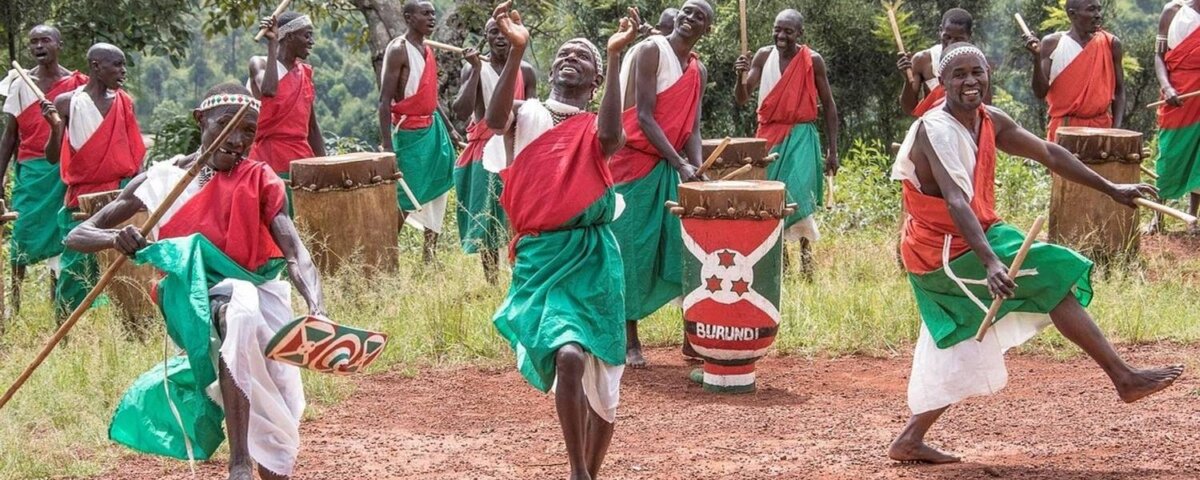
Burundi Safaris and Tours from Europe
Burundi safaris and tours from Europe offer an exciting opportunity to discover one of Africa’s most beautiful and less explored destinations. European travellers can experience scenic mountains, peaceful lakes, traditional communities, rich wildlife, cultural attractions and warm African hospitality during a holiday in Burundi. Although Burundi remains less visited than some of its East African neighbours, the country offers rewarding experiences for travellers who want something different from the usual African safari.
Located in the heart of East Africa, Burundi combines natural beauty with a fascinating cultural heritage. From the shores of Lake Tanganyika to the green hills surrounding Bujumbura, the country offers beautiful places to explore. Furthermore, visitors can enjoy traditional drumming performances, nature walks, birdwatching, boat excursions, local markets and visits to historical sites. These experiences create a memorable holiday for couples, families, photographers, nature lovers and adventurous travellers.
For visitors travelling from Europe, Burundi also provides an opportunity to explore a different side of East Africa. You can combine your Burundi holiday with Rwanda, Uganda, Kenya or Tanzania to create a wider African adventure. For example, a trip can include the cultural attractions of Burundi, gorilla trekking in Uganda, golden monkey tracking in Rwanda and wildlife safaris in East Africa’s famous national parks.
Planning Burundi safaris and tours from Europe requires careful attention to international flights, entry requirements, accommodation, transport, travel seasons and local experiences. Therefore, understanding these details before departure helps you enjoy a comfortable and well-organised holiday. This guide explores everything European travellers need to know when planning a Burundi safari, from choosing destinations and activities to arranging accommodation, transport and practical travel arrangements.
Why Choose Burundi Safaris and Tours from Europe?
Burundi offers European travellers a refreshing alternative to the more established African tourism destinations. While countries such as Kenya, Tanzania and Uganda attract many international visitors, Burundi provides a quieter travel experience with beautiful landscapes and meaningful cultural encounters. Consequently, travellers who want to discover less crowded destinations can enjoy a different type of African holiday.
One of Burundi’s greatest attractions is its natural beauty. The country features rolling green hills, mountain landscapes, forests, rivers and the impressive Lake Tanganyika. These landscapes create opportunities for sightseeing, photography, hiking and outdoor recreation. Moreover, the country’s relatively compact size allows visitors to explore several attractions during a single holiday when they plan their journeys carefully.
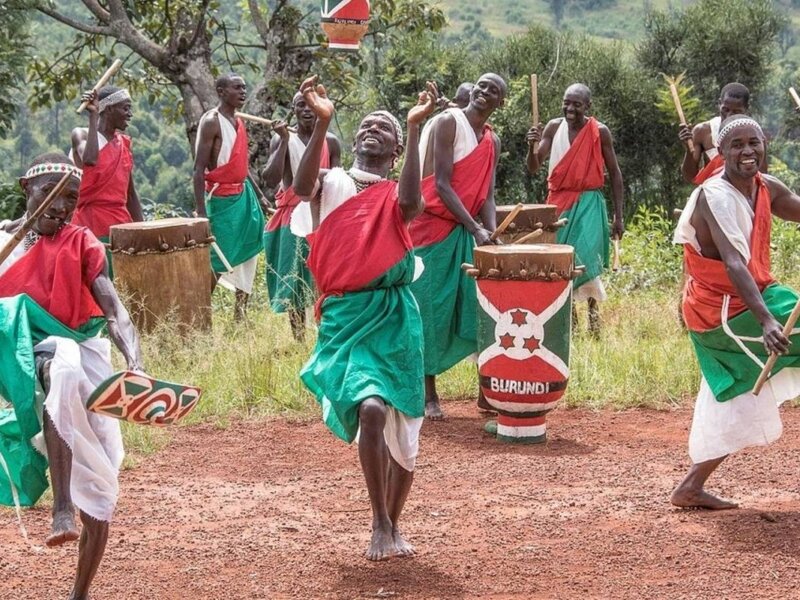
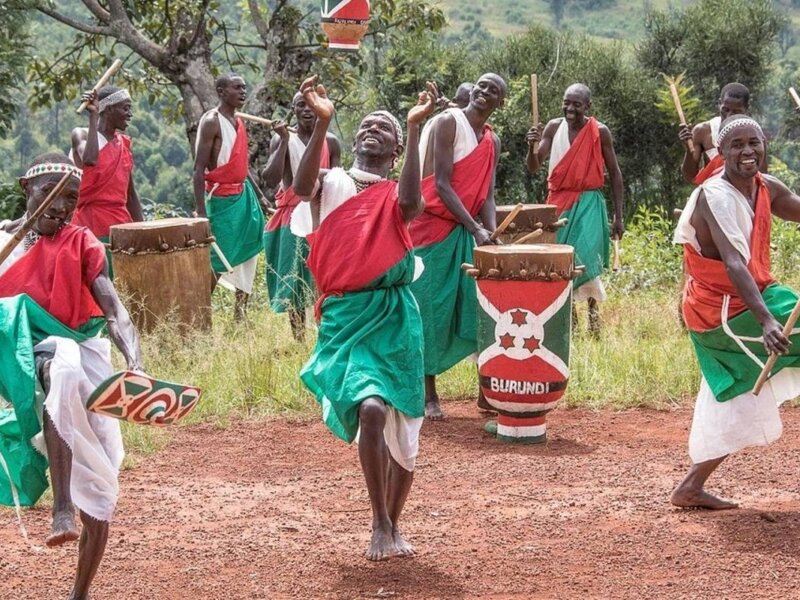
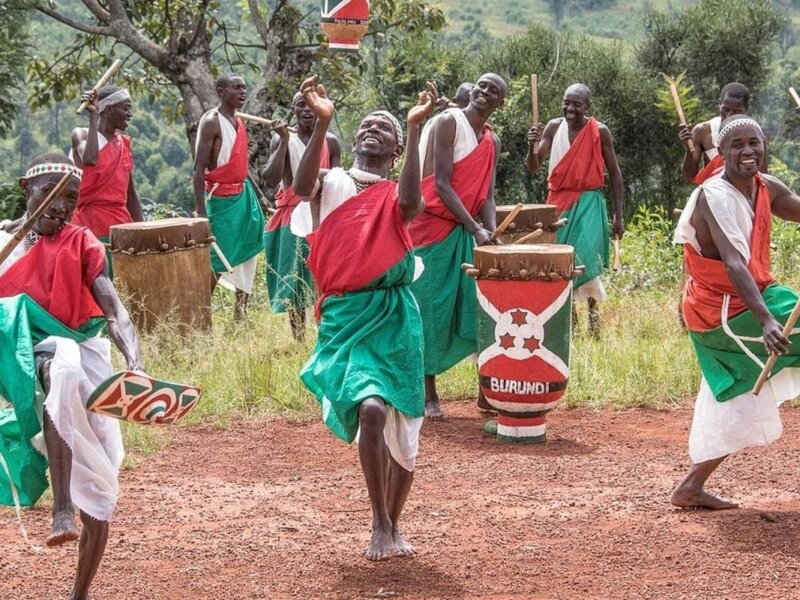
Burundi also has a strong cultural identity. Traditional drumming, dance, crafts, local food and community life provide opportunities to understand the country’s heritage. A visit to Gitega, the country’s political capital, introduces travellers to important cultural attractions. Meanwhile, Bujumbura offers a lively urban experience with lakeside scenery, restaurants and local markets.
Another reason to choose Burundi involves the opportunity to create a multi-country East African holiday. European visitors can combine Burundi with Rwanda and Uganda or extend their journey to Kenya and Tanzania. This approach allows travellers to experience different landscapes, cultures and wildlife attractions within one international holiday.
Furthermore, Burundi suits travellers who value authentic experiences rather than visiting only famous tourist attractions. Local interactions, countryside drives and cultural visits can become some of the most memorable parts of the journey. With proper planning and a knowledgeable local tour operator, Burundi safaris can provide an enjoyable introduction to a fascinating part of Africa.
How to Travel to Burundi from Europe
European travellers can reach Burundi through international air connections serving Melchior Ndadaye International Airport in Bujumbura. The airport serves as the country’s main international gateway and provides access to the capital and other destinations across Burundi. However, most European visitors should expect at least one connecting flight because direct services from major European cities may not be available.
Travellers departing from London, Paris, Brussels, Amsterdam, Frankfurt, Rome, Madrid and other European cities can explore connecting routes through major international aviation hubs. Depending on the airline and available schedules, connections may involve Addis Ababa, Doha, Istanbul, Nairobi or other regional and international gateways. The most suitable route depends on your departure city, travel dates, airline availability and budget.
When choosing a flight, consider more than the advertised ticket price. Total journey time, baggage allowance, connection duration and arrival time in Bujumbura can affect your travel experience. For example, a cheaper ticket with a very long connection may not offer the best value when compared with a slightly more expensive flight that saves several hours.
Additionally, European travellers should check whether their connecting airports require transit visas or other travel documents. Requirements can vary according to nationality, passport type, airport and whether you need to leave the international transit area.
We recommend arranging your international flights early, especially when travelling during European school holidays or the December festive season. Early planning gives you more time to compare airlines, select suitable connections and coordinate your arrival with your Burundi safari itinerary.
Once you confirm your flights, you can arrange airport transfers, accommodation and guided activities before departure. This preparation makes arrival in Burundi easier and allows you to begin your holiday with confidence.
Best European Countries for Travelling to Burundi
Burundi welcomes travellers from different parts of Europe, and visitors can organise their journeys from almost any European country with suitable international flight connections. However, departure cities, airline networks and ticket prices differ. Therefore, your country of residence can influence the most convenient route and overall travel budget.
Travellers from the United Kingdom can explore flights departing from London and other major airports. London provides access to several international airlines and connecting destinations. Visitors from Manchester, Birmingham, Edinburgh and other cities can also arrange connecting journeys through larger European or international airports.
France provides another convenient starting point for East African travel. Travellers departing from Paris can compare routes through international aviation hubs that connect Europe with Africa and the Middle East. Similarly, visitors from Belgium can explore departures from Brussels, while travellers from the Netherlands can consider Amsterdam Schiphol Airport.
Germany also offers several international departure options. Frankfurt and Munich provide connections to different parts of the world, making them useful starting points for travellers planning an African holiday. Meanwhile, visitors from Switzerland, Austria and Italy can arrange journeys through major international airports.
Travellers from Spain, Portugal, Sweden, Norway, Denmark and other European countries can also reach Burundi through connecting flights. The best route depends on the available airline schedules and the traveller’s preferred departure airport.
Rather than assuming that one European country offers the cheapest journey, compare actual flights for your intended dates. Consider baggage fees, overnight connections, airport transfers and arrival times. Ultimately, the best departure arrangement is one that balances price, comfort and convenience.
Best Time to Visit Burundi from Europe
Choosing the right travel season helps European visitors enjoy the best experiences during their Burundi holiday. Burundi has a tropical climate, although altitude, rainfall and local geography influence weather conditions in different parts of the country. Therefore, visitors should consider their preferred activities when selecting travel dates.
The country generally experiences two main dry periods. The first runs from June to September, while the second usually occurs from December to February. These months often provide favourable conditions for sightseeing, countryside drives, cultural visits and outdoor activities. In addition, relatively dry roads can make journeys between destinations more comfortable.
The rainy seasons generally occur from March to May and from October to November. During these months, rainfall can affect road conditions, especially on rural routes and in mountainous areas. However, the rainy season also brings beautiful green landscapes, fresh vegetation and attractive scenery for photography. Travellers who enjoy nature and quieter destinations may appreciate these conditions.
European summer holidays between June and September provide a convenient opportunity to visit Burundi. Families and couples can use their annual leave to explore the country’s cultural and natural attractions. December and January also offer an opportunity for travellers who want to escape the European winter and enjoy warmer conditions in East Africa.
However, weather alone should not determine your travel dates. Always consider current security conditions, government travel advisories, park access and transport arrangements. Some destinations may face temporary restrictions regardless of the season. A reliable local operator can help assess the proposed itinerary before you confirm your international flights.
Top Destinations to Visit on Burundi Safaris and Tours
Burundi has several destinations that deserve attention during a well-planned holiday. Each destination offers something different, from wildlife and cultural heritage to beautiful lakes and mountain scenery. Consequently, travellers can create an itinerary that combines several experiences instead of concentrating only on the capital.
Bujumbura provides an excellent starting point for exploring the country. The city offers access to Lake Tanganyika, Rusizi National Park, historical attractions and local markets. It also provides accommodation, restaurants and important travel services.
Gitega introduces visitors to Burundi’s cultural heritage. The city offers access to the famous Gishora Drum Sanctuary and other historical attractions. Travellers interested in traditional music and the country’s royal history can dedicate time to this destination.
Nature lovers can consider Kibira National Park, Ruvubu National Park and other protected areas, subject to current access and security conditions. These destinations provide opportunities to appreciate Burundi’s natural environments, including forests, wetlands and savannah landscapes.
Lake Tanganyika also deserves an important place in a Burundi holiday. Its beautiful shoreline creates opportunities for relaxation, photography and lakeside experiences. Furthermore, the surrounding communities offer insights into fishing traditions and everyday life.
Travellers with additional time can explore the southern and central highlands, where green hills, agricultural landscapes and traditional settlements create attractive countryside scenery. However, distances, road conditions and current travel restrictions should guide the final route.
A good Burundi safari does not need to cover every destination. Instead, it should allow enough time to appreciate the places included in the itinerary without rushing between different regions.
Exploring Bujumbura on a Burundi Safari
Bujumbura offers an interesting introduction to Burundi for European visitors arriving by international flight. Situated along the northeastern shores of Lake Tanganyika, the city combines urban life, lakeside scenery, cultural attractions and access to nearby natural environments. It provides a convenient starting point for travellers who want to understand the country before exploring destinations outside the capital.
One of the city’s main attractions is its beautiful lakeside setting. Lake Tanganyika creates a relaxing atmosphere, especially during suitable weather conditions. Visitors can enjoy scenic views, explore selected lakeside areas and learn about the fishing communities that depend on the lake. The shoreline also provides attractive photography opportunities.
Bujumbura has several historical and cultural attractions. The Living Museum of Bujumbura introduces visitors to aspects of local crafts, traditional instruments and natural history. Travellers can also explore important monuments and historical locations that help explain Burundi’s past.
Local markets offer another interesting experience. They provide opportunities to observe everyday commerce, discover regional products and appreciate the city’s lively atmosphere. Visitors can also sample Burundian food at suitable local restaurants.
Furthermore, Bujumbura provides access to nearby attractions such as Rusizi National Park. However, travellers should check current security guidance before planning excursions outside the city. A guided city visit can help European visitors understand local customs, transport arrangements and important cultural locations.
Discovering Lake Tanganyika During Your Burundi Holiday
The lake forms part of the natural landscape surrounding Bujumbura. Its clear waters, distant mountains and attractive shoreline create beautiful views throughout the day. Early mornings often provide peaceful conditions for photography, while late afternoons can offer excellent opportunities to enjoy the changing colours of the sky.
Visitors can explore suitable lakeside areas, observe fishing activities and learn about communities that depend on the lake for their livelihoods. Fishing plays an important role in local life, and the surrounding settlements provide opportunities to understand traditional economic activities.
Depending on local conditions and available services, travellers may also arrange supervised boat experiences and other recreational activities. However, visitors should always follow local safety advice, use reputable service providers and avoid entering unfamiliar waters without appropriate supervision.
Lake Tanganyika also provides an excellent setting for relaxation after several days of sightseeing. Travellers can enjoy the scenery, experience local hospitality and appreciate the relationship between the lake and surrounding communities.
When planning a visit, consider the time needed for transfers and other activities. Combining Lake Tanganyika with nearby attractions can create a rewarding day in the Bujumbura area, provided current travel conditions allow the proposed excursion.
Visit Gishora Drum Sanctuary in Gitega
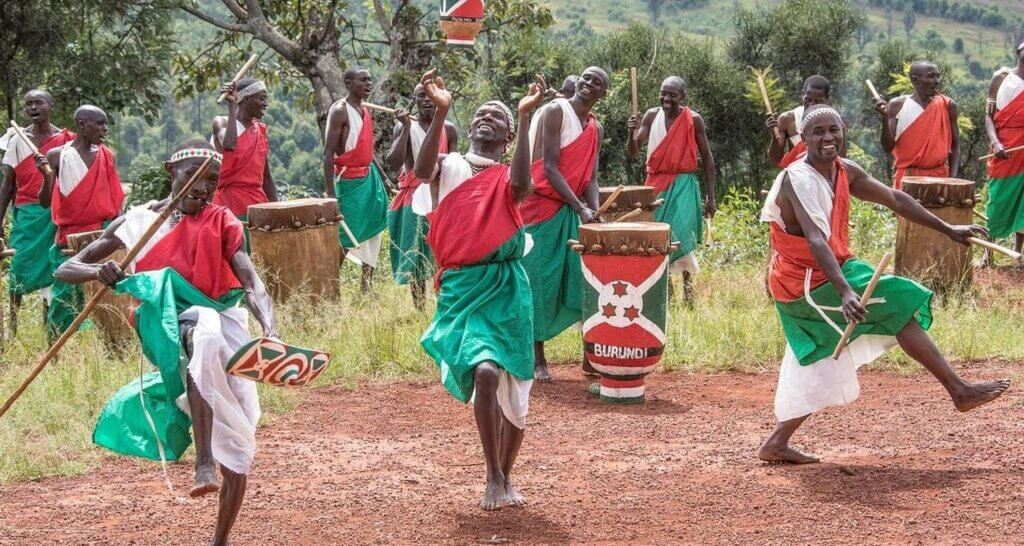
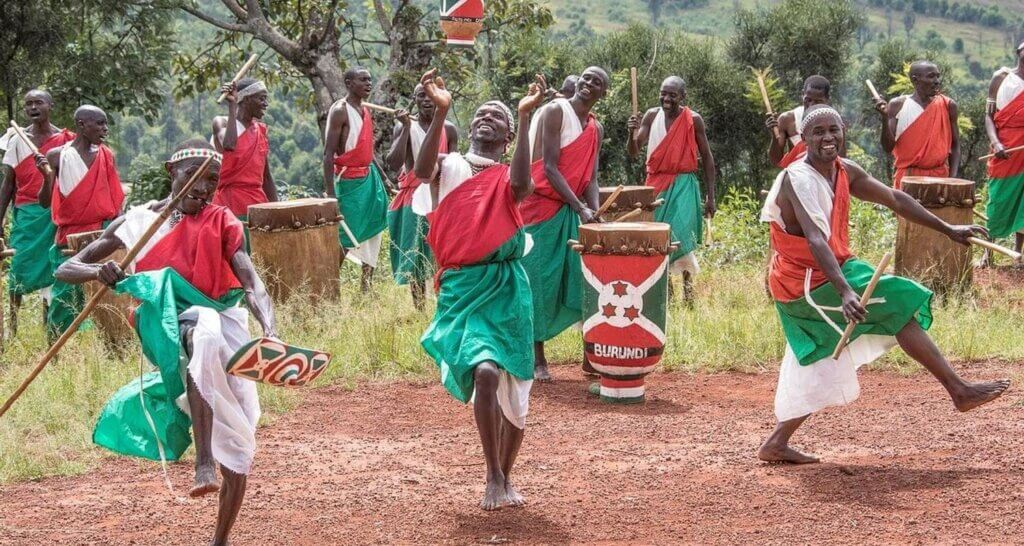
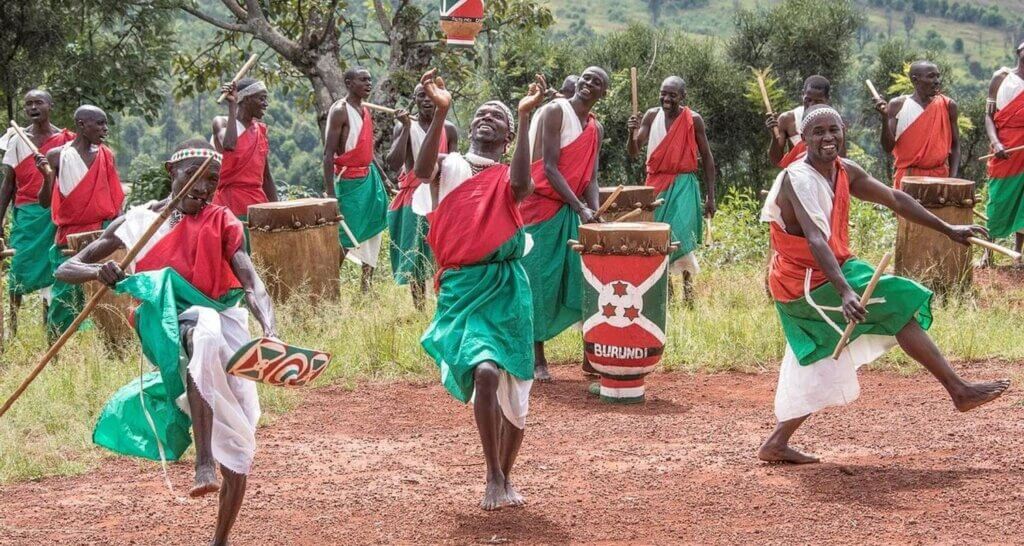
The Gishora Drum Sanctuary is one of Burundi’s most important cultural attractions. Located near Gitega, this historic site provides European travellers with an opportunity to understand the country’s royal drum heritage and traditional performing arts. It offers a memorable experience for visitors interested in African history, music and cultural traditions.
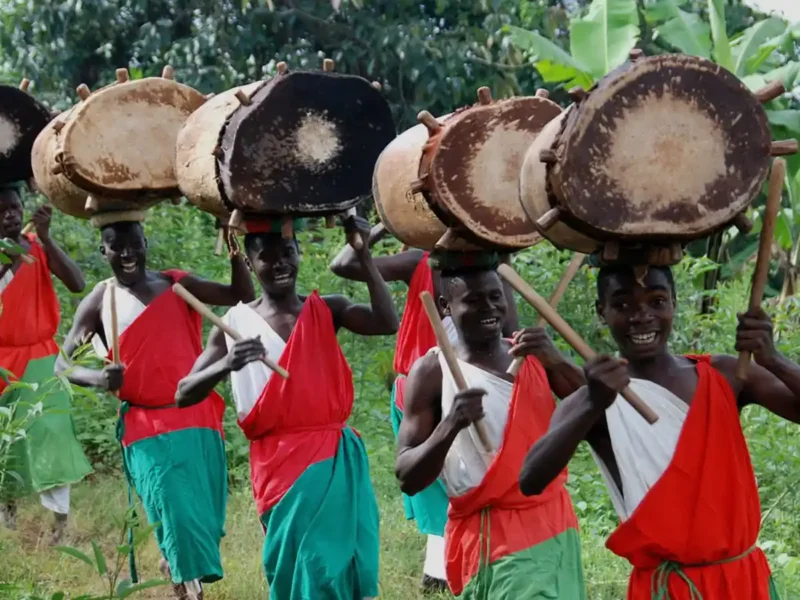
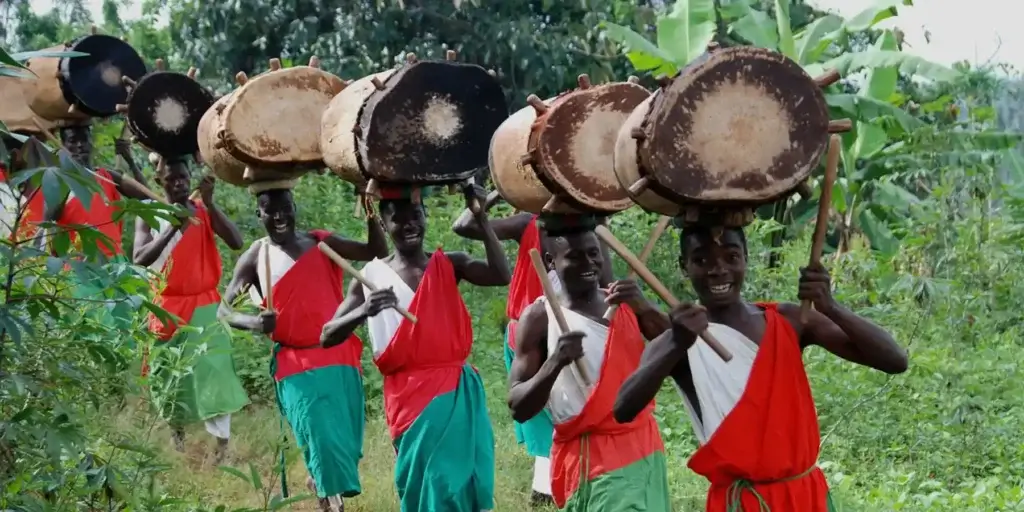
Traditional Burundian drumming holds an important place in the country’s cultural identity. The drums represent more than musical instruments because their history connects with royal ceremonies, community celebrations and national heritage. Their powerful rhythms and coordinated performances create a distinctive cultural experience.
During a properly arranged visit, travellers can learn about the significance of the royal drums and appreciate the skill involved in traditional performances. The drummers use carefully coordinated movements, rhythm and dance to create an energetic presentation. The experience also introduces visitors to the cultural meaning behind different performance traditions.
The sanctuary sits on a hill approximately seven kilometres from Gitega’s urban centre. Its setting provides an opportunity to combine cultural learning with an appreciation of the surrounding countryside.
For European visitors, this experience offers something different from a conventional wildlife safari. It creates an opportunity to connect with Burundi’s heritage through music, storytelling and cultural exchange.
We recommend arranging your visit in advance to confirm performance availability, local guiding arrangements and access conditions. Visitors should also respect the cultural significance of the site and follow the guidance of local hosts.
Wildlife Experiences in Burundi
Burundi offers several protected natural environments where visitors can learn about African wildlife and biodiversity. Although the country does not attract the same safari numbers as Kenya and Tanzania, it has interesting ecosystems that deserve attention from nature lovers and wildlife enthusiasts.
Rusizi National Park is among the most accessible protected areas from Bujumbura under normal operating conditions. The park protects riverine and wetland environments near the Rusizi River delta. Its habitats support hippos, birds and other wildlife. Visitors can appreciate the relationship between water, vegetation and wildlife in this distinctive environment.
Ruvubu National Park offers a different landscape in northeastern Burundi. It protects extensive natural habitats and supports animals such as buffalo, antelopes, monkeys and hippos. Its riverine and savannah environments create opportunities for nature observation and guided excursions when access permits.
Kibira National Park is another important natural attraction. The park protects highland rainforest along the Congo-Nile Divide. Its forests support various primates, mammals and bird species. The surrounding highlands also feature attractive tea-growing landscapes.
However, wildlife experiences in Burundi require careful planning. Not every protected area has the same visitor infrastructure, and sightings depend on season, habitat conditions and animal movement. Furthermore, current security advisories may affect access to particular parks and surrounding areas.
European travellers should therefore prioritise safety and confirm park availability before making payments or finalising an itinerary. A realistic wildlife experience focuses on appreciating natural habitats rather than promising guaranteed animal sightings.
Birdwatching Tours in Burundi
Burundi offers interesting birdwatching opportunities because its landscapes include wetlands, forests, grasslands, rivers and highland environments. These different habitats support a variety of bird species, making the country worth considering for European nature enthusiasts and specialist birdwatchers.
The Rusizi wetlands provide an interesting starting point for birdwatching around Bujumbura. The area’s waterways and vegetation attract different waterbirds and other species that depend on wetland habitats. Visitors can enjoy observing bird behaviour while appreciating the natural environment.
Kibira National Park provides a different birdwatching experience. Its highland rainforest supports forest birds and offers an opportunity to explore the biodiversity of the Congo-Nile Divide. The surrounding tea plantations also create attractive landscapes along suitable routes.
Ruvubu National Park offers another environment for observing birds. Its combination of riverine habitats and open vegetation creates opportunities to look for different species during guided visits.
For European birdwatchers, the most rewarding approach involves travelling with a knowledgeable local guide who understands bird habitats and identification. Bringing binoculars, a camera and a field guide can also improve the experience.
Birdwatching requires patience. Some species remain difficult to observe, while others appear only under particular seasonal conditions. Therefore, a well-planned itinerary should allow sufficient time at suitable locations.
Before arranging a specialist birdwatching holiday, confirm park access, available guides and current security conditions. This preparation helps ensure that the trip remains realistic, safe and enjoyable.
Cultural Experiences for European Visitors in Burundi
Traditional drumming remains a major part of Burundi’s cultural identity. A visit to Gishora introduces visitors to the royal drum tradition and the history behind its performances. Other traditional dances, including Intore and Agasimbo, also provide opportunities to appreciate the country’s performing arts.
Local crafts offer another interesting cultural experience. Pottery, basketry, traditional instruments and other handmade products demonstrate the creativity and practical skills of local artisans. Visitors can learn about the materials and techniques used in producing these items.
Food also provides a valuable introduction to Burundian culture. Traditional meals often feature beans, bananas, sweet potatoes, cassava, maize and locally available vegetables. Fresh fish from Lake Tanganyika also contributes to the country’s food culture, particularly in lakeside communities.
European visitors should approach cultural experiences with curiosity and respect. Learning a few greetings in Kirundi or French can help create friendly interactions. Asking permission before taking photographs also demonstrates respect for local people and their privacy.
Whenever possible, choose cultural experiences that involve local guides, performers and artisans. This approach supports community livelihoods while helping visitors develop a deeper understanding of Burundi.
Burundi Safaris and Tours for Couples from Europe
Burundi can provide an interesting holiday setting for European couples who enjoy cultural discovery, scenic landscapes and relaxed travel experiences. Instead of focusing only on traditional wildlife drives, couples can create an itinerary that combines lakeside scenery, historical attractions, nature experiences and local hospitality.
Bujumbura provides a convenient starting point for couples arriving in the country. Its location beside Lake Tanganyika creates opportunities to enjoy scenic views and explore suitable lakeside areas. Couples can also discover the city’s cultural attractions and restaurants.
A visit to Gitega adds a cultural dimension to the holiday. The Gishora Drum Sanctuary offers an opportunity to experience Burundi’s traditional music and royal heritage. Couples interested in history can also include suitable museums and historical attractions.
Nature lovers may appreciate guided visits to accessible natural areas. Birdwatching, forest walks and countryside sightseeing can add variety to the journey, depending on current park access and security conditions.
Accommodation also plays an important role in creating a comfortable couple’s holiday. Visitors can consider hotels with private rooms, good dining services and convenient access to planned activities. Before confirming a property, check its location, facilities and current operating arrangements.
Couples who have additional holiday time can explore a wider East African itinerary. However, international border conditions, particularly the current closure of the Burundi to Rwanda land border, require careful route planning. Air connections or alternative routes may be necessary, depending on the intended journey.
Burundi Safaris and Tours for Families from Europe
Burundi offers families an opportunity to discover a different side of Africa through cultural attractions, beautiful landscapes and educational travel experiences. Parents travelling with children can introduce their families to new environments, traditional communities and the natural world while enjoying time together.
A family holiday should balance sightseeing with enough time for rest. Bujumbura can provide a convenient starting point because it offers accommodation, restaurants and access to selected attractions. Families can explore suitable cultural locations, enjoy lakeside scenery and learn about the country’s history.
Older children may find traditional drumming particularly interesting. A visit to Gishora can introduce them to the importance of music, dance and cultural heritage in Burundi. Similarly, visits to museums and craft centres can create opportunities for children to learn about local traditions.
Nature experiences can also enrich a family holiday. Birdwatching, guided nature walks and suitable countryside excursions allow children to appreciate biodiversity and different landscapes. However, parents should select activities according to the children’s ages, interests and physical abilities.
Accommodation requires particular attention when travelling as a family. Consider properties with suitable family rooms, reliable meals, comfortable facilities and convenient access to planned activities. Additionally, confirm whether the property can accommodate children’s specific needs.
Before travelling, parents should check passport requirements, visas, health recommendations and any documents required for minors. They should also review current travel advisories and avoid destinations that their government identifies as unsafe. A carefully planned itinerary helps families enjoy an informative and comfortable holiday.
Accommodation Options for European Travellers Visiting Burundi
Accommodation contributes significantly to the quality of a Burundi safari. European travellers can choose from different types of accommodation depending on their budget, preferred comfort level, travel style and destination.
Bujumbura provides several accommodation options, including established hotels, business hotels and smaller guesthouses. Visitors can select properties that offer private rooms, restaurants, internet access, airport transfers and other useful facilities. Staying in a convenient location can also reduce unnecessary driving during city excursions.
Travellers visiting Gitega can consider accommodation that provides easy access to the city’s cultural attractions. A comfortable overnight stay allows visitors to explore the area without making a rushed return journey to Bujumbura.
For travellers interested in nature, accommodation near suitable tourism areas may provide a different experience. However, availability and operating standards vary between locations. Therefore, always confirm facilities, access arrangements and current security conditions before booking.
Luxury travellers may prefer established hotels with private rooms, quality dining, comfortable lounges and personalised services. Midrange visitors can look for properties that balance comfort and affordability. Budget travellers may consider guesthouses and simpler hotels with essential facilities.
When comparing accommodation, look beyond the room price. Check whether breakfast, airport transfers, meals, internet access and other services form part of the package. Also consider the property’s location and distance from the attractions included in your itinerary.
A professional tour operator can help match accommodation with your budget and travel expectations. This makes it easier to create a comfortable holiday without spending unnecessarily on services that do not improve your overall experience.
Food and Dining Experiences During Burundi Tours
Food offers an important opportunity to understand Burundi’s culture and everyday life. European visitors can discover traditional dishes, local ingredients and regional cooking styles while exploring different destinations across the country.
Beans are among the important foods in Burundi. They commonly accompany bananas, sweet potatoes, cassava, maize and other locally available ingredients. These foods form part of everyday meals and reflect the country’s agricultural traditions.
Fresh fish also plays an important role in communities around Lake Tanganyika. Depending on availability and restaurant services, visitors can enjoy locally prepared fish dishes. Restaurants in Bujumbura provide opportunities to experience different meals, including traditional Burundian food and international cuisine.
Bananas feature prominently in local cooking. They can appear in different forms, depending on the variety and preparation method. Similarly, cassava and sweet potatoes provide familiar sources of food in many communities.
European travellers who enjoy discovering new flavours should consider trying traditional meals during their holiday. However, visitors with allergies, dietary restrictions or particular food preferences should communicate their requirements before ordering.
Food hygiene also deserves attention. Choose reputable restaurants and accommodation providers that maintain good food preparation standards. Drink properly treated or sealed drinking water and follow appropriate food safety advice.
For travellers who prefer familiar meals, larger hotels and established restaurants may provide international dining options. Nevertheless, exploring local cuisine remains one of the most enjoyable ways to understand the country’s culture.
Transport and Getting Around Burundi
Transport planning is essential when organising Burundi safaris and tours from Europe. Although Burundi has a relatively compact geographical size, road conditions, journey times and access to different attractions can vary considerably.
Most international visitors arrive through Melchior Ndadaye International Airport in Bujumbura. A prearranged airport transfer offers a convenient way to reach your hotel after a long international journey. Your driver or representative can assist with luggage and explain the arrangements for your stay.
Private vehicle hire provides flexibility for sightseeing and journeys between destinations. A suitable safari vehicle allows travellers to explore approved routes while enjoying views of the surrounding countryside. The vehicle type should depend on road conditions, passenger numbers and the nature of the planned activities.
A professional driver who understands local roads can make journeys more comfortable. Drivers also help visitors navigate unfamiliar areas and communicate with local service providers when necessary.
Travellers should avoid assuming that short distances always translate into short driving times. Mountainous roads, traffic, roadworks and weather conditions can affect journey duration. Therefore, itineraries should include realistic travel times and sufficient rest periods.
Public transport may provide an alternative for experienced travellers, but private transport often offers greater convenience for organised sightseeing. It also allows the itinerary to follow confirmed accommodation and activity arrangements.
Importantly, current security conditions must determine which routes travellers can use. Do not plan journeys through restricted or unsafe areas simply because they appear convenient on a map. Confirm road access and local conditions before departure.
Visa and Entry Requirements for European Citizens Visiting Burundi
European citizens planning Burundi safaris and tours should understand the country’s immigration requirements before purchasing international flights. Entry regulations depend on nationality, passport type, travel purpose and the length of the intended stay.
Most European passport holders require a visa to enter Burundi. Travellers should check the current application procedure with Burundi’s immigration authorities or the relevant diplomatic mission before departure. Depending on the applicable process, visitors may need to complete an online application and obtain the necessary approval or validation before travelling.
Passport validity also deserves attention. Some national travel authorities specify at least six months of remaining validity and a blank passport page. However, requirements can differ according to nationality and the latest immigration instructions. Therefore, check the rules that apply to your passport.
Yellow fever vaccination documentation is another important entry consideration. Burundi requires eligible travellers to present a valid yellow fever vaccination certificate under its applicable entry rules. European visitors should consult a qualified travel health professional well before departure to understand vaccination recommendations and documentation requirements.
You should also prepare supporting travel documents. These may include:
A valid passport.
The required visa or immigration approval.
An international flight itinerary.
Confirmed accommodation information.
A return or onward travel ticket.
Appropriate travel insurance.
Yellow fever vaccination documentation where required.
Families travelling with children should check additional documentation requirements, particularly when a child travels with only one parent or another accompanying adult.
Do not rely on old visa information or unofficial fee quotations. Immigration requirements and charges can change. Always confirm the latest information with the appropriate authorities before departure.
Health and Travel Preparation for Visitors from Europe
Good preparation helps European visitors enjoy their Burundi holiday with greater confidence. Before departure, travellers should consider health advice, travel insurance, personal medication requirements and general precautions for international travel.
Begin by arranging a consultation with a qualified travel health professional. The consultation should take place sufficiently early to allow time for recommended vaccinations and other preparations. Yellow fever documentation deserves particular attention because of Burundi’s entry requirements.
Malaria is another important health consideration in Burundi. Travellers should seek professional advice about appropriate prevention measures. Depending on individual circumstances, this may include suitable medication, insect repellent, protective clothing and sleeping arrangements that reduce mosquito exposure.
Travel insurance should cover the activities included in your itinerary. Check whether your policy includes emergency medical treatment, hospital care, medical evacuation and unexpected travel interruptions. Do not assume that every standard policy covers all circumstances.
Carry any prescribed medication in its original packaging and bring enough for the planned journey. You should also keep important medical information and emergency contacts accessible.
Food and water safety require attention. Choose clean restaurants, eat properly prepared food and drink safe water. Wash your hands regularly, especially before meals.
Additionally, keep your passport and important documents secure. Carry copies separately from the original documents and maintain access to emergency contact information.
A well-prepared traveller can enjoy the cultural and natural experiences of Burundi while taking sensible steps to protect personal health and wellbeing.
Safety and Security Considerations for European Travellers
Safety must remain a priority when planning Burundi safaris and tours from Europe. Although the country has cultural and natural attractions, the security situation can vary between regions and may change at short notice.
As of 24 November 2026, several foreign government travel advisories recommend reconsidering travel to Burundi overall. Some identify specific areas where they advise against all travel because of armed conflict, insecurity and other risks. The Australian government also identifies restrictions affecting areas near the Democratic Republic of the Congo and Kibira National Park.
European visitors should therefore consult the latest travel advice issued by their own government before making a booking. Do not assume that conditions in one part of Burundi reflect conditions throughout the country.
The land border between Burundi and Rwanda has also remained closed since January 2024, according to current Canadian and Australian travel information. This restriction affects travellers considering a combined Burundi and Rwanda road itinerary.
Other practical precautions include keeping identification documents secure, respecting local regulations, avoiding demonstrations and following instructions from local authorities. Travellers should also avoid photographing sensitive government, military or security facilities.
A reliable local tourism company should assess current operating conditions before confirming excursions. However, a tour operator cannot override government warnings or guarantee safety in restricted areas.
If your government advises against travel to your intended destination, take that advice seriously and postpone the journey where appropriate. Responsible tourism planning places traveller safety above the desire to complete an itinerary.
How Much Do Burundi Safaris and Tours from Europe Cost?
The cost of Burundi safaris and tours from Europe depends on several factors. These include your departure country, international flight prices, accommodation category, trip duration, transport arrangements, activities and number of travellers.
International flights often represent a significant part of the total holiday budget. Prices vary according to departure city, airline, travel dates, baggage allowance and connecting routes. Travellers who remain flexible with their departure dates may find different pricing options.
Accommodation creates another important cost difference. Luxury hotels generally charge more than midrange hotels and guesthouses. Therefore, selecting accommodation that matches your preferred comfort level can help control the overall budget.
Transport also affects the final price. Private vehicles, professional drivers, airport transfers and longer countryside journeys all contribute to safari costs. Travelling as a couple, family or small group may change the per-person price because several services can be shared.
Guided activities and entrance fees should also form part of the budget. Some cultural experiences require advance arrangements, while particular protected areas may have separate entry and guiding charges.
Other expenses may include:
Visa and immigration charges.
Travel insurance.
International and domestic transport.
Accommodation and meals.
Guided sightseeing activities.
Personal spending.
Tips where appropriate.
Additional nights caused by flight schedules.
Rather than choosing a safari based only on its advertised price, request a detailed quotation showing what the package includes and excludes. This helps you understand the actual value and avoid unexpected expenses.
A good safari quotation should reflect realistic transport arrangements, suitable accommodation and confirmed activities. Most importantly, it should never promise access to destinations where current security restrictions prevent responsible travel.
Recommended Duration for Burundi Safaris from Europe
The ideal duration for a Burundi safari depends on your interests, available holiday time and the destinations you intend to explore. European visitors travelling long distances should consider spending enough time in the country to enjoy meaningful experiences rather than rushing through several attractions.
A three-day Burundi holiday can introduce visitors to Bujumbura, Lake Tanganyika and selected cultural attractions. This option suits travellers with limited time or those adding Burundi to a longer East African holiday.
A five-day itinerary provides more flexibility. Visitors can explore Bujumbura, enjoy suitable lakeside experiences, discover Gitega and visit the Gishora Drum Sanctuary. Depending on current conditions, the itinerary may also include selected natural attractions.
A seven-day holiday allows more time for cultural discovery and countryside exploration. Travellers can spend additional nights outside Bujumbura and enjoy a more relaxed travel programme. However, the final destinations should depend on verified access and security conditions.
Visitors planning a ten-day or longer holiday can consider a broader Burundi experience or a multi-country East African itinerary. Such a journey may include selected destinations in Uganda, Tanzania or Kenya, depending on international transport and border arrangements.
The following examples provide general planning ideas rather than confirmation that every destination is currently accessible.
| Safari duration | Suggested travel experience |
|---|---|
| 3 days | Bujumbura, Lake Tanganyika and city sightseeing |
| 5 days | Bujumbura, Gitega and cultural experiences |
| 7 days | Extended cultural and nature-focused exploration |
| 10 days | A wider Burundi holiday with additional destinations |
| 12 to 14 days | A carefully planned East African multi-country holiday |
Remember that longer holidays require additional accommodation, meals and transport arrangements. Always prioritise current government travel advice when choosing your destinations.
Combining Burundi with Uganda Safaris
Uganda offers an interesting opportunity for European visitors who want to extend their East African holiday beyond Burundi. The two countries have different tourism experiences, allowing travellers to discover cultural attractions, beautiful landscapes and wildlife destinations during one wider journey.
Uganda is particularly famous for mountain gorilla trekking in Bwindi Impenetrable National Park and Mgahinga Gorilla National Park. These experiences attract international visitors interested in observing endangered mountain gorillas in their natural environment.
The country also offers chimpanzee tracking in Kibale National Park, wildlife safaris in Queen Elizabeth National Park and Murchison Falls National Park, and scenic experiences around Lake Bunyonyi.
A combined Burundi and Uganda holiday can therefore introduce visitors to two different sides of East Africa. Burundi provides cultural discovery and lakeside scenery, while Uganda offers established wildlife and primate tourism experiences.
For example, a longer holiday could include several days exploring suitable attractions in Burundi, followed by an independently arranged journey to Uganda. In Uganda, visitors can consider a wildlife safari, chimpanzee tracking or gorilla trekking, depending on their interests and available time.
However, travellers should carefully examine border arrangements before booking. The Burundi to Rwanda land border remains closed according to current international travel information. Therefore, a road transfer through Rwanda should not form part of an itinerary without confirmation that the proposed crossing is legally and operationally available.
A professional East African tour operator can help coordinate the separate destinations, transport arrangements and accommodation requirements. This approach makes a multi-country holiday easier to organise.
Combining Burundi with Rwanda Safaris
Rwanda is another destination that European travellers may consider when planning a wider East African holiday. The country offers mountain gorilla trekking, golden monkey tracking, wildlife experiences and cultural attractions.
Volcanoes National Park is Rwanda’s most famous destination for mountain gorilla trekking. Visitors can also experience golden monkey tracking in the park’s bamboo forests. These activities create opportunities to appreciate the country’s mountain landscapes and remarkable primate conservation work.
Kigali provides a convenient starting point for exploring Rwanda. The city offers cultural attractions, historical sites, restaurants and accommodation for international visitors.
A Burundi and Rwanda holiday can offer a combination of cultural discovery and nature experiences. However, the current closure of their shared land border creates an important logistical challenge. Travellers must not assume that they can drive directly between the two countries.
Before considering this combination, check the latest information from both governments and relevant transport providers. Air connections or alternative routes may be necessary, depending on the circumstances.
It is also important to remember that travel advisories can affect access to border regions and particular attractions. A well-planned itinerary should only include destinations that authorities consider appropriate for travel.
Once travel arrangements become suitable, combining these countries can offer European visitors a valuable opportunity to experience different aspects of East African culture, landscapes and wildlife.
Responsible and Sustainable Tourism in Burundi
Responsible tourism should form an important part of every Burundi holiday. Visitors have an opportunity to support local communities, appreciate cultural heritage and contribute to the long-term protection of natural environments.
One way to support sustainable tourism involves choosing local tourism businesses. Local guides, drivers, accommodation providers, restaurants and cultural performers all contribute to the visitor experience. Spending money with responsible local businesses helps support employment and community livelihoods.
Cultural respect is equally important. Visitors should learn about local traditions, dress appropriately for particular cultural settings and follow the instructions of community hosts. When taking photographs, always request permission from the people involved.
Nature conservation also deserves attention. Travellers visiting protected areas should follow park regulations, avoid disturbing wildlife and remain within authorised visitor areas. They should also avoid littering and take care not to damage vegetation.
European visitors can support local artisans by purchasing genuine handmade products from responsible sellers. Traditional crafts provide an important connection between tourism and cultural preservation.
Furthermore, responsible accommodation choices can make a positive difference. Consider properties that demonstrate good environmental practices, respect local communities and provide fair working conditions.
Sustainable tourism is not only about protecting natural attractions. It also involves respecting the people and traditions that make Burundi unique. When visitors approach their holidays with care, they help create more meaningful experiences while supporting responsible tourism development.
What to Pack for a Burundi Safari from Europe
Packing correctly helps European travellers prepare for different weather conditions and activities during their Burundi holiday. Although the country generally has a warm climate, altitude and rainfall can influence temperatures in different destinations.
Lightweight clothing made from comfortable materials works well for many sightseeing activities. Long-sleeved shirts and trousers can also provide protection against insects and help visitors remain comfortable during nature excursions.
Travellers visiting highland areas should carry a light jacket or warm layer because temperatures can feel cooler, especially in the mornings and evenings.
Comfortable walking shoes are useful for sightseeing and suitable nature walks. If your itinerary includes forest or countryside activities, choose footwear that provides good support and suits the expected terrain.
Other useful items include:
A lightweight rain jacket.
Sun protection and a suitable hat.
Sunglasses.
Insect repellent.
Personal toiletries.
A reusable water bottle.
A small day bag.
Binoculars for birdwatching.
A camera and spare batteries.
Personal medication.
Copies of important travel documents.
European visitors should also consider the electrical requirements of their devices. Carry a suitable travel adapter and confirm that your chargers support the local electrical supply.
Keep important documents secure and separate from your main luggage. It is also sensible to have digital copies of your passport, insurance details and flight information.
Avoid carrying unnecessary valuables or large amounts of cash. Pack according to the actual activities included in your itinerary rather than bringing equipment that you may never use.
Why Book Burundi Safaris with a Local Tour Operator?
Booking with an experienced local tour operator can make the process of planning Burundi safaris easier. International visitors may be unfamiliar with local transport arrangements, accommodation standards, cultural activities and practical travel requirements.
A local operator understands the country’s tourism environment and can help identify suitable services for an intended itinerary. This knowledge is particularly useful when coordinating airport transfers, accommodation, guides and sightseeing activities.
Professional itinerary planning also helps travellers use their available holiday time effectively. Instead of arranging every service independently, visitors can receive a coordinated programme that explains the destinations, travel arrangements and expected activities.
A reliable operator should provide clear quotations, explain package inclusions and exclusions, communicate booking conditions and respond to questions before departure.
European travellers should also examine the company’s registration details, business history, customer feedback and professional experience. These checks help establish confidence before making payments.
Furthermore, a responsible operator should communicate honestly about changing travel conditions. No company should guarantee access to destinations affected by official restrictions or promise wildlife sightings that cannot be controlled.
At Giant Holiday Safaris, we understand the importance of organised travel, clear communication and quality visitor experiences across East Africa. Our regional tourism knowledge helps travellers explore suitable destinations while considering accommodation, transport, cultural activities and wildlife experiences.
For visitors interested in extending their journey, we can also help plan appropriate Uganda safari experiences and other East African travel arrangements, subject to current entry requirements and operational conditions.
The most important consideration when selecting a tour operator is trust. Your travel company should provide accurate information, realistic arrangements and professional support throughout the planning process.
Frequently Asked Questions About Burundi Safaris and Tours from Europe
Can European citizens visit Burundi for a holiday?
Yes, European citizens can visit Burundi for tourism, provided they meet the applicable immigration and entry requirements. Most European nationalities require a visa. Travellers should check the latest requirements with the Burundian immigration authorities before purchasing flights.
Are there direct flights from Europe to Burundi?
Flight options depend on your departure country and travel dates. European visitors generally need connecting flights through international aviation hubs. Bujumbura is the main international arrival airport.
How many days should I spend in Burundi?
A three to five-day visit can introduce you to selected attractions around Bujumbura and Gitega. A longer holiday provides additional time for cultural experiences and sightseeing. However, your itinerary should reflect current travel conditions and approved destinations.
What is the best month to visit Burundi?
June to September and December to February generally offer drier conditions. However, rainfall patterns vary between regions, and travellers should also consider current security advisories when selecting their dates.
Is Burundi suitable for cultural tourism?
Yes. Burundi has a rich cultural heritage that includes traditional drumming, dance, crafts, food and historical attractions. The Gishora Drum Sanctuary near Gitega is one of the country’s important cultural sites.
Can I combine Burundi with Uganda?
Yes, a multi-country itinerary involving Burundi and Uganda can be planned. However, travellers must check current border conditions and choose an appropriate transport route. Do not assume that every land crossing remains open.
Can I combine Burundi with Rwanda?
The countries share a border, but their land border has remained closed since January 2024 according to current international travel information. Visitors should confirm the latest arrangements before planning a combined holiday.
Are there wildlife safaris in Burundi?
Yes. Burundi has protected areas such as Rusizi National Park and Ruvubu National Park. These environments support different wildlife species and birdlife. However, current park access and security conditions must be confirmed before arranging visits.
Is Burundi suitable for luxury travellers?
Burundi has accommodation options across different comfort levels, including established hotels and selected higher-end properties. Visitors should compare available facilities, service standards and locations before booking.
What currency should I carry when visiting Burundi?
The Burundian franc is the country’s national currency. Travellers should check current payment arrangements before departure and confirm whether their hotels accept international cards. It is also useful to understand local cash requirements before visiting destinations outside major urban centres.
Is travel insurance necessary for Burundi?
Comprehensive travel insurance is strongly recommended. Travellers should examine medical coverage, emergency assistance, evacuation provisions and exclusions. They should also check whether their insurer provides cover under the current travel advisory for Burundi.
Final Thoughts on Burundi Safaris and Tours from Europe
Burundi safaris and tours from Europe offer an opportunity to discover a fascinating East African destination with beautiful landscapes, cultural heritage, traditional music, freshwater scenery and interesting natural environments. From the shores of Lake Tanganyika to the cultural heritage surrounding Gitega, Burundi provides experiences that can introduce international visitors to a different side of Africa. Furthermore, its geographical position creates opportunities to explore other East African destinations when transport and border arrangements allow.
For European travellers, successful planning begins with understanding international flights, immigration requirements, accommodation, transport, health preparation and local tourism experiences. Equally important, visitors must examine current government travel advisories and respect any restrictions affecting particular regions or attractions. Safety should always come before convenience or sightseeing ambitions.
At Giant Holiday Safaris, we believe that meaningful African travel begins with reliable information, responsible planning and an appreciation of local cultures. Our goal is to help international visitors understand East Africa and discover suitable travel experiences through professional guidance and well-organised itineraries.
Ultimately, Burundi safaris and tours from Europe can provide an enriching African travel experience when conditions permit responsible travel. With careful preparation, accurate information and appropriate local support, visitors can discover the country’s cultural identity, natural beauty and distinctive place within the wider East African tourism industry.