Burundi Safaris and Tours from Europe
November 24, 2026
Burundi Safaris and Tours for Solo Travellers
November 24, 2026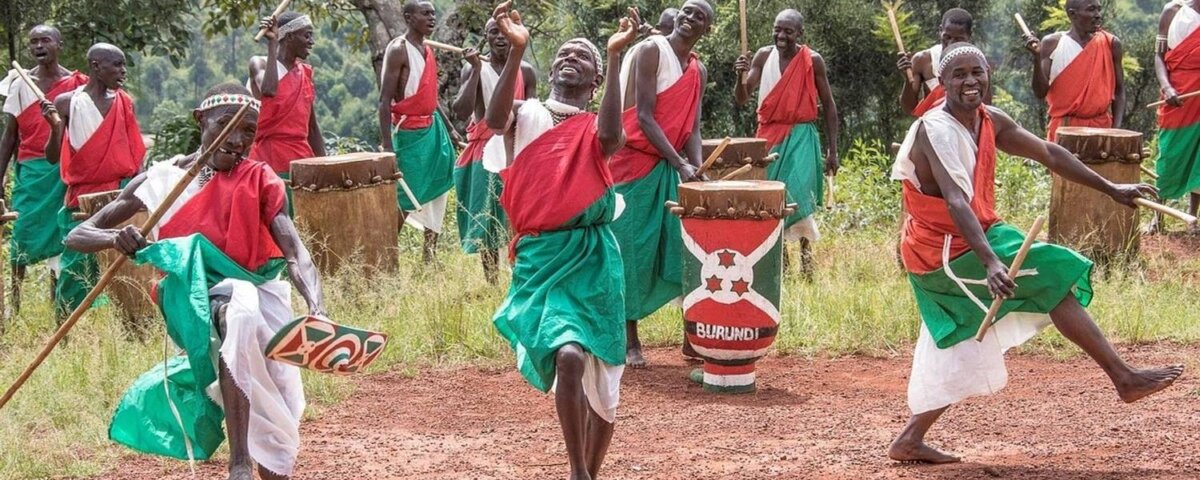
Burundi Safaris for Seasoned Travellers
Burundi safaris for seasoned travellers offer an opportunity to explore one of Africa’s most fascinating yet less visited destinations through authentic cultural encounters, beautiful natural landscapes, wildlife experiences, and meaningful journeys beyond conventional tourism. Located in the Great Lakes region of East Africa, Burundi rewards experienced travellers who appreciate destinations with character, cultural depth, and opportunities for genuine discovery. From the shores of Lake Tanganyika to the green hills of the countryside, the country presents a refreshing alternative to the more established safari destinations of East Africa.
Unlike traditional African safari destinations that focus mainly on large wildlife populations, Burundi offers a broader travel experience. Visitors can explore protected natural areas, discover ancient cultural traditions, meet local communities, enjoy scenic countryside drives, and experience the rhythms of everyday life. Furthermore, the country’s compact size makes it possible to combine several attractions within one carefully planned itinerary.
For seasoned travellers, the appeal of Burundi lies in its authenticity. The destination encourages visitors to slow down, explore beyond familiar tourist routes, and appreciate Africa through its landscapes, people, history, and traditions. Whether you have already explored Uganda, Kenya, Tanzania, or Rwanda, a Burundi safari introduces another perspective on East African travel. With thoughtful planning, knowledgeable local guides, and responsible tourism choices, Burundi can become one of the most rewarding additions to an experienced traveller’s African journey.
Understanding the Appeal of Burundi Safaris for Seasoned Travellers
Burundi offers a distinctive safari experience because it combines natural attractions, cultural heritage, and scenic exploration within a relatively small country. For seasoned travellers, this combination creates opportunities to experience a destination without following the usual patterns of mass tourism. Instead of spending every day searching for large mammals, visitors can discover the country’s different environments and understand how nature, culture, and local livelihoods connect.
One of Burundi’s greatest attractions is its geographical diversity. The country features mountains, valleys, forests, rivers, wetlands, agricultural landscapes, and the beautiful shores of Lake Tanganyika. Each environment introduces a different experience. For example, visitors can spend one day exploring the natural surroundings of Rusizi National Park and another travelling through the green countryside towards Gitega.
Moreover, Burundi appeals to travellers who enjoy meaningful interactions. Local markets, traditional performances, rural communities, and historical locations provide opportunities to understand the country’s identity. These encounters add depth to a safari because they connect sightseeing with genuine cultural appreciation.
Experienced travellers also appreciate destinations that require thoughtful exploration. Burundi rewards visitors who allow enough time to discover its attractions rather than rushing between locations. Consequently, a well-designed itinerary should balance sightseeing, cultural activities, relaxation, and nature experiences. This approach creates a more rewarding journey and allows travellers to appreciate Burundi beyond its reputation as a lesser-known African destination.
Why Experienced Travellers Should Consider Burundi
Experienced travellers often look for something different after visiting popular African destinations. They may have enjoyed the wildlife of the Maasai Mara, witnessed the Great Migration in Tanzania, tracked mountain gorillas in Uganda, or explored the volcanic landscapes of Rwanda. However, Africa offers far more than its most famous attractions. Burundi provides an opportunity to discover another side of the continent through less familiar destinations and experiences.
First, Burundi offers a strong sense of cultural identity. Traditional drumming, local craftsmanship, agricultural activities, and community life remain important parts of the country’s heritage. Visitors can learn about these traditions through guided cultural experiences and visits to historical locations. Furthermore, the country’s countryside presents beautiful scenery, with rolling hills, small farms, banana plantations, and traditional settlements.
Another reason to consider Burundi is its variety of attractions. Travellers can enjoy nature walks, birdwatching, boat excursions, historical visits, and relaxing moments along Lake Tanganyika. These experiences suit visitors who prefer different activities rather than spending an entire holiday following one type of safari.
Additionally, Burundi works well as part of a wider East African itinerary. Visitors can combine it with Uganda, Rwanda, Kenya, or Tanzania, depending on their interests and available travel time. This creates an opportunity to explore different cultures, landscapes, and wildlife environments within one holiday. Ultimately, Burundi gives experienced travellers a chance to expand their understanding of East Africa while discovering a destination that still offers plenty of room for personal exploration.
Exploring Bujumbura: The Gateway to Burundi Safaris
Bujumbura provides an excellent starting point for many Burundi safaris. Located along the northeastern shores of Lake Tanganyika, the city combines urban life, beautiful lake scenery, local markets, restaurants, and access to several natural attractions. For international visitors, spending time in Bujumbura helps establish a connection with the country before travelling into its quieter rural areas.
The city offers more than a convenient arrival point. Visitors can explore local neighbourhoods, discover traditional foods, observe everyday activities, and enjoy views of the surrounding hills. Moreover, its position beside Lake Tanganyika creates opportunities for lakeside relaxation and excursions. Travellers who appreciate photography can capture changing lake colours, fishing activities, and the movement of boats along the shoreline.
Bujumbura also provides access to Rusizi National Park, which lies close to the city. This makes it possible to combine urban exploration with a wildlife experience without undertaking a long journey. Visitors can also explore local markets and learn about Burundi’s agricultural products, including coffee, tea, fruits, and other regional produce.
However, seasoned travellers should allow sufficient time to understand the city rather than treating it only as a transit destination. A knowledgeable local guide can introduce its historical background, cultural character, and important places. Consequently, Bujumbura becomes a valuable part of the overall Burundi safari experience.
Discovering Rusizi National Park
Rusizi National Park offers one of the most accessible nature experiences for visitors staying in Bujumbura. The park protects wetlands, river habitats, grasslands, and areas surrounding the Rusizi River as it approaches Lake Tanganyika. Its location near the city makes it particularly suitable for travellers who want to include wildlife and birdwatching in a shorter Burundi itinerary.
The park’s wetlands support different animal and bird species. Hippos represent one of its notable wildlife attractions, while crocodiles also inhabit suitable waterways. Visitors may encounter different antelope species and other animals depending on the season, habitat conditions, and observation opportunities. Therefore, a guided visit offers a better understanding of the park’s ecological importance.
Birdwatching provides another rewarding activity. Wetland environments attract waterbirds and other species that depend on riverbanks, marshes, and open grasslands. Experienced bird enthusiasts can appreciate the variety of habitats and the opportunity to observe birds in a relatively accessible natural environment.
Furthermore, the park offers interesting opportunities for nature photography. Its open landscapes, river channels, vegetation, and wildlife create different photographic subjects throughout the day. However, visitors should follow their guide’s instructions and respect wildlife viewing distances.
For seasoned travellers, Rusizi National Park demonstrates that Burundi’s safari appeal extends beyond traditional savannah wildlife destinations. It provides an opportunity to understand the relationship between wetlands, rivers, wildlife, and local ecosystems while enjoying an accessible nature excursion from Bujumbura.
Lake Tanganyika: A Beautiful Addition to Burundi Safaris
For seasoned travellers, Lake Tanganyika offers a different kind of African adventure. Instead of spending every day travelling through national parks, visitors can enjoy peaceful moments beside the water. Depending on local conditions and available services, activities may include boat excursions, fishing experiences, lakeside walks, and visits to nearby communities.
The lake also supports important local livelihoods. Fishing remains an essential activity for many communities, and visitors can observe the relationship between the lake and everyday life. Local markets and fishing areas provide opportunities to understand how people depend on this natural resource.
Moreover, Lake Tanganyika offers attractive settings for photography. Early mornings and late afternoons often create beautiful lighting across the water. Visitors can capture fishing boats, lakeside landscapes, distant mountains, and the changing colours of the lake.
Travellers should also understand that Lake Tanganyika is a working natural environment, not simply a recreational attraction. Responsible visitors should respect local fishing activities, avoid littering, and follow safety guidance during water excursions. Including Lake Tanganyika in a Burundi safari creates an excellent balance between exploration and relaxation.
Exploring Kibira National Park
Kibira National Park introduces visitors to one of Burundi’s most important forest ecosystems. Located in the northwestern highlands, the park protects extensive montane forest habitats that support different plant and animal species. Its cooler conditions, thick vegetation, and mountainous surroundings create a completely different environment from the wetlands around Bujumbura.
For nature lovers, Kibira offers opportunities to explore forest biodiversity through guided walks and nature observation. The park supports several primate species, forest birds, and other wildlife adapted to dense vegetation. However, visitors should understand that forest wildlife viewing differs from traditional savannah game drives. Thick vegetation can make animals difficult to locate, and sightings depend on natural conditions.
Birdwatching is particularly rewarding for visitors interested in forest species. The park’s different elevations and vegetation zones provide habitats for a variety of birds. Experienced bird enthusiasts may enjoy spending additional time with knowledgeable guides who understand local species and their habitats.
Furthermore, the surrounding highlands offer beautiful scenery. Visitors can appreciate green hills, agricultural landscapes, and views of the countryside while travelling towards the park. The cooler climate also provides a refreshing change from the warmer lakeside environment.
Kibira National Park suits travellers who appreciate natural history, conservation, and quiet outdoor experiences. Visitors should arrange their activities with authorised local guides and confirm current access conditions before travelling. A visit to Kibira adds an important forest dimension to Burundi safaris and helps travellers understand the country’s ecological diversity.
Exploring Ruvubu National Park
Ruvubu National Park offers another important natural experience for visitors exploring Burundi. Located in the eastern part of the country, the park protects a large landscape of savannah, woodland, river valleys, and natural vegetation. Its environment differs considerably from the mountainous forests of Kibira and the wetlands of Rusizi.
The Ruvubu River gives the park much of its ecological character. Its surrounding habitats support different wildlife species and provide important environments for birds, mammals, and other animals. Visitors can explore the natural surroundings through organised activities where access and local conditions permit.
For seasoned travellers, Ruvubu presents an opportunity to discover a less familiar wildlife destination. It offers a chance to appreciate the conservation value of Burundi’s protected areas while learning about the country’s natural landscapes. Wildlife encounters may require patience because animals move naturally through extensive habitats, and sightings can vary considerably.
Birdwatchers can also find value in exploring the park’s different environments. Riverine vegetation, open grasslands, and woodland areas support different bird communities. Therefore, visitors with a strong interest in nature should consider allowing additional time for observation.
A visit to Ruvubu also provides an opportunity to explore Burundi’s eastern countryside. The journey introduces travellers to rural settlements, agricultural landscapes, and beautiful scenery. However, road conditions, park access, accommodation, and guiding arrangements require advance planning. Including Ruvubu in a carefully organised itinerary can provide a deeper understanding of Burundi’s protected natural heritage.
Chutes de la Karera: Discovering Burundi’s Waterfalls
The Karera Waterfalls, also known as Chutes de la Karera, rank among Burundi’s attractive natural landmarks. Located in the southeastern part of the country, these waterfalls create a beautiful setting where flowing water, green vegetation, and rocky landscapes combine to form an enjoyable sightseeing experience.
The waterfalls offer an excellent opportunity for travellers to explore Burundi’s countryside. Their surrounding environment provides attractive photographic views, particularly when water levels create strong flows over the rocks. The landscape also introduces visitors to a different side of the country, away from the busy streets of Bujumbura and the shores of Lake Tanganyika.
For seasoned travellers, Karera offers a relaxed outdoor activity that can complement cultural visits and national park excursions. Visitors can enjoy the natural surroundings, appreciate the movement of the water, and learn about the area’s local significance through a knowledgeable guide.
Furthermore, the journey towards the waterfalls creates opportunities to appreciate Burundi’s rural landscapes. Green hills, cultivated fields, small settlements, and local activities provide a glimpse into everyday life. Travellers can make the experience more meaningful by taking time to understand the communities and environments along the route.
Visitors should use appropriate footwear, follow local safety instructions, and avoid slippery areas around the water. Weather and seasonal rainfall can influence the appearance of the waterfalls. Consequently, a local operator can help determine suitable visiting conditions and organise the excursion within a wider Burundi safari itinerary.
Gishora Drum Sanctuary: Experiencing Burundi’s Cultural Heritage
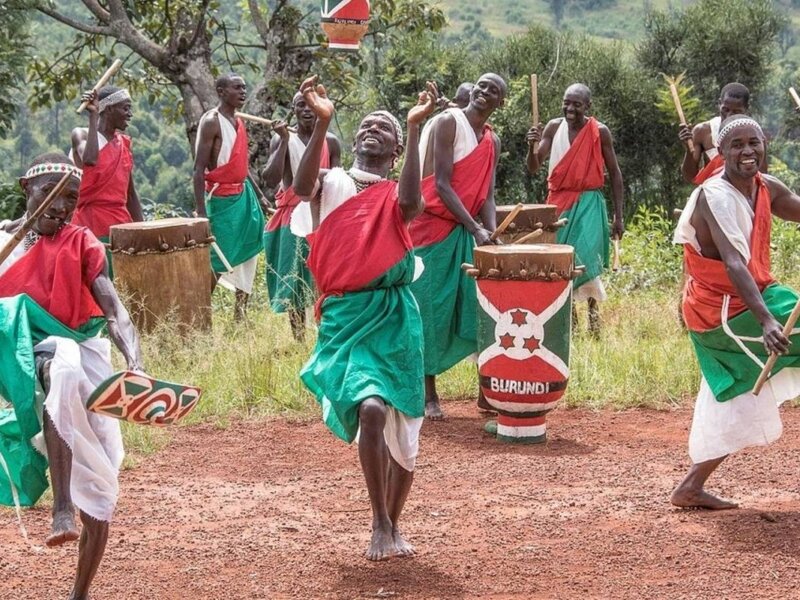
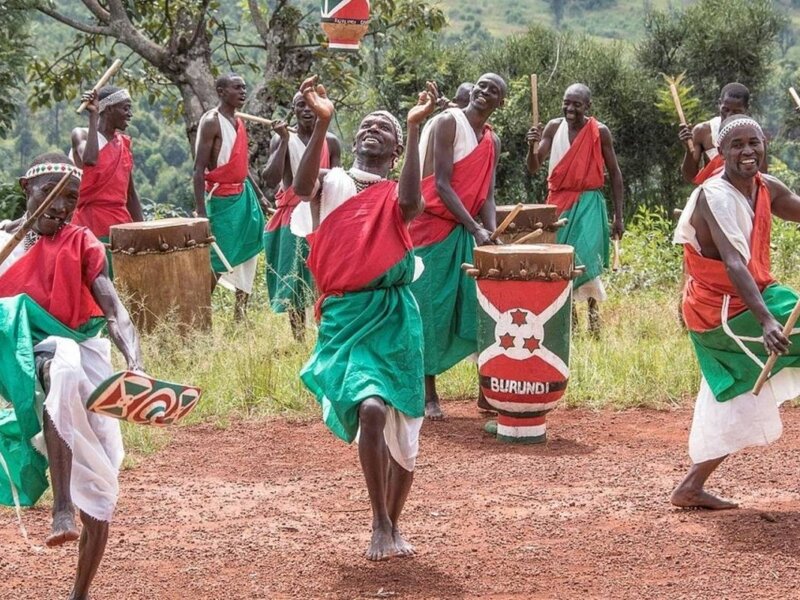
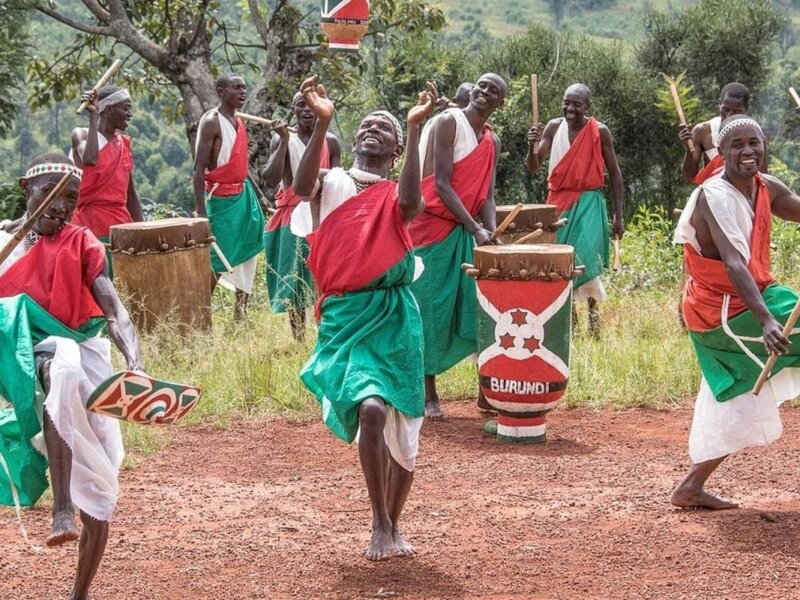
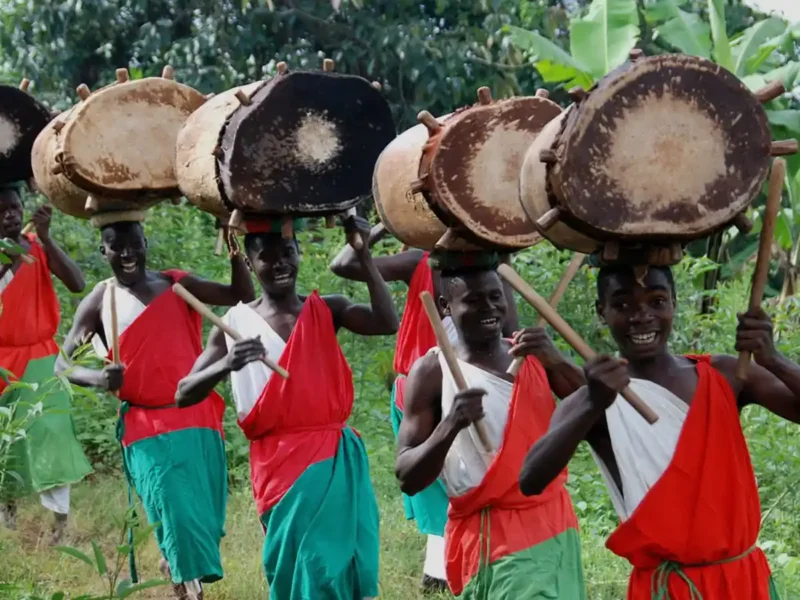
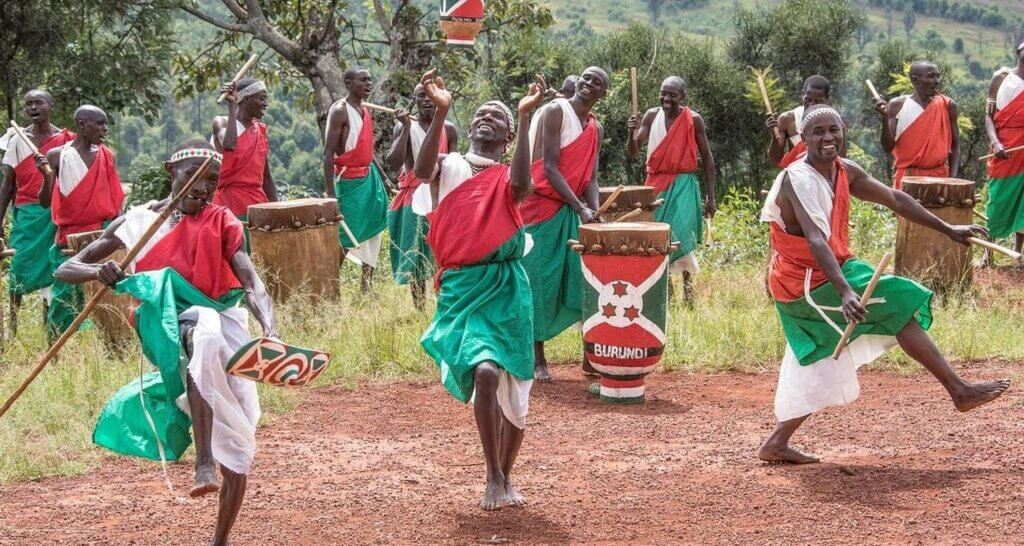
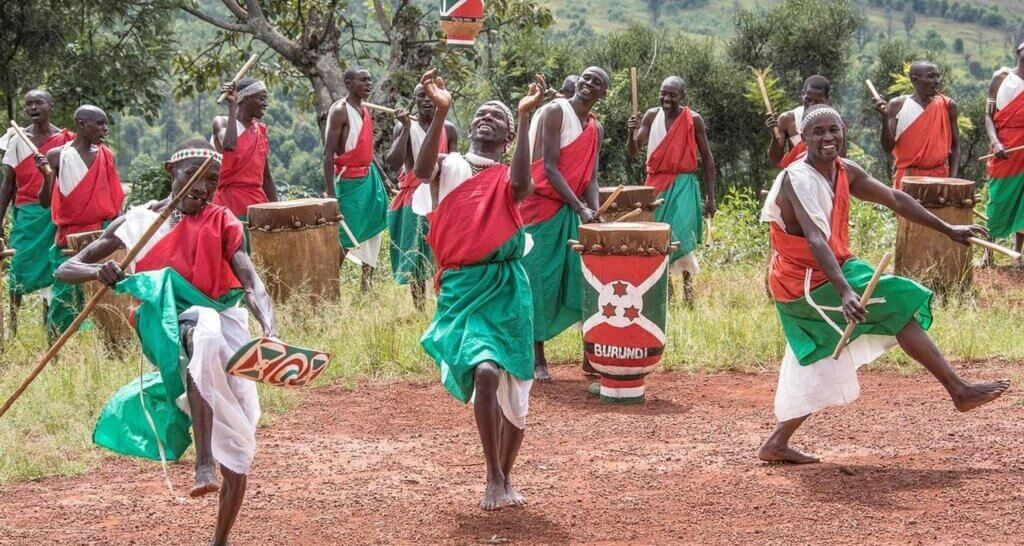
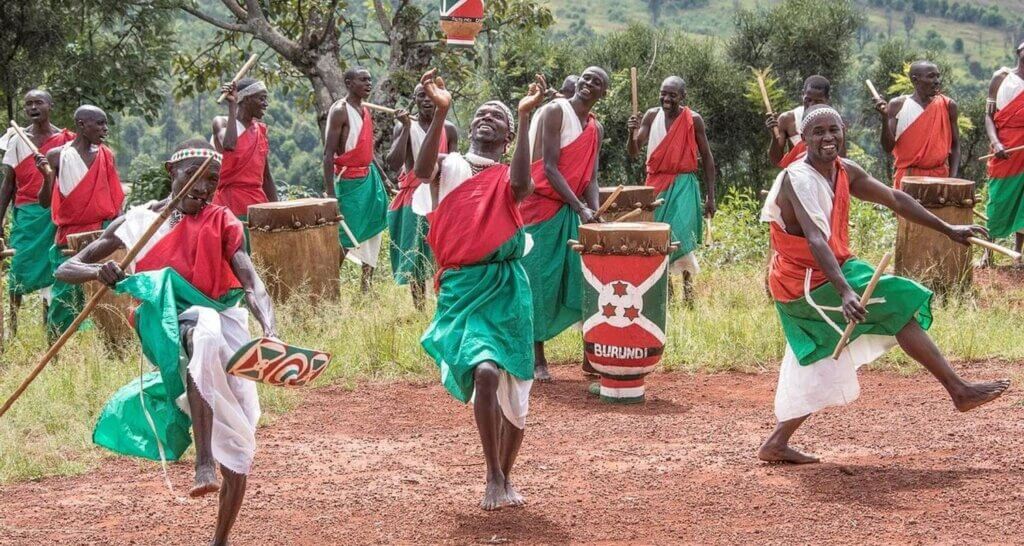
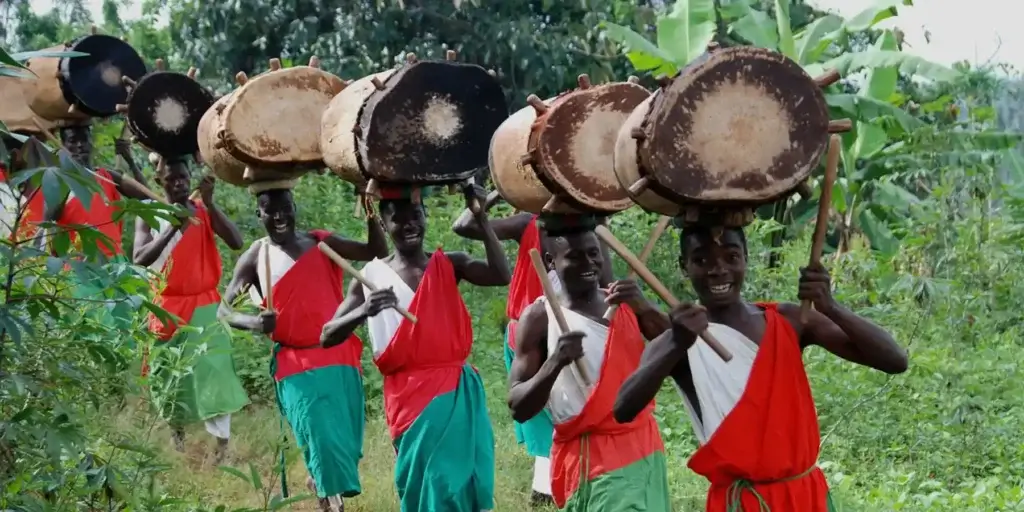
No cultural journey through Burundi feels complete without exploring its traditional drumming heritage. Gishora Drum Sanctuary, located near Gitega, provides one of the country’s most important cultural experiences. The sanctuary celebrates the Royal Drummers of Burundi, whose performances represent an important part of the country’s historical and cultural identity.
Traditional Burundian drumming combines rhythm, movement, teamwork, and cultural symbolism. During a performance, drummers use large traditional drums and coordinated movements to create a powerful musical experience. The performance offers visitors more than entertainment because it introduces them to traditions that have played an important role in Burundi’s cultural history.
For seasoned travellers, Gishora provides an opportunity to appreciate African cultural heritage through a living tradition. Visitors can learn about the significance of the drums, the role of traditional performances, and the cultural importance of passing knowledge between generations.
Moreover, the experience creates excellent opportunities for cultural photography, provided visitors respect local rules and obtain permission where necessary. A knowledgeable guide can explain the background of the performance and help visitors understand its cultural meaning.
Travellers should arrange their visit in advance because performance schedules and access arrangements may vary. It is also important to approach the experience with respect rather than treating it as a simple tourist show. Including Gishora in Burundi safaris adds cultural depth and creates a memorable connection with one of the country’s most recognisable traditions.
Gitega: Exploring Burundi’s Cultural Heartland
Gitega, Burundi’s political capital, offers visitors an opportunity to explore the country’s cultural and historical identity. Situated in the central highlands, the city provides a different atmosphere from the larger lakeside environment of Bujumbura. Its surrounding hills, local markets, public institutions, and cultural attractions make it an interesting stop on a wider Burundi safari.
One of Gitega’s important attractions is the National Museum of Gitega. The museum provides insight into Burundi’s traditional culture, history, and heritage through collections and displays. Visitors can learn about traditional objects, historical practices, clothing, craftsmanship, and aspects of daily life that have shaped the country’s identity.
Gitega also provides convenient access to Gishora Drum Sanctuary. Therefore, travellers can combine a museum visit with a traditional drumming experience, creating a meaningful cultural day. This combination works particularly well for visitors who appreciate understanding the background of a destination rather than simply visiting its most photographed attractions.
Furthermore, the countryside surrounding Gitega introduces visitors to Burundi’s agricultural character. The rolling hills and cultivated landscapes provide attractive views and opportunities to observe local activities.
Experienced travellers should consider spending enough time in Gitega to appreciate its cultural attractions. A guided exploration can provide historical context and help visitors connect different aspects of Burundi’s heritage. Consequently, the city deserves an important place in itineraries that focus on culture, history, and authentic travel experiences.
Exploring Burundi’s Traditional Villages and Rural Communities
Burundi’s rural communities offer some of the most meaningful opportunities for cultural discovery. Much of the country’s population lives in rural areas, where agriculture, family traditions, local markets, and community activities remain central to everyday life. For seasoned travellers, exploring these environments creates a deeper understanding of the country beyond its cities and national parks.
The countryside presents beautiful scenery, including rolling hills, cultivated fields, banana plantations, coffee gardens, and small settlements. Travellers can observe farming activities, traditional building styles, and local transportation while travelling between destinations. These everyday experiences often become some of the most memorable parts of a cultural safari.
Community visits can also introduce visitors to traditional food preparation, local craftsmanship, and agricultural practices. Depending on the community and available arrangements, travellers may participate in guided cultural activities or interact with local producers.
However, responsible community tourism requires sensitivity. Visitors should respect local customs, ask permission before taking photographs, and avoid entering private spaces without an invitation. Furthermore, travellers should choose experiences that provide fair benefits to participating communities.
A knowledgeable local guide can help explain cultural practices and support respectful communication. This makes the experience more valuable for both visitors and residents. Ultimately, rural exploration allows seasoned travellers to appreciate Burundi through its people, traditions, and landscapes while supporting community-based tourism.
Burundi Coffee Experiences: Discovering the Country’s Agricultural Heritage
Coffee represents an important part of Burundi’s agricultural economy and offers another interesting experience for travellers. The country’s highland environment, rainfall patterns, and fertile soils support coffee cultivation in several regions. For visitors who appreciate food, agriculture, and local production, exploring Burundi’s coffee heritage adds a rewarding dimension to a safari.
Coffee experiences can introduce travellers to different stages of production, from growing and harvesting cherries to processing, drying, and preparing the final product. Depending on the location and season, visitors may have opportunities to explore coffee farms, meet local growers, and understand the work involved in producing quality coffee.
For seasoned travellers, these experiences offer more than an ordinary farm visit. They provide an opportunity to understand how agricultural products connect rural communities with international markets. Furthermore, visitors can learn about the challenges facing smallholder farmers, including changing weather patterns, production costs, and access to markets.
Coffee tasting can also become an enjoyable part of the experience. Burundi produces coffee with distinctive characteristics, and tasting locally prepared coffee allows visitors to appreciate the country’s agricultural identity through its flavours.
Travellers should arrange farm visits through local guides or tourism operators who have established relationships with producers. This approach helps ensure respectful interactions and supports local livelihoods. Including a coffee experience in Burundi safaris creates an interesting balance between nature, culture, and agricultural discovery.
Birdwatching in Burundi: An Experience for Nature Enthusiasts
Burundi offers interesting birdwatching opportunities because its landscapes include wetlands, forests, rivers, lakeshores, grasslands, and mountainous environments. These different habitats attract various bird species and make the country worth considering for visitors who enjoy observing birds in their natural surroundings.
Rusizi National Park provides an accessible starting point for birdwatching, particularly for visitors staying in Bujumbura. Its riverine and wetland environments support waterbirds and other species associated with open habitats. Meanwhile, Kibira National Park offers a different experience through its forest vegetation and highland ecosystems.
Lake Tanganyika and other water environments also create opportunities to observe birds associated with freshwater and lakeside habitats. Travellers who enjoy photography can appreciate the different species, natural behaviours, and changing landscapes throughout the day.
However, successful birdwatching requires patience and preparation. Visitors should carry suitable binoculars, comfortable walking shoes, drinking water, and appropriate clothing. A knowledgeable local guide can also make a significant difference by helping identify species, locate suitable habitats, and explain bird behaviour.
Experienced birdwatchers should research their target species before travelling and allow enough time for observation. Some species require visits to specific habitats, while others depend on seasonal movements and environmental conditions. Consequently, a personalised birdwatching itinerary can provide a more rewarding experience than a general sightseeing excursion.
Burundi’s birdlife adds another reason to explore its natural attractions. It also encourages travellers to appreciate the country’s biodiversity and the importance of protecting different ecosystems.
Mount Heha and Burundi’s Mountain Landscapes
Burundi’s mountainous landscape creates excellent opportunities for travellers who appreciate scenic drives, hiking, and outdoor exploration. Mount Heha, generally recognised as the country’s highest mountain, stands at approximately 2,684 metres above sea level. Its surrounding highlands provide beautiful scenery and introduce visitors to another side of Burundi’s natural environment.
The mountain region offers a contrast to the warmer lowlands around Lake Tanganyika. Travellers can enjoy cooler temperatures, green hills, cultivated landscapes, and impressive countryside views. Depending on local access and conditions, guided outdoor excursions can provide opportunities to explore the surrounding environment.
For seasoned travellers, mountain exploration offers a rewarding alternative to conventional safari activities. Rather than following wildlife in a vehicle, visitors can appreciate the landscape at a slower pace and observe the natural features of the highlands. Photography enthusiasts can also capture the changing scenery, particularly when clouds move across the hills.
However, visitors should not underestimate the importance of preparation. Hiking routes, local access, weather conditions, and guide availability should all be confirmed before departure. Travellers should also choose activities that match their experience and fitness levels.
A visit to the Mount Heha region can complement cultural exploration in Gitega or other central highland destinations. Including mountain scenery in Burundi safaris creates a more diverse travel experience and demonstrates the country’s geographical variety.
Exploring the Source of the Nile in Burundi
The Source of the Nile at Rutovu offers an interesting historical and geographical attraction for travellers exploring southern Burundi. The site lies in the highlands of Bururi Province and connects the country with one of Africa’s most recognised geographical features. For visitors interested in African geography, history, and exploration, this destination provides an opportunity to understand the wider Nile Basin.
The Nile River system has played an important role in the history, agriculture, and development of several African countries. Its extensive network connects different landscapes and communities across the continent. Burundi’s association with the southern headwaters of the Nile provides an interesting addition to a regional travel itinerary.
At the Rutovu site, visitors can explore the monument and surrounding landscape while learning about the geographical significance of the area. The journey also introduces travellers to the southern highlands, with their green hills, agricultural settlements, and scenic countryside.
For seasoned travellers, this experience is particularly interesting because it connects a physical location with a wider understanding of African geography. It also creates an opportunity to appreciate how rivers influence communities, agriculture, and ecosystems across national borders.
Travellers should distinguish between the traditional geographical identification of the Nile’s southern source and the wider scientific understanding of the river’s complex network of tributaries and headwaters. A knowledgeable guide can explain this distinction and provide useful context.
Including Rutovu in Burundi safaris creates an educational and scenic experience that complements wildlife exploration and cultural discovery.
Batwa Cultural Experiences and Indigenous Heritage
Burundi’s cultural diversity includes communities with distinct histories, traditions, and relationships with the natural environment. The Batwa community forms an important part of this heritage. For seasoned travellers interested in understanding Africa’s cultural diversity, learning about Batwa history can provide valuable insight when suitable, community-led experiences are available.
The Batwa have a long history associated with forest environments in the Great Lakes region. Their traditional knowledge, cultural practices, and historical experiences form part of the wider story of communities across Burundi and neighbouring countries. However, visitors should approach this subject with respect and recognise that the Batwa are contemporary communities with their own aspirations and changing ways of life.
A responsible cultural experience should prioritise community participation, accurate historical information, and direct benefits to local residents. Visitors may learn about traditional knowledge, crafts, music, and aspects of community heritage through activities that local participants choose to share.
Moreover, travellers should avoid treating cultural practices as performances that exist only for tourists. Meaningful interaction requires respect, fair payment, permission for photography, and an appreciation of individual privacy.
Before including a Batwa cultural visit in an itinerary, travellers should confirm whether a suitable community-led experience operates in the area. A responsible local operator can help establish appropriate arrangements.
Such experiences can deepen the cultural dimension of Burundi safaris while encouraging visitors to understand the importance of cultural preservation, community rights, and inclusive tourism.
Burundi’s Local Food and Culinary Experiences
Food offers another excellent way to understand Burundi’s culture. Traditional meals reflect the country’s agricultural environment, local ingredients, family traditions, and everyday lifestyles. For seasoned travellers, exploring local cuisine provides a chance to experience Burundi through something familiar to everyone: food.
Common ingredients include beans, cassava, sweet potatoes, maize, bananas, rice, vegetables, and locally available fish. These ingredients support a variety of traditional meals that visitors can enjoy in local restaurants and selected accommodation establishments.
Beans play an important role in everyday cooking, often accompanied by plantains, cassava, or other staple foods. Grilled fish also features in lakeside dining, particularly around Lake Tanganyika. Visitors can enjoy fish prepared using different local cooking styles while appreciating the surrounding scenery.
Moreover, local markets provide opportunities to discover fresh produce and understand the country’s food culture. Travellers can observe how vendors display agricultural products and how communities purchase ingredients for household meals.
Food experiences can become more meaningful through guided market visits or cooking activities arranged with local hosts. These experiences allow visitors to understand ingredients, preparation methods, and the cultural importance of traditional dishes.
International travellers should communicate dietary requirements clearly and take sensible food and water precautions. Furthermore, choosing established restaurants and hygienic food establishments helps create a comfortable experience.
Including culinary exploration in Burundi safaris adds variety to the itinerary and provides an authentic connection with local communities.
The Best Time to Plan Burundi Safaris
Understanding Burundi’s climate helps travellers select suitable dates for their safari. The country generally experiences a tropical highland climate, with temperatures influenced by elevation and geographical location. Its seasonal rainfall patterns affect road conditions, hiking opportunities, wildlife observation, and outdoor activities.
The drier periods generally occur from June to September and December to February. These months often provide more favourable conditions for countryside travel, outdoor exploration, and visits to different attractions. However, rainfall patterns can vary between regions, so travellers should not assume that every destination experiences identical weather.
The longer rainy season usually extends from around February or March to May, while shorter rains commonly occur from approximately October to December. During wetter periods, vegetation becomes greener, and landscapes can appear particularly attractive. Nevertheless, some rural roads and outdoor routes may become more difficult to navigate.
For travellers interested in birdwatching, different seasons may offer different opportunities depending on species movements and breeding patterns. Similarly, visitors planning to explore waterfalls may appreciate the changing water levels during wetter months.
Seasoned travellers should select their travel dates according to their main interests rather than relying entirely on general weather descriptions. Those planning extensive countryside exploration may prefer drier conditions, while visitors interested in photography and green landscapes may appreciate certain rainy-season periods.
Before departure, travellers should check current weather forecasts and confirm road conditions with their local safari operator. Flexible planning helps ensure a more comfortable and rewarding Burundi safari.
Where to Stay During Burundi Safaris
Accommodation plays an important role in creating a comfortable and rewarding safari experience. Burundi offers different types of places to stay, ranging from city hotels and lakeside properties to countryside lodges and smaller guesthouses. Seasoned travellers can select accommodation according to their preferred comfort level, travel route, and planned activities.
In Bujumbura, visitors can find hotels that provide convenient access to restaurants, business areas, Lake Tanganyika, and nearby attractions. These establishments work well for international arrivals, short city stays, and travellers who want to explore Rusizi National Park.
Gitega offers accommodation options for visitors exploring the central highlands and cultural attractions. Staying in or around the city makes it easier to visit the National Museum and Gishora Drum Sanctuary without unnecessary long-distance journeys.
For travellers visiting southern Burundi, accommodation around suitable regional centres can provide convenient access to Karera Waterfalls, the Source of the Nile, and surrounding countryside. However, visitors should confirm facilities, availability, road access, and service standards before booking.
Luxury travellers should prioritise properties with reliable services, comfortable rooms, good dining facilities, and convenient locations. Meanwhile, midrange visitors can select established hotels and guesthouses that provide essential facilities without unnecessary expenses.
Experienced travellers should also consider the quality of accommodation management, cleanliness, security arrangements, and access to transport. Since accommodation options vary between regions, advance reservations help create a smoother journey. A well-planned accommodation schedule reduces unnecessary driving and allows visitors to enjoy each destination comfortably.
Transport and Getting Around During Burundi Safaris
Transportation requires careful planning when exploring Burundi because the quality of travel experiences depends partly on the routes, distances, and road conditions. Although the country is relatively small, journeys between different attractions can take longer than expected because of mountainous terrain, winding roads, weather conditions, and traffic.
Private safari transportation offers one of the most comfortable ways to explore the country. Travellers can arrange a private vehicle with a professional driver or guide who understands the local road network and major attractions. This arrangement provides flexibility and allows visitors to stop for photography, cultural encounters, and scenic viewpoints.
For experienced travellers, private transportation also makes it easier to combine several destinations within one itinerary. For example, visitors can travel from Bujumbura towards Gitega, continue to Gishora, and explore other central highland attractions according to their schedule.
Public transportation may suit independent travellers who have more time and experience navigating local transport systems. However, it may provide less flexibility for visitors with specific sightseeing requirements or limited travel days.
International travellers should also consider airport transfers and arrival arrangements. Melchior Ndadaye International Airport serves Bujumbura, making the city a convenient starting point for many international journeys.
Before travelling, confirm road conditions, estimated driving times, fuel arrangements, and vehicle suitability. Furthermore, avoid planning an excessively demanding itinerary with too many destinations in one day. A reliable transport arrangement allows seasoned travellers to concentrate on enjoying Burundi rather than worrying about daily logistics.
Combining Burundi with Uganda, Rwanda, Kenya, and Tanzania
One of the strongest advantages of Burundi is its location within East Africa. Travellers who have already explored other countries in the region can add Burundi to a wider African holiday and experience different landscapes, cultures, and attractions during one journey.
Uganda provides an excellent combination for visitors interested in mountain gorilla trekking, chimpanzee tracking, wildlife safaris, and scenic lakes. Travellers can explore Bwindi Impenetrable National Park, Queen Elizabeth National Park, and Lake Bunyonyi before continuing towards Rwanda or Burundi, subject to suitable border and transport arrangements.
Rwanda also offers interesting opportunities through Volcanoes National Park, Nyungwe National Park, Kigali, and its cultural attractions. A combined Rwanda and Burundi itinerary can introduce visitors to different Great Lakes landscapes, cultural traditions, and historical experiences.
Kenya and Tanzania suit travellers interested in classic African wildlife safaris. The Maasai Mara, Serengeti National Park, Amboseli National Park, and Ngorongoro Conservation Area offer major wildlife attractions. Adding Burundi creates a broader experience that balances traditional game viewing with cultural and geographical exploration.
However, multi-country journeys require careful planning. Travellers should confirm entry requirements, visa arrangements, border crossing procedures, vehicle permissions, and current travel conditions for every country.
For seasoned travellers, combining Burundi with neighbouring destinations creates an opportunity to explore East Africa in greater depth. Rather than repeating similar safari experiences, visitors can enjoy a journey that introduces different ecosystems, cultural traditions, and travel environments.
Suggested Seven-Day Burundi Safari for Seasoned Travellers
A seven-day itinerary provides a reasonable introduction to Burundi’s cultural, historical, and natural attractions. It allows travellers to explore several regions without rushing through every destination. The following programme offers a balanced combination of sightseeing, wildlife experiences, cultural discovery, and relaxation.
Day 1: Arrival in Bujumbura
Arrive at Melchior Ndadaye International Airport and meet your local driver or safari guide. Transfer to your hotel and settle in after your international journey. Depending on your arrival time, enjoy a relaxed exploration of the city or spend the afternoon beside Lake Tanganyika.
Day 2: Bujumbura and Rusizi National Park
Begin with a visit to Rusizi National Park. Explore the wetlands and river environment while looking for hippos, crocodiles, and birdlife. Later, return to Bujumbura for a city exploration and an opportunity to experience local cuisine.
Day 3: Bujumbura to Gitega
Travel towards Gitega through Burundi’s beautiful countryside. Enjoy scenic views of the central highlands and observe rural activities along the way. Upon arrival, explore the city and visit the National Museum, subject to opening arrangements.
Day 4: Gishora Drum Sanctuary
Spend the day discovering Burundi’s traditional drumming heritage at Gishora. Learn about the cultural importance of traditional drums and enjoy an organised performance when available. Afterwards, explore the surrounding countryside before returning to your accommodation.
Day 5: Gitega to Karera Waterfalls
Travel towards southeastern Burundi and explore the Karera Waterfalls. Enjoy the natural surroundings, take photographs, and learn about the region from your guide. Overnight in a suitable nearby location.
Day 6: Exploring the Southern Highlands
Continue exploring the southern region, including the Source of the Nile at Rutovu, depending on road conditions and the agreed itinerary. Enjoy the surrounding scenery and discover more of Burundi’s geographical heritage.
Day 7: Return to Bujumbura and Departure
Travel back towards Bujumbura. Depending on your departure schedule, enjoy a final lakeside experience or local shopping before transferring to the airport.
This itinerary provides a starting point rather than a fixed programme. Travellers can adjust it according to their interests, accommodation preferences, available transport, and current access conditions. Wildlife enthusiasts may prefer additional time in national parks, while cultural travellers can extend their stays around Gitega.
Responsible Tourism During Burundi Safaris
Responsible tourism helps protect natural environments, preserve cultural traditions, and ensure that local communities benefit from visitors. For seasoned travellers, responsible travel should form an important part of every African journey. Burundi offers opportunities to practise this approach through community visits, wildlife experiences, cultural activities, and accommodation choices.
First, visitors should respect local customs and traditions. Burundi has its own cultural expectations, and travellers should learn basic etiquette before visiting communities or attending traditional performances. Dressing appropriately, asking permission before taking photographs, and respecting private spaces all contribute to positive interactions.
Second, visitors should support local businesses whenever possible. Hiring knowledgeable local guides, buying authentic crafts, eating at established local restaurants, and choosing locally operated tourism services help distribute tourism income within the country.
Wildlife protection also deserves attention. Visitors should maintain safe distances from animals, avoid feeding wildlife, and follow instructions from authorised guides. Furthermore, they should never remove plants, disturb natural habitats, or leave rubbish in protected areas.
Cultural tourism requires equal sensitivity. Traditional performances and community activities deserve respect, fair compensation, and genuine participation from the people involved. Travellers should avoid experiences that exploit local communities or misrepresent their history.
Finally, choosing responsible accommodation and transport providers can help reduce the environmental impact of a safari. Small decisions, such as reducing single-use plastics and conserving water, can make a difference.
Through these practices, visitors can enjoy Burundi while contributing positively to its tourism industry, natural heritage, and local communities.
Travel Preparation, Entry Requirements, and Practical Advice
Good preparation helps international visitors enjoy Burundi with greater confidence. Before departure, travellers should review their travel documents, entry requirements, health recommendations, and transport arrangements. Requirements can change, so visitors should always verify the latest information through official immigration authorities and their relevant government travel advisory services.
A valid passport remains essential for international travel. Depending on nationality, visitors may require a visa or another approved entry arrangement. Travellers should confirm the applicable process before booking flights and accommodation. Those combining Burundi with neighbouring countries should also review the entry requirements for each destination.
Health preparation deserves attention as well. Visitors should consult a qualified travel health professional before departure to discuss recommended vaccinations, malaria prevention, food and water safety, and any relevant medical precautions. Yellow fever documentation may be required depending on the traveller’s origin, previous travel, and applicable entry regulations.
Travel insurance is another important consideration. A suitable policy should cover medical emergencies, unexpected travel changes, and other relevant risks. Visitors planning outdoor activities should check whether their insurance includes those experiences.
Currency planning also matters. Burundi uses the Burundian franc. Travellers should understand local payment arrangements, check exchange conditions, and carry suitable payment options. International card acceptance can vary, especially outside major urban centres.
Finally, check current security advice and local operating conditions before travelling. Arrange reliable airport transfers, confirm accommodation reservations, and keep important documents accessible. These preparations create a strong foundation for a comfortable and well-organised Burundi safari.
Who Should Choose Burundi Safaris?
Burundi safaris appeal to different categories of travellers, particularly those who value cultural discovery, natural landscapes, and less conventional African travel experiences. Although the country may not offer the same scale of traditional wildlife viewing as Kenya or Tanzania, it provides a variety of attractions that suit visitors with different interests.
Experienced African travellers will appreciate Burundi’s opportunity to discover another side of East Africa. Those who have already visited popular safari destinations can explore a different cultural environment, discover lesser-known natural attractions, and gain a broader understanding of the Great Lakes region.
Cultural travellers will find plenty to appreciate. Gishora Drum Sanctuary, Gitega, local markets, traditional communities, and historical attractions provide opportunities to understand Burundi’s heritage.
Nature enthusiasts can explore Kibira, Rusizi, and Ruvubu National Parks, enjoy the scenery around Lake Tanganyika, and discover the country’s mountainous landscapes. Birdwatchers and photographers can also build itineraries around particular habitats and seasonal opportunities.
Adventure-minded travellers may appreciate countryside exploration, hiking opportunities, waterfall visits, and journeys through the highlands. However, activities should match local conditions and available guiding services.
Slow travellers can enjoy Burundi’s relaxed countryside atmosphere, local cuisine, lakeside experiences, and opportunities for meaningful community interactions.
Burundi can also suit couples, small private groups, and independent travellers who prefer flexible itineraries. However, visitors should understand that tourism infrastructure and services vary between regions. Working with an experienced local operator helps match expectations with available facilities and activities.
Why Choose a Local Tour Operator for Burundi Safaris?
Planning Burundi safaris requires more than selecting attractions and booking accommodation. Visitors must consider geographical distances, road conditions, local guiding arrangements, cultural experiences, park access, and the availability of suitable services. Working with a knowledgeable local tour operator can make these arrangements easier and create a more organised experience.
A professional operator understands how different destinations connect and can recommend a realistic itinerary based on the traveller’s interests. For example, combining Bujumbura, Rusizi National Park, Gitega, and Gishora requires careful scheduling to make the most of available travel time.
Furthermore, local operators can help visitors arrange private transportation, accommodation, airport transfers, guided excursions, and cultural activities. Their knowledge of local conditions can also help travellers adjust their programmes when weather or road conditions affect planned activities.
Experienced travellers should look for companies that demonstrate local knowledge, transparent pricing, reliable communication, and responsible tourism practices. It is equally important to understand what the safari package includes, particularly transportation, accommodation, meals, guiding services, entrance fees, and additional activities.
A good tour operator should also listen to the traveller’s expectations instead of offering the same programme to everyone. Some visitors may prioritise nature and birdwatching, while others may prefer culture, history, photography, and relaxation.
For travellers exploring Burundi as part of a wider East African holiday, a regional ground handler can provide additional value by coordinating different destinations and travel arrangements. Ultimately, professional planning allows visitors to concentrate on discovering Burundi while enjoying a smoother and more rewarding safari experience.
Final Thoughts on Burundi Safaris for Seasoned Travellers
Burundi safaris for seasoned travellers offer a rewarding opportunity to discover a different side of Africa through cultural heritage, beautiful landscapes, wildlife habitats, and meaningful community experiences. From the shores of Lake Tanganyika to the forests of Kibira, the wetlands of Rusizi, the cultural traditions of Gishora, and the scenic highlands around Gitega, Burundi provides a diverse collection of attractions for visitors who appreciate authentic exploration.
The country’s appeal extends beyond traditional wildlife viewing. Its agricultural heritage, local cuisine, historical attractions, traditional drumming, and rural communities create opportunities to understand Africa through its people and everyday experiences. Furthermore, Burundi’s location makes it an interesting addition to wider East African journeys that include Uganda, Rwanda, Kenya, and Tanzania.
However, the best experiences come from thoughtful preparation. Travellers should select suitable travel dates, arrange reliable transportation, confirm accommodation, understand entry requirements, and work with knowledgeable local guides. They should also approach cultural encounters responsibly and support tourism services that benefit local communities.
For experienced African travellers seeking new destinations, Burundi deserves consideration. It offers a chance to move beyond familiar safari routes, discover lesser-known landscapes, and appreciate the cultural richness of the Great Lakes region. With a well-designed itinerary and realistic expectations, Burundi safaris for seasoned travellers can deliver an enriching African adventure filled with discovery, cultural understanding, and memorable experiences.