
Why should I visit Rwanda for safari
July 3, 2026
Are There Coffee Tours in Rwanda
July 6, 2026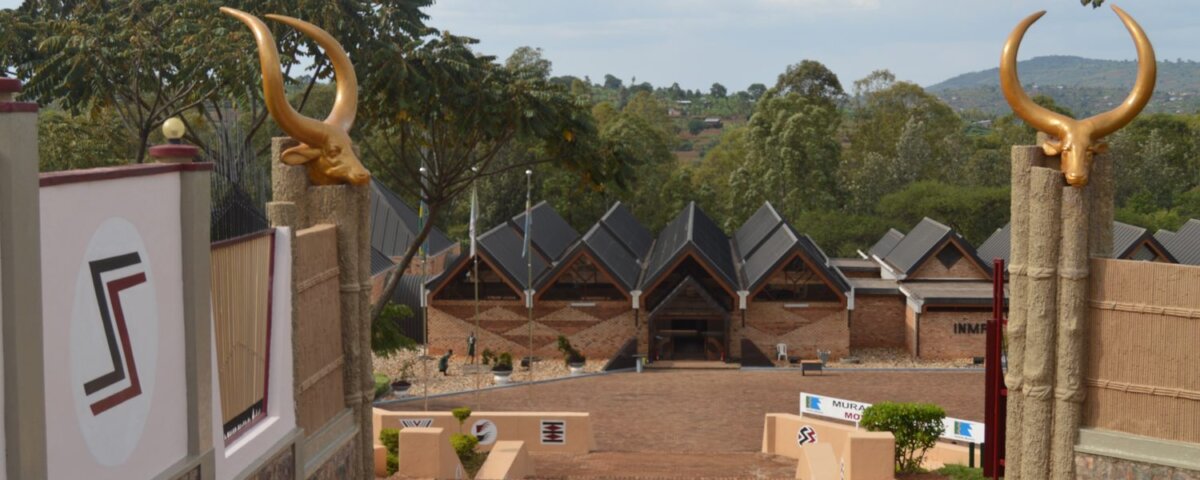
Are Museums in Rwanda Worth Visiting?
Are Museums in Rwanda Worth Visiting? Yes, Rwanda’s museums offer some of the most meaningful cultural and historical experiences in Africa. They give travelers a deeper understanding of the country’s history, traditions, resilience, wildlife conservation, and modern transformation. While Rwanda is famous for mountain gorilla trekking and scenic landscapes, its museums reveal the heart and soul of the nation. Visitors gain authentic insights into Rwandan identity, heritage, and progress through carefully preserved exhibits, interactive displays, and powerful storytelling.
Many travelers arrive in Rwanda expecting wildlife adventures only. However, museum visits often become the most emotional and educational part of the journey. Rwanda has invested heavily in cultural tourism, and this effort shows clearly in the quality of its museums. From historical collections to royal heritage exhibitions, each museum creates a strong connection between travelers and local communities. These cultural spaces also help visitors appreciate the country beyond safari tourism. As a result, museums in Rwanda continue to attract global travelers who seek meaningful African travel experiences.
Best Rwanda Gorilla Trekking Tours
7 Days wildlife & Gorilla Tour
Why do Museums in Rwanda Stand Out?
Museums in Rwanda stand out because they combine modern presentation with authentic African heritage. Unlike many traditional museums that simply display objects behind glass, Rwandan museums create engaging experiences that connect visitors emotionally and intellectually. Every exhibit tells a story about resilience, unity, creativity, and national identity. This unique approach leaves travelers with lasting memories and valuable knowledge about the country.
In addition, Rwanda’s museums remain clean, organized, and easy to explore. Visitors often appreciate the calm atmosphere and professional guides who explain exhibits clearly. Most museums also use modern technology, visual presentations, and interactive storytelling methods that make learning enjoyable for both adults and children. Furthermore, many museum sites sit in beautiful surroundings that add to the overall visitor experience.
Rwanda also focuses strongly on preserving cultural identity. Therefore, museums play an important role in protecting traditional values, royal history, language, art, and community customs. This commitment helps travelers experience authentic African culture instead of commercialized tourism. Consequently, Rwanda continues to build a strong reputation as one of Africa’s leading cultural tourism destinations.
The Importance of Cultural Tourism in Rwanda
Cultural tourism continues to grow rapidly in Rwanda because travelers now seek deeper and more meaningful experiences. Many tourists want more than wildlife photography and luxury lodges. They want to understand local people, traditions, history, and daily life. Museums help meet this growing demand by offering educational and emotional experiences that create stronger travel connections.
Rwanda understands the value of cultural tourism in strengthening its tourism industry. As a result, the government and tourism stakeholders continue investing in museums, heritage centers, and cultural preservation programs. This investment supports local communities while promoting national identity on the global stage. It also creates opportunities for local guides, historians, artists, and cultural educators.
Moreover, museum tourism helps visitors appreciate Rwanda’s remarkable transformation. Travelers learn about the country’s difficult past, recovery journey, and vision for the future. This balanced understanding creates respect and admiration for Rwanda’s resilience and leadership. In many ways, museums help travelers see Rwanda through a more human and authentic perspective. Consequently, cultural tourism has become an essential part of Rwanda’s tourism success story.
Are Museums in Rwanda Worth Visiting: Visiting the Kigali Genocide Memorial
The Kigali Genocide Memorial remains one of the most visited and emotionally powerful sites in Rwanda. This memorial honors the victims of the 1994 Genocide against the Tutsi while educating visitors about the importance of peace, unity, and reconciliation. A visit here creates a deeper understanding of Rwanda’s history and the strength of its people.
The memorial presents historical information carefully and respectfully. Visitors walk through exhibitions that explain the causes, events, and consequences of the genocide. Personal stories, photographs, videos, and preserved testimonies create emotional connections that stay with travelers long after the visit ends. Although the experience feels emotional, it also inspires hope because it highlights Rwanda’s recovery and national rebuilding efforts.
In addition, the memorial promotes global awareness about human rights and conflict prevention. Travelers from around the world often describe the experience as life changing. The site encourages reflection, compassion, and understanding among people from different backgrounds. Therefore, many visitors consider the Kigali Genocide Memorial an essential part of any Rwanda itinerary. It provides historical education while strengthening appreciation for Rwanda’s progress and resilience.
Are Museums in Rwanda Worth Visiting: Exploring the Ethnographic Museum
The Ethnographic Museum in Huye offers one of the best cultural experiences in Rwanda. This museum showcases traditional Rwandan life, customs, beliefs, architecture, clothing, hunting tools, music, agriculture, and craftsmanship. Visitors gain a detailed understanding of how communities lived and developed across generations.
The museum organizes its collections clearly, making it easy for travelers to follow Rwanda’s cultural evolution. Each section introduces a different aspect of traditional life, allowing visitors to learn naturally and comfortably. In addition, the exhibits remain well maintained and informative, which improves the overall visitor experience.
Travelers who want authentic cultural knowledge often find this museum especially rewarding. The displays reveal how Rwandans valued family, leadership, cattle keeping, storytelling, and community cooperation throughout history. Furthermore, the museum helps visitors understand the deep cultural roots that continue shaping modern Rwanda today.
Another major advantage involves the peaceful atmosphere surrounding the museum. Huye itself offers a calm environment that complements the educational experience. Therefore, many cultural travelers combine the museum visit with local community tours and traditional experiences in Southern Rwanda. This combination creates a richer and more immersive cultural journey.
Discovering Rwanda’s Royal Heritage
Rwanda’s royal heritage remains an important part of the country’s cultural identity. The King’s Palace Museum in Nyanza gives visitors the opportunity to explore Rwanda’s traditional monarchy and leadership history. This cultural site presents an authentic look into royal life before colonial influence transformed many African kingdoms.
The museum features a reconstructed traditional royal residence with beautifully designed thatched structures. Visitors also see the famous long horned Inyambo cattle, which hold strong cultural importance in Rwanda. These cattle symbolize prestige, elegance, and royal tradition. Watching the traditional cattle keepers sing to the animals creates a unique cultural moment that many travelers remember for years.
In addition, the museum explains how Rwanda’s monarchy shaped governance, social organization, and cultural traditions. Visitors gain valuable insight into leadership systems that existed long before modern political structures emerged. This historical perspective strengthens appreciation for Rwanda’s rich and organized pre colonial society.
The King’s Palace Museum also helps preserve cultural pride among younger generations. At the same time, it introduces international travelers to an important part of African history that often receives little global attention. As a result, the museum continues attracting visitors interested in heritage tourism and authentic African cultural experiences.
Museums and Educational Travel Experiences
Museums in Rwanda provide excellent educational opportunities for travelers of all ages. Students, researchers, families, and international tourists all benefit from the knowledge shared through exhibitions and guided tours. These museums transform tourism into a meaningful learning experience rather than simple sightseeing.
Educational travel creates stronger memories because visitors engage emotionally and intellectually with destinations. Rwanda’s museums achieve this successfully by combining facts, stories, artifacts, and visual presentations. Consequently, travelers leave with deeper understanding and lasting respect for the country.
Museums also encourage responsible tourism by promoting awareness, empathy, and cultural appreciation. Instead of focusing only on entertainment, they help visitors understand social issues, historical events, conservation efforts, and community values. This educational approach supports sustainable tourism growth while strengthening Rwanda’s international reputation.
Additionally, museums often inspire travelers to explore other cultural attractions across Rwanda. After learning about traditional life, history, or wildlife conservation, visitors frequently add community tours, cultural villages, and heritage sites to their itineraries. Therefore, museums play an important role in expanding tourism experiences throughout the country.
What is the best Time to Visit Museums in Rwanda?
Museums in Rwanda remain accessible throughout the year because the country enjoys relatively stable weather conditions. However, the dry seasons from June to September and December to February offer the best travel conditions for combining museum visits with wildlife safaris and outdoor activities.
During the rainy seasons, museums become excellent alternatives for travelers who prefer indoor experiences. Since many museums sit close to major towns and cities, visitors can comfortably explore cultural attractions even during wet weather. This flexibility makes museum tourism attractive throughout the year.
Morning visits often provide the best experience because museums feel quieter and more relaxed earlier in the day. Guided tours also become more enjoyable during less crowded hours. In addition, travelers can combine museum visits with local restaurants, art centers, coffee tours, and nearby attractions for a full cultural day experience.
Travelers should also plan enough time for museum exploration. Many visitors initially expect short visits but later spend several hours learning through the detailed exhibits. Therefore, allowing extra time improves the overall experience and creates more meaningful engagement with Rwanda’s culture and history.
Conclusion: Are Museums in Rwanda Worth Visiting
Rwanda’s museums provide powerful cultural experiences that go far beyond ordinary tourism. They preserve history, celebrate heritage, educate travelers, and create emotional connections with the country’s people and identity. From the Kigali Genocide Memorial to the Ethnographic Museum and the King’s Palace Museum, each destination offers valuable insight into Rwanda’s remarkable journey and rich traditions.
These museums also strengthen Rwanda’s position as one of Africa’s leading cultural tourism destinations. They help travelers understand the country’s resilience, leadership, creativity, and vision for the future. Most importantly, they create authentic travel experiences that remain meaningful long after the journey ends.
For travelers seeking more than wildlife adventures, Rwanda’s museums offer unforgettable opportunities to connect with African history and culture in a genuine and respectful way. Therefore, anyone planning a Rwanda safari or cultural tour should include museum visits as an essential part of the travel experience.