Places to Visit in Burundi
October 23, 2026
Bujumbura Tours and Attractions
Bujumbura tours and attractions offer travelers an exciting opportunity to explore Burundi’s largest city through beautiful Lake Tanganyika, lively local markets, cultural experiences, historic landmarks, traditional food, and relaxing lakeside activities. Located in western Burundi along the shores of Lake Tanganyika, Bujumbura combines natural beauty with everyday African city life.
The city welcomes visitors who want to discover a destination that remains less explored than many other tourism centers in East Africa. Whether you are planning a cultural holiday, a family vacation, a photography tour, a romantic getaway, or a wider East African adventure, Bujumbura offers rewarding experiences for different travel interests.
Moreover, its location makes it a useful starting point for exploring other parts of Burundi, including Gitega, the country’s political capital, and the scenic countryside beyond the city. With thoughtful planning, travelers can enjoy the city’s waterfront, taste Burundian cuisine, meet local communities, and learn about the country’s history. This guide to Bujumbura tours and attractions explains the best places to visit, activities to enjoy, cultural experiences to consider, and practical details that can help you plan a memorable trip.
Understanding Bujumbura as a Tourism Destination
Bujumbura stands out as one of the most interesting places to begin a journey through Burundi. Although Gitega serves as the country’s political capital, Bujumbura remains an important commercial center, transport hub, and gateway to Lake Tanganyika. Its position in western Burundi gives the city a special character shaped by lakeside scenery, urban activity, local traditions, and regional trade. Consequently, travelers can experience several sides of Burundi without traveling long distances between every attraction.
The city offers a different experience from the traditional wildlife safari destinations found elsewhere in East Africa. Instead of focusing mainly on large national parks, visitors to Bujumbura can explore markets, historic sites, beaches, local restaurants, cultural venues, and natural landscapes. Furthermore, the surrounding region offers opportunities for boat trips, birdwatching, photography, and scenic drives.
Bujumbura also provides a useful introduction to Burundian culture. Kirundi is the main local language, while French and Swahili are also used in different settings. English may be available in some tourism businesses, hotels, and international services, although visitors should not assume that everyone speaks it. Learning a few basic greetings can make everyday interactions more enjoyable.
For international travelers, Bujumbura works well as a standalone city break or as part of a wider itinerary through Burundi, Rwanda, Tanzania, and Uganda. Therefore, travelers who want to discover a less familiar side of East Africa should consider including the city in their plans.
Lake Tanganyika: The Heart of Bujumbura Attractions
Lake Tanganyika is one of the most important natural attractions near Bujumbura. The vast freshwater lake stretches across parts of Burundi, Tanzania, the Democratic Republic of the Congo, and Zambia. Its deep blue waters, distant mountain views, and changing light create a beautiful setting for relaxation and outdoor exploration. For many visitors, spending time beside the lake becomes one of the most memorable parts of a trip to Bujumbura.
Travelers can enjoy the lake from public waterfront areas, suitable beaches, lakeside restaurants, and selected recreational locations. Depending on local conditions and available operators, activities may include boat excursions, photography, birdwatching, and other forms of lakeside recreation. A calm morning can offer excellent opportunities to appreciate the scenery, while late afternoon often brings softer light that suits photography.
Lake Tanganyika also supports local fishing communities. Visitors may see fishermen preparing their equipment, bringing in their catch, or working around landing areas. These everyday activities provide insight into the relationship between the lake and the livelihoods of people who live nearby. However, travelers should respect working spaces and ask permission before photographing individuals.
Swimming requires careful judgment. Water conditions, currents, boat traffic, sanitation, and access rules can vary between locations. Before entering the lake, ask a reliable local guide or accommodation provider about suitable swimming areas and current safety conditions.
A well-planned Bujumbura tour should leave enough time to enjoy Lake Tanganyika without rushing. Whether you prefer a peaceful lakeside meal, a guided excursion, or simple relaxation beside the water, the lake offers a natural highlight for visitors exploring Burundi.
Rusizi National Park: Bujumbura Tours and Attractions
Rusizi National Park lies near Bujumbura, making it one of the most accessible protected natural areas for visitors staying in the city. The park protects important wetland and river habitats associated with the Rusizi River as it approaches Lake Tanganyika. Its landscapes provide a refreshing contrast to the busy streets and commercial districts of Bujumbura.
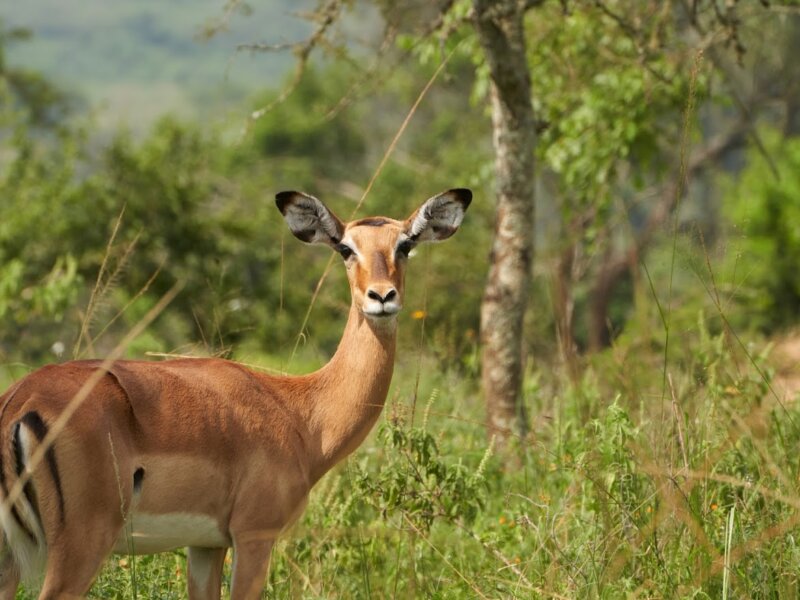
The park’s wetlands support a variety of birds and other wildlife. Depending on the season and conditions, visitors may have opportunities to observe waterbirds, monitor lizards, hippos, and other animals associated with river and wetland environments. Wildlife sightings are never guaranteed, so travelers should approach the experience as an opportunity to explore a natural ecosystem rather than a promise to see particular species.
Birdwatching can be especially rewarding for visitors who enjoy nature photography or wildlife observation. The combination of water, vegetation, open ground, and river habitats attracts different bird species. A knowledgeable guide can help identify birds, explain their behavior, and point out details that visitors might otherwise miss.
Before visiting, travelers should confirm the park’s current opening arrangements, access requirements, fees, and available activities with the relevant authorities or a trusted local operator. Conditions and services can change, so advance confirmation helps prevent unnecessary delays.
Visitors should follow all park rules, maintain a respectful distance from wildlife, and avoid feeding animals. Hippos and other large wild animals can be dangerous, even when they appear calm. Always follow the instructions of park staff and guides.
For travelers interested in nature, Rusizi National Park adds an important wildlife dimension to Bujumbura tours and attractions. It is particularly useful for those who want to experience Burundi’s natural environment without committing to a long journey into the countryside.
Livingstone and Stanley Monument: Bujumbura Tours and Attractions
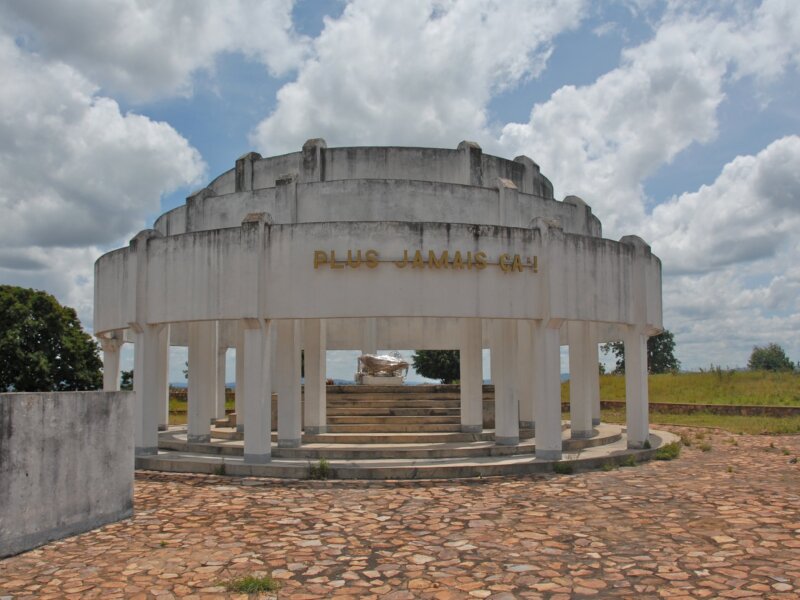
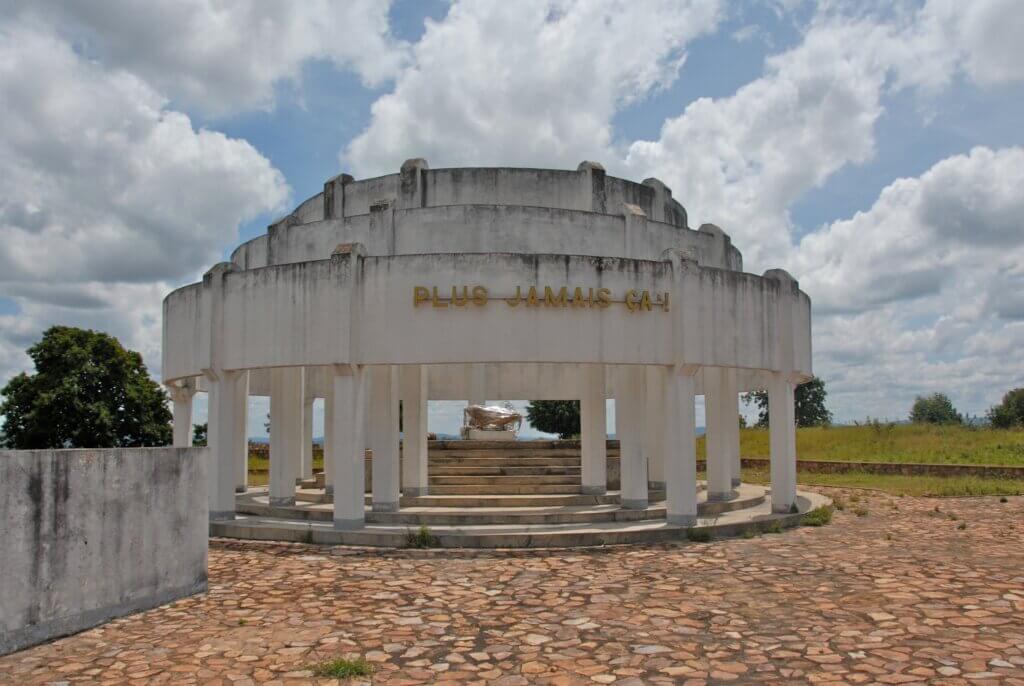
The Livingstone and Stanley Monument, commonly associated with the Mugere area near Bujumbura, is an important historical stop for travelers interested in the history of exploration around Lake Tanganyika. The monument commemorates the association of the area with the nineteenth century journey of David Livingstone and Henry Morton Stanley. It offers an opportunity to discuss the wider history of European exploration in Central and East Africa.
For visitors, the monument provides more than a simple sightseeing stop. It opens a conversation about how outside expeditions documented African regions, how colonial interests shaped historical narratives, and how local communities already lived, traded, and traveled across these landscapes long before European explorers arrived. Understanding this wider context makes the visit more meaningful.
The surrounding countryside also adds scenic value to the experience. Depending on the route and conditions, travelers may enjoy views of rural settlements, cultivated land, and the broader landscape around the city. As a result, the monument can fit naturally into a half-day excursion that combines history with countryside exploration.
A guide can explain the monument’s background and distinguish established historical details from popular stories that may lack strong evidence. This is especially valuable for visitors who want a responsible and balanced understanding of Burundi’s past.
Before traveling to the site, confirm road conditions, access arrangements, and opening information. Visitors should also treat the monument and surrounding community with respect, avoid leaving litter, and ask permission before photographing local residents.
Including the Livingstone and Stanley Monument in a Bujumbura itinerary offers a useful historical perspective and helps travelers appreciate the connections between Lake Tanganyika, regional movement, and the broader history of East Africa.
Bujumbura City Tours and Urban Exploration
A guided city tour is one of the best ways to understand Bujumbura beyond its lakeside attractions. The city brings together commercial streets, public spaces, residential neighborhoods, markets, religious buildings, and administrative areas. Exploring these places with a knowledgeable local guide helps visitors understand how people work, travel, shop, and spend their free time.
City tours can include selected central landmarks, market areas, local businesses, and streets that reflect the city’s development. Depending on the itinerary, visitors may also learn about the country’s political history, social traditions, and changing urban landscape. Rather than viewing the city only through its major landmarks, travelers can appreciate the everyday routines that give Bujumbura its character.
Markets and busy commercial streets are particularly interesting for visitors who enjoy observing local life. Traders sell produce, household goods, clothing, and other everyday items. The atmosphere changes throughout the day, so an early visit may offer a different experience from an afternoon walk. Travelers should keep valuables secure, remain aware of traffic, and follow a guide’s advice about suitable places to walk.
City exploration also creates opportunities to sample local refreshments, discover small shops, and speak with residents where language and circumstances allow. A respectful approach matters. Ask before taking photographs, especially in markets, religious spaces, and private business premises.
Because traffic and weather can affect travel times, avoid packing too many stops into a short tour. A flexible itinerary allows time for unexpected discoveries and comfortable breaks.
For first-time visitors, Bujumbura city tours provide a practical introduction to Burundi. They combine cultural learning, local encounters, and urban sightseeing in a way that complements the natural attractions around Lake Tanganyika.
Bujumbura Central Market and Local Shopping
Markets provide an engaging introduction to local commerce, food, and daily life. Bujumbura has long served as an important trading center, and its market culture reflects the movement of agricultural products, household supplies, clothing, and goods from different parts of Burundi. A market visit can therefore add a valuable cultural dimension to a city tour.
Visitors may encounter seasonal fruits, vegetables, beans, grains, spices, and other ingredients used in Burundian cooking. Depending on the market and the day, traders may also offer textiles, baskets, household items, and locally made products. These goods provide insight into everyday needs and the work of small businesses that support the urban economy.
Shopping in local markets can be a rewarding experience, especially when travelers take time to greet vendors and learn about the products they sell. If you wish to buy something, ask the price politely and confirm the amount before paying. Bargaining may be appropriate in some settings, but it should remain friendly and respectful. A small purchase can also create an opportunity to learn about an unfamiliar fruit, ingredient, or craft.
Markets are busy working environments, not simply tourist attractions. Keep your belongings secure, watch for vehicles and motorcycles, and avoid blocking narrow passages. Always request permission before photographing vendors, customers, or their goods in close detail.
Travelers should also check current market conditions with a local guide, since locations, trading hours, and access arrangements can change. Some markets may be crowded, particularly during busy trading periods.
A visit to a Bujumbura market offers a closer look at the city’s economic life. It also provides a chance to support local traders while discovering the everyday products and traditions that make Burundi distinctive.
Discovering Burundian Food in Bujumbura
Food is an essential part of cultural travel, and Bujumbura offers visitors an excellent opportunity to explore Burundian cuisine. Local meals often feature beans, maize, cassava, sweet potatoes, bananas, rice, vegetables, and other ingredients that form an important part of everyday cooking. The exact dishes available vary between restaurants, roadside eateries, family businesses, and lakeside establishments.
Fish is particularly relevant to the city’s location beside Lake Tanganyika. Some restaurants serve fish prepared using local methods, often accompanied by vegetables, rice, plantains, or other side dishes. Visitors should ask about the type of fish, preparation style, portion size, and price before ordering. Availability depends on the season, local supply, and the restaurant.
Beans and plantains are also common parts of meals in Burundi. Cassava and maize products may appear in different forms, while seasonal fruit can provide a refreshing snack during a day of sightseeing. Travelers who enjoy trying unfamiliar dishes can ask restaurant staff to explain ingredients and recommend popular local choices.
Food safety deserves attention when exploring any destination. Choose establishments that maintain good hygiene, serve freshly prepared meals, and store food properly. Drink safe water, and ask about ingredients if you have allergies or dietary restrictions. Travelers should also explain dietary needs clearly because not every restaurant can accommodate every request.
A guided food experience can help visitors discover traditional dishes while learning about the ingredients, customs, and social importance of meals. Even a simple lunch in a local restaurant can become a memorable cultural encounter.
For anyone planning Bujumbura tours and attractions, adding local food experiences creates a fuller understanding of the city. The experience combines flavor, hospitality, and cultural discovery in a way that ordinary sightseeing cannot always provide.
Bujumbura Beaches and Lakeside Relaxation
Bujumbura’s position beside Lake Tanganyika creates opportunities for travelers who want to relax between sightseeing activities. The lakeshore includes areas associated with leisure, dining, and recreation, although facilities and public access vary by location. Some visitors prefer a quiet setting with views across the water, while others enjoy a lively atmosphere with food and social activities.
A lakeside visit can fit easily into a city itinerary. Travelers may spend part of the morning enjoying the scenery, stop for lunch at a suitable restaurant, or visit a recreational area in the afternoon. The lake’s wide horizon also creates excellent opportunities for landscape photography, especially when the light is soft and the weather is clear.
However, visitors should not assume that every stretch of shoreline is suitable for swimming or public recreation. Some areas may serve fishing, transport, commercial, or private purposes. Water quality and local safety conditions can also vary. Ask a trusted local contact about suitable places before planning water activities.
If you choose to swim, use a location that local authorities or responsible operators consider appropriate. Avoid swimming alone, follow any posted restrictions, and stay away from boat routes. Children should remain under close adult supervision near the water.
Lakeside businesses can also provide an opportunity to support local hospitality services. Choose establishments that explain their prices clearly and maintain appropriate hygiene standards. Take your rubbish with you and respect nearby residents.
For couples, families, and independent travelers, lakeside relaxation adds balance to a Bujumbura holiday. It allows visitors to slow down, appreciate the natural environment, and enjoy a different side of Burundi’s largest city.
Rusizi River Boat Excursions and Nature Viewing: Bujumbura Tours and Attractions
The Rusizi River forms an important part of the natural landscape near Bujumbura. Its waters connect river and wetland environments with the northern end of Lake Tanganyika, creating habitats that support wildlife and local livelihoods. Depending on current operating arrangements, travelers may find guided excursions or nature viewing opportunities in the wider river area.
A river excursion can offer a different perspective from a land-based visit to Rusizi National Park. From an authorized boat or suitable viewing point, visitors may observe wetland vegetation, birdlife, river activity, and the surrounding landscape. The experience can appeal to photographers, birdwatchers, and travelers who enjoy learning about freshwater ecosystems.
Wildlife sightings depend on several factors, including season, time of day, weather, and the movement of animals. A responsible operator should explain what the excursion involves and avoid promising guaranteed sightings. Travelers should also understand whether the activity takes place within a protected area and what rules apply.
Safety must remain a priority. Use only properly organized excursions, follow the crew’s instructions, and wear a life jacket whenever required. Do not attempt to approach hippos or other wildlife, and never encourage a boat operator to move dangerously close to animals for photographs. Conditions on the river can change, so the guide’s judgment matters.
Before arranging a boat trip, confirm availability, duration, cost, departure arrangements, and any restrictions. Do not assume that a service operates every day or that visitors can arrange a trip independently upon arrival.
When available, a well-organized Rusizi River excursion can become a highlight of Bujumbura tours and attractions. It combines scenery, wildlife observation, and an introduction to the natural systems that support life around Lake Tanganyika.
Cultural Experiences and Burundian Traditions : Bujumbura Tours and Attractions
Burundian culture gives visitors an opportunity to understand the country through its music, dance, storytelling, food, language, and community traditions. Bujumbura provides a practical setting for discovering these cultural expressions because the city brings together people from different parts of Burundi and supports a range of cultural activities.
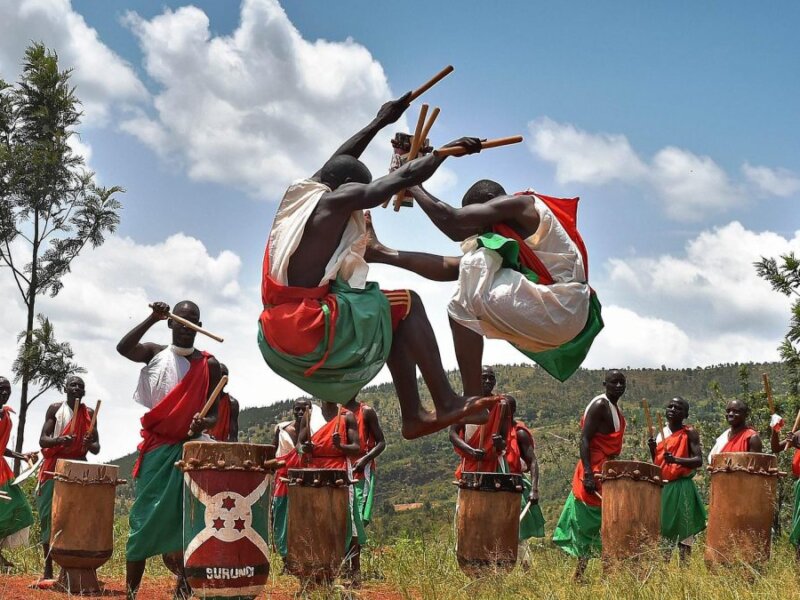
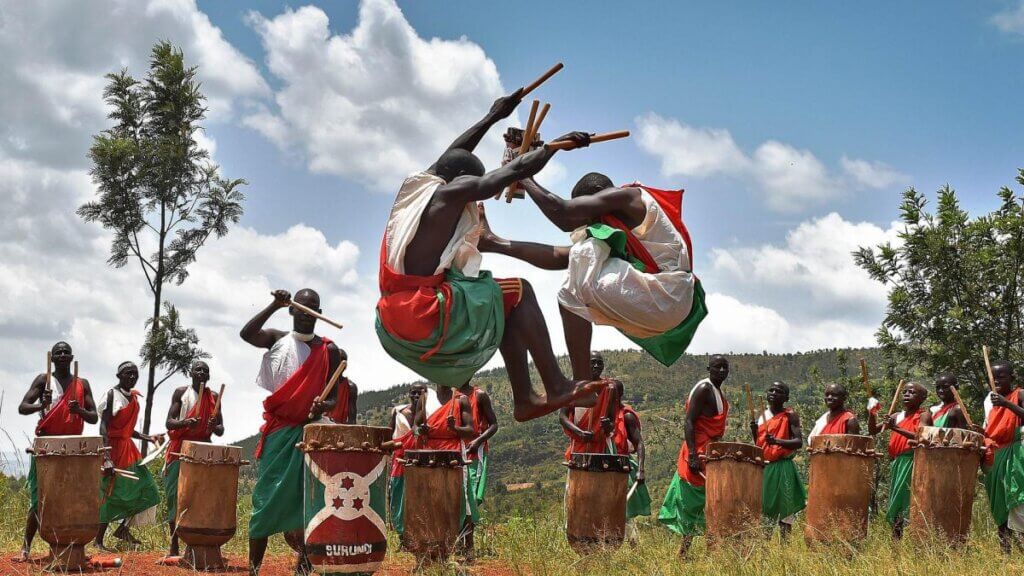
Traditional drumming holds a particularly important place in Burundian cultural identity. The Royal Drummers of Burundi have helped introduce the country’s distinctive drumming traditions to international audiences. Their performances often combine powerful rhythms, coordinated movement, and impressive drums. However, visitors should distinguish between performances available in Bujumbura and experiences that take place elsewhere in the country, particularly in connection with the historic royal drumming tradition around Gitega.
In Bujumbura, travelers can ask local cultural organizations, hotels, or experienced tour operators about current performances, music events, and community experiences. Availability may vary, so it is wise to confirm arrangements before building a schedule around a particular show.
Cultural learning should go beyond entertainment. Visitors can learn a few Kirundi greetings, discover the meaning of local foods, and understand the role of family and community in everyday life. A guide can explain customs that may not be immediately clear to international travelers.
Respect is essential when attending a cultural event or visiting a community. Ask before taking photographs, follow the host’s instructions, and avoid treating people as objects for tourist entertainment. If a visit includes a fee, confirm what it covers and whether the community or performers receive fair compensation.
Cultural experiences make Bujumbura tours more meaningful because they connect visitors with the people and traditions behind the destination. They also help travelers appreciate Burundi as a living society rather than simply a collection of scenic places.
Museums, Historical Sites, and Learning About Burundi
Travelers who want to understand Burundi’s history should include cultural and historical stops in their Bujumbura itinerary. The city offers opportunities to explore aspects of the country’s past through monuments, memorial sites, cultural institutions, and guided explanations of important events. Because opening arrangements can change, visitors should confirm which museums and exhibitions currently welcome the public.
Historical sightseeing becomes more rewarding when guides explain events in context. Burundi’s past includes established kingdoms, changing political systems, colonial rule, independence, periods of conflict, and continuing efforts to strengthen peace and social development. These subjects require sensitivity because historical experiences have affected families and communities in deeply personal ways.
A responsible guide can help visitors distinguish between different historical periods and understand how they shaped the country. Travelers should avoid reducing Burundi’s history to conflict alone. The country’s cultural heritage, agricultural traditions, artistic expression, social relationships, and modern development also form important parts of its identity.
When visiting monuments or memorials, take time to read available information and follow local guidance. Some sites may carry special meaning for local communities, and visitors should behave respectfully. Photography rules may differ from one place to another.
Historical stops can also help travelers understand the relationship between Bujumbura and other parts of Burundi. For example, Gitega offers additional opportunities to explore the country’s royal heritage and traditional drumming culture. A longer itinerary can therefore connect the modern city with important historical places inland.
Including history in Bujumbura tours and attractions provides depth to the journey. It helps visitors see the city not only as a gateway to Lake Tanganyika but also as a place shaped by generations of cultural exchange, political change, and community resilience.
Birdwatching and Nature Photography Around Bujumbura
Bujumbura and its surrounding landscapes can appeal to travelers who enjoy birdwatching and nature photography. Lake Tanganyika, wetlands, river habitats, gardens, and nearby rural areas provide different environments for observing birds and other elements of the natural world. The range of habitats makes the region worth considering for visitors who want a nature experience without spending every day on a long safari drive.
Rusizi National Park and its surrounding wetland environments are useful places to ask about guided birdwatching opportunities. Depending on the season, visitors may encounter waterbirds and other species associated with freshwater habitats. A local guide can help identify birds by their appearance, calls, behavior, and preferred environment.
Nature photography does not always require expensive equipment. A camera or phone, patience, and an understanding of natural light can produce rewarding images. Early morning and late afternoon may offer softer light, although the best conditions depend on weather and the subject. Travelers should allow time to observe rather than rushing between locations.
Birdwatchers should carry suitable clothing, drinking water, sun protection, and binoculars if available. Comfortable footwear can be helpful around uneven paths and natural areas. Visitors should also check whether a particular site requires an authorized guide or advance permission.
Responsible observation matters. Avoid disturbing nests, chasing birds, playing loud sounds to attract wildlife, or leaving marked paths where restrictions apply. Never approach dangerous animals for a photograph. In protected areas, follow the rules provided by park staff.
For photographers and nature enthusiasts, these experiences add variety to Bujumbura tours. They provide an opportunity to discover Burundi’s biodiversity while encouraging a deeper appreciation of the natural habitats that surround the city.
Religious Landmarks and Places of Reflection : Bujumbura Tours and Attractions
Religious landmarks form part of Bujumbura’s cultural landscape and can help visitors understand the role of faith in everyday life. The city includes churches and other places of worship that serve local communities, host religious gatherings, and provide spaces for reflection. Their architecture and location may also interest travelers who enjoy exploring the social history of cities.
Visitors interested in religious heritage should arrange their visits respectfully. Places of worship are active community spaces rather than ordinary sightseeing attractions. Before entering, check whether visitors are welcome, whether a service is taking place, and whether particular clothing or behavior is expected. Some buildings may restrict photography, especially during prayers or ceremonies.
A local guide can explain the background of a landmark and its place within the community. However, travelers should avoid assuming that one religious site represents the beliefs of every resident. Burundi’s communities include people with different religious affiliations and personal practices, and respectful tourism recognizes this diversity.
When visiting during a service, remain quiet, follow instructions, and avoid interrupting worshippers. If you wish to speak with a religious leader or community member, ask permission and respect their decision if they are unavailable.
Religious landmarks may fit into a broader walking or driving tour that includes central city areas and historical sites. Their value lies not only in architecture but also in the way they reveal the connections between faith, community, education, and public life.
Including these places in a Bujumbura itinerary can help visitors develop a more balanced understanding of the city. Alongside markets, lakeside attractions, and nature experiences, religious landmarks show another important dimension of Burundian society.
Local Handicrafts, Art, and Souvenir Shopping
Souvenir shopping gives travelers a chance to take home a reminder of Burundi while supporting local businesses. In Bujumbura, visitors can ask about locally made crafts, woven products, decorative items, textiles, and other goods that reflect the skills of Burundian makers. The selection varies by shop, market, and season, so travelers should explore with an open mind rather than expect every item to be available everywhere.
Handcrafted products can also introduce visitors to traditional techniques and local materials. When buying an item, ask the seller about its origin, how it was made, and whether the product comes from a local artisan. These conversations can make a purchase more meaningful and help travelers understand the work involved in producing handmade goods.
Prices may vary depending on materials, labor, quality, and the seller’s business costs. Ask the price before committing to a purchase, and bargain politely where appropriate. Avoid pressuring artisans to sell below a fair price simply because the item costs less than a similar product in another country.
Travelers should also check any rules that apply to taking particular materials or cultural objects across international borders. Wildlife products, protected natural materials, and certain cultural items may be restricted. When uncertain, choose ordinary legal souvenirs and keep purchase receipts.
If you plan to buy fragile items, ask the seller about suitable packaging and consider how you will transport them. Small crafts and textiles may be easier to carry than large decorative objects.
Art and souvenir shopping can make Bujumbura tours more personal. It offers a practical way to remember the journey while helping local makers and traders benefit from tourism.
Best Time to Visit Bujumbura
Choosing the right time to visit Bujumbura can improve the comfort of a city tour and the quality of outdoor experiences. Burundi has a tropical climate influenced by altitude, rainfall, and local geography. Although Bujumbura sits beside Lake Tanganyika, conditions can differ from those in the country’s higher inland areas.
Burundi generally experiences a longer rainy season from around February to May and a shorter rainy period around September to November. Drier periods often occur from June to August and around December to January, although rainfall patterns vary from year to year. These periods provide a useful starting point for planning, but travelers should check a current forecast before departure.
Drier weather can make city walks, countryside excursions, and visits to natural attractions more comfortable. However, rain can still occur, and a wet day does not necessarily prevent sightseeing. A flexible itinerary allows travelers to move outdoor activities around changing conditions.
Temperatures around Bujumbura can feel warm, especially during the middle of the day. Light clothing, comfortable walking shoes, sunscreen, and a hat can help visitors stay comfortable. Carry drinking water during outdoor activities and seek shade when needed.
Travelers interested in birdwatching should ask a local guide about seasonal conditions and which habitats are most productive at the time of their visit. Those planning boat trips should also confirm that operators consider the weather and water conditions suitable.
Ultimately, the best time to visit Bujumbura depends on personal preferences and planned activities. Rather than relying only on broad seasonal labels, check local conditions shortly before travel and allow enough flexibility to enjoy the city safely.
How Many Days Do You Need for Bujumbura Tours?
The ideal length of a Bujumbura visit depends on how much you want to explore. Travelers interested mainly in the city and Lake Tanganyika may find that two full days provide a useful introduction. Visitors who want to include wildlife, historical sites, cultural experiences, and a more relaxed pace should consider three or four days.
A one day visit can cover selected city landmarks, a market, a local lunch, and a lakeside stop. However, this schedule leaves little room for unexpected delays or longer activities. It may suit travelers passing through the city who have limited time.
With two days, visitors can explore central Bujumbura on the first day and focus on Lake Tanganyika or a visit to Rusizi National Park on the second, subject to access and activity availability. This arrangement creates a balance between urban sightseeing and nature.
A three day itinerary allows more flexibility. Travelers may spend one day exploring the city and its markets, another visiting a nature area or historical landmark, and a third enjoying the lakeshore and local food. They can also include a cultural experience if a suitable performance or activity is available.
Four days provide more time for relaxed exploration and excursions beyond the immediate city. Travelers may use the extra day for a longer countryside outing or to prepare for a journey to another part of Burundi.
When planning, remember that driving times depend on traffic, road conditions, weather, and the exact locations visited. Confirm opening hours and activity arrangements before finalizing the schedule.
A sensible itinerary prioritizes a few meaningful experiences rather than trying to see everything. This approach makes Bujumbura tours more enjoyable and leaves room for genuine cultural discovery.
Suggested Two Day Bujumbura Tour Itinerary
A two day Bujumbura itinerary can provide a balanced introduction to the city’s culture, history, food, and lakeside scenery. The schedule below is a flexible example rather than a fixed program. Visitors should adjust it to current opening arrangements, weather, transport availability, and personal interests.
On the first morning, begin with a guided exploration of central Bujumbura. Visit selected landmarks and commercial streets while learning about the city’s development and its role in Burundi. Continue to a suitable local market, where you can observe everyday trade and discover seasonal produce or locally made goods. Keep the visit respectful and ask permission before photographing people.
Around midday, enjoy a meal at a restaurant serving Burundian dishes. Depending on availability and preference, try beans, plantains, cassava, rice, vegetables, or freshly prepared fish. After lunch, continue with a historical stop or another cultural attraction before returning to your accommodation.
On the second day, focus on the natural environment around Bujumbura. If access and conditions permit, arrange a morning visit to Rusizi National Park with a suitable guide. Spend time observing the wetlands and looking for birds or other wildlife from approved viewing areas. If the park does not fit your interests or is unavailable, consider a different authorized nature experience.
In the afternoon, travel to an appropriate lakeside area beside Lake Tanganyika. Enjoy the views, relax at a suitable establishment, or arrange a permitted activity if available. Finish the day with a meal that allows you to experience more local cuisine.
Throughout the itinerary, allow time for traffic, rest, and changing conditions. Confirm transport and activity costs in advance, and avoid scheduling too many stops.
This two day plan combines the main elements of Bujumbura tours and attractions without making the trip unnecessarily rushed. It gives first time visitors a practical introduction to the city’s urban life, natural surroundings, and cultural character.
Exploring Bujumbura With Children and Families
Bujumbura can be a rewarding destination for families who plan activities around children’s ages, interests, and comfort. The city offers opportunities to enjoy lakeside scenery, explore selected cultural attractions, try local food, and observe nature. Families should choose activities carefully and allow more time between stops than they might when traveling without children.
Lake Tanganyika can provide a pleasant setting for family relaxation, provided the family chooses an appropriate location and follows water safety guidance. Children should remain under close adult supervision near the shore, even when they are not swimming. Parents should check local advice before allowing any water activity and should not assume that a beach is safe simply because other people use it.
Nature visits can introduce children to birds, wetlands, and wildlife. A guide who enjoys working with families may help explain animal behavior in simple language and keep the activity engaging. At the same time, children should understand that wild animals require space and must never be approached or fed.
Markets and cultural experiences can also help young travelers learn about local foods, crafts, and daily life. Short visits may work better than long periods in crowded settings. Bring drinking water, sun protection, suitable clothing, and any essential personal supplies.
Families should select accommodation that meets their needs and confirm practical details such as meal availability, room arrangements, transport, and access to medical services. Travelers should also consider the timing of activities to avoid excessive heat or fatigue.
A family friendly Bujumbura tour does not need to include every major attraction. By choosing a few suitable activities and keeping the schedule flexible, parents can create an enjoyable introduction to Burundi for travelers of different ages.
Romantic Experiences for Couples Visiting Bujumbura
Bujumbura can suit couples who want a relaxed holiday built around scenery, local food, cultural discovery, and time together. The setting beside Lake Tanganyika provides a natural starting point for a romantic itinerary, while the city’s restaurants and surrounding countryside offer opportunities to create a varied experience.
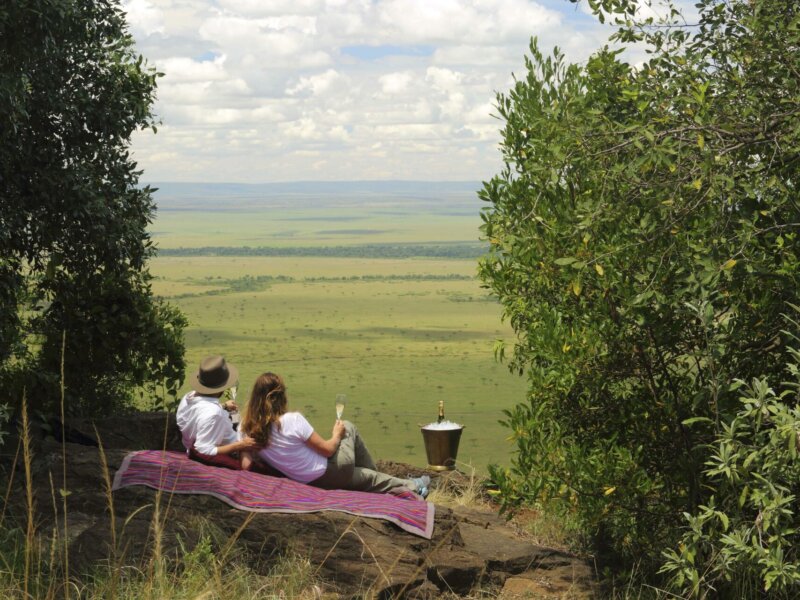
A lakeside meal can be a simple highlight. Couples may choose a suitable restaurant with views of the water and enjoy local dishes while taking time to appreciate the surroundings. Restaurant quality, prices, and availability differ, so advance confirmation is helpful when planning a special occasion.
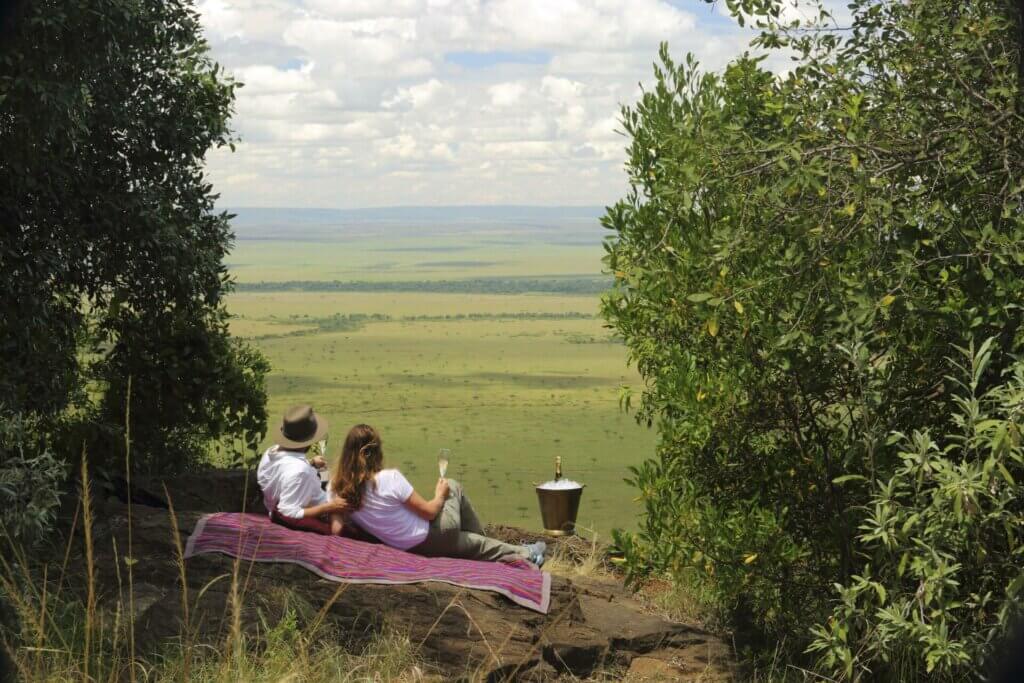
The lake also creates opportunities for photography and quiet walks in suitable public areas. Early morning or late afternoon may offer comfortable temperatures and attractive natural light. Couples who enjoy nature can consider a guided visit to an appropriate wildlife area, subject to current access and activity arrangements.
For a more cultural experience, couples can arrange a city tour, explore selected markets, or ask about a music or cultural performance. These activities add depth to a trip and provide shared experiences beyond dining and relaxation.
Travelers should avoid assuming that every lakeside venue offers privacy or that every excursion operates throughout the year. It is best to discuss expectations with a trusted local operator and confirm what is included in the price. Couples should also respect local customs and ask before photographing other people.
A well designed romantic trip leaves room for spontaneous discoveries rather than filling every hour with activities. Combining a few planned experiences with relaxed time beside Lake Tanganyika can make Bujumbura a memorable stop for couples exploring Burundi.
Responsible Tourism and Supporting Local Communities
Responsible tourism helps ensure that travel benefits the places and people visitors come to discover. In Bujumbura, travelers can support local communities by choosing reputable guides, eating at locally owned restaurants, purchasing authentic local crafts, and respecting the rules of protected natural areas. These choices help tourism contribute to livelihoods while encouraging visitors to engage more thoughtfully with the destination.
When selecting a guide or tour operator, ask clear questions about the itinerary, transport, fees, safety arrangements, and services included. A reliable provider should explain the schedule honestly and avoid promising experiences that depend on wildlife behavior or uncertain operating conditions. Travelers should also check whether required permissions and park fees are included.
Respect for local people is equally important. Learn basic greetings, ask before taking photographs, and listen when a person declines an interview or picture. Avoid intrusive questions about personal matters or sensitive historical experiences. If a community visit is part of a tour, make sure the host has agreed to receive visitors and understands the purpose of the activity.
Environmental responsibility matters around Lake Tanganyika and the Rusizi wetlands. Do not leave rubbish, disturb wildlife, or remove natural objects from protected areas. Use reusable items where practical and follow local rules for waste disposal.
Fair shopping practices also support responsible travel. Pay agreed prices, value the time and skills of artisans, and avoid buying products made from protected wildlife or restricted natural materials.
Finally, travelers should approach cultural differences with curiosity rather than judgment. Local customs, communication styles, and business practices may differ from those at home. Patience and respect can make interactions more positive.
Responsible tourism strengthens the value of Bujumbura tours and attractions by helping visitors enjoy meaningful experiences while supporting local livelihoods and protecting the destination for future generations.
Getting Around Bujumbura
Transport planning plays an important role in enjoying Bujumbura tours. The city has different transport options, including taxis, motorcycles, local public transport, and private vehicles arranged through hotels or tour operators. The most suitable option depends on your budget, itinerary, comfort needs, and familiarity with the area.
For visitors who want to explore several attractions in one day, a private vehicle with a knowledgeable driver can make travel easier. It allows greater flexibility and can be particularly useful when visiting locations outside the city center. Before departure, agree on the route, expected duration, price, and whether waiting time is included.
Taxis may suit shorter journeys, but travelers should confirm the fare before starting when the vehicle does not use a meter. Motorcycle taxis may be common for local transport, yet they carry different safety considerations. Visitors should choose carefully and use appropriate protective equipment where applicable.
Public transport can provide a closer look at local life, although routes, stops, and payment practices may be unfamiliar to first time visitors. Ask a trusted local contact for advice before using an unfamiliar service, especially if you do not speak the language.
Traffic can affect travel times, so leave room between scheduled activities. Rain, road conditions, and busy periods may also influence the journey. For trips to protected areas or countryside attractions, confirm whether the vehicle is suitable for the route and whether any access restrictions apply.
Keep valuables secure, carry essential contact details, and avoid displaying large amounts of cash. If you arrive after dark, arrange transport through a reliable provider whenever possible.
With sensible planning, getting around Bujumbura can be straightforward. Reliable transport helps travelers spend more time enjoying the attractions and less time dealing with avoidable logistical problems.
Accommodation Options in Bujumbura
Bujumbura offers accommodation options for different budgets and travel styles. Depending on availability, visitors can choose from hotels, guesthouses, serviced accommodation, and properties that cater to business travelers or holidaymakers. The best choice depends on location, comfort requirements, available facilities, and the activities planned during the stay.
Travelers who want to explore the city may prefer accommodation that provides convenient access to restaurants, commercial areas, and major roads. Visitors who prioritize Lake Tanganyika may wish to consider a suitable property near the waterfront. However, proximity to the lake does not automatically guarantee easy access to every attraction, so compare locations with your intended itinerary.
Before booking, review the room type, meal arrangements, transport options, payment terms, and cancellation policy. Travelers should confirm whether the advertised price includes breakfast, taxes, airport transfers, or other services. If you require reliable internet, air conditioning, accessible facilities, or particular bedding arrangements, ask the property directly.
Security and comfort should also guide your decision. Choose a reputable establishment, follow its safety advice, and ask about transport arrangements for evening outings. Families may need connecting rooms or additional space, while business travelers may value work areas and dependable internet access.
For longer stays, a property with dining options or convenient access to restaurants can make daily planning easier. Travelers who intend to visit Rusizi National Park or other attractions should also consider how easily their accommodation connects with the planned route.
Because accommodation prices and availability change, confirm current rates before finalizing your travel budget. A clear understanding of what a property offers can prevent misunderstandings on arrival.
Choosing suitable accommodation makes Bujumbura tours more comfortable and helps visitors enjoy the city’s attractions at a pace that fits their needs.
Practical Travel Tips for Visiting Bujumbura
A little preparation can make a visit to Bujumbura easier and more enjoyable. Before departure, check the latest entry requirements for Burundi based on your nationality, passport, and travel plans. Visa procedures and documentation rules can change, so use current official guidance rather than relying only on old travel information.
Review travel health advice before your trip and speak with a qualified healthcare professional about recommended vaccinations, medicines, and personal precautions. Travelers should carry suitable travel insurance and understand how to access medical assistance if needed. Bring any essential personal medication in its original packaging and confirm the rules that apply to your medicines.
Carry some local currency for small purchases, while checking which payment methods your accommodation and tour providers accept. Do not assume that every business accepts international cards or that cash machines will always be available. Keep money and documents secure, and retain copies of important travel information separately.
French and Kirundi can be useful for communication, while Swahili is also used in some settings. A translation app or a small list of greetings may help when speaking with local residents. Ask your guide or accommodation provider about local etiquette and any current restrictions affecting visitors.
Pack lightweight clothing suitable for warm weather, comfortable walking shoes, sunscreen, and protection from rain. If you plan to visit wetlands or other natural areas, bring insect repellent and follow local health guidance. A reusable water bottle is useful when you have access to safe drinking water.
Check current safety advice before travel and remain aware of your surroundings. Follow instructions from local authorities, avoid restricted areas, and use reputable transport providers. If conditions change, be prepared to adjust your plans.
These practical steps help travelers approach Bujumbura with confidence and focus on discovering the city’s attractions.
Safety and Travel Awareness in Bujumbura
Travelers should approach safety planning as an ordinary and essential part of visiting any unfamiliar destination. Bujumbura offers many opportunities for sightseeing and cultural exploration, but visitors should check current travel advisories and local conditions before departure. Security situations can change, and advice that was accurate several months ago may no longer reflect the situation on the ground.
During city tours, remain aware of your surroundings and keep valuables secure. Avoid displaying expensive equipment unnecessarily in crowded places, and ask a trusted local guide about neighborhoods or areas that require additional caution. If you plan to explore after dark, arrange dependable transport and follow local advice about suitable places to visit.
Road safety also deserves attention. Traffic patterns, road conditions, and driving habits may differ from those in your home country. Use reputable drivers for longer journeys, wear seat belts when available, and take care when crossing busy streets. Travelers using motorcycles should understand the associated risks and avoid unsafe transport arrangements.
When visiting Lake Tanganyika or wetlands, follow safety instructions and do not approach wildlife. Water activities should only take place where local conditions and responsible operators support them. Avoid swimming in unfamiliar locations without checking water quality and safety advice.
Health preparation is another important part of a safe visit. Drink safe water, practice good hand hygiene, and seek professional medical advice if you become unwell. Keep emergency contacts and insurance information accessible.
Travelers should also respect local laws, photography restrictions, and instructions at public or official sites. If an unexpected event occurs, contact your accommodation provider, tour operator, or the appropriate local authorities for guidance.
Good preparation does not need to overshadow the enjoyment of travel. Instead, it helps visitors explore Bujumbura responsibly and make informed decisions throughout their stay.
Combining Bujumbura With Other Burundi Destinations
Bujumbura works well as the starting point for a wider journey through Burundi. Travelers who have extra time can combine the city with inland destinations that offer different landscapes, cultural traditions, and historical experiences. This approach provides a more complete introduction to the country than a city visit alone.
Gitega, Burundi’s political capital, is an important stop for travelers interested in national history and cultural heritage. The city and surrounding region offer opportunities to learn about Burundi’s royal past and traditional drumming culture. Visitors should confirm which cultural attractions and performances are available during their stay.
Nature lovers may also consider destinations outside Bujumbura that provide forest scenery, waterfalls, or rural landscapes. Kibira National Park, in the northwestern highlands, protects forest habitats and offers a different environment from the wetlands near Lake Tanganyika. Travel times and access arrangements depend on the starting point, road conditions, and the specific destination.
For travelers interested in southern Burundi, areas around Bururi and the southern highlands can add variety to an itinerary. Those planning to explore several regions should allow enough time for road journeys and confirm accommodation in advance, particularly when traveling outside the main urban centers.
A broader itinerary can also connect Burundi with neighboring East African countries. However, international border crossings require careful planning. Travelers should check entry requirements for each country, confirm transport availability, and allow time for border procedures.
Combining destinations works best when the schedule reflects realistic travel times. Avoid assuming that short distances on a map always translate into quick journeys, especially on rural roads.
By using Bujumbura as a starting point, visitors can discover a wider range of Burundi’s attractions while building a journey that combines urban experiences, cultural heritage, natural scenery, and meaningful local encounters.
Why Choose a Local Tour Operator for Bujumbura Tours?
Working with a reliable local tour operator can simplify travel planning and help visitors discover attractions that may be difficult to organize independently. A knowledgeable operator can provide transport, recommend suitable guides, explain local customs, and coordinate activities according to the visitor’s schedule and interests.
Local expertise is especially valuable when planning visits to protected areas, historical landmarks, and destinations outside the city. An experienced guide can explain the significance of a site, identify suitable routes, and help travelers understand local conditions. This support can make a visit more informative and reduce the time spent searching for practical details.
Before choosing a tour operator, ask for a clear itinerary and written cost breakdown. Confirm what the price includes, such as transport, guide services, park fees, meals, or boat activities. Also ask about cancellation terms, payment methods, group size, and arrangements if weather or other conditions affect the planned activities.
A trustworthy operator should be honest about limitations. For example, wildlife sightings cannot be guaranteed, and a particular cultural performance may not take place on every date. Reliable planning depends on accurate information rather than unrealistic promises.
Travelers should also consider the operator’s approach to responsible tourism. Ask how the company works with local guides, supports community businesses, and follows rules in protected areas. Clear answers can help you choose a service that values both visitor experience and local well being.
If you are planning a wider Burundi or East African trip, an operator with suitable regional experience may help coordinate transport and accommodation across several destinations. However, always verify the services offered and confirm every important booking detail in advance.
A well organized tour provides structure without removing the freedom to explore. For many visitors, local guidance is a practical way to make Bujumbura tours more comfortable, informative, and rewarding.
Frequently Asked Questions About Bujumbura Tours and Attractions
Is Bujumbura worth visiting?
Yes. Bujumbura offers a combination of Lake Tanganyika scenery, cultural experiences, local markets, historical landmarks, food, and access to nearby natural areas. It is especially suitable for travelers who want to explore Burundi beyond its better known regional attractions. The city can also serve as a starting point for journeys to Gitega and other destinations around the country.
What are the main attractions in Bujumbura?
Major attractions and experiences include Lake Tanganyika, Rusizi National Park, the Livingstone and Stanley Monument, local markets, city landmarks, cultural activities, and Burundian restaurants. The best selection depends on your interests, the length of your stay, and the availability of current activities.
How many days should I spend in Bujumbura?
Two full days can provide a useful introduction to the city and its surroundings. Three or four days allow more time for nature, history, food, cultural activities, and relaxation. If you plan to explore other parts of Burundi, consider adding extra days for road travel and overnight stays.
Can I visit Rusizi National Park from Bujumbura?
Rusizi National Park lies near Bujumbura and is a practical option for visitors interested in wetlands and wildlife. Confirm current access arrangements, fees, opening times, and available activities before visiting. Use authorized guides where required and follow all park safety instructions.
Is Lake Tanganyika suitable for swimming?
Suitability varies by location and current conditions. Before swimming, ask a reliable local contact about water quality, currents, boat traffic, and safe access. Never assume that every lakeside area is appropriate for swimming, and supervise children closely near the water.
What food should I try in Bujumbura?
Travelers can explore dishes featuring beans, plantains, cassava, maize, rice, vegetables, and locally prepared fish. Availability varies between restaurants. Ask about ingredients and preparation methods, particularly if you have allergies or dietary restrictions.
Can Bujumbura be part of a wider East African itinerary?
Yes. Bujumbura can form part of a wider journey through Burundi and neighboring countries such as Rwanda, Tanzania, and Uganda. Travelers should plan international transport carefully, check entry requirements for every country, and confirm border arrangements before departure.
Is a guided tour necessary?
A guided tour is not essential for every activity, but local guidance can be helpful for historical interpretation, nature visits, transport coordination, and cultural experiences. Choose a reputable provider who explains the itinerary, costs, safety arrangements, and any limitations clearly.
Planning Your Bujumbura Tours and Attractions
Bujumbura tours and attractions offer a rewarding way to discover Burundi through its natural landscapes, cultural traditions, historical landmarks, markets, and lakeside experiences. From the wide waters of Lake Tanganyika to the wetlands of Rusizi National Park, the city provides opportunities for nature lovers, families, couples, photographers, and travelers seeking a deeper understanding of East Africa.
Moreover, its local restaurants, commercial streets, cultural activities, and historic sites help visitors appreciate everyday life in Burundi rather than focusing only on famous landmarks. With thoughtful planning, travelers can enjoy a balanced itinerary that combines city exploration, nature, food, and relaxation. Before departure, confirm current travel requirements, attraction access, transport arrangements, accommodation, and safety advice.
Whenever possible, work with reputable local guides and businesses that treat communities and natural environments with respect. Whether you have two days to explore the city or plan to continue into the Burundian countryside, Bujumbura offers a valuable starting point for an authentic African travel experience. By choosing activities that match your interests and allowing enough time to enjoy each stop, you can make your Bujumbura tours and attractions experience informative, comfortable, and memorable.