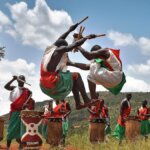
Burundi Day Tours and Excursions
October 21, 2026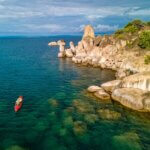
Bujumbura Tours and Attractions
October 23, 2026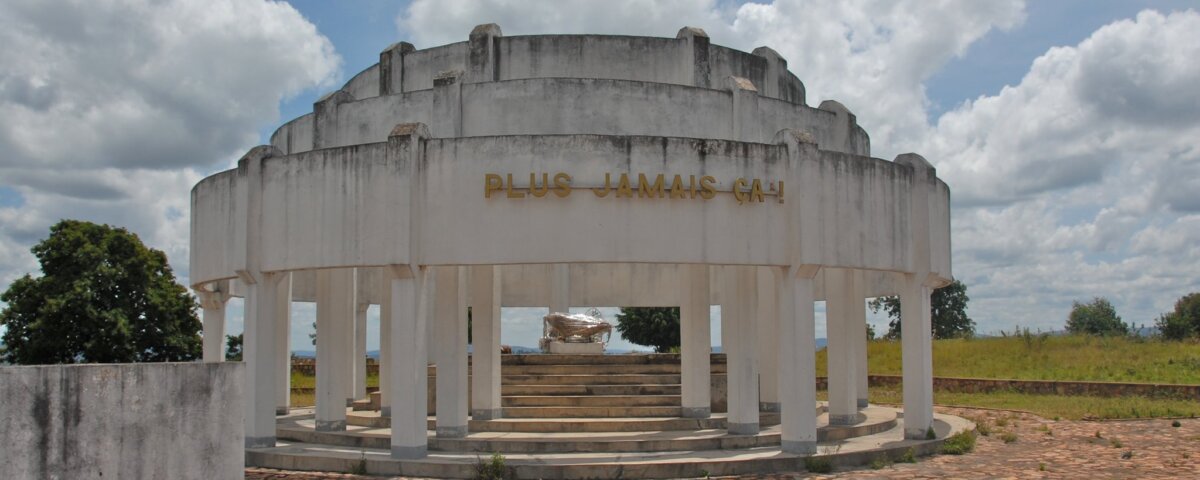
Places to Visit in Burundi
Burundi offers many remarkable places to visit, including Lake Tanganyika, the Rusizi National Park, Karera Waterfalls, Kibira National Park, Gitega, and the lively city of Bujumbura. Located in East Africa, this small and beautiful country welcomes travelers with green hills, peaceful lakeshores, traditional drumming, rich cultural heritage, and rural communities that preserve long standing customs. Although Burundi receives less international attention than some of its East African neighbors, it offers rewarding experiences for visitors who want to explore a destination beyond the usual safari routes.
For travelers planning an African holiday, Burundi provides opportunities to combine nature, culture, history, adventure, and relaxation in one trip. You can watch traditional drummers perform, walk through green landscapes, discover local markets, explore waterfalls, and enjoy views across one of the world’s great lakes. Moreover, Burundi fits well into a wider East African itinerary that includes Uganda, Rwanda, Kenya, or Tanzania.
At Giant Holiday Safaris, we recognize that meaningful travel involves more than visiting famous attractions. It also means understanding local traditions, respecting communities, protecting natural environments, and allowing enough time to appreciate each destination. This guide to the places to visit in Burundi introduces the country’s major attractions and explains what makes each place worth considering when planning your journey.
Lake Tanganyika : Places to Visit in Burundi
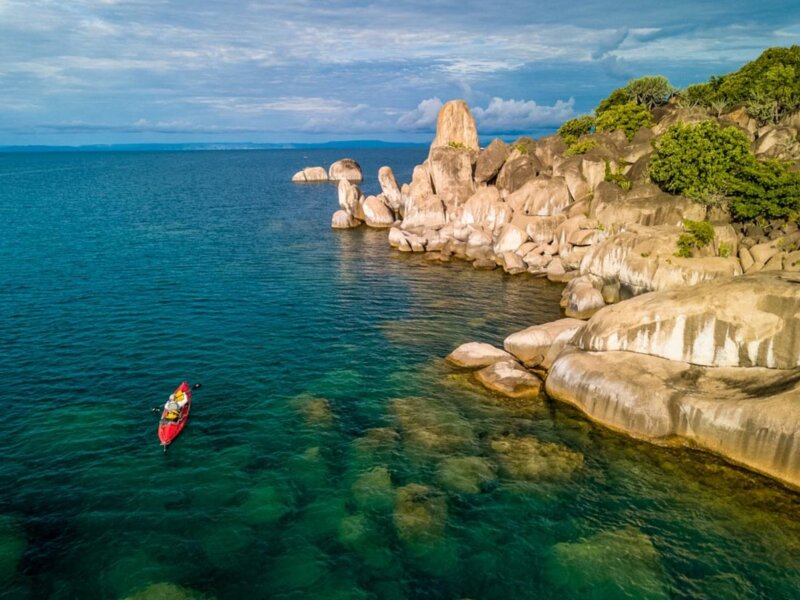
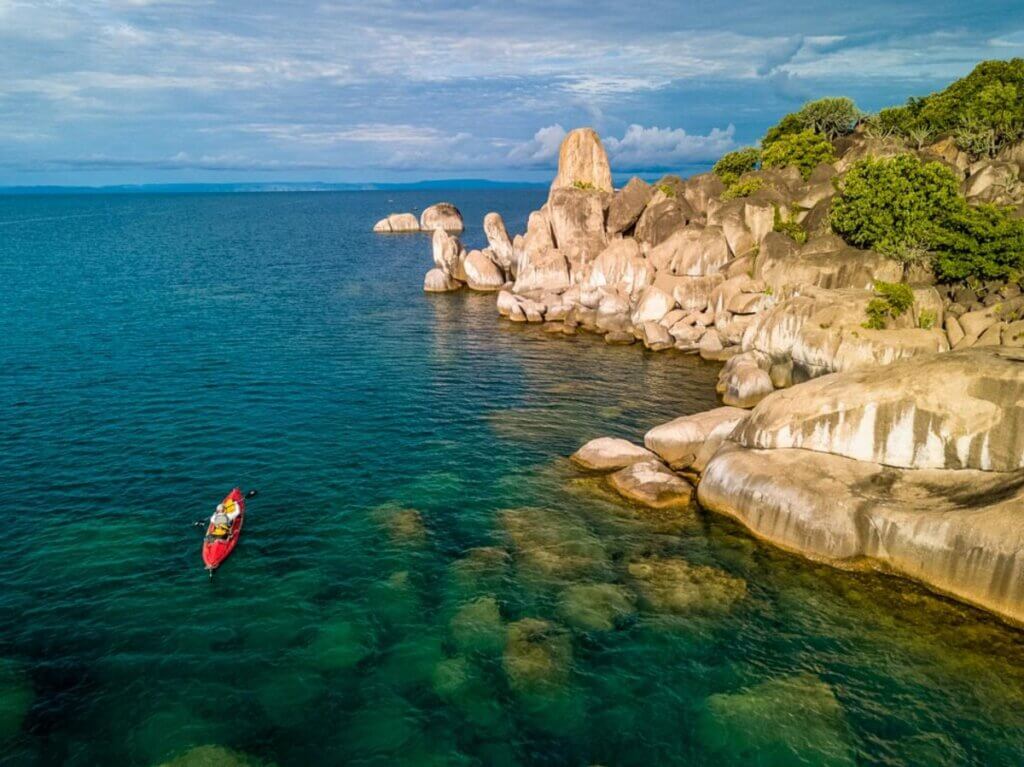
Lake Tanganyika is one of the most impressive places to visit in Burundi. Stretching along the country’s western border, this vast freshwater lake provides beautiful scenery, opportunities for relaxation, and a closer connection with local life. The lake forms part of the Great Lakes region of Africa and extends across Burundi, Tanzania, the Democratic Republic of the Congo, and Zambia. Its immense size, clear waters in many areas, and surrounding landscapes make it a memorable destination for travelers who enjoy nature.
The Burundian shoreline offers several places where visitors can relax beside the water, enjoy lake views, and observe everyday activities in nearby fishing communities. Fishermen work along the shore, boats move across the water, and local residents gather at popular beaches. These scenes give travelers a glimpse into the role the lake plays in daily life, food supplies, transport, and local livelihoods.
Things to Do at Lake Tanganyika
Visitors can enjoy lakeside walks, photography, boat excursions with reputable local operators, and quiet afternoons beside the water. Swimming may be possible at designated locations, but travelers should follow local safety advice because water conditions, currents, and the availability of rescue services vary. It is also important to check water quality before entering the lake.
Furthermore, travelers can enjoy fresh fish at local restaurants and watch the changing colors of the lake around sunrise and sunset. The surrounding landscape provides excellent opportunities for peaceful photography, especially when fishing boats return to shore.
Lake Tanganyika suits couples, families, photographers, and travelers who want to balance sightseeing with relaxation. However, visitors should avoid leaving rubbish on the shoreline and should respect the work of fishing communities. By combining scenic activities with responsible behavior, travelers can enjoy one of Burundi’s most distinctive natural attractions.
Rusizi National Park: Places to Visit in Burundi
Rusizi National Park is another important destination for travelers exploring Burundi’s wildlife and natural landscapes. Located near Bujumbura, the park protects wetlands, grasslands, river channels, and other habitats around the Rusizi River. Its location makes it especially convenient for visitors who want a nature excursion without traveling far from the country’s largest urban center.
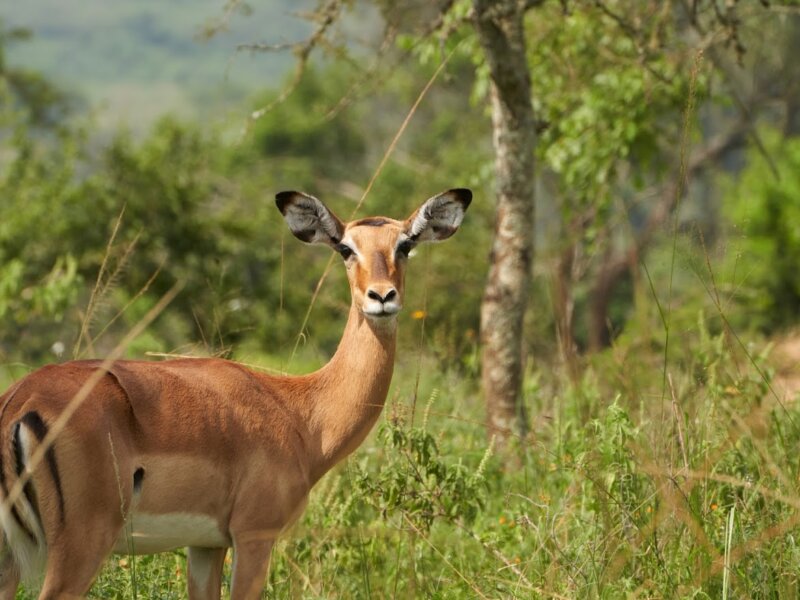
The park lies in an ecologically important area where the Rusizi River approaches Lake Tanganyika. This landscape supports different kinds of wildlife and attracts bird species that depend on wetlands and river habitats. Depending on the season and local conditions, visitors may have opportunities to see hippos, monitor lizards, and a variety of waterbirds. Wildlife sightings are never guaranteed, so a knowledgeable local guide can help visitors understand the habitat and look for animals safely.
Wildlife and Nature Experiences
A visit to Rusizi National Park gives travelers a chance to discover a side of Burundi that differs from its hills, towns, and lakeside settlements. The wetlands support a range of ecological processes, while the river environment offers opportunities for birdwatching and nature photography. Visitors who enjoy learning about ecosystems can also explore the relationship between wetlands, water resources, wildlife, and nearby communities.
Because the park lies close to Bujumbura, it can fit into a half day or full day of sightseeing, depending on available activities and transport arrangements. Travelers should confirm access conditions, park fees, guide availability, and permitted activities before visiting.
Responsible wildlife viewing is essential. Visitors should maintain a safe distance from animals, follow the guide’s instructions, and avoid feeding wildlife. With suitable planning, Rusizi National Park can add a valuable nature experience to a Burundi holiday while helping travelers appreciate the importance of wetland conservation.
Karera Waterfalls: Places to Visit in Burundi
Karera Waterfalls is one of the most attractive natural places to visit in Burundi. Located in Rutana Province in the southeastern part of the country, the waterfalls offer a refreshing escape into a landscape of flowing water, green vegetation, and rocky surroundings. The area appeals to travelers who appreciate nature, outdoor exploration, and photography. It also provides a different perspective on Burundi’s landscape, which many visitors first associate with rolling hills and the shores of Lake Tanganyika.
The waterfalls form part of a natural environment where water flows over rocky sections and creates several scenic cascades. The appearance and strength of the water can change with the seasons, so the experience may differ between wetter and drier periods. Travelers who visit after rainfall may encounter stronger flows, while other periods may offer easier opportunities to appreciate the surrounding landscape.
What Makes Karera Waterfalls Special?
Karera Waterfalls provides opportunities for sightseeing, nature photography, and peaceful outdoor exploration. Visitors can appreciate the sound of falling water, observe the surrounding vegetation, and enjoy the cooler atmosphere near the cascades. Nature enthusiasts may also find the journey through the countryside rewarding because it reveals rural landscapes and local settlements beyond Burundi’s main cities.
The waterfalls work well as part of a southern Burundi itinerary, particularly for travelers who want to combine natural attractions with cultural experiences. However, visitors should arrange reliable transport and check road conditions before departure. Some paths and rocks may become slippery, especially after rain, so suitable footwear is important.
Travelers should also respect local guidance, remain within safe viewing areas, and avoid entering fast moving water. By treating the site with care, visitors can enjoy Karera Waterfalls while helping protect the natural environment. For anyone searching for places to visit in Burundi that combine scenery and outdoor adventure, this destination deserves serious consideration.
Kibira National Park : Places to Visit in Burundi
Kibira National Park is an important destination for travelers interested in forests, biodiversity, and nature based tourism. Situated in northwestern Burundi, the park protects a large area of montane rainforest along the Congo and Nile watershed region. Its forests create a striking contrast with the country’s cultivated hills and open countryside, making it a valuable stop for visitors who want to explore Burundi’s natural diversity.
The park provides habitat for numerous forest species, including monkeys, birds, and other wildlife adapted to dense vegetation. Birdwatchers may find the area especially interesting because forest habitats support species that visitors might not encounter around cities or lakeshores. The forest also plays an important role in protecting water sources, supporting biodiversity, and maintaining ecological balance.
Exploring Kibira’s Forest Environment
Travelers who visit Kibira can learn about forest conservation and the importance of protecting natural habitats. Where park authorities permit guided walks, visitors can explore designated routes with trained guides who explain the forest ecosystem and help identify plants, birds, and signs of wildlife. The experience suits nature lovers who value observation and learning rather than expecting a conventional savannah safari.
Because forest conditions can change quickly, visitors should prepare for humidity, rain, uneven paths, and limited mobile connectivity in some areas. Comfortable walking shoes, drinking water, and suitable clothing can make the excursion more enjoyable. Travelers should also confirm the current access arrangements and available activities before setting out.
Kibira National Park is especially useful for travelers who want to understand Burundi beyond its well known cultural attractions. A guided forest visit can reveal the relationships between wildlife, water, local livelihoods, and conservation. By following park rules and avoiding disturbance to animals, visitors contribute to the protection of this valuable natural area.
Gitega, Burundi’s Political Capital
Gitega is one of the most important places to visit in Burundi for travelers who want to understand the country’s history, government, and cultural identity. Located in the central highlands, Gitega serves as Burundi’s political capital. The city also holds an important place in the country’s cultural landscape because of its connections to traditional institutions, historical collections, and the surrounding countryside.
Compared with Bujumbura, Gitega offers a different atmosphere. Its central location makes it a useful stop on journeys through the country’s interior, while its streets and nearby settlements give visitors opportunities to observe everyday Burundian life. Travelers can explore local markets, meet people in public spaces, and discover how traditional culture continues to influence modern society.
Discovering Gitega’s Cultural Heritage
One of Gitega’s main attractions is the National Museum of Gitega, which preserves and presents aspects of Burundi’s cultural heritage. Depending on current opening arrangements, visitors may encounter historical objects, traditional tools, cultural displays, and items connected with local customs. The museum offers a useful introduction to the country’s past and provides context for other cultural experiences during a trip.
Travelers can also use Gitega as a base for exploring nearby cultural attractions and rural landscapes. A local guide can explain the significance of traditional practices, social customs, and important historical places. Such guidance helps visitors avoid treating culture as a performance alone and instead understand its role in community life.
Before visiting, check opening hours and any photography restrictions at cultural institutions. Visitors should ask permission before photographing individuals, especially during private or ceremonial activities.
Gitega suits travelers who enjoy cultural learning, history, and meaningful interactions with local communities. By including the city in a Burundi itinerary, visitors can gain a broader understanding of the country rather than focusing only on natural scenery.
Gishora Drum Sanctuary: Places to Visit in Burundi
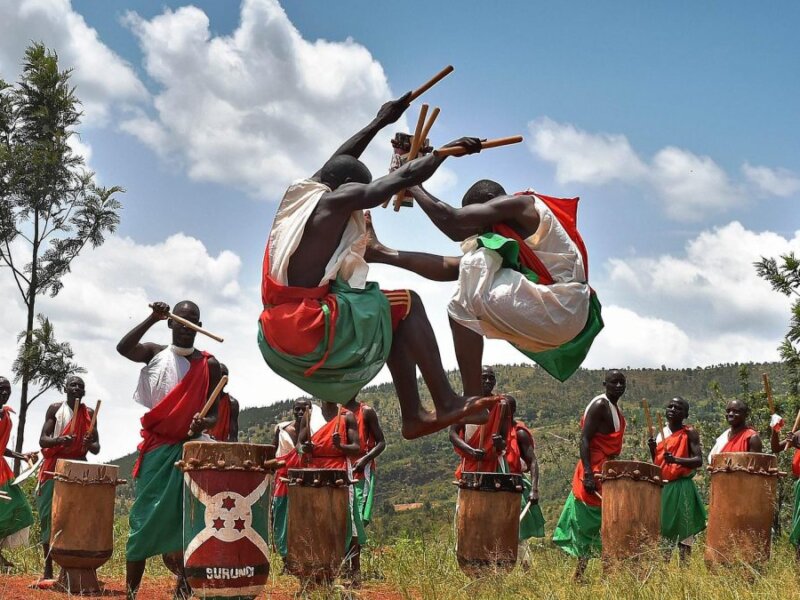
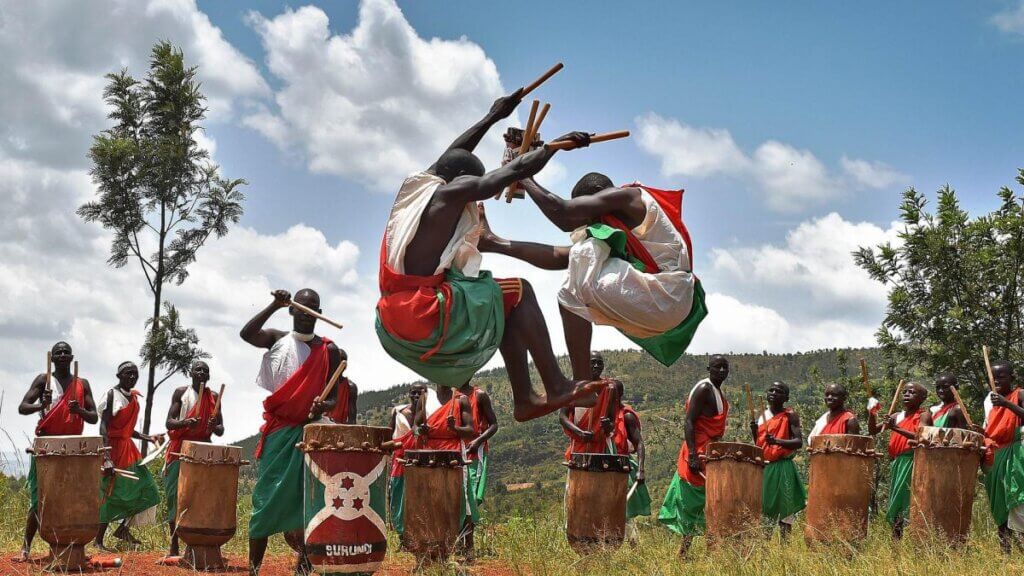
Gishora Drum Sanctuary is one of the most distinctive cultural places to visit in Burundi. Located near Gitega, the sanctuary preserves the country’s celebrated tradition of royal drumming. Burundi’s traditional drums hold deep cultural meaning, connecting music with community identity, ceremonies, historical memory, and important social occasions.
The drums are more than musical instruments. Their construction, handling, rhythms, and performance reflect a heritage passed through generations. Performers use coordinated movements and powerful rhythms to create an energetic display that often leaves visitors with a strong impression of Burundian culture. The experience can help travelers understand why traditional drumming remains an important symbol of national identity.
Experiencing Traditional Burundian Drumming
A visit to Gishora can include a guided cultural introduction and, when arranged in advance, a traditional drum performance. The drummers may combine synchronized movements, rhythmic patterns, singing, and dance. Their performance demonstrates discipline, teamwork, artistic expression, and the cultural importance of music.
Travelers should arrange their visit ahead of time to confirm availability, performance arrangements, costs, and any special requirements. A local cultural guide can explain the meaning of the performance and help visitors understand the difference between a staged presentation for guests and a ceremony intended for a particular community occasion.
Photography may be possible, but visitors should always follow the performers’ instructions and ask before recording people. It is also worth learning a few basic greetings in Kirundi, Burundi’s principal national language, as this can make interactions more welcoming.
Gishora Drum Sanctuary fits well into a cultural itinerary through central Burundi. For travelers who want to experience local traditions rather than simply view buildings and landscapes, it offers an opportunity to engage with a living cultural heritage. Including this destination can also help visitors appreciate the artistic skill and cultural knowledge that Burundian communities continue to preserve.
Bujumbura City: Places to Visit in Burundi
Bujumbura is one of the leading places to visit in Burundi for travelers interested in urban life, food, markets, and Lake Tanganyika. Although Gitega serves as the political capital, Bujumbura remains the country’s largest city and an important commercial center. Its lakeside setting, busy streets, restaurants, and markets make it a useful starting point for exploring Burundi.
The city combines modern activities with everyday local traditions. Visitors can observe the movement of traders, explore public spaces, discover local food, and learn how the city connects inland communities with the lakeshore. Its location also makes it convenient for arranging trips to nearby natural attractions, including Rusizi National Park and selected beaches along Lake Tanganyika.
Things to Do in Bujumbura
Travelers can explore local markets, sample Burundian food, visit cultural institutions, and enjoy views of the lake. Markets provide opportunities to discover fresh produce, locally made goods, and the rhythms of daily commerce. Visitors should ask before taking photographs of traders or their products and should agree on prices before making purchases when bargaining applies.
Food is another important part of the experience. Depending on the restaurant, visitors may find grilled fish, beans, rice, plantains, cassava, and other dishes common in the region. Eating at established restaurants or recommended local establishments can help travelers find suitable meals while learning about local ingredients.
Bujumbura also provides practical services that support a wider trip, including accommodation, transport, banking facilities, and travel assistance. Availability varies, so travelers should plan ahead for important needs.
When exploring the city, use reputable transport, keep valuables secure, and check local security guidance. Travelers should also confirm current conditions before arranging evening activities or journeys outside the city.
Bujumbura works well for a short city break or as the first stage of a wider Burundi adventure. Its combination of lake views, food, markets, and transport connections gives visitors a practical introduction to the country.
Saga Beach
Saga Beach is a well known lakeside recreation area near Bujumbura. Located on the shores of Lake Tanganyika, it attracts people who want to enjoy the water, spend time with friends and family, and take a break from the movement of the city. For visitors, the beach offers an opportunity to experience the social side of life around the lake.
The atmosphere can vary by day and season. Some periods bring more local visitors, food vendors, and recreational activity, while quieter times allow travelers to enjoy the views and relax beside the water. The surrounding shoreline creates opportunities for photography, particularly when the lake reflects the changing light in the early morning or late afternoon.
Enjoying a Visit to Saga Beach
Travelers can relax by the shore, enjoy refreshments, sample locally prepared food, and observe the activities of people who gather there. The beach can also provide a convenient setting for families and groups who want a relaxed outing without a long journey from Bujumbura.
However, visitors should not assume that every section of the lake is safe for swimming. Water quality, currents, depth, and access to emergency assistance can vary. Ask local authorities or reliable accommodation staff about current conditions before entering the water. Follow any safety notices and use designated swimming areas where available.
It is also wise to check which facilities operate on the day of your visit. Food service, changing facilities, lifeguard coverage, and other amenities may not always be available. Carry essential items, protect yourself from the sun, and keep your belongings secure.
Saga Beach can add a relaxing element to a Burundi itinerary, especially when combined with sightseeing in Bujumbura or a visit to Rusizi National Park. Visitors should respect other beach users, dispose of rubbish responsibly, and avoid disturbing the shoreline environment. With sensible preparation, a beach visit offers a pleasant way to experience the connection between Burundian city life and Lake Tanganyika.
Source of the Nile at Rutovu
The Source of the Nile at Rutovu is an interesting destination for travelers who enjoy geography, exploration, and the stories connected with Africa’s great rivers. Located in southern Burundi, near the town of Rutovu, this site is associated with the southernmost source of the Nile River system. The Nile travels north through several countries before reaching the Mediterranean Sea, making its source a subject of long standing interest among travelers and explorers.
Burundi’s highlands form part of the wider watershed region that feeds major African river systems. The area around Rutovu offers an opportunity to explore this geography while enjoying the green hills and rural scenery of the country’s interior. For visitors, the attraction is not only the source itself but also the chance to understand how rainfall, springs, streams, and rivers connect distant landscapes.
What to Expect at Rutovu
A visit to the site can include sightseeing, photography, and learning about the Nile’s geographical significance. Travelers may also enjoy the journey through the surrounding countryside, where cultivated hills and small settlements reveal aspects of rural life. A local guide can help explain the site’s history, its connection to the Nile, and its place within Burundi’s tourism landscape.
It is important to understand that the Nile has a complex network of tributaries and headwaters. Therefore, the Rutovu site represents a recognized source associated with the southern Nile system rather than a simple river beginning with one universally agreed point.
Visitors should confirm current access conditions, available facilities, and transport arrangements before traveling. Since the area lies away from major urban services, planning fuel, refreshments, and return transport in advance is sensible.
The Source of the Nile at Rutovu is especially suitable for travelers who want to combine geography with cultural discovery. When included in a wider journey through southern Burundi, it provides a useful reason to explore the country’s highlands and learn more about the natural systems that connect East Africa.
Karera and the Southern Burundi Countryside
Southern Burundi deserves attention from travelers who want to explore landscapes beyond the country’s main cities. The region features green hills, agricultural communities, small settlements, and natural attractions that reveal the quieter side of Burundian life. When combined with Karera Waterfalls and the Rutovu area, the southern countryside can become an important part of a well planned itinerary.
The journey itself can be rewarding. Visitors may see farmers working on cultivated slopes, people traveling between villages, and local markets where communities trade food and everyday goods. These ordinary scenes often provide valuable insight into how people live and work in Burundi. They also help travelers understand the relationship between agriculture, landscape, and local culture.
Exploring Rural Landscapes Responsibly
Travelers can explore the countryside with a local driver or guide who understands the roads, communities, and attractions along the route. Depending on local arrangements, visitors may stop at scenic viewpoints, small towns, and selected cultural sites. Photography can be rewarding, but visitors should ask permission before photographing people, homes, or private property.
The region is particularly suitable for travelers who prefer flexible journeys over tightly scheduled sightseeing. A relaxed itinerary allows time for unexpected discoveries, conversations, and short stops along the way. Nevertheless, rural roads can vary in condition, and journeys may take longer than expected, especially during rainy periods.
Visitors should carry drinking water, suitable clothing, and enough time to return safely. It is also important to respect local customs, avoid entering farmland without permission, and support local businesses where practical.
For travelers planning places to visit in Burundi, the southern countryside offers an opportunity to appreciate the country as a living landscape rather than a collection of attractions. Combining nature, rural scenery, and cultural encounters can create a more complete understanding of Burundi’s character and its place within East Africa.
Kigwena Nature Reserve
Kigwena Nature Reserve is a valuable destination for travelers interested in forest habitats and biodiversity. Situated in southwestern Burundi near the shores of Lake Tanganyika, the reserve protects a lowland forest environment that differs from the montane forests of Kibira National Park. This variation makes it an interesting addition to a nature focused itinerary.
Lowland forests support their own mix of plant and animal life. Their vegetation, humidity, and ecological conditions create habitats for species that may not thrive in higher elevation forests. For nature enthusiasts, exploring such environments can reveal how differences in altitude, rainfall, and soil influence biodiversity across a relatively small country.
Nature Exploration at Kigwena
A guided visit, where access is available, can introduce travelers to the reserve’s vegetation and ecological importance. Visitors may learn about forest structure, local conservation work, and the role of natural habitats in supporting wildlife. Birdwatchers and photographers may also appreciate the chance to observe the forest carefully, although sightings depend on conditions and animal activity.
Because forest environments can be humid and paths may become slippery, comfortable footwear and weather appropriate clothing are useful. Visitors should confirm access permissions, guide availability, and any restrictions before planning a trip. These details matter because conservation areas may have specific rules intended to protect sensitive habitats.
Travelers should avoid loud behavior, littering, collecting plants, or disturbing wildlife. They should also follow the guidance of authorized local staff and remain on permitted routes.
Kigwena Nature Reserve is a good option for visitors who want to learn about Burundi’s ecological variety. When paired with Lake Tanganyika or other attractions in southwestern Burundi, it can add depth to a journey that might otherwise focus mainly on beaches, cities, and cultural experiences.
Vyanda Natural Forest Reserve
Vyanda Natural Forest Reserve offers another opportunity to explore Burundi’s forest landscapes and biodiversity. Located in the southern part of the country, the reserve is associated with natural habitats that support wildlife and contribute to the protection of the region’s environment. It is particularly relevant to travelers who want to explore conservation areas and understand the importance of protecting native forests.
Forest reserves help preserve vegetation, support ecological processes, and provide habitats for animals. They can also play an important role in protecting soils and regulating water movement across hillsides. These benefits matter in a country where agriculture and rural livelihoods depend heavily on the surrounding environment.
Planning a Nature Visit
Visitors interested in Vyanda should make arrangements with knowledgeable local guides or the relevant authorities before traveling. Access conditions, available activities, and the possibility of observing particular wildlife can change, so travelers should avoid assuming that every reserve offers the same facilities or experiences.
Where guided visits are permitted, travelers can focus on observing the forest, learning about its ecological role, and understanding local conservation efforts. Nature photography can be rewarding, but patience is important because animals may remain hidden in dense vegetation.
A responsible visit requires respect for the environment. Travelers should not remove plants, feed animals, leave rubbish, or stray into restricted areas. They should also follow advice about footwear, weather, and any wildlife related safety requirements.
Vyanda Natural Forest Reserve can complement visits to Kibira and Kigwena by helping travelers appreciate the different forest environments found across Burundi. Rather than expecting a large animal safari, visitors should approach the destination as an opportunity for ecological learning and quiet exploration.
For travelers who value sustainable tourism, places such as Vyanda show why conservation deserves a place in Burundi’s tourism story. Protecting natural habitats supports biodiversity and helps preserve the landscapes that future generations may wish to explore.
Ruvubu National Park
Ruvubu National Park is one of Burundi’s major protected areas and a worthwhile destination for travelers interested in savannah landscapes, river environments, and wildlife conservation. Located in the northeastern part of the country, the park protects a large area of natural habitat along the Ruvubu River. Its open landscapes differ from the dense forests of western Burundi and provide another perspective on the country’s ecological diversity.
The park’s vegetation includes grasslands, woodland, and riverine habitats. These environments support a range of wildlife and bird species, although animal sightings depend on the season, habitat conditions, and the availability of guided activities. Visitors should approach the park as a natural area with its own ecological character rather than expect the same wildlife concentrations found in more established safari destinations elsewhere in East Africa.
Discovering Ruvubu’s Natural Environment
A visit to Ruvubu can offer opportunities to appreciate the scenery, learn about wildlife habitats, and explore Burundi’s protected landscapes. Where authorities permit suitable activities, a guide can explain the relationship between river systems, vegetation, and the animals that depend on them.
The park’s relatively remote location means that travelers should plan carefully. Arrange transport in advance, confirm the current condition of access roads, and check whether guides, accommodation, and visitor facilities are available. It is also sensible to allow flexibility in the itinerary because rural travel can take longer than expected.
Visitors should follow all park regulations and maintain a safe distance from wildlife. They should never attempt to approach or feed wild animals, and they should carry out all rubbish when leaving.
Ruvubu National Park is especially useful for travelers who want to discover a less familiar part of Burundi. By including it in a wider route through the northeastern countryside, visitors can gain a broader understanding of the country’s wildlife, river systems, and conservation needs.
Teza Tea Plantations
The Teza tea growing area offers a different kind of attraction for visitors exploring Burundi. Rather than focusing on wildlife or historic landmarks, a visit to tea growing landscapes introduces travelers to agriculture, rural livelihoods, and the scenery of the country’s highlands. Tea production forms part of Burundi’s agricultural economy, and the cultivated slopes can create striking patterns across the green countryside.
Tea landscapes often appeal to photographers because of their neat rows of bushes, changing shades of green, and views across the surrounding hills. The journey also provides a chance to observe how agricultural production shapes the environment and supports local communities.
Learning About Tea Growing in Burundi
Where access and local arrangements permit, visitors can learn about tea cultivation, harvesting, and the role of tea in the local economy. A guided visit may provide insight into the work involved in maintaining tea fields and preparing leaves for processing. However, travelers should confirm whether a plantation or processing facility accepts visitors before arriving.
The experience can be especially interesting for people who enjoy food, farming, and cultural tourism. It also creates opportunities to learn about the challenges facing agricultural communities, including changing weather conditions, transport costs, and the need for sustainable land management.
Travelers should remember that tea plantations are working environments, not simply scenic viewpoints. Ask permission before entering cultivated areas or photographing workers. Visitors should also follow any rules set by plantation managers and avoid disturbing ongoing operations.
Teza can complement a journey through Burundi’s highlands, especially for travelers who want to combine scenery with an understanding of everyday economic life. By adding agricultural landscapes to the itinerary, visitors gain a more complete picture of Burundi’s natural resources and the communities that depend on them.
Muramvya and Burundi’s Historical Landscapes
Muramvya is an appealing destination for travelers interested in Burundi’s traditional history and cultural heritage. Located in the central part of the country, the area has strong connections to the history of the Burundian monarchy and the development of traditional institutions. Its green hills and rural surroundings also make it a pleasant region to explore while traveling between other attractions.
Burundi’s history extends far beyond its modern cities and administrative centers. Traditional leadership, family structures, agriculture, music, and community customs have all played important roles in shaping the country’s identity. Exploring areas associated with this heritage helps visitors understand the historical foundations of contemporary Burundian society.
Exploring Muramvya’s Heritage
Travelers can explore the surrounding countryside, learn about local traditions, and visit historical places where access is available. A knowledgeable guide can explain the significance of traditional institutions and the ways in which customs have changed over time. These conversations can make a journey more meaningful because they connect the landscapes with the people who have lived in them for generations.
Visitors should confirm the locations, opening arrangements, and accessibility of specific historical sites before traveling. Some heritage locations may have limited facilities, while others may require local guidance or prior permission. Respect for community traditions is especially important when visiting places that hold cultural or ceremonial significance.
Muramvya also offers opportunities to observe rural life and enjoy the scenery of Burundi’s central highlands. Travelers can appreciate cultivated slopes, village settlements, and the changing views along the roads.
For those researching places to visit in Burundi, Muramvya provides a useful cultural dimension. It allows visitors to explore the country’s historical identity while experiencing the countryside at a slower pace. When combined with Gitega and Gishora Drum Sanctuary, the area can form part of a rewarding journey through Burundi’s cultural heartland.
Lake Rwihinda Natural Reserve
Lake Rwihinda Natural Reserve, in northern Burundi, is an important destination for travelers interested in wetlands and birdwatching. The reserve protects a lake and surrounding habitats that support birdlife and other wildlife. Its natural setting offers a different experience from the busy lakeshore areas around Bujumbura, giving visitors an opportunity to appreciate a quieter part of the country.
Wetlands provide essential habitats for many birds because they offer feeding grounds, resting areas, and suitable places for different stages of their life cycles. Depending on the season, travelers may observe waterbirds and other species around the lake. Birdwatchers can find the area especially rewarding when they visit with someone who understands local species and their habitats.
Birdwatching and Wetland Exploration
A visit to Lake Rwihinda can focus on birdwatching, landscape photography, and learning about wetland conservation. Travelers should bring binoculars if they have them and allow enough time to observe the environment without rushing from one viewpoint to another.
A local guide can help identify birds, explain seasonal changes, and describe the role of the lake in the wider ecosystem. Visitors should confirm current access arrangements, available guiding services, and any restrictions before making the journey.
Wetland habitats can be sensitive to disturbance. Therefore, visitors should avoid loud behavior, remain in permitted areas, and never attempt to approach nesting birds or other wildlife. Responsible observation helps protect the animals and preserves the quality of the experience for future visitors.
Lake Rwihinda also illustrates why Burundi’s tourism potential extends beyond traditional sightseeing. The country offers opportunities for nature lovers who enjoy observing wildlife in its natural habitat rather than seeking only large mammals. For travelers planning a nature focused journey, the reserve can provide a valuable addition to the country’s northern circuit.
Bugarama and the Scenic Highlands: Places to Visit in Burundi
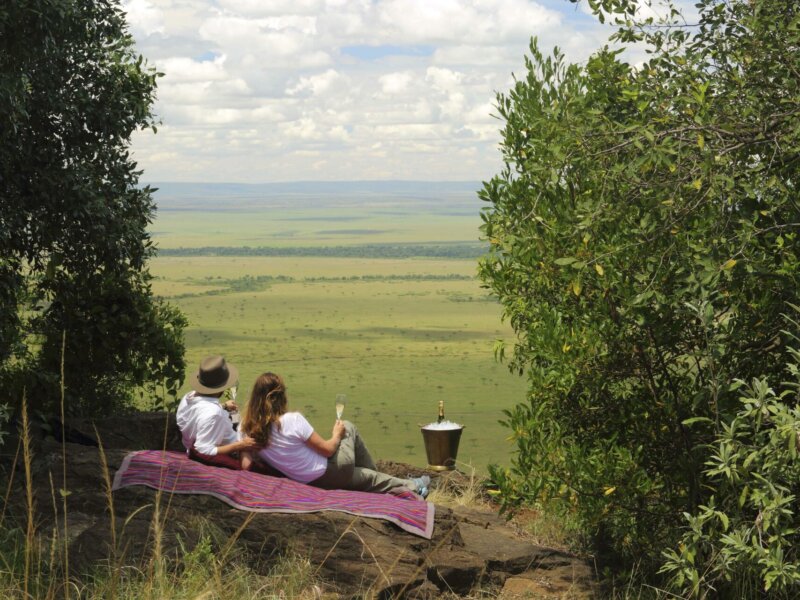
Burundi’s highlands are among the country’s defining geographical features. Areas around Bugarama and other elevated parts of the countryside offer opportunities to appreciate the green slopes, winding roads, cultivated hills, and changing views that characterize much of the interior. For travelers who enjoy scenic drives and rural exploration, these landscapes can be just as memorable as individual tourist attractions.
The country’s high elevation in many areas creates cooler conditions than travelers might expect from its location near the equator. Weather changes, rainfall, and cloud cover can influence the appearance of the hills throughout the day. As a result, a journey through the highlands can offer varied photographic opportunities and a chance to observe the relationship between climate and agriculture.
Enjoying Burundi’s Mountain Scenery
Travelers can explore the highlands by road, stop at suitable viewpoints, and discover small towns along the route. Where local arrangements allow, a guide can introduce visitors to rural communities and explain agricultural practices that support local livelihoods.
The highlands are also useful for travelers who want to slow down and enjoy the journey rather than concentrate on a long list of attractions. Short walks, scenic stops, and visits to local markets can add variety to a trip. However, travelers should always confirm the precise destination and road conditions because place names can refer to different local areas.
Rural journeys require some preparation. Carry water, plan fuel stops, and allow additional time during rainy weather. Travelers should also avoid stopping in unsafe roadside locations or entering private land without permission.
The highlands demonstrate that Burundi’s appeal does not depend on a single landmark. Much of the country’s charm lies in the combination of landscapes, local culture, and everyday life. Including scenic rural areas in an itinerary helps visitors appreciate this wider picture and discover the quieter experiences that make travel through Burundi distinctive.
Local Markets and Traditional Food Experiences
Local markets are valuable places to visit in Burundi because they offer a direct introduction to everyday life. Across towns and cities, markets bring together farmers, traders, craftspeople, and customers. They provide a lively setting where travelers can observe the movement of goods, discover regional produce, and learn about the foods and products that matter to local communities.
Markets also reveal how geography influences daily life. Rural areas supply agricultural products, while urban centers connect producers with larger groups of customers. Depending on the location, visitors may find bananas, beans, cassava, sweet potatoes, fresh vegetables, grains, and seasonal fruits. Some markets also offer household goods, clothing, and locally made products.
Discovering Burundian Cuisine
Food offers another way to experience the country. Common dishes include beans, plantains, cassava, sweet potatoes, rice, and grilled fish in suitable locations. The exact menu varies between households, restaurants, and regions. Travelers who sample local meals can learn how familiar ingredients become part of different cooking traditions.
A visit to a market can also help visitors understand the importance of agriculture in Burundi. Many households depend on farming, and local food systems connect rural producers with consumers throughout the country. Buying suitable products from local traders can support these livelihoods, although travelers should always agree on prices and follow any local market rules.
Food safety deserves attention. Choose establishments that maintain good hygiene, eat food that has been thoroughly cooked, and drink safe water. Travelers with dietary restrictions should explain their needs clearly before ordering.
Markets are also social spaces, so visitors should behave respectfully. Ask permission before taking photographs, avoid blocking busy walkways, and handle products carefully. With these simple practices, a market visit becomes more than a shopping stop. It becomes an opportunity to understand Burundi’s food culture, economy, and daily routines.
Traditional Villages and Community Cultural Experiences
Traditional villages and community based tourism experiences can add depth to a visit to Burundi. They allow travelers to learn about local customs, family life, traditional skills, food preparation, music, and agricultural practices. These experiences can be especially valuable for visitors who want to understand how culture continues to shape life beyond the country’s major cities.
Burundian communities have rich traditions associated with music, dance, storytelling, crafts, and social gatherings. However, customs differ between communities and generations. A responsible cultural experience should therefore present local people as individuals with changing lives and interests rather than treating every tradition as identical throughout the country.
How to Enjoy Community Tourism Responsibly
Travelers can arrange visits through reputable local guides, community organizations, or established tourism operators. Depending on the location and the host community’s preferences, an experience may include a traditional meal, a demonstration of local crafts, a discussion about farming, or a music and dance presentation.
The most important step is to respect the wishes of the people hosting the visit. Visitors should ask before taking photographs, avoid entering private homes without an invitation, and follow any instructions concerning ceremonies or culturally significant spaces.
It is also worth asking how the visit benefits the community. Transparent arrangements, fair payments, and respect for local ownership help ensure that tourism creates value for residents rather than simply using cultural practices as entertainment.
Travelers should approach these experiences with curiosity and humility. Learning a few Kirundi greetings, listening carefully, and showing interest in local perspectives can make an encounter more meaningful.
Community tourism can also complement visits to Gishora Drum Sanctuary, Gitega, and rural areas around the country. By including respectful cultural experiences, visitors gain a fuller understanding of Burundi’s identity while supporting the people who continue to preserve and develop its living heritage.
Best Time to Visit Burundi
Choosing the right time to visit Burundi can improve your travel experience. The country generally has wetter and drier periods, although conditions vary by region and elevation. Travelers who plan around the weather can enjoy scenic drives, outdoor activities, cultural visits, and nature excursions with fewer disruptions.
The drier periods commonly occur around June to September and again around December to February. These months can offer suitable conditions for many sightseeing activities, although rainfall can still occur. The wetter periods often bring greener landscapes and stronger water flows at attractions such as Karera Waterfalls. However, heavy rain may affect road conditions, walking routes, and access to some rural destinations.
Choosing the Right Season for Your Interests
The best season depends on what you want to experience. Visitors interested in scenic drives and exploring several regions may prefer periods when roads are generally easier to navigate. Travelers focused on waterfalls and green landscapes may appreciate the wetter months, provided they prepare for rain and possible delays.
Birdwatchers should research seasonal bird activity before traveling because species movements and sightings vary throughout the year. Similarly, anyone planning visits to forests or nature reserves should check current access arrangements rather than rely on seasonal expectations alone.
Cultural experiences may be possible throughout the year, but performances, ceremonies, and community visits often depend on local schedules. Arrange important experiences in advance and confirm them shortly before arrival.
Burundi does not have one perfect travel season for every visitor. Instead, the right time depends on your interests, itinerary, flexibility, and comfort with changing weather. By planning carefully and allowing room for adjustments, you can enjoy the country’s landscapes and cultural attractions in different seasons.
How to Plan a Burundi Tour
Planning a successful Burundi tour begins with choosing the places you want to visit and allowing enough time to explore them comfortably. Although Burundi is relatively small compared with many African countries, travel between destinations can take longer than expected because of road conditions, elevation changes, and the location of attractions in rural areas.
For a short holiday, visitors may concentrate on Bujumbura, Lake Tanganyika, Rusizi National Park, and selected cultural attractions. Travelers with more time can consider Gitega, Gishora Drum Sanctuary, Karera Waterfalls, Kibira National Park, or other destinations according to their interests. A longer itinerary can combine several regions without requiring every day to involve a long drive.
Transport and Accommodation
Travelers can arrange private transport with a local driver or use other suitable transport options depending on the route. A private vehicle offers flexibility for sightseeing and rural journeys, while local transport may suit travelers who have more time and experience navigating regional travel.
Accommodation ranges from basic guesthouses to more established hotels, particularly around major towns and cities. Availability and standards vary by destination, so travelers should confirm facilities, meals, location, and transport arrangements before booking. If you plan to visit remote areas, check whether suitable accommodation exists nearby or whether you should return to a larger town.
Entry Requirements and Personal Preparation
Before departure, check the latest visa and entry requirements with official sources relevant to your nationality. Confirm passport validity, any applicable health requirements, travel insurance, and the availability of suitable medical services. Keep copies of important travel documents and make sure your itinerary includes emergency contacts.
Travelers should also check current security advice and local conditions before visiting particular regions. Carry sufficient local currency for places where card payments may not be available, and use reputable providers when exchanging money or arranging transport.
Finally, leave room for flexibility. Weather, road conditions, and changes to local schedules can affect travel plans. A carefully organized itinerary with realistic driving times, confirmed activities, and enough time to rest will make your Burundi holiday more comfortable and rewarding.
Responsible and Sustainable Tourism in Burundi
Responsible tourism helps travelers enjoy Burundi while respecting the people, wildlife, and landscapes that make the country special. Every visit creates opportunities to support local businesses, but tourism can also put pressure on natural resources and community life if visitors ignore local rules. Thoughtful decisions help reduce these risks and create a better experience for everyone involved.
One practical way to travel responsibly is to use knowledgeable local guides and reputable tourism providers. Local professionals can explain cultural practices, identify natural attractions, and help visitors navigate regional conditions. Their services can also direct tourism income toward people who live and work in the destinations travelers visit.
Supporting Communities and Protecting Nature
Visitors can support local communities by purchasing appropriate locally made products, eating at suitable local restaurants, and choosing accommodation that treats workers fairly. Where possible, ask how community tourism activities operate and whether local hosts receive fair compensation.
Environmental responsibility matters just as much. Travelers should avoid littering, reduce unnecessary plastic use, conserve water, and respect wildlife. In forests and wetlands, remain on authorized routes and avoid disturbing animals or removing plants. Around Lake Tanganyika, keep rubbish away from the shoreline and follow local guidance on safe water activities.
Cultural respect should guide every interaction. Ask before photographing people, dress appropriately for the setting, and follow instructions at historical or ceremonial sites. Visitors should also recognize that communities have different traditions and that not everyone wishes to participate in tourism activities.
Travelers can further support sustainability by allowing realistic travel times and avoiding unnecessary journeys. Combining nearby attractions into a sensible route can reduce fuel use while making the trip more enjoyable.
Burundi’s natural and cultural heritage is a shared asset. Responsible tourism helps protect these resources while supporting the communities that maintain them. By making thoughtful choices, visitors can contribute to a tourism industry that values local knowledge, environmental care, and long term benefits.
Discover the Best Places to Visit in Burundi
The places to visit in Burundi offer a rich combination of natural beauty, cultural heritage, historical interest, and authentic East African experiences. From the vast waters of Lake Tanganyika and the wetlands of Rusizi National Park to the forest landscapes of Kibira, the cascades of Karera Waterfalls, and the traditional rhythms of Gishora Drum Sanctuary, Burundi gives travelers many reasons to explore beyond the country’s main cities.
Gitega provides insight into Burundi’s political and cultural identity, while Bujumbura introduces visitors to urban life, local markets, and lakeside relaxation. Meanwhile, destinations such as Ruvubu National Park, Lake Rwihinda Natural Reserve, Kigwena Nature Reserve, and the southern highlands reveal the country’s ecological variety. Together, these attractions show that Burundi offers much more than a brief stop on a wider African journey.
The most rewarding itinerary depends on your interests, available time, budget, and preferred style of travel. Some visitors may prioritize cultural encounters and history, while others may focus on nature, photography, waterfalls, and lakeside experiences. By selecting destinations carefully and allowing enough time for each journey, you can build a balanced holiday that reflects your interests.
At Giant Holiday Safaris, we believe that exploring Africa should combine thoughtful planning, local knowledge, responsible travel, and meaningful experiences. With the right preparation, the places to visit in Burundi can become part of a memorable East African adventure that introduces you to the country’s landscapes, traditions, and welcoming communities.