How to Get to Burundi
November 14, 2026
Burundi Safari Costs
Burundi safari costs depend on the length of your trip, accommodation standards, transportation, activities, park entrance fees, and the number of people travelling together. The country offers a range of travel experiences, from affordable cultural tours and nature excursions to private wildlife adventures and comfortable luxury holidays. Therefore, visitors can plan a Burundi safari that matches their interests, available time, and travel budget without compromising the quality of their experience.
Burundi remains one of East Africa’s less explored tourism destinations. However, its natural beauty, rich cultural heritage, scenic landscapes, and welcoming communities make it an exciting destination for international travellers. From the shores of Lake Tanganyika to the waterfalls of the southern highlands, the country offers rewarding experiences for visitors who want to explore Africa beyond its more established safari destinations.
Unlike countries with large and highly developed safari circuits, Burundi focuses on a different combination of attractions. Travellers can enjoy cultural encounters, nature walks, birdwatching, mountain scenery, historical sites, and peaceful lakeside experiences. Moreover, visitors can combine these activities with wildlife safaris in neighbouring Tanzania, Rwanda, and Uganda.
Understanding Burundi safari costs before travelling helps you make informed decisions. It also allows you to compare accommodation options, select suitable activities, and prepare for transportation expenses. Whether you are planning a short Burundi holiday, a family adventure, a private guided tour, or a longer East African safari, this guide explains the main costs to consider when preparing your travel budget.
What Determines the Cost of a Burundi Safari?
Several factors determine how much you spend on a Burundi safari. The most important include the duration of your holiday, accommodation category, transportation arrangements, activities, and the level of guiding services you choose. Consequently, two visitors travelling to Burundi for the same number of days may receive very different quotations.
First, the number of days affects the overall cost because every additional night adds accommodation, meals, transportation, and guide expenses. For example, a three day cultural tour around Bujumbura and Gitega generally requires a smaller budget than a seven day journey covering Kibira National Park, Ruvubu National Park, Karera Waterfalls, and Lake Tanganyika.
Secondly, accommodation plays an important role. Budget guesthouses offer affordable overnight stays, while midrange hotels provide more comfort and additional services. Luxury hotels and private lakeside properties usually charge higher rates because they offer more facilities, privacy, and personalised hospitality.
Transportation also influences the final price. A private four wheel drive vehicle gives travellers flexibility and comfort, particularly when visiting remote attractions. However, visitors who share transportation with other travellers may reduce their individual expenses.
Finally, your choice of activities matters. Cultural experiences, nature walks, chimpanzee excursions, boat trips, and guided visits to national parks can attract different charges. Therefore, understanding these factors helps you select a safari package that delivers good value without unnecessary expenses.
Average Cost of a Burundi Safari
The average cost of a Burundi safari varies according to the travel style, itinerary, accommodation, and number of participants. Burundi does not have one fixed safari price because tour operators design different experiences for different travellers. Nevertheless, available tour packages provide useful guidance when preparing a realistic budget.
For international visitors, organised multi day tours can range from relatively affordable cultural experiences to more expensive private journeys. Published tour offerings show examples of three day experiences costing approximately USD 660 to USD 770 per person, while some five day and seven day packages cost around USD 1,045 to USD 2,200 or more per person. Longer and more comprehensive itineraries can exceed USD 2,500 per person. These figures represent advertised packages rather than official national tariffs.
The following table provides practical planning estimates for different travel styles. These are indicative budgeting ranges, not guaranteed quotations or fixed market rates.
| Safari category | Estimated daily budget per person |
|---|---|
| Independent budget travel | USD 60 to USD 120 |
| Budget organised safari | USD 150 to USD 220 |
| Midrange organised safari | USD 200 to USD 350 |
| Luxury private safari | USD 350 to USD 600+ |
Your actual expenses may fall outside these ranges depending on the itinerary and inclusions. For example, a private safari with dedicated transportation, quality accommodation, and several guided activities costs more than a simple hotel based holiday.
Furthermore, the number of travellers affects the price per person. Two people sharing a vehicle and accommodation may pay less individually than a solo traveller using the same services. For this reason, always request a quotation based on your exact travel dates, group size, and preferred accommodation level.
Budget Burundi Safari Costs
A budget Burundi safari allows travellers to discover the country’s natural and cultural attractions without spending excessively. This option suits backpackers, independent travellers, students, couples, and visitors who prefer simple accommodation and practical transportation arrangements.
Budget travellers can stay in modest hotels, guesthouses, and locally operated accommodation establishments. These properties provide essential facilities for a comfortable overnight stay without the additional costs associated with premium hotels. However, visitors should consider cleanliness, location, security, and access to transportation before choosing inexpensive accommodation.
Food also provides opportunities to manage expenses. Local restaurants offer traditional Burundian meals, including rice, beans, plantains, cassava, vegetables, and grilled fish. These meals allow visitors to experience local food culture while controlling their daily spending. In addition, travellers can purchase basic refreshments and snacks from local shops.
Transportation requires careful planning because some attractions sit far from Bujumbura and other major towns. Combining nearby activities on the same day can reduce unnecessary driving expenses. Similarly, sharing a vehicle with other visitors can make guided excursions more affordable.
However, a budget safari should not mean compromising essential travel arrangements. Visitors should still select reliable transportation, knowledgeable local guides, and suitable accommodation. They should also maintain an emergency spending allowance.
Overall, a carefully organised budget Burundi safari can deliver meaningful cultural and nature experiences. The key is to prioritise the attractions you value most and avoid paying for services that you do not need.
Midrange Burundi Safari Costs
A midrange Burundi safari offers a balance between affordability, comfort, and convenience. It suits couples, families, small groups, and international visitors who want a well organised holiday without paying for the highest accommodation category.
Midrange packages generally include comfortable hotels, private or shared safari transportation, professional guiding services, and selected meals. Depending on the itinerary, the package may also cover national park visits, cultural experiences, boat excursions, and entrance charges for different attractions.
Accommodation makes a significant difference in this category. Travellers can expect comfortable rooms, private bathrooms, reliable hospitality, and convenient locations. Some properties also provide restaurants, swimming pools, gardens, conference facilities, and scenic views.
Moreover, midrange travellers often benefit from private transportation. A dedicated vehicle gives you greater control over departure times, photography stops, and the duration of visits. This flexibility becomes particularly valuable when travelling between Bujumbura, Gitega, Rumonge, and the southern highlands.
A midrange safari also allows you to include several experiences in one itinerary. For instance, you can explore Rusizi National Park, visit the Gishora Drum Sanctuary, discover Karera Waterfalls, and enjoy time along Lake Tanganyika.
When comparing midrange quotations, look beyond the total price. Check the accommodation names, room categories, meals, vehicle type, guide services, and included activities. Some packages advertise attractive prices but exclude important expenses.
Ultimately, a midrange Burundi safari provides an excellent opportunity to explore the country comfortably while maintaining reasonable control over your travel budget.
Luxury Burundi Safari Costs
A luxury Burundi safari focuses on comfort, privacy, personalised service, and carefully selected experiences. Although Burundi has a smaller luxury tourism market than destinations such as Tanzania, Kenya, and Rwanda, visitors can still organise comfortable private holidays with quality hotels and dedicated travel services.
Luxury travellers generally choose premium accommodation in Bujumbura and other suitable locations. These establishments may offer spacious rooms, attractive surroundings, quality restaurants, swimming facilities, conference services, and personalised hospitality. Availability depends on the destination and travel dates.
Private transportation forms another important part of a luxury safari. Travellers can arrange a dedicated vehicle with an experienced driver guide, allowing them to explore different attractions at their preferred pace. This arrangement also makes long journeys more comfortable because visitors can take breaks when necessary.
Furthermore, luxury itineraries can include private cultural experiences, carefully arranged nature excursions, boat trips, and selected dining experiences. Travellers who want additional comfort may also request airport assistance and personalised transfers.
The final cost depends on the quality of accommodation, vehicle arrangements, group size, and activities. A private journey with several hotel changes and extensive driving will usually require a larger budget than a short stay in Bujumbura.
Importantly, luxury does not always mean spending money on the most expensive services. A well designed itinerary should focus on comfort, convenience, and memorable experiences. Therefore, ask your tour operator to explain the value of each inclusion.
For travellers seeking a premium African holiday, Burundi can offer a rewarding combination of peaceful landscapes, cultural heritage, and personalised exploration.
Accommodation Costs in Burundi
Accommodation is one of the main expenses to consider when calculating Burundi safari costs. The country offers different accommodation categories, particularly around Bujumbura, Gitega, and other important travel centres. However, the choice becomes more limited when travelling to remote natural attractions.
Budget accommodation provides a practical option for visitors who want a clean and convenient place to sleep. Guesthouses and modest hotels generally focus on essential facilities rather than extensive luxury services. They can work well for short stays and travellers who spend most of their time exploring.
Midrange accommodation offers additional comfort. Visitors may find larger rooms, private bathrooms, restaurants, reliable hospitality, and convenient access to major attractions. These properties often suit couples, families, and organised safari groups.
Luxury accommodation focuses on premium facilities and personalised services. Depending on the property, visitors may enjoy spacious rooms, attractive gardens, swimming pools, quality dining, and scenic surroundings.
For initial planning, the following approximate room budgets can help you compare accommodation categories:
| Accommodation category | Estimated cost per room per night |
|---|---|
| Budget | USD 20 to USD 50 |
| Midrange | USD 50 to USD 120 |
| Luxury | USD 120 to USD 250+ |
These figures are indicative planning allowances rather than verified rates for individual hotels. Actual prices vary according to location, season, availability, room type, and meal arrangements.
For example, accommodation in Bujumbura may cost more than a simple guesthouse in a smaller town. Similarly, a hotel offering full board may appear more expensive initially but reduce your separate restaurant expenses.
When requesting a Burundi safari quotation, confirm whether accommodation includes breakfast, lunch, dinner, taxes, and other hotel services. This simple step helps you avoid unexpected expenses during your holiday.
Food and Dining Costs in Burundi
Food is another important consideration when planning a Burundi safari. Fortunately, visitors can enjoy a variety of local dishes without necessarily spending large amounts of money. The country’s cuisine reflects its agricultural traditions, local ingredients, and cultural connections with neighbouring East African communities.
Traditional meals commonly include beans, rice, cassava, sweet potatoes, plantains, vegetables, and maize-based foods. Fish also features prominently in communities around Lake Tanganyika. Visitors can therefore enjoy different dishes as they travel between Bujumbura and other regions.
Local restaurants generally provide more affordable dining opportunities than premium hotel restaurants. However, the final cost depends on the restaurant, meal selection, location, and service level.
Travellers who prefer international cuisine can also find restaurants offering different dining experiences in Bujumbura. These establishments may serve grilled meat, seafood, continental dishes, and other familiar meals. Naturally, international dining often costs more than traditional local food.
For budget planning, consider setting aside approximately USD 5 to USD 12 per person for a simple meal and USD 15 to USD 30 or more for a comfortable restaurant experience. These amounts serve as general planning estimates and should not replace confirmation with individual restaurants.
If your safari package includes full board, the operator normally arranges breakfast, lunch, and dinner according to the itinerary. This arrangement makes budgeting easier, especially when travelling through areas with limited restaurant choices.
Before booking, communicate any dietary requirements, food allergies, or special preferences. Your tour operator can then identify suitable restaurants and accommodation options.
Overall, dining in Burundi can become an enjoyable part of the journey. Trying local dishes also provides a deeper understanding of the country’s culture and everyday life.
Transportation Costs for a Burundi Safari
Transportation can represent a substantial portion of Burundi safari costs because many attractions sit outside the main urban centres. Visitors need reliable transport to explore the country’s national parks, waterfalls, cultural sites, forests, and lakeside destinations.
Most organised safaris use private vehicles, particularly when covering several destinations. A private vehicle offers flexibility, convenience, and better control over the daily schedule. It also allows travellers to stop for photography, refreshments, and sightseeing along the way.
The vehicle category influences the quotation. A standard private vehicle may suit short cultural tours and city excursions, while a four wheel drive vehicle provides additional suitability for some rural routes and changing road conditions.
Visitors travelling independently can consider local taxis and other available transport services. However, these options may become less convenient when visiting distant attractions or arranging several stops in one day.
Air transportation may also form part of a wider East African itinerary. International visitors arriving in Burundi should consider flights, baggage charges, airport transfers, and possible connections through regional hubs.
When budgeting, ask whether the transport quotation includes:
Airport pickup and drop off.
A dedicated driver or driver guide.
Fuel for the planned itinerary.
Vehicle insurance and relevant operating expenses.
Parking charges and applicable road fees.
Transportation between hotels and attractions.
Also, confirm whether the operator charges extra for additional mileage or itinerary changes.
For a private safari, transportation costs often become more affordable per person when several travellers share one vehicle. Therefore, families and small groups can benefit from booking together.
Ultimately, reliable transportation improves the overall safari experience. It helps visitors reach attractions comfortably and makes it easier to explore Burundi’s different regions within the available travel time.
National Park Entrance Fees and Conservation Costs
National park entrance fees and conservation charges form another part of Burundi safari costs. These payments support protected areas, conservation programmes, visitor facilities, and the management of natural resources.
Burundi has several protected areas that attract nature enthusiasts. Popular destinations include Rusizi National Park, Kibira National Park, Ruvubu National Park, and smaller forest reserves. Each area offers different landscapes, habitats, and opportunities for nature exploration.
Rusizi National Park provides an opportunity to explore wetland habitats near Bujumbura. Kibira National Park protects montane forest ecosystems, while Ruvubu National Park offers a different natural setting with extensive vegetation and wildlife habitats.
The activities available at each destination influence the total cost. A simple park visit may involve different charges from an excursion that requires a specialist guide, boat arrangements, or additional logistical support.
It is important to understand that entrance charges can change. They may also differ according to visitor nationality, residency category, activity, and applicable conservation regulations. Therefore, travellers should obtain the current rates before confirming their safari.
Rather than relying on old online price lists, request a detailed breakdown from your tour operator. The quotation should identify park entry, guiding, activity fees, and any additional conservation contributions.
Also, remember that conservation fees serve an important purpose. They help maintain protected landscapes and support the long term survival of natural habitats.
Responsible travellers should respect park regulations, follow their guides’ instructions, avoid disturbing wildlife, and dispose of waste appropriately.
Including these expenses in your Burundi safari budget helps you prepare for nature excursions while supporting the protection of the country’s natural heritage.
Chimpanzee Tracking Costs in Burundi
Chimpanzee tracking is one of the experiences that attracts nature enthusiasts to Burundi. The country has forest habitats where visitors can explore primate environments and learn about the importance of forest conservation.
Vyanda Forest Reserve and Bururi Forest Reserve are among the areas associated with chimpanzee experiences. However, visitors should distinguish between a general forest visit, a guided nature walk, and an organised chimpanzee tracking excursion. These activities do not necessarily carry the same charges or guarantee the same wildlife encounters.
The cost of a chimpanzee experience may include a reserve entrance charge, a local guide, transportation, and other activity arrangements. Depending on the location, visitors may also need additional time to reach the forest and return to their accommodation.
For this reason, chimpanzee tracking costs should never be considered in isolation from transportation expenses. A relatively affordable activity can become more expensive when the forest lies far from your overnight accommodation.
Visitors should also understand that wildlife sightings cannot be guaranteed. Chimpanzees move through natural habitats, and their location changes throughout the day. Therefore, the experience requires patience, responsible behaviour, and respect for conservation guidelines.
When booking, confirm whether the activity is currently available, what the fee covers, the expected duration, and any visitor restrictions. Ask about the appropriate physical requirements and recommended clothing as well.
Burundi chimpanzee experiences can provide valuable insight into African primate conservation. Travellers interested in combining several primate destinations may also consider extending their journey to Uganda or Rwanda, subject to current travel and border arrangements.
Cultural Tourism Costs in Burundi
Cultural tourism offers one of the most rewarding ways to explore Burundi. The country’s traditions, music, dance, historical heritage, and community life provide visitors with experiences that go beyond conventional wildlife tourism.
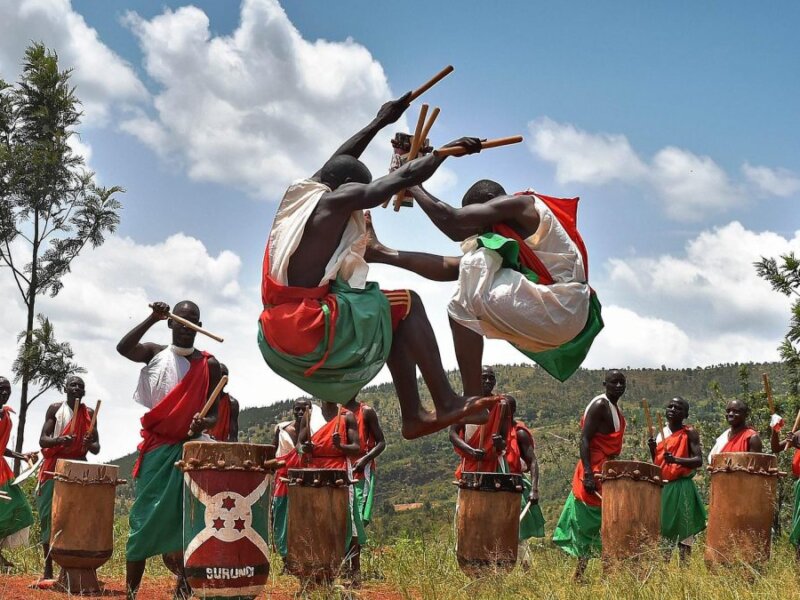
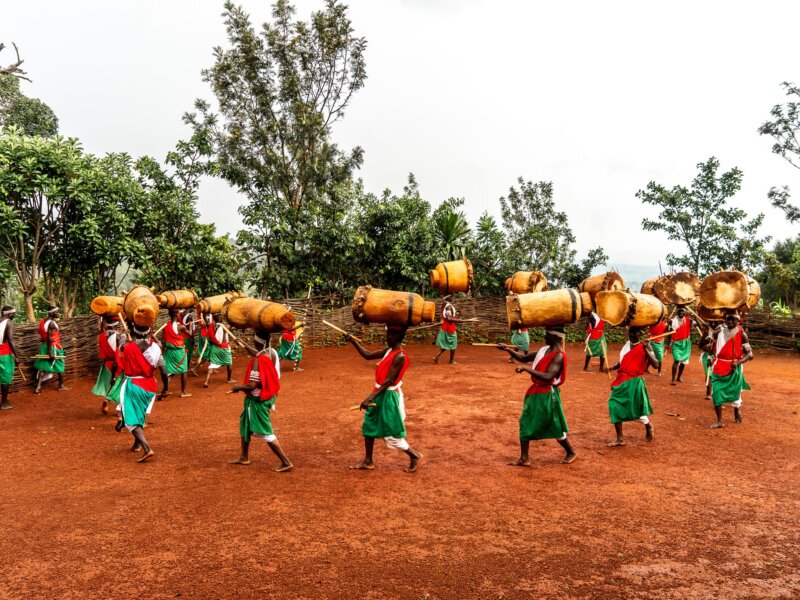
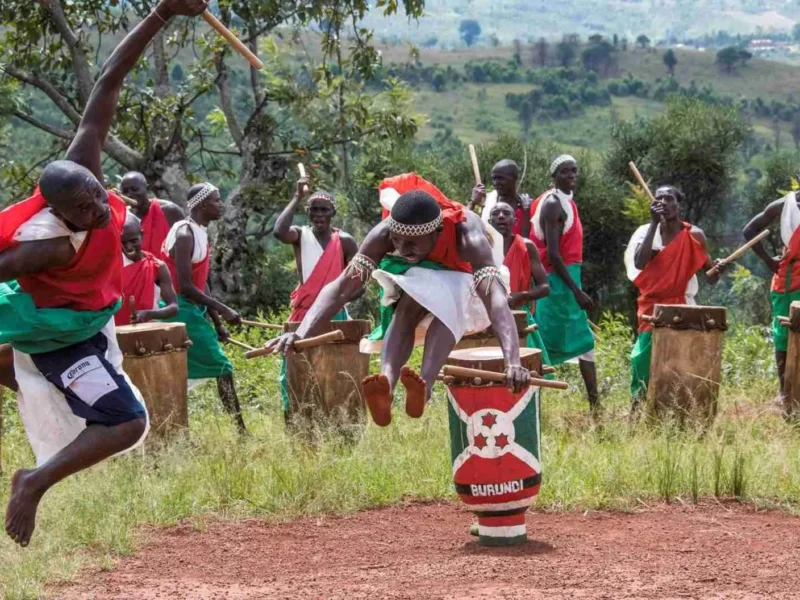
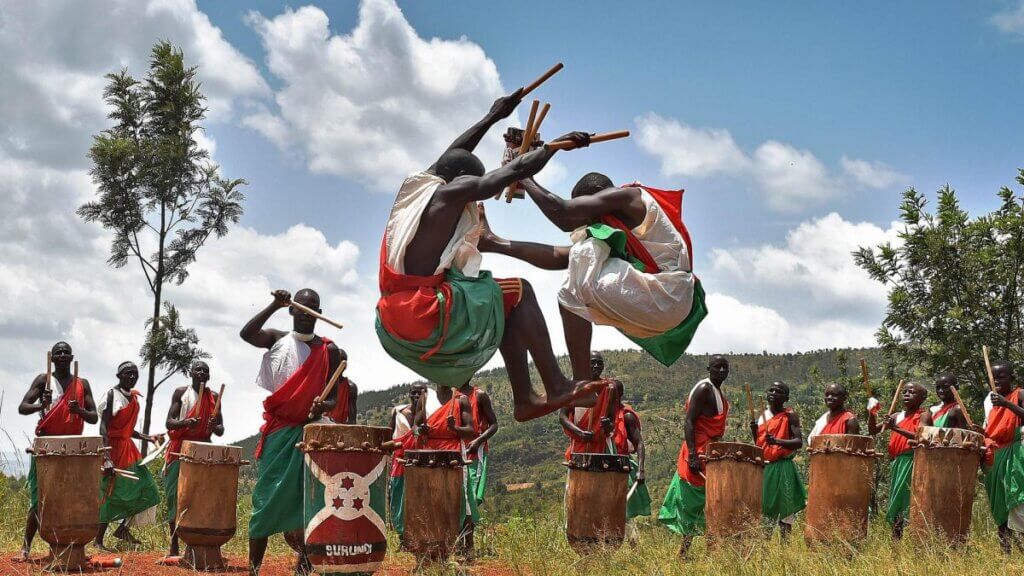
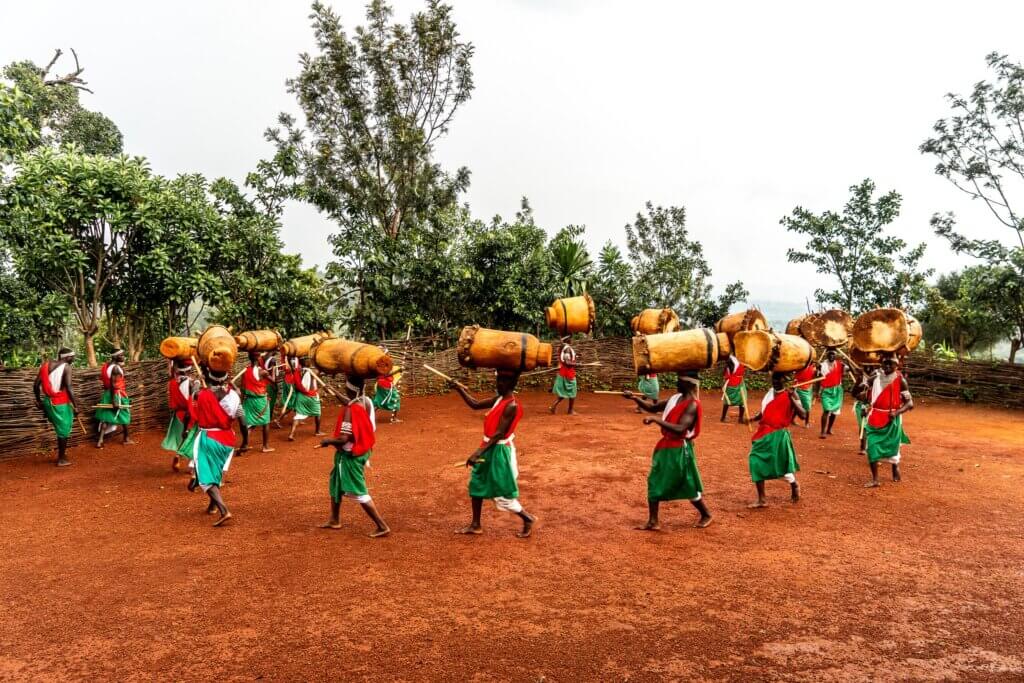
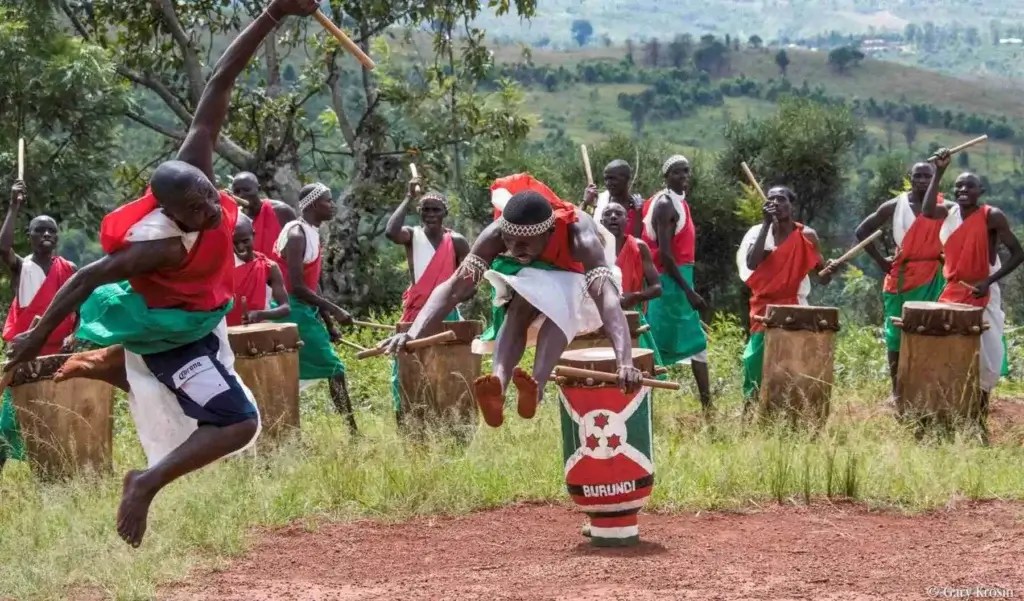
One of the best known cultural attractions is the Gishora Drum Sanctuary near Gitega. The traditional drumming performances provide an opportunity to appreciate Burundi’s musical heritage and the cultural importance of the royal drums.
Visitors may need to budget for entrance charges, performance arrangements, local guiding, and transportation. The exact amount depends on the type of experience and the arrangements made with the cultural site.
Other cultural experiences include visiting local communities, exploring traditional settlements, discovering historical landmarks, and learning about Burundian agriculture. Travellers can also explore tea growing areas and local markets to understand different aspects of everyday life.
Cultural activities often offer good value because they combine education, entertainment, and meaningful human interaction. However, visitors should respect local customs and seek permission before photographing individuals or private community activities.
It is also important to choose responsible cultural experiences that respect the people involved. A professional tour operator can help arrange visits that benefit local guides, performers, artisans, and communities.
For budgeting purposes, include cultural entrance charges, guide fees, transportation, and any agreed performance contributions. Some organised packages combine several cultural attractions into one day, which may offer better value than arranging separate transfers.
A Burundi safari becomes more meaningful when visitors take time to understand its cultural identity. Therefore, cultural tourism deserves an important place in your itinerary and overall travel budget.
Lake Tanganyika Excursion Costs
Lake Tanganyika is one of Burundi’s most attractive natural destinations. Its beautiful shoreline, impressive freshwater environment, and relaxed atmosphere make it a popular addition to cultural and nature holidays.
Travellers can enjoy lakeside relaxation, sightseeing, boat excursions, photography, and visits to nearby communities. Bujumbura provides a convenient starting point for exploring parts of the lake, while Rumonge offers another interesting destination for visitors interested in lakeside scenery.
The cost of a Lake Tanganyika excursion depends on the services included. A simple visit to a lakeside area may require only transportation and meals. However, a private boat arrangement or a longer excursion may involve additional charges.
Accommodation also affects the budget. Visitors staying overnight near the lake should consider room rates, meals, transport, and any organised activities. Some travellers prefer to spend only a few hours by the water, while others include a full overnight stay.
When arranging a boat excursion, confirm the total price, duration, operator arrangements, safety provisions, and any applicable local charges. Never assume that a boat trip forms part of a standard safari package unless the itinerary clearly includes it.
Lake Tanganyika also offers opportunities to enjoy local fishing culture and fresh fish dishes. Consequently, visitors can combine sightseeing with a dining experience.
Travellers should follow local safety guidance and use appropriate facilities. They should also respect the lake’s environment and avoid leaving waste along the shoreline.
Including Lake Tanganyika in your Burundi safari adds variety to the journey. It also provides a refreshing contrast to forest visits, cultural experiences, and inland sightseeing.
Karera Waterfalls and Southern Burundi Tour Costs
Karera Waterfalls ranks among the natural attractions that make southern Burundi worth exploring. Located in Rutana Province, the waterfalls provide an opportunity to enjoy beautiful scenery, flowing water, green vegetation, and the peaceful atmosphere of the surrounding countryside.
A visit to Karera Waterfalls can form part of a wider southern Burundi excursion. Travellers can combine the waterfalls with Gitega, the Gishora Drum Sanctuary, the Source of the Nile, and other interesting destinations, depending on the available time.
The main expenses for this excursion usually involve transportation, accommodation, local guiding, meals, and applicable entrance charges. Travellers departing from Bujumbura should allow enough time for the road journey and sightseeing stops. Private transportation may cost more than shared arrangements, but it provides greater flexibility.
Visitors planning an overnight trip can choose accommodation in suitable nearby towns or return to their original hotel if the itinerary allows. The best option depends on the total distance, road conditions, and number of attractions included.
Karera Waterfalls appeals to photographers, nature lovers, couples, families, and travellers who appreciate less crowded destinations. Nevertheless, visitors should wear comfortable walking shoes and follow local guidance when exploring the surrounding area.
For an accurate quotation, ask your tour operator to separate transportation, guiding, accommodation, and activity expenses. This approach makes it easier to understand the actual cost of the excursion.
A southern Burundi tour can offer excellent value because it combines natural scenery with cultural heritage. Rather than visiting the waterfalls alone, travellers can develop a more rewarding experience by including other attractions along the route.
Kibira National Park Safari Costs
Kibira National Park offers one of Burundi’s most interesting forest experiences. Located in the northwestern part of the country, the park protects montane rainforest and provides important habitats for different wildlife species.
Nature lovers visit Kibira to explore its forest environment, enjoy guided walks, observe birds, and learn about the importance of tropical forest conservation. The park also forms an interesting destination for travellers who want to experience a different side of Burundi beyond lakeside tourism and cultural attractions.
The cost of a Kibira National Park excursion depends on transportation, park access charges, guiding arrangements, and the activities available during your visit. Visitors travelling from Bujumbura should consider the driving distance and the time needed to explore the forest.
A guided forest excursion offers more value than simply arriving at the park entrance. Experienced guides can help identify different bird species, explain forest ecosystems, and provide information about conservation efforts. Consequently, visitors gain a deeper understanding of the environment.
Accommodation also affects the overall budget. Travellers can arrange a day excursion from a suitable base or include an overnight stay when exploring several attractions in the region.
Before booking, confirm the available activities, current park charges, guiding requirements, and access conditions. Some activities may require advance arrangements, especially when travelling during busy periods or with a larger group.
Kibira National Park can become an important highlight of a Burundi nature safari. Combining it with cultural visits and other natural attractions creates a diverse itinerary that offers good value for the money spent.
Ruvubu National Park Safari Costs
Ruvubu National Park provides another opportunity to discover Burundi’s natural heritage. Situated in northeastern Burundi, the park protects an extensive natural landscape with different habitats and wildlife species.
For visitors interested in nature and conservation, Ruvubu offers a different experience from the country’s forest destinations. Its open landscapes and natural surroundings create opportunities for guided exploration, birdwatching, and learning about the importance of protected ecosystems.
A safari to Ruvubu requires careful transport planning because the park sits away from the main tourism centre of Bujumbura. Therefore, visitors should consider driving time, fuel, vehicle arrangements, accommodation, meals, and guiding services when preparing their budget.
The total cost also depends on the length of the visit. A short excursion may require fewer expenses than a multi day journey combining Ruvubu with other destinations in northeastern Burundi.
Visitors should confirm the availability of accommodation and activities before travelling. This is particularly important for people planning a longer stay or visiting during periods when local services may have limited availability.
A knowledgeable local guide can improve the experience by explaining the park’s ecosystems and helping visitors understand its conservation importance. However, travellers should avoid assuming that every wildlife species will appear during their visit.
When planning a Ruvubu safari, request a quotation that clearly identifies the park charges, guide services, transport, and accommodation. This helps you compare different offers fairly.
Ruvubu National Park adds an important nature component to Burundi tourism. It is particularly valuable for travellers who want to explore beyond the country’s most familiar cultural and lakeside attractions.
Burundi Safari Visa Costs and Entry Requirements
Visa expenses form an important part of international travel planning. Before calculating your complete Burundi safari budget, establish whether your nationality requires an entry visa and which category applies to your visit.
According to Burundi’s official tourism information, the listed visa charges include USD 40 for a 72 hour transit visa, USD 70 for a one month entry visa, and USD 90 for a one month multiple entry visa. However, the migration authorities also publish specific application and entry arrangements, so travellers should confirm the applicable category before departure.
Citizens of East African Community member countries, including Uganda, Kenya, Rwanda, Tanzania, the Democratic Republic of Congo, and South Sudan, benefit from visa free entry arrangements under the information published by Burundi’s tourism authorities.
For international visitors, the visa budget should form part of the total holiday expenses. In addition, travellers should prepare the required travel documents and check their passport validity before departure.
Other entry requirements may apply depending on nationality, travel history, and current immigration regulations. Visitors should also check health documentation requirements and any relevant travel advisories before travelling.
If your Burundi safari forms part of a longer East African holiday, pay attention to the immigration requirements of every country on your itinerary. A visa that allows entry into Burundi does not automatically provide entry into Uganda, Rwanda, Kenya, or Tanzania.
It is advisable to confirm visa arrangements well before booking non-refundable travel services. This reduces the possibility of unexpected expenses and helps you prepare for a smooth arrival.
International Flights and Airport Transfer Costs
International flights can significantly influence the overall cost of a Burundi safari, particularly for visitors travelling from North America, Europe, Asia, and other distant regions.
Most international visitors arrive through Melchior Ndadaye International Airport in Bujumbura. Depending on the departure country, travellers may connect through regional aviation hubs before reaching Burundi.
Flight prices change according to the airline, departure city, booking period, travel season, baggage allowance, and number of connections. Therefore, it is difficult to provide one reliable international airfare for every visitor.
Travellers should compare different departure dates and consider whether a connecting flight offers better value than a more direct itinerary. However, a cheaper flight is not always the most convenient choice, particularly when it involves long waiting periods or additional overnight accommodation.
Airport transfers also form part of the travel budget. A prearranged transfer provides convenience, especially for visitors arriving late at night or travelling with family members and luggage.
When booking a safari package, confirm whether airport pickup and drop off are included. Some operators include both services, while others charge separately depending on the arrival and departure arrangements.
Visitors combining Burundi with Uganda, Rwanda, Kenya, or Tanzania should also calculate regional transportation expenses. Depending on the itinerary, regional flights and overland transfers may significantly affect the total holiday price.
For the best planning experience, organise international flights before finalising the daily safari schedule. Your tour operator can then arrange airport transfers, hotel reservations, and sightseeing activities around your confirmed arrival and departure times.
How Much Does a Three Day Burundi Safari Cost?
A three day Burundi safari suits travellers with limited time who want to explore some of the country’s most interesting cultural and natural attractions.
A short itinerary can focus on Bujumbura, Lake Tanganyika, and Gitega. Visitors can enjoy a city tour, explore the lakeside environment, discover local cultural attractions, and visit the Gishora Drum Sanctuary.
Alternatively, nature enthusiasts can arrange a short excursion to Rusizi National Park and other nearby attractions. The final itinerary depends on arrival times, departure schedules, and the interests of the travellers.
For budgeting purposes, consider the following approximate package ranges:
| Travel category | Estimated three day cost per person |
|---|---|
| Budget organised tour | USD 450 to USD 650 |
| Midrange organised tour | USD 650 to USD 950 |
| Luxury private tour | USD 1,000 to USD 1,500+ |
These estimates are planning guidelines. They exclude international flights and may vary according to group size, hotel category, activities, and transport arrangements.
A three day package may cost more per day than a longer safari because airport transfers, vehicle arrangements, and guide services still require substantial resources. Consequently, short itineraries do not always provide the lowest daily rates.
To get good value, prioritise attractions located within a manageable driving distance. Avoid including too many destinations in a short period because excessive driving can reduce the time available for meaningful experiences.
A carefully planned three day Burundi safari provides a convenient introduction to the country. It works particularly well for travellers who want to add Burundi to a wider East African holiday.
How Much Does a Five Day Burundi Safari Cost?
A five day Burundi safari provides more time to explore the country’s cultural heritage, natural attractions, and scenic landscapes. It is an excellent option for visitors who want a broader experience without committing to a long holiday.
A possible itinerary can start in Bujumbura before continuing to Rusizi National Park and Lake Tanganyika. Travellers can then explore Gitega and the Gishora Drum Sanctuary before visiting Karera Waterfalls or another suitable attraction.
Another option involves including Kibira National Park and nearby cultural destinations. However, the final route should consider road distances and the amount of time available for each activity.
The following ranges provide general budgeting guidance:
| Travel category | Estimated five day cost per person |
|---|---|
| Budget organised tour | USD 750 to USD 1,100 |
| Midrange organised tour | USD 1,100 to USD 1,700 |
| Luxury private tour | USD 1,800 to USD 2,800+ |
These amounts are indicative rather than fixed prices. They depend on accommodation, group size, transport, meals, guiding, and entrance charges.
Five days allow travellers to enjoy a more relaxed schedule. Instead of rushing between attractions, you can spend additional time exploring cultural sites, enjoying local cuisine, and appreciating the natural environment.
For couples and small groups, a private vehicle can provide a more convenient experience. Families may also benefit from choosing accommodation that offers suitable room arrangements and convenient dining facilities.
When comparing five day safari quotations, confirm the number of nights, destinations, meals, and included activities. A clear itinerary makes it easier to understand the difference between a basic package and a more comprehensive holiday.
How Much Does a Seven Day Burundi Safari Cost?
A seven day Burundi safari provides an excellent opportunity to discover several regions of the country. With a full week available, visitors can combine cultural tourism, nature exploration, lakeside relaxation, and historical sightseeing.
A well planned seven day itinerary can include Bujumbura, Rusizi National Park, Lake Tanganyika, Rumonge, Bururi, Karera Waterfalls, Gitega, and Kibira National Park. Depending on road conditions and visitor interests, the programme can also include other suitable destinations.
The following figures offer general planning estimates:
| Travel category | Estimated seven day cost per person |
|---|---|
| Budget organised tour | USD 1,000 to USD 1,500 |
| Midrange organised tour | USD 1,500 to USD 2,300 |
| Luxury private tour | USD 2,400 to USD 3,800+ |
The final price depends on accommodation standards, transportation arrangements, group size, and the activities included. Published tour listings also show that seven day Burundi packages vary widely, with some advertised options around USD 1,045 per person and others costing considerably more.
A seven day journey provides enough time to appreciate Burundi’s diversity. Visitors can explore different landscapes, meet local communities, enjoy traditional performances, and learn about the country’s conservation efforts.
However, a successful itinerary requires good geographical planning. Travellers should avoid unnecessary backtracking and allow enough time for road journeys between destinations.
For visitors seeking a comprehensive introduction to Burundi, seven days can provide a rewarding balance between sightseeing and relaxation.
How Much Does a Ten Day Burundi Safari Cost?
A ten day Burundi safari offers greater flexibility and allows travellers to explore destinations that shorter itineraries may overlook. It suits visitors who want a deeper understanding of the country’s cultural heritage, natural attractions, and regional landscapes.
A ten day itinerary can cover Bujumbura, Rusizi National Park, Lake Tanganyika, Rumonge, Bururi, Vyanda Forest, Karera Waterfalls, Gitega, Kibira National Park, and Ruvubu National Park, depending on current access conditions and travel logistics.
Travellers can also include tea growing areas, local markets, historical sites, and additional cultural encounters. This creates a more diverse holiday that combines several tourism interests.
For initial planning, consider these approximate package budgets:
| Travel category | Estimated ten day cost per person |
|---|---|
| Budget organised tour | USD 1,400 to USD 2,000 |
| Midrange organised tour | USD 2,000 to USD 3,000 |
| Luxury private tour | USD 3,200 to USD 5,000+ |
These are illustrative planning ranges. The actual quotation will depend on the selected hotels, vehicle arrangements, number of travellers, and activities.
Longer journeys generally increase accommodation and meal expenses. Nevertheless, they may provide better value per day because some fixed transportation and guiding expenses are spread across more travel days.
A ten day safari also allows visitors to spend more time in particular destinations rather than simply passing through them. This is especially valuable for birdwatchers, photographers, cultural enthusiasts, and travellers interested in conservation.
When planning such a journey, request a day by day programme and detailed cost breakdown. This ensures that every destination has a clear purpose and that the overall budget reflects the services you expect.
What Is Included in a Burundi Safari Package?
Understanding what a Burundi safari package includes is essential when comparing prices from different tour operators. Two packages may have similar advertised rates but offer different services, accommodation standards, and activities.
A professionally organised safari package normally combines the main services needed for a comfortable holiday. These services may include airport transfers, accommodation, transportation, driver guide services, selected meals, and planned sightseeing activities.
Depending on the itinerary, the package may also cover national park entrance fees, cultural experiences, local guides, and boat excursions. However, every operator has its own pricing structure, so visitors should never assume that all activities come automatically with the advertised price.
A typical organised Burundi safari package may include:
Airport pickup and drop off in Bujumbura.
Private safari transportation.
Services of an experienced English speaking driver guide.
Accommodation according to the selected category.
Meals specified in the itinerary.
Planned cultural and nature excursions.
Applicable entrance charges for included attractions.
Bottled drinking water during scheduled journeys, where specified.
Government taxes and applicable service charges.
Some operators may also arrange additional experiences according to individual preferences.
Before making a booking, request a written quotation that explains every inclusion. Confirm the accommodation names, room categories, vehicle arrangements, activity fees, and meal plans.
A transparent quotation protects your travel budget and reduces misunderstandings during the holiday. More importantly, it helps you compare the actual value of different safari packages instead of selecting an operator based on price alone.
What Is Excluded from Burundi Safari Costs?
Just as important as understanding inclusions is knowing which expenses you must pay separately. Many travellers prepare their safari budgets based on the advertised package price without considering additional personal and travel expenses.
International flights are among the most common exclusions. Unless your quotation clearly states otherwise, you should arrange and pay for flights to and from Burundi separately.
Visa charges may also remain outside the package price. International visitors should confirm their immigration requirements and include applicable fees in their travel budget.
Other common exclusions include:
International airfare.
Travel insurance.
Visa and immigration charges.
Personal shopping and souvenirs.
Laundry services.
Additional drinks and alcoholic beverages.
Optional activities outside the itinerary.
Personal tips and gratuities.
Additional accommodation caused by flight changes.
Expenses arising from personal itinerary changes.
Some packages also exclude certain meals, especially when travellers stay in hotels with restaurants nearby.
For example, a quotation may include breakfast but exclude lunch and dinner. In such cases, you should budget separately for meals throughout the journey.
Another important consideration is additional transportation. If you decide to visit an attraction that does not appear in the original itinerary, the operator may charge extra for fuel, vehicle time, guiding, and entrance fees.
Always read the booking conditions before making a deposit. Ask questions whenever an inclusion or exclusion seems unclear.
A reliable tour operator should explain these details openly. This allows visitors to understand the full financial commitment and enjoy their Burundi safari with greater confidence.
How Many People Are Needed to Reduce Burundi Safari Costs?
The number of travellers in your group can significantly influence the cost of a Burundi safari. Private transportation, driver services, fuel, and other operational expenses often remain similar whether one person or several people use the same vehicle.
Consequently, sharing these costs among more travellers can reduce the individual price.
Solo travellers usually face higher per person expenses because they carry most of the fixed costs themselves. They may also pay a single room supplement when accommodation providers charge different rates for single occupancy.
Couples often enjoy better value because two people can share a room and divide certain transportation expenses. Small groups can achieve additional savings, provided the vehicle has enough space for everyone and their luggage.
Families should consider both accommodation and transportation when calculating their budgets. A family room or interconnected rooms may provide better value than booking several separate rooms. Similarly, a suitable vehicle can make family travel more convenient.
The following example illustrates how sharing fixed transportation costs can influence individual expenses:
| Group size | Example shared vehicle cost per person |
|---|---|
| 1 traveller | USD 700 |
| 2 travellers | USD 350 |
| 3 travellers | USD 233 |
| 4 travellers | USD 175 |
Illustrative example using a hypothetical USD 700 shared vehicle cost, not an actual Burundi transport quotation.
However, a larger group does not automatically guarantee the lowest price. Accommodation availability, vehicle capacity, guide requirements, and activity charges can affect the final calculation.
When requesting a quotation, provide the correct number of travellers and explain whether you prefer private or shared transportation.
This allows the operator to calculate a realistic price and recommend the most suitable arrangement.
Best Time to Visit Burundi and Its Effect on Safari Costs
The time of year you visit Burundi can influence your accommodation availability, transportation arrangements, and overall safari expenses. Therefore, choosing suitable travel dates is an important part of budget planning.
Burundi generally experiences two main rainy periods, although local weather conditions vary according to altitude and region. The longer rainy season commonly occurs from around February to May, while a shorter rainy period often occurs around September to November. Drier conditions generally occur from June to August and December to January.
The drier months can provide convenient conditions for sightseeing, nature walks, cultural visits, and exploring different regions. However, visitors should still prepare for occasional rainfall because weather conditions can change.
During popular travel periods, accommodation availability may become more limited in certain locations. Booking early gives travellers more time to compare hotels, organise transportation, and secure suitable services.
Travelling during quieter periods may provide greater flexibility. Some accommodation providers may offer more competitive rates, although savings are not guaranteed and depend on local demand.
Weather also affects travel logistics. Heavy rainfall may influence road conditions, particularly when visiting rural destinations and protected areas. Consequently, visitors should allow additional travel time and work with experienced local operators.
When choosing your travel dates, consider the activities you want to enjoy rather than focusing only on the cheapest season.
A well planned Burundi safari should balance weather, accommodation availability, road conditions, and personal interests. This approach helps you achieve a rewarding experience while managing your expenses.
How to Save Money on a Burundi Safari
Travelling to Burundi does not require spending excessively. With proper planning, visitors can control their expenses while enjoying the country’s cultural and natural attractions.
The first step is choosing an itinerary that matches your budget. Instead of visiting every attraction, identify the places that interest you most and organise your route around them. This reduces unnecessary driving and accommodation changes.
Secondly, consider travelling with family members, friends, or other people who share similar interests. Sharing transportation and accommodation expenses can reduce individual costs.
You should also compare different accommodation categories. A comfortable midrange hotel may provide everything you need without the additional expense of a luxury property.
Booking services together can also simplify your budget. For example, a package that combines transportation, accommodation, guiding, and selected activities may offer better value than arranging every service separately.
Other practical ways to manage your expenses include:
Book accommodation early when possible.
Confirm all package inclusions before paying.
Avoid unnecessary changes to the original itinerary.
Choose local restaurants for some meals.
Combine attractions located within the same region.
Compare private and shared transportation options.
Maintain an allowance for unexpected expenses.
Ask for a clear breakdown of optional activities.
However, do not select an operator based on the lowest price alone. Very cheap quotations may exclude important services or provide limited support during the journey.
Instead, compare the quality of accommodation, vehicle condition, guide experience, and reliability of the company.
The best Burundi safari is not necessarily the cheapest one. It is the journey that provides the right combination of comfort, meaningful experiences, reliable services, and reasonable costs.
Burundi Safari Costs Compared with Other East African Destinations
Travellers planning an East African holiday often compare Burundi with Uganda, Rwanda, Kenya, and Tanzania. These countries offer different tourism experiences, and their safari costs depend on the activities, accommodation standards, and transportation arrangements.
Burundi has a relatively small organised tourism market. Its tourism experiences focus heavily on cultural heritage, natural landscapes, forest exploration, and Lake Tanganyika. Therefore, travellers should not compare every Burundi holiday directly with a traditional wildlife safari in the Serengeti or Maasai Mara.
Uganda offers a broader range of wildlife experiences, including gorilla trekking in Bwindi Impenetrable National Park, chimpanzee tracking in Kibale Forest, and game drives in national parks such as Queen Elizabeth and Murchison Falls.
Rwanda attracts visitors interested in gorilla trekking in Volcanoes National Park, luxury accommodation, and well organised tourism services. Kenya and Tanzania provide extensive savannah safari experiences, including famous wildlife destinations and seasonal animal movements.
The cost differences depend on the experiences selected. For example, a Burundi cultural holiday may have a very different budget from a Uganda gorilla trekking safari because gorilla permits and specialised tourism services introduce additional expenses.
Travellers who want to explore several countries can create a combined East African itinerary. Burundi can complement Uganda or Tanzania by adding cultural experiences, historical attractions, and lakeside relaxation.
However, cross border transportation, immigration requirements, accommodation changes, and regional flights can increase the total cost.
When comparing destinations, consider the overall experience rather than focusing only on daily prices. Each country contributes something different to an East African holiday.
Combining Burundi with Uganda, Rwanda, or Tanzania
Combining Burundi with another East African destination creates an opportunity to experience different landscapes, cultures, and tourism attractions within one holiday.
Uganda makes an interesting addition for travellers interested in mountain gorillas, chimpanzees, savannah wildlife, and scenic lakes. A combined Burundi and Uganda itinerary can include the Gishora Drum Sanctuary, Karera Waterfalls, Bwindi Impenetrable National Park, and Lake Bunyonyi.
For visitors interested in Tanzania, the journey can combine Burundi’s cultural and lakeside attractions with wildlife experiences in national parks such as Serengeti and Ngorongoro. Travellers can also explore the Lake Tanganyika region, depending on their preferred route and border arrangements.
Rwanda offers another possible extension through its cultural attractions, scenic countryside, and national parks. However, travellers must carefully check current border regulations and entry conditions before including Rwanda in their Burundi itinerary.
A combined safari generally costs more than visiting one country because of additional transportation, accommodation, and immigration expenses. Nevertheless, the experience can provide greater diversity and make long distance international travel more rewarding.
For example, travellers arriving from Europe or North America may prefer spending two weeks exploring multiple East African destinations rather than concentrating on a short visit to one country.
The most important consideration is geographical planning. Your itinerary should follow practical travel routes and allow enough time for border formalities and road journeys.
A professional regional tour operator can coordinate accommodation, transportation, guides, and activities across the different destinations.
By combining Burundi with neighbouring countries, visitors can discover a wider picture of East African tourism while enjoying experiences that complement one another.
Is a Burundi Safari Worth the Money?
A Burundi safari offers a different kind of African travel experience. Rather than concentrating entirely on large wildlife sightings, the country provides a combination of cultural heritage, scenic landscapes, forest environments, historical attractions, and lakeside experiences.
For travellers who enjoy exploring less familiar destinations, Burundi can provide excellent value. Visitors can discover traditional drumming, meet local communities, explore beautiful waterfalls, enjoy Lake Tanganyika, and learn about the country’s conservation areas.
The experience also provides an opportunity to support local tourism businesses. Accommodation providers, guides, drivers, cultural performers, restaurant owners, and community enterprises all contribute to the visitor experience.
Furthermore, Burundi offers opportunities for travellers who want to extend their knowledge of East Africa. Its location makes it an interesting addition to regional itineraries, particularly for visitors combining cultural tourism with nature and wildlife experiences in neighbouring countries.
However, expectations matter. Burundi does not offer the same extensive safari infrastructure or large wildlife viewing opportunities as some of East Africa’s established safari destinations. Travellers should choose the country for the experiences it genuinely offers.
A good safari itinerary should also match your interests. Cultural enthusiasts may prioritise Gitega and the Gishora Drum Sanctuary, while nature lovers may prefer Kibira, Rusizi, and other protected areas.
Ultimately, the value of a Burundi safari depends on the quality of planning and the experiences you enjoy. When your itinerary matches your interests and budget, the country can provide a memorable African holiday.
Why Book Your Burundi Safari with a Professional Local Tour Operator?
Choosing the right tour operator can make a significant difference to your Burundi safari experience. A professional local operator understands the country’s destinations, transportation network, accommodation options, cultural attractions, and tourism arrangements.
Local knowledge becomes particularly important when visiting destinations outside Bujumbura. Some attractions require advance coordination, local guiding, and careful transport planning. An experienced operator can organise these services and help visitors avoid unnecessary delays.
A reliable tour operator also provides a clear quotation. Instead of presenting one unexplained figure, the company should identify accommodation costs, transportation, meals, guiding services, park fees, and other inclusions.
Furthermore, professional planning helps travellers select destinations that match their interests. Some visitors prefer cultural experiences, while others want nature walks, chimpanzee excursions, waterfalls, or lakeside relaxation. A personalised itinerary brings these experiences together in a practical way.
When choosing an operator, consider the following factors:
Local tourism knowledge and experience.
Proper business registration and relevant operating licences.
Transparent pricing and booking conditions.
Reliable transportation arrangements.
Experienced local guides.
Suitable accommodation partnerships.
Clear communication before and during the safari.
Positive customer feedback and professional service.
At Giant Holiday Safaris, we believe that a successful African holiday begins with proper planning, transparent communication, and attention to detail. Our regional safari planning approach helps visitors explore Burundi while also discovering the wider East African tourism experience.
Whether you want a short cultural holiday, a private nature adventure, or an extended Burundi, Uganda, Rwanda, and Tanzania safari, selecting an experienced operator helps you make informed decisions about your travel budget.
Frequently Asked Questions About Burundi Safari Costs
How much does a Burundi safari cost per person?
A Burundi safari can cost approximately USD 150 to USD 350 per person per day for many organised budget and midrange experiences. Luxury private arrangements may exceed USD 350 per person per day. The actual price depends on accommodation, group size, transportation, and activities.
What is the cheapest way to explore Burundi?
The most affordable approach involves choosing simple accommodation, eating at local restaurants, combining nearby attractions, and sharing transportation with other travellers. A carefully planned itinerary also reduces unnecessary travel expenses.
How much does a three day Burundi safari cost?
A three day organised safari may cost approximately USD 450 to USD 650 per person for a budget experience. Midrange and luxury arrangements generally cost more, depending on the services included.
How much does a seven day Burundi safari cost?
A seven day safari may cost approximately USD 1,000 to USD 1,500 for a budget organised experience, USD 1,500 to USD 2,300 for a midrange package, and USD 2,400 or more for luxury arrangements.
Are Burundi safari packages inclusive of accommodation?
Most organised multi day packages include accommodation. However, travellers should confirm the hotel names, room categories, number of nights, and meal arrangements before booking.
Are national park entrance fees included in Burundi safari packages?
Some packages include applicable park entrance fees, while others charge separately. Always check the quotation to establish which conservation and activity fees the operator covers.
Is Burundi expensive for international tourists?
Burundi can accommodate different travel budgets. Accommodation, transportation, and organised private activities influence the overall cost. Travellers who choose practical accommodation and well planned itineraries can manage their expenses.
How much money should I carry for a Burundi safari?
Your personal spending allowance depends on the length of your holiday and the services included in your package. Budget for personal purchases, additional meals, drinks, tips, and unexpected expenses. Confirm suitable payment arrangements with your operator before travelling.
Can I combine Burundi with Uganda on one safari?
Yes. Visitors can combine Burundi’s cultural attractions and scenic landscapes with Uganda’s wildlife experiences, including gorilla trekking in Bwindi Impenetrable National Park and chimpanzee tracking in Kibale Forest. However, travellers should confirm current border arrangements and transportation options.
When should I book my Burundi safari?
Booking several weeks or months ahead gives you more time to compare accommodation, arrange transportation, and organise activities. Early planning becomes particularly useful for travellers with fixed international flight dates or longer regional itineraries.
Conclusion: Plan Your Burundi Safari According to Your Budget
Burundi safari costs depend on your travel style, accommodation preferences, transportation, activities, and the number of days you spend exploring the country. From affordable cultural holidays to comfortable private nature adventures, Burundi offers different opportunities for travellers who want to discover an authentic side of East Africa.
Understanding the different expenses helps you prepare a realistic budget and choose experiences that provide genuine value. Whether you want to explore Lake Tanganyika, discover the traditional drumming heritage of Gitega, visit Karera Waterfalls, experience Kibira National Park, or explore the country’s conservation areas, proper planning makes your journey more enjoyable.
Furthermore, combining Burundi with Uganda, Rwanda, or Tanzania creates opportunities to experience more of East Africa within one holiday. However, always consider transportation, accommodation, immigration requirements, and activity charges when calculating your overall expenses.
At Giant Holiday Safaris, we encourage travellers to look beyond the advertised package price and consider the quality of the complete experience. A well organised Burundi safari should provide reliable transportation, suitable accommodation, knowledgeable guides, meaningful cultural encounters, and carefully selected activities.
Burundi safari costs should never be a mystery when planning your African holiday. With the right information and professional guidance, you can create a memorable Burundi safari that matches your interests, travel expectations, and available budget.