
Is Burundi Safe for Tourists
November 14, 2026
How to Get to Burundi
November 14, 2026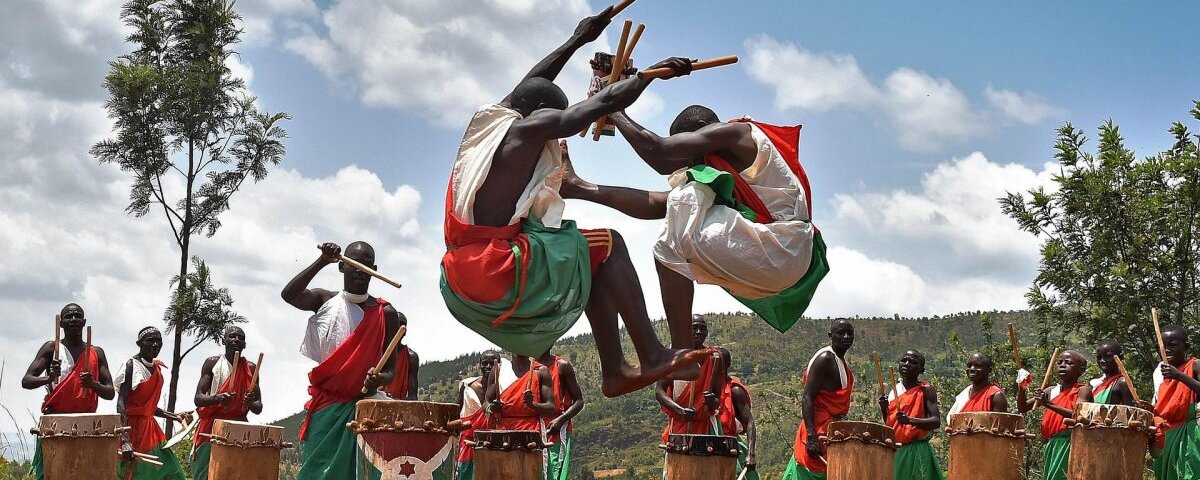
Burundi Visa Requirements
Burundi visa requirements depend on your nationality, travel purpose, length of stay and the type of passport you hold. Most international visitors need a visa before entering Burundi or must complete the required entry authorization process before travelling. However, citizens of certain East African Community countries enjoy visa exemptions, which makes regional travel easier. Therefore, understanding Burundi visa requirements before booking your flight or arranging a safari helps you avoid unnecessary delays, unexpected expenses and problems at immigration.
Burundi offers international travellers an opportunity to discover beautiful landscapes, rich cultural traditions, welcoming communities and remarkable natural attractions. From the shores of Lake Tanganyika to the rolling hills of Gitega, the country’s tourism experiences appeal to visitors seeking something different from the traditional East African safari. Moreover, travellers can combine Burundi with Uganda, Rwanda, Kenya and Tanzania to create an exciting multi-country East African holiday.
However, successful travel planning begins with understanding the country’s immigration procedures. A visitor should know whether their nationality requires a visa, which documents immigration officers expect, how much the visa costs and where to complete the application. In addition, travellers should understand the difference between a tourist visa, transit visa, multiple-entry visa and longer-stay permission.
This comprehensive guide to Burundi visa requirements explains the essential information international tourists, business travellers, regional visitors and holidaymakers need before travelling. It also examines the application process, visa exemptions, entry conditions, possible extensions and practical advice for visitors planning an unforgettable Burundi holiday.
Travel information checked against available official immigration and government guidance in November 2026. Visa rules, fees and procedures can change. Travellers should confirm their individual requirements with Burundi immigration before departure.
Understanding Burundi Visa Requirements
Burundi operates an immigration system that requires most foreign visitors to obtain appropriate permission before entering the country. The Commissariat Général des Migrations, also known as the General Commission for Migration, oversees immigration matters and provides information about different visa categories.
The requirements depend on the visitor’s nationality and purpose of travel. For example, someone visiting Burundi for a holiday may need a different immigration document from someone attending a business meeting, studying or taking up employment. Similarly, a visitor planning to remain for several months must consider the rules for extending their stay.
For most international tourists, the first important step involves checking whether their nationality qualifies for visa-free entry. Citizens of several East African Community countries enjoy special arrangements. Consequently, they may enter Burundi without following the ordinary visa application process, although they must still present acceptable travel identification.
Visitors from countries without an applicable exemption generally need an entry visa. Burundi provides an online application facility and also allows visa issuance through designated channels, including Melchior Ndadaye International Airport and Burundian diplomatic missions, subject to the applicable procedures.
Furthermore, travellers should distinguish between visa approval and permission to enter. A visa provides authorisation to travel under specified conditions, but immigration officers still conduct entry checks at the border. Therefore, visitors should carry supporting documents and provide accurate information throughout the application process.
Understanding these basic Burundi visa requirements allows international visitors to prepare properly, select the correct visa category and enjoy a smoother arrival experience.
Who Needs a Visa to Visit Burundi?
Most foreign nationals travelling to Burundi for tourism, business or other temporary purposes require an appropriate visa. However, Burundi recognises certain regional and bilateral arrangements that exempt specific passport holders from ordinary visa requirements.
International visitors from North America, Europe, Asia, Australia and other parts of the world should check the rules that apply to their nationality before making travel arrangements. Holding a passport from a particular country does not automatically mean that the traveller qualifies for visa-free entry. The applicable immigration rules determine whether someone needs a visa, an advance authorisation or another travel document.
For example, tourists from the United States, Canada and the United Kingdom should check the current entry visa procedure before travelling. These visitors generally need to arrange the required visa authorisation. Burundi’s immigration portal provides an online application process, while the British government travel guidance also advises travellers to complete the relevant application before arrival.
On the other hand, citizens of Uganda, Kenya, Rwanda, Tanzania, the Democratic Republic of Congo and South Sudan benefit from regional arrangements recognised by Burundi’s tourism authorities. This exemption makes it easier for East African residents to visit neighbouring countries for tourism, business and family purposes.
Nevertheless, visa exemptions do not remove every border requirement. Visitors must still carry valid travel identification and comply with immigration procedures.
Importantly, travellers with diplomatic, official, service or ordinary passports may face different conditions depending on their nationality and the relevant international agreement. Therefore, checking the exact passport category remains essential.
Countries Whose Citizens Enjoy Visa-Free Entry to Burundi
Burundi maintains regional visa arrangements that support movement between neighbouring East African countries. These arrangements make regional tourism more accessible and encourage visitors to explore destinations across the wider East African region.
According to Burundi’s tourism authorities, nationals of the following countries enjoy visa-free entry arrangements:
Kenya
Rwanda
Tanzania
Democratic Republic of Congo
South Sudan
These exemptions provide an important advantage for regional travellers. For example, a Ugandan tourist planning a holiday in Burundi does not normally need to apply for the standard tourist visa. Similarly, Kenyan and Tanzanian citizens can benefit from the applicable regional arrangements when visiting Burundi.
However, visa-free entry does not mean that travellers can cross the border without identification. Visitors should carry a valid national passport or another officially accepted travel document. They should also understand the entry procedures at their chosen border crossing.
The General Commission for Migration provides information about an East African Community entry visa category. Its published service information indicates that this category carries no visa fee and may have a validity period of one to six months, depending on the applicable conditions.
Additionally, travellers should understand that regional exemptions apply to eligible nationals rather than everyone who lives in an East African country. For instance, a Canadian citizen residing in Uganda does not automatically qualify for the same exemption as a Ugandan passport holder.
Therefore, always check nationality-based eligibility before travelling. This simple step prevents confusion when arranging accommodation, transport and other travel services.
Burundi Tourist Visa Requirements for International Visitors
International visitors planning a holiday in Burundi should select the appropriate entry visa category. A tourist visa allows eligible foreign visitors to enter the country for leisure, sightseeing and other permitted short-term activities.
Before applying, travellers should prepare their travel information and supporting documents. Although the exact requirements can vary according to nationality and application circumstances, visitors should generally prepare the following:
A valid passport or recognised travel document.
A recent passport-size photograph where requested.
A completed visa application form.
Accurate personal information, including nationality and passport details.
Proposed travel dates and intended length of stay.
Information about the purpose of the visit.
Accommodation details or an invitation where requested.
Supporting travel information, such as an itinerary or return travel arrangements, if required.
Evidence of payment where the application procedure requires it.
Travellers should ensure that their passport details match the information entered in the application. Even a small spelling mistake can create unnecessary problems during immigration checks.
Furthermore, applicants should provide genuine information about their travel plans. Someone visiting Burundi for a holiday should select the appropriate tourist or entry category rather than using a business or study category.
It is also important to understand that immigration authorities may request additional documents depending on individual circumstances. For example, a visitor travelling to attend a cultural event may need supporting information about the event.
Most importantly, applicants should avoid relying on outdated visa information from unofficial travel discussions. Burundi’s immigration authorities remain the primary source for confirming the current requirements.
How to Apply for a Burundi Visa Online
Applying for a Burundi visa online gives international visitors an opportunity to prepare their travel documents before departure. The General Commission for Migration provides an online platform where applicants can submit personal details, select the relevant visa service and follow the application process.
Travellers should begin by identifying the correct visa category. This step matters because Burundi offers different immigration services for visitors, residents, students, businesspeople and other applicants. Selecting the wrong category can cause delays or require the applicant to restart the process.
The general application process involves the following steps:
Visit the official Burundi immigration application platform.
Select the appropriate visa application service.
Enter your personal details accurately.
Provide your nationality and passport information.
Enter your intended arrival and departure dates.
Upload the supporting documents requested by the system.
Review the information before submitting the application.
Pay the applicable fee where the selected service requires payment.
Check your email for application confirmation and further instructions.
Download or print the application certificate or other confirmation document.
The immigration portal explains a three-stage process involving an online application, payment and a certificate. Applicants should retain the confirmation because immigration authorities may request it during arrival procedures.
Furthermore, travellers should apply early enough to resolve any document problems before departure. Do not assume that submitting an online application automatically guarantees approval. Always follow the instructions issued by immigration authorities and wait for the required confirmation before travelling.
Documents Required When Applying for a Burundi Visa
Preparing the correct documents makes the Burundi visa application process easier. Although immigration authorities may request different documents depending on the applicant’s nationality and visa category, every traveller should begin with a properly prepared passport and accurate personal information.
A passport remains one of the most important travel documents because immigration officers use it to confirm the identity and nationality of visitors. Travellers should check its expiry date and ensure that it has enough unused pages for immigration stamps.
For international tourists, the following documents and information provide a useful preparation checklist:
1. Valid passport: Carry a passport that meets Burundi’s entry conditions. As a practical preparation standard, allow at least six months of validity beyond your arrival date and ensure that you have an available blank page. The British government publishes these requirements for British passport holders. Travellers of other nationalities should confirm the applicable rules for their documents.
2. Passport photograph: Prepare a recent photograph that meets the specifications of the application platform.
3. Personal information: Provide your full name, date of birth, nationality, occupation and contact information.
4. Travel itinerary: Prepare your expected arrival date, departure date and intended activities in Burundi.
5. Accommodation information: Keep your hotel reservation or host details available if immigration requests them.
6. Supporting documents: Provide any invitation letters or other documents required for your specific visa category.
7. Application confirmation: Retain your online submission certificate and payment confirmation where applicable.
Additionally, ensure that scanned documents remain clear and readable. Incorrect passport numbers, incomplete information and poor-quality photographs can complicate an application.
Burundi Visa Fees and Application Costs
Understanding Burundi visa fees helps international travellers prepare a realistic holiday budget. Visa costs depend on the category, validity period and immigration service requested.
Burundi’s tourism authorities publish the following general visa prices:
| Visa category | Published fee |
|---|---|
| Transit visa | USD 40 |
| Entry visa | USD 70 per month |
| Multiple-entry visa | USD 90 per month |
However, travellers should pay particular attention to an important difference between the tourism information and the immigration guidance. The official immigration application portal and the United Kingdom’s travel advice currently indicate a USD 90 fee for a one-month visa. Therefore, the published fee information is not fully consistent across government sources.
For this reason, applicants should confirm the exact amount with the General Commission for Migration before paying. The applicable fee may also depend on the particular visa service and the applicant’s circumstances.
In addition to the visa fee, international visitors should consider other travel expenses. These may include passport photographs, document preparation, transportation to a diplomatic mission, accommodation reservations and payment processing charges.
Travellers should also avoid sending visa payments to unofficial individuals or agents who promise guaranteed approval. Use the recognised immigration payment process and retain the official receipt.
For tour operators and travel planners, confirming the latest visa fee before preparing a quotation is equally important. This approach helps clients understand their travel costs and prevents confusion during the booking process.
Burundi Visa on Arrival: What International Visitors Should Know
Burundi provides a visa issuance process at Melchior Ndadaye International Airport, although travellers should not confuse this arrangement with permission to arrive without completing the required preparation.
The country’s immigration system provides an online application process for visitors who need an airport entry visa. The United Kingdom’s travel guidance also advises travellers to submit the relevant application before departure. After submitting the application, visitors receive a validation certificate that they need when collecting their visa upon arrival.
This procedure offers convenience because visitors can complete important administrative steps before reaching Burundi. Nevertheless, it requires proper preparation.
Travellers should follow these practical recommendations:
Confirm that their nationality qualifies for the airport visa procedure.
Complete the required online application before travelling.
Provide accurate passport and travel details.
Keep the validation certificate accessible.
Carry the required supporting documents.
Prepare to pay the applicable visa fee.
Follow instructions from immigration officers at the airport.
Furthermore, visitors should avoid relying on old information that suggests every foreign traveller can simply purchase a visa at the airport without prior approval or documentation.
Airlines may also check travel documents before allowing passengers to board. Consequently, completing the required process early helps reduce the risk of boarding difficulties.
For travellers arriving through Bujumbura, advance preparation provides a more organised beginning to their Burundi holiday. It also allows tour operators to coordinate airport transfers, accommodation and sightseeing arrangements with greater confidence.
Burundi Transit Visa Requirements
A transit visa serves travellers who pass through Burundi while continuing their journey to another destination. For example, someone travelling through Burundi as part of a regional itinerary may need transit permission depending on their nationality, travel documents and intended activities.
The General Commission for Migration identifies the transit visa as a separate category for foreign nationals travelling through Burundi to another country. Its published information gives a fee of USD 40 and a validity period of three days. Burundi’s tourism authorities describe the validity as 72 hours, which corresponds to the same general period.
A transit visa is not the same as an ordinary tourist visa. Therefore, travellers should select the appropriate category according to their actual travel purpose.
Someone planning to spend several days exploring Bujumbura, visiting cultural attractions or travelling to Lake Tanganyika should not automatically assume that a transit visa covers those activities. Instead, they should confirm whether they need an ordinary entry visa.
When preparing a transit application, travellers should keep their onward travel information available. This may include their destination, intended departure date and supporting travel arrangements.
It is also important to check whether the journey requires entry into Burundi or simply involves remaining within an international airport transit area. Different circumstances may attract different rules.
A properly selected visa category helps visitors avoid misunderstandings with immigration authorities and ensures that their travel arrangements match the conditions of their entry permission.
Burundi Multiple Entry Visa Requirements
A multiple-entry visa may suit international visitors who plan to enter and leave Burundi more than once during their authorised stay. This category can benefit business travellers, regional tourists and people with travel arrangements involving neighbouring countries.
For example, a visitor may arrive in Burundi, continue to Rwanda or Tanzania and later return to Burundi before flying home. A multiple-entry visa may provide the flexibility needed for such an itinerary, provided the immigration authorities approve the application and the traveller follows its conditions.
Burundi’s tourism authorities publish a multiple-entry visa fee of USD 90 per month. However, the General Commission for Migration’s service information lists multiple-entry fees of USD 90 for one month, USD 180 for two months and USD 270 for three months.
These published figures provide a useful starting point for budgeting. Nevertheless, applicants should confirm the current fee, validity and permitted number of entries before submitting payment.
Travellers should also understand that a multiple-entry visa does not automatically provide unlimited residence or permission to work. Each visa carries specific conditions that the holder must respect.
When planning a multi-country East African holiday, discuss your route with your travel company before applying. This allows the company to identify border crossings, travel dates and the most suitable immigration category.
Ultimately, the multiple-entry visa can make a complicated travel schedule easier to manage when the traveller meets the relevant requirements.
Burundi Passport Validity Requirements
Passport validity plays an important role in international travel. Even when a traveller qualifies for a visa, an expired passport or a document that fails the entry conditions can create problems at the airport or border.
International visitors should therefore check their passport well before booking their Burundi holiday. As a practical guideline, travellers should have at least six months of passport validity remaining from their intended arrival date. They should also have at least one blank passport page available for immigration purposes.
The United Kingdom’s official travel guidance specifically identifies these requirements for British passport holders. However, travellers with other nationalities should confirm the conditions that apply to their own passports.
In addition, visitors should check that their passports remain in good physical condition. Damaged identification pages, unclear personal information or missing pages can create difficulties during document checks.
Travellers should also ensure that their passport details match their visa application. The names, passport number, nationality and expiry date should remain consistent across all submitted documents.
If you recently renewed your passport after receiving a visa or application certificate, contact the relevant immigration authority before travelling. You may need to update your application or obtain further instructions.
For families, every traveller should have the required individual travel identification. Parents should not assume that a child’s details automatically appear on an adult’s passport or visa.
Preparing valid passports early helps international tourists avoid unnecessary stress and gives them more time to concentrate on the exciting experiences waiting in Burundi.
Yellow Fever Vaccination Requirements for Travelling to Burundi
Health preparation forms another important part of Burundi’s international entry requirements. Travellers should pay particular attention to yellow fever vaccination because Burundi requires eligible international visitors to present proof of vaccination.
A yellow fever vaccination certificate provides evidence that a traveller has received the recognised vaccine. Visitors should carry their International Certificate of Vaccination or Prophylaxis, commonly known as the yellow fever card, when travelling.
The United Kingdom’s official travel guidance identifies a yellow fever vaccination certificate as an entry requirement because of the risk of yellow fever transmission in Burundi.
Travellers should arrange their vaccination well before departure. This allows sufficient time to consult a qualified healthcare professional, discuss medical considerations and obtain the appropriate documentation.
Furthermore, visitors should check the validity of their vaccination certificate. Under international health regulations, a properly issued yellow fever vaccination certificate generally becomes valid ten days after the first vaccination and remains valid for life.
However, individual medical circumstances may affect vaccination recommendations. Anyone with questions about their suitability for vaccination should seek advice from a qualified healthcare professional or an authorised travel health clinic.
Families travelling with children should also check age-related vaccination requirements before departure. The rules may differ according to age and medical circumstances.
In addition, travellers should keep their vaccination certificate with their passport and other essential documents rather than packing it in checked luggage.
Good health preparation makes international travel more organised. It also helps visitors protect themselves and respect the health requirements of the countries they visit.
How to Extend a Burundi Visa
Sometimes visitors discover that they need more time in Burundi than they originally planned. They may wish to explore additional destinations, attend another business meeting or spend more time with family and friends.
In such circumstances, travellers should investigate the possibility of extending their authorised stay before their current permission expires.
The General Commission for Migration handles applications for longer stays and provides a visa extension service. Its published information describes stay visas with different periods, ranging from five days to three months, depending on the category and applicable conditions.
The immigration service lists the following fees for stay visas:
| Extension period | Published fee |
|---|---|
| 5 days | USD 10 |
| 10 days | USD 20 |
| 15 days | USD 30 |
| 20 days | USD 40 |
| 25 days | USD 50 |
| 1 month | USD 70 |
| 2 months | USD 140 |
| 3 months | USD 210 |
These are published service charges and should not replace confirmation of your individual eligibility.
Visitors should contact the immigration authorities before their current permission expires. Waiting until the last day can create unnecessary pressure, particularly if the application requires additional documents.
Applicants should prepare their passport, current visa information, photograph and any supporting documents requested by immigration officers.
Importantly, an extension does not automatically receive approval. Immigration authorities assess applications according to the applicable rules and individual circumstances.
Visitors should also avoid assuming that leaving Burundi briefly and returning automatically resets their permitted stay. Entry conditions depend on the visa type and immigration decision.
The safest approach involves planning your intended length of stay accurately and seeking official guidance whenever your travel plans change.
Burundi Business Visa Requirements
Burundi attracts business visitors interested in trade, investment, meetings, conferences and professional partnerships. The country’s position in the Great Lakes region also makes it relevant to companies exploring commercial opportunities across Central and East Africa.
However, business travellers should select an immigration category that matches their intended activities. A tourist visa should not automatically serve as permission to undertake activities that require a different authorisation.
People travelling for business should prepare their passport, personal information, travel dates and details about the organisation or individuals they intend to meet.
Depending on the application category, immigration authorities may request additional supporting documents. These can include an invitation letter, information about the host organisation, a conference invitation or other evidence explaining the purpose of the visit.
For example, someone attending a business conference in Bujumbura may need documentation identifying the event and its organisers. Similarly, a visitor attending formal commercial meetings may need an invitation from the relevant business partner.
Applicants should also explain their intended length of stay and provide accurate information about their professional activities.
Furthermore, business visitors who plan to establish a company, take up employment or undertake long-term professional activities should investigate the appropriate residence and work authorisations. A short-term entry visa does not automatically grant permission to live or work in Burundi indefinitely.
The General Commission for Migration publishes separate immigration services for different residence and establishment categories. Therefore, applicants should seek advice from the authorities before making long-term arrangements.
Burundi Visa Requirements for Children and Family Travel
Burundi offers families an opportunity to experience cultural attractions, scenic landscapes and regional tourism. Nevertheless, parents travelling with children should prepare the correct documents for every family member.
Children need appropriate travel identification, and families should check whether each child requires an individual visa or qualifies for a nationality-based exemption.
Parents should prepare the child’s passport, application information and any additional documents requested by immigration authorities. Depending on the circumstances, officials may also request a birth certificate or other evidence of the relationship between the child and accompanying adult.
This becomes particularly important when a child travels with one parent, a relative, a guardian or another authorised adult.
Families should also check whether they need written consent from a parent who will not accompany the child. Requirements can vary according to the countries involved, the child’s nationality and the circumstances of travel.
Furthermore, parents should enter the child’s personal information accurately during the visa application process. Names and dates of birth should match the information appearing on the child’s official documents.
The Burundi immigration application system includes document requirements for certain child-related immigration services, including birth certificates in relevant cases. However, travellers should confirm which documents apply to an ordinary family tourist application rather than assuming that every document listed on the immigration platform applies to every visitor.
When booking a family holiday, it is also wise to plan suitable accommodation, airport transfers and sightseeing activities in advance.
Good preparation allows parents to focus on enjoying Burundi with their children while avoiding preventable document problems.
Entering Burundi Through International Airports and Land Borders
International visitors can reach Burundi through different transport arrangements, depending on their departure country and travel itinerary.
Melchior Ndadaye International Airport in Bujumbura serves as the country’s main international aviation gateway. It provides access for visitors arriving by air from regional and international destinations.
Travellers arriving by air should prepare their passports, visas or required entry authorisation certificates, vaccination documents and supporting travel information.
At the airport, immigration officers check travel documents and determine whether visitors meet the conditions for entry. Therefore, travellers should answer questions accurately and present the requested documents.
Burundi also shares land borders with Rwanda, Tanzania and the Democratic Republic of Congo. These routes create opportunities for regional travellers and people arranging multi-country holidays.
For example, visitors exploring Rwanda and Burundi can include both destinations in one regional itinerary. Similarly, travellers moving between Tanzania and Burundi can experience different landscapes, cultures and tourism attractions.
However, crossing a land border requires proper immigration preparation. Travellers should check the operating conditions of their chosen crossing, the documents required for their nationality and the visa conditions for each country.
A visa that permits entry into Burundi does not automatically provide permission to enter neighbouring countries. Each country maintains its own immigration rules.
Additionally, visitors should allow sufficient time for border formalities when arranging private transport or connecting journeys.
Working with an experienced regional tour operator can help travellers coordinate transport, accommodation and border arrangements more effectively.
Burundi Visa Requirements for Multi-Country East African Safaris
Burundi offers excellent opportunities for travellers who want to explore more than one East African destination during the same holiday. Instead of visiting a single country, international tourists can design an itinerary that combines cultural experiences, wildlife viewing, scenic landscapes and regional heritage.
For example, a Burundi and Rwanda holiday can include Kigali, cultural sites, Gitega and Bujumbura. Travellers can also combine Burundi with Uganda to experience mountain gorillas, chimpanzees and traditional cultural attractions.
Similarly, a longer East African journey can include Kenya and Tanzania, offering opportunities to explore famous wildlife destinations and beautiful natural landscapes.
Nevertheless, multi-country travel requires careful immigration planning. Each country has its own visa rules, passport requirements and border procedures. A visa issued by one country does not automatically provide entry into another.
Before departure, travellers should:
Check the visa requirements for every country on their itinerary.
Confirm whether their nationality qualifies for visa exemptions.
Determine whether they need single-entry or multiple-entry permission.
Check the validity of every visa against their travel dates.
Confirm the immigration requirements at each land border.
Carry the required vaccination certificates.
Keep copies of important travel documents.
Allow sufficient time for border formalities.
The multiple-entry visa question deserves particular attention. A traveller who leaves Burundi and intends to return should confirm that their visa permits another entry.
For tour operators, these details matter when designing cross-border itineraries. Proper preparation helps avoid unnecessary delays and creates a more comfortable travel experience.
Ultimately, understanding Burundi visa requirements alongside the immigration rules of neighbouring countries makes a multi-country East African holiday easier to organise.
Common Reasons for Burundi Visa Application Delays
Although many travellers complete their visa applications without difficulties, certain mistakes can slow down the process. Understanding these potential problems helps applicants prepare better documents and avoid unnecessary complications.
One common issue involves incorrect personal information. Applicants sometimes enter names, passport numbers or dates of birth incorrectly. Even small differences between the passport and application can create problems during verification.
Another issue involves incomplete supporting documents. Some visa categories require additional information, such as invitation letters, photographs or evidence of the applicant’s intended activities. When applicants fail to provide the requested documents, immigration authorities may need further information before proceeding.
Poor-quality document uploads can also affect an application. Photographs and scanned documents should remain clear, complete and readable. Applicants should follow the file format and size instructions displayed on the immigration platform.
Furthermore, travellers sometimes apply under the wrong visa category. Someone intending to undertake business activities may select an ordinary tourist category without checking the applicable rules.
Other possible causes of delays include payment problems, missing application confirmations and insufficient time between submission and departure.
To reduce these risks, applicants should review every detail before submitting their applications. They should also retain payment receipts, application references and official correspondence.
Most importantly, travellers should not make non-refundable travel arrangements based solely on an unconfirmed visa application. Allow sufficient time for immigration procedures and follow the instructions provided by the relevant authorities.
A careful application process gives international visitors greater confidence as they prepare for their Burundi holiday.
Practical Travel Advice for Visitors Planning a Burundi Holiday
Understanding visa requirements represents only one part of preparing for an enjoyable Burundi holiday. International visitors should also consider transportation, accommodation, health preparation, currency and the destinations they want to explore.
First, plan your travel dates carefully. Burundi offers different experiences throughout the year, and your preferred activities may influence the best time to visit. For example, travellers interested in exploring natural attractions may want to consider seasonal weather conditions when planning their activities.
Second, arrange accommodation before departure. Bujumbura provides a useful starting point for visitors interested in the country’s urban attractions, Lake Tanganyika and regional travel connections. Gitega offers opportunities to explore Burundi’s cultural heritage and historical attractions.
Third, organise your transportation. Depending on your itinerary, you may need airport transfers, private vehicles or cross-border transport arrangements. Booking reliable transportation makes it easier to explore different destinations.
Fourth, prepare your travel budget. Consider accommodation, meals, local transport, entrance fees, activities and other personal expenses.
Fifth, carry essential documents. Keep your passport, visa confirmation, yellow fever certificate, hotel information and travel insurance documents accessible.
Additionally, visitors should respect local customs and traditions. Learning a few basic French or Kirundi expressions can make everyday interactions more enjoyable. Burundi’s cultural heritage offers visitors meaningful opportunities to connect with local communities.
Finally, work with reliable travel professionals when arranging complicated regional itineraries. An experienced tour operator can help coordinate accommodation, transport, cultural experiences and border arrangements.
With proper preparation, visitors can enjoy a more rewarding experience while discovering the natural and cultural attractions that make Burundi a distinctive East African destination.
Frequently Asked Questions About Burundi Visa Requirements
Do all foreign visitors need a visa to enter Burundi?
No. Burundi provides visa exemptions for nationals of certain East African Community countries. These include Uganda, Kenya, Rwanda, Tanzania, the Democratic Republic of Congo and South Sudan. Most other foreign visitors need an appropriate visa or entry authorisation. Travellers should confirm their nationality’s current status before departure.
Can I apply for a Burundi visa online?
Yes. Burundi’s General Commission for Migration provides an online application facility. Applicants can submit the required information, follow the payment procedure where applicable and obtain application confirmation. Some travellers must present the resulting certificate when collecting their visa at the designated entry point.
How much does a Burundi tourist visa cost?
The published fees vary between official government information sources. Burundi’s tourism authorities list an entry visa at USD 70 per month, while the immigration portal and United Kingdom travel guidance indicate USD 90 for a one-month visa. Therefore, travellers should confirm the current applicable fee directly with immigration before paying.
Can I obtain a Burundi visa at the airport?
Burundi provides visa issuance at Melchior Ndadaye International Airport. However, travellers who need this service should complete the required advance application and obtain the relevant validation certificate before arrival. Do not assume that you can simply arrive without completing the required procedure.
Do Ugandans need a visa to visit Burundi?
Ugandan citizens benefit from Burundi’s visa exemption arrangements for East African Community nationals. They generally do not need an ordinary tourist visa for entry. However, they must carry acceptable travel identification and comply with immigration procedures.
Do Kenyans need a visa to enter Burundi?
Kenyan citizens benefit from the regional visa exemption arrangement. They should carry valid travel identification and check the applicable entry procedures before departure.
Do American citizens need a visa for Burundi?
American passport holders generally require a visa or the applicable entry authorisation before travelling to Burundi. They should complete the relevant immigration application and confirm the latest fees and entry conditions.
Do British citizens need a visa for Burundi?
Yes. British citizens travelling on ordinary British passports require a visa. The United Kingdom’s government advises travellers to apply online before departure and obtain the necessary confirmation for visa issuance upon arrival.
How long can I stay in Burundi with a tourist visa?
The permitted stay depends on the visa category and validity granted by immigration authorities. A one-month entry visa is a commonly published option. Visitors who need additional time should contact the General Commission for Migration before their authorised stay expires.
Does Burundi require a yellow fever vaccination certificate?
Yes. Burundi requires eligible international visitors to present proof of yellow fever vaccination. Travellers should carry their International Certificate of Vaccination or Prophylaxis and confirm any age-related or medical exceptions before departure.
Can I travel from Rwanda to Burundi using my Rwanda visa?
No. A Rwanda visa does not automatically provide permission to enter Burundi. Travellers must meet Burundi’s independent immigration requirements. However, Rwandan citizens benefit from the applicable regional visa exemption.
Can I combine Burundi with Uganda and Rwanda on one safari?
Yes. Travellers can combine Burundi, Uganda and Rwanda in one East African holiday. However, each country has separate immigration requirements. Visitors should check their nationality’s visa status and the entry conditions for every destination before beginning their journey.
What happens if my Burundi visa expires while I am in the country?
You should contact the General Commission for Migration immediately to understand the appropriate extension or regularisation procedure. Avoid overstaying because immigration authorities may impose consequences under the country’s applicable laws.
Why You Should Prepare Your Burundi Visa Before Booking Your Safari
Preparing your visa documents early makes international travel easier and gives you more confidence when arranging a holiday. Although Burundi offers visa exemptions for some regional travellers, most international visitors must follow the relevant application and entry procedures.
For this reason, travellers should confirm their nationality’s requirements before purchasing flights, making accommodation reservations or paying for a complete safari package.
Early preparation also helps tour operators organise transport, hotel bookings and sightseeing activities according to the visitor’s approved travel dates. Furthermore, it reduces the possibility of last-minute changes caused by missing documents or unexpected immigration requirements.
Visitors planning a multi-country East African holiday should pay particular attention to their entry and re-entry conditions. A carefully planned itinerary should account for every border crossing and the validity of each visa.
Most importantly, always obtain current information from Burundi’s immigration authorities. Visa fees, application procedures and entry conditions can change, so older travel information may not reflect the latest requirements.
Conclusion: Understanding Burundi Visa Requirements Before Travelling
Understanding Burundi visa requirements is an essential first step towards enjoying a successful holiday in this beautiful East African country. Most international visitors need an appropriate visa or entry authorisation, while citizens of Uganda, Kenya, Rwanda, Tanzania, the Democratic Republic of Congo and South Sudan benefit from regional visa exemptions. Travellers should prepare valid passports, complete the required application procedures, confirm current visa fees and carry the necessary yellow fever vaccination certificate. Furthermore, visitors planning longer stays or multi-country holidays should check their immigration conditions carefully before departure.
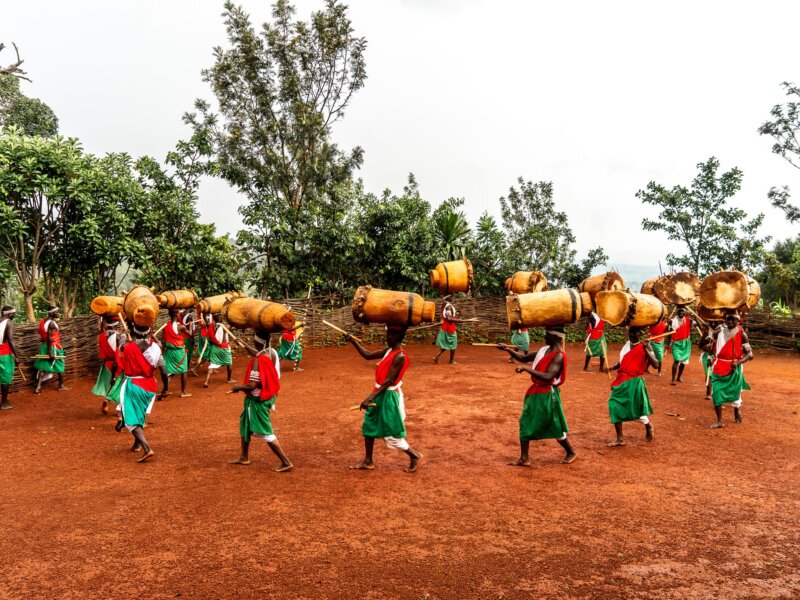
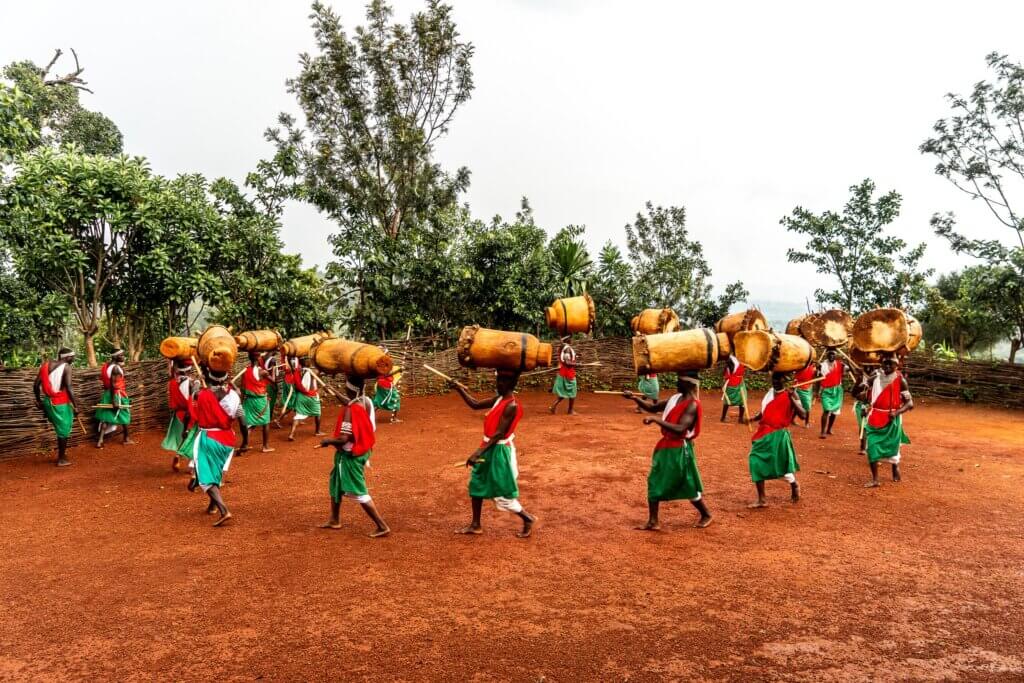
Burundi rewards visitors with remarkable cultural experiences, scenic landscapes and opportunities to discover destinations that remain less familiar to many international tourists. From the impressive traditions of the Gishora Drummers to the peaceful shores of Lake Tanganyika and the beautiful countryside surrounding Gitega, the country offers memorable experiences for curious travellers.
At Giant Holiday Safaris, we believe that successful African holidays begin with proper preparation, reliable travel information and carefully organised itineraries. Understanding Burundi visa requirements helps travellers prepare confidently and enjoy a smoother journey through the heart of Africa.