East Africa Safari Including Burundi
November 12, 2026
Burundi Visa Requirements
November 14, 2026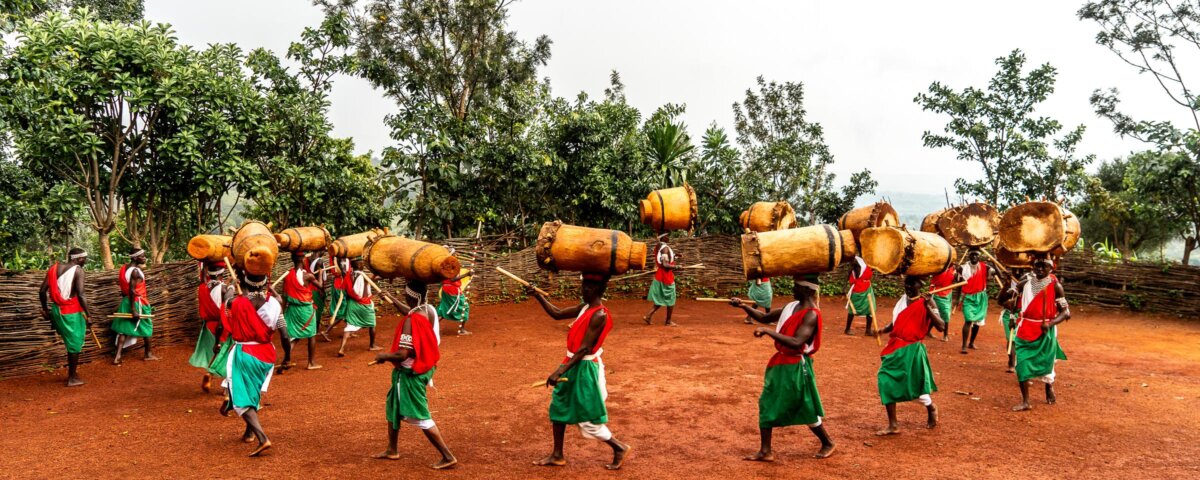
Is Burundi Safe for Tourists?
Burundi is not currently a destination that all international tourists can consider safe without careful planning, as the country faces security concerns, political tensions, crime, and challenges along some of its international borders. However, understanding the different security conditions across the country helps travellers make informed decisions before planning a visit.
Burundi remains a country of remarkable natural beauty, rich cultural traditions, welcoming communities, and fascinating historical attractions. From the shores of Lake Tanganyika to the impressive Karera Waterfalls, the historic city of Gitega, and the traditional drummers of Gishora, the country offers rewarding experiences for visitors interested in discovering a less familiar part of East Africa. Nevertheless, tourism should never come before personal safety. As of November 2026, several foreign governments advise travellers to reconsider non essential travel to Burundi because of security concerns, particularly those connected to neighbouring Democratic Republic of Congo.
Therefore, anyone considering a holiday in Burundi should review current travel advisories, understand regional risks, and make responsible decisions before departure. With accurate information, careful assessment, and professional local advice, visitors can better understand the opportunities and challenges associated with travelling to Burundi.
Understanding the Current Security Situation in Burundi
Understanding the current security situation is the first step towards answering the question, Is Burundi Safe for Tourists? Burundi has experienced periods of political tension, civil unrest, and security challenges over the years. Although the country has continued developing its tourism industry, some of these concerns still affect travel decisions. In particular, the security situation in the wider Great Lakes region requires international visitors to remain informed.
The conflict in neighbouring Democratic Republic of Congo has increased concerns about security along parts of Burundi’s western border. Armed group activity, cross border tensions, and possible disruptions have made certain areas unsuitable for ordinary tourism. In addition, political violence and violent crime remain concerns that visitors should consider before arranging their holidays.
As of November 2026, the Australian Government advises travellers to reconsider their need to visit Burundi. Canada also advises against non essential travel to the country, while the United Kingdom maintains warnings against travel to particular areas. The United States recommends reconsidering travel because of crime, political unrest, and health concerns.
These advisories matter because they provide an official assessment of risks rather than relying on general impressions or tourism advertisements.
Consequently, travellers should not assume that Burundi offers the same security conditions as every other East African destination. The situation can change, and different provinces may experience different levels of risk. Before booking accommodation, arranging transportation, or confirming an itinerary, visitors should examine the latest government advice and consider whether postponing travel would be the safer decision.
Is Bujumbura Safe for Tourists?
Bujumbura is Burundi’s largest city and its main commercial centre. It sits along the northeastern shores of Lake Tanganyika and provides access to several cultural, historical, and natural attractions. International visitors often begin their Burundi journeys in this city because Melchior Ndadaye International Airport serves as the country’s principal international airport.
The city has hotels, restaurants, businesses, markets, and important government institutions. It also offers opportunities to discover Burundian food, music, everyday life, and the country’s relationship with Lake Tanganyika.
However, visitors should not confuse the presence of hotels and tourist facilities with a guarantee of personal safety. Government travel advisories describe the security situation in Bujumbura and surrounding areas as a concern. Political tensions, violent crime, theft, and possible security incidents require particular attention.
The Canadian Government has highlighted the volatile and unpredictable security environment in Bujumbura Mairie Province. It also identifies kidnapping and other serious security concerns affecting certain locations.
Therefore, international travellers should carefully assess the latest advice before visiting Bujumbura. Avoid unnecessary movement, particularly around demonstrations and large gatherings. Furthermore, visitors should arrange accommodation only after assessing current conditions and should avoid independent movements into unfamiliar areas.
A professional assessment of the city should consider the specific neighbourhood, planned activities, transport arrangements, and current security developments. Bujumbura has significant cultural and tourism value, but responsible travel planning must recognise the risks that affect the city.
Understanding Security Risks Along Burundi’s Borders
Border security represents one of the most important considerations when planning a holiday in Burundi. The country’s location in the Great Lakes region places it close to several countries, including Rwanda, Tanzania, and the Democratic Republic of Congo. These neighbouring destinations create interesting regional tourism opportunities. However, political relationships and security developments can influence cross border travel.
The western border with the Democratic Republic of Congo requires particular attention because of continuing armed conflict in neighbouring areas. Cross border military activity, armed groups, and possible insecurity can affect communities and transportation routes.
Cibitoke and Bubanza provinces have received particularly serious warnings from several foreign governments. Kibira National Park and parts of Bujumbura Rural Province also feature in regional travel warnings.
Consequently, tourists should not plan excursions into these locations without first checking the latest official advice. In some circumstances, the safest decision may be to avoid the affected regions entirely.
The Burundi Rwanda land border also presents a separate challenge. Burundi closed its land borders with Rwanda in January 2024 following diplomatic tensions. Travellers should not assume that they can move freely between the two countries by road.
Meanwhile, border crossings with Tanzania may provide regional travel opportunities, although fuel availability and transportation conditions can affect journeys.
Therefore, visitors planning a Burundi, Rwanda, and Uganda holiday should confirm the operating status of every border crossing before making reservations. An itinerary that looks convenient on a map may become impractical when political or security conditions change.
Is Burundi Safe for Solo Travellers?
Solo travel offers independence and flexibility. Visitors can explore destinations at their preferred pace, spend more time at cultural attractions, and make personal decisions throughout their journeys. However, travelling alone in a destination with significant security concerns requires additional consideration.
Burundi presents challenges that solo travellers should not underestimate. Visitors who do not understand the local environment may find it difficult to assess unfamiliar neighbourhoods, transportation options, and changing security conditions.
Language can also create communication difficulties. Kirundi and French are widely used, while English has a smaller presence in everyday communication. Although some tourism professionals speak English, independent travellers may encounter situations where translation assistance becomes necessary.
Furthermore, solo travellers have fewer people to assist them when unexpected problems arise. Transport delays, accommodation difficulties, and sudden changes in local conditions can become more complicated when someone travels alone.
For these reasons, anyone considering a solo visit should first assess whether the journey is necessary under current conditions. A qualified local travel professional can explain the prevailing situation, but professional assistance cannot eliminate security risks or override government warnings.
Travellers should also share their general itinerary with trusted contacts, maintain access to emergency communication, and keep important travel documents secure.
Most importantly, solo travellers should not interpret a quiet tourist attraction or friendly interaction as proof that the wider area is safe. A careful assessment of current conditions remains essential throughout the planning process.
Is Burundi Safe for Families Travelling With Children?
Family holidays require additional attention because children depend on adults for transportation, accommodation, medical support, and general protection. Parents planning a Burundi holiday should therefore evaluate the country’s security and health conditions before confirming their travel arrangements.
Burundi has attractions that can interest families. Lake Tanganyika offers beautiful scenery, while cultural experiences introduce children to traditional music, local crafts, and everyday Burundian life. Historical attractions can also provide educational opportunities for families interested in African history and culture.
However, the availability of family friendly activities does not automatically make a destination suitable for children under every circumstance.
Current security concerns, transportation limitations, healthcare access, and possible border disruptions require serious consideration. Parents should also recognise that children may find long journeys and unexpected changes more difficult than adults.
Medical preparation is particularly important. Families should consult a qualified healthcare professional about vaccinations, malaria prevention, food safety, and any other precautions relevant to their circumstances.
In addition, parents should confirm that their accommodation has suitable facilities and reliable access to assistance. They should also understand the procedures for obtaining medical care if a child becomes unwell.
Given the current travel advisories, families should carefully consider whether postponing a non essential holiday would be the more responsible choice.
When conditions improve, families can assess Burundi again through updated official information and professional travel guidance. A memorable family holiday should combine enjoyable experiences with appropriate attention to everyone’s safety and wellbeing.
Common Crimes That Tourists Should Understand
Crime is another important factor when examining whether Burundi is safe for tourists. Like many destinations around the world, Burundi experiences different forms of criminal activity. However, international travel advisories identify violent crime as a particular concern.
Visitors should understand the types of incidents that can affect travellers and take appropriate precautions.
Petty theft can affect people carrying visible valuables in crowded areas. Pickpocketing and bag theft may occur around busy public locations, markets, and transport facilities.
More serious incidents can include armed robbery, assault, burglary, and carjacking. These risks make personal security an important part of travel planning.
Foreign visitors should avoid displaying expensive jewellery, large amounts of cash, cameras, and other valuable possessions unnecessarily. They should also be careful when withdrawing money or exchanging foreign currency.
Another concern involves strangers offering unexpected assistance or transportation. Travellers should verify the identity and reliability of anyone providing important services.
It is equally important to understand that a tourist’s nationality does not automatically protect them from criminal activity. Visitors should apply sensible precautions regardless of their background or travel experience.
If a traveller experiences a security incident, personal safety should take priority over recovering lost property. Contacting the appropriate authorities and seeking assistance through established accommodation or travel contacts can help address the situation.
Ultimately, understanding crime risks allows visitors to make more informed decisions. However, travellers should also recognise that precautions cannot remove every possible danger, particularly in areas where official authorities advise against travel.
Is Public Transportation Safe in Burundi?
Transportation plays an important role in every holiday. Visitors need reliable ways to move between airports, hotels, restaurants, historical attractions, and natural destinations. In Burundi, however, public transportation presents several challenges that international travellers should understand.
The country has buses, minibuses, taxis, and motorcycle transportation. These services support everyday movement for local residents and connect different communities.
Nevertheless, foreign travel advisories raise concerns about vehicle conditions, road safety, overcrowding, theft, and the reliability of some public transportation services.
The Canadian Government advises against using public transportation because of overcrowding, poor vehicle maintenance, and security risks. It also raises concerns about taxis and recommends careful verification when passengers must use them.
For international visitors, transportation planning should therefore begin before arrival. Travellers should not assume that every available vehicle meets their expectations for safety, comfort, or reliability.
Another important consideration involves road conditions. Some journeys take longer than expected because of traffic, road surfaces, weather, and transportation interruptions.
Fuel shortages can also affect movement throughout the country. These shortages may create long queues at fuel stations and interrupt planned journeys.
Therefore, travellers should examine the availability of dependable transportation before confirming an itinerary. They should also understand that hiring a professional driver or using a recognised transport provider does not eliminate broader security concerns.
Responsible transportation planning involves assessing both the condition of the roads and the prevailing security situation along the entire journey.
Is It Safe to Travel Around Burundi by Road?
Burundi has attractive landscapes, rolling hills, rural communities, lakeside scenery, and cultural destinations. Road travel provides opportunities to experience these features and understand the country’s geographical diversity.
However, road journeys require careful assessment because safety conditions differ between routes and regions.
Some roads connect major towns and commercial centres, while others lead into remote communities and mountainous areas. The condition of these roads can vary considerably.
During rainy periods, heavy rainfall can contribute to flooding, landslides, and difficult driving conditions. Such problems may affect journey times and access to certain destinations.
Furthermore, the security situation creates additional restrictions. Travel advisories identify serious concerns along the western border and in particular provinces. Consequently, visitors should not consider every road suitable for tourism.
Road travel after dark also presents additional concerns. Poor visibility, vehicle maintenance, road conditions, and limited access to emergency assistance can increase the difficulty of responding to unexpected incidents.
Fuel availability is another important factor. Regular shortages can affect transport schedules and make long journeys difficult to manage.
Travellers should therefore assess road conditions, security developments, and fuel availability before departure.
An itinerary should never depend on assumptions that a road remains open simply because it appeared on an earlier travel plan.
For international visitors, responsible road travel begins with accurate information and realistic expectations. If authorities advise against a particular route, tourists should respect that guidance rather than attempt to find an alternative way through the affected area.
Health and Medical Safety for Tourists Visiting Burundi
Health preparation is an essential part of international travel. Visitors planning a Burundi holiday should understand the country’s health risks and seek professional medical advice before departure.
Yellow fever represents an important health consideration. Burundi requires travellers to present a valid yellow fever vaccination certificate. The vaccination also protects visitors against a mosquito borne disease that occurs in parts of Africa.
Malaria is another significant concern. Mosquitoes transmit the disease, and visitors should discuss appropriate prevention measures with a healthcare professional before travelling.
Other health concerns include foodborne and waterborne illnesses. Cholera and other infectious diseases can occur, making food hygiene and safe drinking water particularly important.
Travellers should drink properly treated or sealed bottled water and exercise care when selecting meals. They should also wash their hands regularly and maintain good personal hygiene.
Healthcare access requires additional planning. Visitors should identify suitable medical facilities and understand how to obtain assistance if they need treatment.
People with existing medical needs should discuss their travel plans with their healthcare providers. They should also carry sufficient prescribed medication and appropriate documentation.
Travel insurance deserves particular attention. Visitors should understand the policy’s medical coverage, emergency assistance arrangements, and exclusions. Importantly, some policies restrict cover when travellers visit destinations against official government advice.
Health preparation does not guarantee protection against illness. However, informed decisions and appropriate preventive measures can reduce avoidable health risks.
Is the Food and Drinking Water Safe in Burundi?
Food is an important part of discovering another country’s culture. Burundi offers traditional dishes influenced by its agricultural heritage, local ingredients, and regional cooking traditions.
Visitors can discover foods prepared using beans, bananas, sweet potatoes, cassava, maize, vegetables, and freshwater fish. These ingredients form an important part of everyday Burundian meals.
However, international visitors should pay attention to food preparation and drinking water quality.
Waterborne diseases can affect travellers who consume contaminated water. Therefore, visitors should choose properly sealed bottled water or water treated through reliable methods.
Food hygiene also matters. Travellers should select establishments that maintain clean food preparation areas and handle ingredients carefully.
Fresh fruits and vegetables require proper washing with safe water. Visitors should also exercise caution with uncooked foods when they cannot establish how vendors prepared them.
Well cooked meals from reputable establishments generally provide a more appropriate choice than food that has remained exposed for long periods.
Furthermore, visitors should avoid consuming food that appears poorly stored or prepared under questionable conditions.
Travellers with food allergies or dietary restrictions should communicate their needs clearly before ordering meals. Carrying relevant medical information can also help in situations where communication becomes difficult.
Exploring local cuisine can provide a meaningful cultural experience. Nevertheless, visitors should never sacrifice food safety simply to try a particular dish.
Is Lake Tanganyika Safe for Tourists?
Lake Tanganyika is one of Burundi’s most remarkable natural attractions. It forms part of the Great Lakes system and stretches across several countries in East Africa.
Its impressive size, clear waters in some locations, beautiful shoreline, and rich aquatic environment make it an important feature of Burundi’s tourism identity.
Along the Burundian shoreline, visitors can discover lakeside scenery, fishing communities, and opportunities to learn about local livelihoods.
However, tourism activities around Lake Tanganyika require careful safety assessment.
Swimming, boating, and other water based activities depend on local conditions, weather, equipment, and the availability of suitable supervision.
Visitors should never assume that every lakeside location offers safe swimming conditions. Water quality, changing weather, currents, and the availability of emergency assistance can influence personal safety.
Boat transportation also requires attention to equipment, passenger limits, and operating conditions. Travellers should avoid activities where operators cannot demonstrate appropriate safety arrangements.
Another consideration involves the wider security situation in areas surrounding the lake. The presence of a popular beach or tourism establishment does not guarantee that the surrounding region remains suitable for international visitors.
Therefore, anyone considering Lake Tanganyika should first review current travel advisories and local conditions.
The lake remains an important natural and cultural asset for Burundi. With appropriate conditions and responsible tourism management, it can contribute significantly to the country’s future tourism development.
Is Karera Waterfalls Safe for Tourists?
Karera Waterfalls rank among Burundi’s most interesting natural attractions. Located in Rutana Province, the waterfalls attract visitors interested in nature, photography, and the country’s beautiful landscapes.
The surrounding environment features flowing water, green vegetation, rocky landscapes, and several waterfall viewpoints.
For nature enthusiasts, Karera offers an opportunity to discover a different side of East Africa beyond the region’s more widely recognised wildlife destinations.
However, visiting natural attractions requires consideration of both environmental and security conditions.
Waterfalls can present physical hazards, especially during rainy periods. Wet rocks, slippery walking surfaces, changing water levels, and strong currents require appropriate caution.
Visitors should remain within permitted viewing areas and follow local safety instructions. They should avoid entering dangerous sections of the water or approaching unstable edges.
Access roads and local transportation arrangements also deserve attention. Weather conditions can affect road accessibility, while security developments may influence whether particular routes remain suitable for visitors.
Importantly, Karera Waterfalls’ tourism value should not be confused with an assurance that travel to Rutana or any other province is currently risk free.
Before including the waterfalls in an itinerary, travellers should obtain current information about access, security, and operating conditions.
For tourism businesses, responsible destination marketing means providing accurate information rather than promising unrestricted access to every attraction.
Is Gitega Safe for Tourists?
Gitega serves as Burundi’s political capital and offers important historical and cultural experiences. Located in the country’s central highlands, the city provides opportunities to discover traditional Burundian life and learn about the nation’s history.
One of its most recognised cultural attractions is the Gitega National Museum. The museum offers insights into Burundi’s traditional heritage, cultural practices, and historical development.
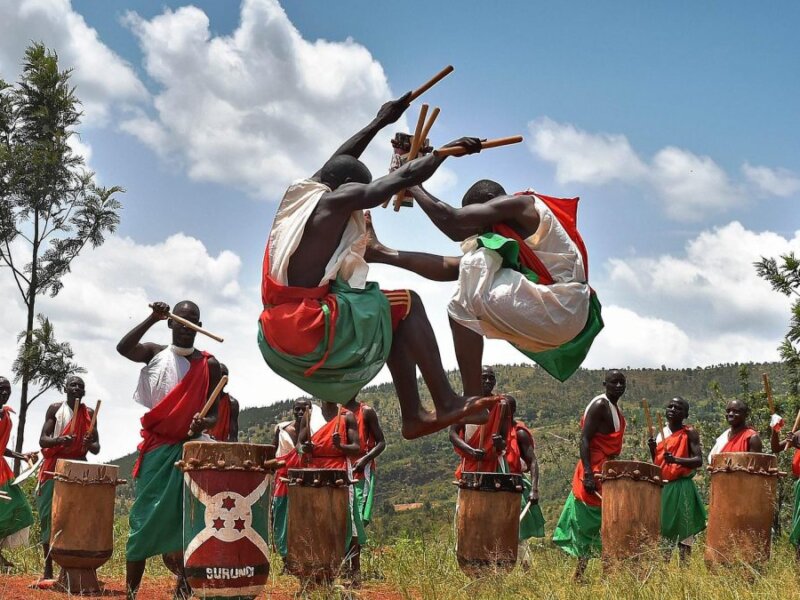
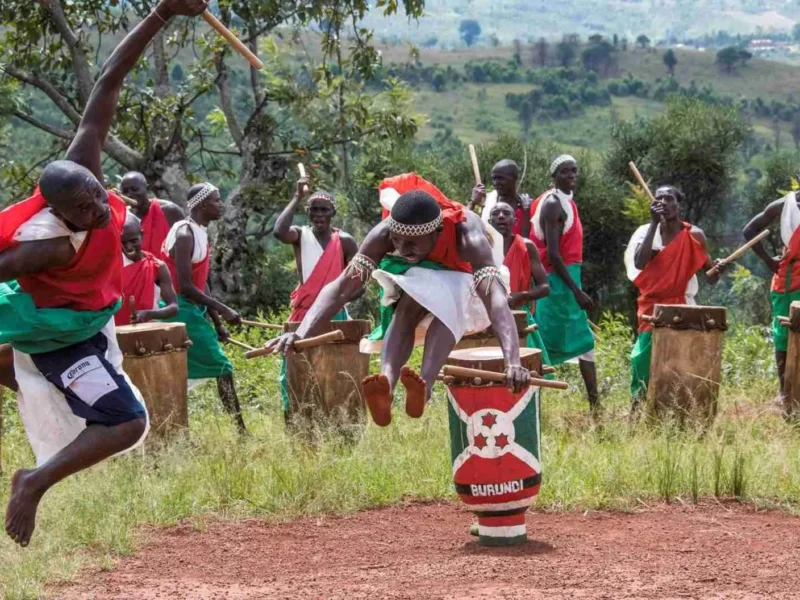
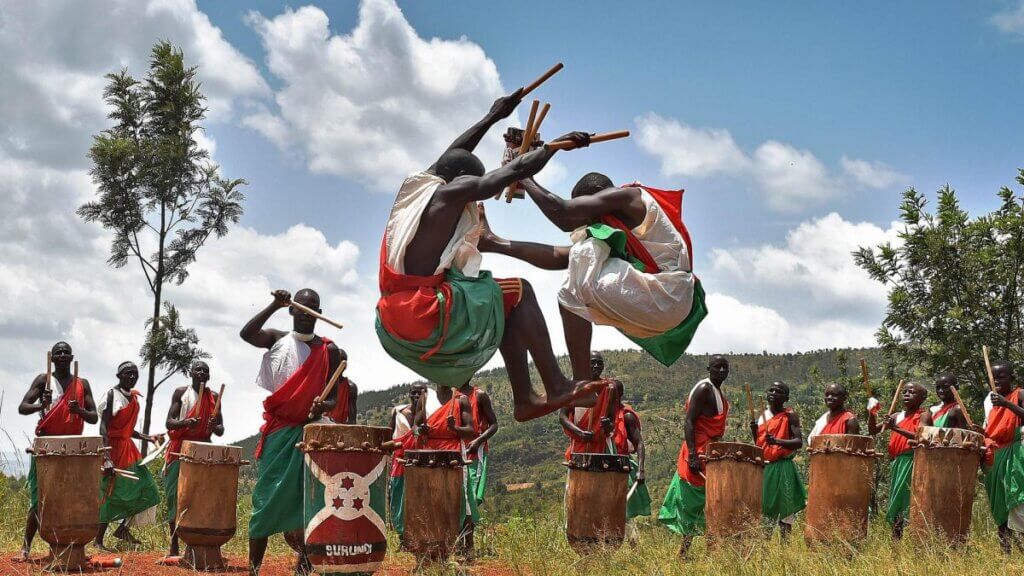
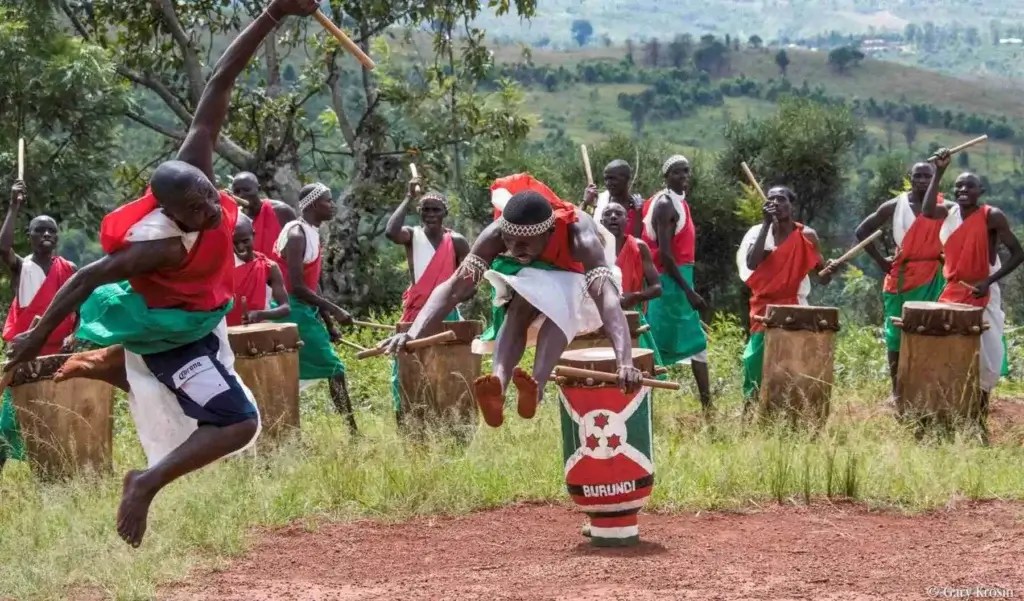
The city also provides access to Gishora, an important cultural destination associated with Burundi’s famous royal drummers.
Visitors interested in African cultural heritage can gain valuable insights into traditional music, community identity, and the country’s historical institutions.
However, tourists should not assume that the country’s central regions are automatically free from security concerns.
Although the most serious regional warnings focus on particular western border areas, national travel advisories also identify concerns involving crime and political violence.
Consequently, travellers should assess the security situation before arranging visits to Gitega.
They should also confirm road conditions, transport availability, accommodation arrangements, and access to medical assistance.
Cultural tourism requires more than simply identifying attractive destinations. Visitors need accurate information about the circumstances surrounding each journey.
Gitega remains an important destination in Burundi’s cultural landscape. Its museums, traditional heritage, and historical significance offer considerable educational value. Nevertheless, current travel advice should determine whether an international visit is appropriate at any particular time.
Is Gishora Drum Sanctuary Safe for Tourists?
Gishora Drum Sanctuary holds an important place in Burundi’s cultural identity. It provides an opportunity to discover the country’s famous traditional drumming heritage and understand the role of music in community celebrations and historical ceremonies.
Burundian drumming represents much more than entertainment. It connects music, movement, cultural memory, and collective identity.
Visitors who learn about this tradition can gain a deeper understanding of Burundi’s cultural heritage and the importance of preserving traditional knowledge.
The sanctuary is particularly interesting for travellers who appreciate cultural tourism and want to discover experiences beyond conventional wildlife safaris.
However, visiting Gishora requires the same responsible preparation as any other destination in Burundi.
Travellers should establish whether the location is accessible, whether cultural activities are operating, and whether the surrounding area has any current security restrictions.
They should also respect local customs and follow instructions from cultural representatives.
Photography and filming should follow the guidance of the people responsible for managing the experience. Visitors should seek permission when necessary and show respect during cultural performances.
It is also important to understand that cultural attractions do not operate independently of the wider security environment.
Even when an attraction has a long history of receiving visitors, its accessibility may change because of local developments.
Therefore, travellers should confirm current conditions before making arrangements to visit Gishora.
Is Kibira National Park Safe for Tourists?
Kibira National Park is one of Burundi’s important natural conservation areas. Its montane forest ecosystem supports biodiversity and contributes to the country’s environmental heritage.
The park provides habitat for several wildlife species and protects important forest resources. Nature enthusiasts may find its landscapes and ecological importance particularly interesting.
In ordinary tourism circumstances, forest destinations such as Kibira can offer valuable opportunities for nature education, guided walks, birdwatching, and conservation awareness.
However, Kibira requires special attention because of current regional security concerns.
Several foreign government advisories specifically identify Kibira National Park among the areas where travellers should not visit. The concerns relate to armed group activity and possible spillover from conflict in neighbouring Democratic Republic of Congo.
This warning makes it inappropriate to promote Kibira as an ordinary tourist excursion without carefully examining current official guidance.
Visitors should not assume that hiring a guide or joining an organised excursion makes travel into a restricted area acceptable.
Tourism operators also have a responsibility to recognise security warnings and avoid arranging activities that expose visitors to unnecessary danger.
Burundi’s conservation areas remain important assets for the future development of nature tourism. However, conservation and tourism development must operate within a responsible security framework.
Kibira’s ecological importance does not remove the need to respect travel restrictions. Visitors should wait until relevant authorities indicate that conditions permit tourism activities.
Understanding Political Demonstrations and Public Gatherings
Political demonstrations and public gatherings can affect travel safety in different countries. Burundi is no exception.
Visitors should understand that political developments can influence public movement, transportation, and the general security environment.
Demonstrations may create traffic disruptions, road closures, and unexpected security responses. Even gatherings that begin peacefully can develop into situations that make it difficult for visitors to move safely.
Foreign travel advisories therefore recommend avoiding demonstrations and large public gatherings in Burundi.
Tourists should also avoid becoming involved in political activities or attempting to observe sensitive events out of curiosity.
Photography around security installations, government facilities, and sensitive public locations may also create unnecessary complications. Visitors should exercise discretion and respect local instructions.
Another important consideration involves social media. Travellers should avoid sharing unverified information about political developments or security incidents.
Instead, they should rely on credible official announcements and established news sources.
If a demonstration occurs near an intended destination, visitors should reconsider their plans rather than attempt to move through the gathering.
Professional travel planning should also account for possible changes to scheduled activities.
Ultimately, understanding the political environment helps visitors make better decisions. Travellers should remain respectful, avoid unnecessary involvement in local political matters, and prioritise personal safety throughout their stay.
Burundi Travel Safety During the Rainy Season
Burundi has a tropical climate influenced by altitude, geographical location, and seasonal rainfall. Its landscape includes hills, mountains, agricultural areas, forests, and lakeside environments.
Rainfall patterns affect road conditions, accessibility, outdoor activities, and general travel arrangements.
The rainy season can bring heavy showers, muddy roads, flooding, and landslides in certain locations.
These conditions may affect journeys between towns and reduce access to some rural attractions.
For international tourists, the main concern involves unexpected changes to transportation and outdoor activities.
A journey that normally takes a few hours may require additional time when roads become difficult to navigate.
Flooding also creates risks for pedestrians and motorists. Visitors should never attempt to cross dangerous floodwater or continue travelling when local authorities advise against movement.
Accommodation and transport providers should also communicate possible weather related disruptions.
However, weather is only one part of the wider safety picture. Travellers must assess security developments alongside seasonal conditions.
For example, an attractive natural attraction may become difficult to access because of heavy rain, while a separate security concern may make the surrounding region unsuitable for visitors.
Therefore, responsible travel planning requires regular assessments rather than relying on seasonal tourism information alone.
Understanding Burundi’s climate helps travellers appreciate its natural environment while recognising the importance of flexible arrangements and appropriate precautions.
Burundi Travel Safety During the Dry Season
Burundi’s dry seasons generally provide more favourable conditions for many outdoor activities. Visitors can often enjoy clearer skies, improved road conditions in certain locations, and better opportunities for sightseeing.
The months from June to September and December to January are commonly associated with relatively drier conditions in different parts of the country.
These periods can attract travellers interested in cultural experiences, photography, nature, and lakeside scenery.
However, a dry season should never be confused with a guaranteed safe travel season.
Security conditions do not depend entirely on rainfall. Political tensions, cross border developments, crime, and fuel availability can affect travel throughout the year.
The Canadian Government also highlights water and fuel shortages that may occur during the long dry season. These challenges can influence transport, accommodation services, and other essential facilities.
Consequently, travellers should not assume that the dry season automatically provides unrestricted access to every destination.
Before arranging a visit, tourists should examine current travel advisories, confirm the availability of essential services, and establish whether the intended destinations remain accessible.
The best time to visit a destination depends on more than pleasant weather.
It also depends on the security environment, the reliability of transportation, healthcare access, and the ability to complete the planned activities responsibly.
For Burundi, these considerations should take priority over traditional seasonal recommendations.
What Documents Should Tourists Prepare Before Visiting Burundi?
International travel requires proper documentation. Visitors planning a Burundi holiday should understand the country’s entry requirements before booking flights or making other arrangements.
A valid passport is essential. Travellers should check the required passport validity and ensure they have sufficient space for immigration stamps.
Most international visitors also require a visa. Burundi offers visa application procedures that may include an online application and visa issuance on arrival after approval.
The exact requirements depend on nationality, travel purpose, and the immigration rules in force at the time of travel.
Travellers should therefore confirm their individual requirements with the appropriate Burundian diplomatic or immigration authorities.
A yellow fever vaccination certificate is another important entry requirement. Visitors should arrange vaccination well before departure and carry the appropriate documentation.
Some authorities also require travellers to complete passenger registration procedures before arrival. These requirements can change, so visitors should verify the latest instructions.
Other useful documents include:
- Confirmed accommodation information.
- Return or onward flight arrangements.
- Valid travel insurance.
- Copies of important identification documents.
- Relevant medical and vaccination records.
- Emergency contact information.
Travellers should keep their original documents secure and maintain separate copies for emergencies.
It is also important to understand that having the correct documents does not guarantee entry under every circumstance. Immigration authorities retain the right to apply the country’s entry regulations.
Proper preparation can reduce avoidable administrative problems and make international travel more organised.
Is Burundi Safe for Foreign Tourists and International Visitors?
Burundi welcomes people from different parts of the world through its business, cultural, diplomatic, and tourism activities.
International visitors can discover the country’s history, traditions, food, languages, and natural environment.
However, foreign travellers should recognise that being unfamiliar with the local environment can create additional challenges.
Communication is one example. Kirundi and French are important languages in Burundi, while English is less widely used in everyday settings.
Visitors who understand some basic local expressions may find ordinary interactions easier. Nevertheless, important travel arrangements should involve reliable communication and clear agreements.
Another consideration involves access to international assistance.
Foreign embassies and consular services may provide support to their citizens during emergencies. However, the level of assistance differs between countries, and consular support cannot guarantee immediate evacuation or medical treatment.
Travellers should therefore understand where their country’s diplomatic representation is located and how to contact it.
Insurance arrangements also deserve attention. Visitors should check whether their policy covers medical emergencies, transportation disruptions, and other unexpected circumstances.
Some insurance providers may exclude incidents connected to travel against official government advice.
International visitors should also respect local laws, customs, and cultural expectations.
Being respectful and informed can improve communication and reduce unnecessary misunderstandings.
Nevertheless, cultural awareness and good preparation cannot replace an assessment of the country’s wider security situation.
Every international visitor should make an informed decision based on current official advice and their individual circumstances.
Important Safety Tips for Tourists Visiting Burundi
Anyone considering a trip to Burundi should make personal safety a central part of the planning process.
Although the country has significant tourism potential, visitors need to recognise that current security advisories identify serious concerns.
The following considerations can help travellers understand responsible preparation.
Check official travel advisories
Review the latest travel advice issued by your government before making a booking. Pay attention to national recommendations and regional warnings.
Understand restricted areas
Avoid destinations that official authorities identify as unsuitable for travel. Do not assume that a tourist attraction is safe simply because it appears in a travel brochure.
Confirm transportation arrangements
Understand the condition of intended routes and the availability of dependable transportation. Fuel shortages and road conditions can affect travel plans.
Choose accommodation carefully
Assess the location, security arrangements, emergency procedures, and access to essential services before confirming accommodation.
Keep important documents secure
Maintain copies of your passport, visa, insurance information, and emergency contacts. Follow local identification requirements.
Avoid demonstrations
Stay away from political gatherings, demonstrations, and other potentially sensitive public events.
Prepare for health risks
Discuss yellow fever vaccination, malaria prevention, and other relevant health measures with a qualified healthcare professional.
Maintain reliable communication
Ensure that trusted contacts know your general travel arrangements and understand how to reach you.
Avoid unnecessary night movement
Road conditions, security concerns, and limited access to assistance can make night journeys more challenging.
Respect local laws and customs
Understand the country’s legal requirements and cultural expectations before participating in public activities.
These measures support informed decision making. However, they cannot remove serious security risks or make an officially restricted destination suitable for tourism.
Can Tourists Visit Burundi as Part of an East African Safari?
Burundi occupies an interesting position within the East African tourism industry. Its location creates opportunities to connect cultural experiences, historical attractions, lakeside destinations, and natural landscapes with broader regional holidays.
Travellers interested in discovering East Africa may consider Burundi alongside Uganda, Kenya, Rwanda, and Tanzania.
Each country offers different tourism experiences.
Uganda attracts international visitors through mountain gorilla trekking, chimpanzee tracking, wildlife safaris, and the natural beauty of its national parks.
Kenya offers recognised wildlife destinations, cultural experiences, and the impressive landscapes of the Maasai Mara.
Tanzania attracts visitors through the Serengeti, Ngorongoro Conservation Area, Mount Kilimanjaro, and Zanzibar.
Rwanda offers mountain gorilla experiences, conservation tourism, and cultural attractions.
Burundi adds another dimension through Lake Tanganyika, Karera Waterfalls, Gitega, Gishora Drum Sanctuary, and its traditional cultural heritage.
However, combining several countries requires careful attention to international borders and current travel restrictions.
The Burundi Rwanda land border remains closed according to available government travel information. Therefore, travellers should not assume that a direct road transfer between the two countries is possible.
Security conditions in the Democratic Republic of Congo border region also require particular attention.
A regional itinerary should therefore consider the countries individually rather than treating East Africa as one unrestricted travel zone.
For international visitors, the most responsible approach involves selecting destinations that meet their travel needs while respecting current government advice.
Why Professional Travel Planning Matters When Visiting Burundi
Professional travel planning plays an important role in international tourism. It helps visitors understand destinations, organise logistics, and obtain reliable information before departure.
In Burundi, these responsibilities become particularly important because of the country’s current security and transportation challenges.
A knowledgeable local travel professional can explain the country’s geography, cultural attractions, accommodation options, and ordinary travel arrangements.
They can also provide information about changing road conditions, available services, and practical considerations affecting tourism.
However, professional expertise must always operate within responsible safety standards.
A travel company should never promise that a destination is completely safe when official advisories identify significant risks.
Similarly, an organised tour should not proceed into an area where authorities advise against travel simply because a visitor has already paid for the experience.
Professional operators should communicate openly about possible disruptions and explain alternative arrangements where appropriate.
They should also help clients understand the difference between tourism information and official security guidance.
For international travellers, transparency is particularly important. Visitors need accurate information to make decisions that affect their finances, schedules, and personal wellbeing.
At Giant Holiday Safaris, responsible African tourism means recognising the importance of accurate destination information, realistic travel expectations, and professional planning.
Tourism should create meaningful experiences while respecting the safety of visitors, local communities, and everyone involved in delivering travel services.
Frequently Asked Questions About Safety in Burundi
Is Burundi safe for tourists in 2026?
Burundi currently presents significant security concerns for international tourists. As of November 2026, several governments advise travellers to reconsider non essential travel because of political violence, crime, and regional insecurity. Travellers should examine their government’s latest advice before making arrangements.
Is Bujumbura safe for foreign visitors?
Bujumbura has important hotels, businesses, restaurants, and cultural attractions. However, the city faces security concerns, including violent crime and an unpredictable political environment. Visitors should review current official guidance before deciding whether to travel there.
Is Burundi safe for solo female travellers?
Solo female travellers should carefully assess the current security situation before considering a visit. General concerns about violent crime, transportation, and limited emergency assistance make independent travel particularly important to evaluate. Travellers should not assume that ordinary precautions can eliminate these risks.
Is Burundi safe for family holidays?
Burundi has cultural and natural attractions that may interest families. However, current security advisories, health concerns, and transportation challenges require careful consideration. Families should assess whether postponing non essential travel is the more appropriate decision.
Are tourists safe in Burundi’s rural areas?
Safety conditions vary across the country. Some western border regions and particular rural locations face serious security warnings. Travellers should check the status of each intended destination rather than assuming that rural areas are automatically peaceful.
Is Lake Tanganyika safe for swimming?
Swimming conditions depend on the location, water quality, weather, currents, and availability of suitable supervision. Visitors should obtain reliable local information before considering water activities and should also assess the wider security situation.
Is Karera Waterfalls safe to visit?
Karera Waterfalls offer an interesting natural attraction in Rutana Province. However, visitors should verify current access arrangements, weather conditions, and security advice before planning an excursion.
Can tourists travel from Rwanda to Burundi by road?
The Burundi Rwanda land border has remained closed since January 2024. Travellers should not plan a direct road crossing without official confirmation that the border has reopened.
Is Burundi safe for tourists travelling from Uganda?
Ugandan travellers should assess Burundi’s current security conditions just like other international visitors. Regional familiarity does not remove the risks associated with political tensions, crime, and border restrictions. They should also confirm entry requirements and transportation arrangements before departure.
Do tourists need yellow fever vaccination to enter Burundi?
Yes. Burundi requires an appropriate yellow fever vaccination certificate for arriving international travellers. Visitors should confirm the current entry rules and vaccination requirements before travelling.
Is English widely spoken in Burundi?
Kirundi and French are important languages in Burundi. English speakers can be found in some tourism and business settings, but international visitors should not assume that everyone communicates comfortably in English.
Is Burundi worth visiting?
Burundi has considerable cultural, historical, and natural tourism value. Lake Tanganyika, Karera Waterfalls, Gitega, and Gishora Drum Sanctuary offer interesting experiences. However, the decision to visit should depend on the prevailing security conditions and current government travel recommendations.
The Future of Tourism and Travel Safety in Burundi
Burundi has considerable potential to become a more recognised destination within the African tourism industry. Its natural landscapes, cultural heritage, traditional music, historical attractions, and position within the Great Lakes region provide a strong foundation for tourism development.
However, long term tourism growth requires more than attractive destinations and marketing campaigns.
Security, infrastructure, reliable transportation, healthcare access, and effective destination management all influence international visitor confidence.
Improving these areas can help Burundi develop a stronger tourism environment while creating opportunities for local businesses and communities.
Cultural tourism deserves particular attention. Traditional drumming, historical museums, local food, and community experiences can help visitors understand Burundi beyond conventional sightseeing.
Nature conservation also offers important opportunities. Protecting forests, lakes, waterfalls, and biodiversity can strengthen the country’s appeal among responsible travellers.
Nevertheless, security remains a fundamental requirement.
International visitors need confidence that they can move between destinations without facing unacceptable risks. Tourism operators also need reliable information to prepare realistic itineraries and communicate effectively with their clients.
Regional cooperation may support this development by improving transportation connections, strengthening border management, and encouraging responsible tourism initiatives.
Furthermore, accurate destination information can help establish trust between tourism businesses and international visitors.
Burundi’s tourism future depends on creating an environment where cultural preservation, environmental protection, economic development, and personal safety work together.
As conditions improve, the country may attract greater interest from travellers seeking distinctive African experiences. Until then, honest communication and responsible travel decisions should guide tourism promotion.
Final Thoughts: Is Burundi Safe for Tourists?
So, is Burundi safe for tourists? The responsible answer is that Burundi currently presents significant security concerns, and international visitors should not treat it as an ordinary, unrestricted holiday destination. Although the country has beautiful landscapes, fascinating cultural traditions, historical attractions, and considerable tourism potential, political tensions, violent crime, border insecurity, transportation challenges, and health considerations require serious attention. As of November 2026, several international governments advise travellers to reconsider non essential visits, while particular regions face stronger warnings against travel. Therefore, anyone considering a Burundi holiday should review the latest official travel advisories, assess individual circumstances, and postpone non essential travel when the prevailing guidance indicates unacceptable risks. At Giant Holiday Safaris, we believe that reliable Africa tourism information must present both the opportunities and challenges of every destination. Our commitment to responsible tourism includes helping international visitors understand destinations through accurate information, professional knowledge, and realistic expectations. Burundi deserves recognition for its cultural heritage and natural beauty, but personal safety must always come first. Ultimately, answering the question, Is Burundi Safe for Tourists, requires more than describing its attractions. It requires understanding the current situation and making informed decisions that protect travellers while supporting the responsible future of African tourism.