What is gorilla habituation experience in Uganda
May 27, 2026
Which Uganda safaris include gorilla trekking
May 27, 2026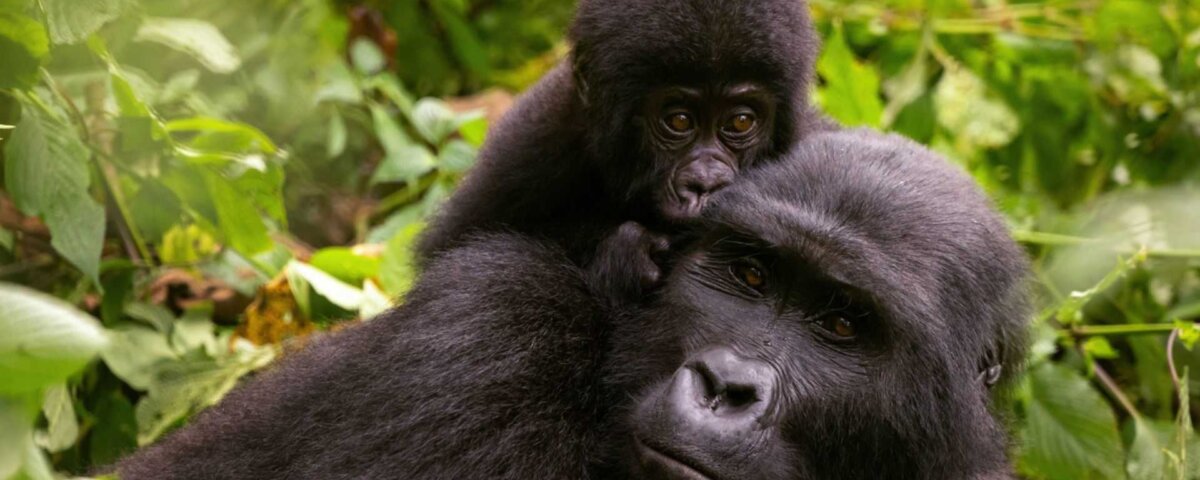
Can Children Do Gorilla Trekking in Uganda?
Can children do gorilla trekking in Uganda? Yes, children can do gorilla trekking in Uganda, but the activity has a strict minimum age limit of 15 years. Uganda Wildlife Authority introduced this rule to protect mountain gorillas, preserve the trekking experience, and keep young travelers safe during the adventure. Gorilla trekking in Uganda gives families an unforgettable chance to explore Africa’s tropical rainforests, observe endangered mountain gorillas in their natural habitat, and experience one of the most exciting wildlife adventures on the continent. Many families planning African safaris often ask whether children can join gorilla trekking because they want to share this rare wildlife encounter together. Understanding the age requirements, family safari alternatives, safety measures, and travel planning tips helps families enjoy a smooth and rewarding Uganda safari experience.
Uganda remains one of Africa’s top gorilla trekking destinations because of its rich biodiversity, welcoming culture, scenic landscapes, and strong conservation programs. Families who travel with teenagers above the required age can enjoy gorilla trekking in both Bwindi Impenetrable National Park and Mgahinga Gorilla National Park. Younger children can still participate in other exciting safari activities while older family members trek gorillas. This balance makes Uganda an ideal destination for family wildlife holidays, educational safaris, and multi generational adventures.
Experience our most popular Uganda safaris
18 Days Best Uganda Adventure Safaris
14-Days Uganda Gorillas & Wildlife Tour
12 Days Gorillas, Chimps & Wildlife Safari
10 days Uganda primates & wildlife safari
10 Days Uganda Gorillas and Game Safari
7 Days Gorillas & Wildlife Safari
6 Days Gorillas and Chimps Trek Safari
3 Day Bwindi Gorilla Trekking Safari
4 Days Gorilla Trekking & Boat Cruise
Gorilla Trekking Age Limit in Uganda
Uganda allows only visitors aged 15 years and above to participate in gorilla trekking. The Uganda Wildlife Authority strictly enforces this regulation across all gorilla trekking sectors in the country. Park authorities check passports and travel documents before issuing gorilla permits, so families must confirm ages carefully during trip planning.
Several important reasons support this age restriction. First, mountain gorilla trekking requires physical endurance because trekkers hike through dense forests, muddy trails, steep slopes, and uneven terrain. Some treks last only a few hours, while others can take an entire day depending on the gorilla family’s location. Younger children may struggle with the demanding hiking conditions.
Second, mountain gorillas share close genetic similarities with humans, which means they can easily catch human illnesses such as flu, coughs, and respiratory infections. Children often carry common illnesses without obvious symptoms. Limiting trekking to older participants helps reduce health risks for gorilla families.
Third, gorilla encounters require discipline, patience, and calm behavior. Visitors must remain quiet, follow ranger instructions, and maintain a safe distance from the gorillas. Young children may react emotionally or unpredictably during close wildlife encounters, especially when large silverback gorillas move nearby. The age limit therefore protects both the visitors and the gorillas.
Families visiting Uganda should view this policy positively because it supports responsible tourism and long term gorilla conservation. Uganda continues to lead in sustainable wildlife tourism by balancing visitor experiences with environmental protection.
Why Gorilla Trekking Appeals to Families
Family travel continues to grow across Africa, and Uganda stands out as an exceptional destination for adventurous families. Gorilla trekking attracts families because it combines wildlife, education, nature, culture, and adventure into one unforgettable safari experience. Teenagers especially enjoy the excitement of hiking through ancient rainforests while searching for endangered mountain gorillas.
Many parents choose Uganda because gorilla trekking teaches children valuable lessons about wildlife conservation, biodiversity, and environmental responsibility. Seeing mountain gorillas in their natural habitat creates emotional connections that documentaries and books cannot fully deliver. Teen travelers often develop greater appreciation for wildlife protection after experiencing gorilla trekking firsthand.
Uganda also offers diverse safari experiences beyond gorilla trekking. Families can combine gorilla trekking with game drives, boat safaris, cultural encounters, chimpanzee tracking, nature walks, and community visits. This variety keeps every family member engaged throughout the safari.
The country’s warm hospitality further enhances family travel experiences. Ugandan guides, lodge staff, and local communities often welcome families with genuine friendliness and care. Many safari lodges provide family rooms, flexible meal options, and customized itineraries designed for travelers with children.
Parents also appreciate Uganda’s educational value. A safari introduces children to African ecosystems, local cultures, conservation efforts, and geography in a practical and memorable way. Instead of learning only from classrooms, young travelers experience Africa directly through real life encounters.
Because of these advantages, Uganda continues to attract international families seeking meaningful travel experiences that combine adventure, learning, and connection with nature.
What Happens if a Child Is Below the Required Age?
Children below 15 years cannot participate in gorilla trekking in Uganda under normal circumstances. Park authorities maintain strict enforcement because the regulation supports conservation and visitor safety. Families therefore need alternative plans for younger children during trekking days.
Many safari lodges near gorilla trekking parks provide childcare services, family friendly activities, and supervised programs for children who remain behind. Parents can arrange for professional caregivers while older family members participate in the trek. This arrangement allows the entire family to enjoy the safari without stress.
Some lodges organize cultural activities, village walks, birdwatching, traditional dance performances, storytelling sessions, and nature experiences for younger visitors. These activities help children stay engaged while learning about Ugandan culture and wildlife.
Families traveling with mixed age groups often divide activities strategically. One parent may stay with younger children while the other joins the trek, then switch activities on another day if permits allow. Customized family itineraries create flexibility and comfort for everyone.
In rare situations, authorities may consider exceptions for children close to age 15 if they demonstrate maturity, physical fitness, and proper behavior. However, approval remains uncommon and never guaranteed. Families should therefore avoid relying on exceptions during safari planning.
Working with experienced Uganda safari operators helps families build suitable itineraries that balance gorilla trekking with child friendly experiences. Professional tour planners understand park regulations and can recommend lodges, transport options, and family activities that create enjoyable holidays for all ages.
Best Gorilla Trekking Destinations in Uganda for Families
Uganda has two gorilla trekking destinations, and both provide excellent experiences for families with eligible teenagers. These include Bwindi Impenetrable National Park and Mgahinga Gorilla National Park. Each destination offers unique landscapes, trekking experiences, and accommodation choices.
Bwindi Impenetrable National Park
Bwindi Impenetrable National Park remains Uganda’s most popular gorilla trekking destination. The park protects nearly half of the world’s remaining mountain gorilla population and contains several habituated gorilla families available for tourism. Families appreciate Bwindi because it offers multiple trekking sectors, diverse accommodation options, and stunning rainforest scenery.
Bwindi also supports birdwatching, cultural encounters with the Batwa community, forest walks, and photography opportunities. Teen travelers often enjoy the adventurous atmosphere of hiking through thick jungle vegetation while tracking gorillas with experienced guides and rangers.
Several luxury and midrange lodges near Bwindi cater specifically to families by offering spacious rooms, private cottages, and customized safari services. Families can combine gorilla trekking with wildlife safaris in other Ugandan national parks for a complete African adventure.
Mgahinga Gorilla National Park
Mgahinga Gorilla National Park offers a quieter and more intimate gorilla trekking experience. Located in southwestern Uganda near the borders of Rwanda and the Democratic Republic of Congo, the park features dramatic volcanic landscapes and beautiful mountain scenery.
Families who prefer smaller crowds often choose Mgahinga because of its peaceful atmosphere and scenic hiking trails. In addition to gorilla trekking, visitors can enjoy golden monkey tracking, volcano hiking, and cultural visits with the Batwa people.
Mgahinga works especially well for adventurous families seeking a less crowded safari experience while still enjoying high quality wildlife encounters. The park’s breathtaking views create memorable moments for photography and family bonding.
Preparing Teenagers for Gorilla Trekking in Uganda
Teenagers who meet the age requirement need proper preparation before participating in gorilla trekking. Preparing well improves comfort, safety, and enjoyment during the trek. Families should focus on physical readiness, packing, health precautions, and mental preparation.
Fitness plays an important role in successful gorilla trekking. Teenagers should engage in regular walking, hiking, or outdoor activities before traveling to Uganda. Strong physical preparation helps them handle steep terrain, muddy paths, and long forest hikes more comfortably.
Packing correctly also improves the experience. Essential items include hiking boots, waterproof jackets, long sleeved shirts, gardening gloves, insect repellent, reusable water bottles, snacks, and lightweight backpacks. Neutral colored clothing works best because bright colors may disturb wildlife.
Families should also discuss trekking rules with teenagers before the safari. Rangers require visitors to stay calm, avoid sudden movements, maintain a safe distance from gorillas, and avoid direct eye contact with dominant silverbacks. Understanding these rules helps teenagers feel confident during the encounter.
Health preparation matters as well. Travelers should consult healthcare providers about recommended vaccinations and malaria prevention before visiting Uganda. Since gorillas remain vulnerable to human diseases, trekkers showing signs of illness may not receive permission to trek.
Parents can further enrich the experience by teaching teenagers about mountain gorilla conservation before the trip. Learning about conservation challenges, habitat protection, and community tourism helps young travelers appreciate the deeper importance of gorilla trekking.
Family Friendly Safari Activities for Younger Children in Uganda
Uganda offers many exciting activities for children below the gorilla trekking age limit. Families therefore can still enjoy rewarding safari holidays even when younger children cannot trek gorillas. Combining multiple activities creates balanced itineraries suitable for every age group.
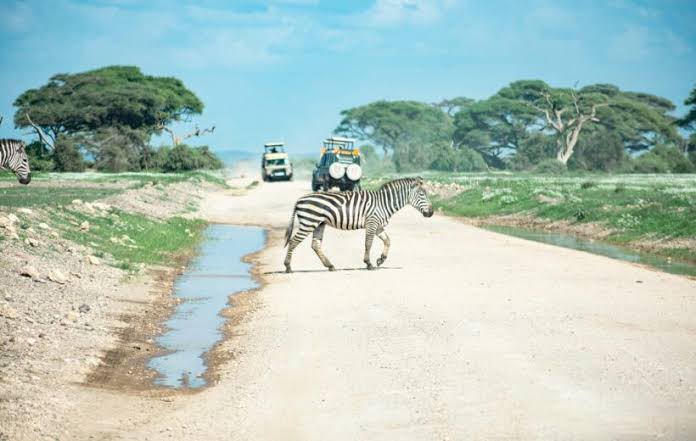
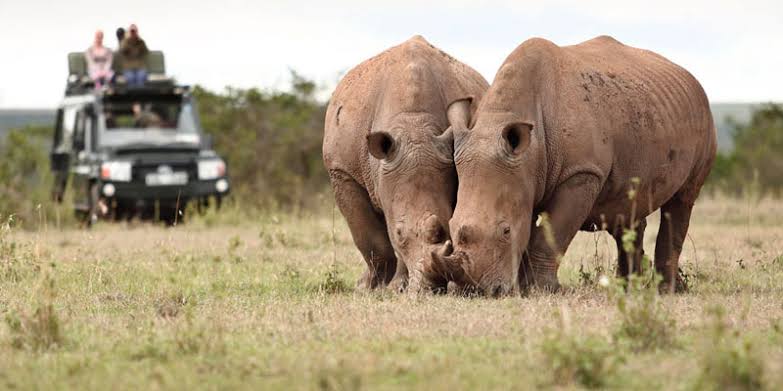
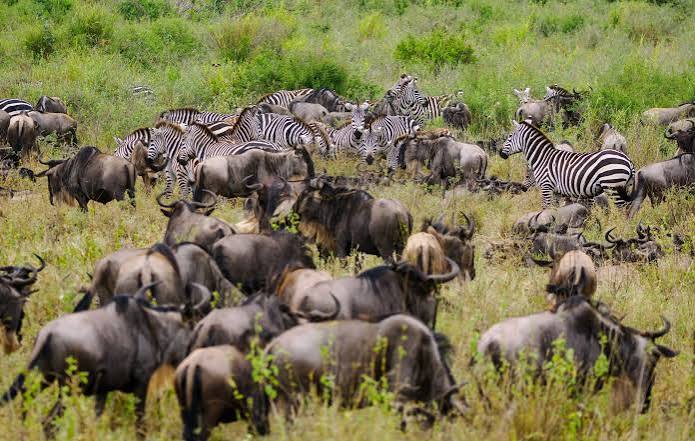
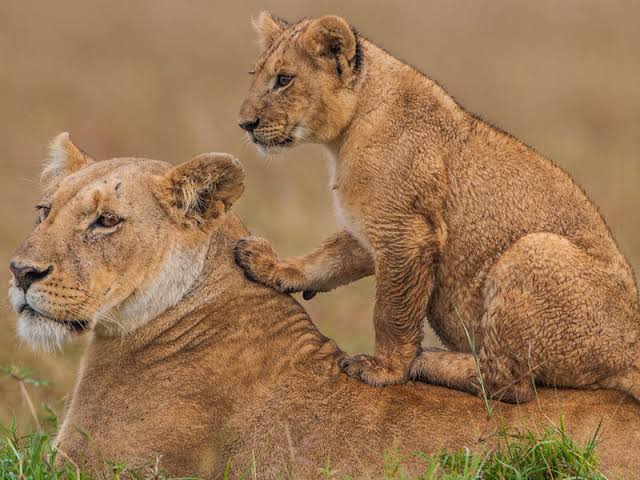
Game drives in parks such as Queen Elizabeth National Park and Murchison Falls National Park allow children to see elephants, giraffes, zebras, buffaloes, lions, and hippos from safari vehicles. Boat safaris on the Nile River and Kazinga Channel provide safe and relaxing wildlife viewing opportunities for younger travelers.
Nature walks and community tours also suit children well. Guided village visits introduce families to local traditions, crafts, farming practices, music, and dance. These experiences create cultural understanding while supporting local communities.
In Lake Mburo National Park, families can enjoy horseback safaris, cycling tours, and walking safaris in safe environments. Children often love these interactive wildlife experiences because they feel more personal and adventurous.
Chimpanzee tracking in places such as Kibale National Park sometimes allows younger participants depending on age restrictions and park regulations. Families should confirm requirements during planning.
Uganda’s wide range of safari activities makes the country highly suitable for family holidays. Even when younger children cannot join gorilla trekking, they still enjoy meaningful wildlife and cultural adventures throughout the journey.
Tips for Planning a Family Gorilla Trekking Safari in Uganda
Careful planning helps families enjoy smooth and memorable gorilla trekking safaris in Uganda. Early preparation improves permit availability, accommodation choices, and travel logistics. Since gorilla permits remain limited, families should book several months in advance, especially during peak travel seasons.
Choosing the right safari company greatly influences the overall experience. Families should work with experienced Uganda tour operators that understand family travel needs, park regulations, and child friendly safari planning. Reliable operators create customized itineraries that balance adventure, comfort, and flexibility.
Families should also select accommodations carefully. Lodges near gorilla trekking parks vary from budget camps to luxury eco lodges. Family friendly properties often provide larger rooms, private cottages, flexible dining arrangements, and secure environments for children.
Travel insurance adds extra protection during safari holidays. Families should choose policies covering medical emergencies, trip cancellations, and evacuation services. Good insurance creates peace of mind while traveling in remote safari areas.
Transportation planning also matters because southwestern Uganda involves long driving distances and mountainous roads. Some families prefer domestic flights to reduce travel time and increase comfort for children.
Parents should maintain realistic expectations about trekking conditions. Gorilla trekking involves hiking in natural rainforest environments where weather changes quickly. Muddy trails, rain showers, and dense vegetation form part of the authentic adventure. Preparing teenagers mentally for these conditions improves enjoyment during the trek.
Finally, families should focus on creating meaningful experiences instead of rushing through activities. Uganda rewards travelers who slow down, connect with nature, and embrace the country’s unique wildlife and cultural diversity.
Conclusion
Can children do gorilla trekking in Uganda? The answer depends on their age because Uganda allows only visitors aged 15 years and above to participate in gorilla trekking. While younger children cannot join the trek itself, Uganda still offers outstanding family safari experiences filled with wildlife encounters, cultural activities, nature adventures, and educational opportunities. Families traveling with eligible teenagers can enjoy unforgettable moments with mountain gorillas in Bwindi Impenetrable National Park and Mgahinga Gorilla National Park while younger children participate in other exciting safari experiences.
Uganda continues to shine as one of Africa’s best destinations for family adventure travel because it combines conservation, wildlife, culture, and hospitality in one remarkable journey. Families who plan carefully, choose experienced safari operators, and prepare properly for trekking create lasting memories that inspire deeper appreciation for Africa’s natural heritage. Gorilla trekking in Uganda remains one of the world’s most extraordinary wildlife experiences, and families who visit the country often leave with stronger bonds, unforgettable stories, and renewed respect for wildlife conservation.