Which Uganda safaris include boat cruises
June 24, 2026
Can beginners do gorilla trekking in Rwanda
June 26, 2026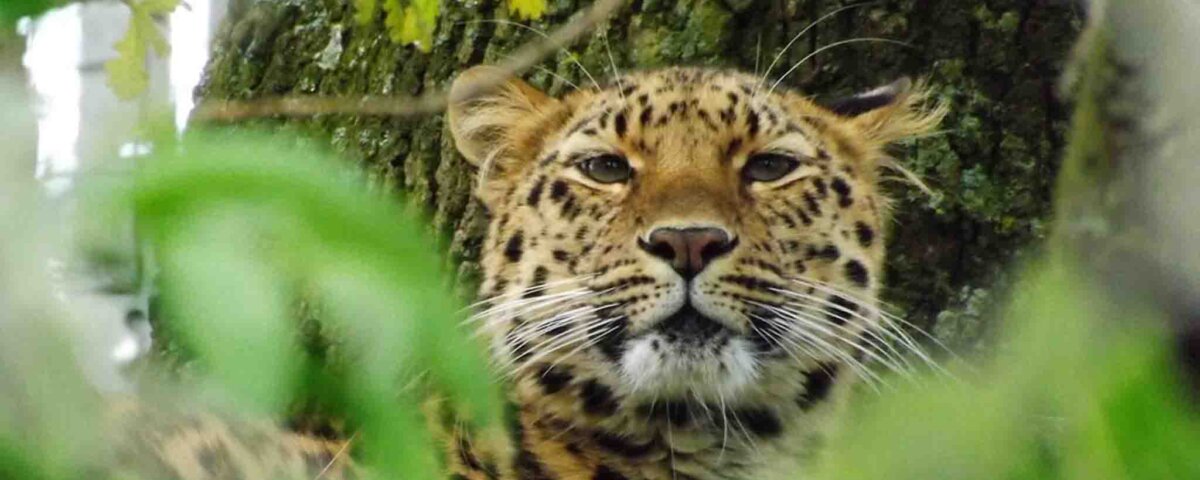
Can I See Leopards in Uganda?
Can I see leopards in Uganda? Yes, you can see leopards in Uganda, especially when you visit the right national parks and plan your safari with patience and timing. Uganda offers one of the strongest chances in East Africa to spot these secretive big cats in the wild because its protected areas support healthy populations of leopards alongside abundant prey. Leopards move quietly, so travelers often need a skilled guide and a good safari strategy to increase their chances of an encounter.
Uganda stands out because it combines savannah landscapes, river systems, and rich woodland habitats that leopards prefer. These environments allow leopards to hunt, rest in trees, and move freely without constant human disturbance. In addition, Uganda’s conservation efforts protect wildlife across major parks, which creates a safe space for predators to thrive. As a result, safari travelers often experience thrilling moments when a leopard appears unexpectedly on a game drive or during a night safari.
Best Uganda Gorilla Trekking Tours
18 Days Best Uganda Adventure Safaris
14-Days Uganda Gorillas & Wildlife Tour
12 Days Gorillas, Chimps & Wildlife Safari
10 days Uganda primates & wildlife safari
10 Days Uganda Gorillas and Game Safari
7 Days Gorillas & Wildlife Safari
6 Days Gorillas and Chimps Trek Safari
3 Day Bwindi Gorilla Trekking Safari
4 Days Gorilla Trekking & Boat Cruise
9 Days Uganda Luxury Safari Tour
Where Leopards Live in Uganda
Leopards in Uganda live in diverse habitats, and they adapt very well to different environments. They prefer areas with thick vegetation, scattered trees, rocky outcrops, and open savannahs where they can hunt and hide easily. Uganda offers all these conditions across several protected parks, which explains why leopard sightings remain possible throughout the year.
One of the key factors that supports leopard survival in Uganda is the availability of prey. Antelopes, monkeys, warthogs, and smaller mammals provide a steady food source. Because of this abundance, leopards do not need to travel far, and they often establish territories within specific park regions. They mark and defend these areas, which helps experienced guides track their movement patterns.
Uganda also limits human activity in wildlife zones, which reduces disturbance and allows predators to behave naturally. In addition, conservation programs focus on protecting habitats from deforestation and illegal hunting. These efforts help maintain stable leopard populations across the country. Travelers who understand these habitat conditions improve their chances of spotting a leopard during a safari.
Best National Parks for Leopard Viewing
Uganda offers several national parks where travelers can see leopards, but some destinations stand out due to higher sighting frequency and better safari conditions. One of the most reliable places is Queen Elizabeth National Park. This park provides open savannahs in the Kasenyi sector and tree filled areas in Ishasha, creating ideal hunting grounds for leopards. Many visitors report sightings during early morning or evening game drives.
Another excellent destination is Murchison Falls National Park. This park combines riverbanks, grasslands, and woodland habitats that support a wide range of wildlife. Leopards often move along the Nile corridor and forested edges where they find cover and prey. The park’s vast size also increases the chance of encountering these predators in less disturbed areas.
In addition, Kidepo Valley National Park offers one of the most remote and wild safari experiences in East Africa. Its rugged landscape and low tourist numbers create a natural environment where leopards roam freely. Travelers who visit Kidepo often enjoy raw and authentic wildlife encounters, including predator sightings.
Each park offers a unique experience, but all three provide strong opportunities to see leopards in Uganda when combined with expert guiding and patience.
Behavior and Best Time to Spot Leopards
Leopards in Uganda behave as highly skilled and secretive hunters, which makes them fascinating yet challenging to spot. They hunt mainly at night or during early morning hours when temperatures remain cooler and prey animals stay active. During the day, leopards often rest in trees, tall grass, or rocky areas where they stay hidden from both prey and humans.
Because of this behavior, timing plays a major role in successful sightings. Early morning game drives offer some of the best chances because leopards may still be active after a night of hunting. Evening drives also provide strong opportunities as leopards begin to move again before darkness fully sets in. In some parks, night game drives allow visitors to see leopards using spotlights, which increases visibility without disturbing natural behavior.
Seasonal changes also influence leopard movement. During dry seasons, animals gather around water sources, and predators follow them closely. This concentration improves the likelihood of sightings. In wetter months, thick vegetation can make spotting more difficult, but guides still track movement patterns using experience and field knowledge.
Understanding leopard behavior helps travelers stay patient and observant. Every safari moment matters because leopards often appear suddenly and disappear just as quickly.
Safari Experience and What to Expect
A leopard safari in Uganda delivers a mix of excitement, unpredictability, and natural beauty. Travelers often begin game drives in open safari vehicles guided by experienced rangers who understand animal behavior and track wildlife movements. These guides play a key role because they interpret signs such as footprints, alarm calls from monkeys, and bird reactions that often indicate a predator nearby.
During a safari, travelers should expect long periods of observation mixed with sudden moments of action. Leopards do not follow predictable patterns, so patience becomes essential. However, the reward often feels unforgettable when a leopard appears on a tree branch, crosses a track, or silently moves through tall grass. These moments create powerful memories that define Uganda as a top safari destination.
Uganda’s safari experience also includes scenic landscapes, diverse wildlife, and rich birdlife. Even when leopards remain hidden, travelers still enjoy elephants, buffalo, giraffes, and hippos across different parks. This variety ensures a complete wildlife experience.
Comfortable lodges and camps near park boundaries enhance the safari journey. Many of these accommodations provide early morning departures and evening returns that align perfectly with leopard activity patterns.
Expert Tips to Increase Your Chances of Seeing Leopards
Travelers who want to see leopards in Uganda can improve their chances by following a few expert strategies. First, choose parks with strong leopard populations such as Queen Elizabeth National Park, Murchison Falls National Park, and Kidepo Valley National Park. These locations consistently provide better sightings due to their natural habitats and prey density.
Second, work with experienced safari guides who understand predator tracking. These guides read animal signs quickly and adjust routes based on real time information. Their knowledge often makes the difference between a missed opportunity and a successful sighting.
Third, prioritize early morning and late afternoon game drives. These times match leopard activity patterns and improve visibility. Travelers who stay patient during these hours often enjoy rewarding encounters.
Fourth, stay quiet and avoid sudden movements during drives. Leopards respond quickly to noise and may retreat if they detect human disturbance. Maintaining calm behavior increases the chance of observing natural activity.
Finally, plan for multiple game drives over several days. Leopard sightings depend on timing and luck, so more time in the park increases the probability of success. Combining these strategies creates a stronger and more enjoyable safari experience in Uganda.
Why Leopards Matter in Uganda’s Ecosystem
Leopards play a vital role in maintaining balance within Uganda’s ecosystems. As top predators, they control populations of herbivores and smaller animals. This natural control helps prevent overgrazing and supports healthy vegetation growth across savannahs and woodlands. Without predators like leopards, ecosystems can become unbalanced, which affects other wildlife species.
In addition, leopards contribute to Uganda’s biodiversity value, which strengthens the country’s position as a leading safari destination in Africa. Their presence indicates a healthy environment with sufficient prey and protected habitats. Because leopards require large territories and minimal human disturbance, their survival reflects successful conservation efforts.
Tourism also benefits from leopard conservation. Wildlife travelers from around the world visit Uganda specifically to experience big cat sightings. This interest generates income for local communities, supports conservation funding, and encourages continued protection of national parks. As a result, leopards not only maintain ecological balance but also support sustainable tourism development.
Protecting leopards ensures that future generations can experience Uganda’s wild beauty. Their survival depends on ongoing conservation, responsible tourism, and strong national park management.
Conclusion
Can I see leopards in Uganda? Yes, you can see leopards in Uganda when you explore the right parks, understand their behavior, and travel with patience and expert guidance. Uganda offers strong opportunities for leopard sightings, especially in Queen Elizabeth National Park, Murchison Falls National Park, and Kidepo Valley National Park, where these big cats thrive in diverse and protected habitats.
Although leopards remain elusive, their presence adds excitement and mystery to every safari. Travelers who invest time, choose experienced guides, and follow smart safari strategies often enjoy unforgettable encounters. Uganda continues to build its reputation as a top African wildlife destination, and leopard sightings remain one of its most thrilling highlights. Ultimately, anyone asking Can I see leopards in Uganda? can confidently expect a real chance to experience these remarkable predators in their natural home when they plan a well organized safari journey.