Can I Fly to Volcanoes National Park
June 28, 2026
Can Solo Travelers Do Rwanda Gorilla Trekking
June 28, 2026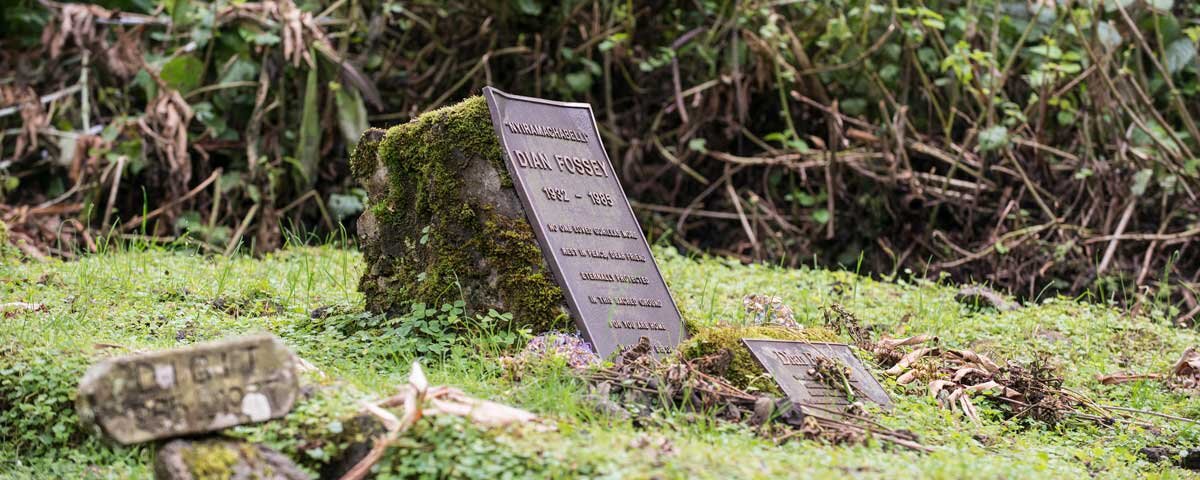
Can I visit Dian Fossey’s grave in Rwanda?
Can I visit Dian Fossey’s grave in Rwanda? Yes, you can visit Dian Fossey’s grave in Rwanda, and this experience stands as one of the most meaningful conservation journeys in Africa. The topic “Can I visit Dian Fossey’s grave in Rwanda?” attracts travelers who want more than wildlife viewing because it connects deep history, science, and emotional storytelling inside the mountains of Rwanda. The grave sits within the high slopes of the Virunga volcanic range in the famous Dian Fossey area, inside what once served as her research base. Today, travelers reach it through guided treks in Volcanoes National Park, where gorilla conservation still continues. Visitors do not simply walk to a tourist site; they follow forest trails that lead to a legacy that shaped modern gorilla protection. This journey combines nature, history, and respect for wildlife in a powerful way that strengthens Rwanda’s position as a leading eco tourism destination.
Best Rwanda Gorilla Trekking Tours
7 Days wildlife & Gorilla Tour
Where is Dian Fossey’s Grave Located in Rwanda?
Dian Fossey’s grave lies in the misty forests of northern Rwanda inside Volcanoes National Park. The site rests near the former Karisoke Research Center, which Fossey established between Mount Karisimbi and Mount Bisoke. This remote location reflects her dedication to living close to mountain gorillas and studying them in their natural habitat. Visitors often feel the strong emotional atmosphere of the area because it sits deep in dense vegetation with cool mountain air and constant bird sounds.
The grave site also includes memorials to several gorillas that played important roles in Fossey’s research. As travelers approach the area, they walk through thick bamboo forests that form part of the gorilla ecosystem. Park guides lead every visit to ensure safety and environmental protection. The location does not allow independent travel because conservation rules protect both the site and the wildlife around it. This careful control helps preserve the authenticity of the experience and maintains respect for Fossey’s legacy in Rwanda’s conservation history.
How to Visit Dian Fossey’s Grave
Visitors access Dian Fossey’s grave through a guided trek starting from Volcanoes National Park headquarters. The journey begins early in the morning after a briefing with park rangers. Travelers join small groups and follow experienced guides who understand the forest terrain and wildlife behavior. The hike usually takes several hours depending on pace and weather conditions, and it requires moderate physical fitness.
Along the way, trekkers pass through bamboo forests, open grassland edges, and thick jungle paths. The trek offers chances to see birds, monkeys, and sometimes even signs of mountain gorillas. Every step builds anticipation as visitors move closer to the historical site. When reaching the grave, guides explain Fossey’s work, her conservation mission, and her impact on gorilla survival in Rwanda. The emotional moment often leaves a strong impression on visitors who realize how much effort she invested in protecting endangered species.
To join the trek, travelers must purchase park permits, follow conservation rules, and respect all guidelines provided by rangers. Rwanda’s tourism system ensures sustainability while giving visitors a safe and meaningful experience.
The Legacy of Dian Fossey in Rwanda
Dian Fossey dedicated her life to studying and protecting mountain gorillas in Rwanda. She worked for many years in the high volcanic mountains and developed close observation methods that changed global understanding of primate behavior. Her research highlighted the dangers that gorillas faced from poaching and habitat loss. Because of her efforts, global awareness of gorilla conservation increased significantly.
Her work inspired stronger wildlife protection policies in Rwanda and across Central Africa. Today, conservation programs in Volcanoes National Park continue her mission by protecting gorilla families and supporting eco-tourism. Local communities also benefit through tourism revenue sharing, which encourages long term conservation support.
Visitors who reach her grave often reflect on her determination and sacrifice. She lived in isolation, faced many challenges, and still continued her mission until her final days. Her legacy remains active in Rwanda’s tourism industry, especially in gorilla trekking experiences that attract visitors from around the world. This connection between history and present day conservation makes her grave more than a memorial. It becomes a symbol of environmental commitment and scientific dedication.
What to Expect During the Visit
A visit to Dian Fossey’s grave offers a unique combination of hiking, history, and wildlife exploration. Travelers should expect a forest trek that demands stamina but rewards effort with unforgettable scenery. The trail passes through rich biodiversity zones where nature remains untouched and pure.
At the gravesite, visitors find a peaceful clearing surrounded by lush vegetation. The atmosphere feels calm, respectful, and reflective. Guides share stories about Fossey’s life, her challenges, and her achievements in gorilla conservation. Many visitors take time to reflect quietly and appreciate the importance of protecting endangered species.
Weather in the region can change quickly, so visitors should prepare for rain, mist, and cool temperatures. Good hiking boots, water, and lightweight outdoor clothing improve comfort during the trek. Photography is usually allowed, but visitors must follow park guidelines and maintain respect for the site.
This experience stands out because it combines emotional history with physical adventure. It also connects deeply with Rwanda’s identity as a global leader in conservation tourism.
Travel Tips for Visiting Dian Fossey’s Grave
Travelers planning to visit Dian Fossey’s grave should prepare carefully to enjoy the experience fully. First, booking permits early helps secure a place because the number of visitors remains limited to protect the environment. Second, physical preparation matters since the hike includes steep and uneven terrain.
Visitors should wear strong hiking shoes and carry rain gear because mountain weather changes quickly. Hiring a porter also supports local communities and makes the trek easier. Staying hydrated and moving at a steady pace helps maintain energy throughout the hike.
Respect for conservation rules remains essential. Travelers should listen to guides, avoid disturbing wildlife, and follow all instructions. These actions help preserve the site for future generations.
Most importantly, visitors should approach the journey with patience and curiosity. The experience goes beyond tourism and becomes a lesson in conservation, resilience, and environmental responsibility. Rwanda continues to protect this heritage site, making it accessible while maintaining its natural integrity.
Conclusion
Travelers can visit Dian Fossey’s grave in Rwanda through guided treks inside Volcanoes National Park, where her legacy continues to inspire global conservation efforts. The journey offers more than a hike because it connects visitors to the life of Dian Fossey and the ongoing protection of mountain gorillas. This experience strengthens Rwanda’s position as a leading destination for responsible tourism and wildlife conservation. Anyone seeking meaningful travel in Africa will find this visit powerful, educational, and deeply memorable.