

Can I visit tea plantations in Rwanda
July 16, 2026
Is Kigali safe for tourists
July 16, 2026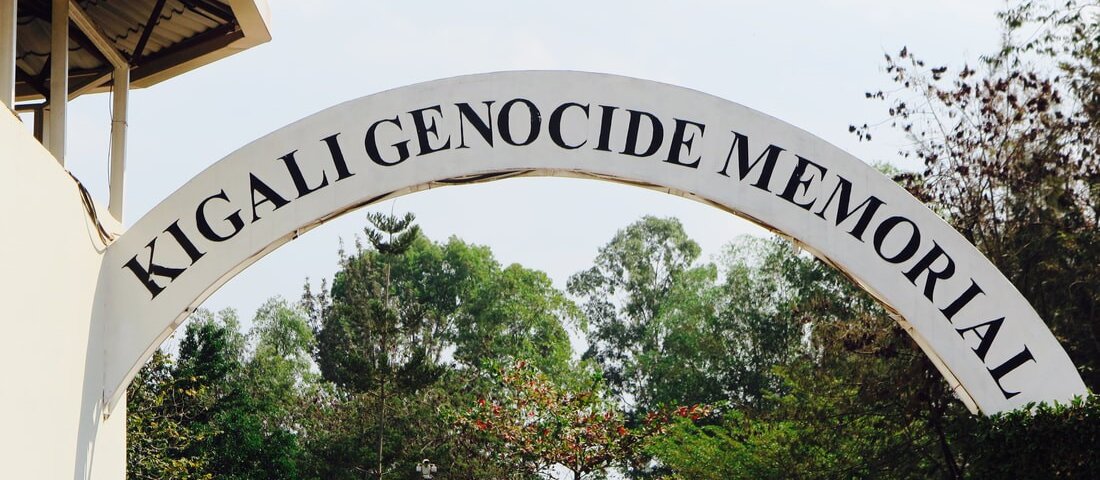
Can I Visit the Kigali Genocide Memorial?
Can I Visit the Kigali Genocide Memorial? Yes, you can visit the Kigali Genocide Memorial, and the experience offers one of the most powerful and educational journeys in Rwanda. The memorial welcomes visitors from around the world who want to learn about Rwanda’s history, honor the victims of the 1994 Genocide against the Tutsi, and understand the country’s remarkable recovery journey. Located in the heart of Kigali, the memorial stands as a place of remembrance, peace, education, and hope. Travelers who visit Rwanda often include this important site in their itinerary because it provides deep insight into the nation’s resilience and transformation. A visit to the memorial creates a meaningful connection with Rwanda’s culture, history, and people while helping travelers appreciate the country beyond its wildlife and scenic landscapes.
Best Rwanda Gorilla Trekking Tours
7 Days wildlife & Gorilla Tour
Understanding the Kigali Genocide Memorial
The Kigali Genocide Memorial serves as the final resting place for more than 250,000 victims of the 1994 Genocide against the Tutsi. Since its establishment, the memorial has become one of the most visited historical and educational sites in Rwanda. Visitors enter a peaceful environment designed to encourage reflection, learning, and respect. The memorial presents detailed exhibitions that explain the causes, events, and consequences of the genocide while also highlighting stories of survival and unity.
The center combines emotional storytelling with historical education in a professional and organized manner. Audio guides help visitors move through the exhibitions at their own pace, which creates a personal and immersive experience. In addition, the memorial includes gardens and burial grounds that provide quiet spaces for reflection. Many travelers leave the memorial with a greater understanding of Rwanda’s history and a stronger appreciation for the country’s commitment to reconciliation and peacebuilding.
The memorial also plays an important role in global education against genocide and violence. As a result, students, researchers, diplomats, and international travelers continue to visit throughout the year. This educational value strengthens Rwanda’s reputation as a destination that offers both meaningful cultural experiences and unforgettable safari adventures.
What to Expect During Your Visit
A visit to the memorial begins with a calm and respectful atmosphere that immediately sets the tone for the experience. The exhibitions use photographs, videos, personal stories, and historical information to guide visitors through Rwanda’s tragic past and inspiring recovery. The displays remain well organized and easy to understand, which makes the memorial accessible to visitors from different backgrounds and age groups.
Many visitors spend between two and three hours exploring the memorial because the exhibitions contain detailed information and emotional testimonies. The experience can feel intense at times, yet it also reveals Rwanda’s incredible strength and determination to rebuild. Along the way, visitors gain valuable insight into how unity, leadership, and community healing transformed Rwanda into one of Africa’s safest and cleanest countries.
The memorial staff maintains a welcoming and professional approach while ensuring that visitors respect the dignity of the site. Quiet behavior and modest dressing remain important throughout the visit. Photography rules apply in certain sections, so travelers should always follow guidance provided at the entrance.
Visitors often combine the memorial tour with other attractions in Kigali, including local markets, art galleries, restaurants, and cultural centers. This combination allows travelers to experience both Rwanda’s history and its vibrant modern identity.
Why does the Memorial Matters to Rwanda Tourism?
The Kigali Genocide Memorial holds great importance within Rwanda’s tourism industry because it introduces travelers to the country’s authentic story. While Rwanda attracts global attention for gorilla trekking and luxury safaris, cultural and historical tourism continues to grow rapidly. Visitors increasingly seek experiences that create emotional connection, cultural understanding, and educational value.
The memorial gives travelers an opportunity to understand Rwanda beyond wildlife tourism. It demonstrates how the country overcame immense tragedy and built a future based on reconciliation, development, and national unity. This powerful message inspires many visitors and leaves a lasting impression long after their journey ends.
Tourism experts recognize that meaningful travel experiences strengthen visitor engagement and encourage responsible tourism. Therefore, the memorial contributes significantly to Rwanda’s image as a destination that values education, remembrance, and cultural preservation. Travelers who visit often describe the experience as life changing because it deepens their understanding of humanity, resilience, and peace.
For tourism brands operating in Africa, promoting destinations like Rwanda through authentic storytelling builds credibility and trust among global audiences. Travelers appreciate destinations that offer both adventure and meaningful cultural experiences. As a result, Rwanda continues to stand out as one of Africa’s leading destinations for experiential and educational tourism.
What is the best Time to Visit the Kigali Genocide Memorial?
Travelers can visit the Kigali Genocide Memorial throughout the year because Rwanda enjoys a relatively mild climate. However, many visitors prefer traveling during the dry seasons from June to September and from December to February. These months provide comfortable conditions for exploring Kigali and combining the memorial visit with gorilla trekking or wildlife safaris.
Morning visits often provide a quieter and more reflective atmosphere. Early hours also allow visitors enough time to absorb the exhibitions without feeling rushed. Since the experience can become emotionally heavy, many travelers choose to schedule lighter activities afterward, such as city tours, coffee experiences, or visits to cultural centers.
April remains a particularly significant month in Rwanda because the country commemorates the genocide through national remembrance events known as Kwibuka. During this period, the memorial becomes especially meaningful as communities gather to honor victims and promote messages of unity and healing. Visitors during this time should remain highly respectful because commemorations hold deep emotional importance for Rwandans.
Travelers should also prepare emotionally before visiting the memorial. Although the experience can feel challenging, it creates valuable understanding and encourages meaningful reflection. Many visitors describe the memorial as an essential part of experiencing Rwanda responsibly and respectfully.
Visitor Tips for a Respectful Experience
Planning ahead helps visitors enjoy a more meaningful and respectful experience at the memorial. Wearing modest clothing demonstrates cultural sensitivity and respect for the victims honored at the site. Visitors should also maintain quiet behavior throughout the exhibitions and gardens because many people come to reflect and pay tribute.
Taking time to read the displays carefully improves the overall experience. The memorial contains extensive historical information that helps visitors understand both the causes of the genocide and Rwanda’s recovery journey. Audio guides also enhance the visit because they provide deeper explanations and personal stories.
Travelers should prepare for an emotional experience since some exhibitions contain graphic images and difficult stories. However, the memorial balances these painful realities with messages of hope, resilience, and reconciliation. This balance allows visitors to leave with both knowledge and inspiration.
Combining the memorial visit with other cultural activities creates a fuller understanding of modern Rwanda. Visitors can explore Kigali’s growing arts scene, enjoy local cuisine, or learn about traditional Rwandan culture through community experiences. These activities highlight the country’s remarkable transformation and vibrant future.
Can I visit the Kigali Genocide Memorial? Absolutely, and the experience offers far more than a simple tourist activity. The Kigali Genocide Memorial provides an opportunity to honor history, learn valuable lessons about humanity, and witness Rwanda’s inspiring journey of recovery and unity. For travelers seeking authentic African experiences, the memorial stands as one of the continent’s most meaningful cultural and historical destinations.