What is the Cheapest Way to Do Gorilla Trekking in Rwanda
June 30, 2026
What Makes Rwanda Safaris Unique
June 30, 2026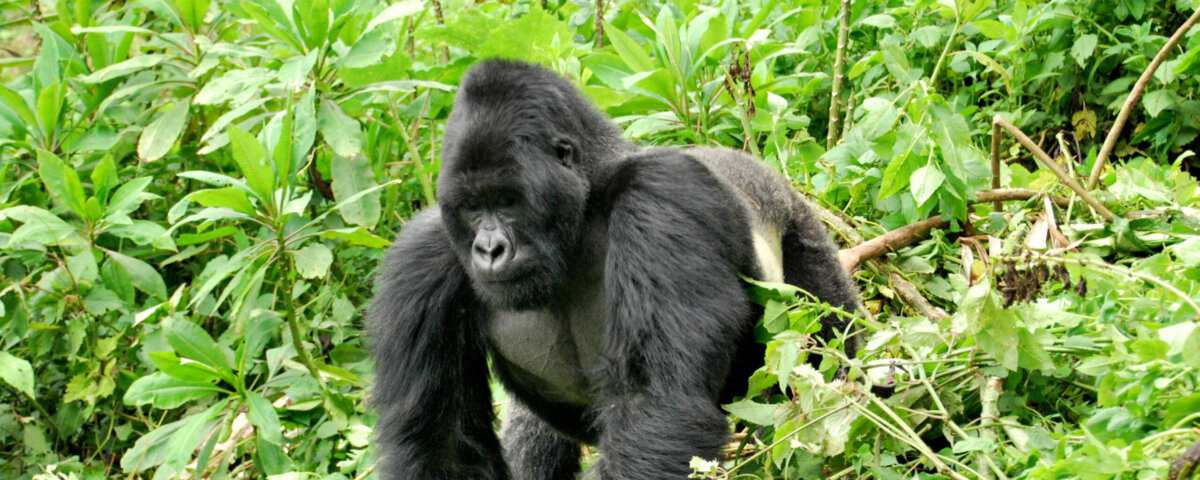
What is the Difference Between Gorilla Trekking and Gorilla Habituation?
The difference between gorilla trekking and gorilla habituation mainly comes from the time spent with gorillas, the purpose of the experience, and the level of interaction visitors enjoy in the forest. Gorilla trekking allows travelers to spend one hour with a fully habituated gorilla family, while gorilla habituation gives visitors up to four hours with semi habituated gorillas that are still getting used to human presence. Both experiences happen in East Africa and offer unforgettable wildlife encounters, yet each adventure creates a completely different feeling in the jungle.
Travelers who visit Africa for gorilla safaris often compare these two activities before booking a trip. Understanding the differences helps visitors choose the right experience based on budget, fitness level, photography goals, and personal interests. Gorilla trekking suits travelers looking for a shorter and comfortable encounter, while gorilla habituation fits adventurous travelers who want a deeper and more immersive wildlife experience. Both activities support conservation and strengthen tourism in Africa, especially in Uganda and Rwanda.
Best Rwanda Gorilla Trekking Tours
7 Days wildlife & Gorilla Tour
Understanding Gorilla Trekking
Gorilla trekking is one of the most popular wildlife experiences in Africa. During this activity, visitors hike through tropical forests to find a fully habituated gorilla family. Rangers and trackers guide tourists through the jungle while following fresh gorilla trails, nests, and feeding signs. Once the group finds the gorillas, visitors spend one hour observing them in their natural habitat.
This experience takes place mainly in Bwindi Impenetrable National Park, Mgahinga Gorilla National Park, and Volcanoes National Park. Gorilla trekking attracts travelers from around the world because it combines adventure, photography, nature, and conservation into one unforgettable safari activity.
The trek itself may last from one hour to several hours depending on the movement of the gorilla family. Some gorillas stay close to the starting point, while others move deeper into the forest. Visitors need moderate fitness because the terrain often becomes steep, muddy, and slippery. However, the reward at the end of the hike makes every step worthwhile. Watching gorillas feed, groom, play, and interact with each other creates powerful memories that last forever.
Gorilla trekking also supports local communities and wildlife protection programs. Permit fees contribute directly to conservation efforts, anti-poaching activities, and community development projects around gorilla habitats.
Understanding Gorilla Habituation
Gorilla habituation is a more intense and immersive wildlife experience. This activity allows visitors to join researchers, conservationists, and trackers as they help wild gorillas become comfortable around humans. Unlike trekking, habituation focuses on gorilla groups that still fear human contact and continue adapting to controlled tourism encounters.
The experience mainly takes place in the southern sector of Bwindi Impenetrable National Park. Travelers spend up to four hours with the gorillas once trackers locate them. This extended time creates a rare opportunity to observe deeper gorilla behavior, communication patterns, feeding habits, and social interactions.
Gorilla habituation usually starts very early in the morning because trackers search for the gorillas before tourists arrive. The trek may become longer and more challenging since semi habituated gorillas move unpredictably through dense forest areas. Visitors often hike through thick vegetation, steep hills, and muddy trails for several hours.
This activity appeals strongly to wildlife photographers, researchers, primate lovers, and travelers seeking exclusive experiences. The longer viewing time allows photographers to capture better moments and different gorilla behaviors without rushing. In addition, habituation groups receive fewer visitors each day, making the experience feel more private and personal.
Because of the exclusive nature of the activity, gorilla habituation permits cost more than standard trekking permits. However, many travelers consider the experience worth every dollar because of the deeper connection with nature and conservation work.
Time Spent with Gorillas
One major difference between gorilla trekking and gorilla habituation involves the amount of time visitors spend with the gorillas. Gorilla trekking gives tourists one hour after locating the gorilla family. This rule protects the gorillas from excessive human exposure while allowing visitors enough time for observation and photography.
During the one-hour encounter, travelers watch the gorillas eat, rest, climb trees, and interact with family members. Rangers monitor visitor behavior closely to maintain safe distances and minimize disturbance. Although the hour feels short, the experience remains emotional and exciting because visitors finally stand only a few meters away from endangered mountain gorillas.
On the other hand, gorilla habituation offers four hours with the gorillas. This longer period creates a more relaxed and educational experience. Visitors observe the gorillas without pressure or rushing from one moment to another. Travelers gain time to understand gorilla personalities, dominance structures, parenting behaviors, and communication styles.
The extended interaction also benefits photographers because lighting conditions change throughout the day. Travelers can patiently wait for stronger photo opportunities and unique wildlife moments. Moreover, the longer stay allows guests to ask more questions and learn directly from researchers and guides working in the field.
Travelers who value deeper wildlife immersion usually prefer habituation, while visitors with tighter schedules often choose trekking.
Difficulty and Fitness Levels
Both gorilla trekking and gorilla habituation require physical fitness, but habituation usually demands more energy and endurance. Gorilla trekking ranges from easy to difficult depending on the location of the gorilla family. Some treks finish within a few hours, while others require climbing steep slopes and crossing dense forest sections.
Visitors should prepare for muddy trails, sudden rainfall, and uneven terrain. Good hiking boots, rain jackets, gloves, and walking sticks improve comfort during the trek. Despite the physical challenge, guides adjust gorilla groups according to visitor fitness levels whenever possible.
Gorilla habituation becomes more demanding because tourists follow semi habituated gorillas that move freely without established patterns. The search often lasts longer, and the terrain may become rougher. Travelers spend an entire day in the forest, which requires stronger stamina and mental preparation.
However, both experiences remain achievable for most travelers with reasonable fitness levels. Porters also help visitors carry bags and provide support during difficult sections of the hike. Hiring a porter not only improves comfort but also supports local livelihoods around gorilla conservation areas.
Travelers should prepare physically before the safari by walking regularly, staying hydrated, and carrying lightweight gear. Strong preparation helps visitors enjoy the experience fully without exhaustion.
Permit Costs and Availability
Permit prices create another important difference between gorilla trekking and gorilla habituation. Gorilla trekking permits usually cost less than habituation permits because the experience involves shorter viewing time and accommodates more tourists daily.
In Uganda, gorilla trekking permits attract travelers looking for affordable luxury wildlife experiences. Rwanda also offers gorilla trekking, though permits there often cost more because of the country’s high end tourism approach and easier accessibility from Kigali.
Gorilla habituation permits cost significantly higher due to the exclusive nature of the activity. Only a few visitors join each habituation group daily, which creates privacy and minimizes stress on the gorillas. The higher permit price also supports long term conservation and research efforts.
Travelers should book permits several months in advance, especially during peak travel seasons from June to September and December to February. Demand continues growing because gorilla safaris remain among Africa’s top bucket list experiences.
Tour operators often organize complete safari packages that include permits, accommodation, transport, meals, and guiding services. Booking through experienced safari companies helps travelers secure permits smoothly and avoid last minute disappointments.
Which Experience is Better for You?
Choosing between gorilla trekking and gorilla habituation depends on personal interests, travel goals, budget, and adventure level. Gorilla trekking works perfectly for travelers seeking a classic gorilla safari experience with moderate hiking and shorter forest time. Families, first time safari travelers, and visitors with limited schedules often prefer trekking because it balances adventure and comfort.
In contrast, gorilla habituation suits travelers searching for deeper wildlife encounters and more time with gorillas. Wildlife photographers, conservation enthusiasts, and repeat safari travelers usually appreciate the exclusivity and educational value of habituation experiences.
Budget also influences the decision. Travelers looking for lower safari costs may choose trekking, while those willing to invest more for exclusivity often select habituation. Fitness level matters too because habituation can become physically demanding due to longer hours in the jungle.
Both activities create life changing moments and unforgettable memories. Standing face to face with mountain gorillas in the African rainforest delivers powerful emotions that few wildlife experiences can match anywhere in the world.
conclusion
The difference between gorilla trekking and gorilla habituation comes down to experience depth, time spent with gorillas, physical challenge, and conservation involvement. Gorilla trekking offers a shorter yet thrilling encounter with fully habituated gorillas, while gorilla habituation provides a longer and more immersive adventure with semi habituated gorilla families still adapting to human presence.
Both experiences showcase the beauty of Africa’s mountain gorillas and support important conservation programs that protect these endangered primates for future generations. Whether travelers choose trekking or habituation, the journey into the rainforest creates meaningful memories, deeper appreciation for wildlife, and stronger connections with Africa’s natural heritage. For travelers planning an unforgettable safari in Uganda or Rwanda, understanding the difference between gorilla trekking and gorilla habituation helps create the perfect gorilla adventure.