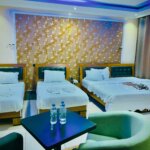
Best View Hotel Rwanda
February 5, 2026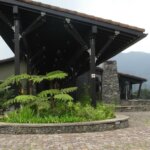
Nyungwe Forest Lodge
February 18, 2026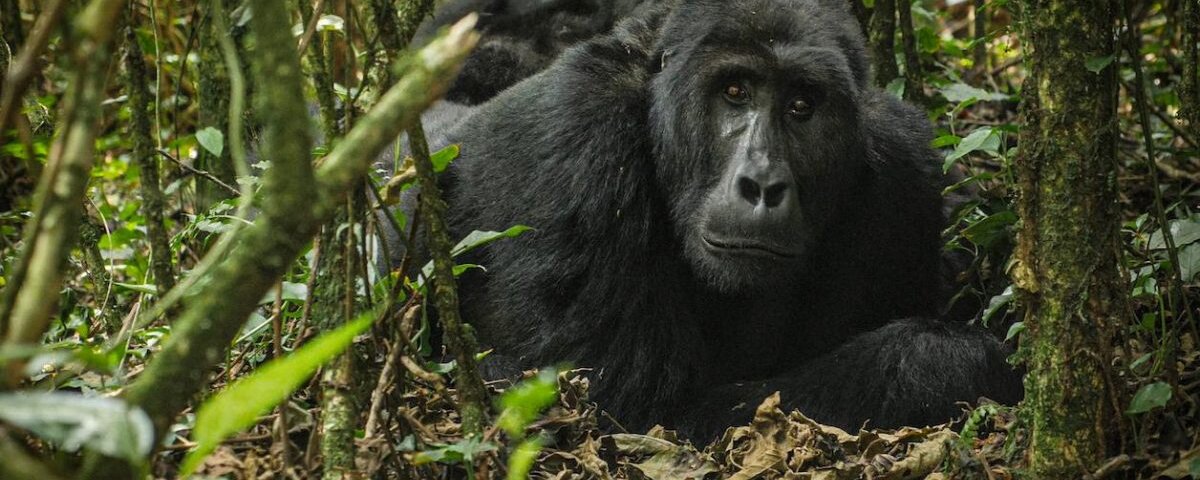
How to plan for gorilla trekking in Uganda 2026 – 2027
Planning a gorilla trekking safari in Uganda for 2026 – 2027 requires clear timing, early permits, and the right travel partner. First, secure your gorilla permit because availability remains limited all year. Uganda allows only a small number of visitors per gorilla family each day. Therefore, booking at least 4–6 months in advance gives you the best chance to choose your preferred trekking sector. Next, select the right season. Dry months offer easier hiking conditions, while green months provide fewer crowds and richer scenery. After that, plan your transport carefully. Most travelers drive from Entebbe to southwestern Uganda, although scheduled domestic flights reduce travel time.
In addition, prepare physically before the trip. Gorilla trekking takes place in mountainous rainforest with steep slopes and uneven trails. Regular walking, light hiking, and stretching improve your comfort during the trek. Packing also plays a major role. You need waterproof hiking boots, long trousers, gloves for gripping vegetation, and a rain jacket because forest weather changes quickly. Hiring a local porter supports community livelihoods and makes the hike easier.
Choose a trusted, licensed Ugandan tour operator with strong conservation ethics and experienced guides. A professional company handles permits, accommodation, transport, and park briefings. This approach removes stress and improves safety. Finally, combine gorilla trekking with other Uganda experiences such as chimpanzee tracking, game drives, and cultural encounters. A well-planned itinerary turns a single trek into a complete African safari that delivers value, comfort, and unforgettable wildlife moments.
About Mountain Gorillas
Mountain gorillas live only in the high-altitude forests of Uganda, Rwanda, and the Democratic Republic of Congo. Uganda protects more than half of the world’s remaining population, which makes the country the leading destination for sustainable gorilla tourism. These gentle primates live in family groups led by a dominant silverback. Each group shows unique social behavior, playful juveniles, and strong maternal care. Watching them interact at close range creates one of the most powerful wildlife encounters on Earth.
Gorillas share over 98 percent of their DNA with humans. Because of this close relationship, visitors must follow strict conservation rules. Trekkers keep a safe distance, avoid flash photography, and limit viewing time to one hour. These guidelines protect gorillas from human diseases and reduce stress. Every permit contributes directly to conservation funding, ranger patrols, veterinary care, and community projects. As a result, tourism plays a vital role in protecting gorilla habitat.
Uganda’s conservation success story demonstrates how responsible tourism supports wildlife recovery. Gorilla numbers have increased steadily due to strong protection and community involvement. Local communities benefit from employment, revenue sharing, and infrastructure development. This model creates long-term sustainability for both people and wildlife. Therefore, choosing Uganda for gorilla trekking supports ethical travel and meaningful conservation impact.
Where can I trek gorillas in Uganda? Gorilla Trekking in Uganda 2026 – 2027
Uganda offers two exceptional gorilla trekking destinations: Bwindi Impenetrable National Park and Mgahinga Gorilla National Park. Both parks lie within the Virunga conservation landscape and protect critical mountain gorilla habitat. However, each destination provides a different trekking experience.
Bwindi remains the most popular location because it hosts the highest number of habituated gorilla families. The park features four trekking sectors, each with distinct terrain, lodge options, and gorilla groups. This variety allows travelers to choose between luxury, mid-range, and budget experiences. In addition, Bwindi supports strong cultural encounters with the Batwa community and offers birding opportunities for nature enthusiasts.
Mgahinga, on the other hand, delivers a quieter and more exclusive experience. The park contains one habituated gorilla family and dramatic volcanic scenery. Trekkers enjoy open bamboo forests, clear views of the Virunga volcanoes, and the chance to combine gorilla trekking with golden monkey tracking. Because visitor numbers remain lower, Mgahinga suits travelers who prefer privacy and less crowded trails.
Both parks provide professional ranger guides, safety briefings, and organized trekking groups. The choice depends on your travel style, accommodation preference, and overall itinerary. Either destination guarantees an intimate and life-changing encounter with mountain gorillas.
Gorilla Trekking in Bwindi Impenetrable National Park
Bwindi Impenetrable National Park offers the most diverse gorilla trekking experience in Africa. The park’s ancient rainforest, steep ridges, and mist-covered valleys create a dramatic setting for wildlife exploration. Bwindi hosts more than 20 habituated gorilla families spread across four sectors. This wide distribution increases permit availability and allows flexible itinerary planning.
Treks begin early with a ranger briefing that explains safety rules, gorilla behavior, and trekking expectations. Groups then enter the forest and follow fresh gorilla trails guided by trackers who locate the families each morning. The hike may take one to six hours depending on gorilla movement. Along the way, visitors encounter dense vegetation, colorful birds, and unique forest sounds. Once the gorillas appear, the one-hour viewing period begins. This moment delivers deep emotional impact and extraordinary photography opportunities.
Bwindi also supports community tourism initiatives. Visitors can participate in cultural walks, local coffee experiences, and traditional performances. Revenue from tourism funds schools, clinics, and conservation programs. Therefore, every trek contributes to long-term sustainability.
Accommodation ranges from luxury lodges overlooking the forest canopy to comfortable mid-range and budget camps. This variety allows Bwindi to serve different travel markets while maintaining high conservation standards. For travelers seeking the richest gorilla trekking diversity, Bwindi remains the top choice.
Buhoma Sector of Bwindi Impenetrable National Park
Buhoma lies in the northern part of Bwindi Impenetrable National Park and represents the park’s original trekking area. This sector offers well-established trails, reliable gorilla families, and excellent lodge infrastructure. Many travelers choose Buhoma because it combines accessibility with classic rainforest scenery.
The sector hosts several habituated gorilla groups, including some of the longest-studied families. Treks here often follow gentler slopes compared to other sectors, although conditions still require good fitness. In addition, Buhoma provides strong community tourism experiences. Visitors can join guided village walks, meet local artisans, and learn about traditional farming practices. These interactions create cultural depth beyond wildlife viewing.
Buhoma also connects easily with other Uganda safari destinations. Travelers can combine gorilla trekking with game drives in Queen Elizabeth National Park, especially the Ishasha sector famous for tree-climbing lions. This route creates a balanced itinerary that blends primates and savannah wildlife.
Lodging in Buhoma ranges from luxury forest lodges to comfortable mid-range options. Many properties offer panoramic views of the canopy and personalized service. Therefore, Buhoma suits travelers who value convenience, history, and diverse safari combinations.
Ruhija Sector Bwindi Impenetrable National Park: Gorilla Trekking in Uganda 2026 – 2027
Ruhija sits in the eastern highlands of Bwindi Impenetrable National Park and offers a quieter trekking environment. The altitude creates cooler temperatures and sweeping views across the forest. This sector attracts travelers who prefer fewer crowds and strong birdwatching opportunities.
Ruhija hosts several habituated gorilla families that live in rugged terrain. Treks here can be more challenging due to steeper slopes and higher elevation. However, the scenery rewards every step. Thick bamboo zones, moss-covered trees, and open ridgelines create diverse habitats. Bird lovers often record rare Albertine Rift species during the hike, which adds value beyond gorilla encounters.
Accommodation in Ruhija remains more limited compared to Buhoma and Rushaga. However, this exclusivity enhances the wilderness feel. Lodges focus on eco-friendly operations and personalized guiding. Travelers who enjoy remote landscapes and immersive forest experiences find Ruhija highly rewarding.
Because of its elevation, Ruhija often experiences misty mornings that create dramatic photography conditions. Therefore, this sector appeals to nature photographers and adventure travelers seeking a more demanding trek with fewer visitors.
Rushaga Sector Bwindi Impenetrable National Park
Rushaga, located in southern Bwindi Impenetrable National Park, offers the highest number of habituated gorilla families in the park. This concentration increases permit availability and makes Rushaga ideal for travelers booking on shorter notice. The sector also hosts the gorilla habituation experience, which allows visitors to spend up to four hours with a gorilla group under research supervision.
The terrain in Rushaga varies from moderate hills to steep forested slopes. Treks range in difficulty, but experienced guides match groups based on fitness levels. The landscape features open valleys, thick vines, and panoramic viewpoints across the Virunga region. This diversity enhances the trekking journey and creates excellent photography opportunities.
Rushaga connects easily with Nkuringo and Mgahinga, which allows flexible cross-border itineraries to Rwanda. Many travelers choose this route for efficient travel planning. In addition, community projects in Rushaga benefit directly from tourism revenue. Visitors can join cultural visits and support local initiatives that promote conservation.
Lodging options include luxury lodges with volcano views, comfortable mid-range facilities, and budget guesthouses. This wide range makes Rushaga suitable for different travel budgets while maintaining high-quality trekking standards.
Nkuringo Sector Bwindi Impenetrable National Park: Gorilla Trekking in Uganda 2026 – 2027
Nkuringo lies in the southwestern corner of Bwindi Impenetrable National Park and offers the most physically demanding treks. The sector sits at higher elevation with steep ridges and deep valleys. However, the effort delivers spectacular scenery and a strong sense of wilderness.
Trekkers often hike through dramatic landscapes with sweeping views of the Virunga volcanoes and terraced hillsides. The gorilla families in Nkuringo move across rugged terrain, which creates longer and more adventurous treks. Therefore, this sector suits fit travelers who enjoy challenging hikes.
Nkuringo provides an intimate and exclusive atmosphere. Visitor numbers remain lower than in other sectors, which enhances privacy during the trek. In addition, the Nkuringo community conservation model stands as one of Uganda’s best examples of tourism-driven development. Local initiatives support schools, clean water projects, and sustainable farming.
Lodges in Nkuringo focus on eco-luxury and personalized service. Many properties offer breathtaking sunset views and guided nature walks. For travelers seeking adventure, scenery, and meaningful community engagement, Nkuringo delivers a powerful gorilla trekking experience.
Gorilla Trekking in Mgahinga
Mgahinga Gorilla National Park offers a unique and tranquil alternative to Bwindi. The park protects one habituated gorilla family and forms part of the Virunga volcanic landscape. The scenery includes bamboo forests, lava slopes, and dramatic volcanic peaks. This environment creates a different trekking experience compared to Bwindi’s dense rainforest.
Treks in Mgahinga often start at higher elevation but follow clearer trails through bamboo zones. The open vegetation allows better visibility and easier photography. In addition, Mgahinga offers golden monkey tracking, which adds variety to the itinerary. Visitors can also hike one of the Virunga volcanoes or explore Batwa cultural trails.
Because permit numbers remain limited, Mgahinga provides a quieter and more exclusive experience. Travelers who value solitude and scenic landscapes often prefer this park. Lodging options near the park range from luxury lodges to mid-range and budget accommodations in Kisoro.
Mgahinga suits travelers combining Uganda and Rwanda itineraries because it lies close to the border. This location allows efficient transfers and flexible travel planning.
When is the best time to go: Gorilla Trekking in Uganda 2026 – 2027
Gorilla trekking in Uganda operates all year, but dry seasons offer the most comfortable hiking conditions. The best months include June to September and December to February. Trails remain less muddy, and forest visibility improves. Therefore, these months attract higher demand and require early permit booking.
However, the green seasons of March to May and October to November also provide excellent trekking experiences. The forest becomes lush, photography improves, and visitor numbers decrease. In addition, some lodges offer discounted rates during these periods. Although rain increases, treks still take place daily, and gorillas remain active.
Choosing the best time depends on travel priorities. Dry months favor easier hiking, while wet months offer fewer crowds and richer scenery. Both seasons deliver successful gorilla encounters because gorillas live in the forest year-round.
How difficult is the trek itself?
Gorilla trekking requires moderate fitness and a positive mindset. The terrain includes steep slopes, thick vegetation, and uneven ground. Treks may last between one and six hours depending on gorilla movement. However, experienced rangers adjust trekking groups based on fitness levels to improve comfort and safety.
Hiring a porter greatly reduces physical strain. Porters carry backpacks, provide support on steep sections, and assist with balance in muddy areas. This service also supports local livelihoods. Wearing proper hiking boots, long trousers, and gloves improves comfort and prevents scratches from vegetation.
Altitude and humidity can increase fatigue, so travelers should walk regularly before the trip. Slow pacing, hydration, and following ranger guidance ensure a safe and enjoyable trek. Most visitors complete the hike successfully regardless of age. Therefore, preparation matters more than physical strength.
How much does gorilla trekking in Uganda cost in 2026 –2027?
Uganda offers one of the most competitive gorilla permit prices in Africa. For 2026–2027, a standard foreign non-resident permit costs USD 800 per person. This fee includes park entry, ranger guiding, and one hour with a habituated gorilla family. Foreign residents and East African citizens receive discounted rates.
Additional costs include accommodation, transport, meals, porter services, and optional activities. Budget safaris typically range from USD 1,500 to USD 2,200 per person for a 3-day gorilla tour. Mid-range packages average between USD 2,300 and USD 3,200, while luxury experiences can exceed USD 4,500 depending on lodge selection and flights.
Although the permit represents a significant investment, it delivers exceptional value. The fee supports conservation, protects endangered gorillas, funds ranger patrols, and benefits local communities. Therefore, gorilla trekking in Uganda combines adventure, conservation impact, and authentic African travel.