Can Solo Travelers Do Rwanda Gorilla Trekking
June 28, 2026
How do I prepare for gorilla trekking in Rwanda
June 28, 2026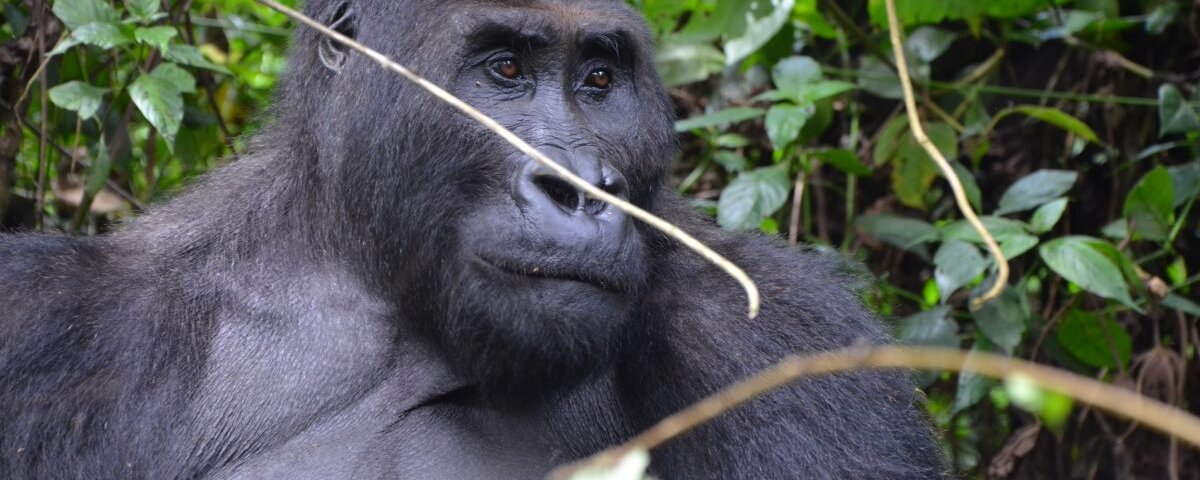
How Close Can You Get to Gorillas in Rwanda?
How Close Can You Get to Gorillas in Rwanda? You can get as close as 7 meters to gorillas in Rwanda during a guided gorilla trekking experience in Volcanoes National Park. This distance protects both visitors and the endangered mountain gorillas while still allowing travelers to enjoy a close and unforgettable wildlife encounter. Rwanda follows strict conservation guidelines that create a safe environment for gorillas and visitors at the same time. As a result, travelers enjoy one of the most personal wildlife experiences in Africa while supporting gorilla conservation and sustainable tourism.
Rwanda has become one of the leading gorilla trekking destinations in the world because of its organized tourism system, conservation success, and exceptional visitor experiences. Every trek combines adventure, education, and conservation. Travelers walk through lush forests, volcanic slopes, and bamboo vegetation before meeting a habituated gorilla family. The experience feels emotional, powerful, and deeply authentic. For many visitors, seeing gorillas up close in Rwanda becomes the highlight of their African safari journey.
Best Rwanda Gorilla Trekking Tours
7 Days wildlife & Gorilla Tour
Gorilla Trekking Distance Rules in Rwanda
Rwanda protects mountain gorillas through strict trekking regulations. The official rule requires visitors to stay at least 7 meters away from the gorillas. This distance reduces the risk of transmitting human diseases to gorillas because mountain gorillas share a large percentage of human DNA and can easily catch human illnesses.
Even though the rule exists, gorillas sometimes move closer to visitors during the trek. These animals live freely in the forest, and curious juveniles may approach tourists out of interest. In such situations, guides instruct visitors to remain calm, avoid sudden movements, and follow ranger directions carefully. The gorillas usually move away after a short moment.
The 7 meter rule also helps maintain natural gorilla behavior. Rwanda focuses heavily on ethical tourism and wildlife conservation. Therefore, park authorities limit the number of trekkers per gorilla family and carefully monitor every interaction. This approach protects the long-term survival of mountain gorillas while giving travelers an intimate wildlife encounter.
Travelers should always listen to guides before and during the trek. The briefing session before entering the forest explains all safety rules, photography guidelines, and behavior expectations. These instructions ensure that the experience remains safe, respectful, and rewarding for everyone involved.
The Gorilla Trekking Experience in Volcanoes National Park
Gorilla trekking in Rwanda takes place inside the famous Volcanoes National Park. This protected area forms part of the larger Virunga Conservation region, which also extends into Uganda and the Democratic Republic of Congo. The park features beautiful volcanic mountains, thick forests, bamboo zones, and rich wildlife habitats.
The trekking experience begins early in the morning at the park headquarters where visitors meet guides and rangers. After a briefing, groups receive assignments to specific gorilla families based on fitness levels and trekking preferences. Each gorilla family allows only a small number of visitors daily, which helps reduce environmental pressure and crowding.
The hike itself can last from one hour to several hours depending on the location of the gorilla family. Some groups stay close to the forest edge while others move deeper into the mountains. Along the way, trekkers enjoy scenic views, birdlife, unique plants, and fresh mountain air. The journey creates excitement because every step brings travelers closer to one of the rarest animals on earth.
Once trekkers find the gorillas, they spend one hour observing them. During this magical moment, visitors watch gorillas feed, groom, rest, play, and interact naturally. Silverbacks display strength and leadership while mothers care for their young. The close encounter creates a strong emotional connection that many travelers never forget.
Why does Rwanda allow Close Gorilla Encounters?
Rwanda allows close gorilla encounters because the country invests heavily in conservation, research, and gorilla habituation programs. Gorilla habituation helps gorillas become comfortable around humans without changing their natural behavior. Experienced trackers and researchers spend years slowly introducing gorillas to human presence in a controlled and respectful way.
This conservation model has helped Rwanda increase mountain gorilla populations while building a strong tourism industry. Gorilla trekking generates revenue that supports national parks, local communities, ranger salaries, and wildlife protection programs. As a result, gorillas have become valuable assets for conservation rather than targets for poaching.
Rwanda also maintains high tourism standards. The country limits daily gorilla permits, trains professional guides, and enforces strict park regulations. These measures create a premium gorilla trekking experience that attracts travelers from around the world. Visitors appreciate the organized tourism system, excellent infrastructure, and strong conservation commitment.
In addition, local communities benefit directly from tourism revenue. Many residents work in lodges, guiding services, handicraft businesses, and cultural tourism projects. This community involvement strengthens conservation efforts because people see direct economic benefits from protecting gorillas and forests.
Safety Measures During Gorilla Trekking
Safety remains a top priority during gorilla trekking in Rwanda. Park authorities follow clear guidelines that protect both tourists and gorillas throughout the experience. Before entering the forest, guides explain the trekking rules and demonstrate proper behavior around gorillas.
Visitors who feel sick should avoid trekking because gorillas can catch respiratory infections from humans. Rangers may prevent sick travelers from participating in order to protect the gorilla families. This rule plays a major role in gorilla conservation and health management.
During the encounter, visitors should avoid direct eye contact with dominant silverbacks because gorillas may interpret intense staring as a challenge. Trekkers should also speak quietly, move slowly, and avoid flash photography. Calm behavior helps maintain a peaceful interaction between humans and wildlife.
Professional armed rangers accompany every trekking group for additional security. These rangers monitor gorilla movements, guide visitors through the forest, and respond quickly if challenges arise. Fortunately, habituated gorillas in Rwanda remain calm and peaceful when visitors follow the rules correctly.
Travelers should also prepare physically for the trek by wearing hiking boots, long trousers, gloves, and waterproof clothing. The forest terrain can become muddy and slippery, especially during rainy seasons. Proper preparation improves comfort and safety during the adventure.
Best Time to See Gorillas Up Close in Rwanda
Travelers can see gorillas in Rwanda throughout the year, but some seasons provide easier trekking conditions and clearer forest trails. The dry seasons from June to September and December to February attract the highest number of visitors because the trails remain less muddy and easier to navigate.
During the dry months, trekkers enjoy better photography conditions and more comfortable hiking experiences. Clearer weather also improves visibility in the forest, allowing visitors to observe gorillas more easily. Therefore, many luxury travelers and photographers prefer visiting Rwanda during these months.
However, the rainy seasons also offer advantages. The forests appear greener, the scenery looks more dramatic, and visitor numbers often decrease. Travelers who visit during low seasons sometimes enjoy quieter trekking experiences and better lodge availability.
Regardless of the season, gorilla trekking remains highly rewarding because Rwanda’s mountain gorillas stay in the forest year-round. The country’s well managed tourism system allows consistent trekking experiences across different months. Visitors should simply choose the season that matches their travel preferences, fitness level, and photography goals.
Booking gorilla permits early remains extremely important because permits sell out quickly, especially during peak travel seasons. Planning in advance helps travelers secure preferred trekking dates and accommodation options.
Conservation and Responsible Tourism in Rwanda
Rwanda has built a global reputation for responsible tourism and wildlife conservation. The country treats mountain gorillas as a national treasure and invests heavily in environmental protection. Gorilla trekking supports conservation by generating funds for park management, anti-poaching operations, scientific research, and community development.
Responsible tourism plays a major role in protecting gorillas for future generations. Visitors contribute directly to conservation through permit fees and eco tourism activities. This financial support encourages sustainable wildlife management while reducing threats to gorilla habitats.
Rwanda also educates local communities about conservation benefits. Community tourism programs, cultural experiences, and local business partnerships create employment opportunities connected to tourism. As a result, communities actively participate in protecting forests and wildlife instead of exploiting them.
Eco friendly lodges and sustainable tourism practices continue strengthening Rwanda’s tourism reputation. Many safari lodges use renewable energy, support local suppliers, and promote environmental awareness among travelers. These efforts position Rwanda as a leader in sustainable African tourism.
Travelers who follow trekking rules and respect wildlife contribute positively to gorilla conservation. Ethical travel choices help ensure that future generations can continue experiencing close gorilla encounters in Rwanda’s beautiful forests.
Conclusion: How Close Can You Get to Gorillas in Rwanda
Visitors can safely observe mountain gorillas from a distance of 7 meters during guided gorilla trekking experiences in Rwanda’s Volcanoes National Park. This carefully managed distance balances unforgettable wildlife encounters with strong conservation practices that protect endangered gorillas and their natural environment.
Rwanda continues leading Africa’s gorilla tourism industry through conservation excellence, responsible tourism, and world class safari experiences. Travelers who visit Rwanda enjoy more than just wildlife viewing because the journey creates emotional connections, supports conservation, and delivers authentic African adventure. Gorilla trekking in Rwanda remains one of the most extraordinary wildlife experiences anywhere in the world.