Can I do luxury gorilla trekking in Rwanda
June 26, 2026
How do I book Rwanda gorilla permits
June 26, 2026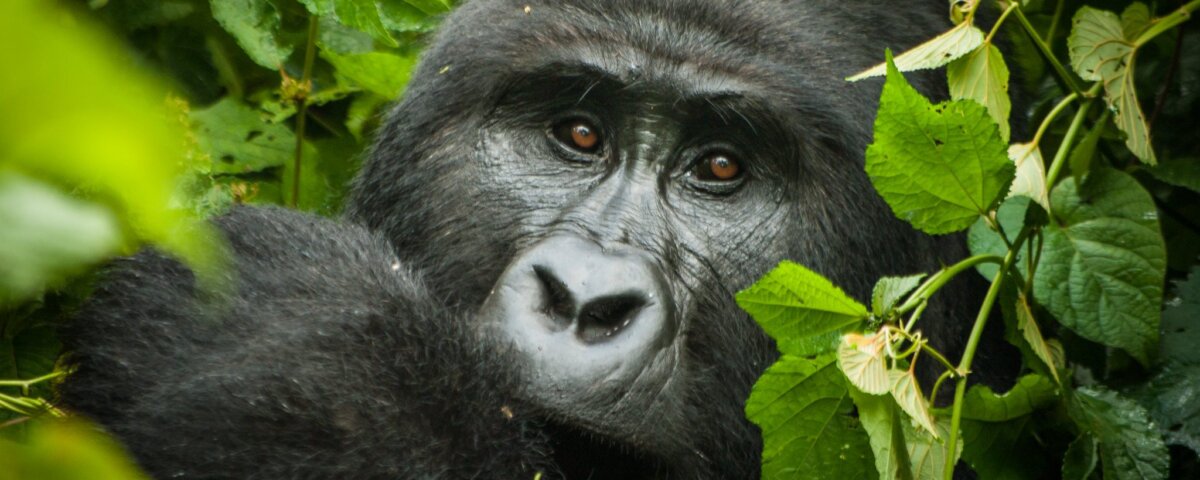
How Difficult is Gorilla Trekking in Rwanda?
How Difficult is Gorilla Trekking in Rwanda? Gorilla trekking in Rwanda can be moderately challenging, but most travelers complete the experience successfully with preparation, patience, and a positive mindset. The trek takes place in the lush forests of Volcanoes National Park, where mountain gorillas live on the slopes of the Virunga Mountains. Some treks last less than one hour, while others may take several hours depending on the location of the gorilla family. The terrain includes muddy trails, steep hills, dense vegetation, and high-altitude conditions. Even though the hike can feel demanding, the reward of standing a few meters away from wild mountain gorillas makes every step worthwhile.
Rwanda remains one of the best destinations in Africa for gorilla trekking because the country offers well organized tourism services, experienced guides, and easier access to gorilla habitats compared to many other destinations. Travelers from around the world visit Rwanda each year to experience this unforgettable wildlife adventure. Understanding the level of difficulty helps travelers prepare properly and enjoy the journey with confidence.
Best Rwanda Gorilla Trekking Tours
7 Days wildlife & Gorilla Tour
Understanding Gorilla Trekking in Rwanda
Gorilla trekking involves hiking through tropical rainforest in search of a habituated gorilla family. Rangers and trackers begin early each morning to locate the gorillas before visitors enter the forest. Once travelers arrive at the briefing point, guides assign groups based on fitness levels, interests, and the estimated location of the gorillas.
The trekking experience varies from day to day because gorillas move freely through the forest. Some groups stay near the lower slopes, while others climb deeper into the mountains. Because of this movement, no two treks feel exactly the same. One traveler may reach the gorillas after a short walk, while another may hike for several hours through rough terrain.
Despite these changing conditions, Rwanda offers one of the most manageable gorilla trekking experiences in Africa. The roads leading to the park remain accessible, and the park staff organize treks professionally. Porters also assist travelers by carrying bags and offering support on slippery trails. These services help reduce the physical burden and allow visitors to focus on the experience itself.
What Makes Gorilla Trekking Difficult?
Several factors influence the difficulty of gorilla trekking in Rwanda. The first challenge comes from the mountainous terrain. Since gorillas live on forested volcanic slopes, trekkers often climb steep paths and walk across uneven ground. During the rainy season, trails become muddy and slippery, which increases the level of difficulty.
Altitude also affects many travelers. Gorilla trekking takes place at elevations between 2,500 and 4,000 meters above sea level. Some visitors experience shortness of breath or fatigue because the air feels thinner at higher elevations. Travelers who come from lower altitude regions may need extra time to adjust during the hike.
Dense vegetation creates another challenge. Guides sometimes use machetes to clear paths through bamboo forests, thick bushes, and tangled vines. Trekkers may need to duck under branches, step over roots, and push through vegetation while following the gorillas. Although these obstacles require effort, guides move at a manageable pace and allow regular breaks along the way.
Weather conditions also play a major role. Rwanda’s rainforest climate changes quickly, and sudden rain showers often occur even during the dry season. Wet clothing, muddy boots, and slippery trails can make the hike feel more demanding. Proper preparation greatly improves comfort during the trek.
How Fit Do You Need to Be?
Travelers do not need to be professional athletes to enjoy gorilla trekking in Rwanda. However, a reasonable level of fitness helps make the experience more comfortable and enjoyable. Most people with average physical health can complete the trek successfully if they prepare in advance and maintain a steady pace.
Walking regularly before the trip helps strengthen the legs and improve endurance. Activities such as hiking, jogging, stair climbing, and long-distance walking prepare the body for the mountainous terrain. Travelers who exercise consistently often find the trek easier and less tiring.
Age alone does not determine trekking ability. Rwanda welcomes many older travelers who successfully complete gorilla treks every year. Park authorities often assign easier gorilla groups to visitors with limited mobility or lower fitness levels. Hiring a porter also makes a significant difference because porters provide balance support and reduce physical strain during steep climbs.
The most important factor involves mental preparation and determination. Gorilla trekking requires patience and flexibility because the duration of the trek remains unpredictable. Travelers who stay positive and pace themselves usually enjoy the journey regardless of the difficulty level.
How Long Does Gorilla Trekking Take?
The length of a gorilla trek in Rwanda depends on the movement of the gorillas and the assigned trekking route. Some visitors reach the gorillas within 30 minutes, while others spend four to six hours hiking before finding them. The experience remains unpredictable because mountain gorillas constantly move through the forest in search of food.
Trekkers begin early in the morning after a briefing at the park headquarters. Guides explain safety rules, trekking expectations, and gorilla behavior before groups head into the forest. Once the gorillas are located, visitors spend one unforgettable hour observing them in their natural habitat.
Longer treks usually feel more difficult because they involve higher elevations, thicker vegetation, and steeper terrain. However, guides monitor the pace carefully and adjust according to the group’s needs. Frequent stops allow trekkers to rest, drink water, and regain energy before continuing.
Travelers should approach gorilla trekking with flexibility rather than focusing only on time. The adventure involves more than reaching the gorillas. The rainforest scenery, birdlife, fresh mountain air, and excitement of tracking gorillas through the jungle all contribute to the experience.
Tips to Make Gorilla Trekking Easier
Proper preparation greatly improves the gorilla trekking experience in Rwanda. Wearing the right clothing and gear helps travelers stay comfortable during the hike. Strong waterproof hiking boots provide better grip on muddy trails, while long trousers and long-sleeved shirts protect against scratches and insect bites.
Travelers should carry enough drinking water and light snacks to maintain energy levels during the trek. A walking stick also helps with balance, especially on steep or slippery sections of the trail. Many lodges and park offices provide walking sticks before the trek begins.
Hiring a porter remains one of the best decisions for many travelers. Porters carry backpacks, assist with difficult sections, and offer encouragement throughout the hike. Their support reduces physical stress and creates employment opportunities for local communities around the park.
Choosing the right season also makes trekking easier. The dry seasons from June to September and December to February usually offer better trail conditions and less mud. Although gorilla trekking takes place year-round, dry months provide more comfortable hiking conditions for most travelers.
Is Gorilla Trekking Worth the Effort?
Gorilla trekking in Rwanda feels absolutely worth the effort because the experience creates powerful and unforgettable memories. Standing face to face with mountain gorillas in their natural habitat delivers a rare emotional connection with wildlife. Watching a silverback protect his family or seeing playful young gorillas interact in the forest creates moments that stay with travelers for life.
Beyond the wildlife encounter, gorilla trekking supports important conservation efforts in Rwanda. Tourism revenue helps protect endangered mountain gorillas, preserve forests, and support local communities. Every trekking permit contributes directly to conservation programs and community development initiatives around the park.
The journey also allows travelers to experience Rwanda’s natural beauty, hospitality, and conservation success story. Clean cities, scenic landscapes, luxury lodges, and professional tourism services continue to position Rwanda as one of Africa’s leading safari destinations.
Although the trek may involve steep hills, muddy trails, and physical effort, the reward surpasses the challenge. The experience combines adventure, wildlife conservation, and personal achievement in one extraordinary journey.
Final Thoughts on How Difficult Is Gorilla Trekking in Rwanda?
How difficult gorilla trekking is in Rwanda depends on fitness levels, weather conditions, and the location of the gorilla family on the trekking day. Some hikes feel easy and short, while others become physically demanding because of steep terrain and high altitude. However, most travelers complete the trek successfully with proper preparation, determination, and guidance from experienced park rangers.
Rwanda continues to offer one of the most accessible and rewarding gorilla trekking experiences in Africa. The country’s excellent tourism infrastructure, organized trekking system, and breathtaking mountain scenery create an unforgettable adventure for travelers from around the world. Even though gorilla trekking requires effort, the opportunity to encounter endangered mountain gorillas in the wild makes the experience truly priceless.