What are the best lodges near Bwindi
June 16, 2026
What should I wear for gorilla trekking
June 17, 2026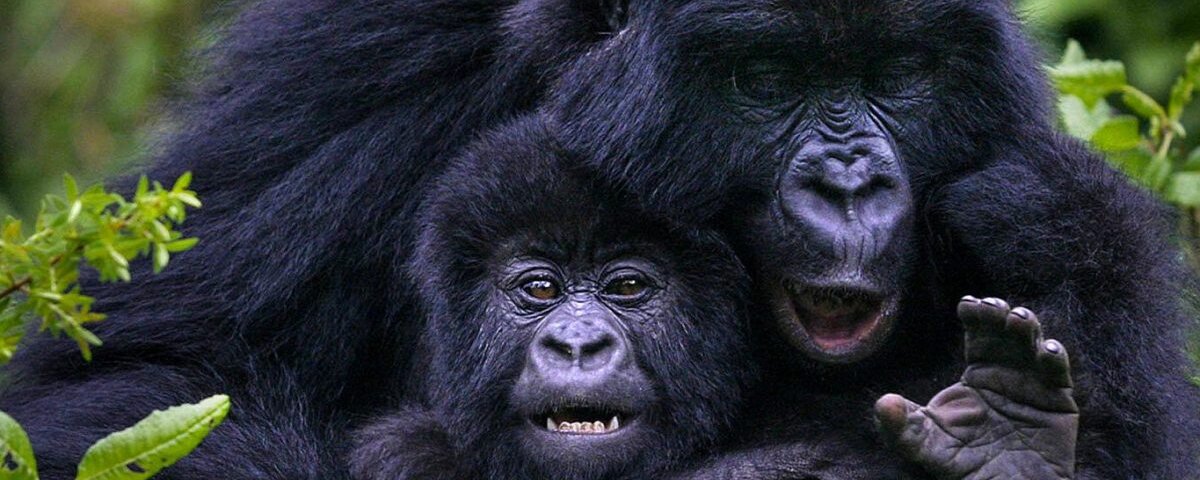
How Long Does Gorilla Trekking Take in Uganda?
How long does gorilla trekking take in Uganda? Gorilla trekking in Uganda typically takes anywhere from 2 to 8 hours, depending on the location of the gorilla family, the terrain, weather conditions, and the pace of the trekking group. Some visitors find mountain gorillas within a short time after entering the forest, while others spend several hours hiking through dense vegetation before reaching them. Once trekkers locate the gorillas, they spend one unforgettable hour observing these remarkable primates in their natural habitat. Understanding how long gorilla trekking takes in Uganda helps travelers prepare physically and mentally for one of Africa’s most rewarding wildlife experiences.
Uganda has earned a global reputation as one of the best destinations for gorilla trekking. The country protects nearly half of the world’s remaining mountain gorilla population within its pristine forests. Every year, thousands of travelers visit Uganda to enjoy close encounters with these endangered giants. Although the duration of gorilla trekking varies from one trek to another, the experience remains one of the most memorable wildlife adventures on Earth. From the moment visitors enter the rainforest to the moment they stand face to face with a gorilla family, every step offers excitement, discovery, and a deeper connection with nature.
Best Uganda Gorilla Trekking Tours
18 Days Best Uganda Adventure Safaris
14-Days Uganda Gorillas & Wildlife Tour
12 Days Gorillas, Chimps & Wildlife Safari
10 days Uganda primates & wildlife safari
10 Days Uganda Gorillas and Game Safari
7 Days Gorillas & Wildlife Safari
6 Days Gorillas and Chimps Trek Safari
3 Day Bwindi Gorilla Trekking Safari
4 Days Gorilla Trekking & Boat Cruise
9 Days Uganda Luxury Safari Tour
Where Does Gorilla Trekking Take Place in Uganda?
Uganda offers gorilla trekking in two protected areas: the magnificent Bwindi Impenetrable National Park and the beautiful Mgahinga Gorilla National Park. Both parks lie in southwestern Uganda and provide exceptional opportunities to encounter mountain gorillas in their natural habitat.
Bwindi Impenetrable National Park remains the most popular gorilla trekking destination in Uganda. This UNESCO World Heritage Site hosts more than twenty habituated gorilla families spread across four trekking sectors: Buhoma, Ruhija, Rushaga, and Nkuringo. The dense rainforest, steep hills, and rich biodiversity create a unique environment for trekking adventures. Since gorilla families move freely through the forest, trekking times differ significantly from one sector to another.
Mgahinga Gorilla National Park offers a smaller and less crowded trekking experience. The park features stunning volcanic landscapes and is home to the Nyakagezi Gorilla Family. Because the gorillas move across different sections of the park, trekking duration can vary here as well.
The location of the gorilla family on a particular day greatly influences how long the trek takes. Rangers begin tracking gorillas early in the morning and communicate their positions to trekking guides. This process helps improve the chances of locating the gorillas efficiently, although nature always determines the final outcome.
What Factors Determine How Long Gorilla Trekking Takes?
Several factors influence the length of a gorilla trekking experience in Uganda. Understanding these factors helps visitors set realistic expectations before arriving for their trek.
The most important factor is the location of the gorilla family. Mountain gorillas constantly move in search of food, water, and resting places. A family that spent the night close to the park boundary may require only a short walk to reach. On the other hand, a family that moved deep into the forest may require several hours of hiking.
Terrain also plays a significant role. Uganda’s gorilla habitats feature steep hills, valleys, dense vegetation, and muddy trails. Trekkers often navigate uneven ground, which naturally affects hiking speed and overall trekking duration.
Weather conditions can influence trekking times as well. During the rainy season, trails become slippery and more challenging to navigate. Guides may need to move at a slower pace to ensure visitor safety. Conversely, dry season conditions often allow for easier hiking.
The fitness level of trekkers also impacts the pace of the journey. Guides adjust the trekking speed to accommodate all members of the group. While experienced hikers may move quickly, groups generally maintain a comfortable pace that allows everyone to enjoy the experience safely.
What Happens Before the Gorilla Trek Begins?
The gorilla trekking experience starts long before visitors enter the forest. Every trekking day begins with an early morning briefing at the park headquarters.
Trekkers usually arrive at the briefing center around 7:00 AM. During the briefing, park officials explain gorilla trekking rules, safety guidelines, conservation efforts, and visitor expectations. Rangers also assign visitors to specific gorilla families based on factors such as age, fitness level, and personal preferences.
The briefing generally lasts between 30 and 60 minutes. During this time, guides share valuable information about mountain gorillas, the forest ecosystem, and the trekking route. Visitors can ask questions and receive clarification about the day’s activities.
After the briefing, trekking groups travel to the starting point of their assigned trail. Some gorilla families live close to the briefing center, while others require a short drive before the trek begins. Rangers then lead visitors into the forest, marking the official start of the gorilla trekking adventure.
Although the actual hiking time varies, visitors should plan for a full day of activities. The preparation process forms an important part of the overall experience and helps ensure a successful and enjoyable encounter with the gorillas.
How Long Does It Take to Find the Gorillas?
Finding the gorillas often represents the longest part of the trekking experience. On average, trekkers spend between 2 and 6 hours searching for the gorilla family, although some treks can be shorter or longer.
Before visitors begin hiking, trackers enter the forest at dawn to locate the gorillas. They follow signs such as fresh footprints, broken vegetation, nests, and feeding areas. As the trekking group moves through the forest, guides maintain communication with the trackers to determine the gorillas’ latest position.
Some gorilla families remain relatively close to the starting point, allowing visitors to reach them within one or two hours. However, mountain gorillas do not follow fixed routes. Their movements depend on food availability, weather conditions, and natural behavior.
The search itself forms part of the adventure. Trekkers often encounter colorful birds, butterflies, monkeys, and unique plant species along the way. The anticipation of meeting the gorillas creates excitement with every step through the rainforest.
While many travelers focus on the destination, experienced safari enthusiasts often appreciate the entire journey. Every moment spent tracking gorillas contributes to a deeper understanding of the rainforest and the conservation efforts that protect these magnificent animals.
How Much Time Do Visitors Spend With the Gorillas?
Once trekkers locate the gorilla family, park regulations allow exactly one hour of observation. This sixty-minute period provides an extraordinary opportunity to watch mountain gorillas in their natural environment.
During the encounter, visitors observe the gorillas as they feed, groom, play, rest, and interact with one another. Young gorillas often entertain visitors with playful behavior, while dominant silverbacks display impressive strength and leadership within the family group.
The one-hour rule serves an important conservation purpose. Limiting human interaction helps minimize stress on the gorillas and reduces the risk of disease transmission. This careful balance allows tourism to support conservation while protecting the wellbeing of the animals.
Many visitors describe the hour as both thrilling and surprisingly emotional. Watching mountain gorillas at close range creates a profound connection with one of humanity’s closest relatives. The experience often leaves travelers with a deeper appreciation for wildlife conservation and the importance of protecting endangered species.
Although one hour may seem brief, it provides ample time to take photographs, observe natural behaviors, and create memories that last a lifetime.
Can Gorilla Trekking Take an Entire Day?
Yes, gorilla trekking can easily occupy an entire day. While the actual trek may last between 2 and 8 hours, travelers should allocate the whole day for the activity.
The day begins with an early morning briefing and preparation session. Following the briefing, trekking groups enter the forest and spend several hours searching for the gorillas. After the one-hour encounter, trekkers must hike back to the park headquarters.
The return journey may take anywhere from one to three hours, depending on the location of the gorilla family and the route used. Upon arrival, visitors receive certificates recognizing their participation in gorilla trekking.
Many travelers also spend time sharing experiences, reviewing photographs, and relaxing after the trek. Because the activity involves physical effort and unpredictable timing, scheduling additional major activities on the same day is generally not advisable.
Planning for a full day ensures a stress-free experience and allows visitors to fully enjoy every aspect of the adventure without worrying about time constraints.
How Can Visitors Prepare for a Successful Gorilla Trek?
Proper preparation helps visitors enjoy a comfortable and successful gorilla trekking experience. Since trekking duration varies significantly, preparation should focus on flexibility and readiness for different conditions.
Visitors should maintain a reasonable level of physical fitness before traveling to Uganda. Regular walking, hiking, and cardiovascular exercise improve endurance and make the trek more enjoyable. Although gorilla trekking does not require advanced athletic ability, good fitness helps visitors navigate challenging terrain with confidence.
Appropriate clothing also makes a significant difference. Long sleeved shirts, long trousers, waterproof hiking boots, gardening gloves, and rain jackets provide protection against vegetation, insects, and changing weather conditions.
Packing enough drinking water and energy snacks helps maintain energy levels during longer treks. Travelers should also carry sunscreen, insect repellent, and a camera with extra batteries.
Hiring a porter offers additional benefits. Porters carry bags, assist on steep trails, and support local communities through employment opportunities. Many visitors find that a porter significantly enhances their trekking experience.
With proper preparation, visitors can focus on enjoying the adventure rather than worrying about physical challenges or environmental conditions.
Why Is Gorilla Trekking Worth the Time?
Many travelers wonder whether spending several hours hiking through a rainforest is worth the effort. The answer becomes clear the moment they encounter a mountain gorilla family in the wild.
Gorilla trekking offers one of the rarest wildlife experiences available anywhere in the world. Unlike traditional game drives, trekking creates a personal connection with nature. Visitors actively participate in the search and become part of the journey rather than simply observing from a vehicle.
The experience also supports vital conservation initiatives. Revenue from gorilla permits helps protect gorilla habitats, fund conservation programs, and create economic opportunities for local communities. Every trek contributes directly to the long term survival of mountain gorillas.
Beyond conservation, gorilla trekking delivers unforgettable memories. The sight of a massive silverback calmly observing visitors, a mother caring for her infant, or playful juveniles tumbling through the forest creates moments that remain vivid for years.
Ultimately, the time invested in gorilla trekking becomes part of the reward itself. The anticipation, the hike, the discovery, and the encounter combine to create an adventure unlike any other. For travelers seeking authentic wildlife experiences in Africa, understanding how long gorilla trekking takes in Uganda helps set expectations for a journey that consistently exceeds them. Gorilla trekking in Uganda may take several hours, but the experience delivers memories and inspiration that last a lifetime.