How many days do I need for Rwanda gorilla trekking
June 26, 2026
How Much Does Gorilla Trekking in Rwanda Cost
June 26, 2026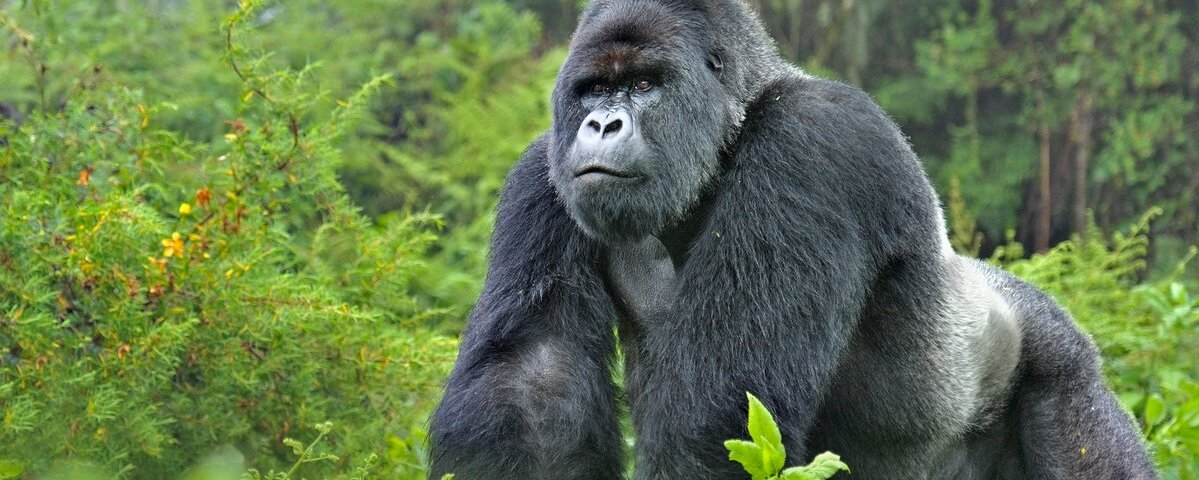
How many gorilla families are in Rwanda?
How many gorilla families are in Rwanda? Rwanda currently protects over 12 habituated mountain gorilla families that live within the lush slopes of Volcanoes National Park. These families form the heart of Rwanda’s world-famous gorilla trekking experience and represent one of the strongest conservation success stories in Africa. The country has invested heavily in protecting these rare primates, ensuring they thrive in a safe and well managed environment. As a result, Rwanda stands out as a top global destination for travelers seeking close encounters with mountain gorillas in their natural habitat.
From a tourism perspective, these gorilla families play a powerful role in shaping Rwanda’s identity as a premium eco-tourism destination. Each family has its own unique behavior, structure, and movement patterns, which makes every trekking experience different and exciting. In addition, Rwanda limits visitor numbers to reduce stress on the animals and maintain long term sustainability. This approach builds trust, protects wildlife, and strengthens Rwanda’s reputation in global tourism. Therefore, understanding how many gorilla families exist in Rwanda gives travelers deeper insight into conservation success and responsible tourism practices.
Best Rwanda Gorilla Trekking Tours
7 Days wildlife & Gorilla Tour
Understanding Gorilla Families in Rwanda
Gorilla families in Rwanda consist of structured groups led by a dominant silverback male who protects, guides, and organizes the group. Each family includes females, juveniles, and infants who depend on strong social bonds for survival. In Rwanda, these families live mainly within Volcanoes National Park, part of the larger Virunga Mountain range. Every group has a unique name, history, and behavior pattern, which rangers closely monitor for research and protection purposes.
These families do not form randomly. Instead, they grow through natural processes such as birth, migration, and splitting of groups. Over time, conservation teams carefully habituate them to human presence, allowing tourists to visit without disturbing their natural lifestyle. This process takes years of patience and consistent monitoring. As a result, Rwanda maintains stable and well protected gorilla families that offer reliable trekking experiences. Moreover, these groups contribute to scientific research, helping experts understand primate behavior, genetics, and social structures.
Understanding gorilla families also helps travelers appreciate their emotional intelligence and social complexity. They communicate through gestures, sounds, and physical interaction, which creates a deeply engaging wildlife experience. This knowledge strengthens Rwanda’s position as a leader in responsible wildlife tourism.
Where Do Gorilla Families Live in Rwanda?
Gorilla families in Rwanda live mainly in the dense rainforests of Volcanoes National Park, located in the northwestern part of the country. This park forms part of the larger Virunga Mountains ecosystem, which stretches across Rwanda, Uganda, and the Democratic Republic of Congo. The high altitude, thick vegetation, and cool climate create the perfect environment for mountain gorillas to thrive.
Within the park, each gorilla family occupies a specific home range. These ranges shift depending on food availability, weather conditions, and group movement patterns. Rangers track these movements daily to ensure safe and organized trekking experiences. This system allows tourists to visit different families while minimizing environmental disturbance.
The location of these gorilla families also plays a major role in Rwanda’s tourism success. The country maintains strong infrastructure, trained guides, and well managed trekking routes that support safe access to gorilla habitats. As a result, visitors enjoy both adventure and comfort while exploring one of Africa’s most important wildlife ecosystems. This balance between conservation and tourism strengthens Rwanda’s global reputation as a top tier eco travel destination.
How Are Gorilla Families Protected in Rwanda?
Rwanda has built one of the strongest gorilla protection systems in the world. The government works closely with conservation organizations and local communities to ensure every gorilla family remains safe. Rangers patrol Volcanoes National Park daily, monitoring movement, health, and potential threats. These efforts reduce poaching risks and protect habitats from human encroachment.
Tourism also plays a key role in protection. Each gorilla trekking permit contributes directly to conservation funding, local community development, and ranger support. This system creates a strong link between tourism revenue and wildlife survival. As a result, communities near gorilla habitats benefit economically, which encourages long term protection of the species.
In addition, Rwanda enforces strict trekking rules. Visitors maintain a safe distance, limit time with gorilla families, and follow guide instructions carefully. These rules reduce stress on the animals and prevent disease transmission. Through this structured system, Rwanda ensures that gorilla families remain healthy, stable, and well protected for future generations.
Gorilla Trekking Experience and Family Groups
Gorilla trekking in Rwanda offers a rare opportunity to observe different gorilla families in their natural environment. Each trek leads visitors into the forests of Volcanoes National Park, where experienced guides track specific groups based on their location and behavior. This organized system increases the chances of successful sightings and meaningful wildlife encounters.
Every gorilla family provides a unique experience. Some groups are calm and playful, while others appear more active and protective. Visitors may observe feeding behavior, grooming, or interaction between mothers and infants. These moments create strong emotional connections and lasting memories for travelers.
Rwanda designs the trekking experience to balance adventure and conservation. Group sizes remain small, and time spent with each family is limited. This approach ensures minimal disturbance while maximizing observation quality. As a result, Rwanda delivers one of the most respected and well managed gorilla trekking experiences in the world. This system also strengthens the country’s position as a leader in sustainable tourism and wildlife protection.
Conclusion: How many gorilla families are in Rwanda
Rwanda protects over 12 habituated gorilla families living within Volcanoes National Park, making it one of the most important destinations for mountain gorilla conservation and tourism in the world. These families represent more than wildlife; they reflect Rwanda’s commitment to sustainability, protection, and responsible tourism development.
Through strong conservation policies, community involvement, and controlled tourism, Rwanda continues to safeguard these precious gorilla groups for future generations. Travelers who visit these families experience not only wildlife encounters but also a deeper understanding of conservation success in Africa.
Ultimately, knowing how many gorilla families are in Rwanda helps travelers appreciate the value of every trekking experience and the effort behind protecting these remarkable animals.