Giant Holiday Safaris – Why Sustainable Tourism Tanzania Is the Future of Safaris in Tanzania (2026–2027)
April 8, 2026
Seronera Wildlife Lodge
April 8, 2026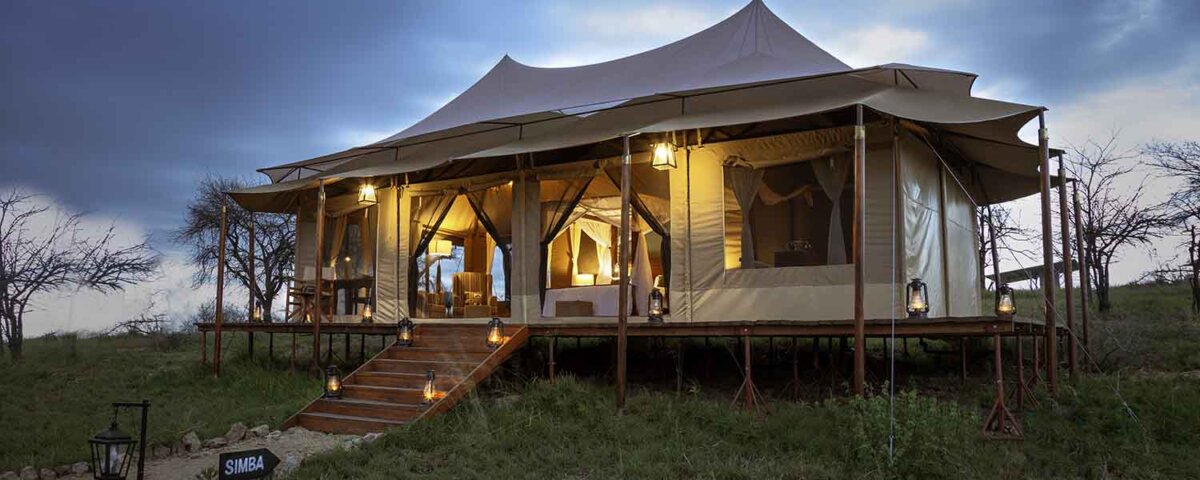
Matawi Serengeti Camp
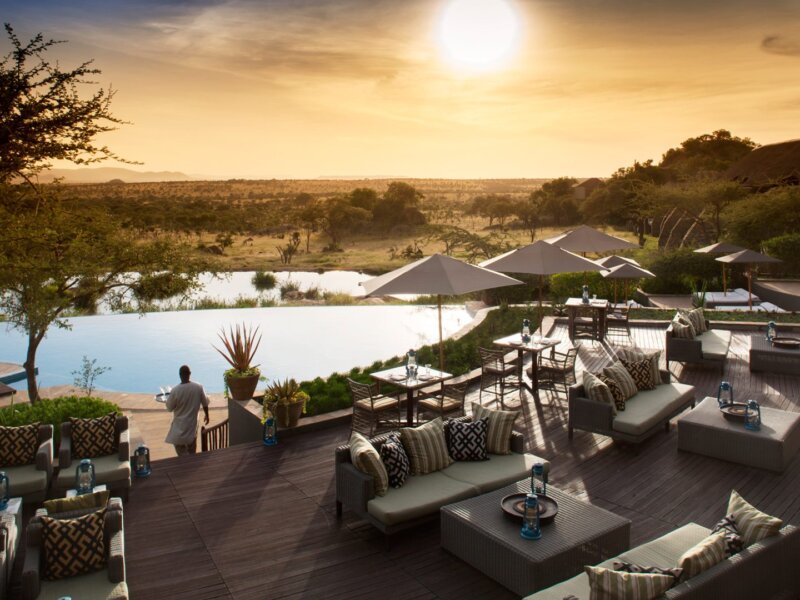
Matawi Serengeti Camp offers an unforgettable African safari experience. This luxury camp combines comfort, adventure, and immersion in nature, creating a perfect retreat for travelers seeking both relaxation and wildlife excitement. Surrounded by sweeping plains and vibrant wildlife, the camp provides guests with an authentic connection to Africa’s wilderness. Whether it’s witnessing the iconic Great Migration or spotting the Big Five, every moment at Matawi Serengeti Camp immerses you in Tanzania’s natural beauty. With personalized service, spacious accommodations, and expertly guided safaris, this camp has become a trusted choice for discerning travelers. By choosing Matawi Serengeti Camp, visitors experience not only Tanzania’s rich wildlife but also the warmth of local hospitality, making every stay memorable and meaningful.
Accommodation at Matawi Serengeti Camp
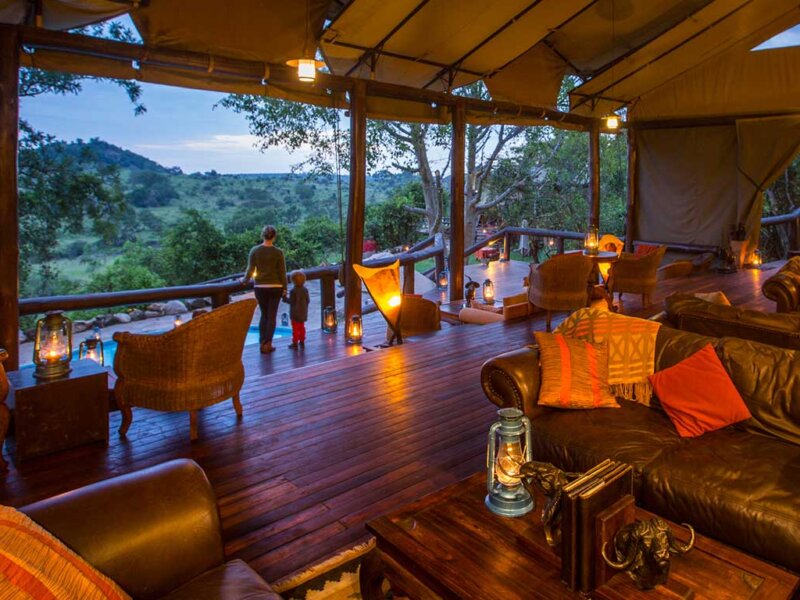
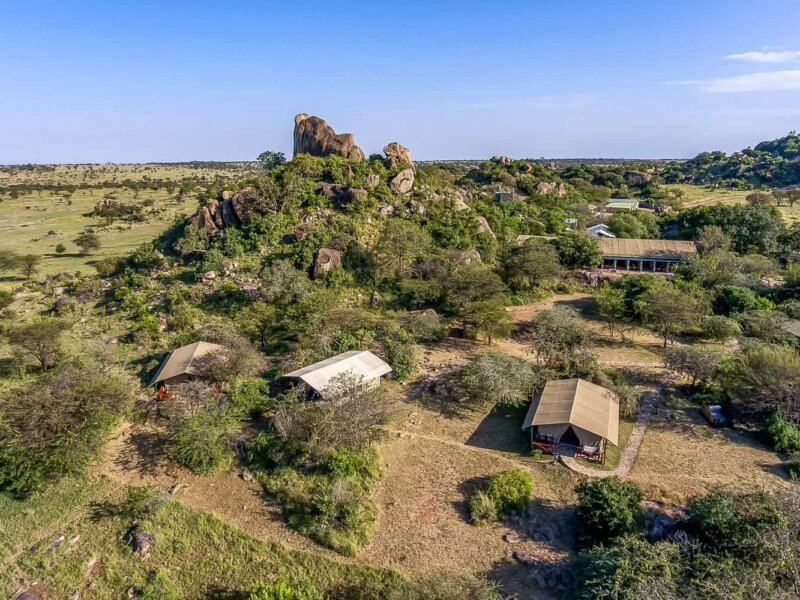
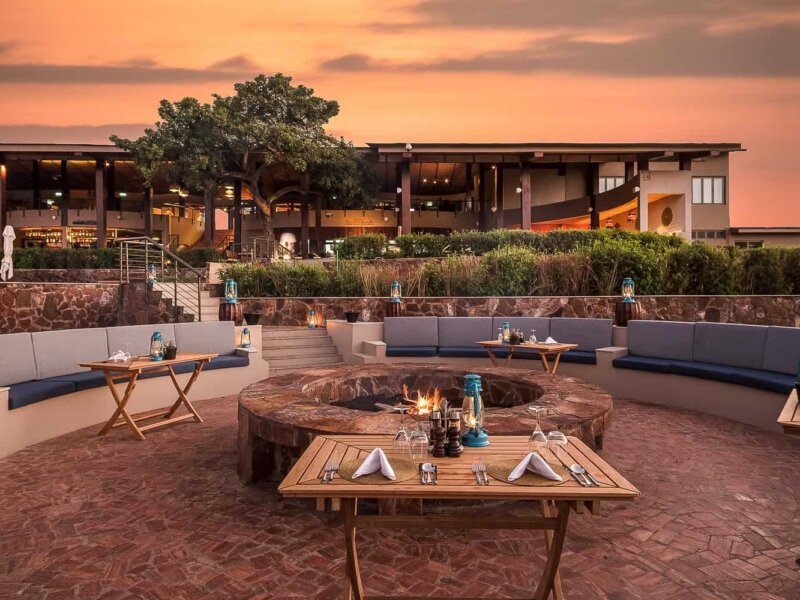
Matawi Serengeti Camp offers elegantly designed tents that blend seamlessly with the natural surroundings. Each tent is spacious and equipped with modern amenities, including comfortable beds, en-suite bathrooms, and private verandas overlooking the Serengeti plains. Guests can enjoy the gentle sounds of wildlife from the comfort of their tents, creating an immersive experience without sacrificing luxury. The camp’s layout ensures privacy while maintaining easy access to communal areas like the dining lounge and lounge bar. Decor incorporates natural materials and subtle Tanzanian touches, offering both sophistication and authenticity. Staff at the camp are trained to provide personalized service, ensuring your stay is stress-free and memorable. With eco-conscious practices in place, Matawi Serengeti Camp balances luxury and sustainability, letting travelers enjoy nature responsibly while indulging in comfort and elegance.
Serengeti National Park
Serengeti National Park stands as one of Africa’s most iconic wildlife destinations. Spanning over 14,700 square kilometers, it hosts a diverse ecosystem that includes grasslands, woodlands, and riverine forests. The park is famous for the Great Migration, where millions of wildebeest and zebras traverse the plains in search of fresh grazing grounds. Predators, including lions, leopards, and cheetahs, thrive in this rich habitat, offering spectacular wildlife viewing opportunities. Beyond its abundant wildlife, the Serengeti holds significant ecological value, supporting rare species and diverse flora. Visitors enjoy not only game drives but also bird watching, hot air balloon safaris, and cultural interactions with local Maasai communities. As a premier safari destination, the Serengeti provides unmatched opportunities to witness Africa’s wild beauty in its purest form.
Best Time to Visit Serengeti National Park
The best time to visit the Serengeti depends on the type of wildlife experience desired. June to October offers dry season conditions, making wildlife easier to spot as animals gather around water sources. This period is ideal for photographers seeking clear skies and vibrant landscapes. The Great Migration occurs from December to July, with river crossings at Mara River happening between July and October, offering dramatic wildlife spectacles. Rainy seasons from November to May bring lush greenery and newborn wildlife but may limit accessibility in some areas. Regardless of timing, every visit promises incredible experiences. Seasonal variations provide unique opportunities to witness different wildlife behaviors, ensuring each trip offers something extraordinary.
Ngorongoro Crater
The Ngorongoro Crater is a UNESCO World Heritage Site and one of Tanzania’s most famous geological formations. This massive volcanic caldera spans approximately 260 square kilometers and hosts one of the densest concentrations of wildlife in Africa. Visitors can spot elephants, rhinos, lions, zebras, and wildebeest within this fertile ecosystem. The crater floor is dotted with acacia forests, grasslands, and freshwater lakes, creating a diverse habitat for flora and fauna. A day spent exploring Ngorongoro offers breathtaking scenery, wildlife encounters, and photography opportunities. The surrounding highlands are home to Maasai communities, allowing cultural interactions that enhance the safari experience. Its accessibility and rich biodiversity make the crater a must-visit destination for travelers seeking both adventure and education in Tanzania.
Best Time to Visit Ngorongoro Crater
Visiting Ngorongoro Crater is ideal during the dry months of June to October, when wildlife is concentrated and easily observed. The weather is cooler and more comfortable for game drives. However, the wet season from November to May brings lush landscapes, migratory birds, and newborn animals, creating excellent photographic opportunities. Despite occasional muddy roads during rains, this period offers fewer tourists and a more serene experience. Travelers can plan visits based on wildlife patterns, weather preferences, and desired experiences. Whether aiming for dramatic predator sightings or tranquil, scenic landscapes, Ngorongoro Crater remains a spectacular destination throughout the year.
Tarangire National Park
Tarangire National Park is a hidden gem in northern Tanzania, renowned for its large elephant populations and iconic baobab trees. Spanning over 2,850 square kilometers, it features rolling savannahs, swamps, and riverine forests. The park is especially famous during the dry season, when animals congregate near the Tarangire River, providing excellent wildlife viewing opportunities. Visitors can encounter lions, leopards, buffalo, and a variety of antelope species. Bird enthusiasts will enjoy spotting over 500 species, including the colorful lilac-breasted roller. Tarangire’s landscape, abundant wildlife, and relatively quieter environment make it a perfect addition to multi-park safari itineraries. Its unique ecosystem complements other northern safari destinations, offering a rich and varied wildlife experience.
Best Time to Visit Tarangire National Park
The best time to visit Tarangire National Park is during the dry season from June to October, when water sources shrink, and wildlife gathers around the Tarangire River. This period ensures optimal visibility and photography opportunities. The wet season, from November to May, transforms the park into a lush, green landscape, attracting migratory birds and newborn wildlife. Fewer visitors during this season provide a tranquil safari experience. Planning your visit according to these seasonal patterns ensures that you enjoy both wildlife abundance and the scenic beauty of Tarangire’s iconic landscapes.
Lake Manyara National Park
Lake Manyara National Park is a compact but vibrant destination, famous for its flamingos and tree-climbing lions. The park covers approximately 330 square kilometers, featuring a mix of alkaline lakes, groundwater forests, and open plains. It supports a diverse range of wildlife, including elephants, hippos, baboons, and hundreds of bird species. Its unique habitats allow visitors to experience different ecological zones in a short time. Game drives along the park’s scenic routes reveal intimate wildlife encounters and stunning photographic opportunities. The combination of lush landscapes, abundant wildlife, and proximity to other safari destinations makes Lake Manyara a popular stop on northern Tanzania safari circuits.
Best Time to Visit Lake Manyara National Park
The dry season from June to October is ideal for wildlife viewing at Lake Manyara, as animals cluster near remaining water sources. Flamingos may appear in large numbers, creating spectacular natural displays. The wet season from November to May brings verdant scenery, bird migrations, and newborn animals. Though roads may be muddy, the lush environment enhances the park’s beauty and attracts fewer tourists. Planning visits around these seasonal patterns ensures maximum enjoyment of both wildlife and landscapes while experiencing Lake Manyara’s unique charm.
How to Reach Matawi Serengeti Camp
By Road: Guests can access Matawi Serengeti Camp via private or shared safari vehicles from Arusha or Kilimanjaro Airport. The drive typically takes 6 to 8 hours, passing through scenic Tanzanian countryside, local villages, and savannah landscapes. Experienced drivers and guides ensure a safe and comfortable journey, allowing stops for photography and refreshments along the way.
By Air: For faster access, small charter flights operate from Arusha, Kilimanjaro, or Serengeti airstrips, landing near the camp. Flights usually last 1 to 1.5 hours and offer stunning aerial views of the Serengeti plains and wildlife below. Air transfers maximize time spent on safari, offering convenience without compromising the adventure.
Activities at Matawi Serengeti Camp
Game Drives: Explore the Serengeti with expert guides who track the Big Five and other wildlife. Morning and evening drives maximize sightings and photography opportunities.
Hot Air Balloon Safaris: Float above the Serengeti plains at sunrise, witnessing vast herds and breathtaking landscapes. This unique perspective enhances wildlife spotting and creates unforgettable memories.
Cultural Visits: Engage with local Maasai communities to learn about traditions, lifestyles, and crafts. These visits offer insight into Tanzanian culture and history.
Bush Walks: Experience guided walks through the wilderness, learning about plants, insects, and smaller wildlife not visible from vehicles. This intimate connection with nature enriches the safari experience.
Photography Safaris: Specialized tours help travelers capture stunning wildlife and landscapes. Guides provide tips on positioning and timing for the perfect shot.
Why Visit Matawi Serengeti Camp with Giant Holiday Safaris
Choosing Matawi Serengeti Camp with Giant Holiday Safaris guarantees a seamless, enriching safari experience. With decades of expertise in African tourism, the company offers expertly planned itineraries, professional guides, and personalized services. Travelers benefit from insider knowledge of the Serengeti, Ngorongoro, Tarangire, and Lake Manyara, ensuring unforgettable wildlife encounters. Giant Holiday Safaris prioritizes comfort, safety, and authenticity, blending luxury with adventure. Every trip is designed to maximize wildlife viewing, cultural engagement, and photographic opportunities. By booking with a trusted operator, guests enjoy peace of mind, exceptional value, and a safari experience that combines discovery, relaxation, and lifelong memories.
Combined Uganda, Kenya, Rwanda and Tanzania Safaris
17 days Kenya Tanzania and Uganda safari
19 Days Uganda Kenya and Tanzania Safari
16 Days Kenya Tanzania and Uganda Safari
14 Days Kenya Uganda and Tanzania Safari
14 Days Kenya Uganda and Rwanda Safari