A Safari in Lake Manyara and Gorilla Trekking
January 31, 2026
Uganda Gorilla Tours from Indonesia
February 2, 2026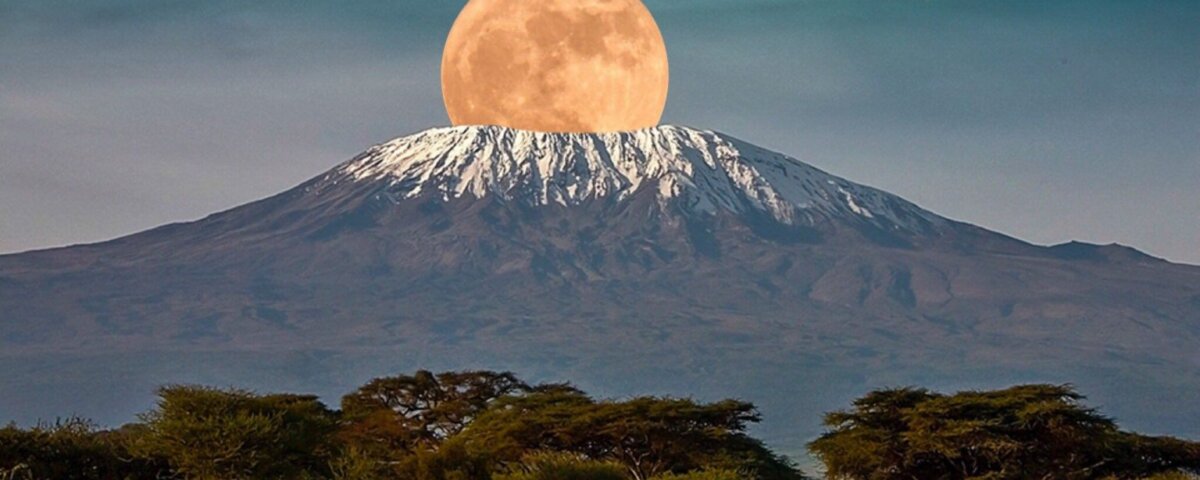
Combining Climbing Mount Kilimanjaro with Gorilla Trekking in Uganda
Combining climbing Mount Kilimanjaro with gorilla trekking in Uganda creates an extraordinary adventure that blends Africa’s highest peak with its rarest primates. This journey takes travelers from the towering, snow-capped summit of Kilimanjaro in Tanzania to the lush, dense rainforests of Uganda, home to mountain gorillas. The experience appeals to thrill-seekers and nature lovers alike, offering both physical challenges and intimate wildlife encounters. Hiking Kilimanjaro tests endurance while rewarding climbers with panoramic views across East Africa. Following this, trekking gorillas in Uganda offers a unique chance to observe these magnificent creatures in their natural habitat.
The adventure requires careful planning, as each activity has distinct logistical needs. Climbers must acclimatize properly for Kilimanjaro, selecting routes that suit their fitness levels and time constraints. Meanwhile, gorilla trekking requires permits and guidance to ensure both visitor safety and wildlife protection. Travel between Tanzania and Uganda can be seamless with organized transfers, allowing tourists to enjoy both experiences without stress. By combining these activities, travelers gain a once-in-a-lifetime opportunity to witness Africa’s natural grandeur from multiple perspectives. This adventure also strengthens appreciation for conservation efforts, as both Kilimanjaro and Uganda’s national parks are protected environments. Overall, this combination caters to global travelers seeking unforgettable memories while immersing themselves in Africa’s rich landscapes and wildlife diversity.
Best Time for Climbing Mount Kilimanjaro
Climbing Mount Kilimanjaro is most rewarding during Tanzania’s dry seasons. The prime months are January to March and June to October, when trails are less slippery, and visibility reaches its peak. These periods allow climbers to enjoy clear vistas from every stage of the ascent, from lush rainforest at the base to alpine deserts near the summit. Weather conditions are more predictable, reducing the risk of rain or harsh storms that can hinder progress.
During these months, the mountain’s diverse ecosystems become most accessible. Hikers can observe unique flora and fauna in lower zones and marvel at the dramatic lunar landscapes above 5,000 meters. Outside the dry season, heavy rains can make paths treacherous, complicate camping arrangements, and limit scenic views. Choosing the right time ensures climbers can pace themselves comfortably while maximizing safety and enjoyment. Additionally, the dry months coincide with peak visibility of wildlife in surrounding areas, enhancing the holistic African adventure experience. Proper timing, combined with a well-structured itinerary, guarantees a Kilimanjaro climb that is not only challenging but also deeply rewarding for all travelers.
Can I Drive from Tanzania to Uganda?
Yes, driving from Tanzania to Uganda is possible and provides an excellent opportunity to explore East Africa’s landscapes. The journey typically starts from Moshi or Arusha in Tanzania and crosses into Uganda through Katuna or Mutukula border points, depending on your route. Travelers experience a mix of scenic savannahs, rolling hills, and rural villages, offering a glimpse into local cultures along the way.
Driving is ideal for groups or travelers seeking flexibility in timing and stops. Distances can range from 600 to 800 kilometers depending on the entry point, and the trip usually takes 12–16 hours, including border formalities. Roads between major towns are generally paved, but some rural sections may be rough, requiring careful planning or hiring a 4×4 vehicle. While flights are faster, a road trip gives adventurers the chance to connect with the region at a more personal level, witnessing local life, markets, and roadside landscapes. For those combining Kilimanjaro climbs with gorilla trekking in Uganda, a driving route can also double as a scenic prelude to the national parks, making the journey as memorable as the destinations themselves.
How to Reach Mount Kilimanjaro
Mount Kilimanjaro is easily accessible from Tanzania’s Kilimanjaro International Airport (JRO), located between Moshi and Arusha. From the airport, travelers can reach nearby towns via shuttle, private transfer, or taxi. These towns serve as base points for the various Kilimanjaro routes, including Machame, Marangu, Rongai, and Lemosho.
Climbers typically begin their adventure in Moshi or Arusha, where guides, porters, and equipment can be arranged. Organized tours ensure transportation from the airport to the trailhead is smooth, minimizing stress and maximizing preparation time. It is important to coordinate arrival times with the start of the trek to allow for acclimatization and rest. International travelers often combine flights to Tanzania with neighboring African hubs like Nairobi, Kigali, or Entebbe, making Kilimanjaro a convenient addition to broader East African itineraries. By planning the approach carefully, climbers can begin their ascent fully prepared, confident, and energized for the adventure ahead.
How to Reach Bwindi Impenetrable Forest National Park for Gorilla Trekking
Bwindi Impenetrable Forest in southwestern Uganda is one of the most famous destinations for gorilla trekking. Travelers can reach Bwindi via domestic flights to Kisoro or Kihihi airstrips from Entebbe or Kigali, which significantly reduces travel time. Alternatively, road travel from Kampala or Kigali provides a scenic journey through Uganda’s rolling hills, coffee plantations, and local villages.
Once near Bwindi, visitors are usually transferred to their lodge or camp to rest before trekking. The park is divided into multiple sectors—Rushaga, Buhoma, Nkuringo, and Ruhija—each offering guided gorilla experiences. Trekking requires a permit, which must be booked in advance due to high demand and limited availability. Park rangers accompany visitors to ensure safety and conservation compliance. The combination of guided treks, lush scenery, and the chance to encounter gorillas makes Bwindi a premier destination for wildlife enthusiasts. By reaching the park efficiently, travelers can maximize their time in this biodiverse rainforest while enjoying a seamless safari experience.
How to Reach Mgahinga Gorilla National Park for Gorilla Trekking
Mgahinga Gorilla National Park, located in Uganda’s southwestern corner, offers another excellent gorilla trekking experience. The park is smaller than Bwindi but equally rich in biodiversity and scenery. Flights to Kisoro from Entebbe or Kigali remain the fastest option, while road transfers from Kampala or Kigali provide a more scenic, immersive journey.
Once at the park, travelers are guided to their accommodations before embarking on gorilla treks. Mgahinga is particularly suited for travelers seeking less crowded treks and the chance to combine the experience with golden monkey tracking or volcano hiking. The park is managed with strict conservation protocols, ensuring minimal human impact on gorilla habitats. Proper planning and early permit booking are essential, as the park allows only a limited number of visitors per day. Visiting Mgahinga offers a more intimate wildlife encounter, making it a must-see for those who want both adventure and tranquility in Uganda’s southwestern forests.
How Much is Gorilla Trekking in Uganda?
Gorilla trekking permits in Uganda are an investment in both adventure and conservation. Currently, permits cost around USD 800 per person for foreign non-residents, making it one of the most exclusive wildlife experiences worldwide. The fee supports park management, local communities, and anti-poaching initiatives.
Additional costs may include guide fees, porter services, transportation, and accommodation. While the price might seem high, the value lies in the experience of observing mountain gorillas up close in their natural habitat—a rare opportunity available to only a limited number of travelers each day. Planning in advance ensures availability and can sometimes include packages with lodging, meals, and safari activities, offering a more streamlined experience. By understanding the cost structure, visitors can budget effectively while contributing directly to conservation and local economic development.
How to Book Gorilla Trekking in Uganda
Booking gorilla trekking in Uganda is straightforward but requires early planning due to high demand. Permits are available online through the Uganda Wildlife Authority (UWA) or via trusted safari operators who handle logistics, transfers, and accommodations. Early booking is essential, especially during peak travel seasons, to secure slots in Bwindi or Mgahinga.
Using a reputable tour operator provides added benefits, including personalized itineraries, expert guides, and support throughout the trek. Visitors can choose packages that combine gorilla trekking with other wildlife activities, cultural experiences, or adventure sports. Payments are typically required upfront for permits and bookings, ensuring confirmed access to the national parks. A reliable operator not only secures permits but also enhances the overall experience, making the trek safe, educational, and memorable.
What is the Best Time for Gorilla Trekking in Uganda
The best time for gorilla trekking in Uganda aligns with the country’s dry seasons, specifically June to September and December to February. During these months, trails are less muddy, making hiking safer and more comfortable. Dry periods also improve visibility, allowing trekkers to fully enjoy the forest and observe gorillas in their natural habitats.
While Uganda’s rainforests are lush year-round, heavy rainfall can make treks physically demanding and occasionally limit access to certain park sectors. Dry season trekking maximizes both comfort and wildlife encounters, offering a more predictable and enjoyable experience. For global travelers combining gorilla trekking with Kilimanjaro climbs, scheduling visits during these months ensures optimal conditions, balancing physical challenge with immersive wildlife adventure. Proper timing enhances every aspect of the journey, from safety and accessibility to the quality of memories captured in Africa’s most iconic natural settings.
Other Gorilla Trekking and Wildlife Packages
18 Days Best Uganda Adventure Safaris
14-Days Uganda Gorillas & Wildlife Tour
12 Days Gorillas, Chimps & Wildlife Safari
10 days Uganda primates & wildlife safari
10 Days Uganda Gorillas and Game Safari
7 Days Gorillas & Wildlife Safari
6 Days Gorillas and Chimps Trek Safari